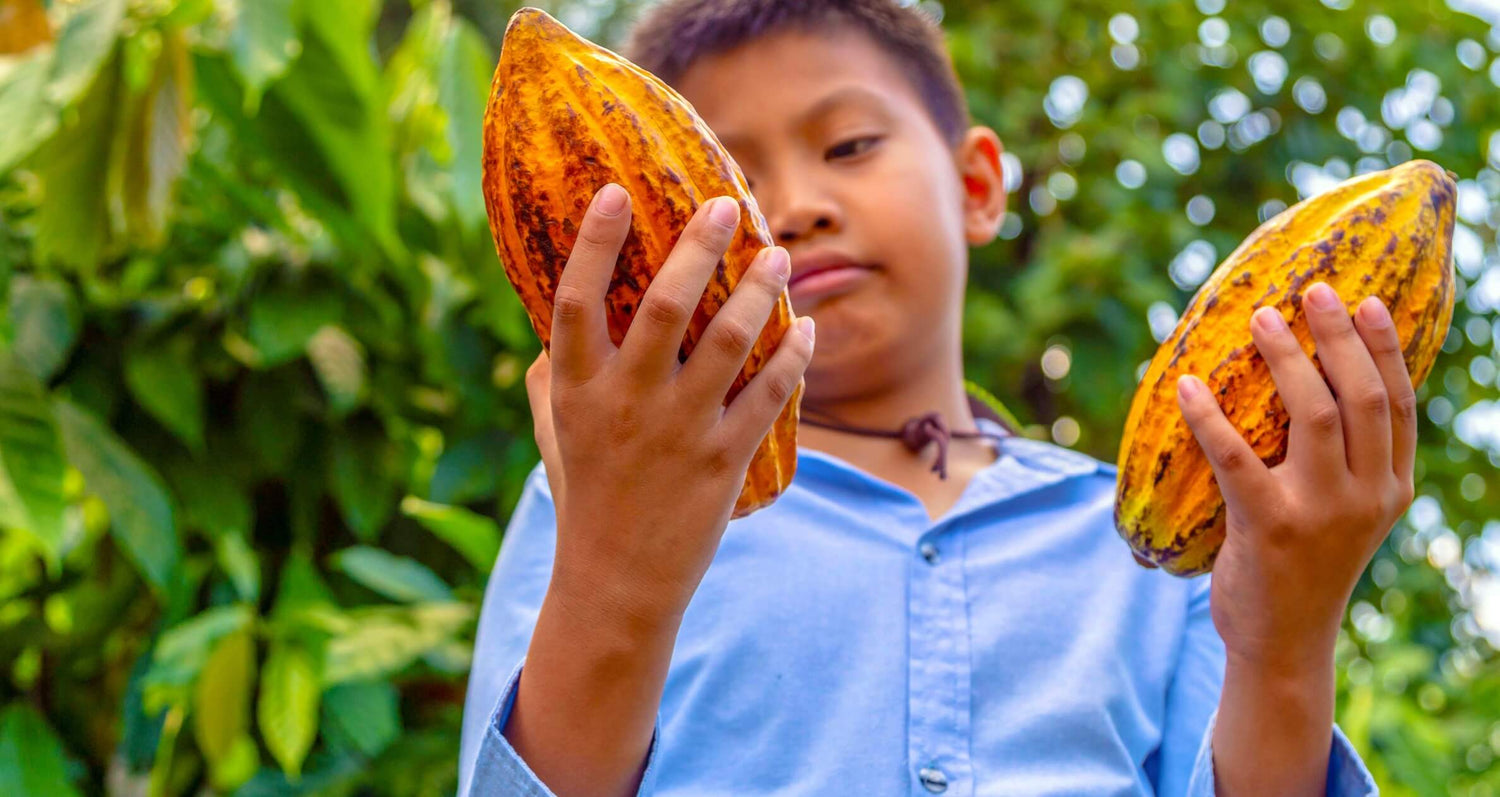
Actualités
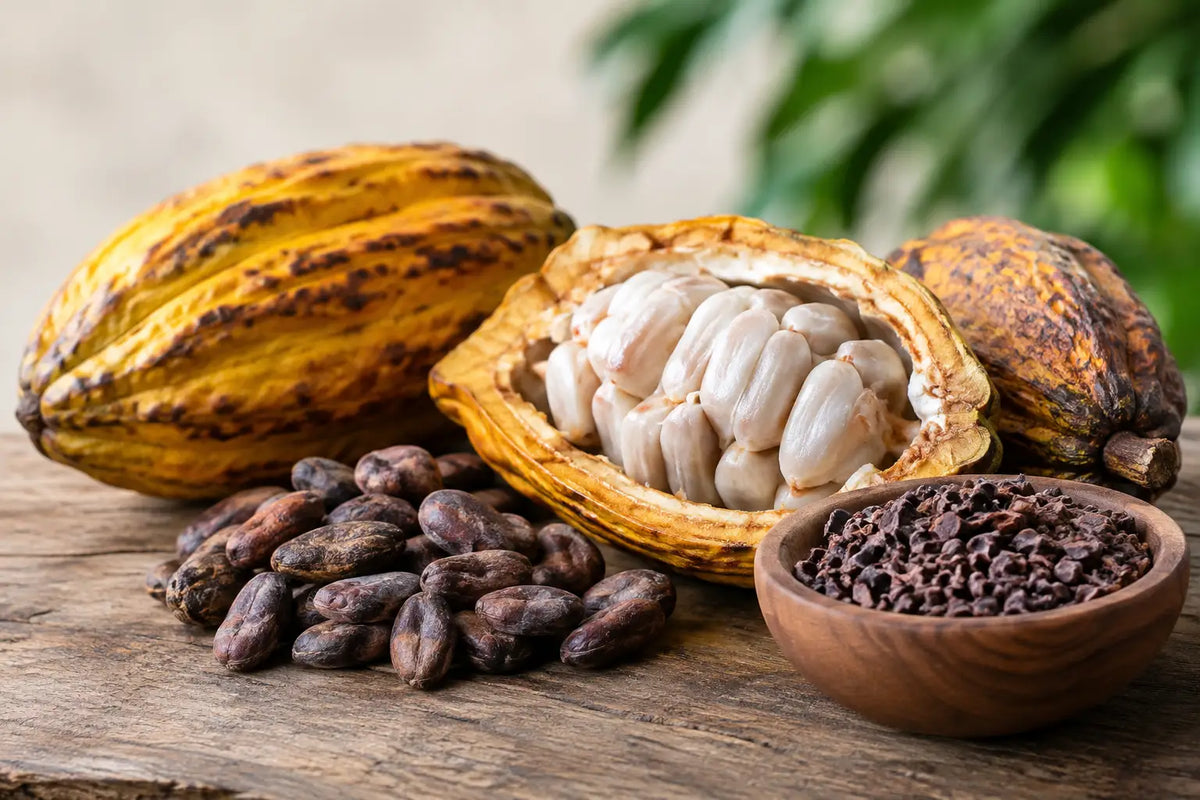
Cacao sourcing examples that define great chocolate
Cacao sourcing examples show how origin, farmer relationships, fermentation, and traceability shape chocolate with character, integrity, and true depth.
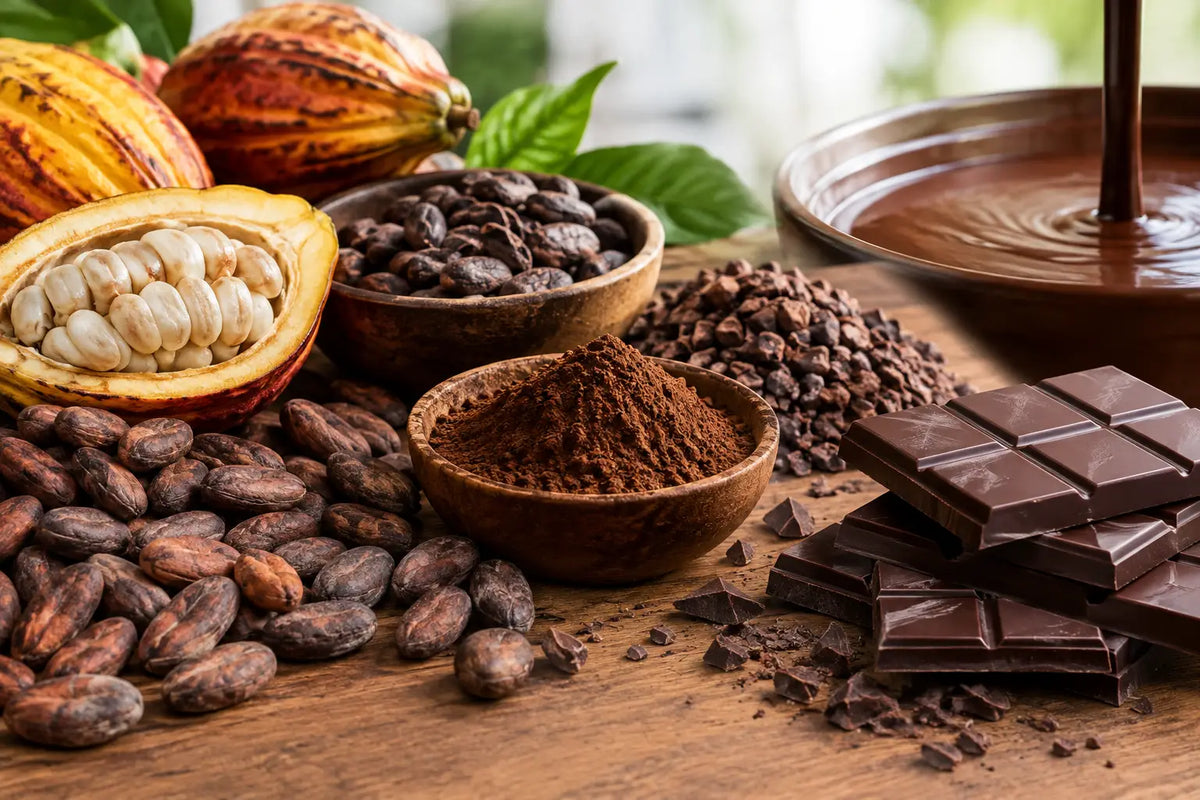
How chocolate bars are crafted bean by bean
See how chocolate bars are crafted from responsibly sourced cacao beans, through roasting, refining, conching, tempering, and careful molding in Brussels.
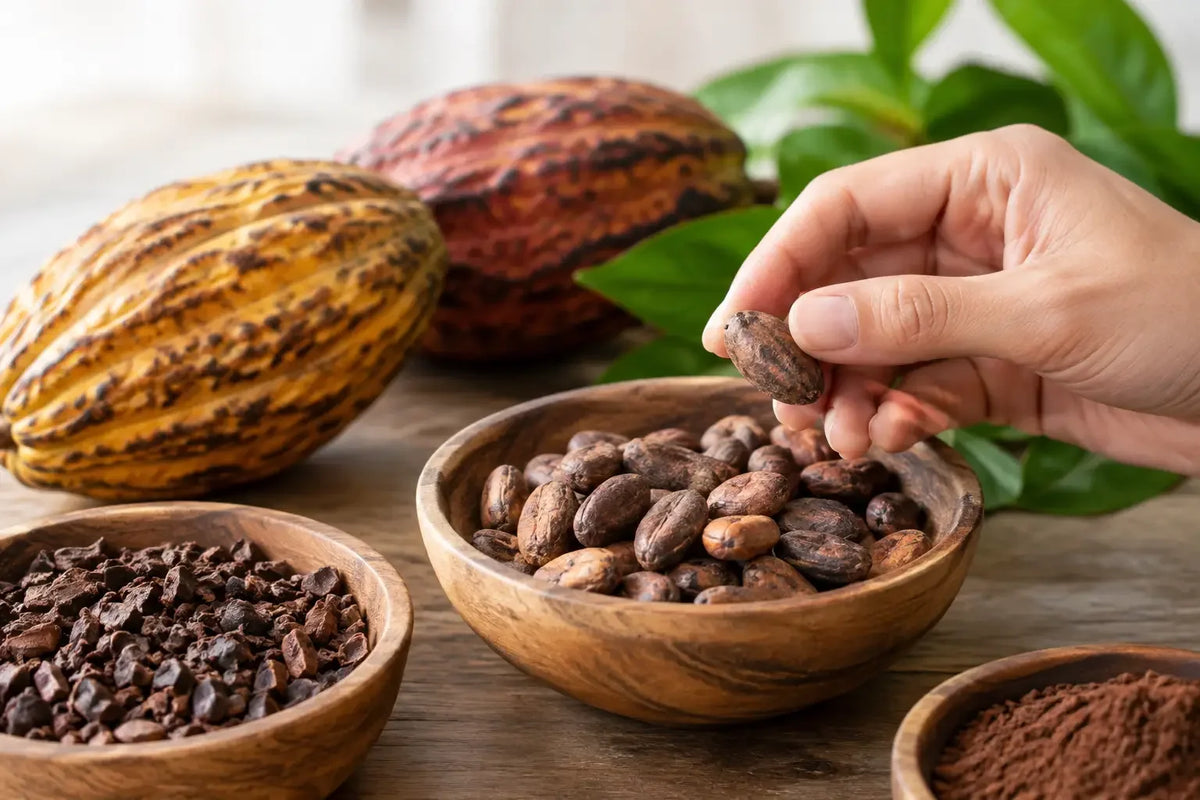
How to identify cacao quality before you buy
Learn how to identify cacao quality through origin, fermentation, roasting, ingredients, flavor, and texture - for chocolate worth savoring and giving.
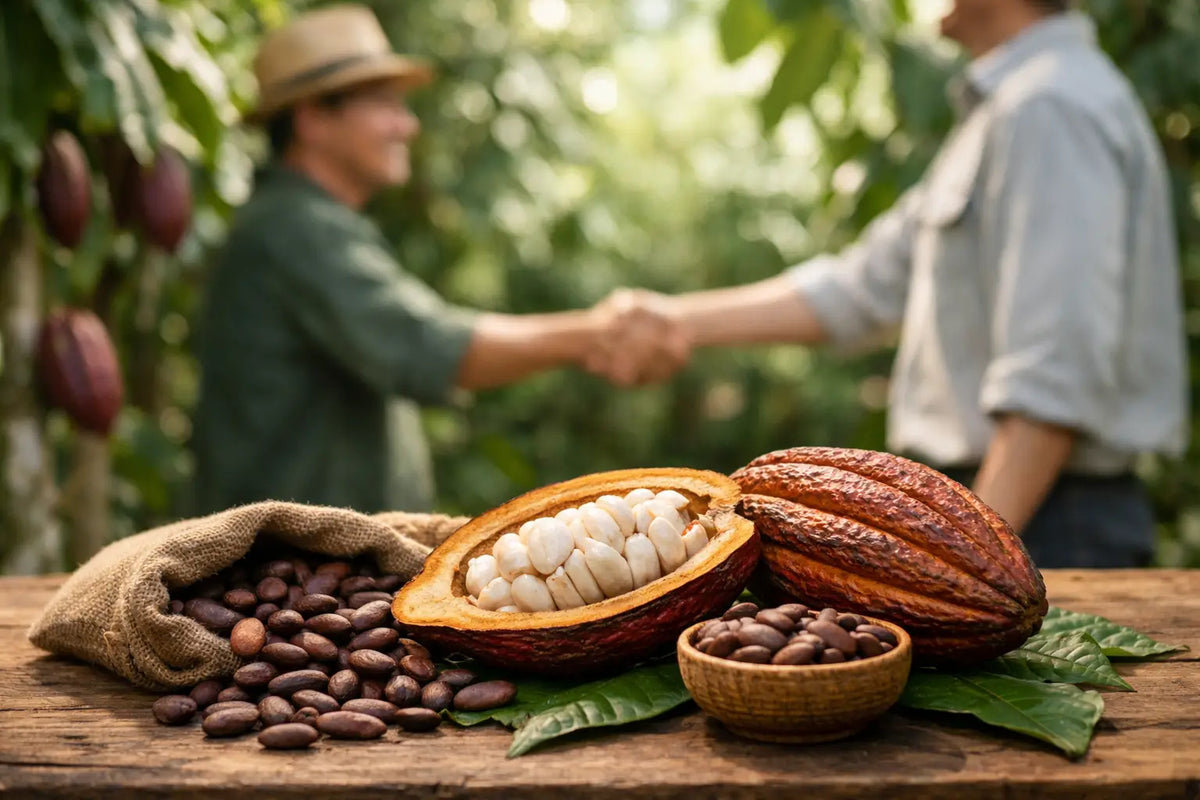
Ethical cacao sourcing trends worth watching
Ethical cacao sourcing trends are reshaping fine chocolate, from traceable beans and fairer value sharing to climate-resilient farming practices today.
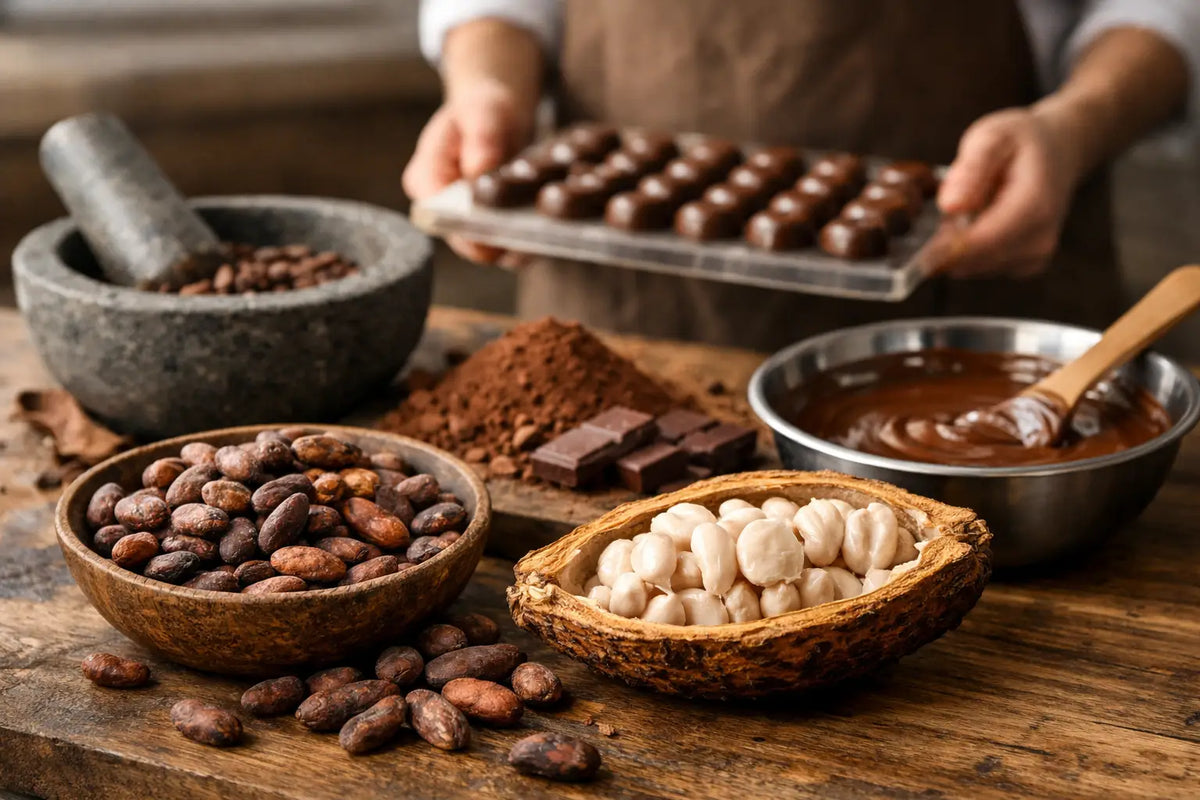
Chocolate workshops that start with the bean
Chocolate workshops reveal how cacao becomes fine chocolate, from bean selection and roasting to tasting, origin, ethics, and craft in every carefully made bite
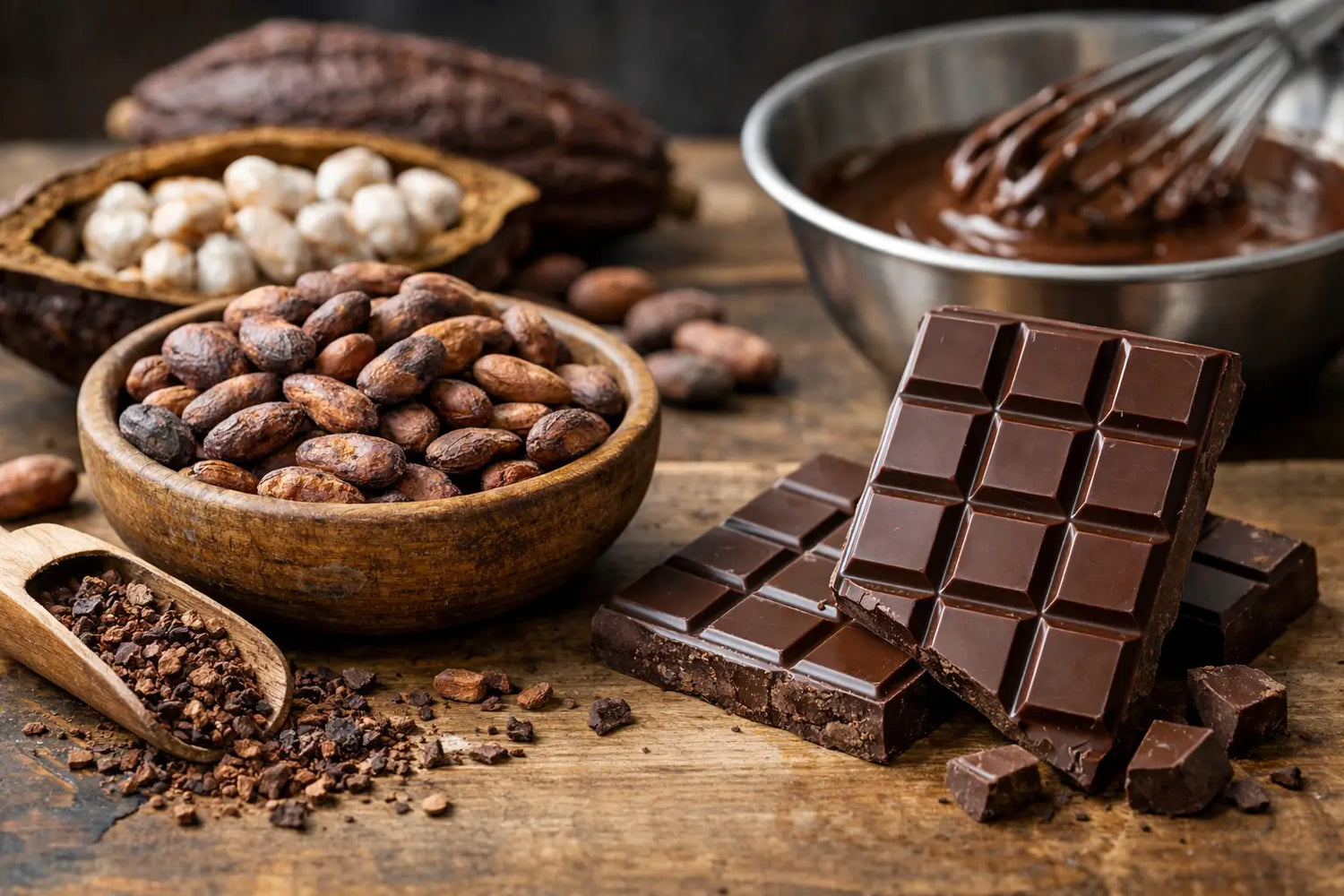
Is bean to bar better? The honest chocolate answer
Is bean to bar better for flavor and traceability? See what true chocolate making changes, from cacao sourcing and roasting to a more memorable premium gift.
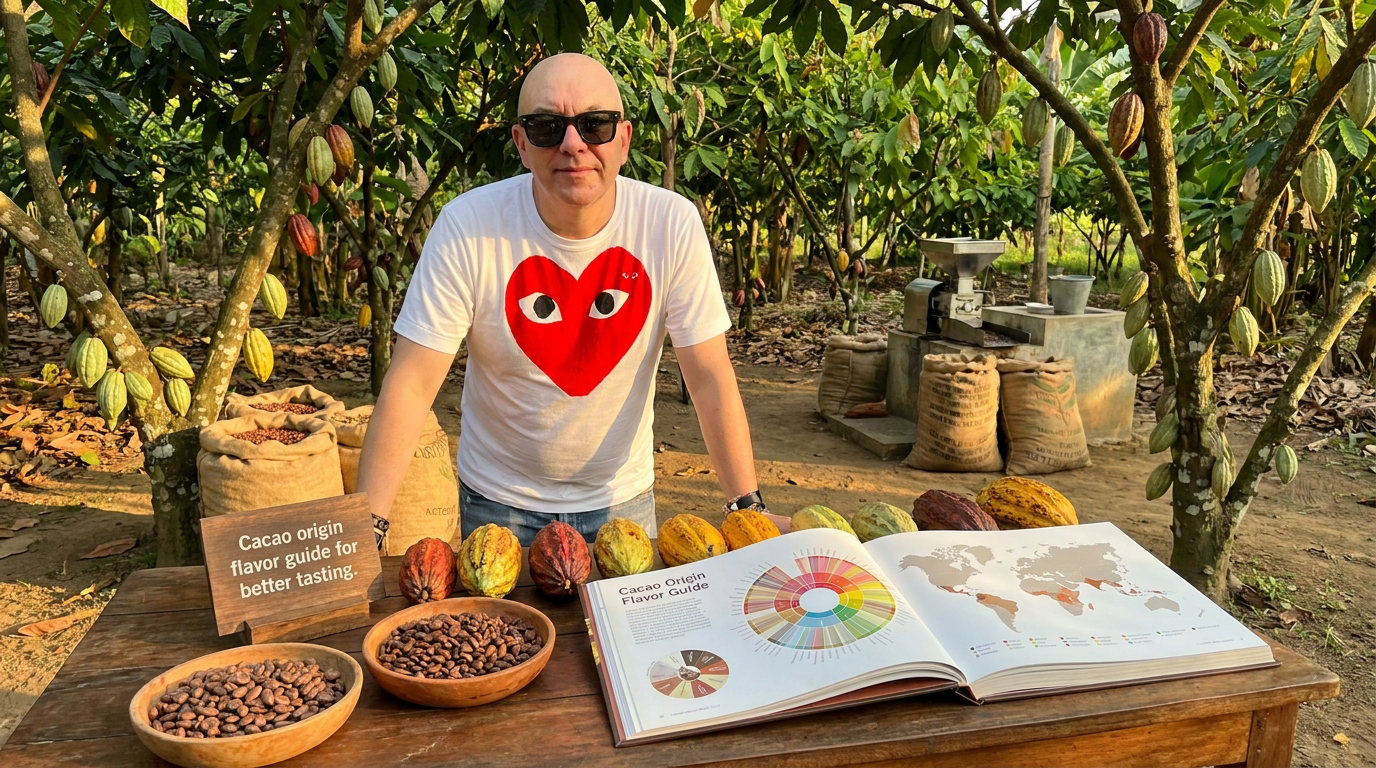
Cacao origin flavor guide for better tasting
Our cacao origin flavor guide explains how terroir, fermentation, and roasting shape each bar, helping you choose chocolate with confidence and pleasure
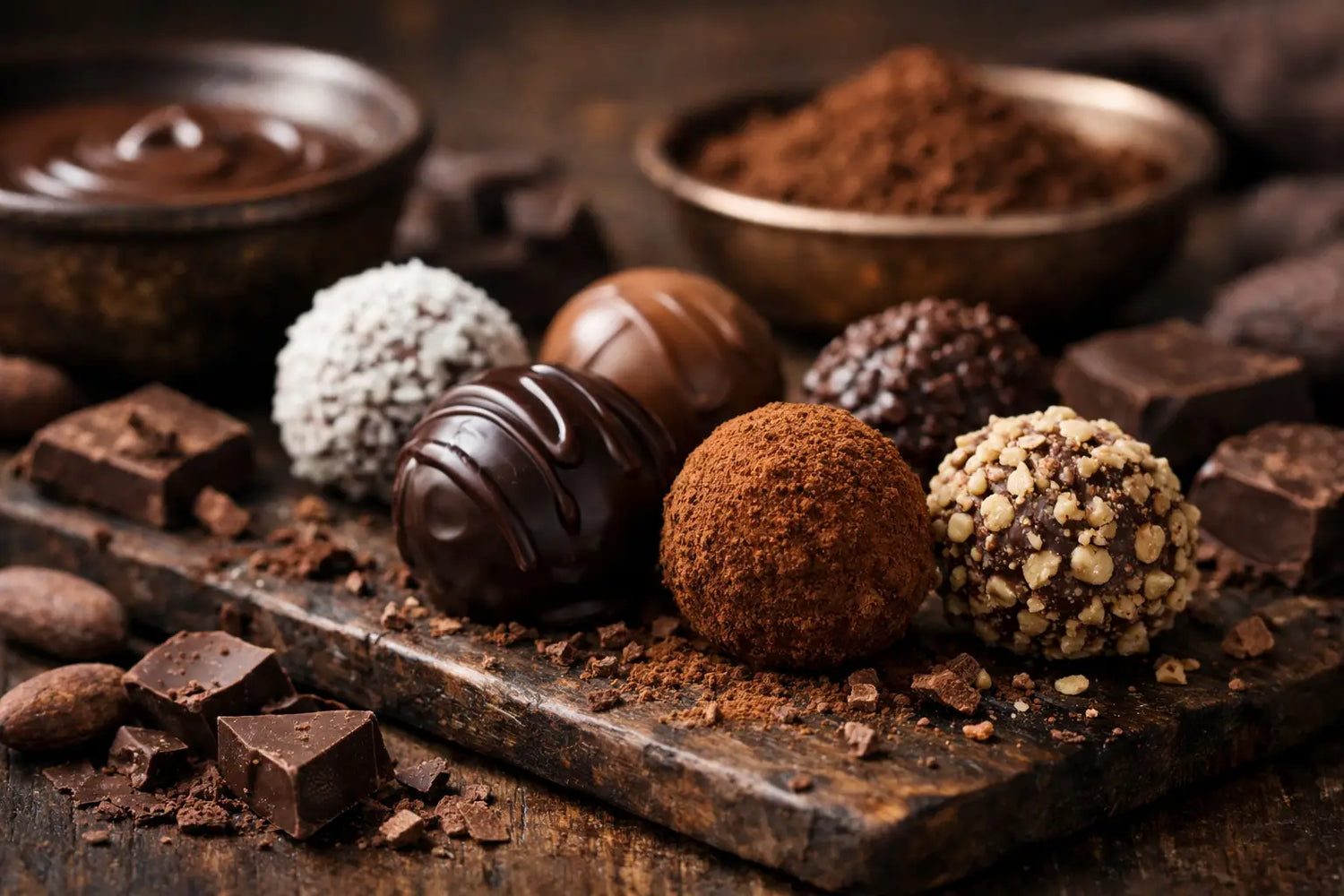
Chocolate truffles: what true craft tastes like
Chocolate truffles reveal the difference between fine cacao and ordinary confectionery. Learn what gives a crafted truffle its depth, texture, and character.
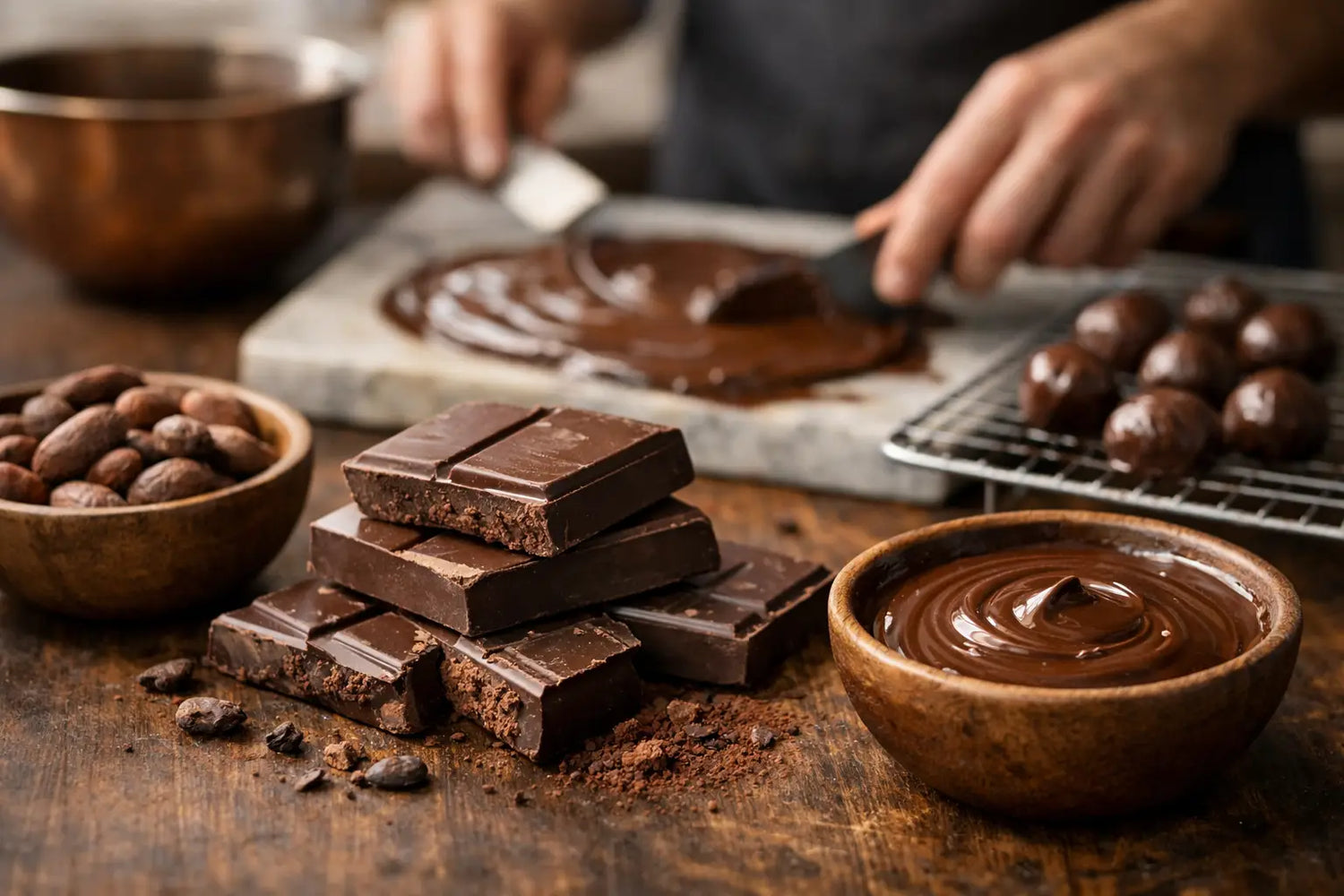
Small batch chocolate benefits you can taste
Small batch chocolate benefits begin with flavor, but extend to traceable cacao, careful craft, and thoughtful gifts made with genuine Belgian skill.
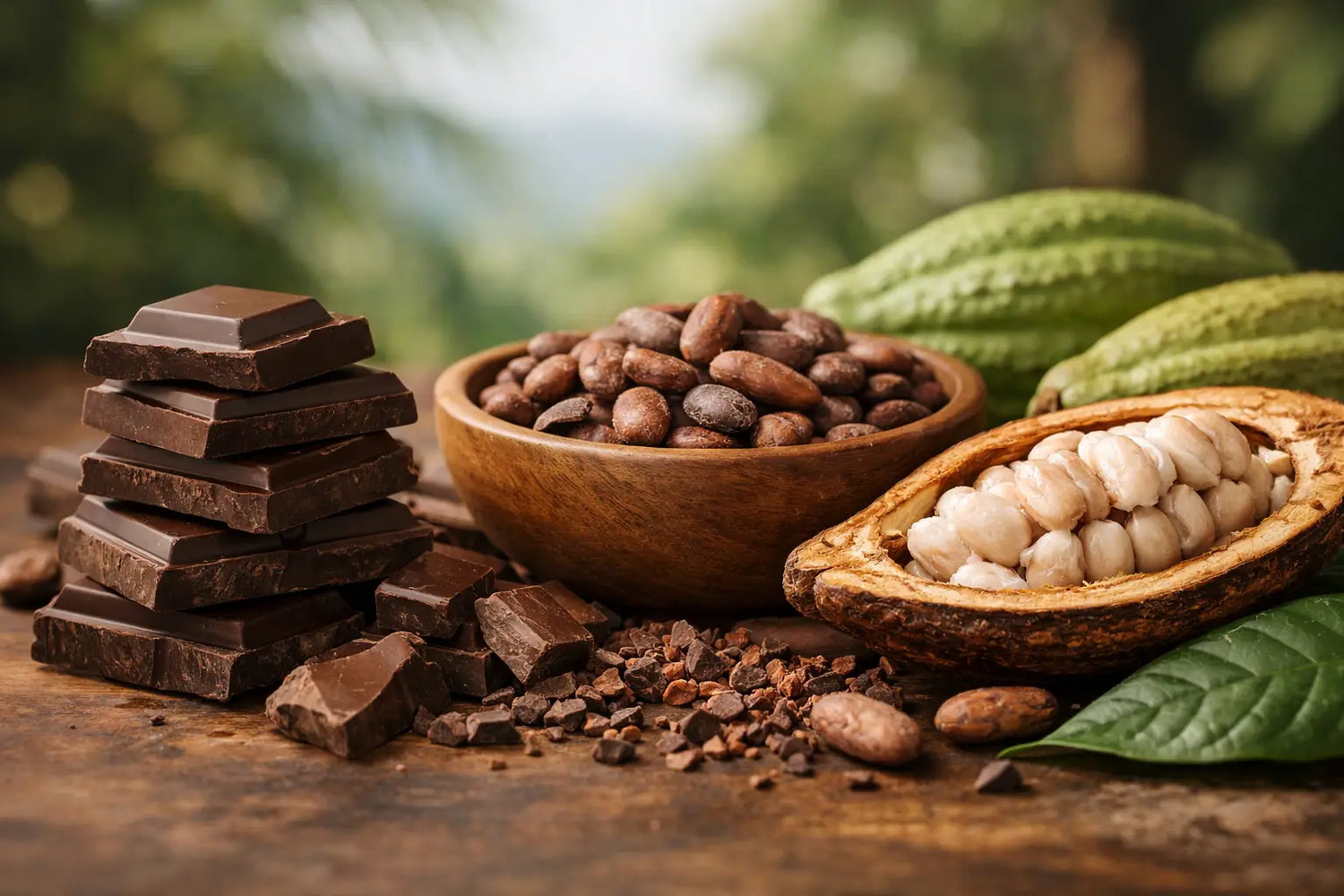
Why does single origin matter in chocolate?
Why does single origin matter? Learn how cacao provenance shapes chocolate flavor, traceability, farmer relationships, and every thoughtful gift, too.
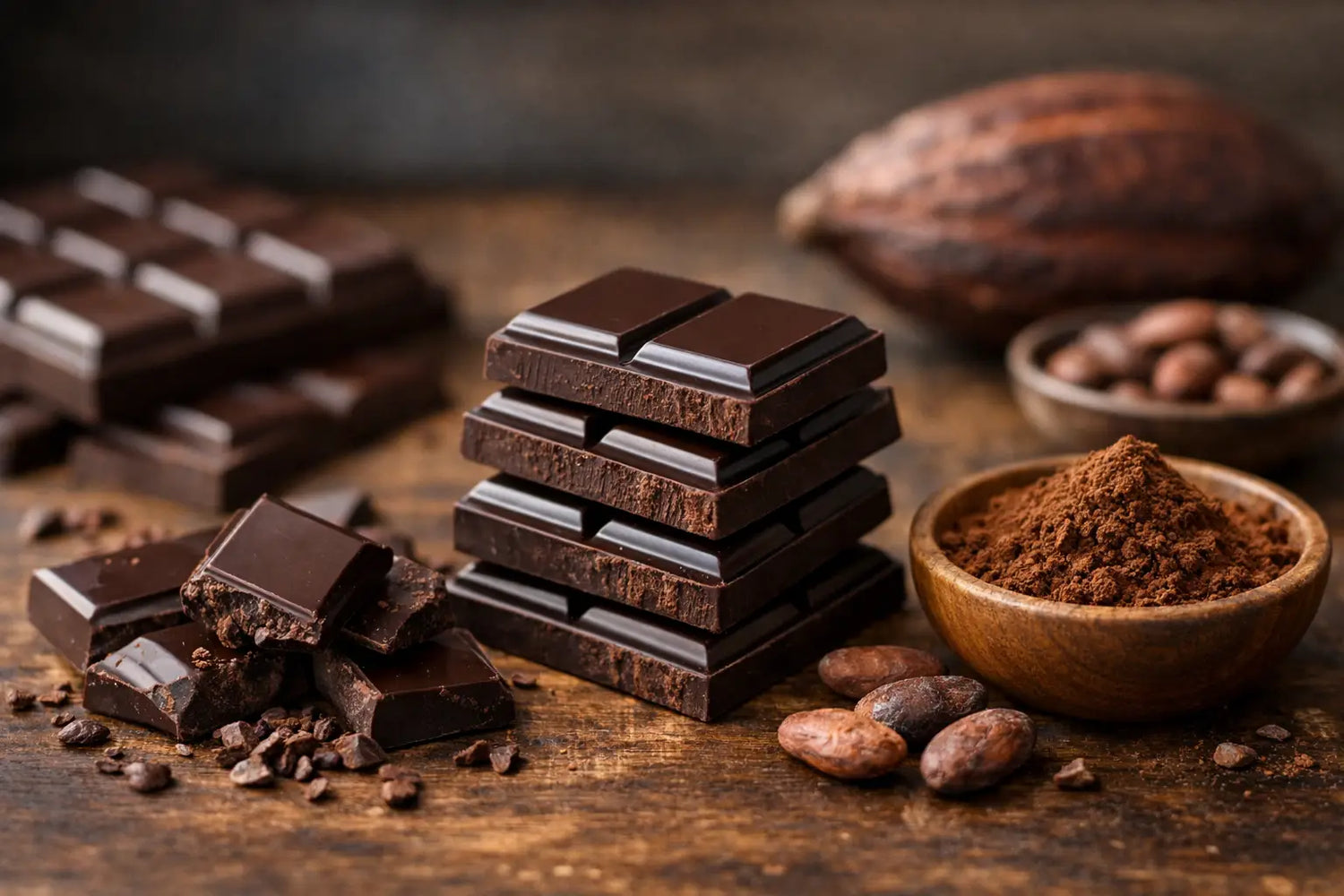
How to choose exceptional dark chocolate
Dark chocolate reveals its character through cacao origin, careful roasting, balanced recipes, and honest sourcing - a guide to choosing it with true care.
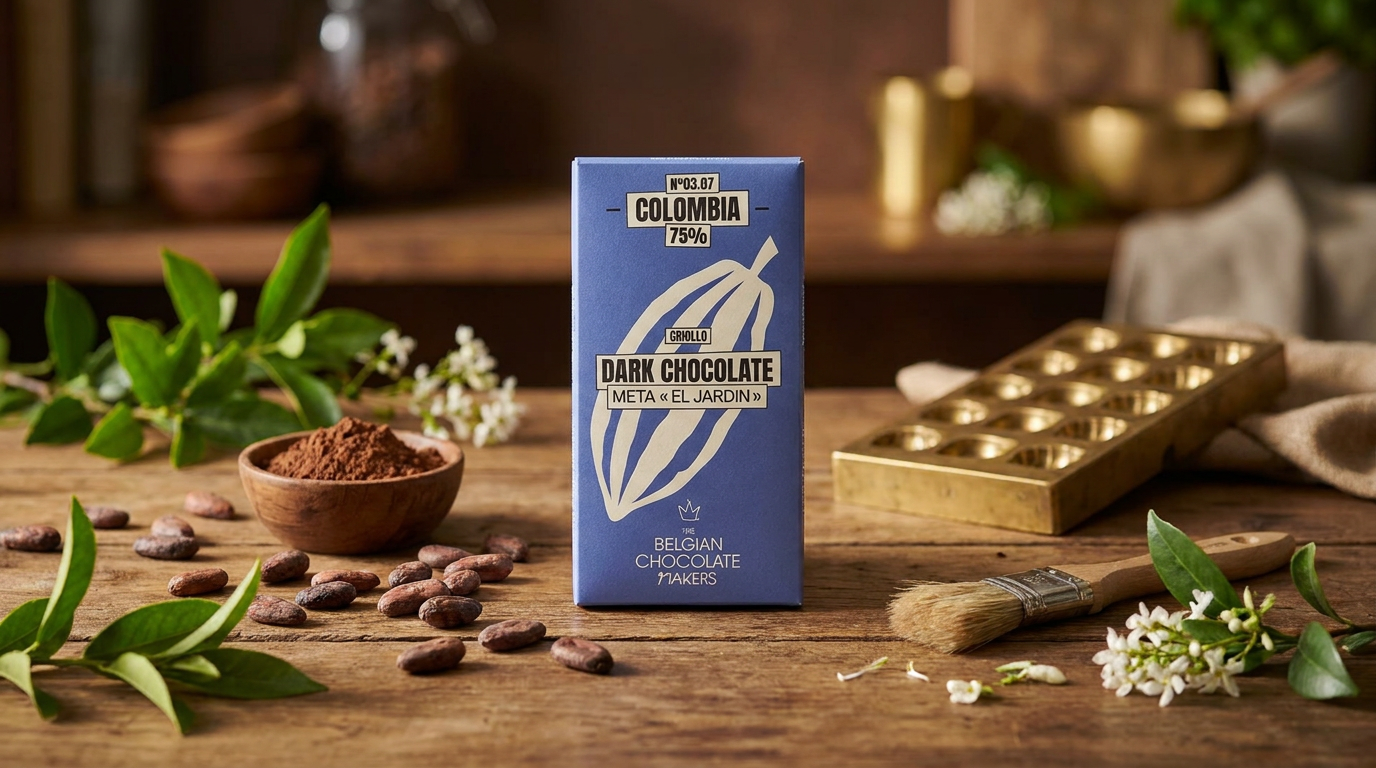
A guide to tasting the Colombia Meta El Jardin 75%
Introduction: Why single-origin chocolate reveals terroir In the evolving world of chocolate appreciation, discerning eaters are increasingly seeking bars that tell a place as clearly as a wine tells a...
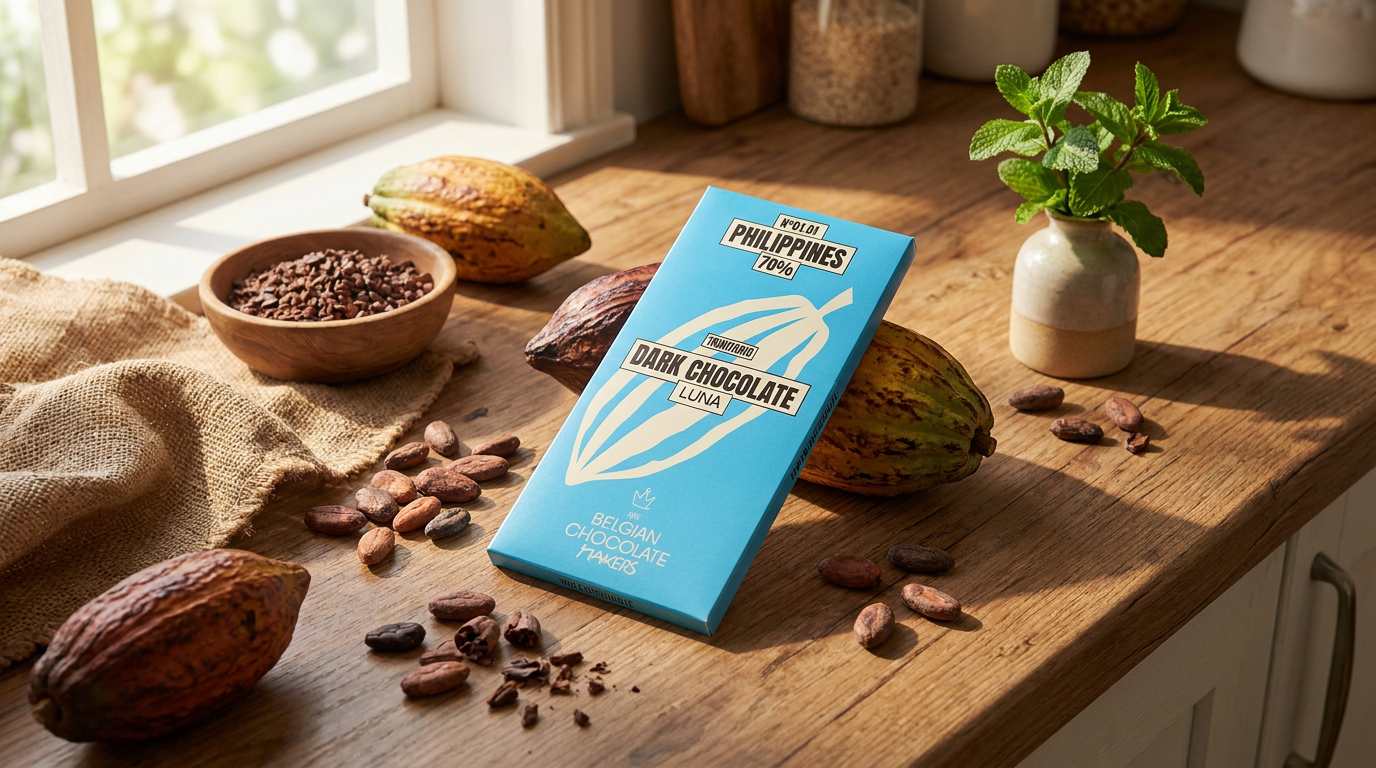
A tasting guide with the Philippines Luna 70%
How to choose a single-origin chocolate bar: A tasting guide with the Philippines Luna 70% by The Belgian Chocolate Makers Single-origin chocolate is more than a flavor; it's a conversation...
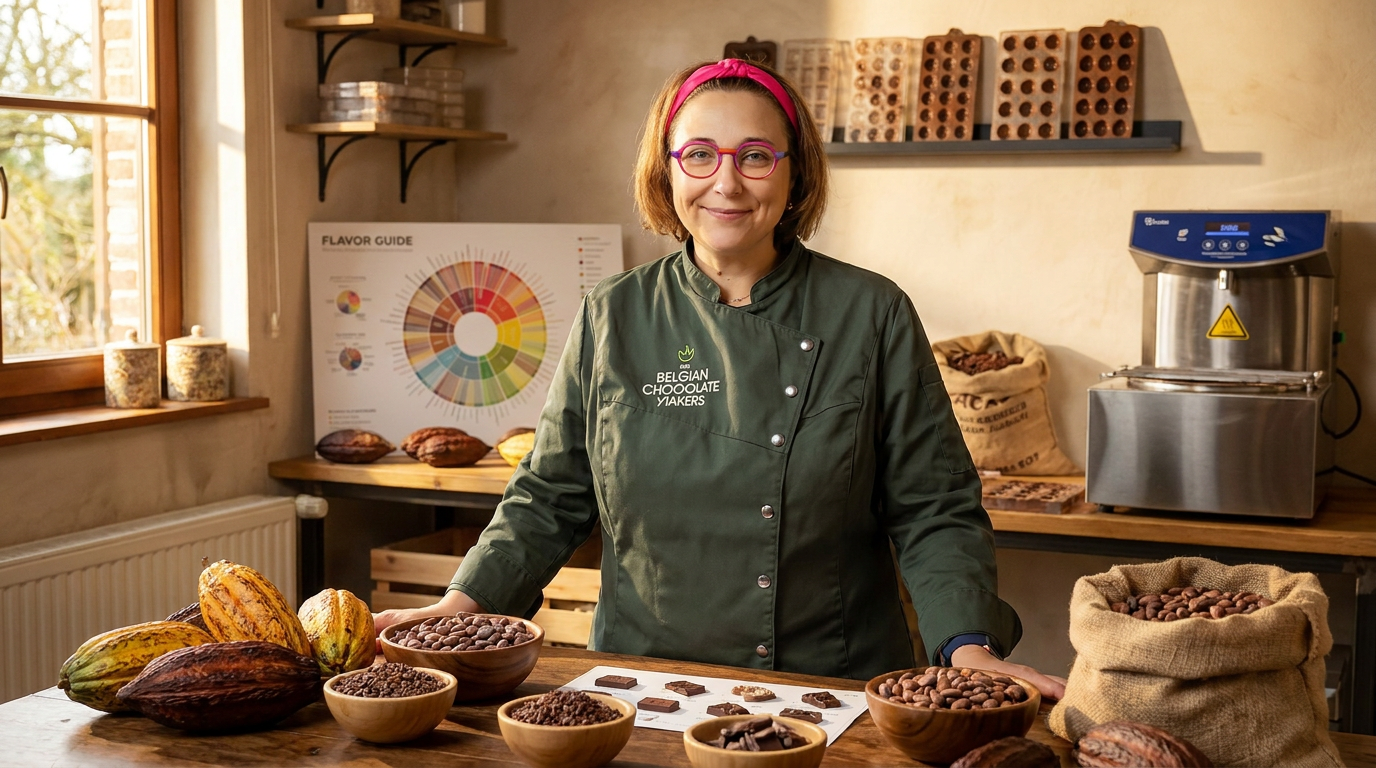
How to read dark chocolate tasting notes
Learn to recognize dark chocolate tasting notes, from fruit and florals to roast and texture, and understand how origin and craft shape every bar well.
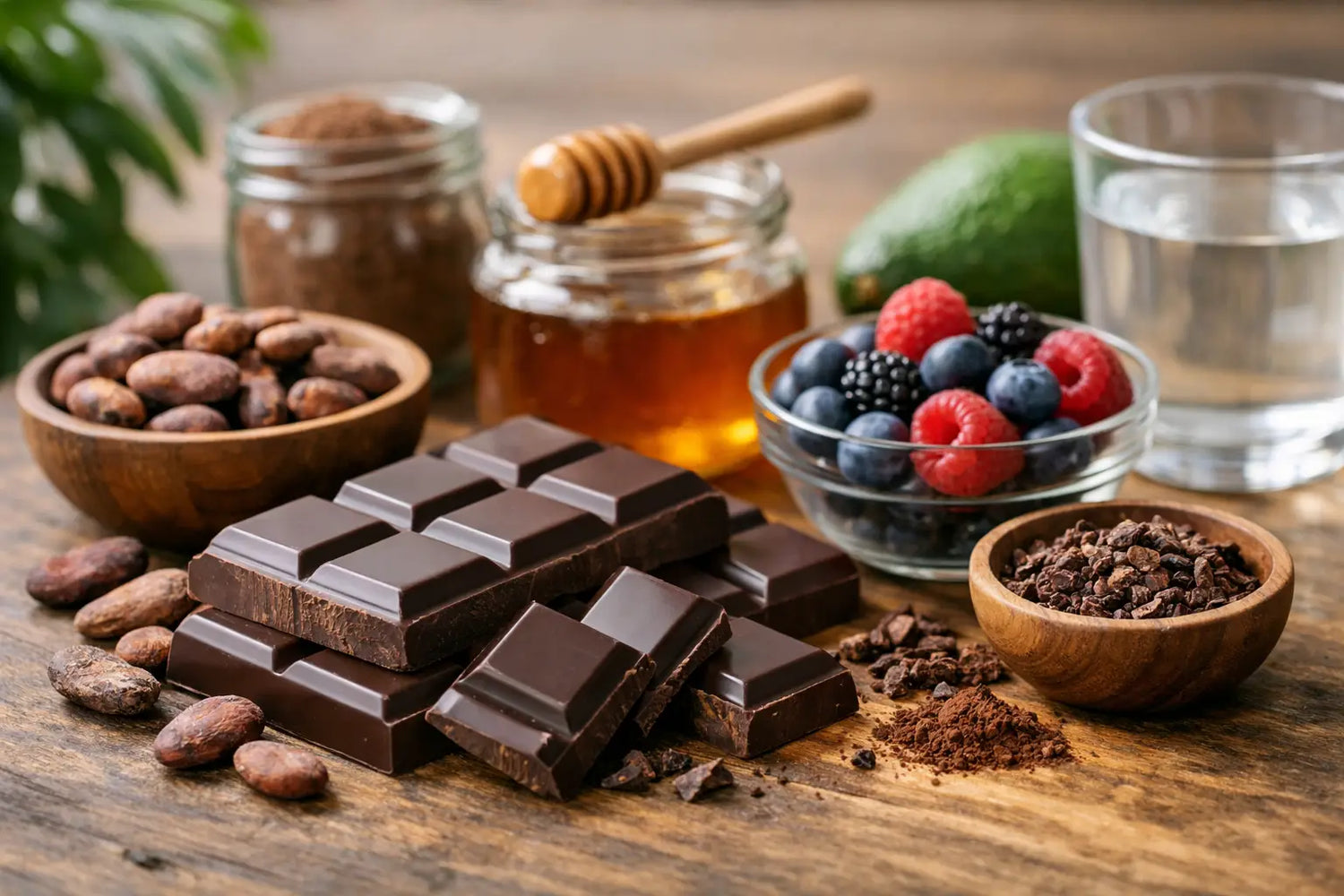
Are bean to bar chocolates healthier? The real answer.
Are bean to bar chocolates healthier? Learn what craft cacao, ingredients, sugar, and portion size reveal about a more considered chocolate choice today.
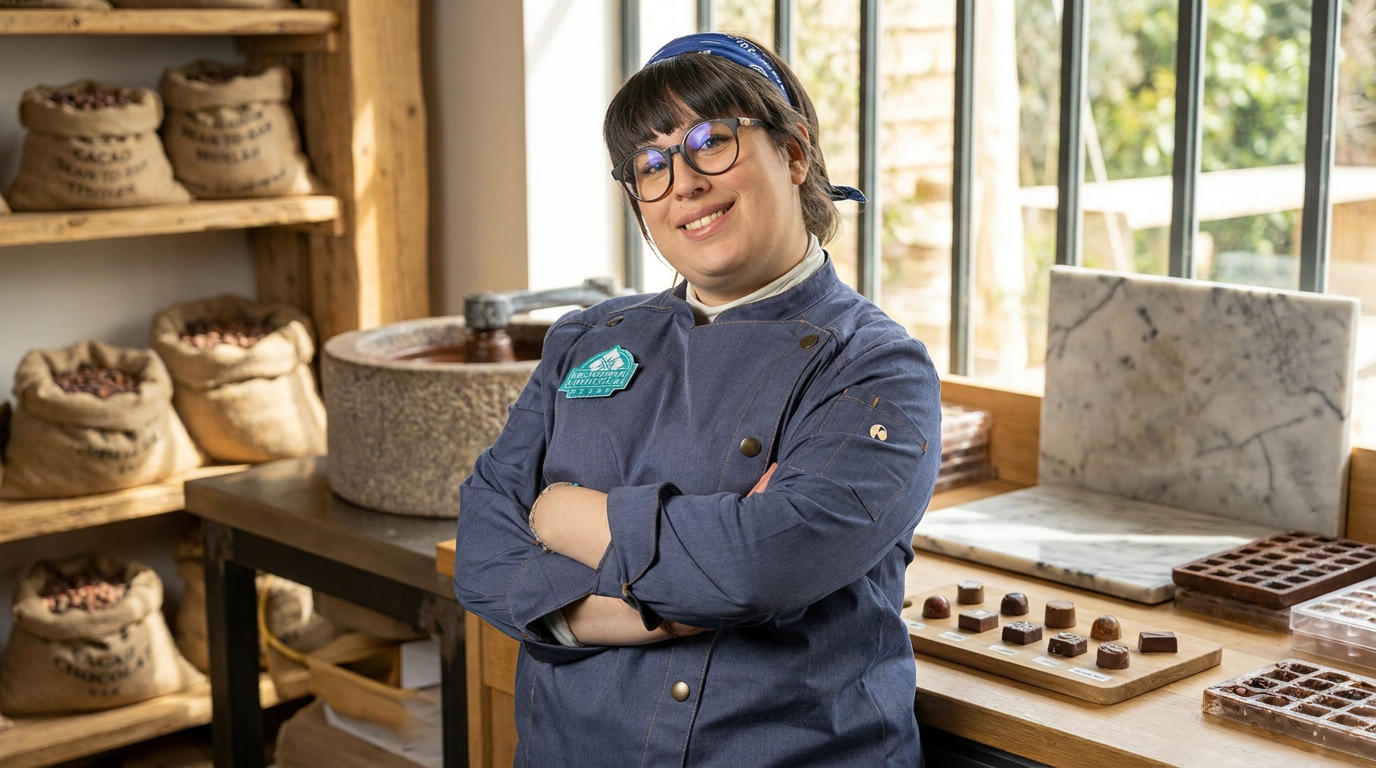
A single origin tasting example and what is is bean to bar
Use this single origin tasting example to recognize cacao’s true character, from aroma and snap to flavor, finish, and the maker’s craft in every square.
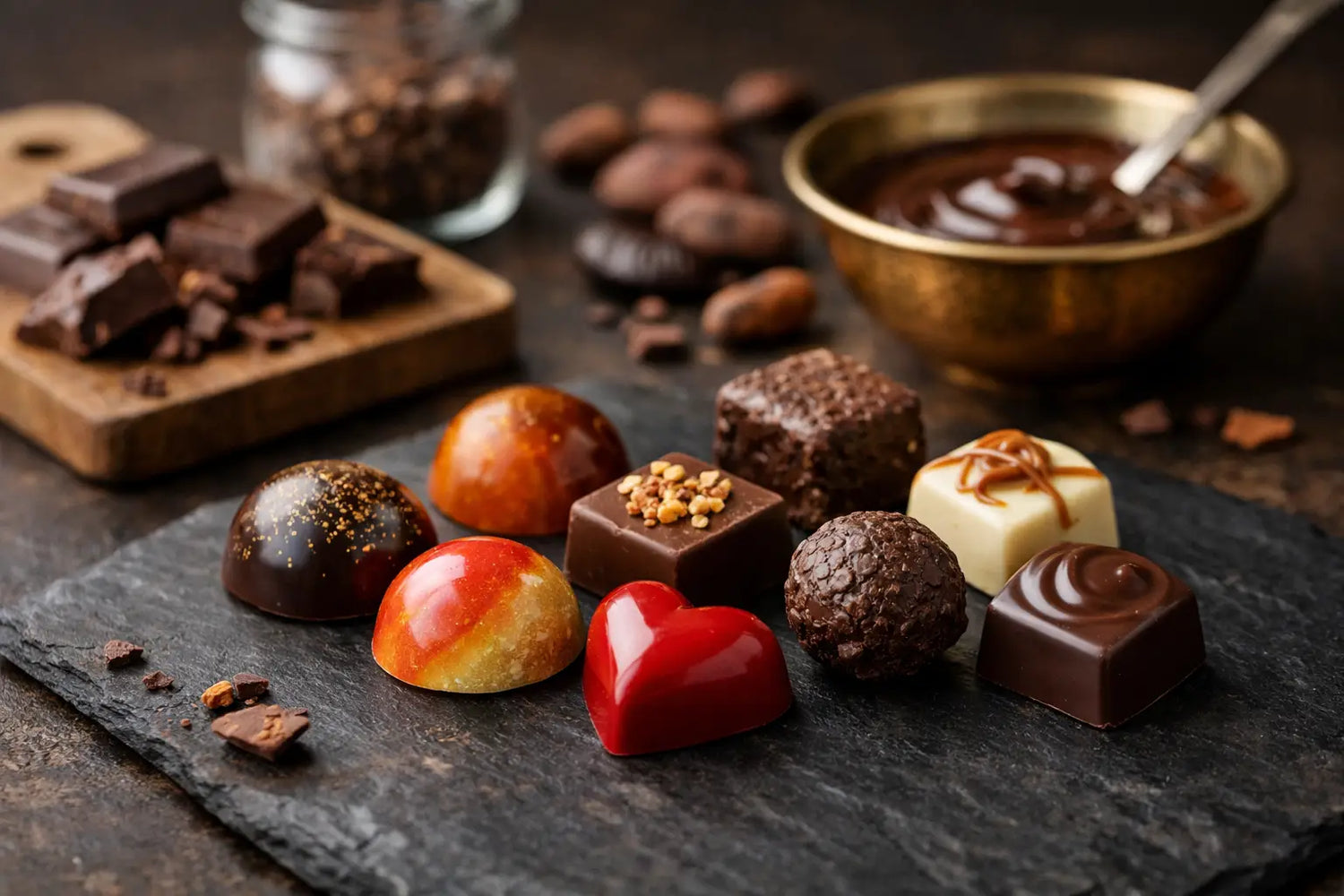
Why are artisan chocolates expensive? A closer look
Why are artisan chocolates expensive? Learn how cacao origin, small-batch making, ethical sourcing, and careful finishing shape their value and flavor.
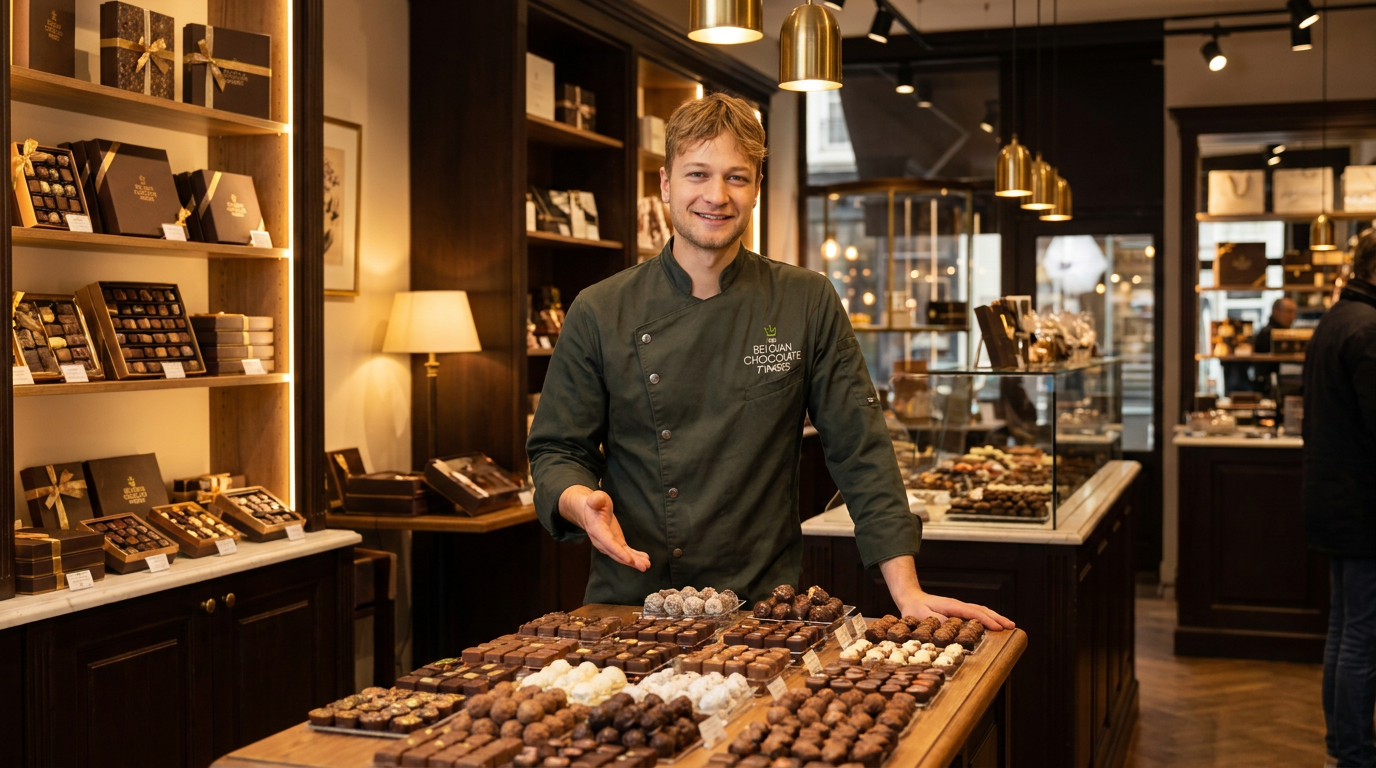
A Brussels chocolate tasting tour worth taking
Plan a Brussels chocolate tasting tour that goes beyond pralines, with bean-to-bar craft, cacao origins, ethical sourcing, and tasting advice for visitors.
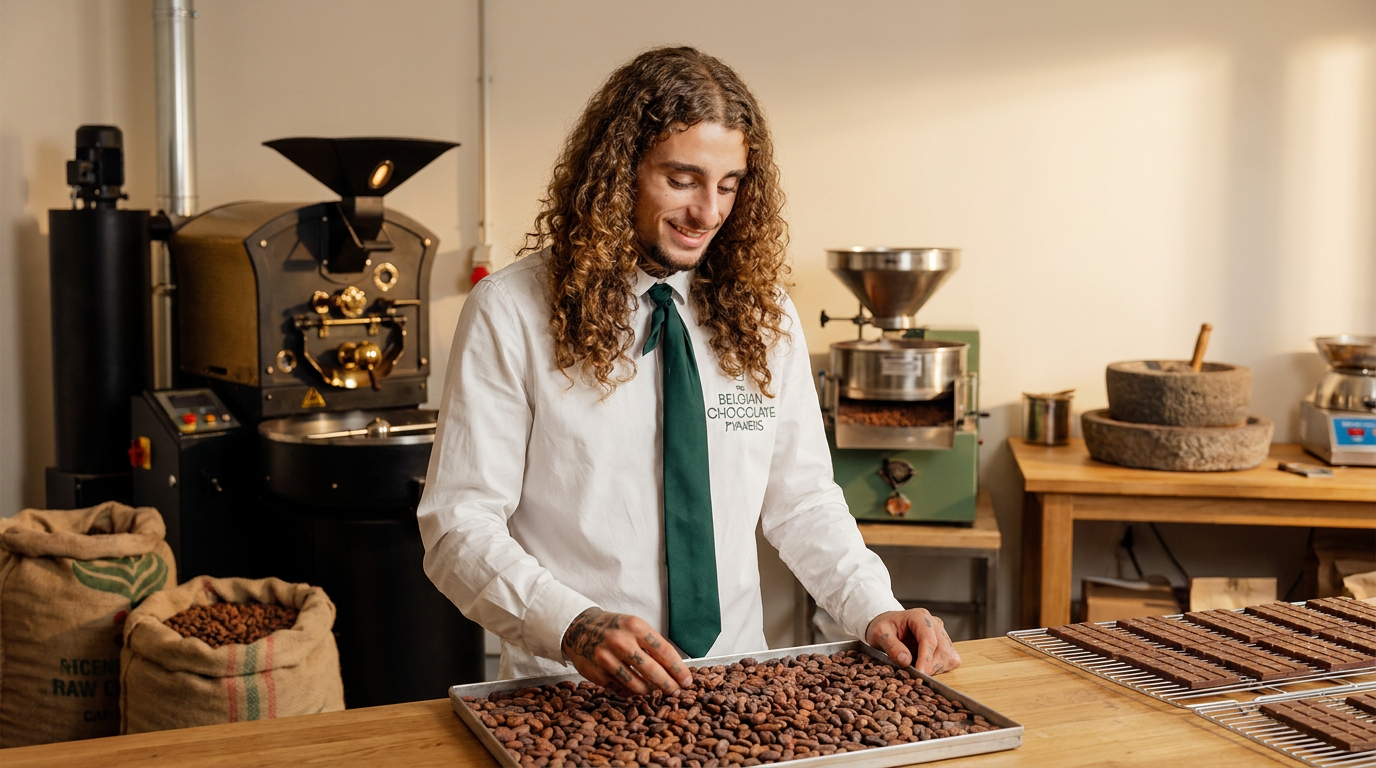
Chocolate making process steps from bean to bar
Learn the chocolate making process steps that shape flavor, texture, and traceability, from cacao selection and roasting to an artisan chocolate bar.
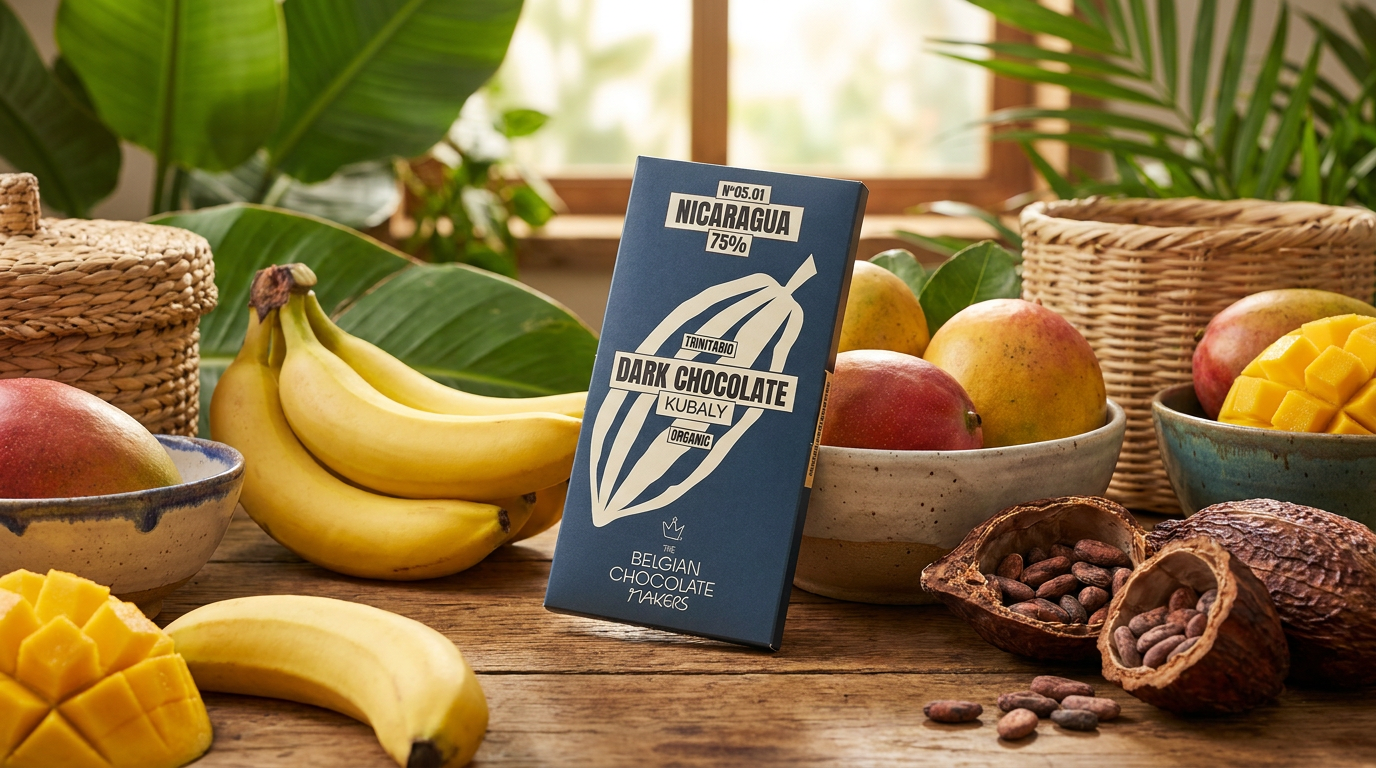
Unlocking fruity depth: A practical guide to Nicaragua Kubaly 75% chocolate bar
Chocolate is more than a sweet treat; it's a product of terroir, craft, and careful processing. The Nicaragua Kubaly 75% chocolate bar from The Belgian Chocolate Makers embodies that philosophy...
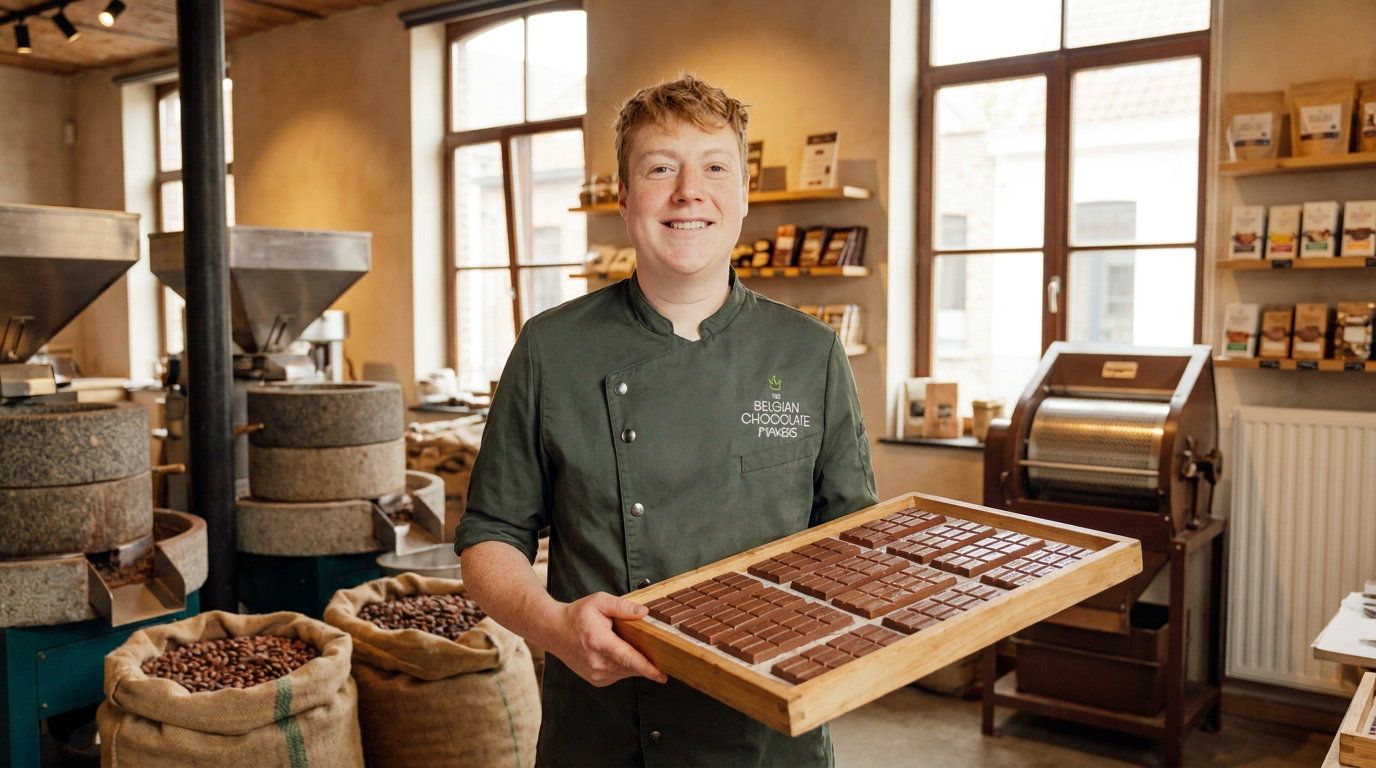
The future of artisan chocolate is bean to bar
The future of artisan chocolate rests on better cacao, true bean-to-bar craft, transparent sourcing, and flavors that make every gift feel considered and personal.
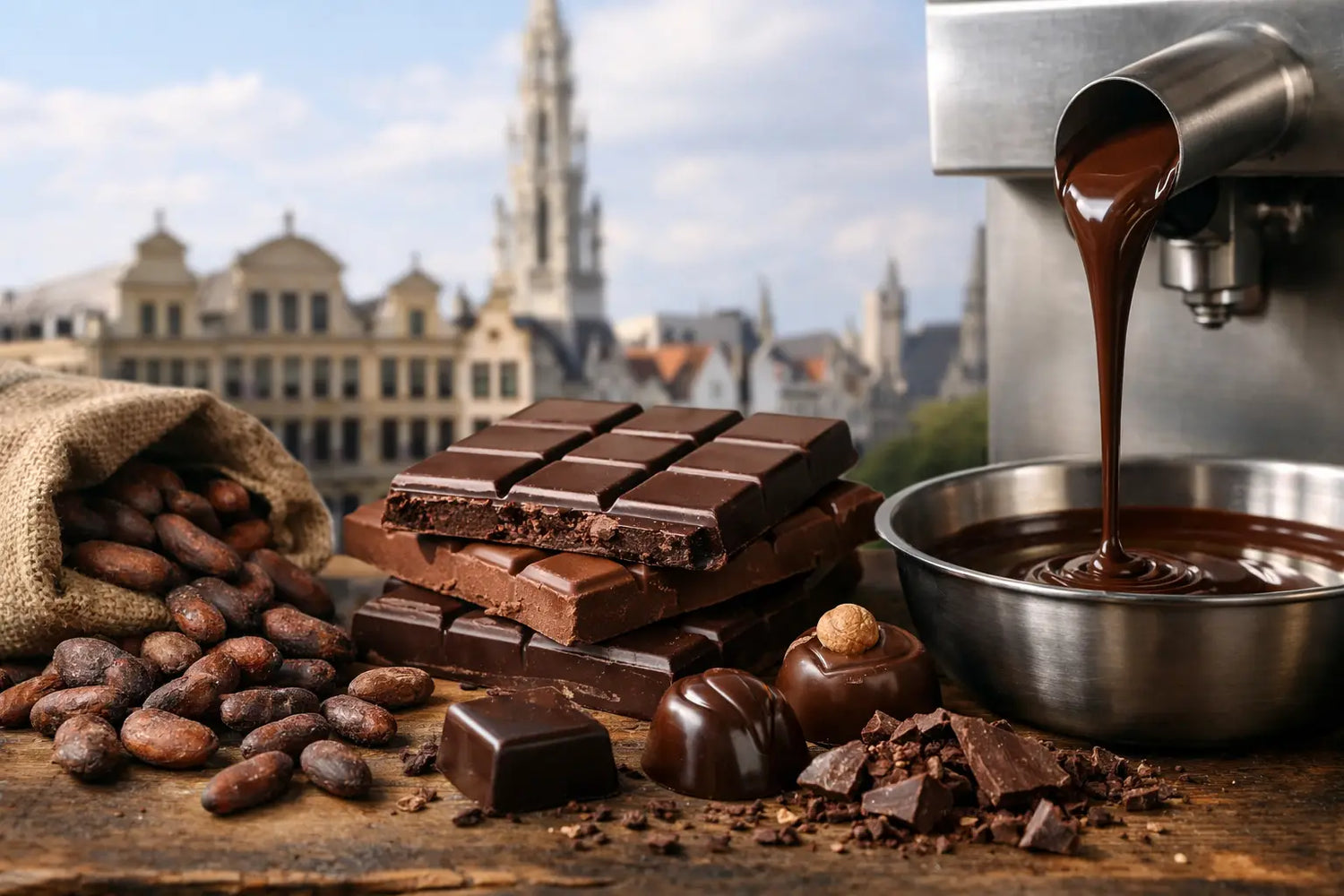
Belgian chocolate Brussels made bean to bar
Belgian chocolate Brussels is more than a souvenir. See how bean-to-bar craft, cacao origin, and finishing create fine gifts.
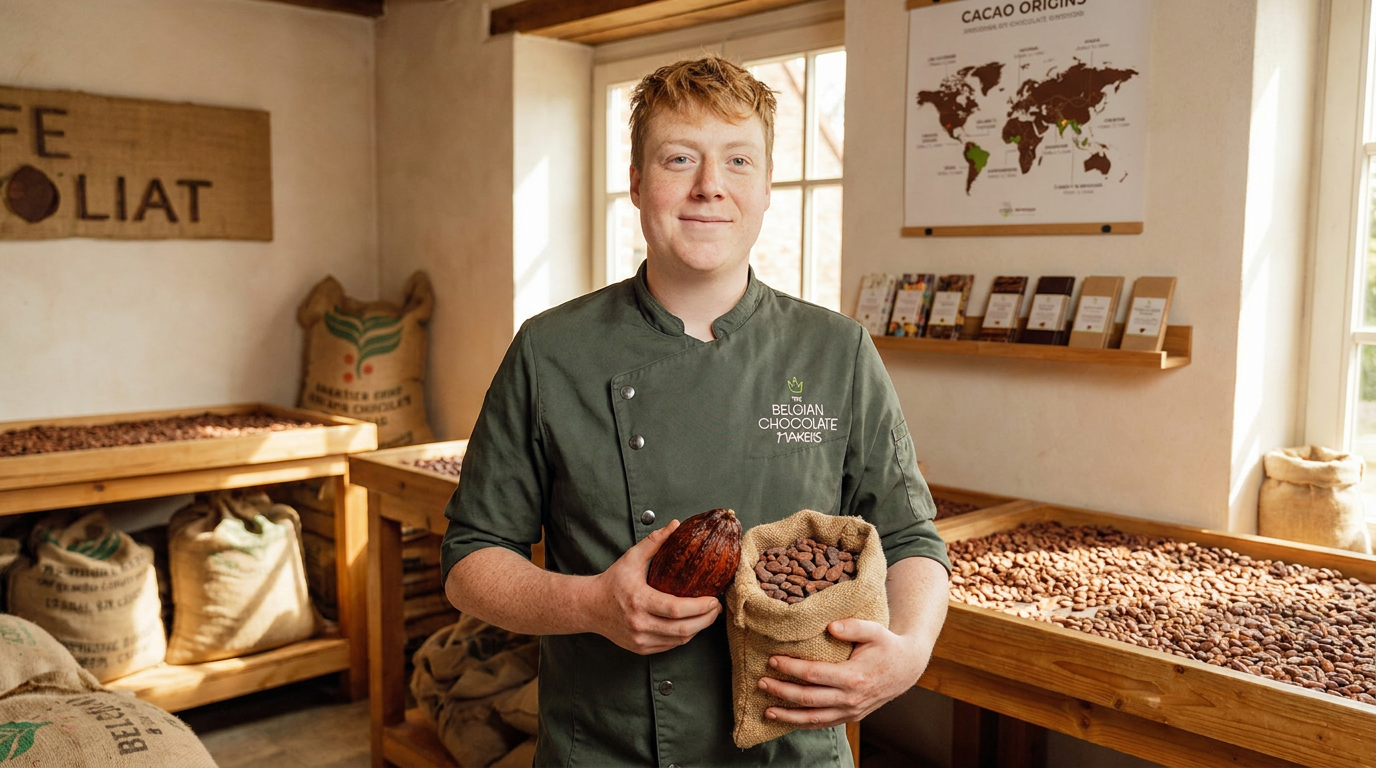
Why traceable cacao chocolate matters
Traceable cacao chocolate offers clearer origin, better quality control, and more ethical sourcing; helping buyers choose chocolate with real integrity.
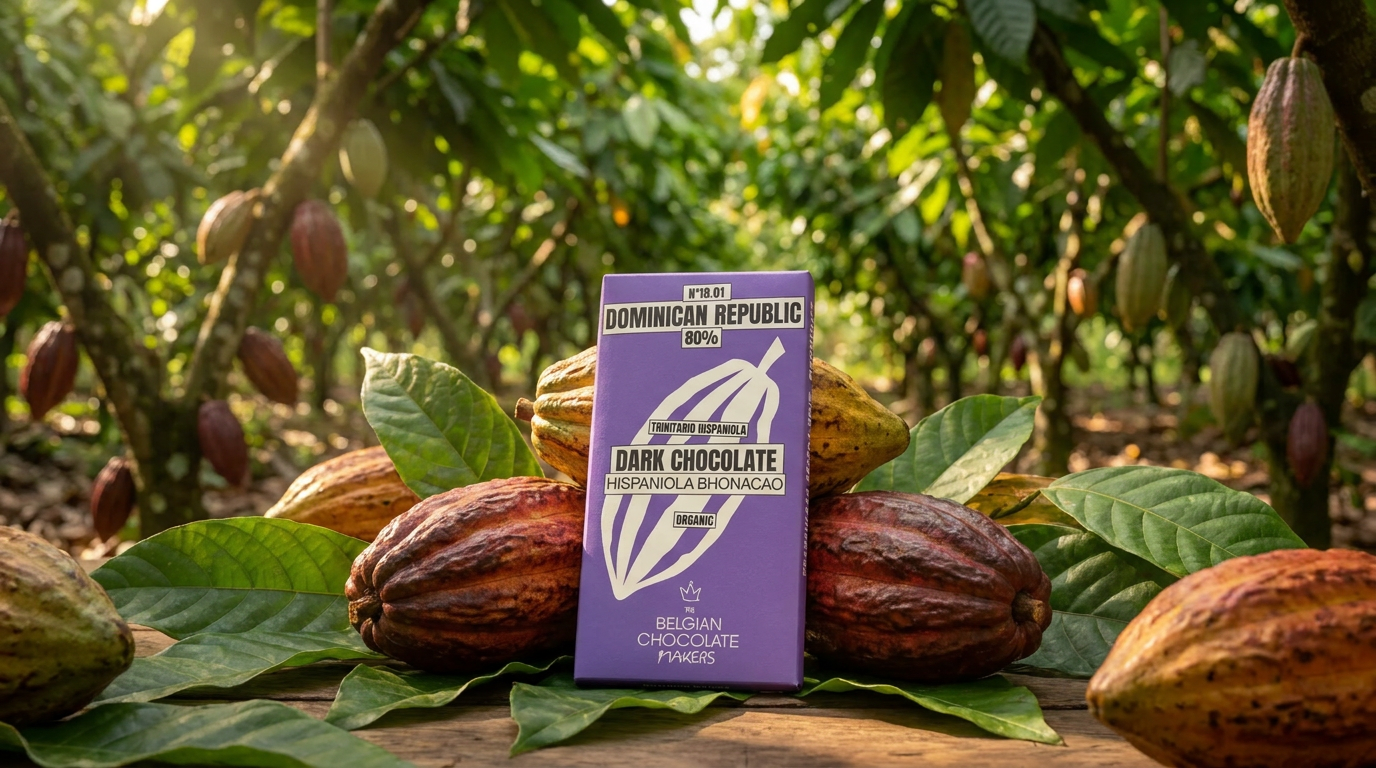
Dominican Republic 80% Dark Chocolate: Brussels Craft
Dominican Republic 80% dark chocolate: Brussels craft Chocolate hunters today look for bars that tell a story as much as they taste. This particular chocolate bar comes from the Dominican...
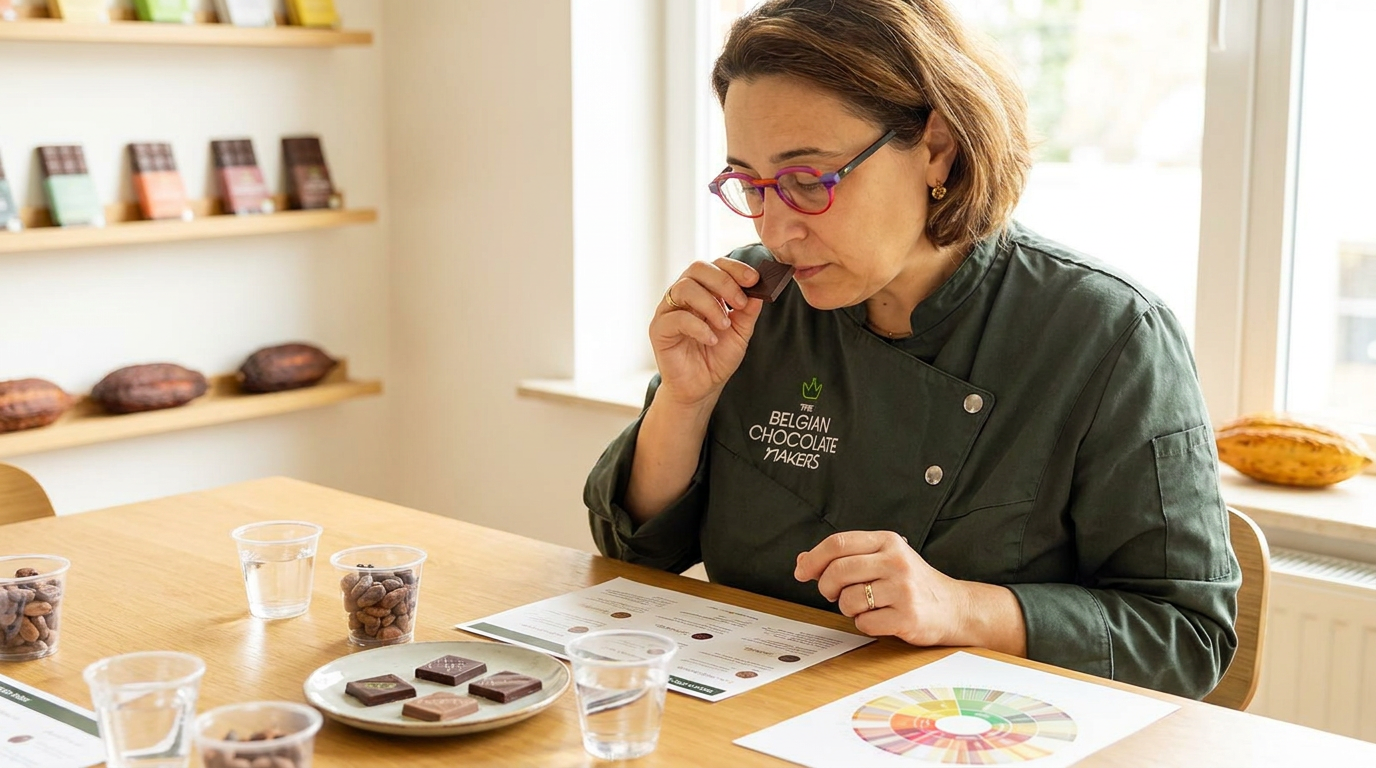
How to taste single origin chocolate properly
Learn how to taste single origin chocolate with a clear, sensory method that reveals cacao origin, careful craft, and character in each bar at home slowly.
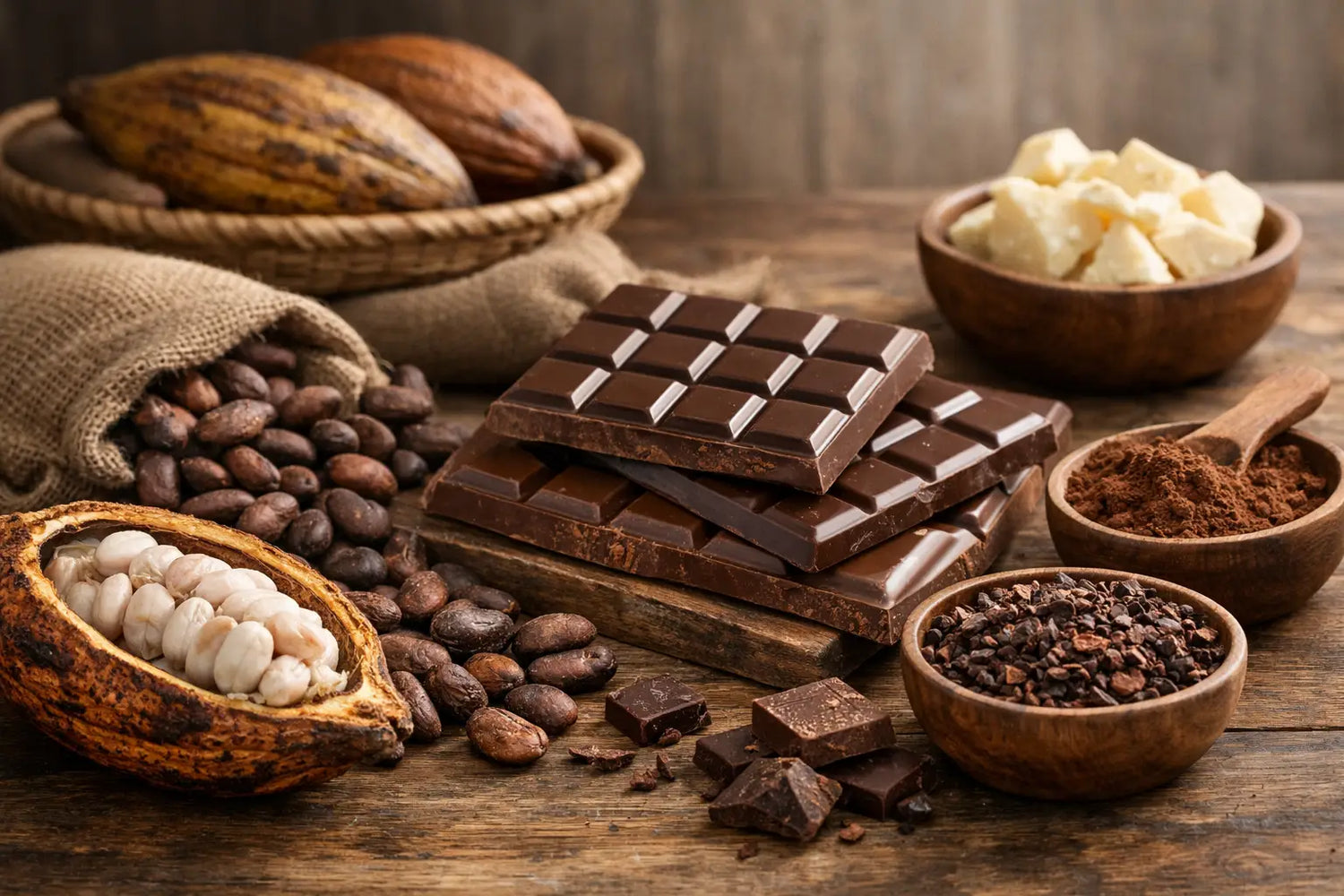
Bean to bar chocolate guide for better buying
A bean to bar chocolate guide for buyers who care about flavor, origin, and craft. Learn how cacao becomes fine chocolate worth savoring.
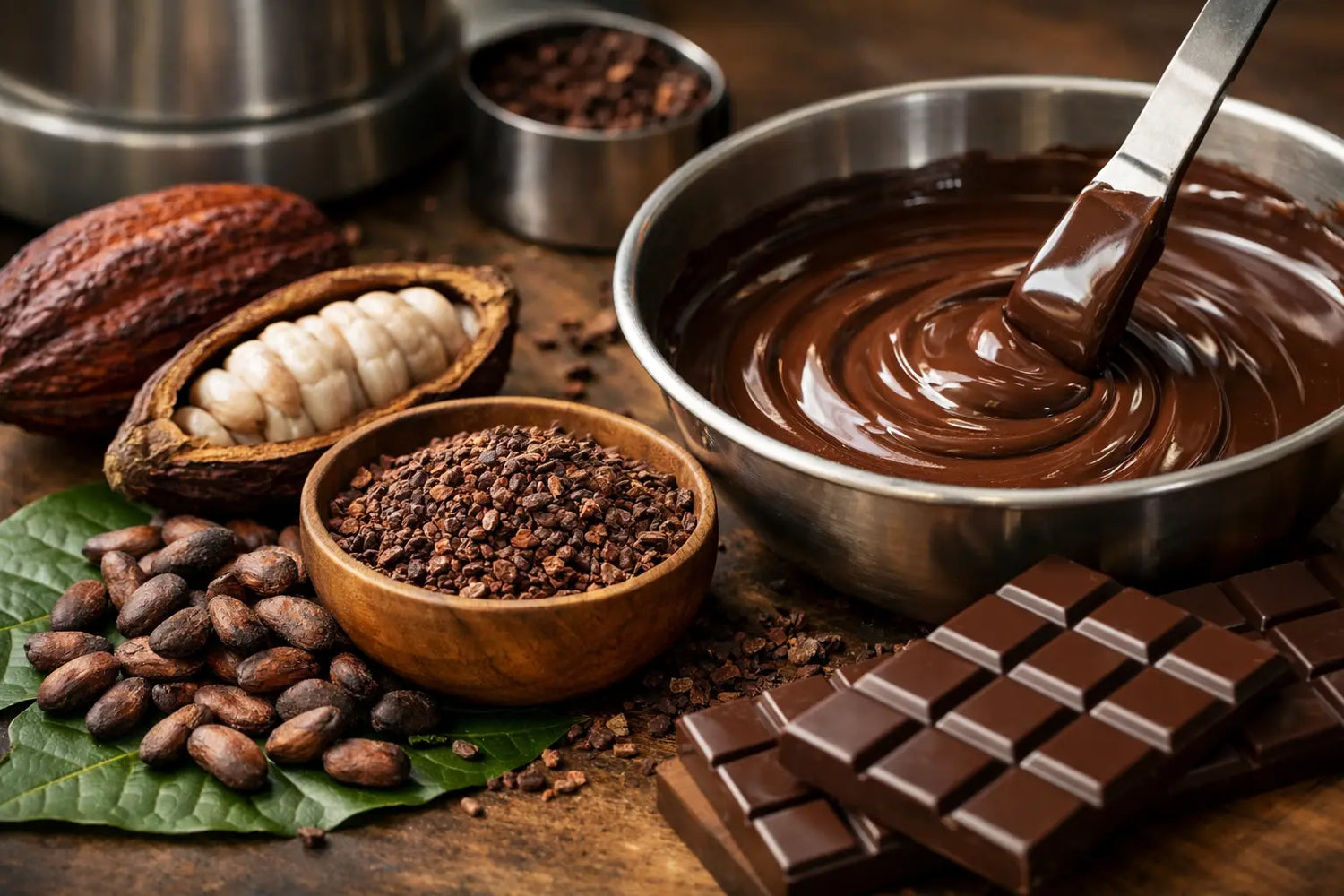
How bean to bar chocolate works
Learn how bean to bar chocolate works, from sourcing and roasting cacao to refining and molding, and why the process shapes flavor and quality.
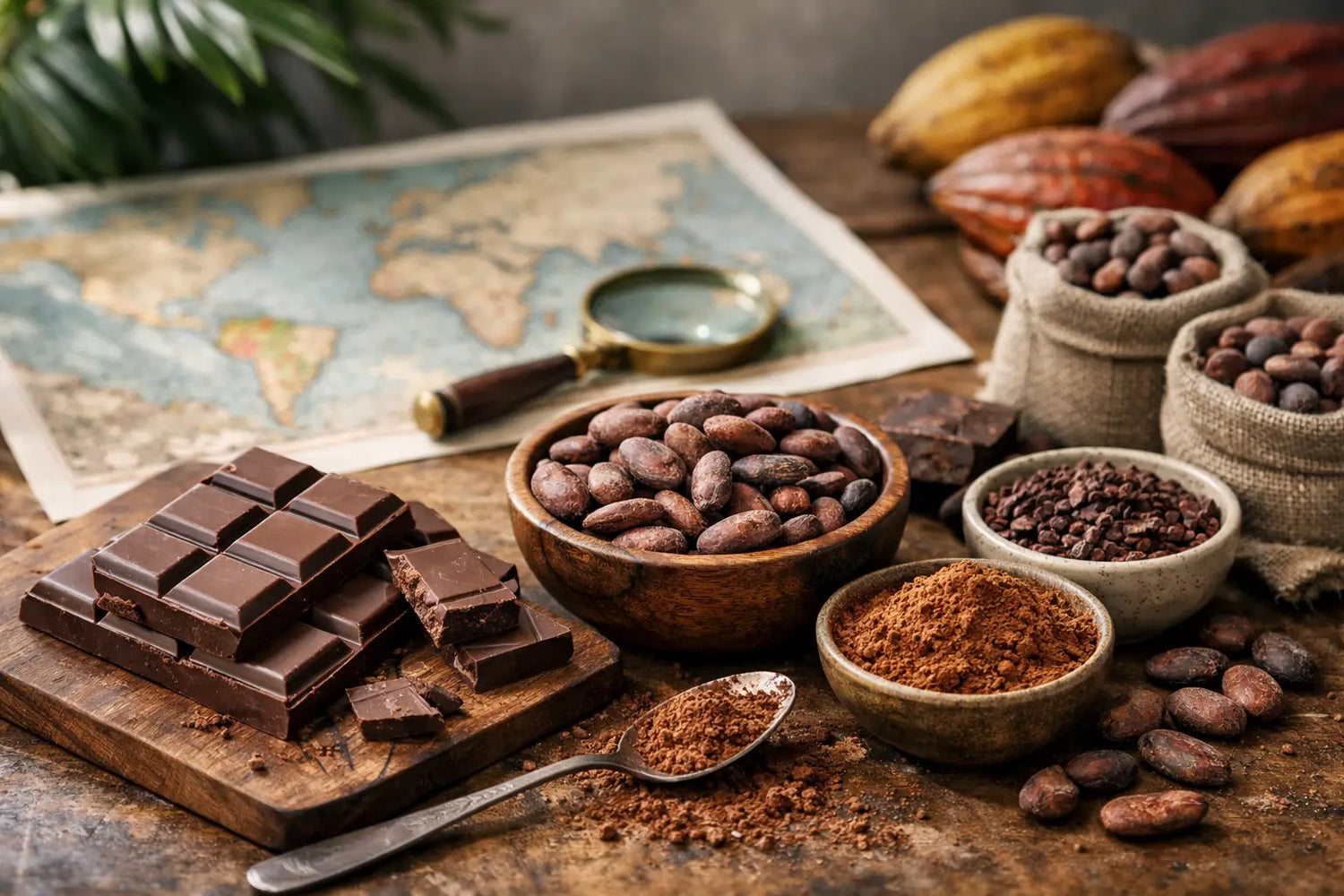
Single origin chocolate guide for better buying
A single origin chocolate guide to flavor, sourcing, and quality. Learn how to read labels, taste origin, and buy craft chocolate with confidence.
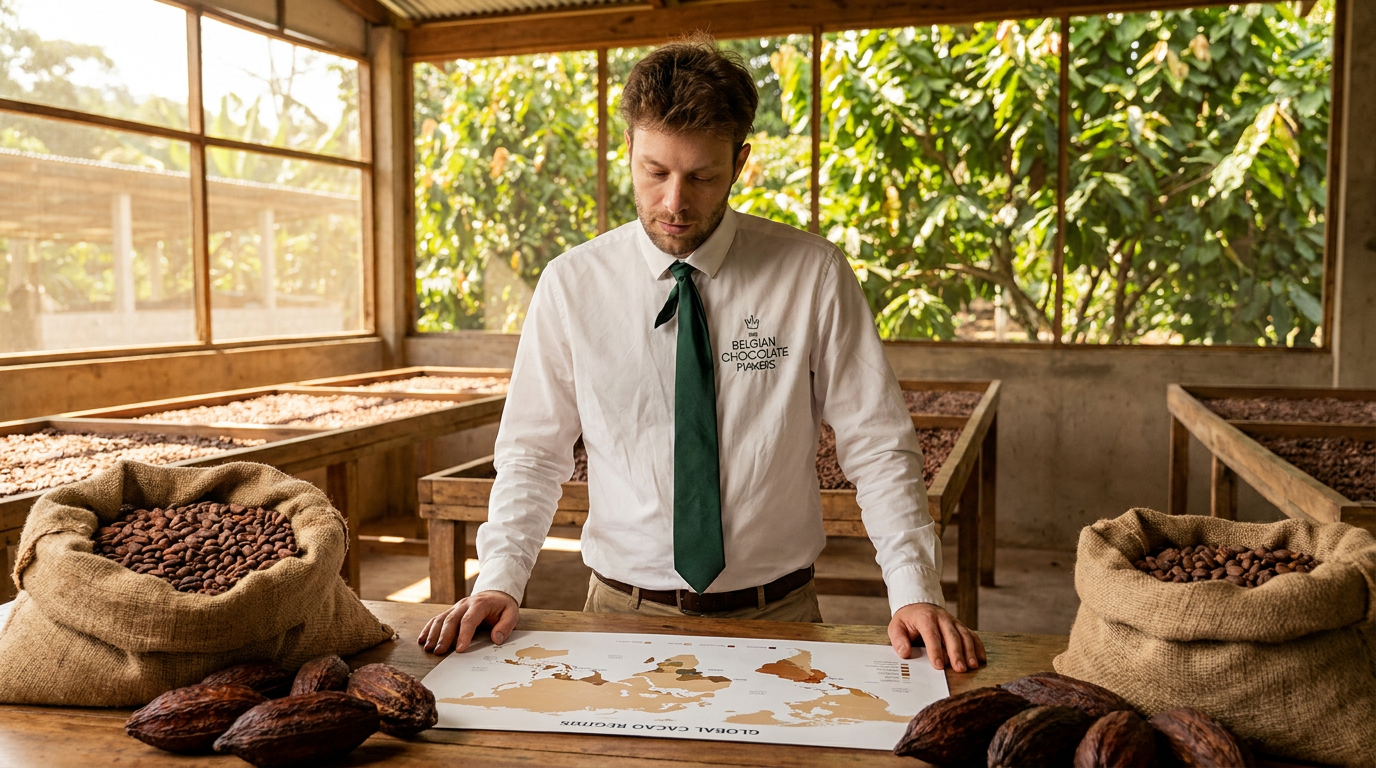
Exploring global cacao origins
Chocolate is more than a single flavor. It is a passport to the world’s cacao farms, climates, and farming traditions. A well-curated tasting box, such as a collection of 30...
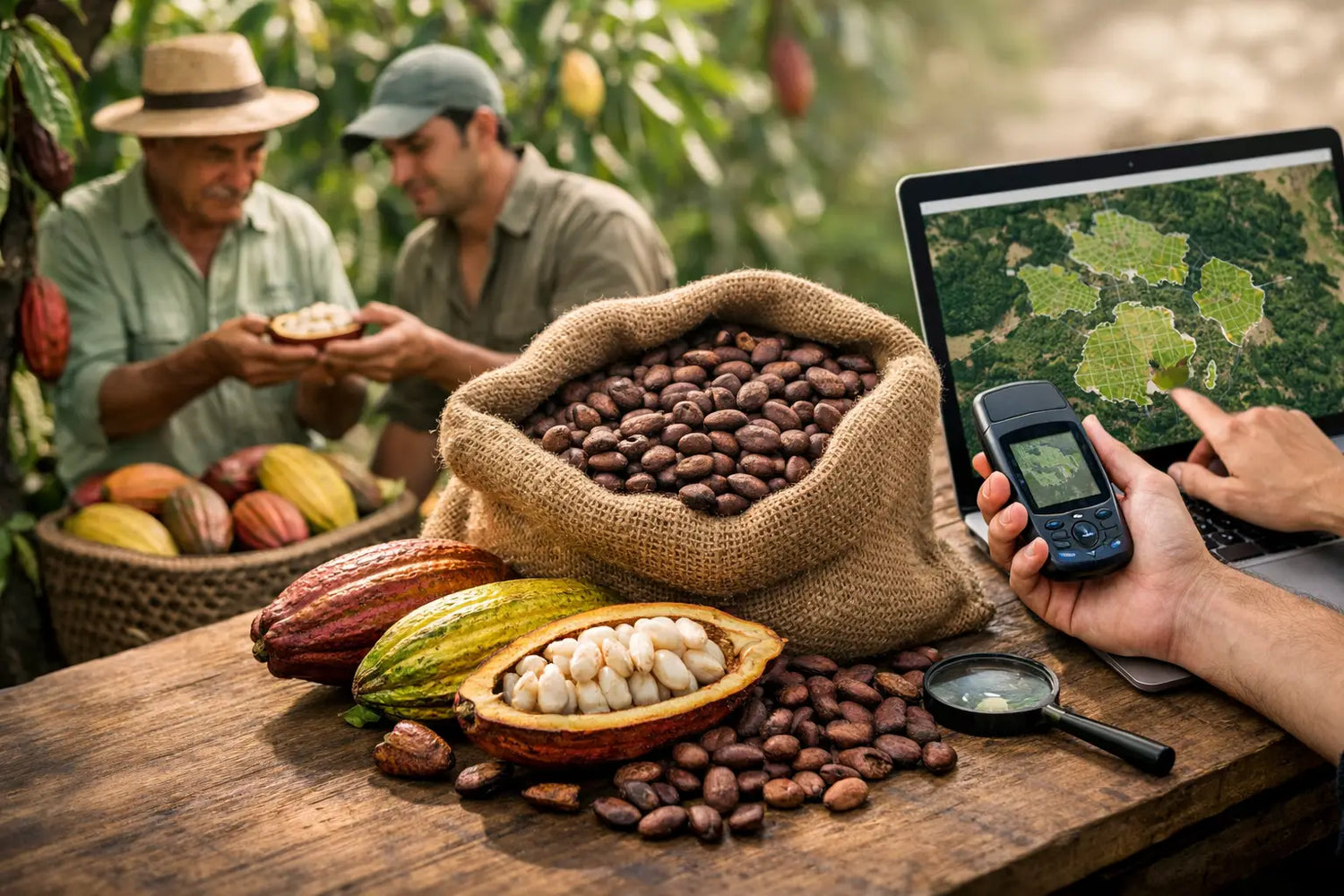
Traceable cacao sourcing explained clearly
Traceable cacao sourcing explained clearly; learn how origin, farmer relationships, pricing, and bean-to-bar craft shape better chocolate.
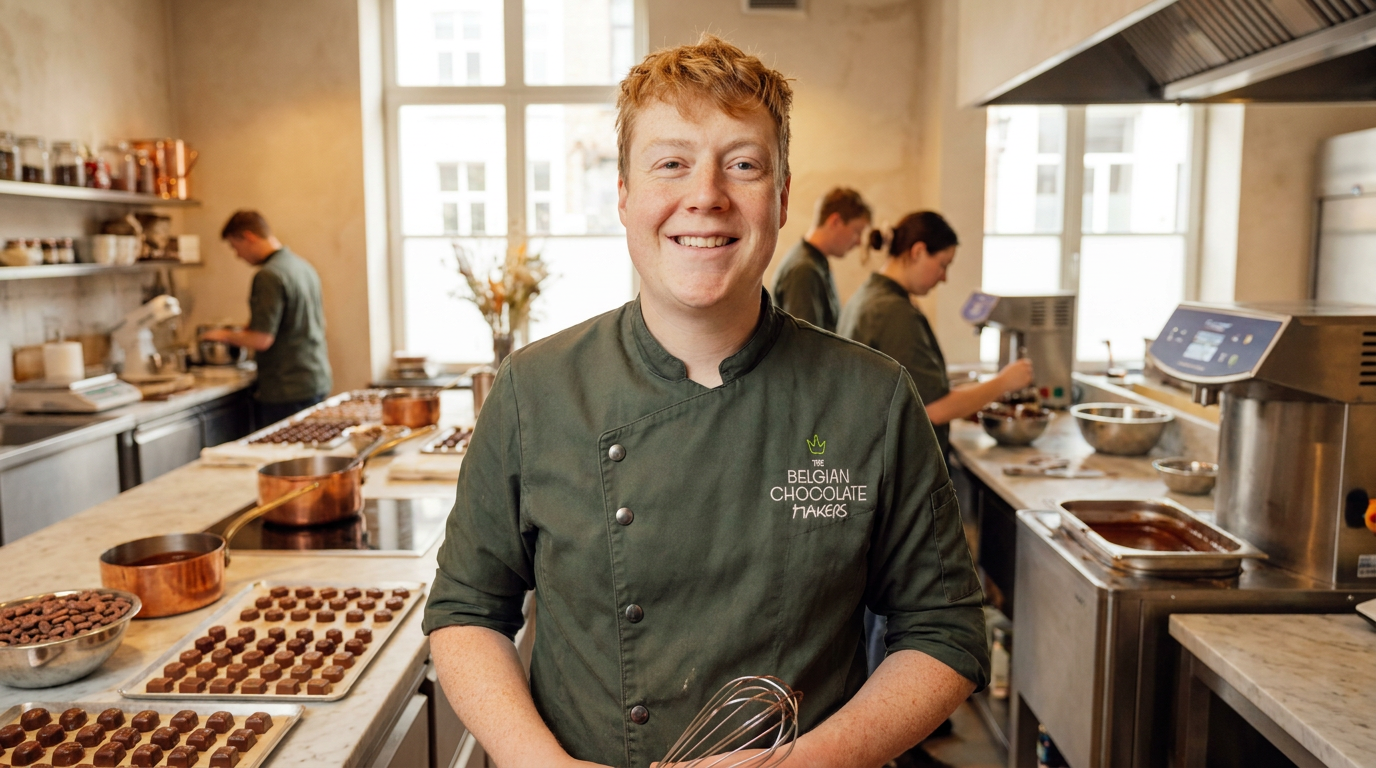
Why small batch chocolate bars taste better
Small batch chocolate bars offer clearer flavor, better sourcing, and true bean-to-bar craft. Learn what sets them apart from industrial chocolate.
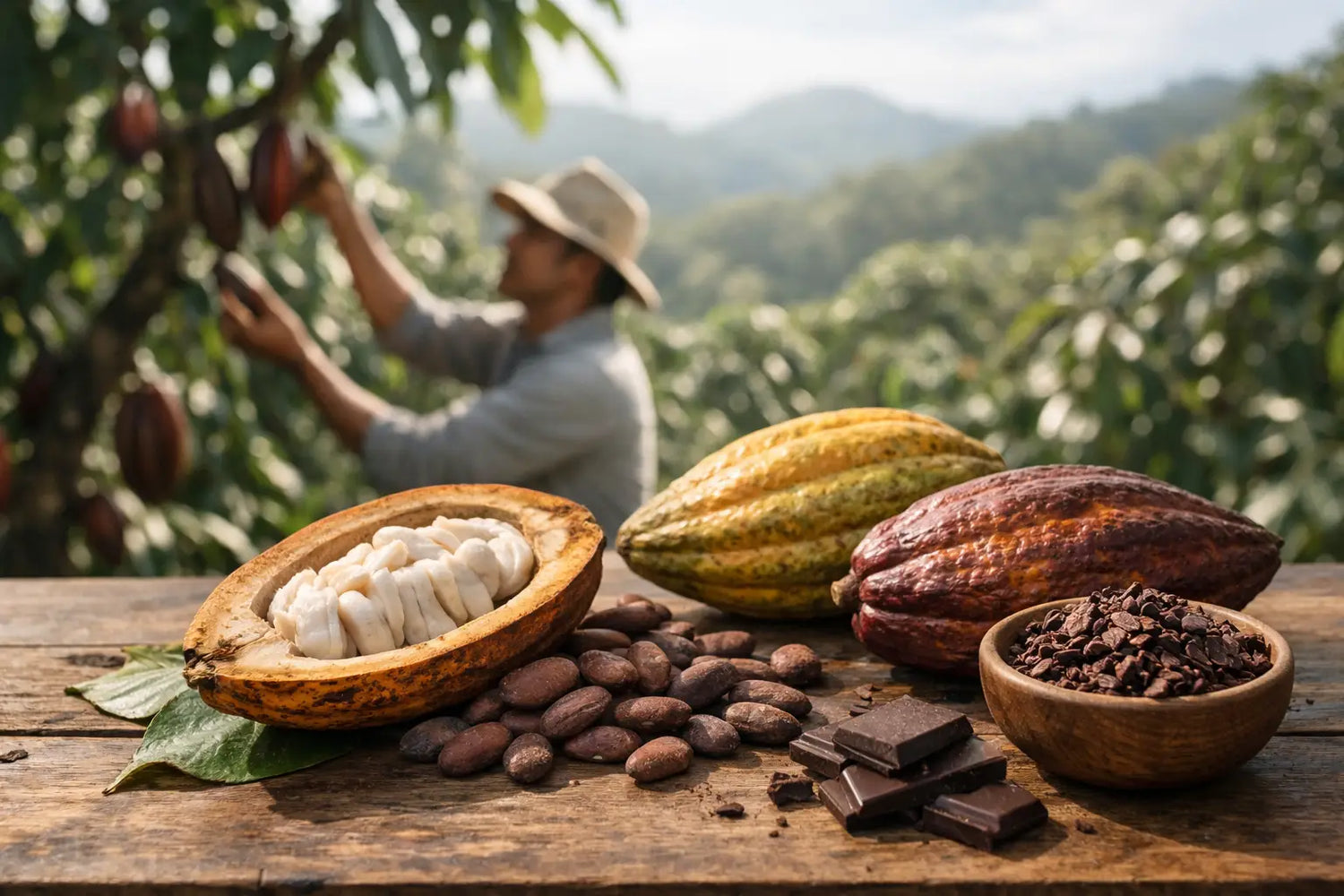
How cacao sourcing affects flavor
Learn how cacao sourcing affects flavor, from origin and harvest to fermentation and drying, and why traceable beans create better chocolate.
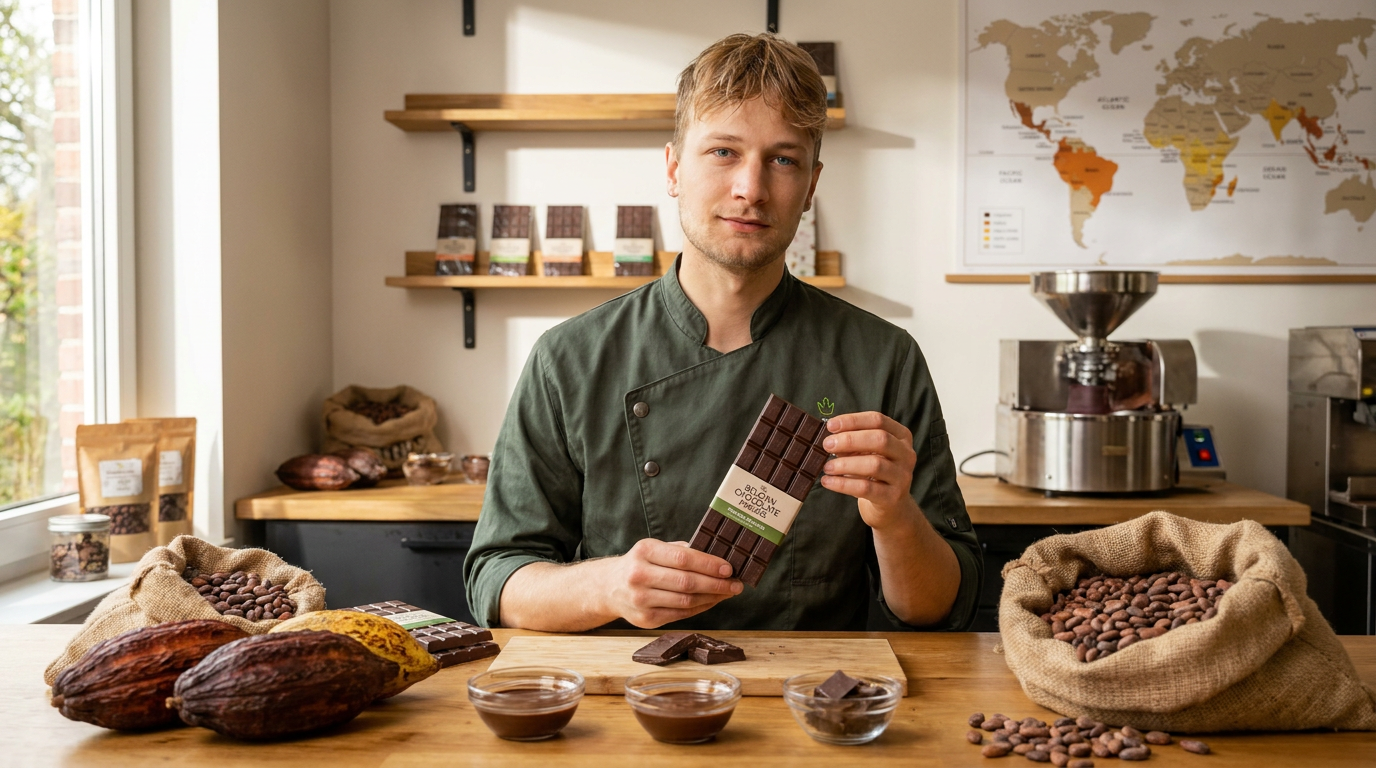
How single origin chocolate differs
Learn how single origin chocolate differs in flavor, sourcing, and craftsmanship, and why origin matters for quality, traceability, and taste.
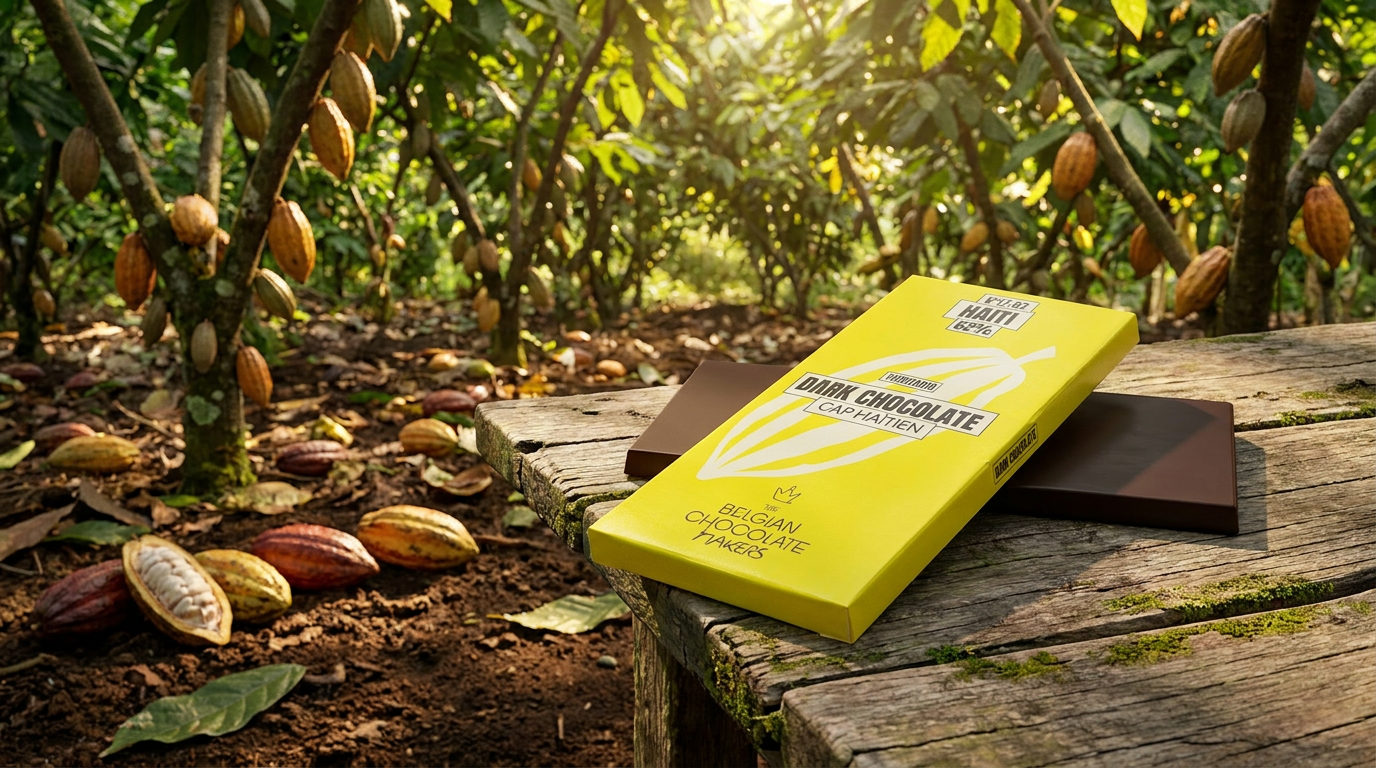
How to taste and evaluate Haiti Cap Haïtien 62% dark chocolate
Understanding dark chocolate and single-origin cacao Dark chocolate is more than a percentage on a bar. It is a product of cacao beans grown in a specific terroir, then transformed...
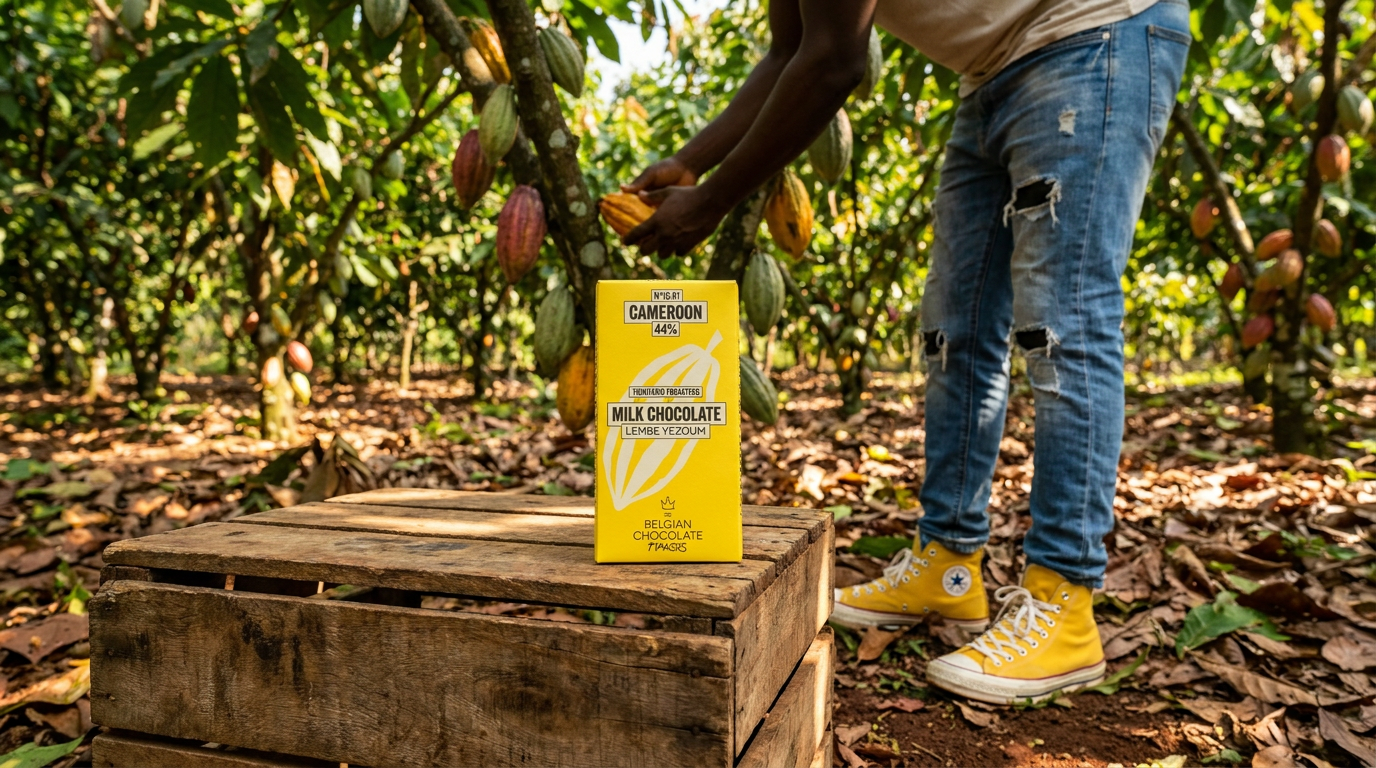
How Cameroon Lembé Yézoum 44% milk chocolate delivers terroir-driven flavor
Introduction to single-origin chocolate and the Cameroon Lembé Yézoum chocolate bar In the world of chocolate, the origin of the cacao bean often shapes the final flavor more than any...
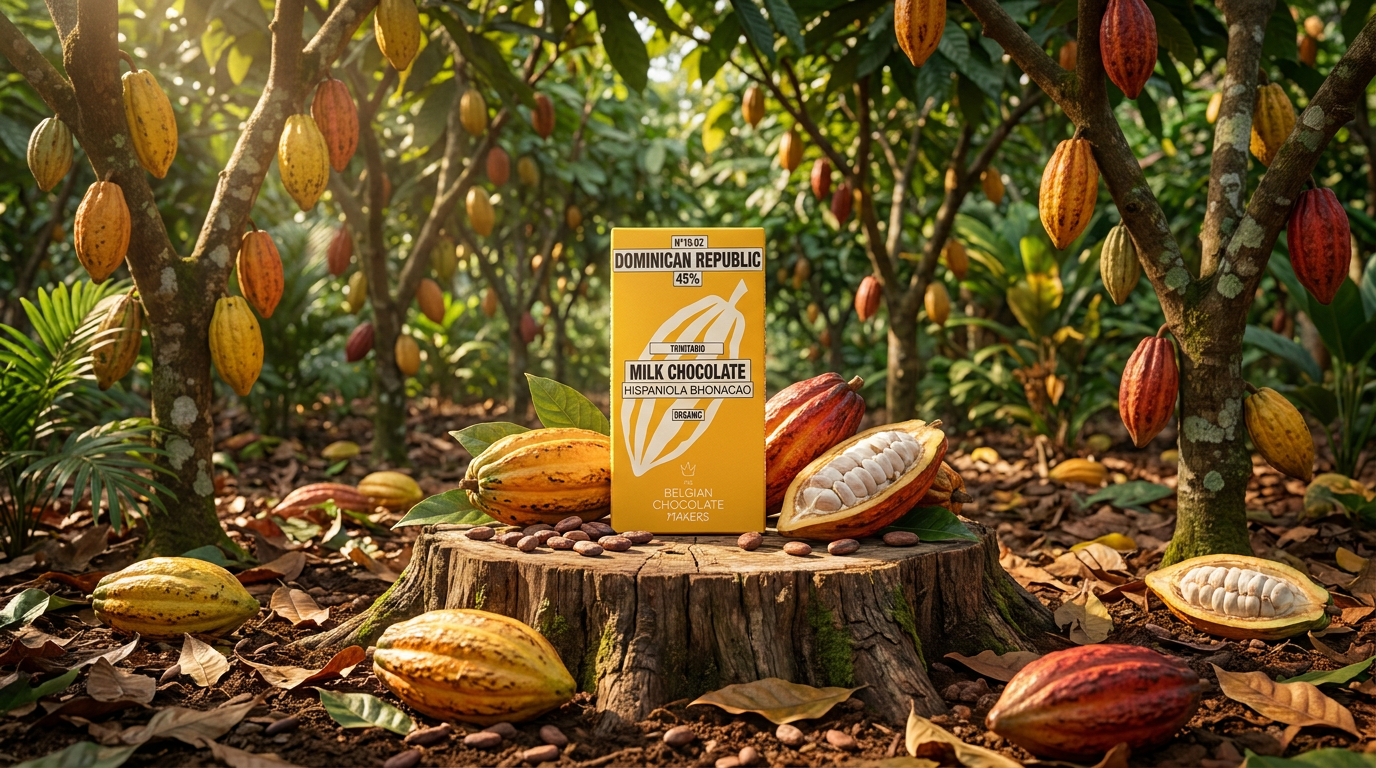
Dominican Republic 45% milk chocolate bar: A true brussels craft
Chocolate lovers seek more than sweetness; they crave a story, a sense of place, and a texture that lingers on the palate. This handmade milk chocolate bar, with its Dominican...
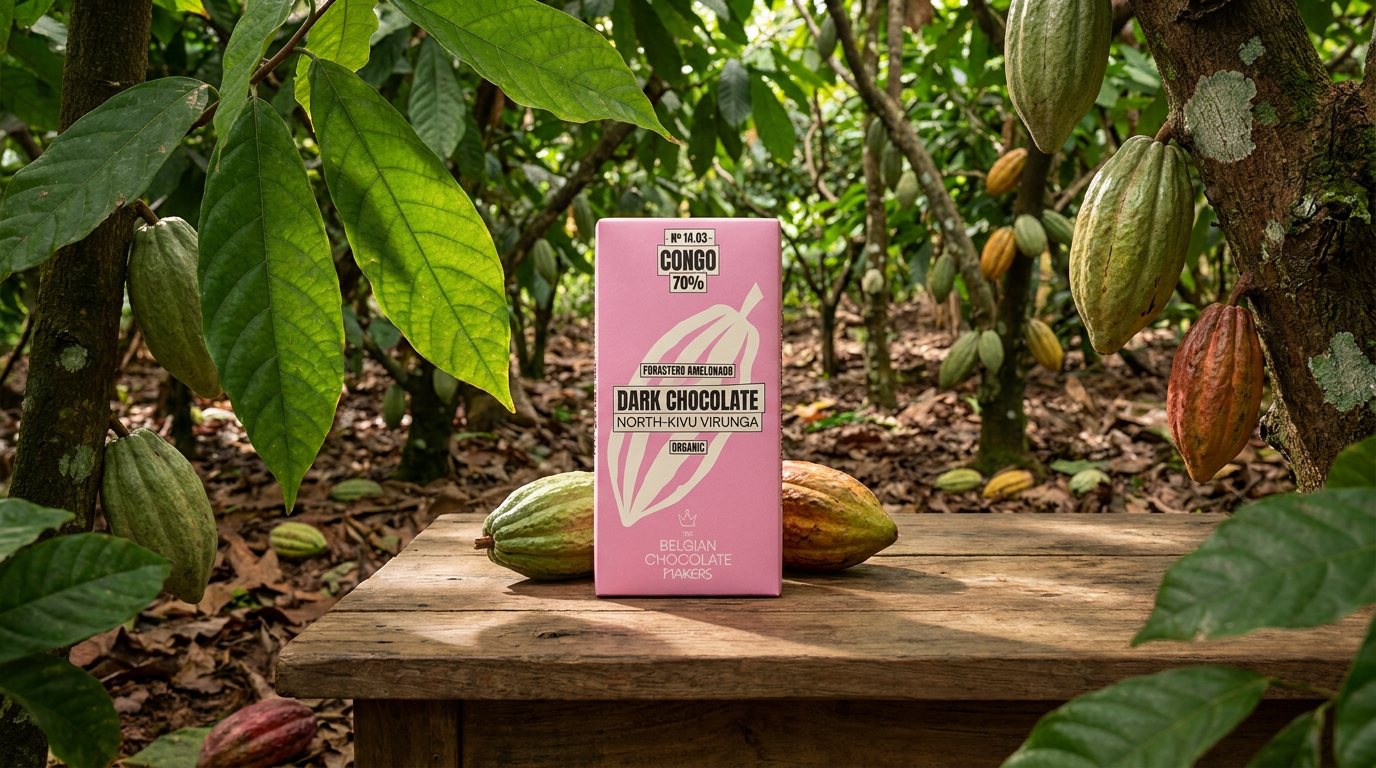
From Virunga to your chocolate bar: 70% Congo dark chocolate
Chocolate has traveled a long road from the cacao trees in tropical forests to the bar in your hand. Today, many chocolate lovers want more than flavor; they want a...
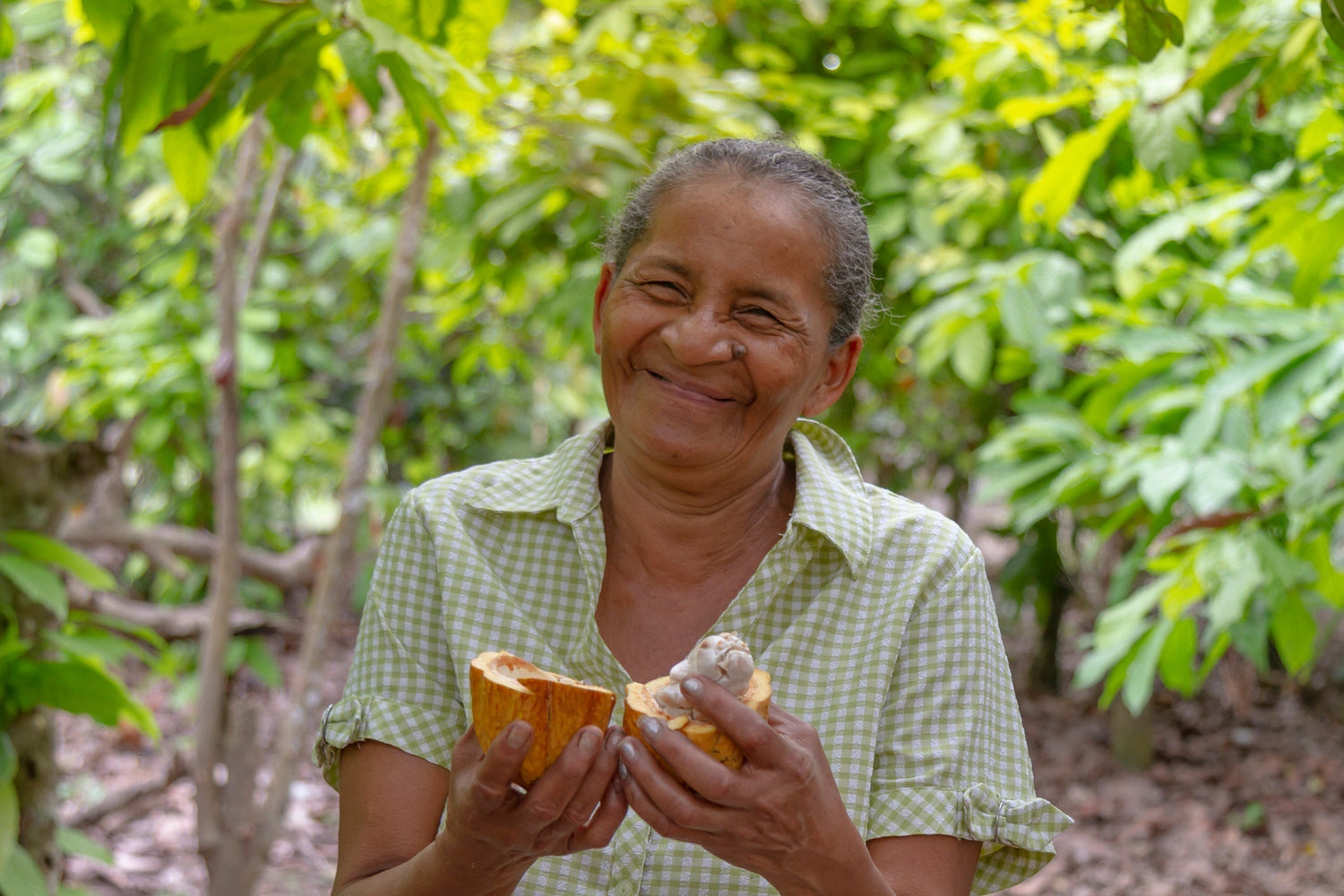
What is bean to bar chocolate?
What is bean to bar chocolate? Learn how cacao beans become finished bars, why origin matters, and what sets true craft chocolate apart.
How to spot truly ethical chocolate brands
Learn how to identify ethical chocolate brands by looking at sourcing, traceability, bean-to-bar making, pricing, and genuine maker transparency.
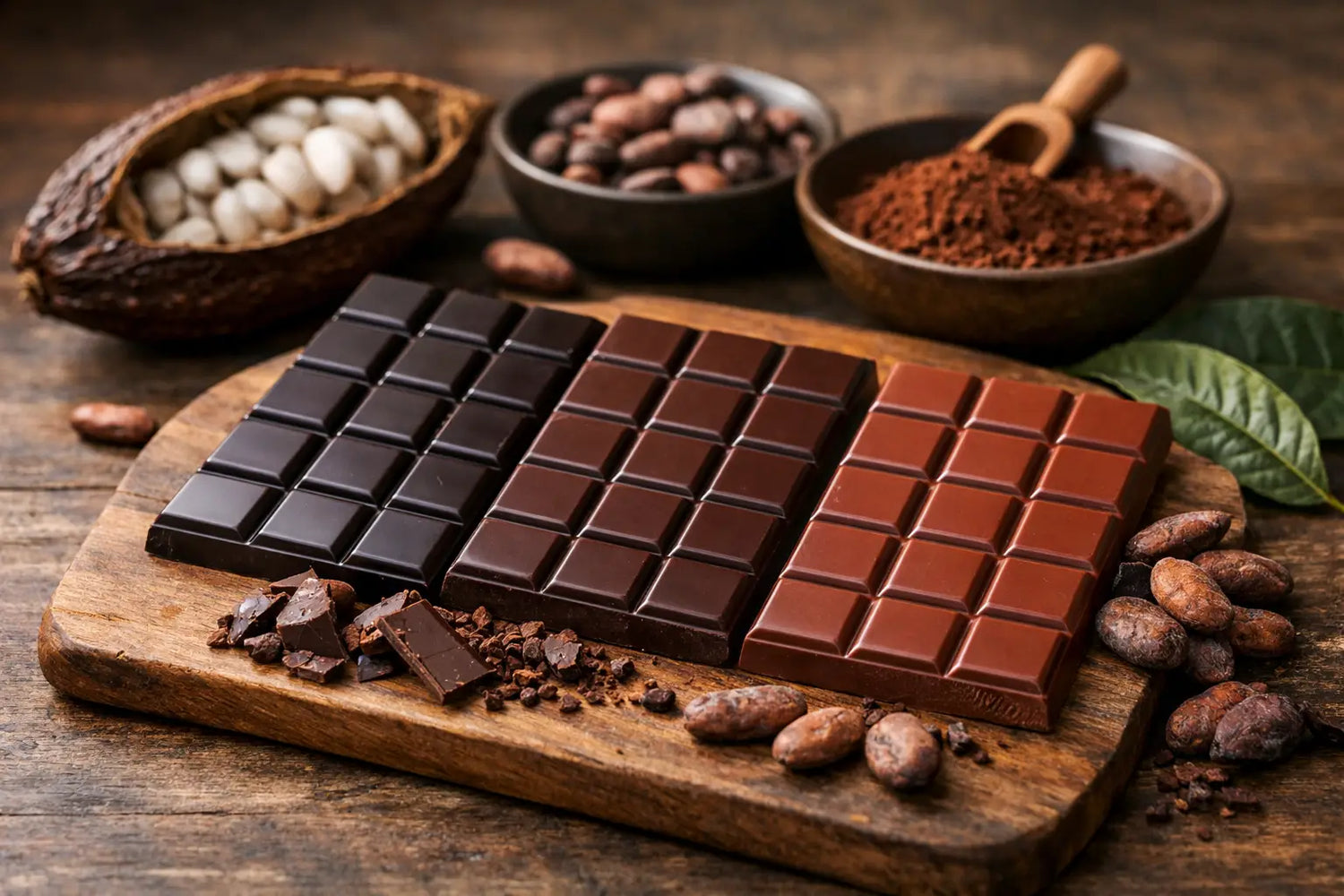
Why single origin chocolate bars taste different?
Learn what makes single origin chocolate bars distinct, from cacao terroir and craft processing to flavor, ethics, and gifting appeal.
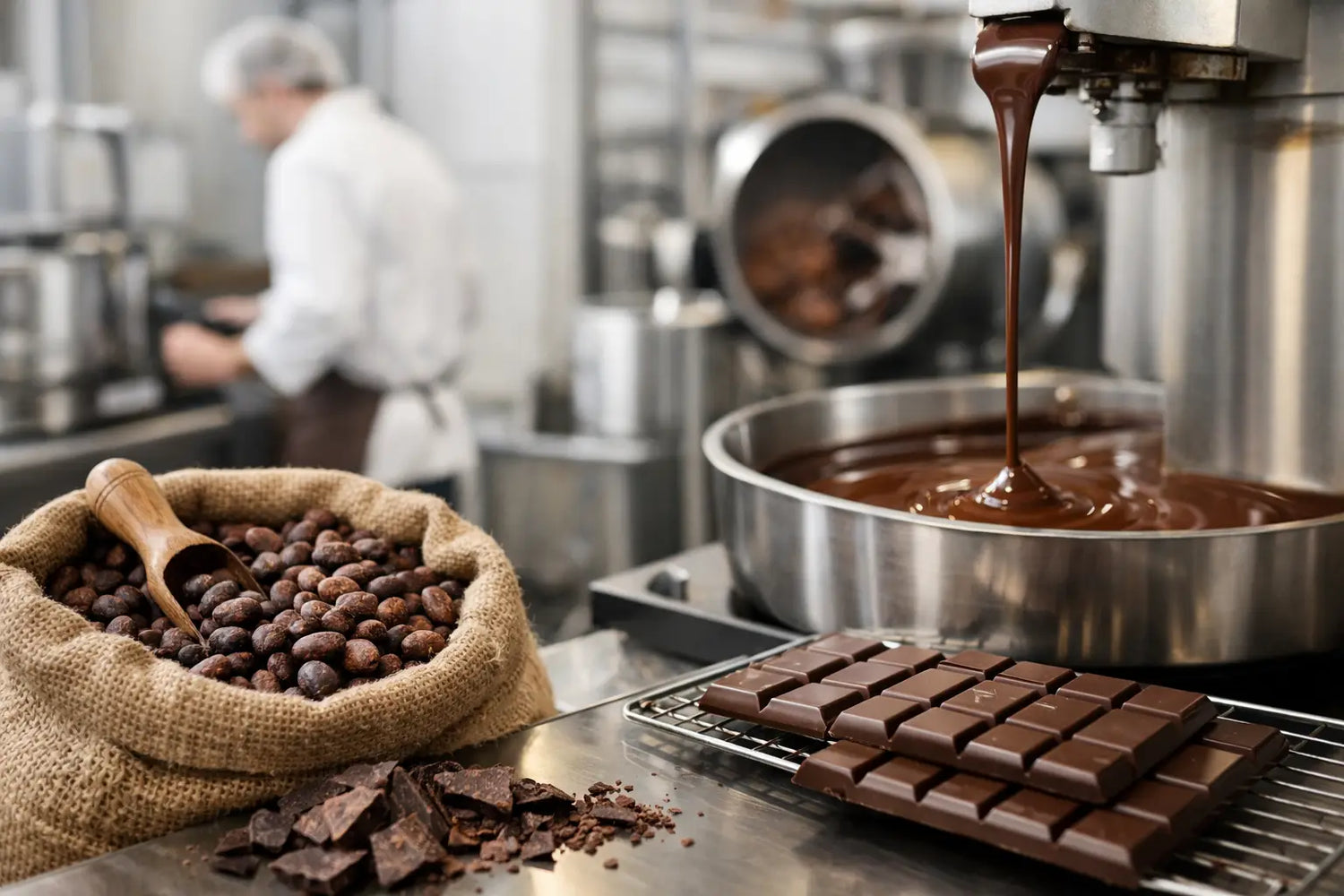
What exactly a bean to bar chocolate factory does?
See what a bean to bar chocolate factory really does, from sourcing and roasting to molding, flavor, traceability, and gift-worthy quality.
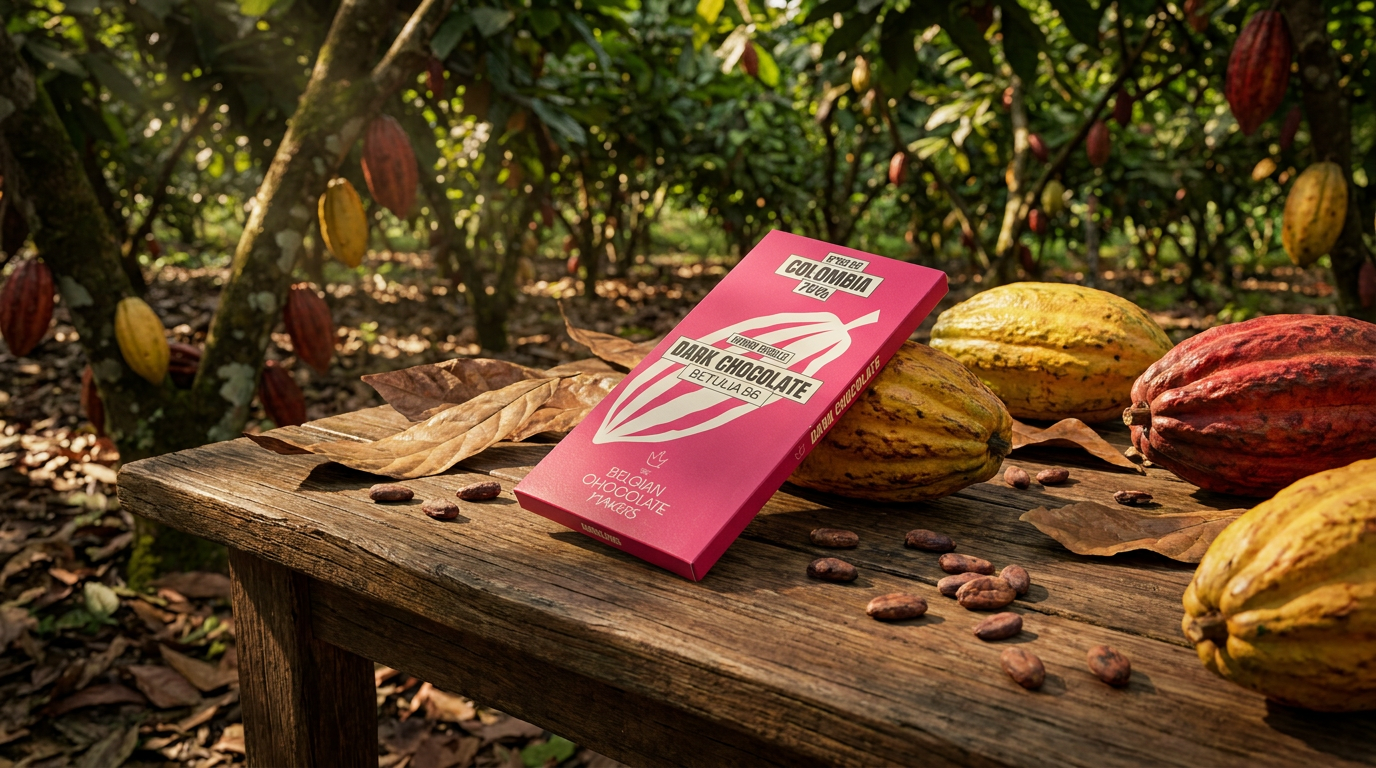
What makes a great single-origin chocolate bar: a deep dive into Colombia Betulia B6 70%
Understanding the power of single-origin chocolate Single-origin chocolate is more than a flavor profile; it is a story told by terroir, cacao genetics, harvest practices, and the people who cultivate...
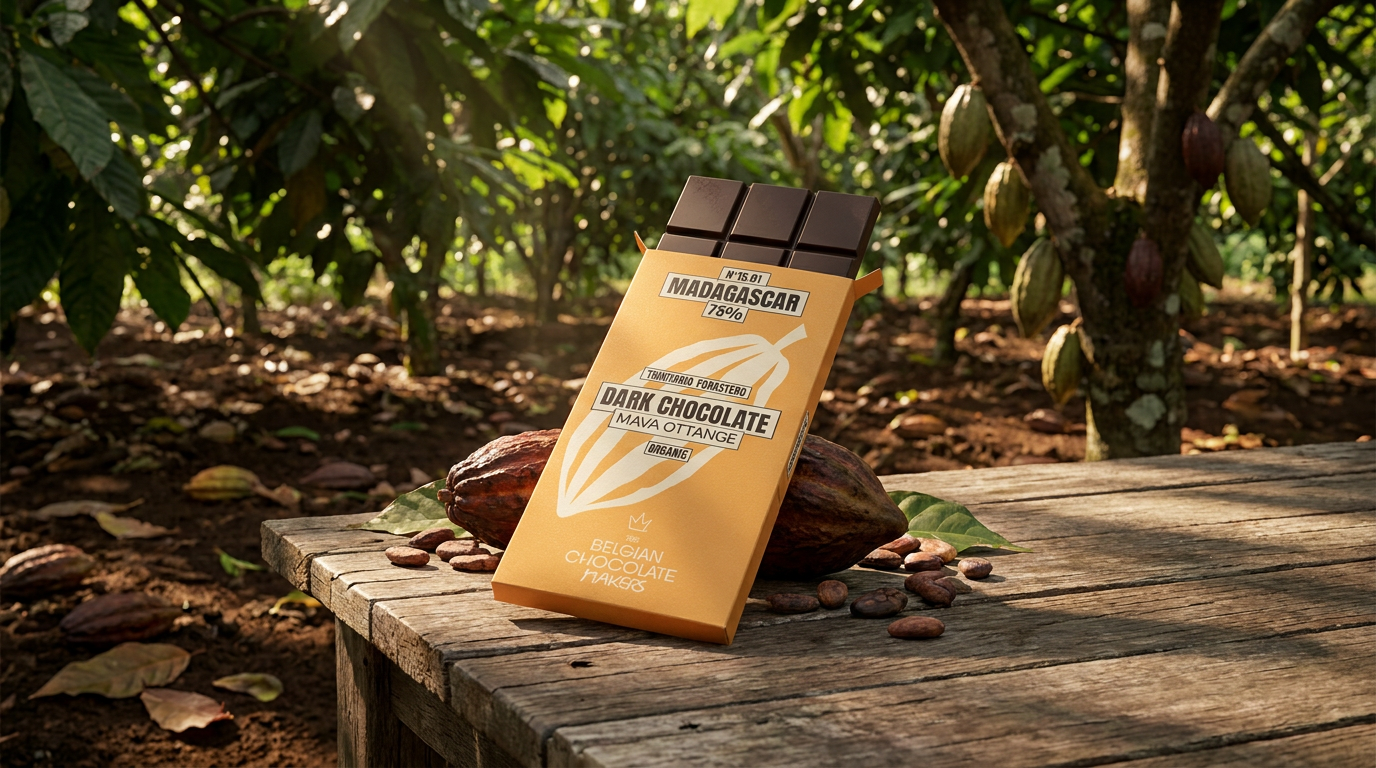
How Madagascar Mava Ottange 75%: a tasting and pairing guide
Introduction: A chocolate with a place and a purpose Madagascar Mava Ottange 75% is more than a dark chocolate bar. It is a single-origin experience crafted by The Belgian Chocolate...
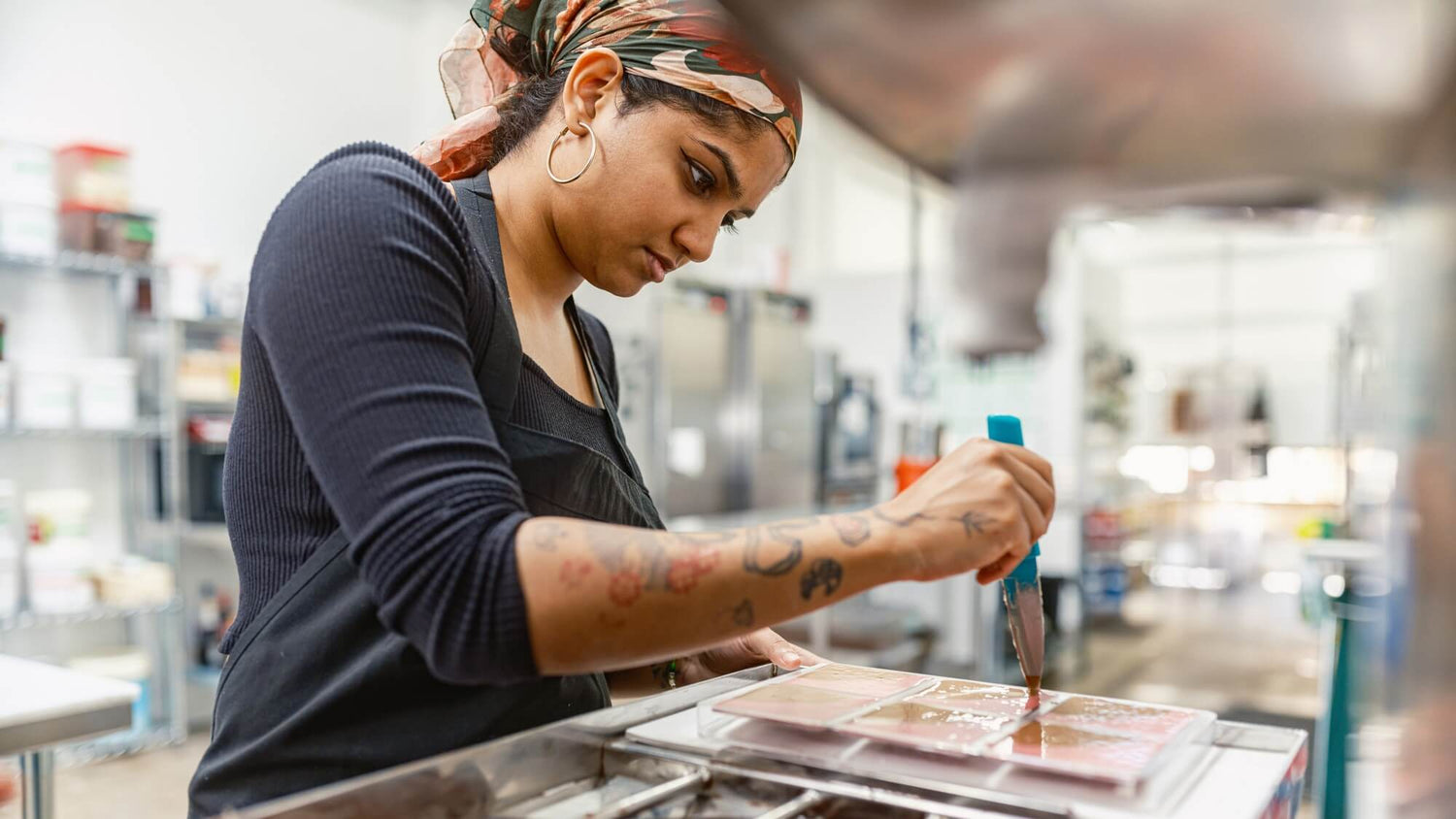
20mns express chocolate visit: Belgian craft in minutes
In a world where schedules are tight but curiosity about fine chocolate remains, a brief yet rich experience can be the perfect compromise. The express chocolate visit from The Belgian...
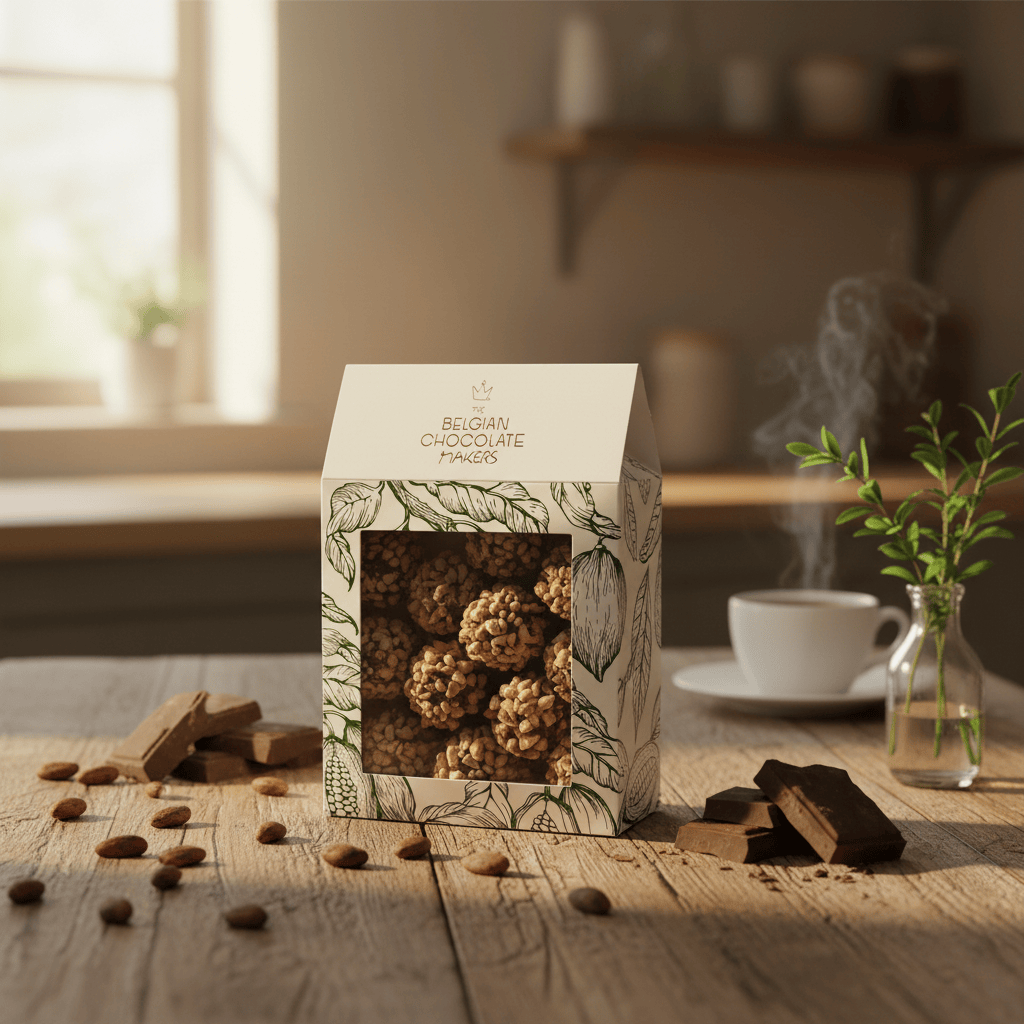
Belgian hazelnut chocolate clusters 160g
The complete guide to Belgian hazelnut chocolate clusters Chocolate clusters are a beloved treat for chocolate lovers who crave a balanced bite of sweetness, texture, and aroma. Among the...
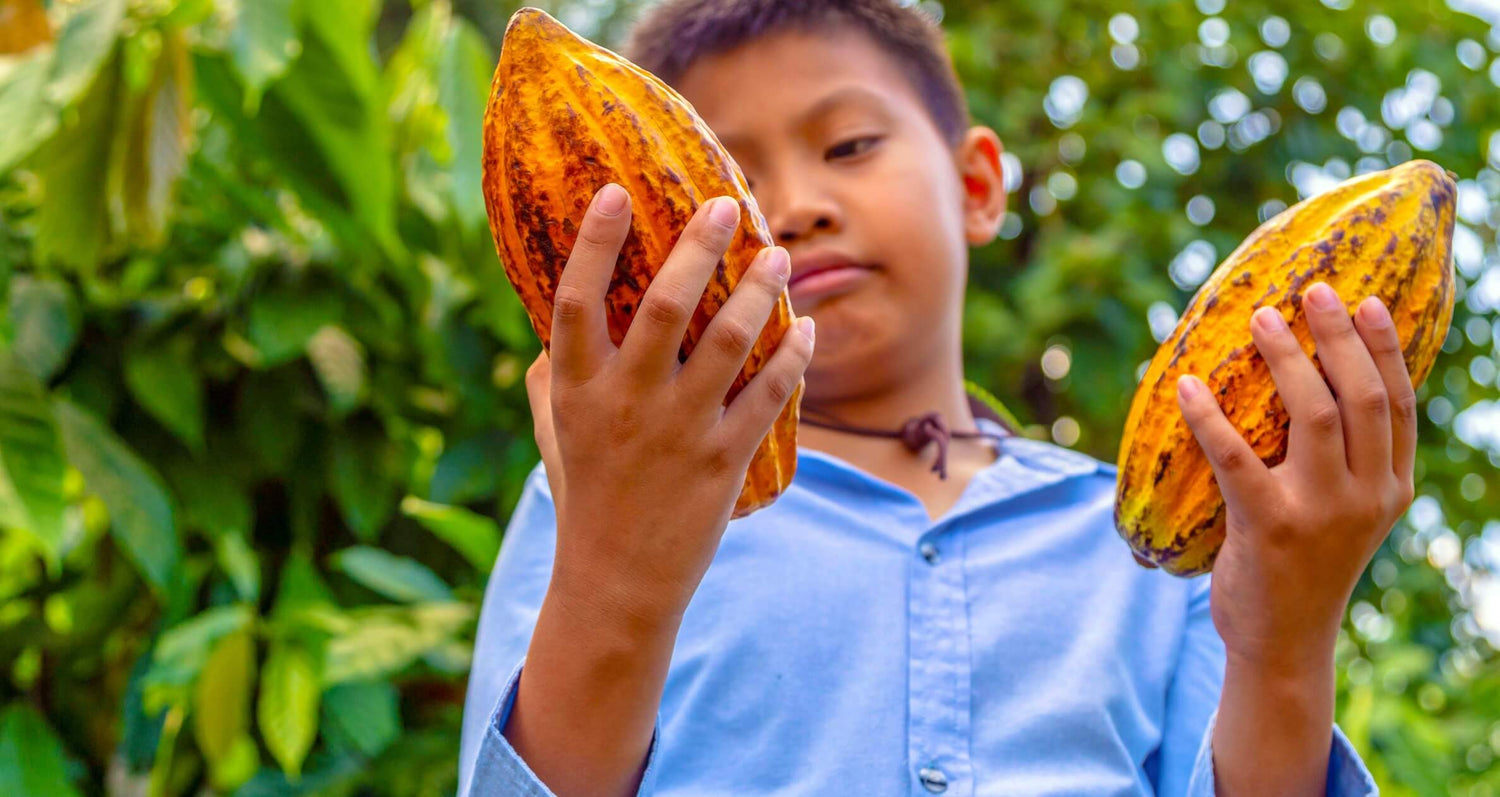
Gousse de cacao fraîche de Madagascar : commencez votre voyage de la fève à la barre
Si vous êtes un passionné de chocolat qui aime remonter aux origines des saveurs, un cabosse de cacao fraîche Ce chocolat de Madagascar offre un lien rare et authentique avec...

Les contrôles plus stricts de l'UE provoquent des secousses et des ralentissements chez les auditeurs
Découvrez comment les contrôles biologiques plus stricts de l'UE remodèlent la certification du cacao, entraînant une pénurie d'auditeurs, des retards dans les tests et de nouveaux obstacles pour les producteurs.
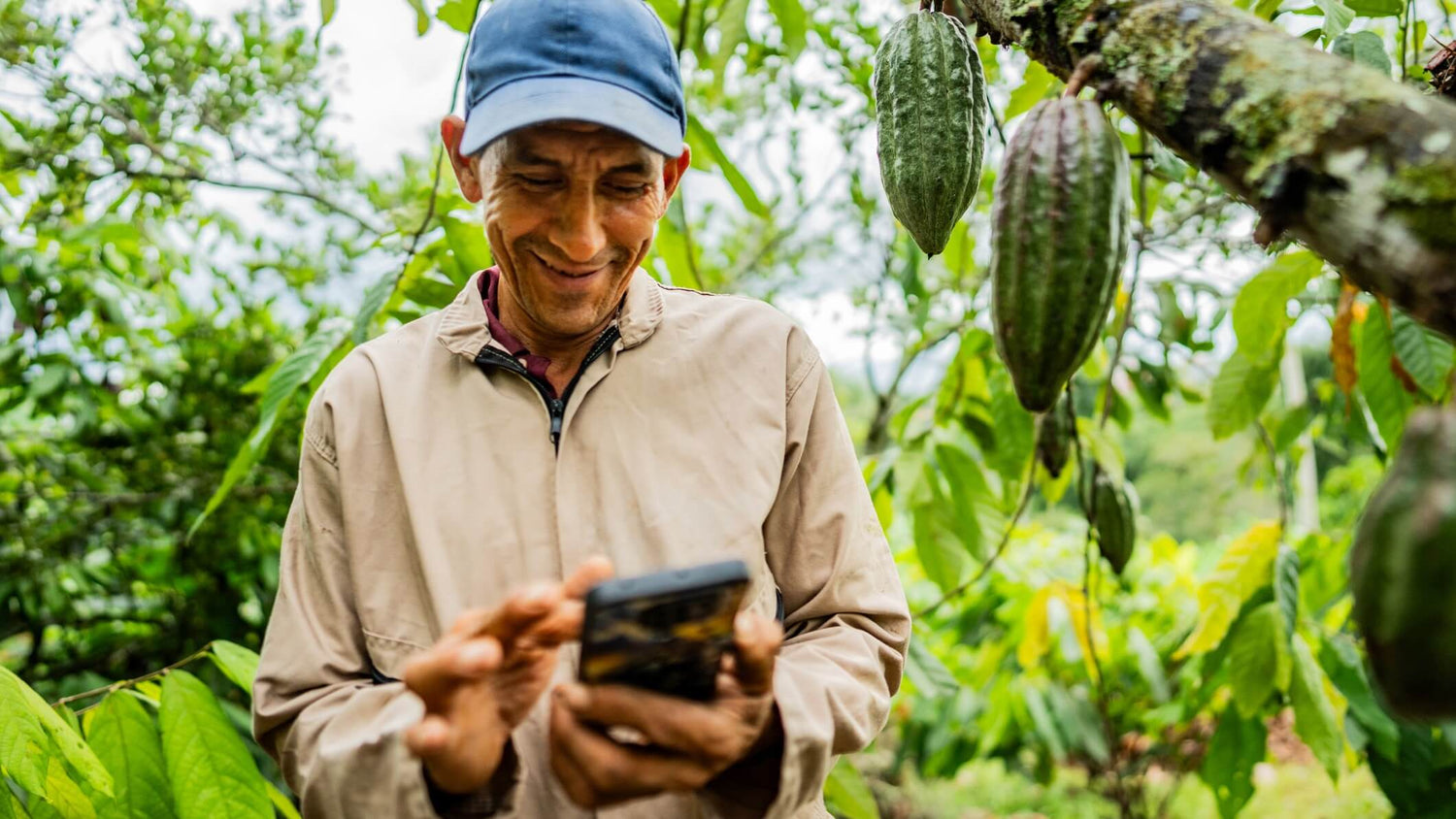
De la ferme à la tablette de chocolat : comment les nouvelles règles de l'UE en matière d'agriculture biologique transforment le cacao
Découvrez comment les nouvelles règles de l'UE en matière d'agriculture biologique remodèlent le cacao, de la ferme à la tablette de chocolat, et ont un impact sur les agriculteurs, les coopératives et les chocolatiers spécialisés.