A molded chocolate bar can look simple: a glossy surface, a clean snap, a familiar square waiting to be tasted. Yet its character was decided long before it reached the mold. It began with cacao grown in a particular place, then with choices about sourcing, roasting, grinding, refining, and tempering. The best chocolate workshops make those choices visible.
For anyone who loves fine chocolate, a workshop is more than a pleasant tasting activity. It is a chance to understand why one bar carries notes of red fruit or toasted nuts while another is deeply cocoa-rich and earthy. It also offers a more honest view of what Belgian chocolate can be when it is made from the bean rather than assembled from ready-made industrial chocolate.
What happens in chocolate workshops
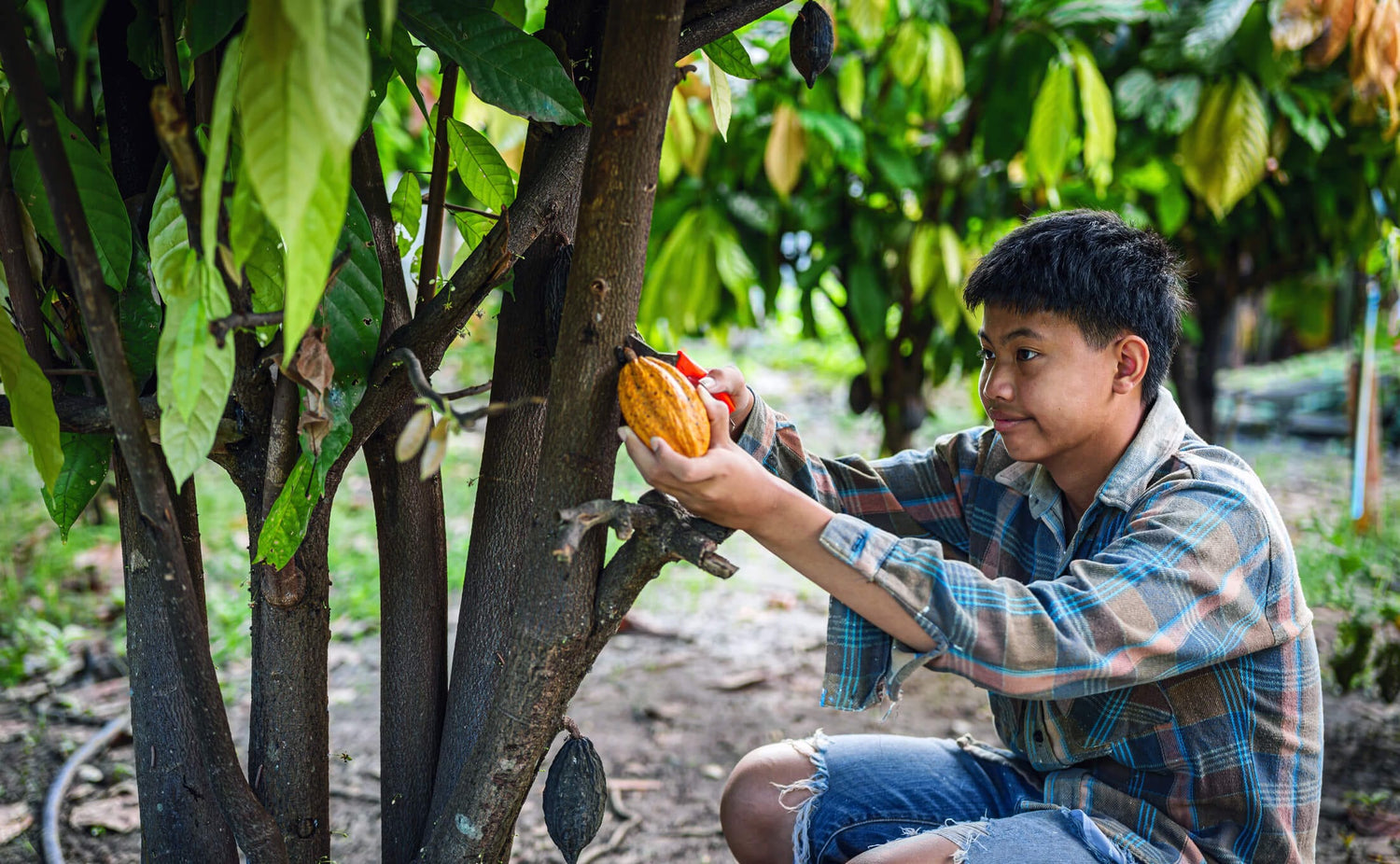
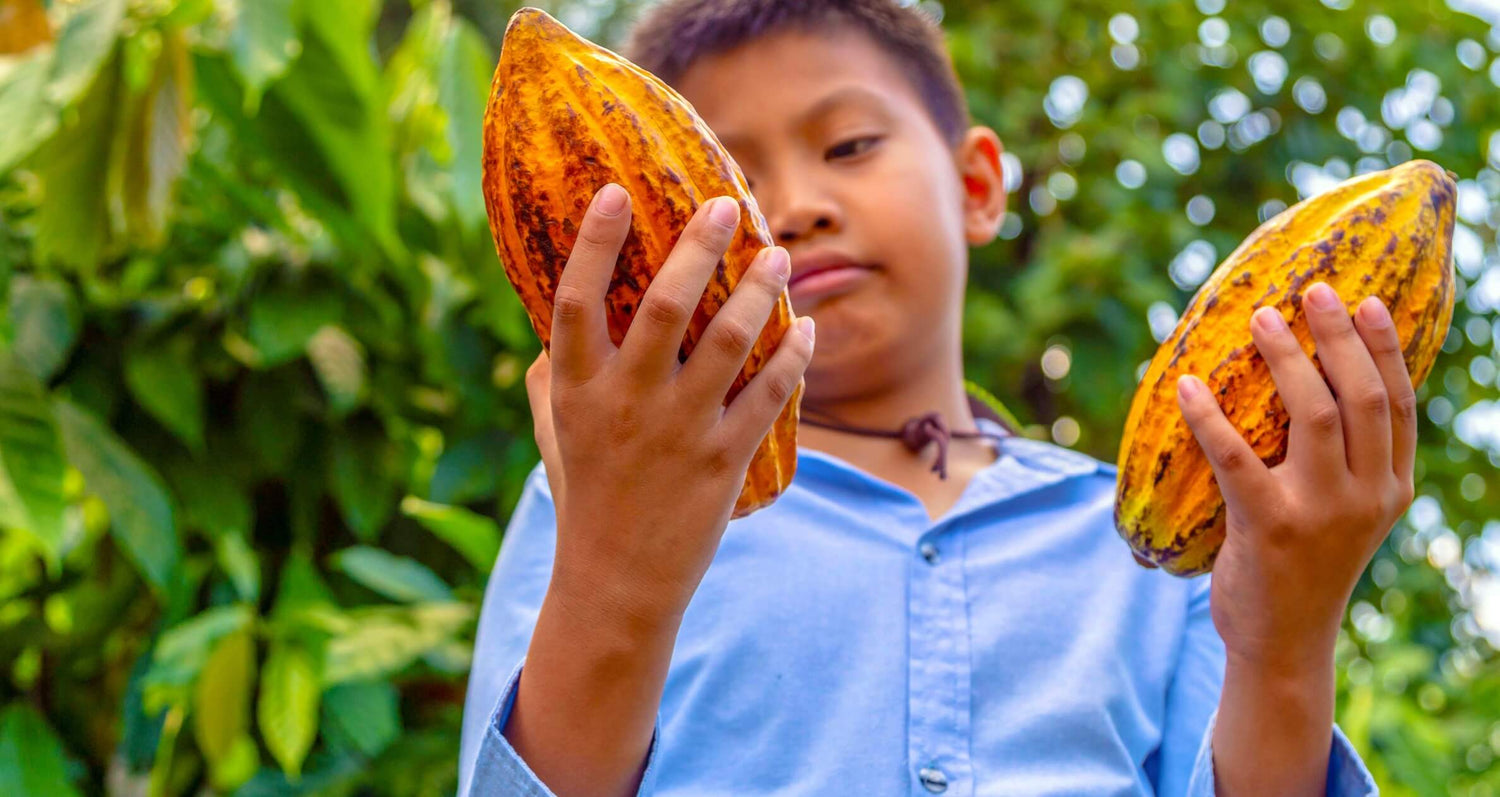
A true bean-to-bar workshop follows chocolate through its full transformation. The process starts with dried cacao beans, which have already been harvested, fermented, and dried at origin. Those early stages matter enormously. Fermentation develops the precursors of chocolate flavor, and careful drying protects those flavors for the journey from farm to maker.
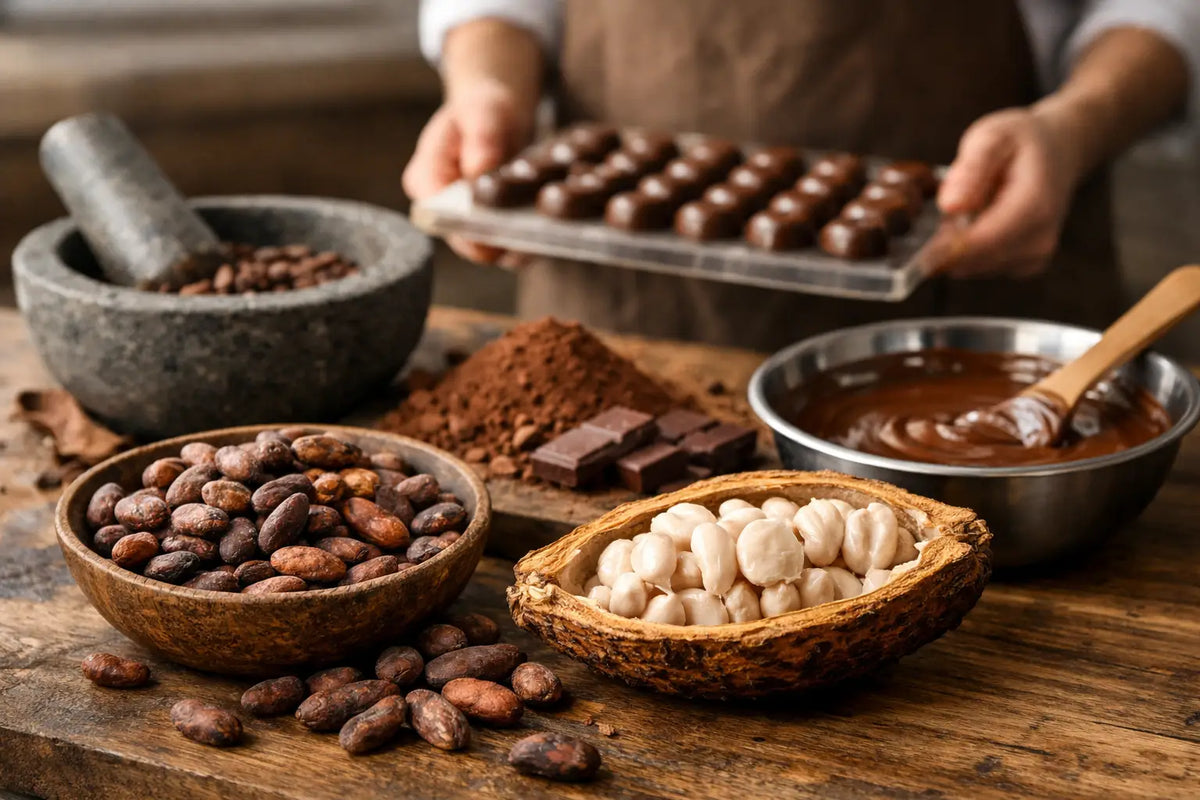
At the workshop, the beans are sorted and roasted. Roasting is not simply about applying heat. It is one of the maker's most expressive decisions. A gentle roast may preserve floral, citrus, or fruit-forward notes. A more developed roast can bring out caramel, toasted bread, nuts, and a fuller cocoa profile. Neither approach is automatically better. The right choice depends on the bean, its origin, and the kind of chocolate the maker intends to create.
Once roasted, the beans are cracked and winnowed to separate the papery shell from the cacao nibs. The nibs are ground until their natural cocoa butter releases and they become a flowing paste called cocoa liquor. Sugar, and sometimes milk powder or other carefully selected ingredients, is added according to the recipe. The mixture is refined to reduce particle size, then conched to smooth texture and round out flavor.
Finally, the chocolate is tempered. This precise process aligns cocoa butter crystals so the finished bar has shine, a clean break, and a satisfying melt. A small shift in temperature can affect the result. Tempering may appear technical, but it is also the point where science and practiced hands meet.
From observation to understanding
Some workshops invite participants to make a simple creation, such as a molded bar, mendiant, or decorated chocolate. This is enjoyable, especially for visitors and gift-minded travelers. But the most meaningful experience also explains what is happening beneath the surface: why the chocolate flows, why it sets, and why the same recipe can taste different when made with beans from another region.
That distinction matters. Decorating chocolate is a pleasant introduction. Working from cacao beans offers a deeper appreciation of chocolate as an agricultural product and a crafted food.
Why origin changes every chocolate bar
Cacao is not a neutral raw material. Like coffee, wine, or vanilla, it reflects variety, soil, climate, harvest practices, fermentation, and drying. Beans from Madagascar may show lively berry and citrus notes. Cacao from Ecuador can be floral, nutty, or gently spiced. A Central American origin may lean toward dried fruit, honey, or roasted nuts. These are not rigid rules, but useful starting points for tasting.
A workshop that focuses on origin teaches guests to taste without reaching for vague labels such as “strong” or “premium”. Instead, they can notice acidity, sweetness, bitterness, aroma, texture, and length of finish. Is the acidity bright and refreshing, or sharp and unbalanced? Does the sweetness support the cacao or conceal it? Does the flavor remain after the chocolate melts?
Single-origin chocolate is especially useful for this kind of tasting because it allows a particular cacao source to speak clearly. Blends have their own value: a skilled maker can create balance, consistency, and complexity by combining different beans. But a single-origin bar can make the connection between place and flavor easier to recognize.
Craft means making choices, not adding more
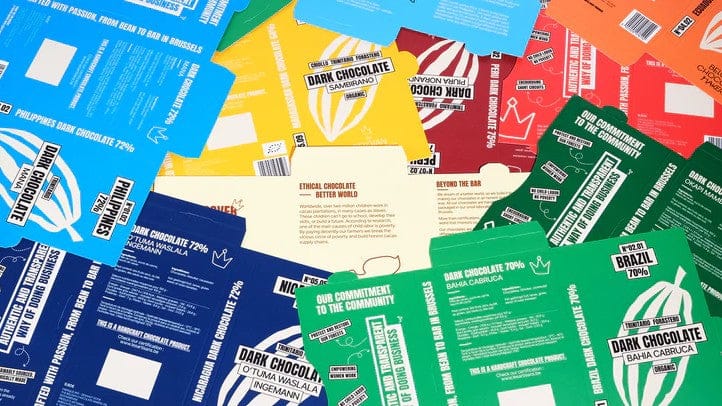
Fine chocolate is often discussed in terms of percentage. A 70% bar contains 70% cocoa ingredients, usually cacao mass and cocoa butter, while the remaining percentage is largely sugar. This number can be helpful, but it does not tell the whole story.
A high cocoa percentage does not guarantee superior flavor. Chocolate can be bitter because the beans were poorly fermented, over-roasted, or processed without enough refinement. Conversely, a 60% bar can be elegant and complex when its cacao has natural sweetness and the recipe is carefully balanced. The question is not merely how much cocoa is in the bar. It is whether the maker has respected the potential of the bean.
The same principle applies to ingredients. A short ingredient list is desirable when every component has a purpose, not because simplicity is a marketing shortcut. High-quality cacao, cane sugar, and, where appropriate, milk powder, nuts, fruit, spices, or inclusions should each contribute something clear. Fine chocolate does not need unnecessary flavoring to be memorable.
Ethical sourcing belongs in the conversation
Chocolate workshops should also make room for the people behind cacao. Cacao is grown in regions where farming families often face price instability, climate pressure, and limited access to resources. Traceability cannot solve every structural challenge, but it is a meaningful standard. It asks makers to know where their beans come from, build more direct and accountable relationships, and pay attention to quality and conditions at origin.
For the buyer, ethical sourcing is not separate from flavor. Better post-harvest practices, including fermentation and drying, require care, skill, and investment. When cacao is treated as a valued crop rather than an anonymous commodity, the result can be more distinctive chocolate and a more responsible supply chain.
It is worth being discerning about broad claims. Terms such as “ethical,” “sustainable,” and “responsible” should be supported by real information about origin, sourcing relationships, and production. Transparency is more persuasive when it explains specifics rather than relying on a polished label.
How to taste chocolate with more attention
A workshop tasting is easiest to enjoy when it is unhurried. Start by looking at the chocolate. A well-tempered piece should have a soft sheen rather than a dusty gray bloom. Break it and listen for a clean snap, particularly in darker bars. Then smell it before tasting. Aroma prepares the palate for what follows.
Let a small piece melt rather than chewing it immediately. Notice the opening flavor, the middle, and the finish. Some chocolates arrive with a first impression of roasted cocoa, then reveal fruit, spice, creaminess, or nuttiness as they warm. Others are direct, comforting, and deeply familiar. Complexity is valuable, but pleasure is still the point.
Water is generally the best palate cleanser. If you compare several bars, move from lighter and milder profiles toward darker or more intense ones. Keep notes if the tasting includes multiple origins. A few words are enough: bright, creamy, toasted, fruity, earthy, lingering. Over time, those observations become a personal vocabulary.
Questions worth asking at a workshop
When choosing a chocolate experience, ask whether it begins with real cacao beans or with pre-made couverture. Ask whether the maker can identify the origin of the cacao and explain how it is processed. Ask what participants will actually do, whether that is roasting and tasting, molding a bar, or learning the fundamentals of tempering.
There is no single correct format. A short hands-on session can be ideal for families, first-time visitors, or anyone seeking a memorable activity. A bean-to-bar tasting may be better for a serious food lover or a thoughtful gift experience. The strongest workshops are clear about what they offer and never confuse decoration with chocolate making.
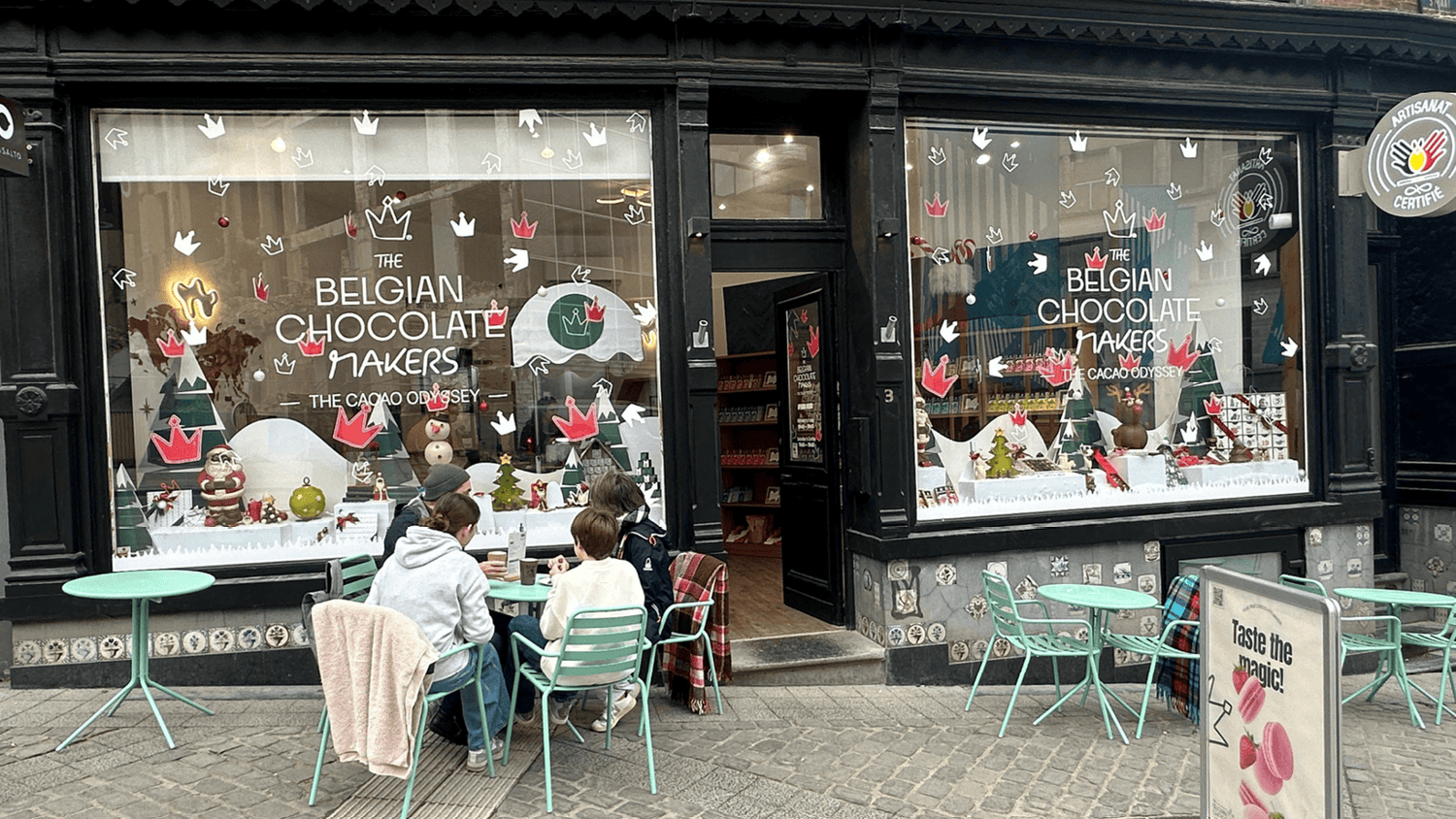
At The Belgian Chocolate Makers, the workshop setting reflects the same discipline behind every finished bar: cacao is selected with care, made in-house, and presented with respect for both Belgian craft and the people at origin.
The next time a piece of chocolate melts on your tongue, pause before reaching for another. Taste the place, the process, and the patient work inside that small square. That is where a workshop continues long after the visit ends.