A beautiful box can make an immediate impression, but the chocolate inside determines whether a gift is remembered. This chocolate gift box guide is for choosing with more intention: looking beyond ribbons and familiar names to find chocolate made with care, clear provenance, and flavors that suit the person receiving it.
A thoughtful chocolate gift box does not need to be extravagant. It needs to feel considered. The best choices bring together a sense of occasion, a satisfying range of textures and tastes, and the quiet confidence that comes from knowing how the chocolate was made.
What makes a chocolate gift box worth giving?
Premium gifting begins with the chocolate itself. Many conventional gift boxes are built around industrial couverture, a ready-made chocolate purchased by a chocolatier and shaped into finished confections. There is nothing inherently wrong with that model, but it leaves much of the most defining work - selecting, roasting, grinding, refining, and balancing cacao - outside the maker's hands.
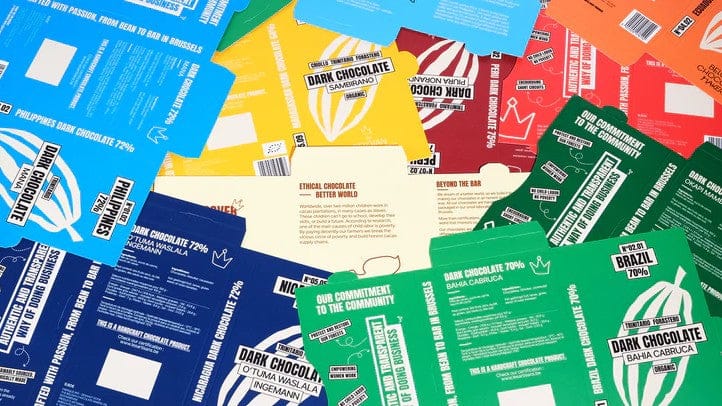
Bean-to-bar chocolate offers a more direct connection to craft. When a chocolatier transforms carefully sourced cacao beans in its own workshop, each decision affects the finished flavor. Roast profiles can preserve delicate fruit notes or develop deeper toasted character. Refining shapes texture. The percentage of cacao and the choice of inclusions determine whether a piece feels bright, creamy, intense, or gently spiced.
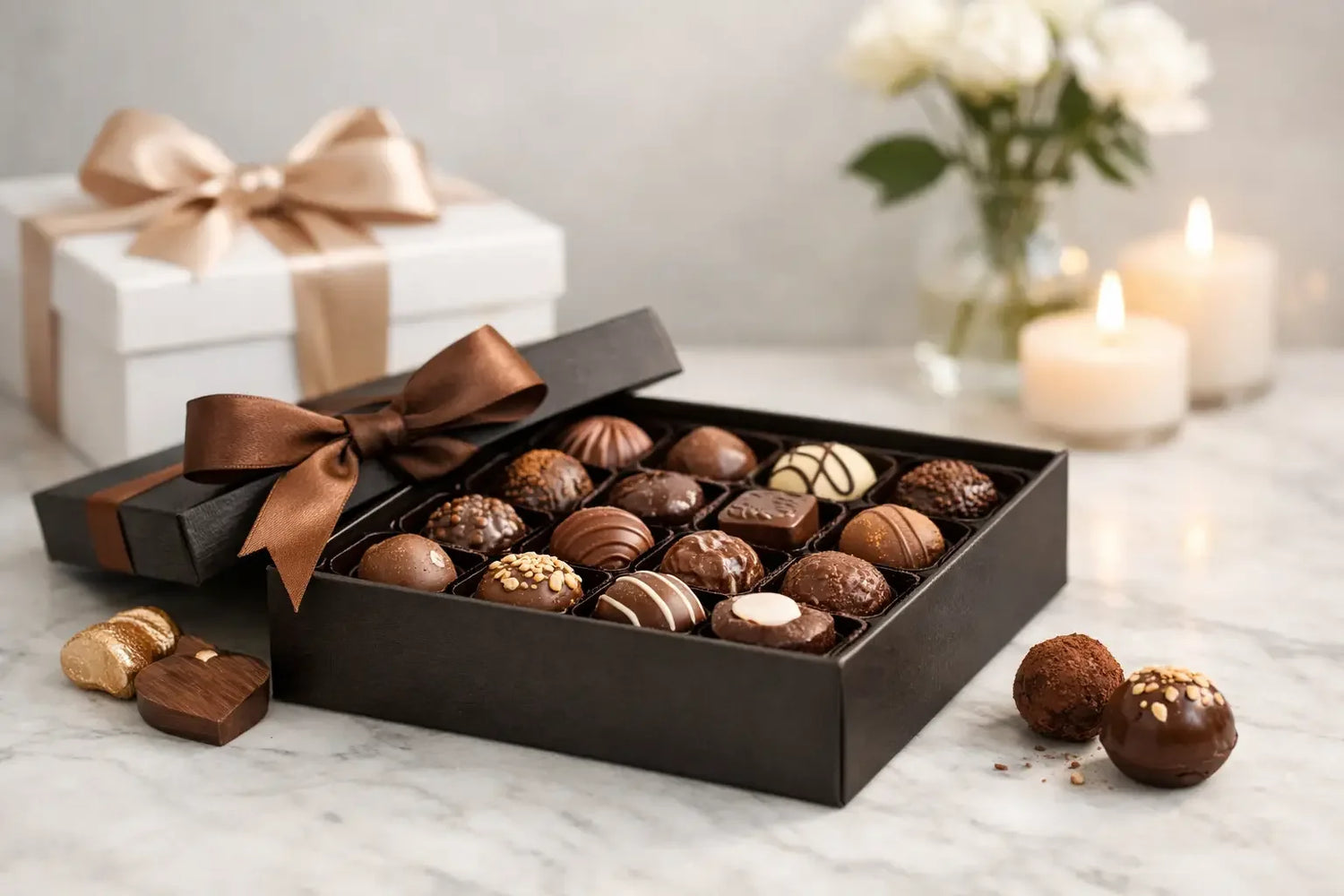
For a gift recipient, that care translates into a more distinctive experience. Instead of a row of chocolates that blur together, a well-curated box can offer contrast: a clean dark chocolate ganache, a silky milk chocolate praline, a crisp mendiant, or a truffle with a restrained, aromatic filling.
Presentation still matters. A gift box should arrive looking polished and feel substantial in the hand, but packaging should support the product rather than distract from it. Elegant design, proper protection, and clear information about ingredients and origins are stronger signs of quality than excessive ornament alone.
Start with the occasion, then the recipient
The right box for a corporate thank-you is not always the right box for a close friend, and an anniversary gift may call for more intimacy than a large holiday assortment. Before choosing flavors, consider the role the chocolate will play.
For a host gift or professional gesture, a refined mixed assortment is usually the safest choice. It should feel generous without becoming overly personal, and offer enough variety for sharing. Boxes with pralines, truffles, and small chocolate specialties work well because they invite guests or colleagues to sample different pieces.
For birthdays, anniversaries, or celebrations, choose more specifically. A recipient who enjoys coffee, wine, or specialty foods may appreciate dark chocolate with a pronounced cacao character, single-origin bars, or nuanced pairings such as nuts, citrus, and spice. Someone who prefers comforting flavors may be happier with milk chocolate pralines, hazelnut spreads, caramel notes, or smooth truffles.
When you do not know someone’s preferences well, balance is your ally. A mixed gift box with dark, milk, and perhaps white chocolate gives the recipient room to discover a favorite. Avoid assuming that dark chocolate is automatically more sophisticated. High-quality milk chocolate can be wonderfully complex, while a very high-cacao dark chocolate may be too assertive for a casual chocolate lover.
A chocolate gift box guide to flavor and texture
A memorable assortment has rhythm. It should not be entirely creamy, entirely sweet, or entirely intense. As you compare gift boxes, look for a considered mix of chocolate styles and formats.
Choose chocolate with a sense of origin
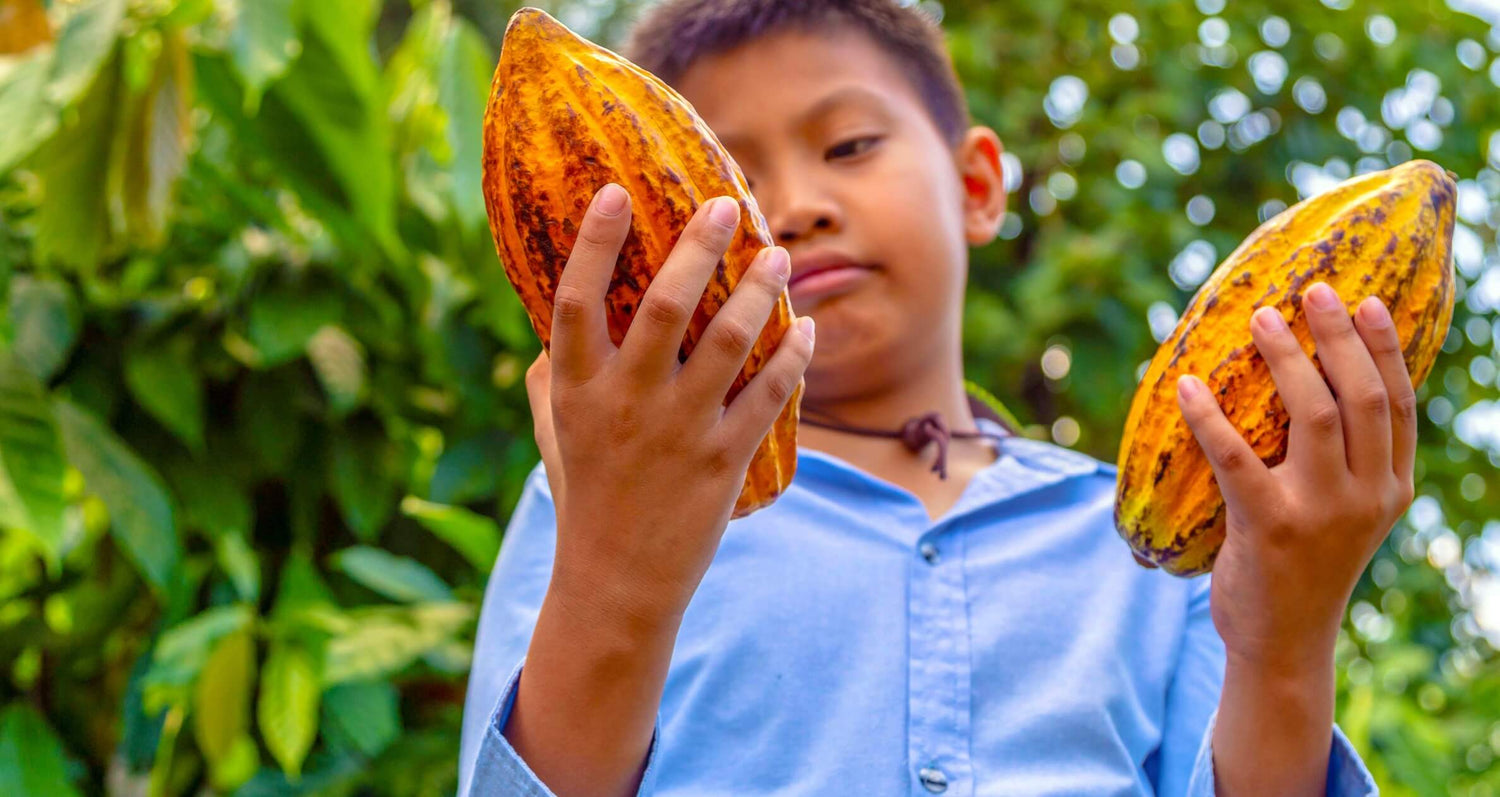
Cacao has terroir, much like coffee or wine. Beans from different growing regions can bring notes of red fruit, citrus, roasted nuts, honey, wood, or warm spice. Those characteristics are influenced by variety, climate, fermentation, drying, and the maker’s approach to roasting.
Origin information is meaningful when it is more than decoration. A maker that can tell you where its cacao comes from and how it is selected offers a clearer account of what you are giving. Traceability is especially valuable for ethically minded shoppers, because it connects quality with greater accountability in the supply chain.
That does not mean every chocolate in a gift box must be a single-origin bar. Blends have a place, particularly in pralines and truffles where a chocolatier may seek a particular balance. The useful question is whether the maker treats cacao as a characterful ingredient or merely as a neutral base for sugar and flavorings.
Look for contrast, not confusion
Variety is valuable, but too many unrelated flavors can make an assortment feel unfocused. A well-composed box might move from a bright dark chocolate to a nutty praline, then to a delicate fruit accent or a crisp chocolate disc. Each piece should have a reason to be there.
Texture matters just as much. Ganaches offer a soft, lingering melt. Pralines can bring a gentle crunch or a smooth nut paste. Mendiants add snap and contrast through fruit and nuts. Truffles give a rich, almost immediate sense of indulgence. A box that combines these formats feels more generous than one that simply repeats the same filling in different shapes.
If the recipient has dietary requirements, read the product details carefully. Nut-based pralines are common, and milk, gluten, alcohol, and soy may appear in certain recipes. A smaller box that the recipient can enjoy with confidence is always a better gift than a larger assortment that creates uncertainty.
Why freshness deserves attention
Chocolate is stable compared with many desserts, but filled chocolates are not meant to be stored indefinitely. Ganaches, creams, fruit fillings, and butter-based centers have a best-before period for good reason. Freshness affects texture, aroma, and the clarity of flavor.
Choose a maker that produces in sensible batches and presents storage guidance clearly. Once received, a gift box is generally best kept in a cool, dry place away from sunlight and strong odors. The refrigerator is usually not ideal unless the environment is very warm, since condensation can affect the surface and texture of chocolate. If refrigeration is necessary, keep the box tightly protected and allow it to return gradually to room temperature before opening.
Timing also changes the gifting decision. For a holiday, ship or purchase early enough to avoid unnecessary stress, but not so early that the box sits forgotten in a closet. For a birthday or dinner invitation, a recently prepared assortment is part of the pleasure.
Ethical sourcing is part of the gift
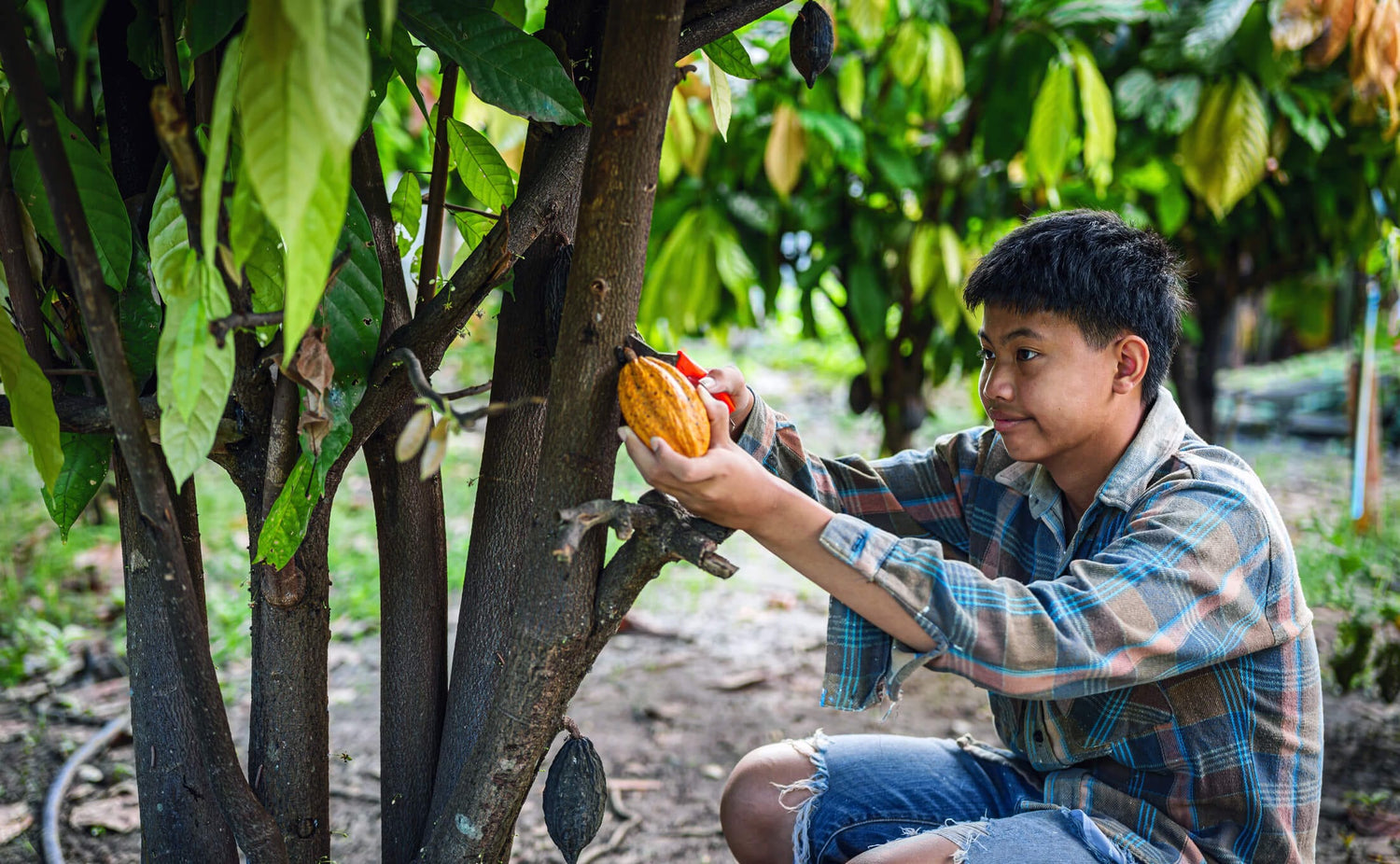
A premium chocolate gift should feel good in more than one sense. The reality is that cacao farming faces persistent challenges, from price instability to environmental pressure and inequitable labor conditions. No short phrase on a package can solve those issues. Still, choosing chocolate from makers that prioritize sourcing relationships, transparency, and responsible standards is a meaningful step.
Look for specificity. Ethical claims carry more weight when a chocolatier discusses cacao origin, sourcing practices, and the people or regions behind the beans. Traceability also improves the sensory experience: when a maker understands the raw material, it can preserve and express its character with greater precision.
This is one reason bean-to-bar chocolate makes such a fitting gift. It recognizes that fine chocolate is not only a finished confection. It is the result of agricultural work, thoughtful sourcing, and skilled transformation in the workshop.
Size, price, and the right kind of generosity
More pieces do not always make a better gift. A compact box of exceptional chocolates can feel more generous than an oversized assortment with little distinction between pieces. The best size depends on whether the box is intended for one person, a couple, a family, or an office.
For an individual, select a box that invites a few unhurried moments of tasting. For sharing, choose enough variety that several people can find something they enjoy. In professional settings, presentation and ease of sharing often matter more than highly unusual flavors.
Price should reflect the ingredients, labor, and care behind the product, not simply the weight of the box. Single-origin cacao, small-batch production, handmade finishing, and thoughtful packaging all require investment. The goal is not to buy the most expensive option available. It is to choose a box where the value is evident in the chocolate, not only in the box around it.
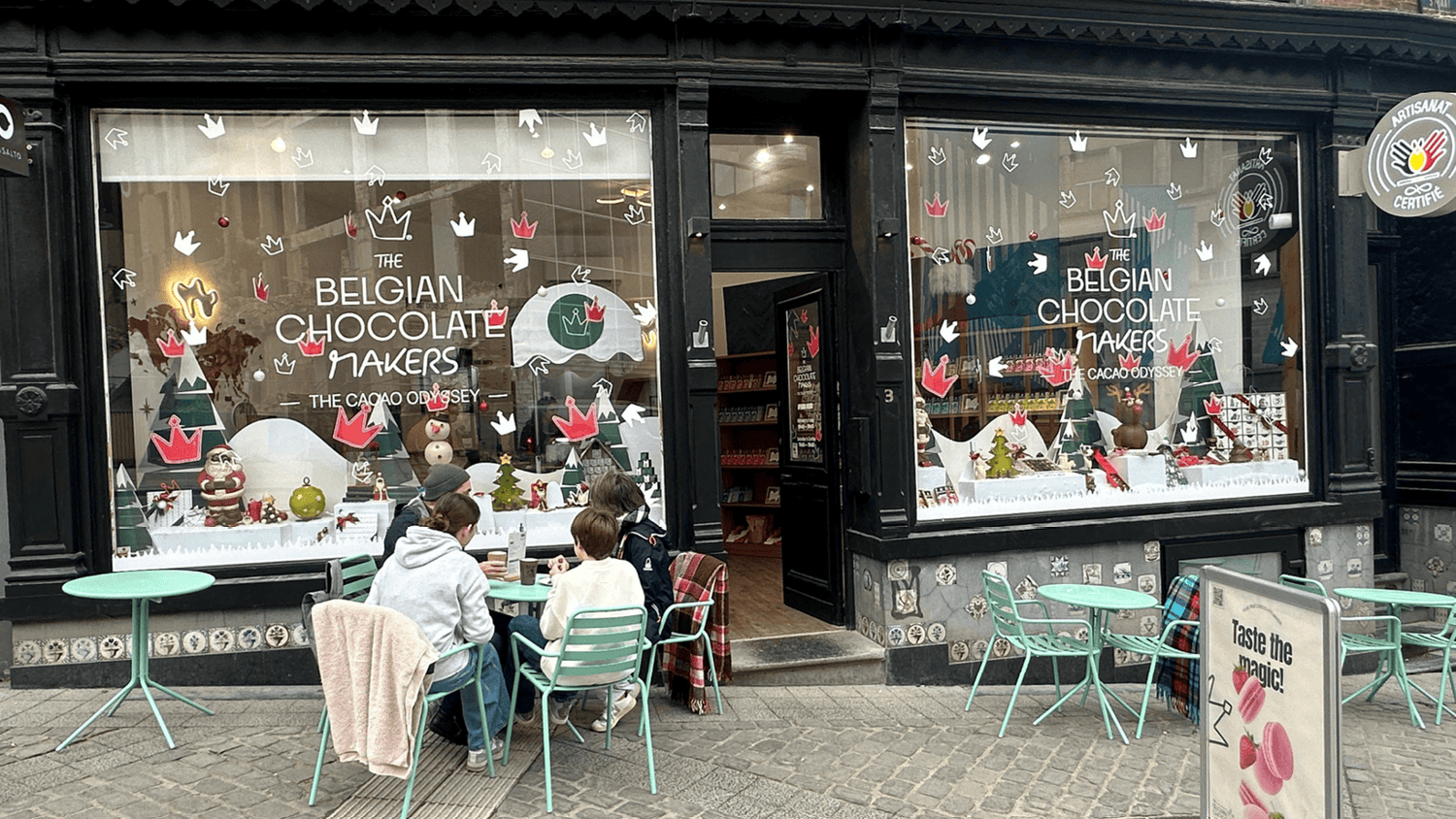
At The Belgian Chocolate Makers, this principle begins with cacao beans and continues through every stage of making in the Brussels workshop. For the recipient, that attention becomes something simple and lasting: chocolate with a real story, made to be enjoyed one piece at a time.
When choosing your next gift, let curiosity guide you. Select flavors that invite a pause, a conversation, or a small moment of pleasure - and give chocolate whose quality is clear from the first snap to the final finish.