2026 Manifesto
The big chocolate lie comes to an end
2026 is not about trends. It is about truth.


We are part of The Finest Chocolatiers Selection of Gault&Millau Belgium.
For years, the expression “handcrafted chocolate” has been stretched, twisted, and slowly emptied of its meaning. It is used everywhere, repeated endlessly, and almost never verified. What once described a demanding craft rooted in transformation, knowledge, and risk has become a convenient marketing term applied indiscriminately to products that have little to do with real chocolate making. In 2026, we say stop. We are done with the lie of so-called handcrafted chocolate made from industrial blocks that are simply melted, reshaped, and sold with a carefully constructed story. Melting chocolate is not making chocolate. Repeating this may sound obvious, yet in today’s landscape it has become necessary to state it clearly and without ambiguity.
This confusion did not happen by chance. It is convenient, and it is profitable. Across Brussels and far beyond, brands present themselves as artisans while operating according to industrial logic: dozens of retail locations, centralized factories, standardized recipes, outsourced production, and marketing departments that far exceed the size of their workshops. Some sell thousands of tons per year and still claim craftsmanship. Some have never produced chocolate in Belgium at all. Others use Belgium as a showroom, while production, profits, and decision-making take place elsewhere. In this environment, craftsmanship is reduced to a label printed on a bag or a word repeated in advertising. But real craftsmanship is not a label. It is a process, a responsibility, and a risk assumed every day.
A real chocolate maker is not defined by ownership of machines or by the ability to temper couverture. You do not become a chocolate maker because you melt chocolate well. You become one because you transform cacao beans into chocolate. That transformation requires an understanding of fermentation and its failures, drying and its consequences, sourcing and traceability, pricing and farmer livelihoods, logistics, loss, and uncertainty. Bean-to-bar is not a trend, a style, or a convenient narrative. It is work. It is technical, agricultural, financial, and human labor combined. Most of those who claim craftsmanship today have never done this work and have never assumed the responsibilities that come with it.
One of the most striking gaps in today’s chocolate discourse is the absence of cacao origins. Many brands that speak loudly about craftsmanship have never met a cacao farmer, never walked a plantation, and never experienced a failed harvest, a fermentation gone wrong, or the fragile reality of fair payment. Instead, they buy from the same industrial suppliers that structured and profited from cacao exploitation for decades, while now hiding behind greenwashing practices, certifications used primarily as marketing tools, and reassuring buzzwords designed to comfort consumers rather than inform them. Cacao is not a raw material like any other. It is agriculture, culture, and human labor. Reducing it to a storytelling element is disrespectful, both to farmers and to consumers.
This situation persists because it is protected by a system that benefits from ambiguity. The same faces circulate through the same networks, events, and promotions. Public institutions and tourism bodies often look away, preferring comfort over verification. Criteria remain unclear, oversight is rare, and visibility is granted based on familiarity rather than truth. Meanwhile, real bean-to-bar makers in Brussels are frequently ignored, despite doing the most difficult and essential part of the job: transforming cacao into chocolate transparently and locally, with all the risks that entails.
We refuse this silence. Silence always benefits those who have something to hide. It protects habits, comfort, and systems that prefer not to be questioned. It allows confusion to persist, words to lose their meaning, and consumers to be misled without realizing it. Truth, on the other hand, benefits everyone else: farmers, artisans, institutions, and customers alike. Truth creates clarity, restores trust, and forces responsibility where responsibility is due.
In 2026, we choose to speak. Not loudly, not aggressively, and not emotionally, but calmly, factually, and openly. We choose explanation over accusation, transparency over slogans, and facts over stories. Real craftsmanship has nothing to hide and nothing to fear from the truth. Speaking openly is not an attack; it is a necessary act of clarification in a space where meaning has been deliberately blurred.
Concretely, in 2026 we commit to saying exactly where our cacao comes from, showing how our chocolate is made step by step, clearly explaining the difference between melting chocolate and making it, defending farmers rather than marketing narratives, and demanding transparency from institutions and policymakers. This manifesto is not about attacking brands or naming enemies. It is about restoring meaning to words that matter.
Real craftsmanship has limits, and those limits are its strength. It cannot be scaled endlessly, outsourced without consequences, or optimized like an industrial process. It requires time, skill, presence, and accountability, and it cannot be faked forever. Eventually, the truth always resurfaces.
Our position is simple and non-negotiable: no influencers, no shortcuts, and no industrial chocolate in disguise. Just cacao, just work, and just truth. 2026 is the year the curtain falls. We are ready. 🍫🔥

BETULIA PLANTATION
Colombia, here we are
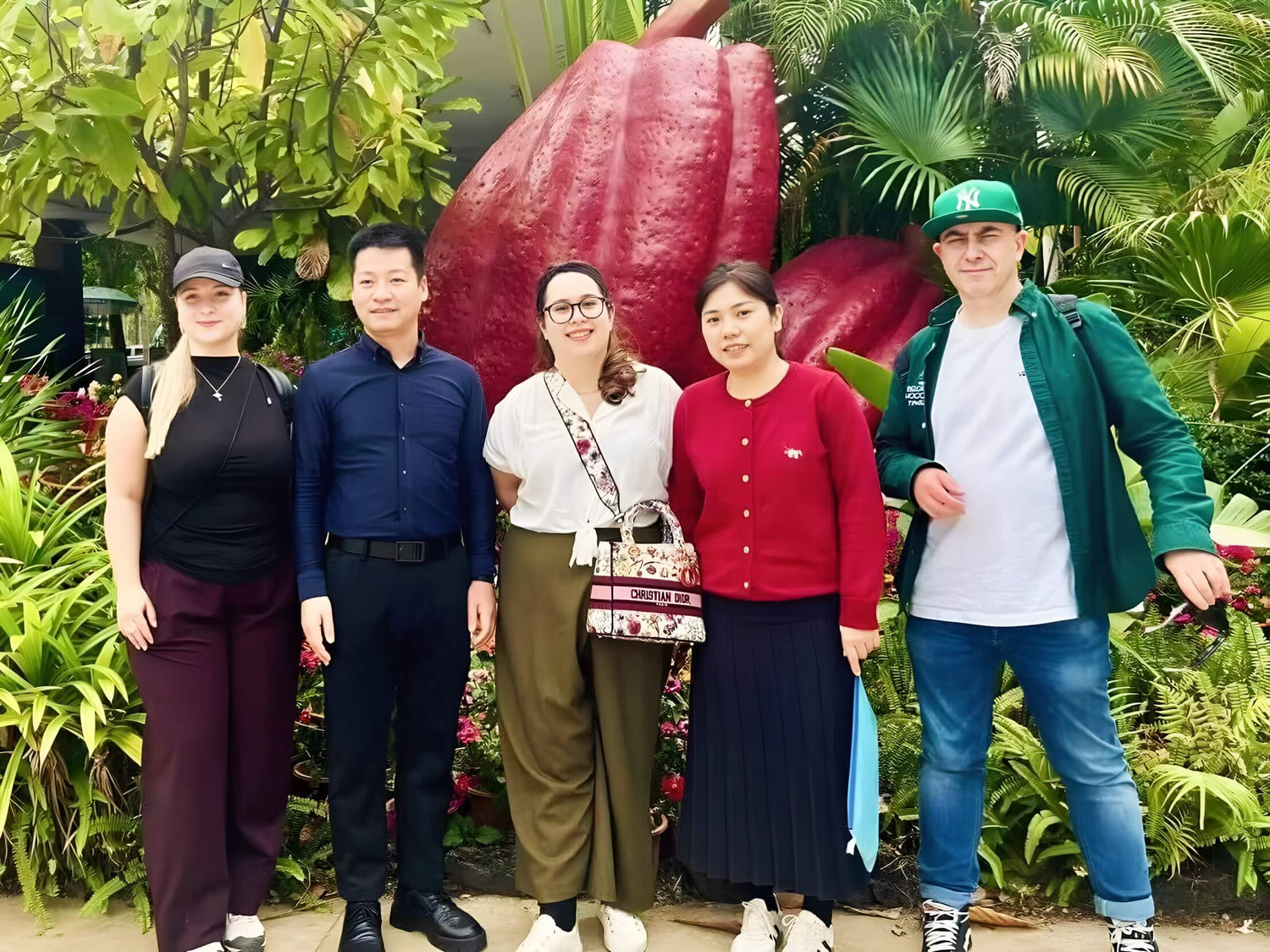
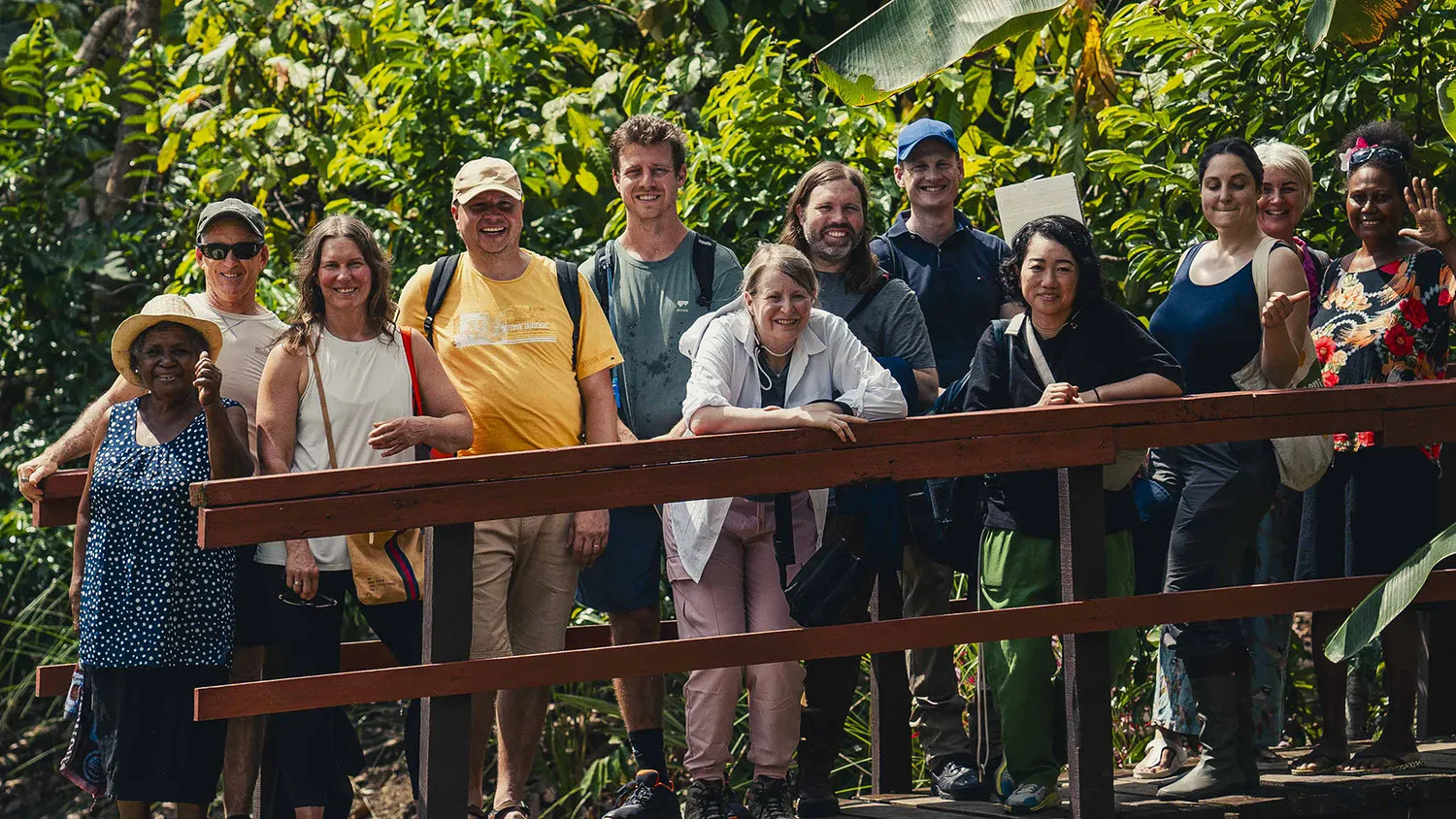
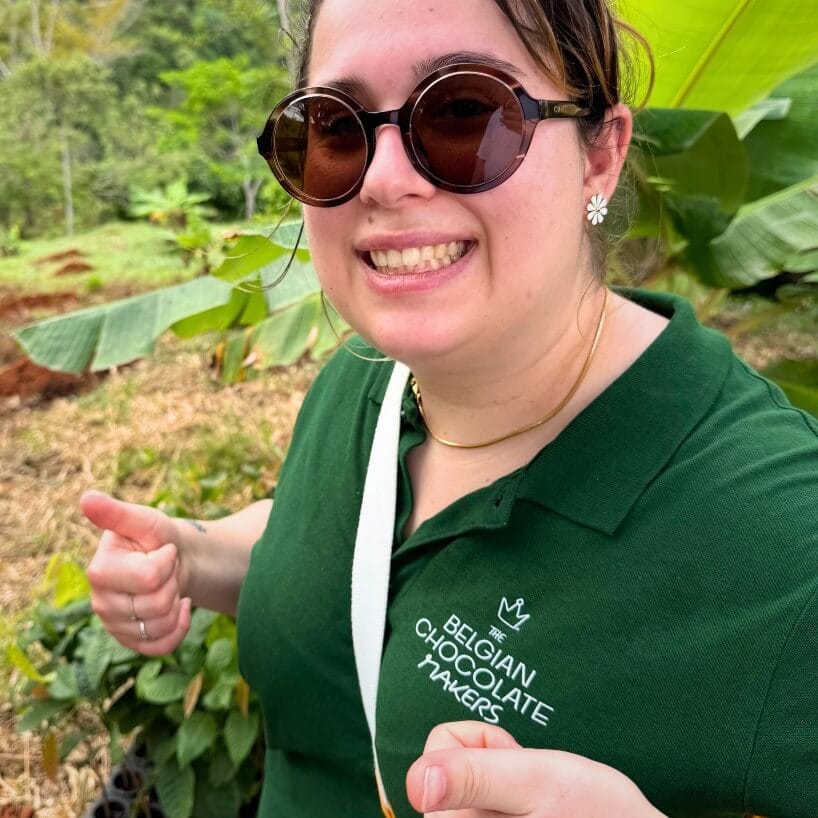
To make our chocolate bars, everything begins with the cacao. Some of our finest beans come from Colombia, where we regularly travel to the town of Maceo, three hours from Medellín.
There, we spend time with Christian, Pablo, Janeth, and their team, who welcome us like family. Walking through their plantations, witnessing the harvest, and sharing meals together remind us that chocolate is not just a product, but a story of people, land, and passion.
Each visit deepens our bond and ensures that every bar we craft carries the authentic taste, and spirit, of Colombia.
LES ETOILES DU CHOCOLAT
Shining in chocolate
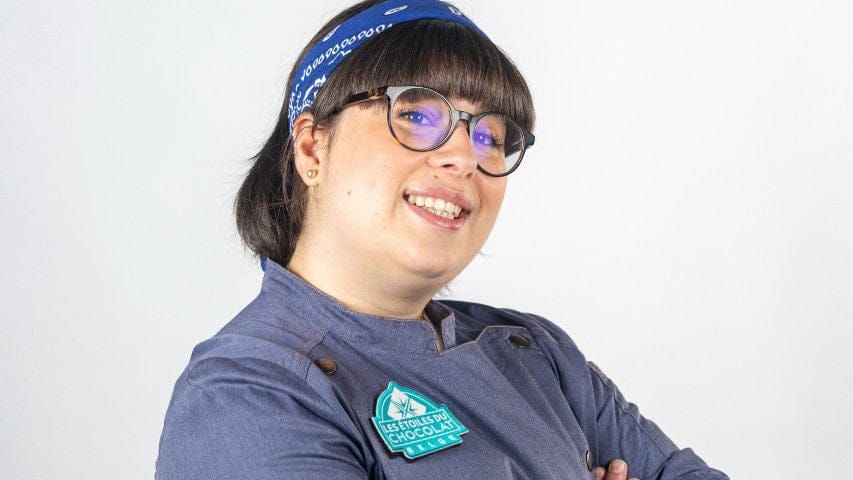
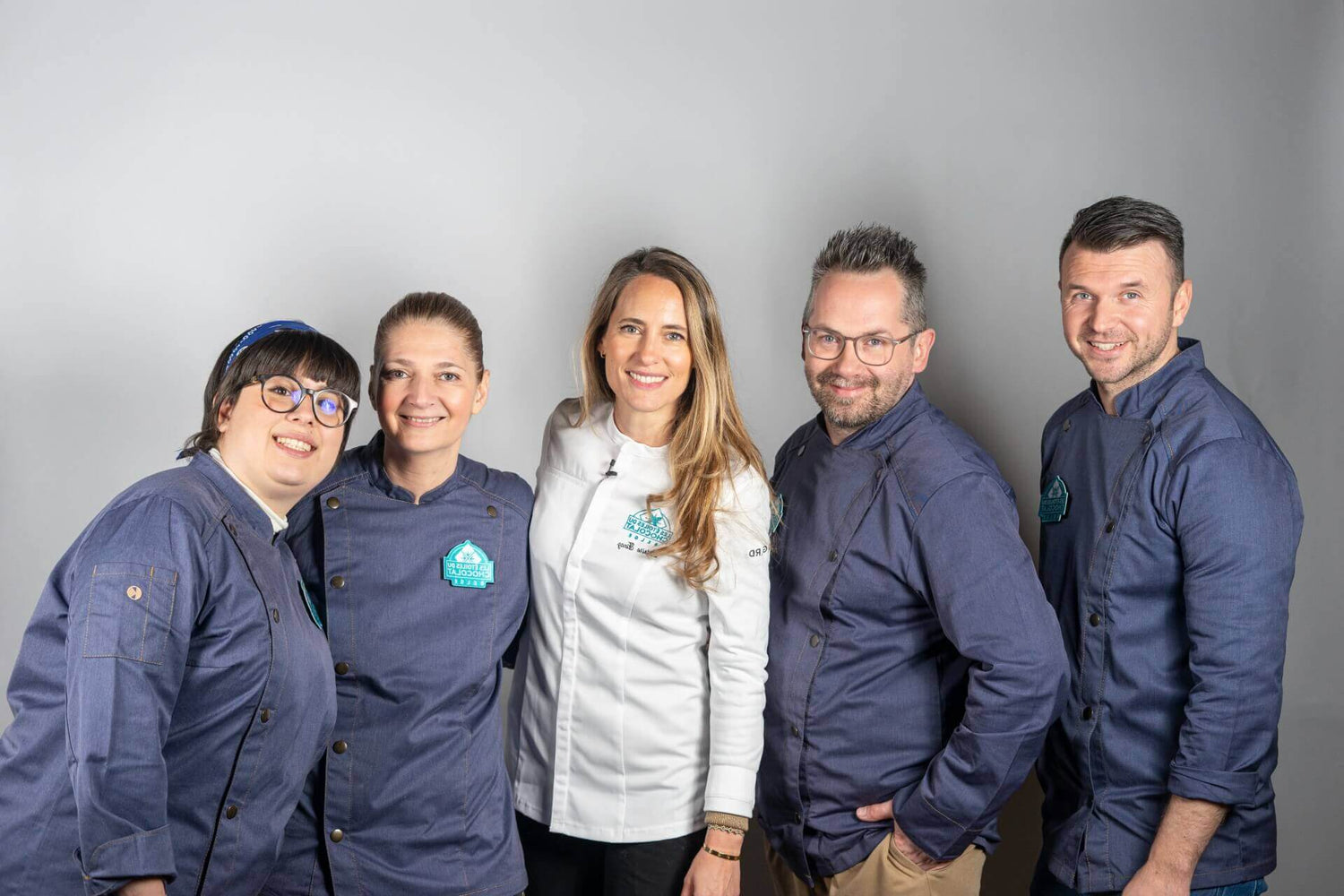
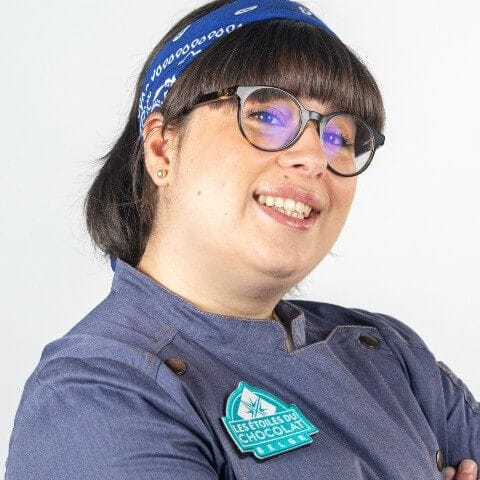
Elisabetta Passafaro, co-founder of The Belgian Chocolate Makers, recently had the honor of participating in the television program Les Étoiles du Chocolat Belge, a celebration of creativity, craftsmanship, and excellence in Belgian chocolate. As a proud member of the Blue Team, led by the renowned chocolatier Victoire Finaz, Elisabetta embraced this extraordinary experience with passion, energy, and determination.
Her participation reflects not only her deep commitment to the art of fine chocolate, but also the values that define The Belgian Chocolate Makers: authenticity, innovation, and respect for exceptional ingredients. Through this inspiring adventure, Elisabetta once again demonstrated her dedication to sharing the rich tradition and evolving creativity of Belgian chocolate with a wider audience.
Why we wrote this manifesto
We are certified handcraft chocolate makers. Not retailers of melted chocolate, not storytellers searching for raw material, and not marketers borrowing the language of craft. Our work begins with cacao beans, not finished chocolate. That single difference changes everything: the risks we take, the knowledge we must master, the relationships we build with farmers, and the limits we accept. Writing this manifesto was a way to state clearly what we do, what we refuse to do, and why those distinctions matter.
This text is also a response to the many conversations we have had with customers who genuinely want to understand what they are buying. Most people are not trying to be misled. They simply lack clear, accessible information. When everything is labeled “handcrafted,” nothing truly is. When melting and making are treated as equivalents, the work of transformation disappears. We believe consumers deserve better than comforting stories. They deserve facts, context, and the ability to make informed choices.
We wrote this manifesto out of respect for cacao farmers. Too often, they are reduced to images, slogans, or certifications that smooth over complex realities. We have seen how fragile their work is, how dependent it is on climate, timing, and fair pricing, and how little room for error exists at origin. Pretending that cacao is just another interchangeable raw material erases that reality. Speaking openly about origins, processes, and constraints is the minimum level of respect we owe to the people who grow cacao.
We also wrote this text because the current system rewards ambiguity. Visibility is often granted based on familiarity rather than verification, and institutions sometimes prefer comfort to clarity. In such an environment, those who take the hardest path, transforming cacao into chocolate transparently and locally, are not necessarily the most visible. This manifesto is not a demand for recognition, but a refusal to let the hardest part of the work remain invisible.
Signing this manifesto means accepting its consequences. It means committing publicly to transparency, to limits, and to accountability. It means accepting that real craftsmanship cannot scale infinitely, cannot be outsourced without loss, and cannot be reduced to a marketing claim. It also means accepting scrutiny, because speaking openly invites questions. We welcome that. Real work stands up to scrutiny.
Ultimately, we wrote this manifesto to restore meaning. To words, to processes, and to trust. Chocolate does not need more stories. It needs more clarity. We believe that truth, even when uncomfortable, benefits everyone in the long term: farmers, artisans, institutions, and consumers alike. This text is our contribution to that clarity.
Don't miss out on any updates !
A committed chocolate maker from bean to bar.
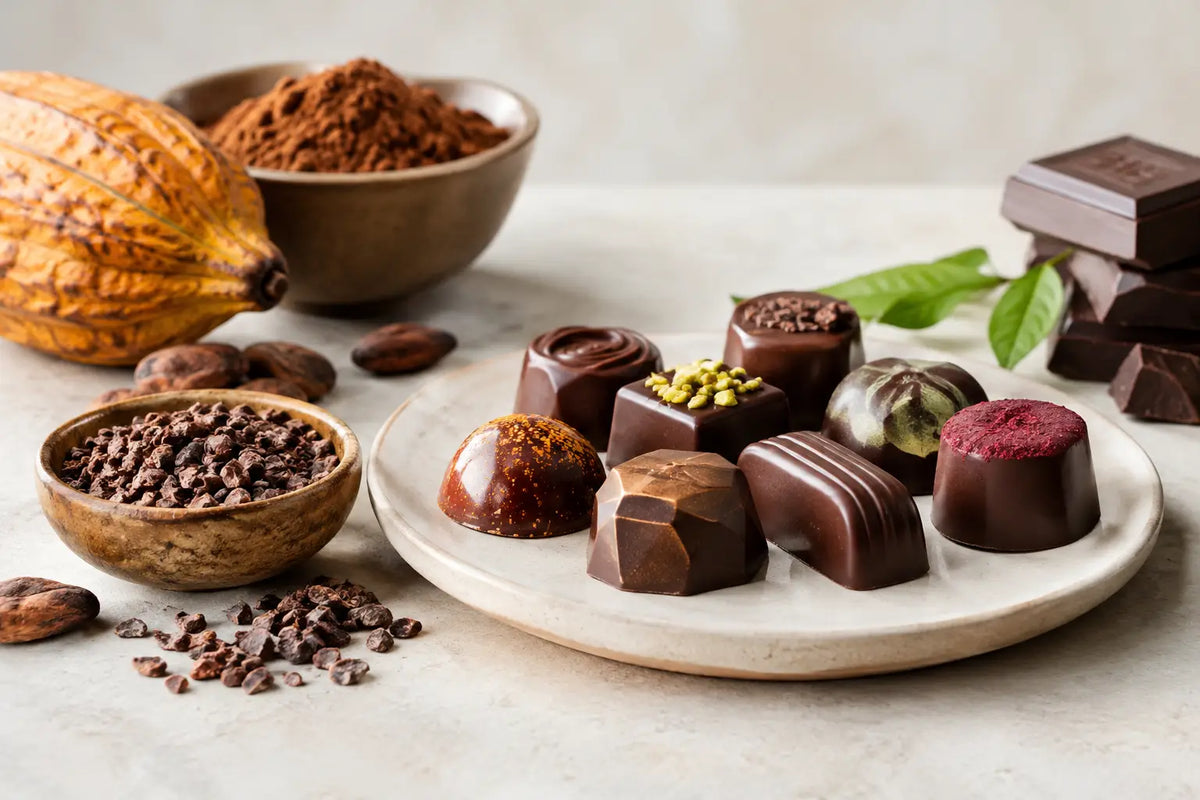
Craft Chocolate Trends Worth Tasting in 2026
Craft chocolate trends are reshaping premium gifts and everyday treats through better cacao, clearer origins, balanced flavor, and mindful making today.
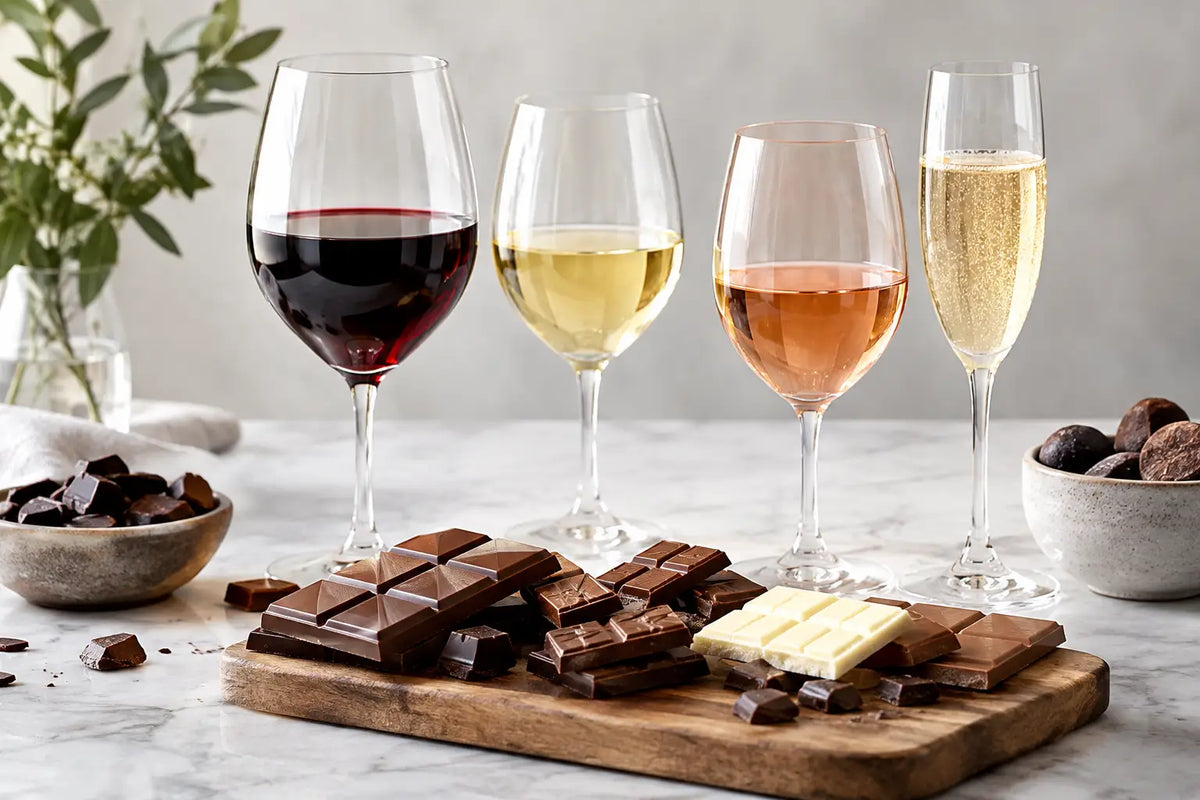
Best chocolate bars for wine: pairing by style
Find the best chocolate bars for wine, with thoughtful pairings by cacao percentage, origin, and wine style for a more memorable tasting at home tonight.
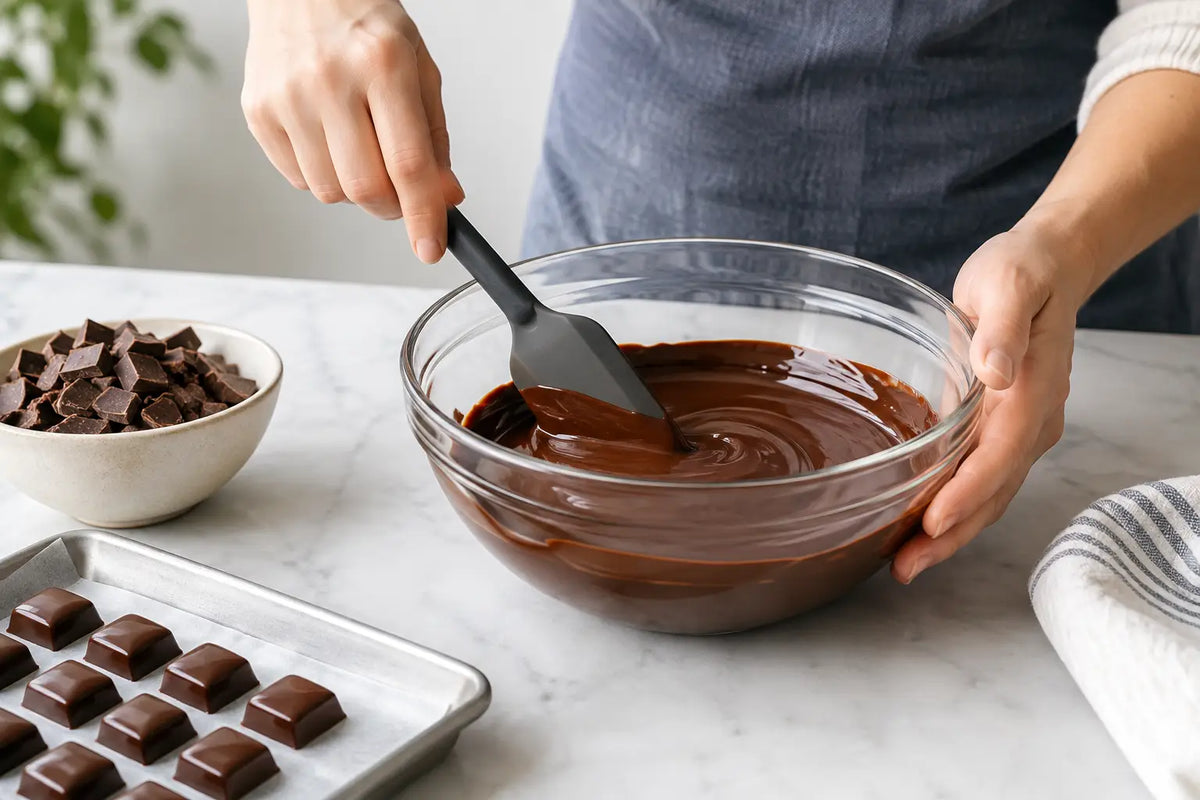
How to temper chocolate without marble at home
Learn to temper chocolate without marble using seeding or microwave methods, with precise temperatures, practical cues, and fixes for a glossy finish.
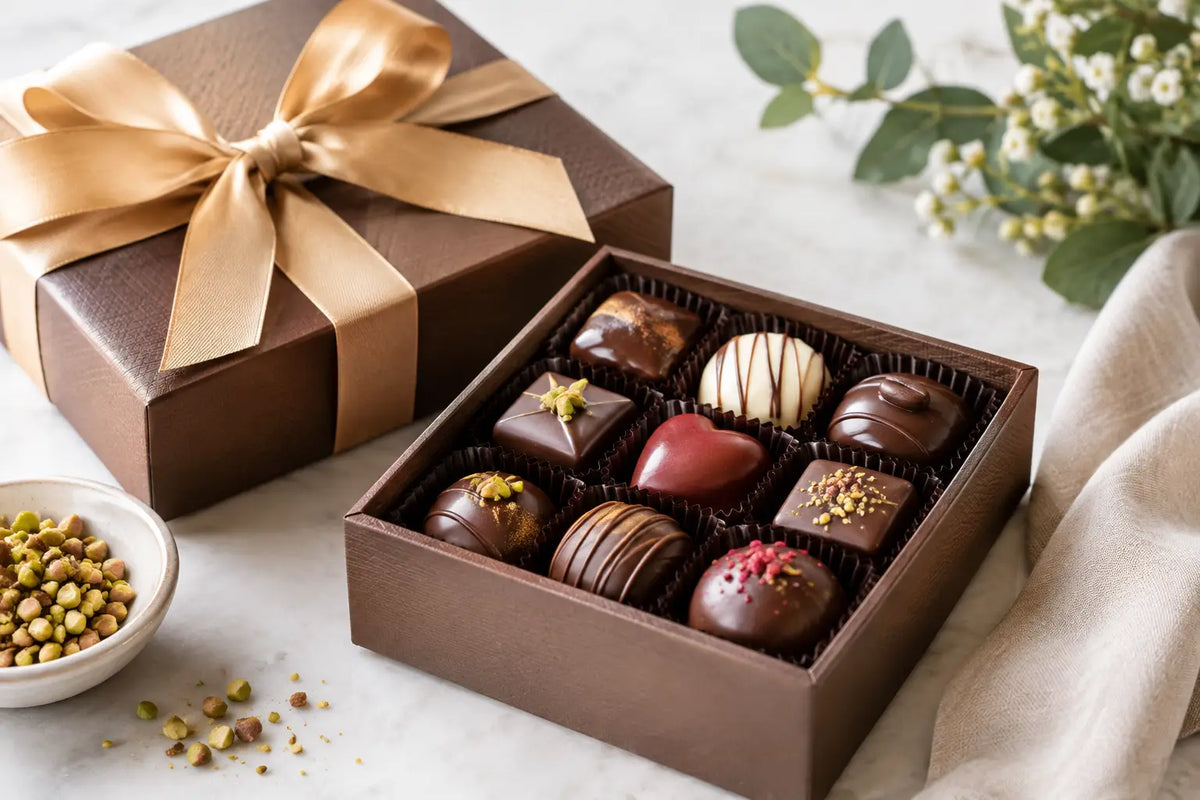
Artisan praline gift guide for meaningful giving
Our artisan praline gift guide helps you choose bean-to-bar Belgian chocolates by occasion, taste, origin, and presentation, with confidence for any giver
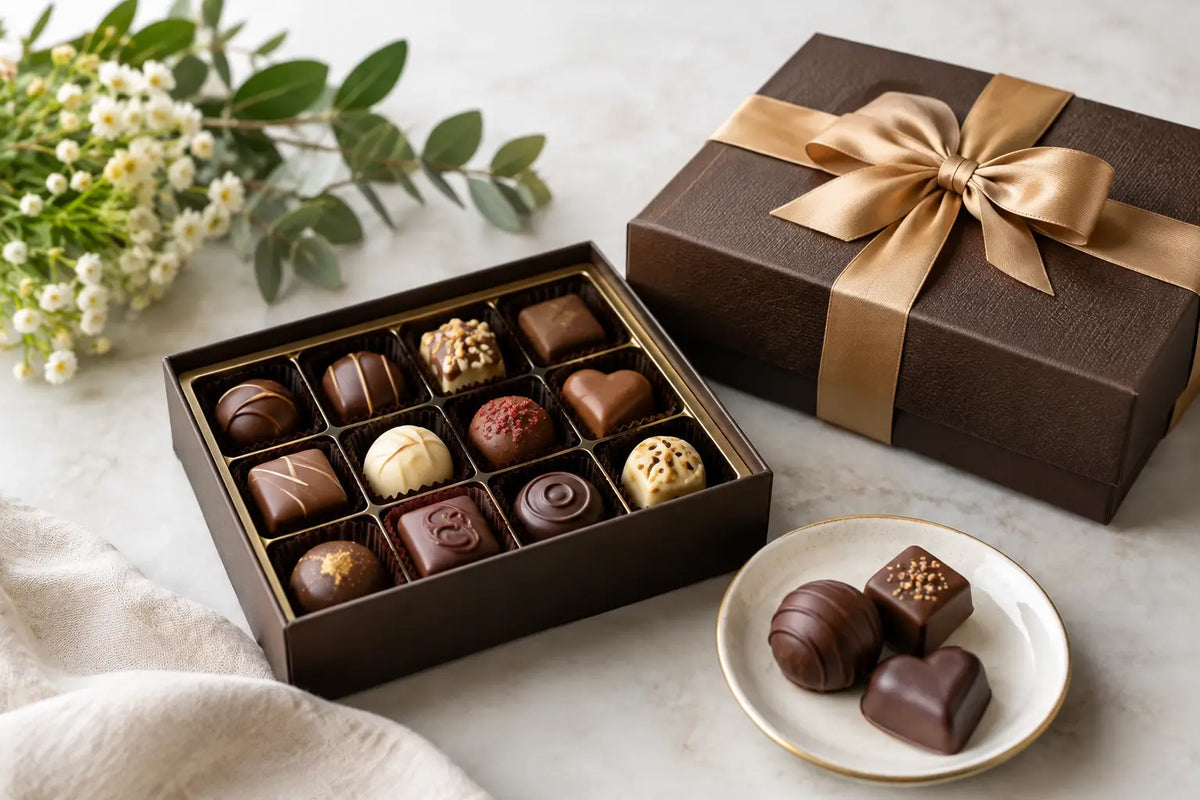
Luxury chocolate gift review: what truly matters
Our luxury chocolate gift review explains how origin, craft, flavor, and presentation shape a gift that feels considered, memorable, and truly premium.
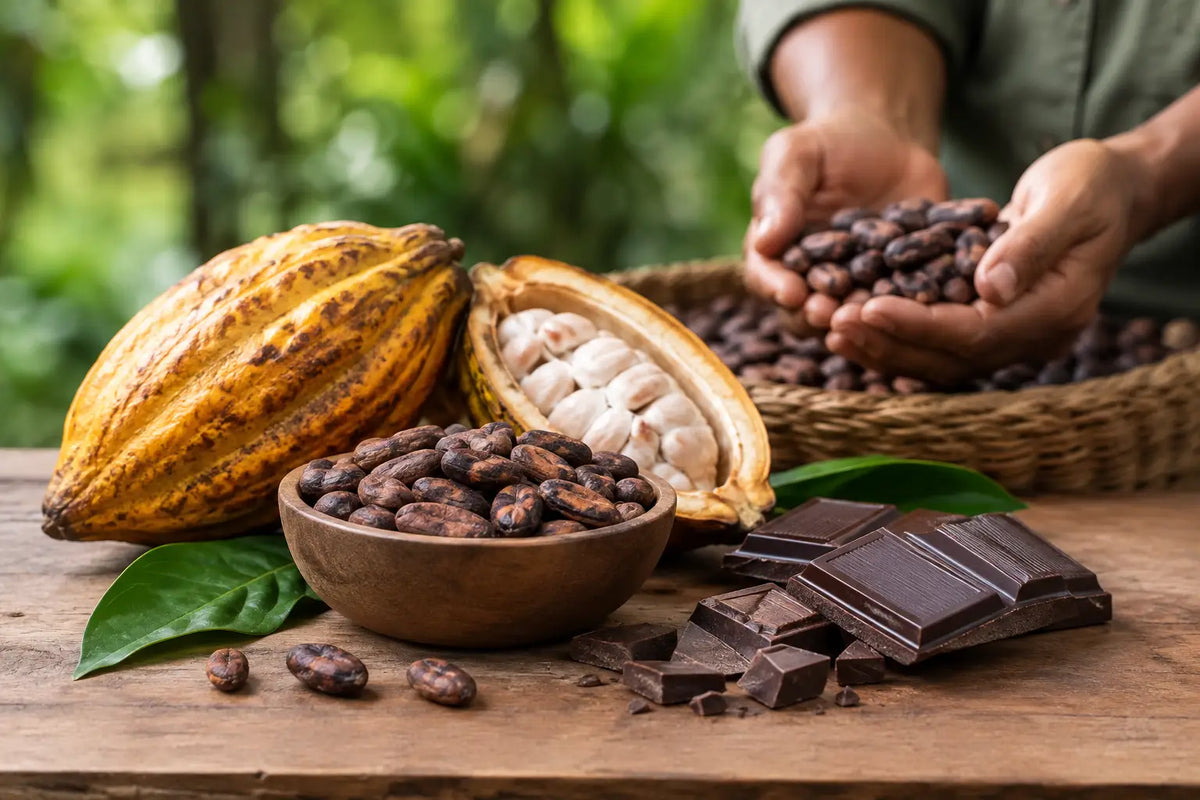
Ethical sourcing trends shaping fine chocolate
Ethical sourcing trends are reshaping fine chocolate through traceable cacao, fairer partnerships, better farming practices, and honest labeling for you.
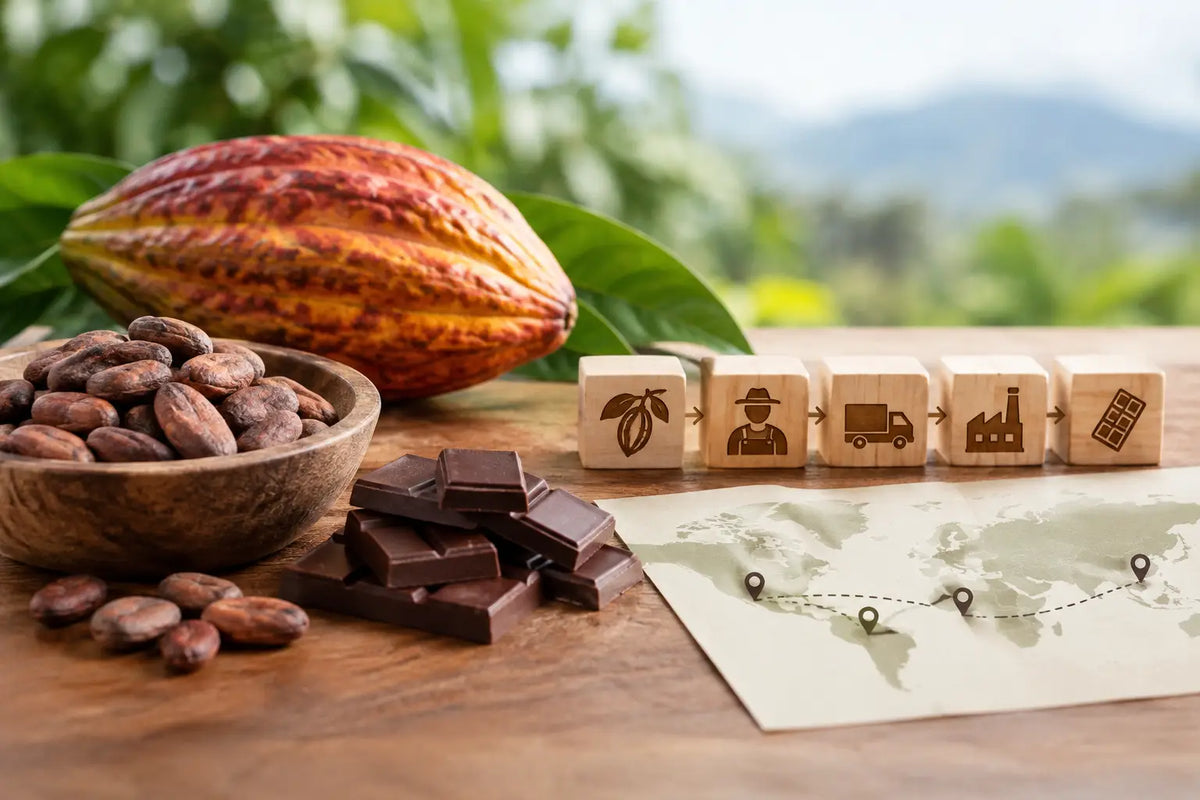
Cacao traceability buying guide for better chocolate
Our cacao traceability buying guide helps you choose craft chocolate with clear origins, honest sourcing, and flavor worth sharing or gifting confidently.
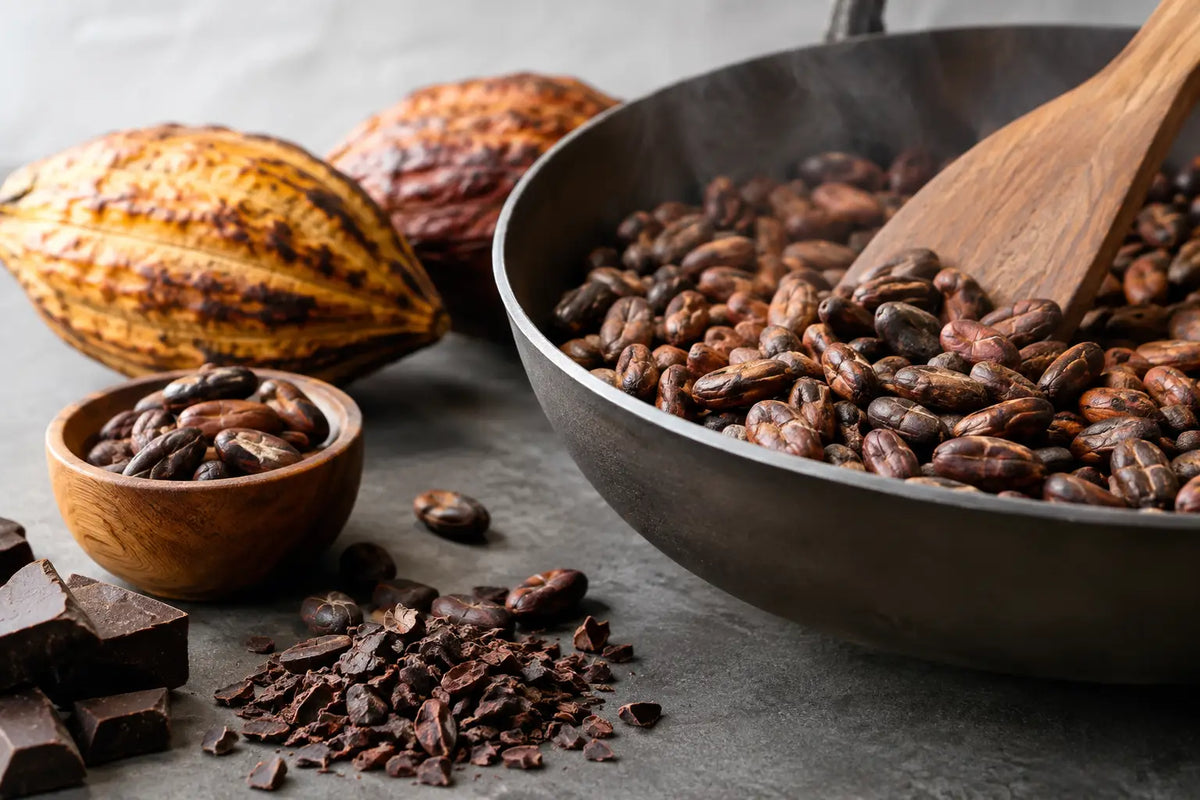
Cacao roasting flavor impact explained clearly
Cacao roasting flavor impact shapes every bar, from bright fruit and floral notes to deep caramel and cocoa. Learn how craft makers find balance with care.
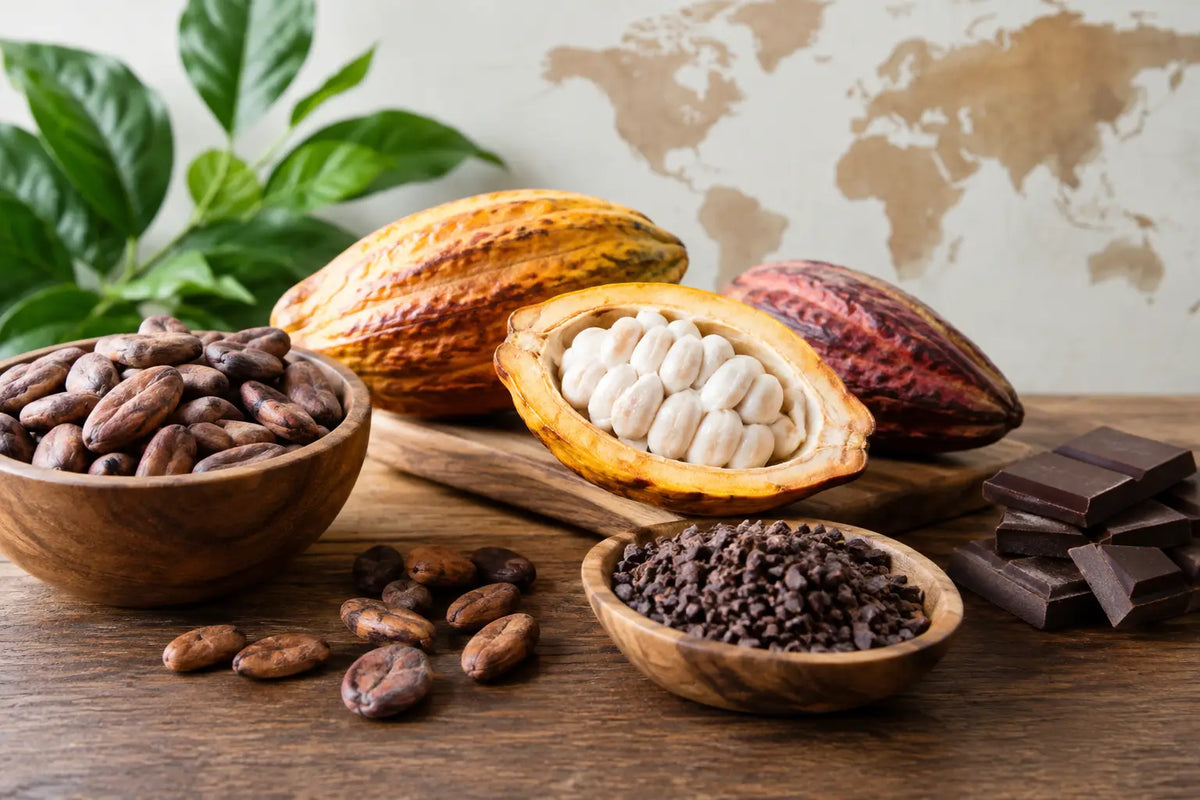
8 top cacao origins to taste in fine chocolate
Taste the top cacao origins to taste, from bright Madagascar to deep Ecuador, and learn what terroir, fermentation, and craft reveal in each crafted bar.
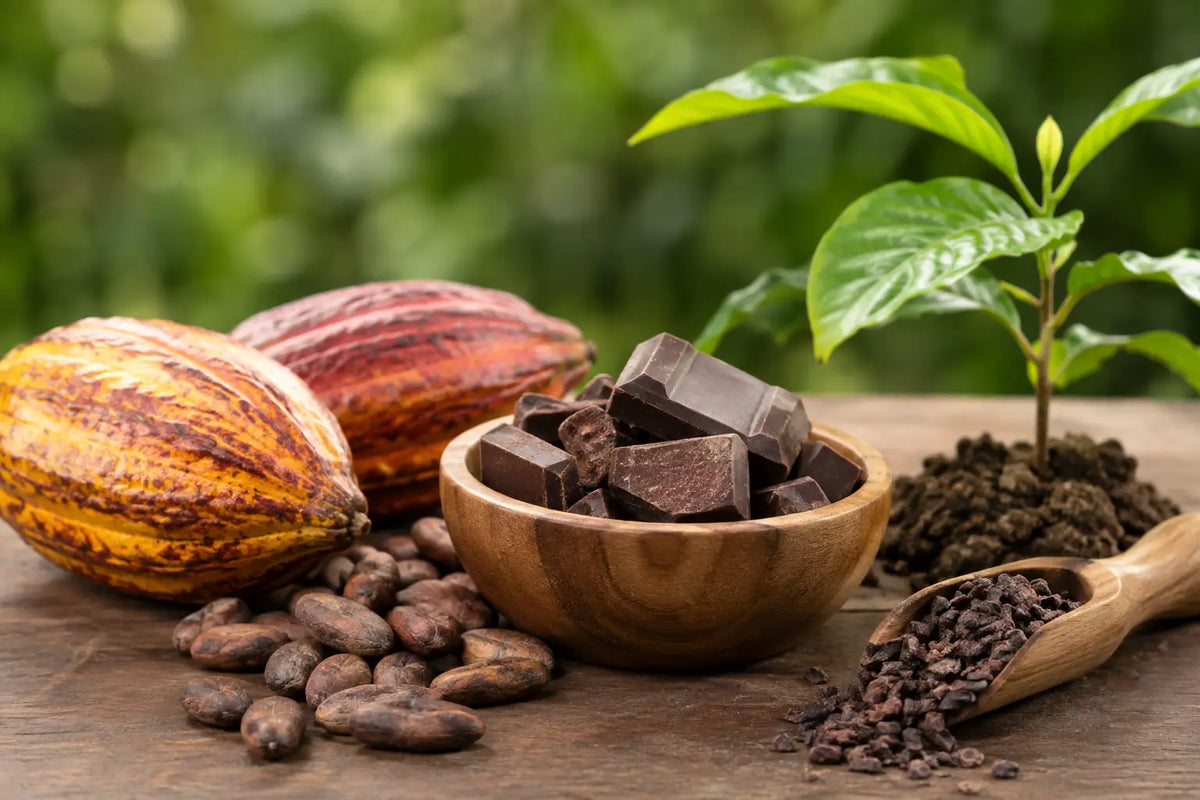
Can chocolate be sustainable? What it takes?
Can chocolate be sustainable? Learn what responsible cacao sourcing, bean-to-bar making, fair value, and thoughtful packaging require of a chocolate bar.
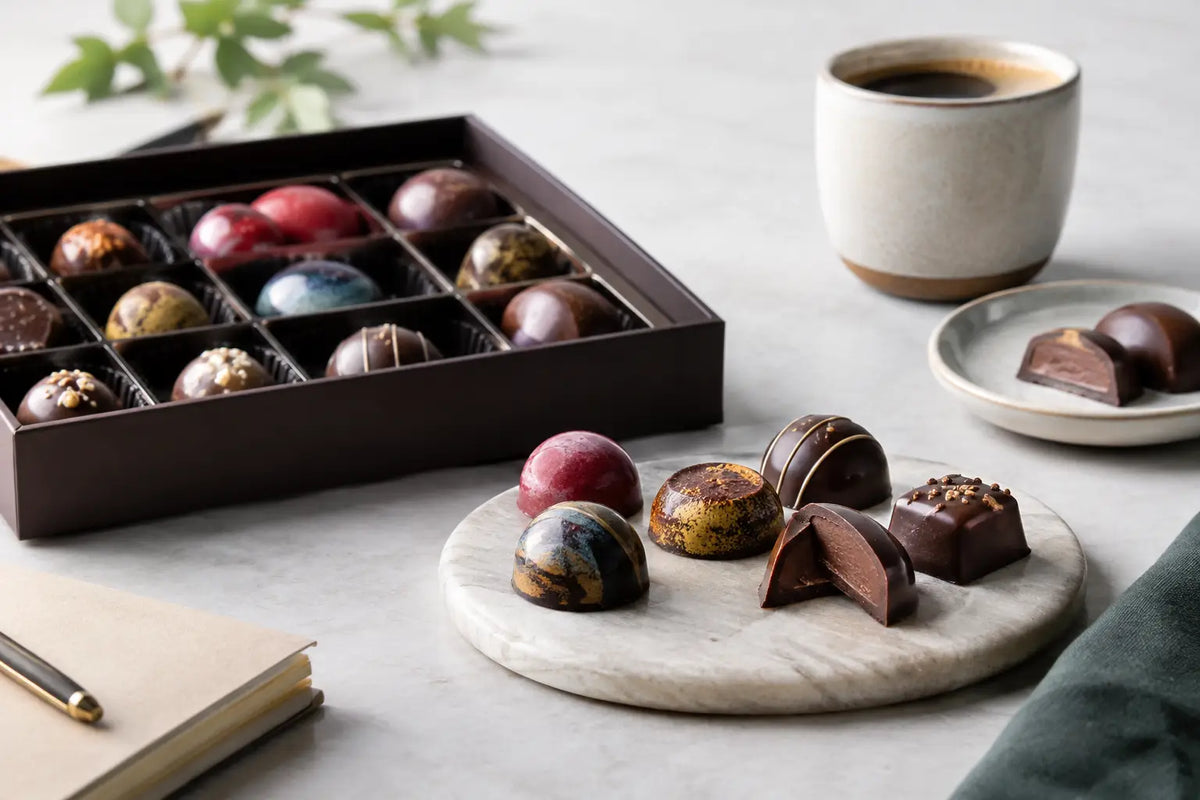
What an artisan chocolate review should reveal
Our artisan chocolate review explains how bean-to-bar methods, cacao origin, texture, and ethical sourcing shape a truly memorable chocolate choice for fine gifts.
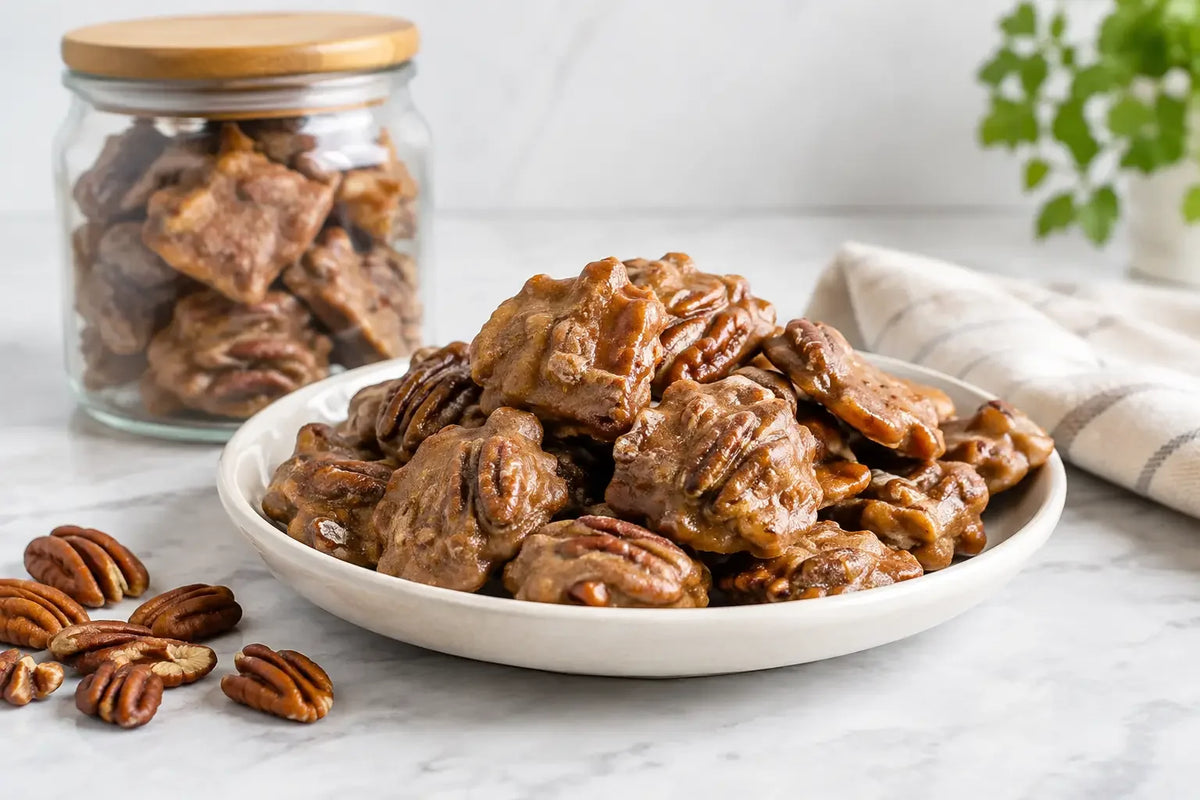
Are pralines shelf stable? Storage and freshness
Are pralines shelf stable? Learn how fillings, chocolate, heat, and packaging affect freshness, storage, and the best time to enjoy them.