A glossy chocolate-dipped truffle and a neatly coated cookie can look equally tempting at first glance. The difference often appears at the first bite. In the conversation around couverture versus compound chocolate, the key distinction is not simply price or appearance. It is the fat in the recipe, and that choice affects flavor, texture, shine, melting behavior, and the care required to make a finished confection.
Couverture versus compound chocolate: the essential difference
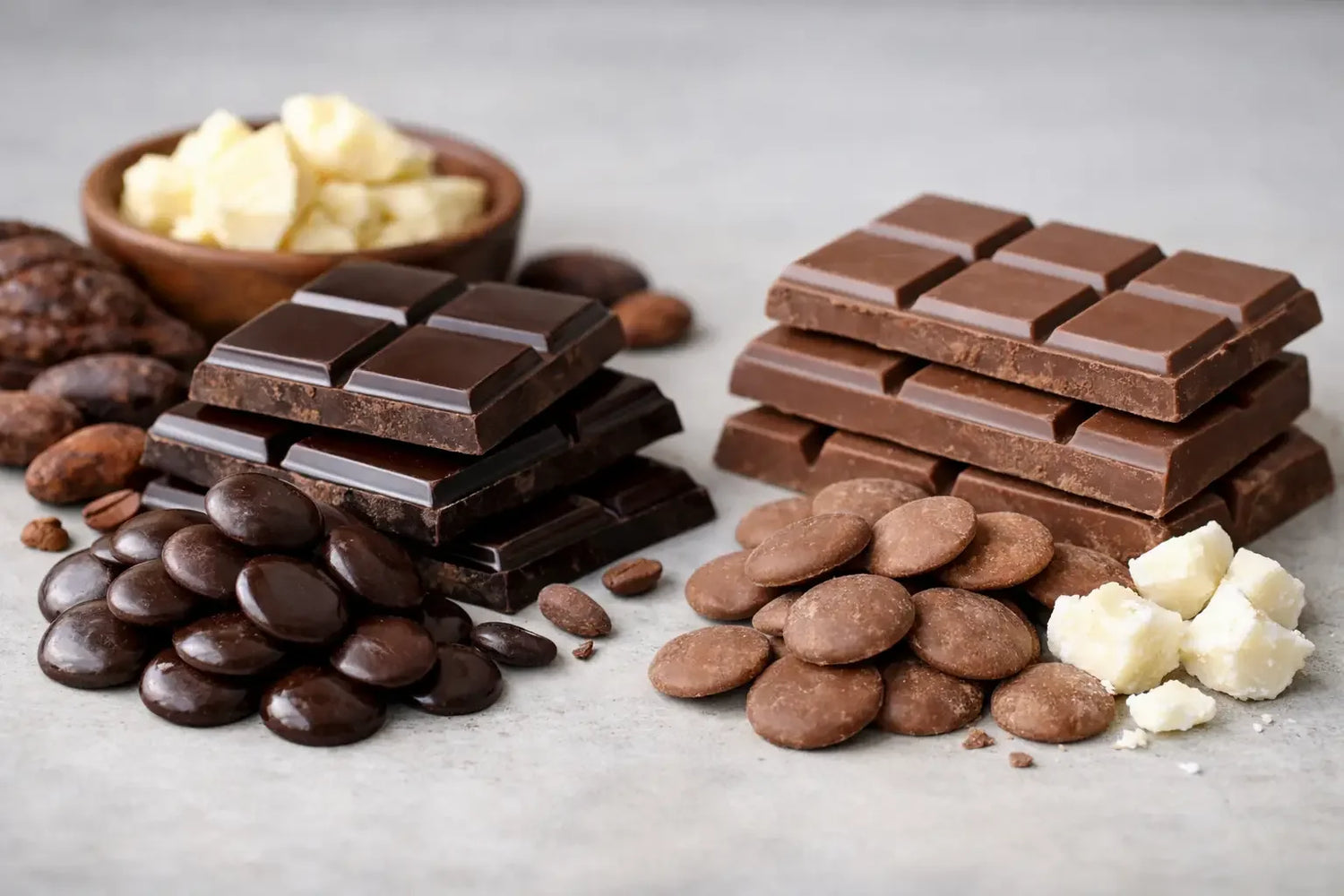
Couverture is real chocolate made with cocoa solids, sugar, and cocoa butter. Milk couverture also contains milk ingredients. Its defining characteristic is a relatively high level of cocoa butter, which makes it fluid when melted and especially well suited to molding, enrobing, and creating a fine, thin shell around pralines, truffles, fruit, or biscuits.
Compound chocolate, sometimes called coating chocolate or confectionery coating, replaces cocoa butter with vegetable fats. These may include palm kernel oil, coconut oil, or other fats formulated to melt and set predictably. It can still contain cocoa powder and taste chocolatey, but it does not offer the same ingredient profile or sensory experience as chocolate made with cocoa butter.
That difference matters because cocoa butter is far more than a background ingredient. It gives fine chocolate its distinctive clean melt, delicate snap, and ability to carry the aromatic character of cacao. Vegetable fats can make coating easier and less temperamental, but they generally create a different finish on the palate.
Why cocoa butter changes the experience
Cocoa butter has a remarkable melting point: it remains firm at room temperature yet begins to melt close to body temperature. A well-made couverture shell therefore breaks with a gentle snap and then dissolves smoothly, allowing roasted, fruity, floral, nutty, or caramelized cacao notes to emerge gradually.
Compound coating tends to set more quickly and remain stable under a wider range of handling conditions. That convenience can be useful, particularly for large batches or simple home projects. However, vegetable fats can leave a heavier, waxier, or more coating sensation after the chocolate flavor fades. The difference may be subtle in a heavily decorated cookie, but it is much clearer in an elegant praline with a thin shell and a refined filling.
Tempering is the trade-off
Couverture needs tempering. This controlled process of heating, cooling, and gently reheating chocolate encourages cocoa butter to form stable crystals. When tempered correctly, couverture sets with shine, contracts cleanly from molds, and has a crisp break. When tempered poorly, it may look dull, streaky, soft, or develop fat bloom over time.
Compound chocolate does not require traditional tempering because its vegetable fats are designed to set without that crystal management. Melt it carefully, coat the item, and allow it to set. For beginners, busy bakeries, and products where speed matters more than nuance, this is a genuine advantage. It also means less specialized equipment and less waste from unsuccessful tempering attempts.
Flavor begins with the bean
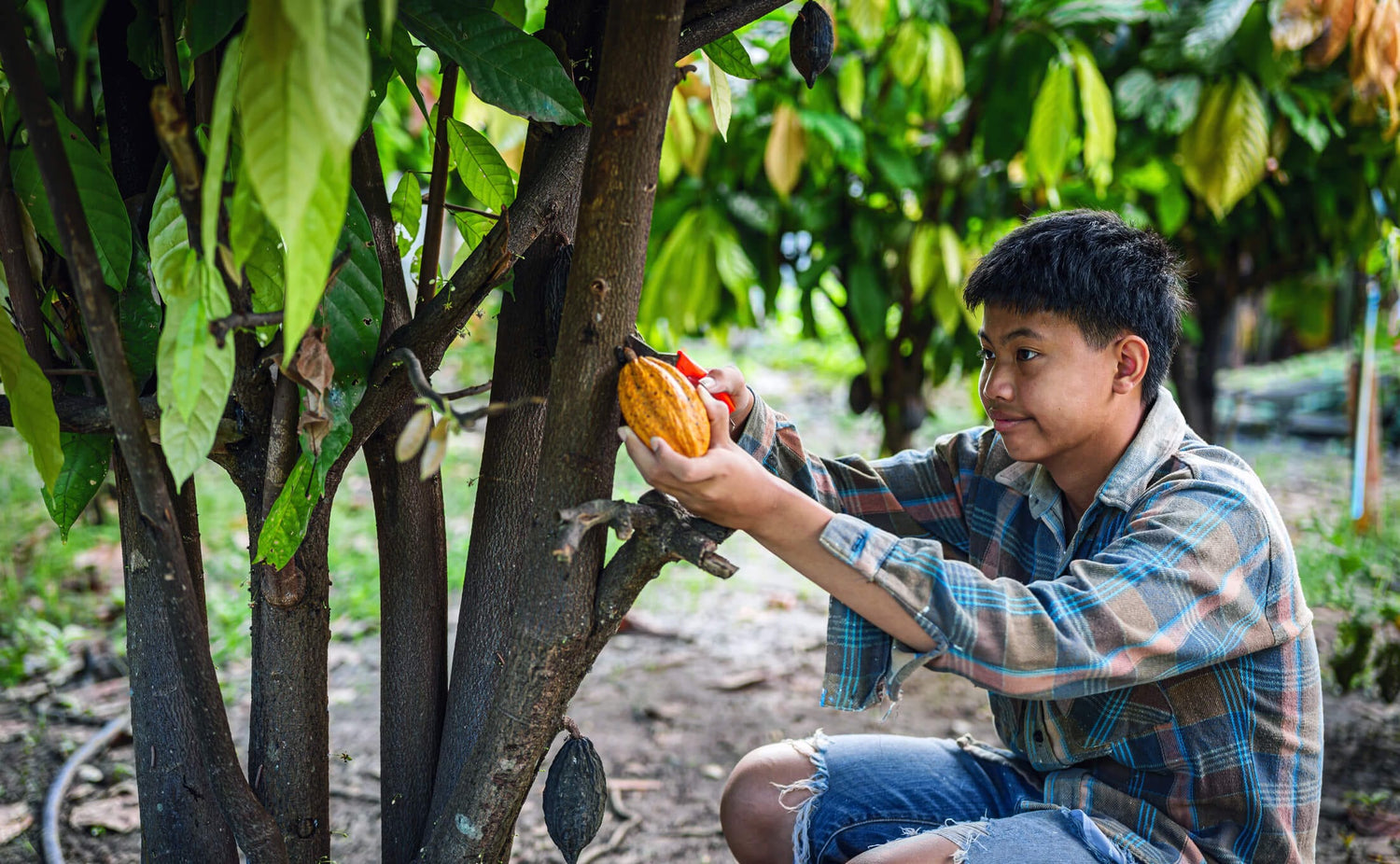
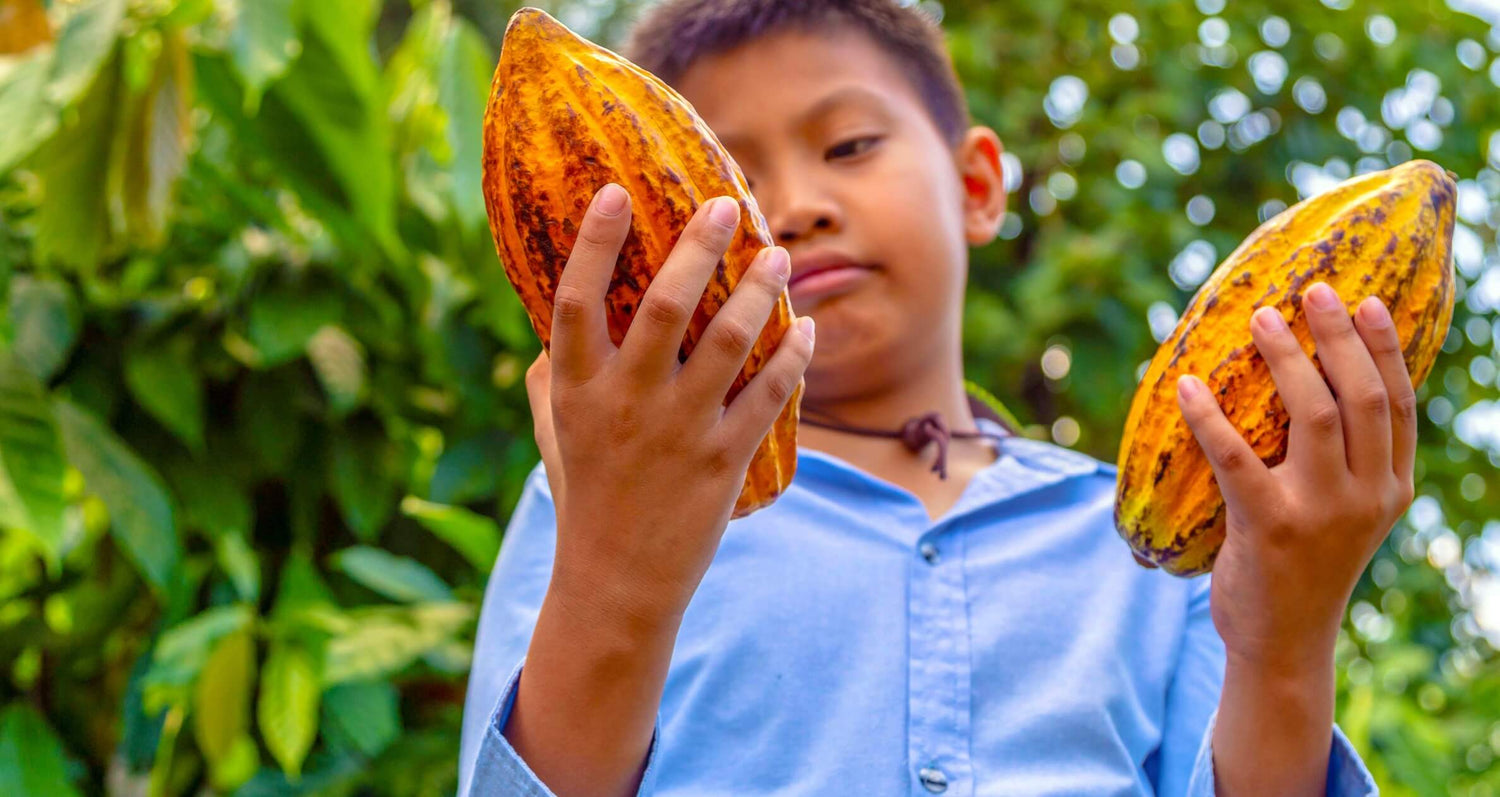
The finest couverture offers more than technical performance. It can express the character of the cacao itself. Beans from different regions may bring notes of red fruit, toasted nuts, citrus, honey, spice, or deep cocoa. Those flavors depend on the beans, fermentation, roasting, refining, and the balance of the final recipe.
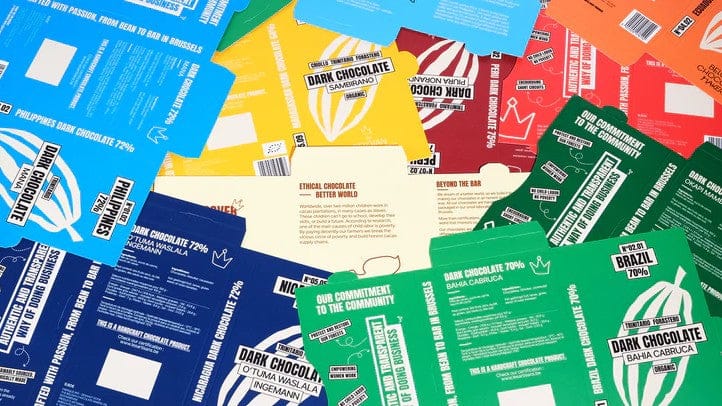
At The Belgian Chocolate Makers, chocolate is produced from carefully sourced cacao beans in the workshop, allowing each stage of transformation to be considered with intention. This bean-to-bar approach puts flavor and origin at the center of the product, rather than treating chocolate as a neutral coating for another ingredient.
Where compound chocolate earns a place
Compound chocolate is not inherently a mistake. It is a practical ingredient with a clear purpose. It can be a sensible option for casual baking projects, large-volume dipped treats, children’s decorating activities, or applications where a product must set quickly without tempering equipment.
It may also perform more consistently in warm working environments, although finished products still need thoughtful storage. A compound coating can be useful when the goal is colorful decoration, a thick coating, or fast production rather than a classic chocolate finish. The question is whether the result matches the occasion and the promise being made to the customer.
For a premium gift box, a finely molded bonbon, or a bar intended to be savored on its own, the qualities of real chocolate become much more significant. When chocolate is the focal point, not simply the outer layer, cocoa butter and cacao quality deserve attention.
Does couverture automatically mean better chocolate?
Not always. Couverture tells you something meaningful about the composition and workability of the chocolate, but it does not guarantee exceptional cacao, careful sourcing, or thoughtful production. A mass-produced couverture may be technically excellent for enrobing while offering little information about bean origin, farming relationships, or flavor development.
Likewise, a bean-to-bar maker may produce a bar that is not formulated as couverture because its purpose is different. A bar designed for direct eating can have a distinct cocoa butter level, texture, and flavor balance from chocolate made for enrobing. “Couverture” and “bean-to-bar” describe different things: one refers primarily to a chocolate’s formulation and use, while the other describes how and where it is made.
For chocolate buyers who care about integrity, the strongest quality markers go beyond a single term. Look for clear ingredients, cocoa butter rather than added vegetable fats, meaningful origin information, and a maker willing to explain its process. Traceability is especially valuable because it connects the finished chocolate to the cacao and people behind it.
Choosing the right chocolate for the job
If you are making molded pralines, hand-dipped truffles, chocolate bark, or polished decorations, couverture is usually worth the added care. Its fluidity allows for thinner shells, and its cocoa butter gives the finished piece a more elegant bite. Choose a couverture with a flavor profile that complements the filling rather than overwhelms it.
For quick cake pops, party cookies, or decorative drizzle where tempering is not realistic, compound coating can be a practical solution. Use it with clear expectations: it is designed for ease and consistency, not for the same depth of flavor or melt as fine chocolate.
When buying a gift, consider what the recipient will notice. A chocolate lover may appreciate single-origin bars, pralines with a clean snap, and truffles whose shells melt without heaviness. For a casual event, convenience may carry more weight. Neither choice needs to be treated as universal, but the ingredients should suit the experience you want to create.
How to read the label with confidence
A couverture ingredient list will typically include cocoa mass or chocolate liquor, cocoa butter, sugar, and possibly milk powder, vanilla, or lecithin. Despite its name, chocolate liquor contains no alcohol. It is simply ground cacao nibs, made from the cocoa solids and natural cocoa butter within the bean.
A compound coating commonly lists sugar, vegetable fat, cocoa powder, milk ingredients, and flavoring. The label may still look familiar, which is why identifying the fat source matters. If cocoa butter is absent and vegetable oil is present, the product is compound rather than couverture.
This is not about dismissing every accessible confection. It is about understanding what you are purchasing. A clear label gives you the ability to choose between convenience and craftsmanship, between a functional coating and chocolate made to express cacao.
The next time a glossy confection catches your eye, let the moment after the snap guide you. If the chocolate melts cleanly, carries a distinct cacao character, and leaves you curious about where it began, you are tasting the difference that careful chocolate making can bring.