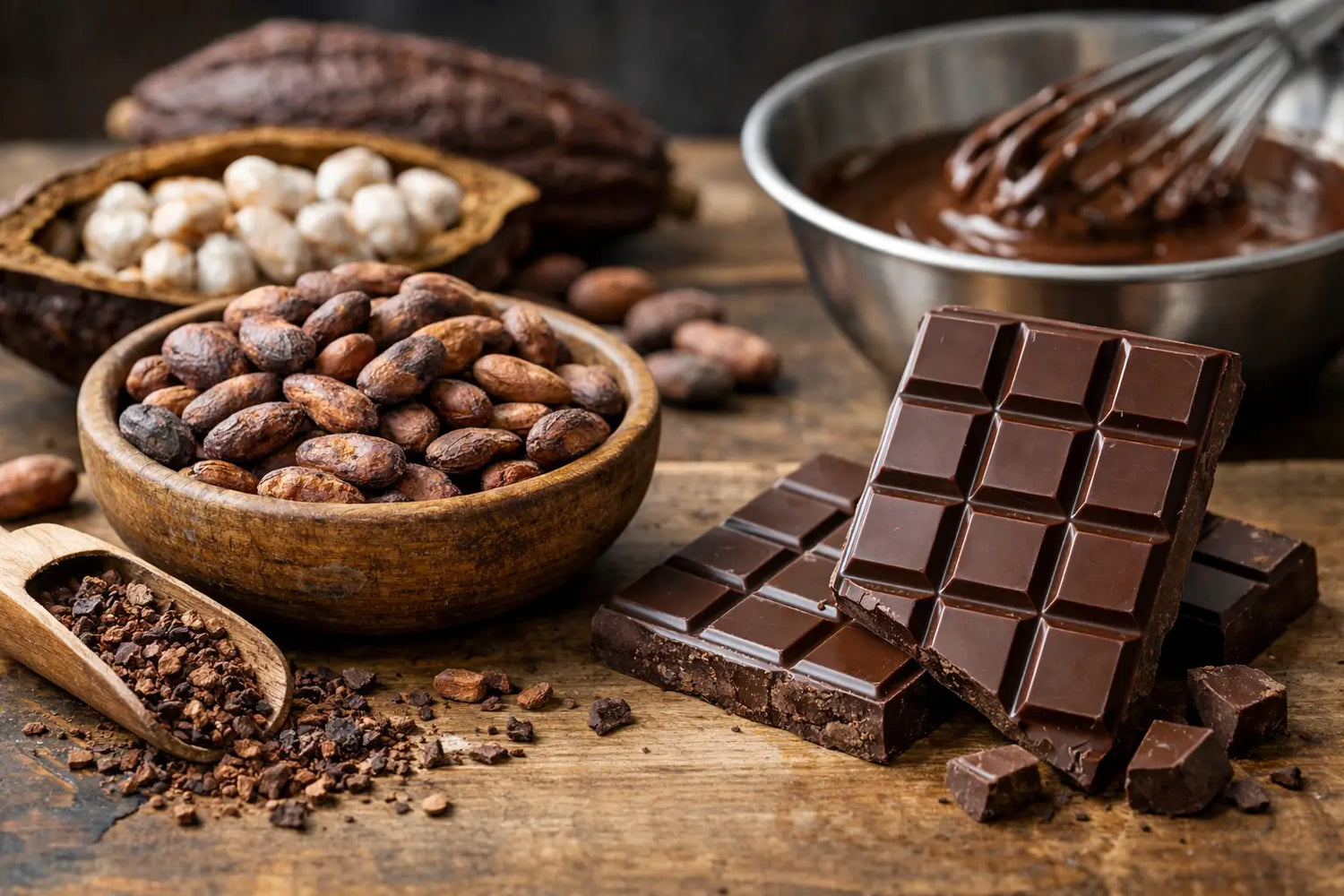
A chocolate bar can look polished, carry a high cocoa percentage, and arrive in an elegant box without revealing much about how it was made. So, is bean to bar better? Often, yes - especially for people who value distinctive flavor, transparent sourcing, and the craft behind a gift. But the phrase is not a shortcut to quality on its own. What matters is what a maker does with the responsibility of starting from the bean.
Bean-to-bar chocolate means the maker receives cacao beans and transforms them into finished chocolate in its own workshop. That includes roasting, cracking and winnowing, refining, conching, tempering, molding, and finishing. Conventional chocolatiers typically begin with ready-made couverture chocolate, then melt, temper, mold, coat, or fill it into pralines and other creations.
Both approaches can produce enjoyable chocolate. The difference is in control. A bean-to-bar maker has the opportunity to shape the chocolate's flavor from the very beginning, while also knowing more about where that flavor began.
Is bean to bar better for flavor?
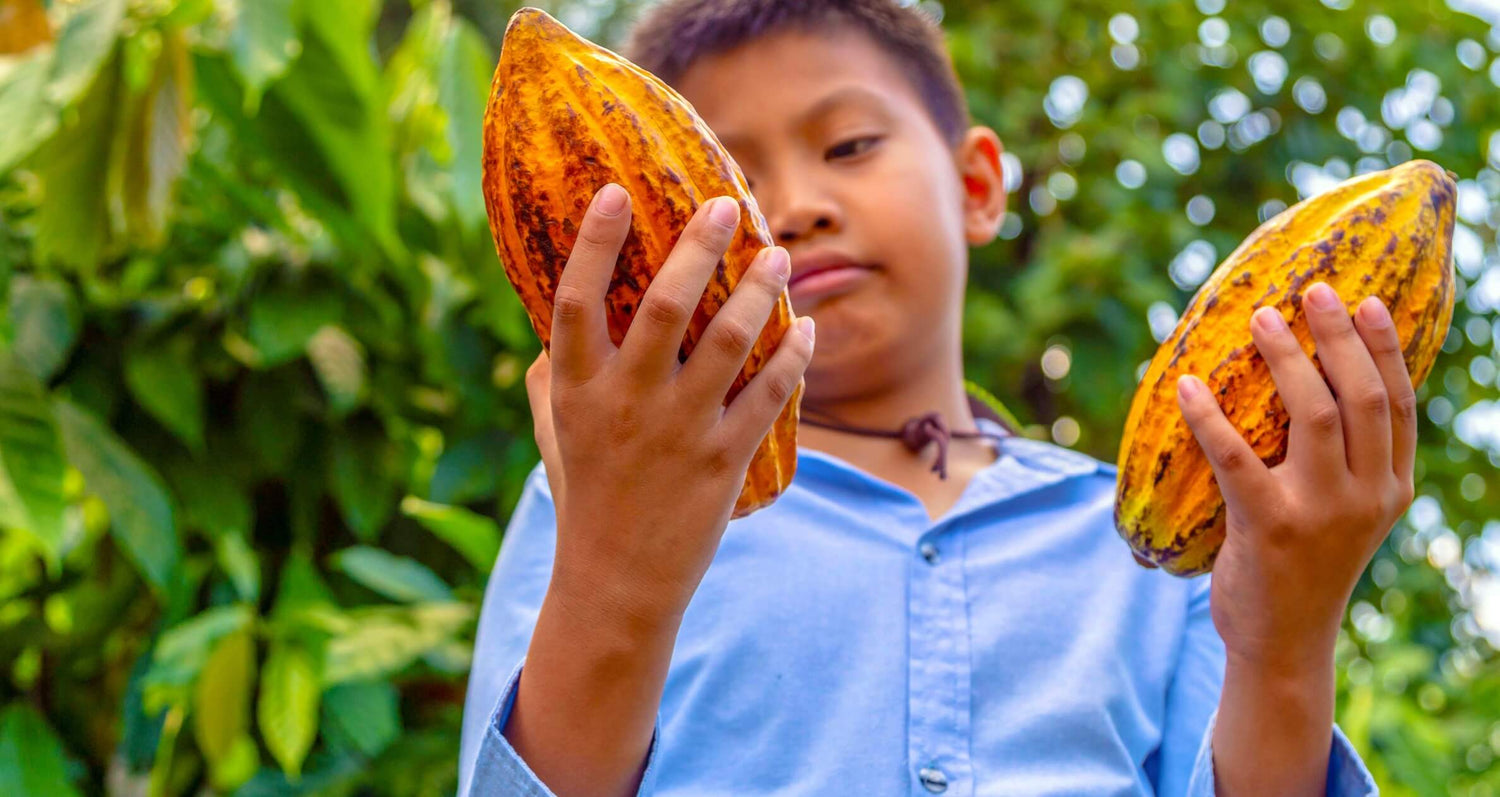
Cacao is not one uniform ingredient. Beans from Madagascar may offer bright red-fruit acidity; a carefully handled Peruvian cacao can suggest nuts or dried fruit; beans from Tanzania may bring lively citrus character. These are not added flavors. They are natural expressions of variety, terroir, fermentation, drying, and the maker's decisions at every stage.
When a chocolatier works with industrial couverture, much of that sensory direction has already been set by another producer. There is nothing inherently inferior about couverture. It is designed for consistency, technical reliability, and efficiency, and it has supported generations of excellent Belgian confectionery. Yet its flavor profile is usually intended to be repeatable at scale rather than to reveal the individual personality of a particular harvest.
Bean-to-bar production leaves more room for character. Roasting can draw out caramel, toasted nut, fruit, or floral notes. Refining determines whether the texture feels silky or gritty. Conching develops aroma and softens unwanted sharpness. Even a few minutes or degrees can change the final result.
That freedom is meaningful, but it comes with a demanding standard. A poor roast cannot be hidden behind the phrase “bean to bar.” Underdeveloped chocolate may taste grassy or sour; over-roasted chocolate can lose its origin character beneath bitterness and burnt notes. The better bean-to-bar makers do not simply process beans themselves. They taste constantly, adjust with restraint, and allow each cacao to guide the recipe.
The value of knowing the cacao's origin
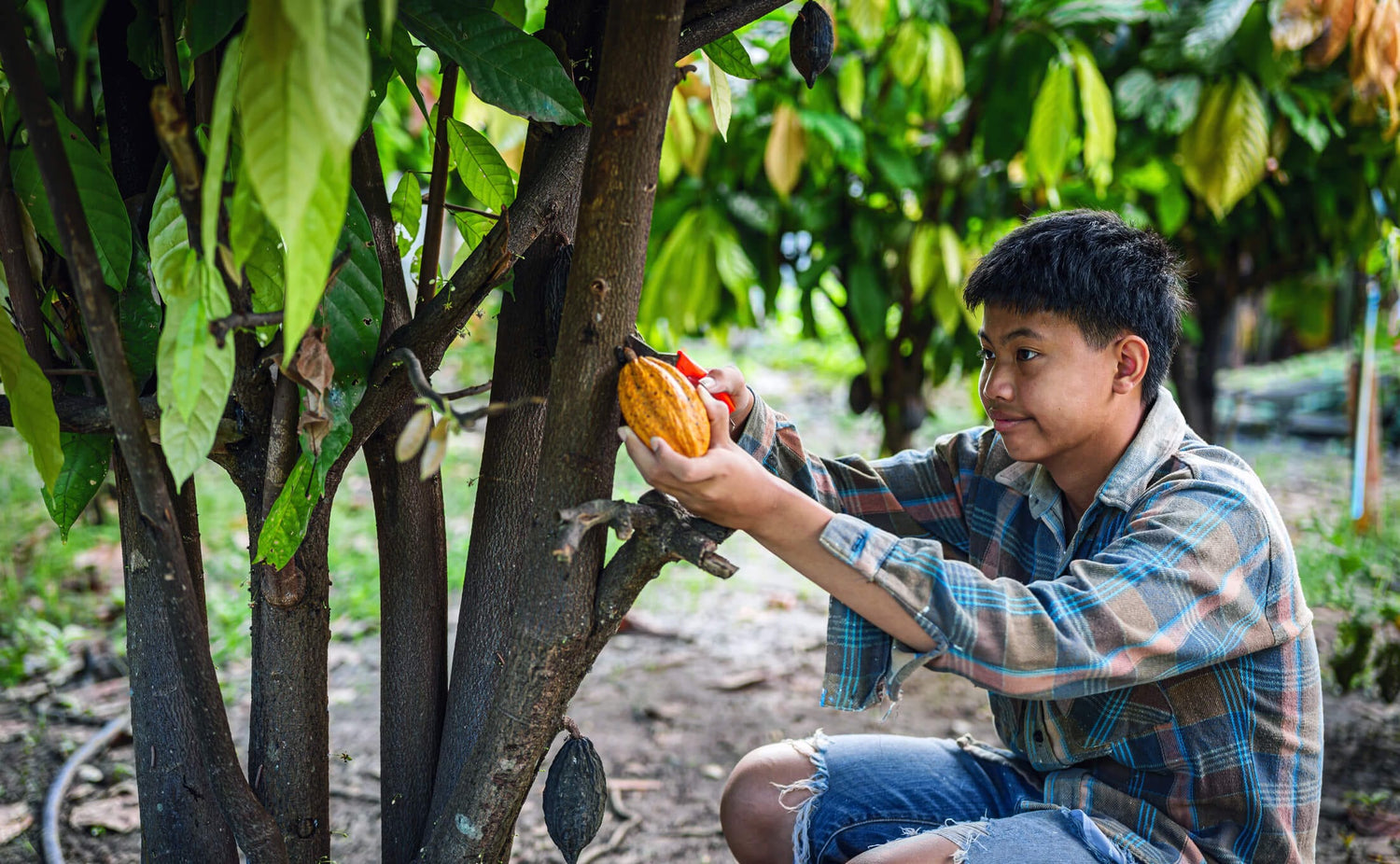
Flavor is only part of the answer. For many chocolate buyers, bean to bar is better because it makes traceability more possible. A maker working directly with beans can identify the cacao's country, region, cooperative, estate, or supplier relationship with greater clarity. This gives customers a more truthful story about what they are tasting.
Traceability does not automatically guarantee fair pay, excellent labor conditions, or environmental stewardship. Those require ongoing purchasing choices and meaningful relationships, not just attractive packaging. Still, transparent origin is an essential starting point. It encourages better questions: Who grew these beans? How were they fermented? What quality standards were rewarded? How much of the purchase value remains connected to the producing community?
For ethically minded shoppers, this visibility matters. Chocolate is a pleasure, but it is also an agricultural product with a long supply chain. Choosing chocolate made from thoughtfully sourced cacao is a way to value both the farmer's work and the maker's craft.
Why the process changes the finished chocolate
The bean-to-bar process is often described as handmade, but that word can be too vague. The real distinction is informed attention. Every stage influences what reaches the palate.
After sourcing, roasting is the first major flavor decision. The goal is not simply to cook the beans. It is to develop their desirable aromas while preserving what makes the origin recognizable. The roasted beans are then cracked and winnowed to separate the cacao nibs from their husks.
The nibs are ground into cocoa liquor, then refined with ingredients such as cocoa butter and sugar according to the recipe. Fine particles are essential for a smooth finish, but texture alone is not enough. Conching works the chocolate over time to integrate flavors and refine its mouthfeel. Finally, tempering creates the stable cocoa butter crystal structure responsible for a clean snap, glossy surface, and satisfying melt.
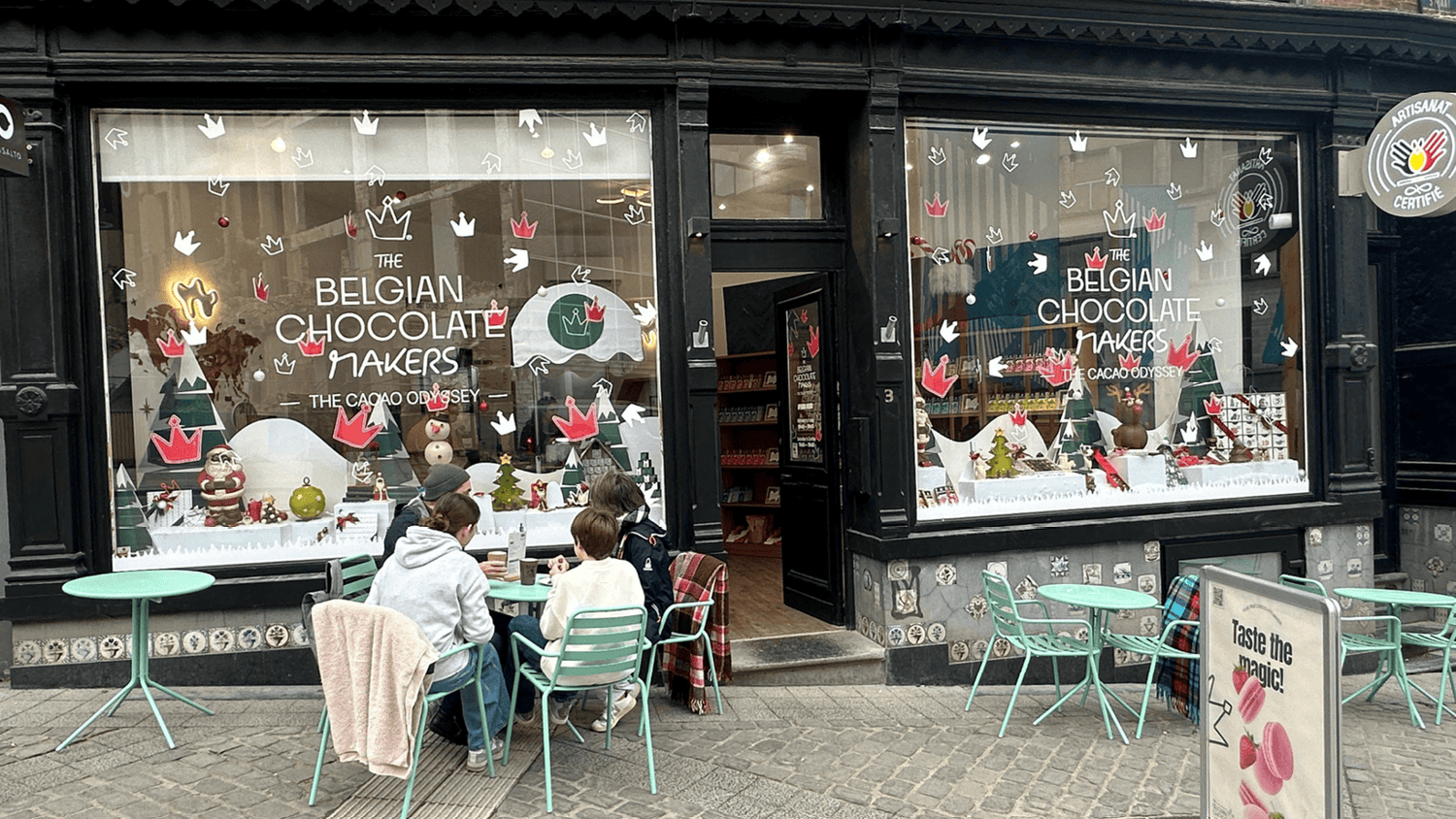
A maker who oversees this entire journey can make deliberate choices rather than accepting a predetermined chocolate profile. At The Belgian Chocolate Makers, this work happens in the workshop in central Brussels, where cacao is transformed in-house before it becomes bars, pralines, truffles, and gift-ready creations. It is a continuation of Belgian chocolate expertise with a more direct connection to the cacao itself.
Bean to bar versus couverture: a fair comparison
It is tempting to frame bean to bar and couverture as a simple contest, but the more useful distinction is purpose. High-quality couverture gives chocolatiers consistency and broad technical possibilities. For a large assortment of molded pralines, enrobed centers, and seasonal pieces, it can be a practical foundation.
Bean-to-bar chocolate is particularly compelling when the chocolate itself is meant to be noticed. A single-origin bar invites a slower tasting experience. A dark chocolate ganache can gain depth when its shell or filling reflects the natural profile of the cacao. A simple mendiant becomes more memorable when the chocolate beneath the fruit and nuts has its own clear voice.
There are trade-offs. Small-batch bean-to-bar production is labor-intensive, and carefully sourced cacao costs more than anonymous commodity beans. A bean-to-bar bar may therefore carry a higher price than a standard supermarket chocolate bar. It may also vary slightly from one harvest to another. For craft chocolate lovers, that variation is not a flaw. It is evidence that cacao is a real crop, not a standardized flavor system.
The best choice depends on what you want from chocolate. If you are looking for reliable sweetness and familiarity, a well-made conventional chocolate can satisfy. If you want to taste cacao with a sense of place, understand how it was made, and give something with a genuine story, bean to bar offers considerably more.
What to look for when buying bean-to-bar chocolate
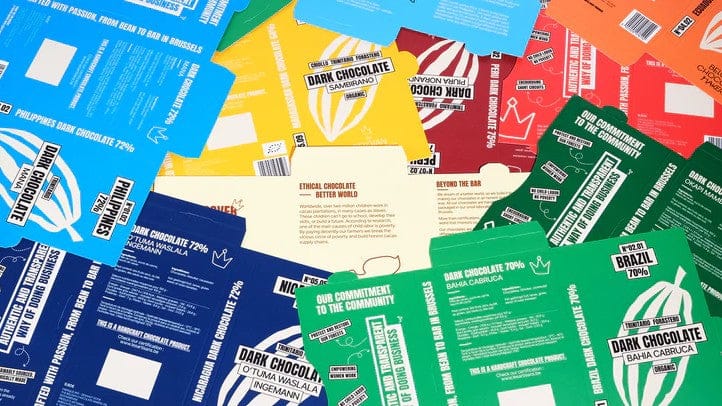
A credible maker should be able to say more than “premium” or “artisan.” Look for clear cacao origin information, whether that is a country, region, farm, or cooperative. Notice the ingredient list as well. For a dark bar, cacao beans, cocoa butter, and sugar may be all that is needed. Milk chocolate will include milk, but it should still allow the cacao to remain present.
Pay attention to the maker's language around sourcing. Specificity is more valuable than broad claims. A producer who explains its cacao and its process gives you something concrete to evaluate. Packaging should also protect the chocolate from heat, light, and strong odors, particularly when it is intended as a gift.
For first-time buyers, a tasting selection is often the most revealing place to begin. Compare two origins side by side, letting each piece melt slowly rather than biting immediately. You may notice how one chocolate leans toward berries and citrus while another feels deeper, rounder, or more nutty. That experience makes the value of origin easy to understand.
A better gift starts with a better story
Chocolate is one of the few gifts that can feel both generous and personal without requiring a grand occasion. Bean-to-bar chocolate adds substance to that gesture. It says that the details mattered: the cacao was chosen, the flavor was developed, and the finished piece was made with intention.
That does not mean every gift recipient needs a lesson in fermentation or cocoa butter crystallization. A beautiful box of pralines or a set of single-origin bars should first be a pleasure to open and share. The craftsmanship is there to deepen the experience, not make it feel complicated.
Choose chocolate whose flavor you would be proud to describe, whose origin you would feel comfortable asking about, and whose maker treats cacao as more than an ingredient. The next square may be small, but it can carry the work of a farm, a harvest, and a workshop worth savoring.