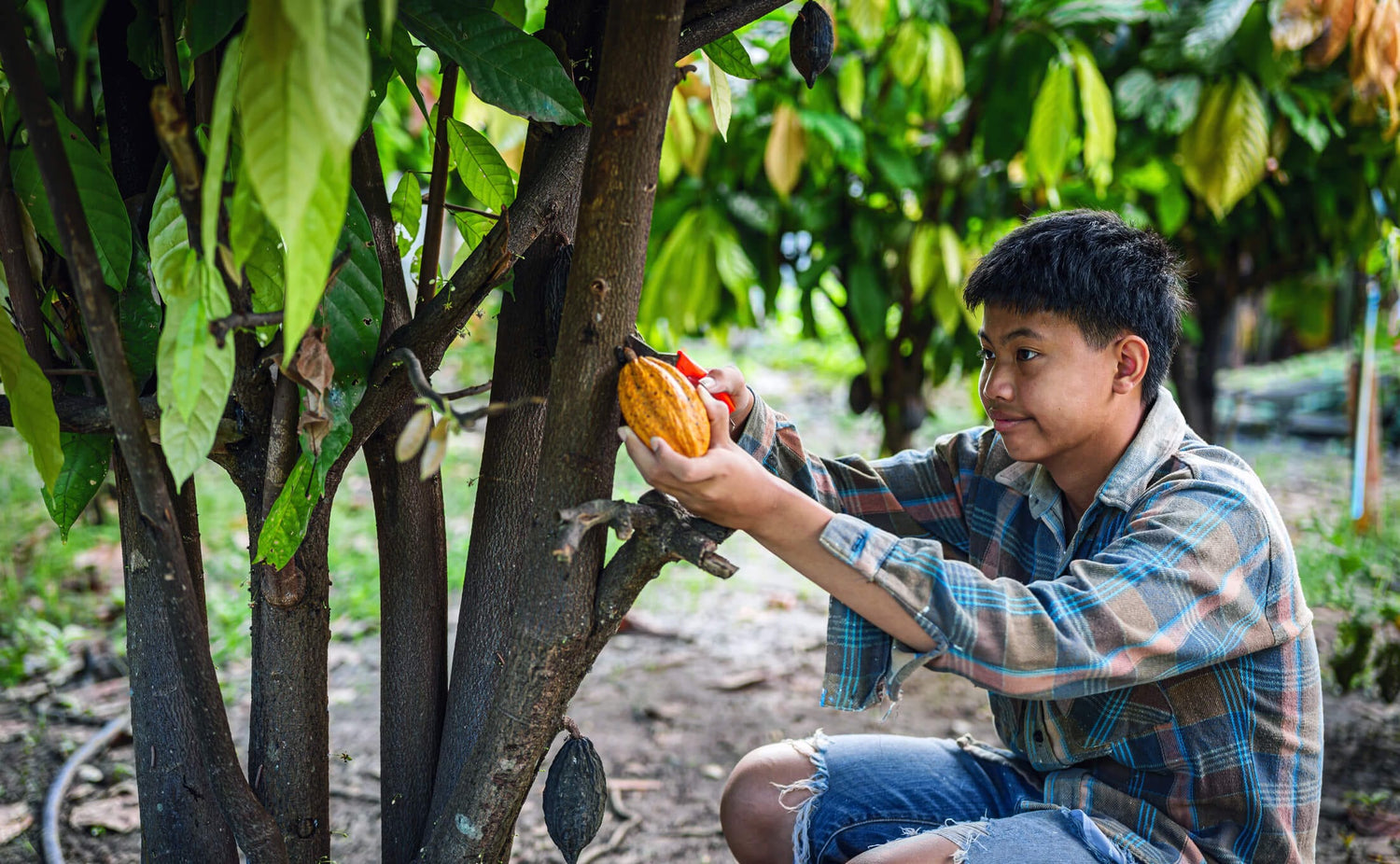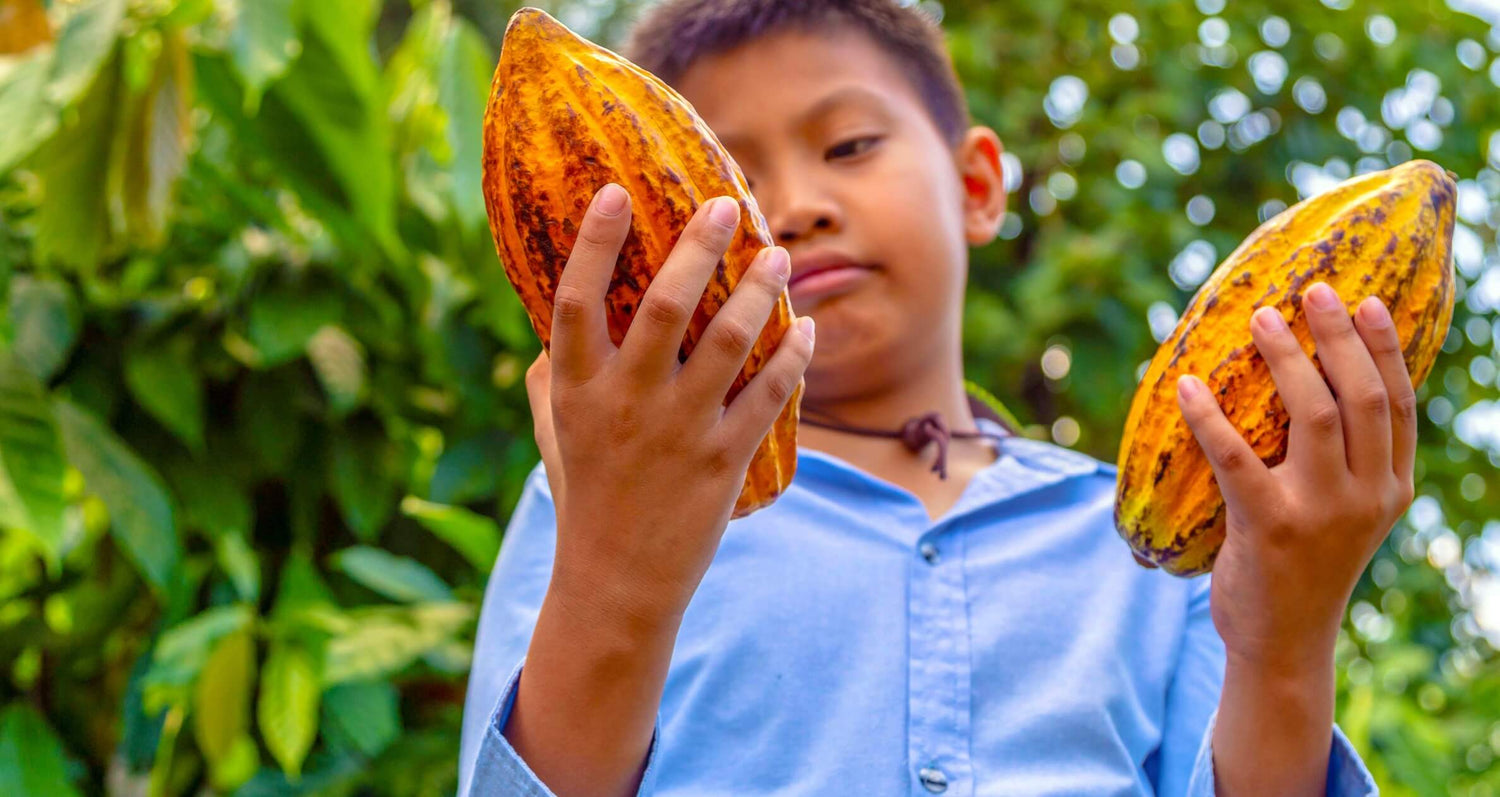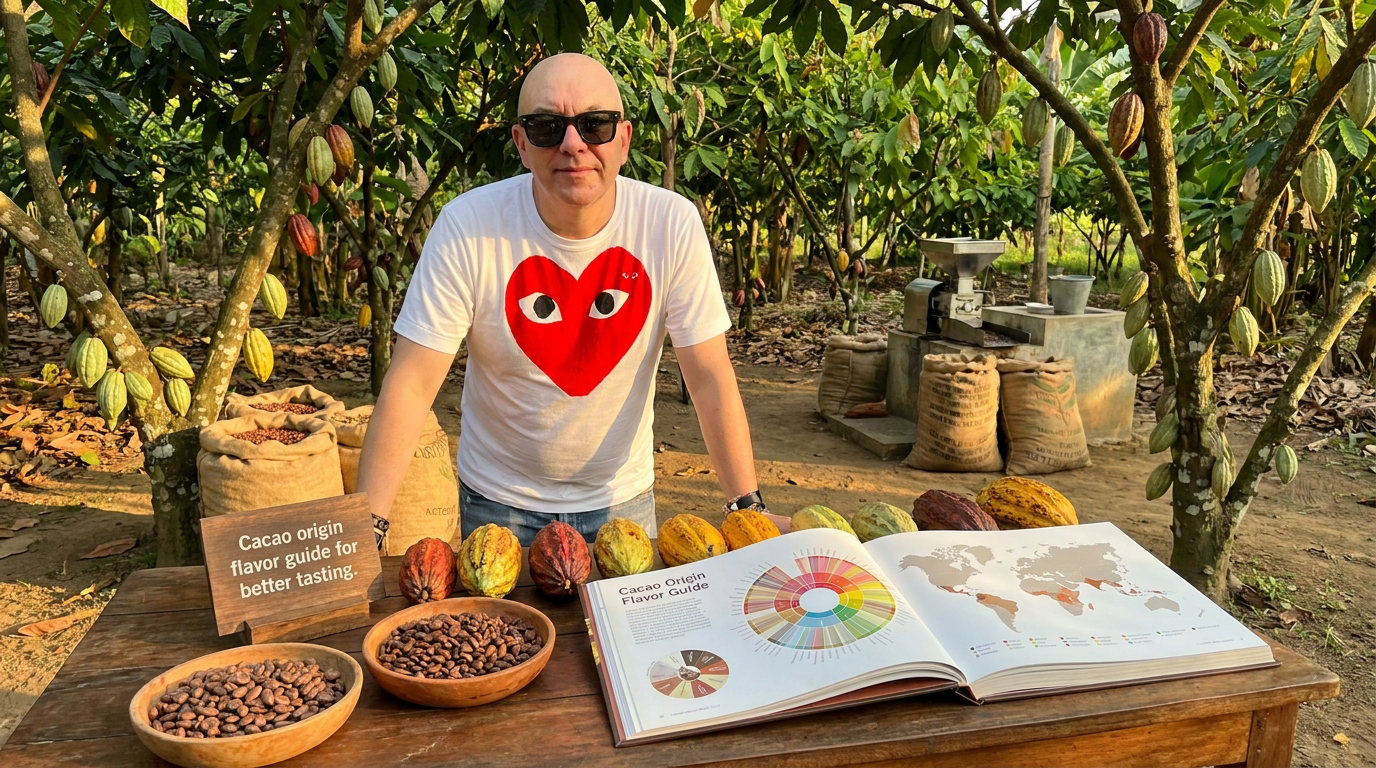
A square of fine chocolate can suggest raspberry, toasted hazelnut, citrus peel, molasses, or warm spice before it simply tastes “chocolatey”. This cacao origin flavor guide helps explain why. Origin matters, but it is not a fixed flavor label: the character in a finished bar reflects the cacao itself, the place it grew, the harvest, fermentation, drying, and the chocolate maker’s decisions in the workshop.
For anyone choosing a bar for personal enjoyment or a thoughtful gift, understanding origin offers a more rewarding way to taste. It turns a label into a story of landscape, skill, and transformation; and makes it easier to find chocolate that suits the palate in front of you.
What “cacao origin” really means
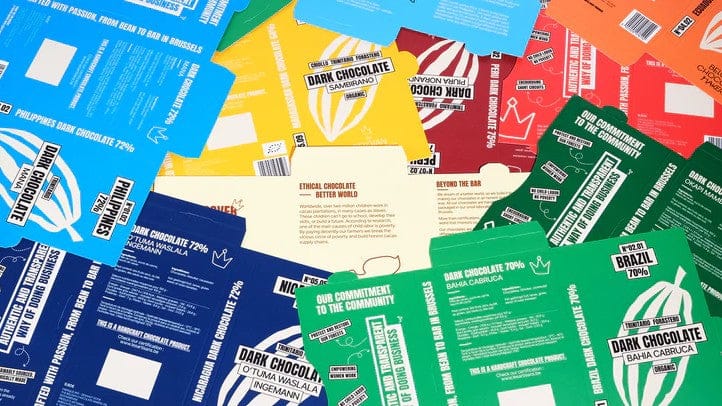
Cacao origin usually identifies the country, region, cooperative, estate, or even a single farm where beans were grown. A single-origin chocolate is made with beans from one defined place rather than a blend of multiple origins. The narrower the origin named on a bar, the more specific its traceability may be, although the wording should always be read carefully.
Origin is valuable because cacao is an agricultural product. Like coffee, wine, or tea, it responds to its environment. Soil composition, rainfall, altitude, shade, surrounding vegetation, and local cacao varieties all influence the raw material. Yet terroir is only part of the picture. Two farmers in the same region can produce notably different cacao through differences in harvesting and fermentation, while two chocolate makers can reveal different qualities from the same beans through roasting and refining.
That is why origin should be treated as an invitation to taste, not a promise that every bar from a country will taste identical. “Madagascar”, “Ecuador”, or “Ghana” is a helpful starting point. It is not a shortcut around careful making.
Cacao origin flavor guide: the main flavor families
Fine cacao can produce an extraordinary range of notes. These descriptions are not added flavors. When a bar is well made, they are naturally occurring sensory impressions created by compounds in the bean and developed through fermentation, roasting, and conching.
Latin American cacao: fruit, nuts, and floral detail
Many Latin American origins are prized for their clarity and aromatic range. Depending on the region and post-harvest work, chocolate from Ecuador may lean toward roasted nuts, brown sugar, gentle florals, and ripe fruit. Peruvian cacao can show red fruit, honey, citrus, or warm spice. Venezuelan cacao is often associated with a rounded texture and notes that may suggest nuts, caramel, dried fruit, or delicate flowers.
These profiles often appeal to tasters who want refinement without aggressive bitterness. They can be especially rewarding at higher cacao percentages, where a careful recipe allows the bean’s nuance to remain visible. Still, a high percentage alone does not guarantee quality. It can also emphasize acidity, astringency, or roast if the balance is off.
Madagascar cacao: vivid acidity and bright fruit
Madagascar has become a familiar reference point for chocolate lovers who enjoy liveliness in a bar. Many cacao lots from the island are known for bright, tangy fruit notes, sometimes recalling red berries, citrus, or tropical fruit. The impression can be energetic and clean rather than sweet in the candy-like sense.
For some palates, this acidity is thrilling. For others, especially those accustomed to milder milk chocolate, it may initially feel unexpected. Pair it with still water, a lightly roasted coffee, or sparkling wine, and the fruit character becomes easier to recognize. Madagascar-origin chocolate is also a memorable choice for a gift when the recipient enjoys coffee, wine, or fruit-forward foods.
West African cacao: depth, cocoa richness, and warm sweetness
West Africa produces a substantial share of the world’s cacao, and its beans are frequently used in blends. That does not mean the region lacks distinctive flavor. Well-fermented, carefully selected cacao from Ghana, Côte d’Ivoire, Nigeria, or neighboring origins can offer a reassuringly full chocolate profile with notes of cocoa, biscuit, roasted nuts, malt, caramel, and dried fruit.
These beans can provide body and familiarity, which makes them useful for chocolate intended to feel generous and deeply satisfying. The trade-off is that broad regional sourcing may reveal less individual character than a well-documented micro-lot. For buyers who value traceability, details about the producer group and fermentation practices matter as much as the country named on the wrapper.
Caribbean cacao: gentle fruit and elegant warmth
Caribbean origins, including cacao from the Dominican Republic, can offer a pleasing middle ground between fruit brightness and classic cocoa depth. Depending on the harvest and maker, notes may suggest raisins, red fruit, toasted almond, honey, or soft spice. These are often approachable bars for someone beginning to explore single-origin chocolate.
The Dominican Republic is also a useful reminder that growing methods and post-harvest systems influence flavor and sourcing integrity. Organic certification, agroforestry, and cooperative structures may be meaningful markers, but they should be considered alongside sensory quality and transparent purchasing relationships.
Asian and Pacific cacao: spice, earth, and savory complexity
Cacao from Indonesia, Papua New Guinea, the Philippines, and other Asian or Pacific origins can bring a different dimension to a tasting. Some lots show earthy, woody, smoky, savory, or spice-led notes alongside fruit and cocoa. These traits can be compelling when managed with precision, though they are more dependent on careful fermentation and roasting than simplistic origin descriptions suggest.
A bar with this profile may be an excellent choice for someone who enjoys dark roast coffee, aged spirits, black tea, or savory desserts. It may be less suitable for a first gift if the recipient prefers very sweet, creamy chocolate. Knowing the recipient’s taste is often more useful than choosing the rarest origin.
Why processing changes the flavor in your bar
A cacao pod does not contain ready-made chocolate flavor. Fresh beans are surrounded by sweet pulp, and their transformation begins after harvest. Fermentation creates many of the flavor precursors that later become recognizable in chocolate. Poor fermentation can leave a bar flat, overly bitter, or harshly acidic. Controlled fermentation can develop fruit, floral, nutty, and cocoa-rich character.
Drying stabilizes the beans and shapes their final condition before shipment. Then the chocolate maker’s work begins. Roasting can brighten fruit notes or deepen toasted ones. Too little roast may leave raw or vegetal flavors; too much can obscure a remarkable origin beneath generic roastiness. Refining affects texture, while conching helps integrate flavors and soften rough edges.
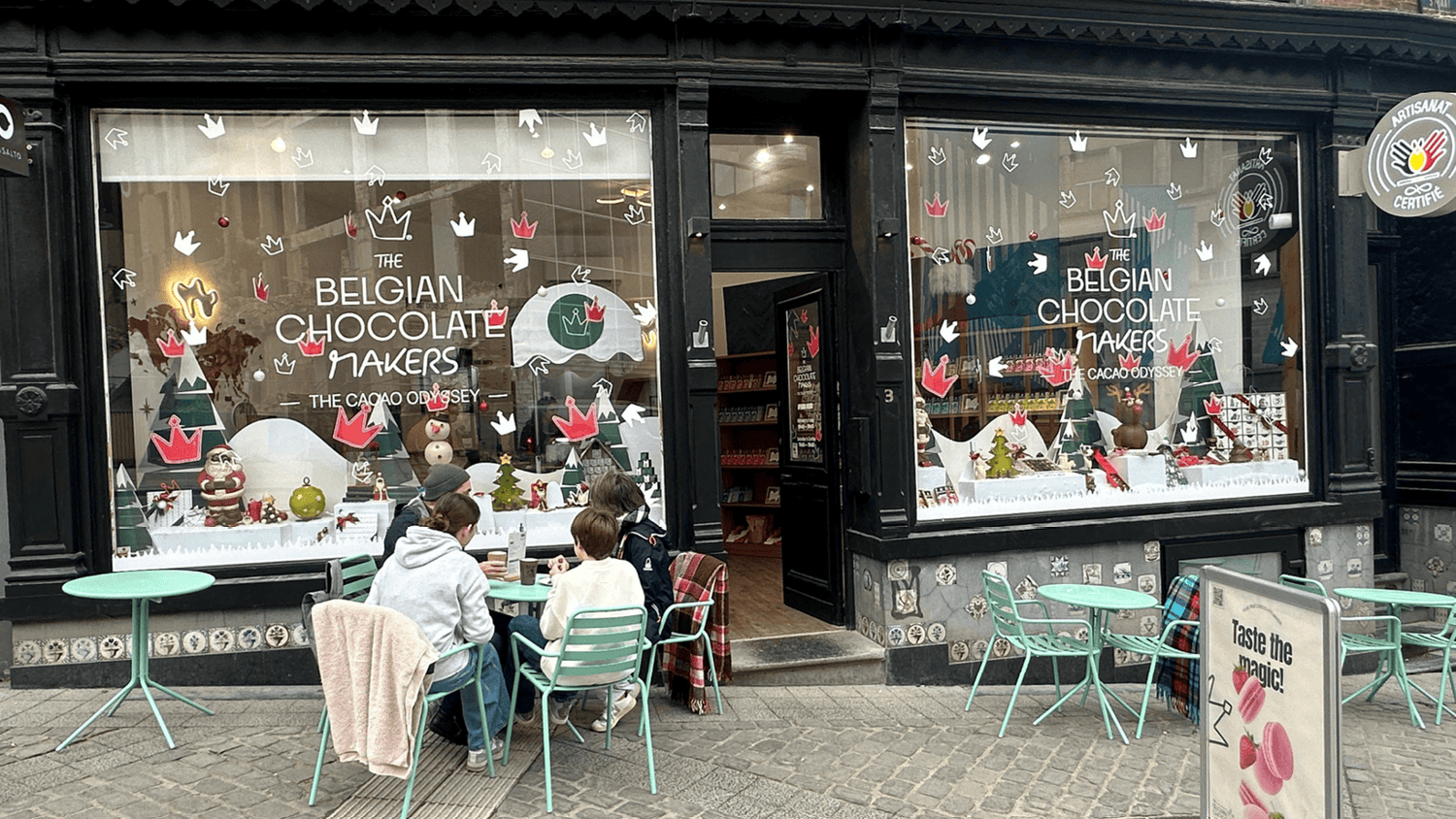
At The Belgian Chocolate Makers, making chocolate from bean to bar in the Brussels workshop allows these decisions to be made with the individual cacao in mind. This is the essential distinction of bean-to-bar craft: origin is respected through process, not merely printed on packaging.
How to taste origin without overthinking it
Taste a small piece at room temperature, ideally when your palate is fresh. Look at the surface and listen for a clean snap, then let the chocolate melt slowly rather than chewing immediately. Its first impression may be roasted, sweet, or acidic; its later notes often reveal more fruit, spice, creaminess, or nuttiness.
Try comparing two bars with the same cacao percentage from different origins. This reduces the effect of sugar level and makes geographic and processing differences easier to notice. Then compare two bars from the same origin at different percentages or made by different producers. You will quickly see why origin is only one part of the flavor story.
There is no need to identify every note correctly. A tasting note is a shared language, not an exam. If one person finds cherry and another tastes citrus, both may be responding to the same bright acidity in a useful way. What matters is whether the bar feels balanced, expressive, and enjoyable.
Choosing an origin for yourself or a gift
For a reliable first single-origin experience, choose a balanced bar with familiar notes such as toasted nuts, caramel, dried fruit, or gentle cocoa. For a more adventurous palate, seek vivid fruit-forward cacao from Madagascar or a carefully crafted Latin American origin. For someone who appreciates intensity, a darker bar with deep cocoa, spice, or savory undertones can be a fitting choice.
When buying a gift, presentation matters, but specificity matters too. A chocolate maker that can identify where its beans come from and explain how they are transformed offers more than a luxury object. It offers a gift with a real point of view.
The best way to build your own flavor map is simple: choose one origin that feels familiar, one that sounds unexpected, and taste them slowly on different days. Soon, the name of a place on a chocolate bar will feel less like a label and more like the beginning of a conversation.