A fine dark chocolate bar can suggest ripe red fruit, toasted hazelnut, black tea, or a quiet note of jasmine. These are not flavors added after the fact. Dark chocolate tasting notes are the natural sensory impressions created by cacao variety, growing conditions, fermentation, drying, roasting, and careful chocolate making. Learning to recognize them turns a square of chocolate from a quick treat into a small, memorable tasting.
For a bean-to-bar chocolate maker, those notes are also evidence of the work behind the bar. They reflect choices made long before the chocolate is molded: how the cacao was sourced, how the beans were handled after harvest, and how gently or deeply they were roasted in the workshop.
What dark chocolate tasting notes really mean
Tasting notes are useful descriptions, not a literal ingredient list. A bar described as having citrus notes does not contain lemon. Rather, its balance of acidity, fruitiness, aroma, and bitterness may recall orange peel, grapefruit, or candied lemon. A chocolate with nutty notes may bring to mind almond or walnut because of its roast profile and naturally occurring flavor compounds.
Think of tasting notes as a shared vocabulary. They give you a way to describe what is already present in the cacao, much as coffee and wine drinkers use familiar references to explain a complex sensory experience. No two palates are identical, so your first impression may differ from the note printed on a package. That is not a mistake. The goal is attention, not a test with one correct answer.
Dark chocolate also changes as it melts. A bright fruit note might appear first, followed by caramelized warmth and a long, lightly tannic finish. Give the chocolate time before deciding what you taste.
How to taste a dark chocolate bar?
A thoughtful tasting does not require special equipment. Choose a quiet moment, use clean hands, and avoid tasting immediately after strongly flavored food, coffee, or mint. Room temperature chocolate is best: when it is too cold, its aromas stay muted; when it is too warm, texture becomes harder to judge.
1. Look, break and smell
First, look at the surface. Well-tempered dark chocolate should have an even sheen and a clean appearance. Then break off a small square. A crisp, clear snap usually signals good tempering and a stable cocoa butter structure, though a thinner bar will naturally sound sharper than a thick one.
Bring the broken edge close to your nose. The aroma may be subtle at first. Notice whether it feels fruity, earthy, roasted, spicy, woody, or floral. Aroma is not separate from flavor - it prepares your palate for what will follow.
2. Let the chocolate melt slowly
Place a small piece on your tongue and allow it to melt rather than chewing right away. As cocoa butter softens, flavor compounds become more available. Notice the first impression, the middle of the tasting, and the finish after the chocolate has disappeared.
Consider four simple questions: Is the chocolate bright or mellow? Is its bitterness clean and pleasant, or harsh? Does it feel creamy, dry, silky, or slightly grainy? What memory does the flavor bring to mind? A useful note can be as straightforward as “red berry at first, then toasted almond, with a cocoa-rich finish.”
A sip of still water between bars will reset your palate. If you are comparing several chocolates, begin with the lower cacao percentage or gentler profile, then move toward darker, more intense bars.
The flavor families you may find
Most dark chocolate tasting notes fall into recognizable families, although the most interesting bars often move between several of them.
1. Fruit and citrus
Fruit-forward cacao can evoke raspberry, cherry, raisin, plum, banana, or tropical fruit. Some origins offer a crisp acidity that recalls cranberry, grapefruit, or orange. Brightness is not the same as sourness. In a well-made bar, acidity should feel lively and integrated, giving the chocolate lift rather than an unpleasant sharp edge.
2. Floral, herbal and tea-like notes
Certain cacaos carry delicate impressions of jasmine, honey, orange blossom, dried herbs, or black tea. These notes can be easy to miss if the chocolate is eaten quickly. They often sit high in the aroma and may return in the finish. Their elegance can make a dark bar feel surprisingly light, even at a high cocoa percentage.
3. Nut, caramel and warm roast
Toasted almond, peanut, hazelnut, biscuit, brown sugar, molasses, and coffee are familiar notes in dark chocolate. Some arise naturally from the beans; others are brought forward by roasting. These flavors can create a comforting, rounded profile, especially in bars with lower acidity and a fuller body.
4. Earth, wood, spice and cocoa
Cacao can also be earthy, malty, woody, or savory, with impressions of cinnamon, tobacco leaf, black pepper, leather, or mushroom. These descriptions may sound unexpected, but they can be appealing when balanced by sweetness and clean cacao depth. “Cocoa” itself is a valid tasting note too: some bars simply express an especially direct, deep chocolate character.
Why origin changes the chocolate bar
The country named on a bar gives helpful context, but it cannot tell the entire story. Cacao grown in the same country can taste very different across regions, farms, and harvests. Soil, rainfall, genetics, and local post-harvest practices all shape the raw material.
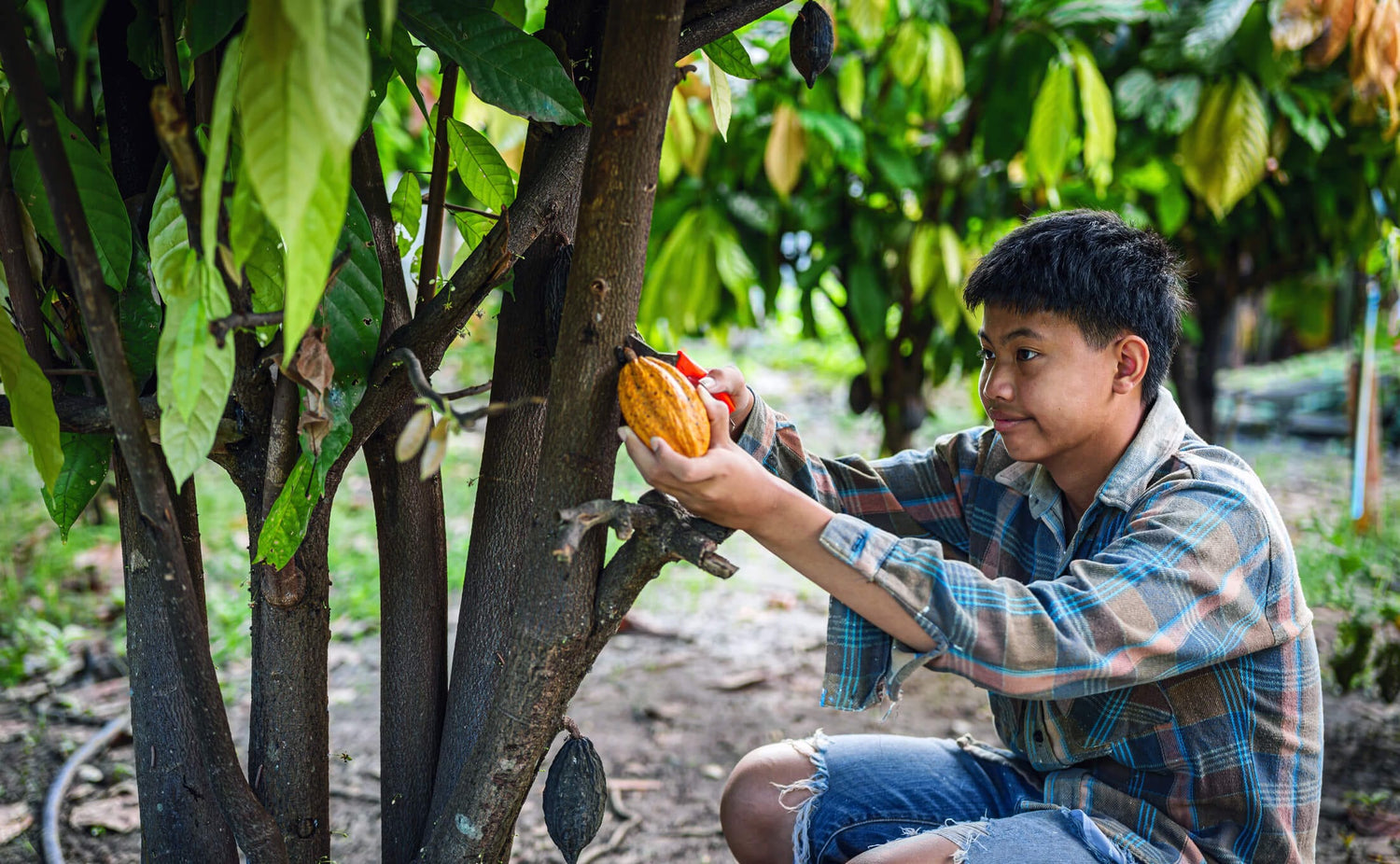
Fermentation is especially influential. After harvesting, cacao beans are fermented within their pulp, developing the precursors that later become chocolate flavor. Careful fermentation can encourage fruit, floral, and complex cocoa notes. Under-fermented beans may taste astringent, raw, or sharply acidic; over-fermentation can flatten more delicate character.
Drying protects the work done during fermentation. Then roasting gives the chocolate maker another opportunity to guide the profile. A lighter roast may preserve sparkling fruit and floral character, while a deeper roast can emphasize caramel, nuts, and darker cocoa notes. Neither approach is automatically better. It depends on the beans and the kind of experience the maker wants the bar to offer.
This is why traceability matters. When a maker can follow cacao back to a specific origin and work directly with the beans, flavor becomes more than a marketing claim. It becomes a record of agricultural care and considered craftsmanship.
Cocoa percentage is only one clue
A 70% bar contains more cocoa ingredients and less sugar than a 55% bar, but percentage alone does not predict quality, bitterness, or flavor. A well-crafted 75% chocolate can taste smooth, fruity, and surprisingly approachable. A poorly balanced 65% bar can feel bitter or dry.
The remaining details matter: the ratio of cocoa mass to cocoa butter, the bean origin, roast level, refining time, conching, and the quality of the sugar. Texture is part of the tasting note, too. Fine chocolate should melt evenly and feel smooth rather than sandy. A slightly firmer melt may be appropriate for one recipe, while another may feel especially velvety because of its cocoa butter content and refining.
Do not treat higher percentage as a measure of sophistication. Choose the percentage that suits your palate and the occasion. A bright 68% single-origin bar can be ideal for an afternoon tasting, while an intense 85% bar may appeal to someone seeking a longer, more concentrated finish.
Taste with context, especially when gifting
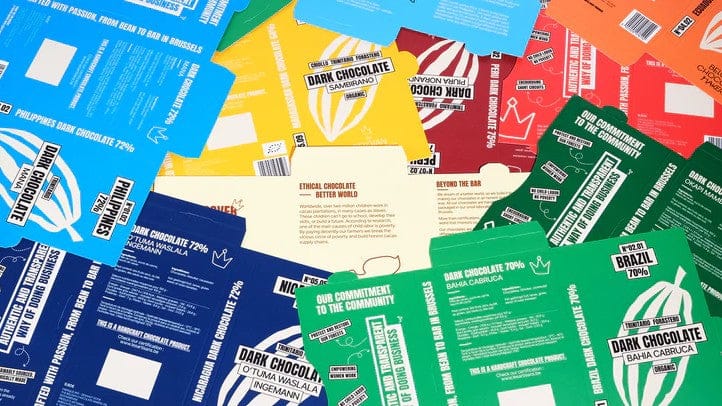
A chocolate tasting is more engaging when there is a point of comparison. Try two dark bars with different origins, or taste the same percentage from two makers. You will begin to notice that one bar leans toward dried fruit and spice while another feels citrusy and tea-like, even if both are labeled 70%.
For gifting, tasting notes can help you choose with more confidence. Fruit-forward bars suit recipients who enjoy lively, aromatic flavors. Nutty and caramelized profiles are often an inviting choice for those new to fine dark chocolate. Deep cocoa, coffee, and spice notes tend to please experienced dark chocolate lovers. A curated selection offers the most generous answer because it lets the recipient find a favorite rather than asking one bar to satisfy every preference.
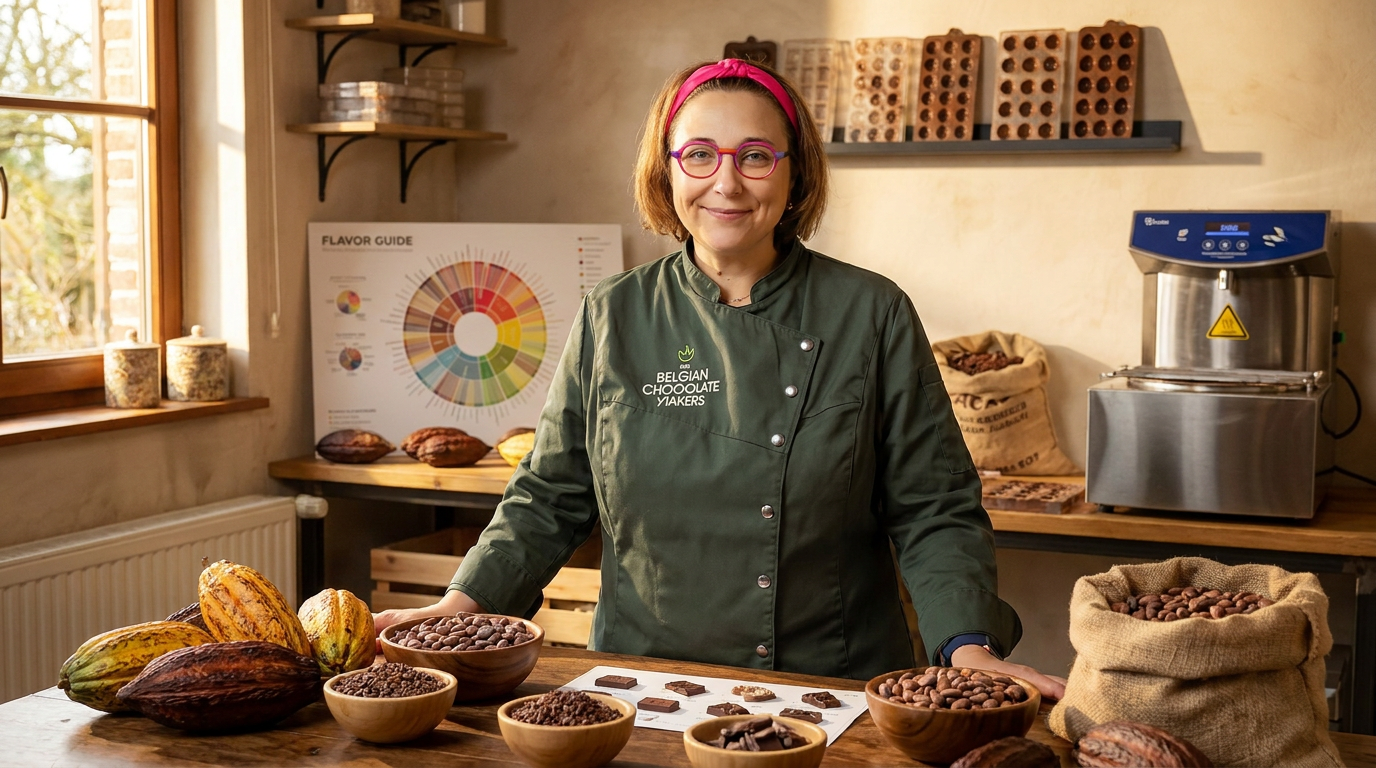
At The Belgian Chocolate Makers, the bean-to-bar process makes these distinctions worth celebrating. Making chocolate in-house allows each origin and recipe to be approached with the attention it deserves, from roasting through the final finish.
The best way to develop your palate is simply to return to it. Taste slowly, keep your descriptions honest, and allow a bar to surprise you. Over time, dark chocolate stops being just dark, sweet, or bitter. It begins to tell a more specific story; one square at a time.