A memorable chocolate gift does more than arrive in a beautiful box. It gives the recipient a taste of care: thoughtful ingredients, skilled making, and flavors chosen with their preferences in mind. Knowing "how to choose artisan chocolate gifts" means looking beyond familiar labels and glossy packaging to find chocolate with a genuine story.
For a birthday, thank-you, holiday, or business gesture, artisan chocolate offers a rare balance of pleasure and meaning. The best choices feel generous without being generic, and refined without becoming difficult to enjoy.
Start with how the chocolate is made
The clearest difference between artisan chocolate and standard confectionery is often found before the chocolate reaches the mold. A true bean-to-bar maker transforms cacao beans into chocolate in its own workshop, managing roasting, grinding, refining, conching, and molding with close attention at every stage.
This level of control matters because each decision affects the finished flavor. Roasting can draw out toasted nuts, red fruit, caramel, or floral notes. Refining determines whether the texture feels silky or coarse. Careful conching softens bitterness and brings the cacao's character into balance. These are not details visible from a ribboned box, but they are details the recipient can taste.
Many excellent chocolatiers create beautiful pralines using purchased couverture, and that can still make a lovely gift. But if the purpose is to give something distinctly crafted, seek makers who explain their process clearly. Terms such as bean-to-bar, small batch, in-house production, and workshop-made should be supported by meaningful information about how the chocolate is produced, not simply used as decoration.
Let cacao origin guide the gift
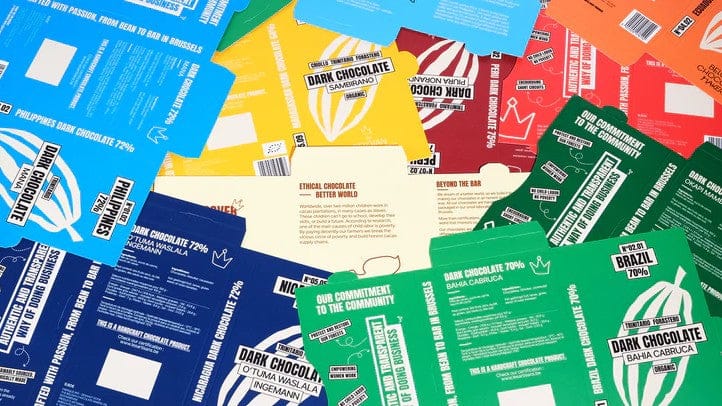
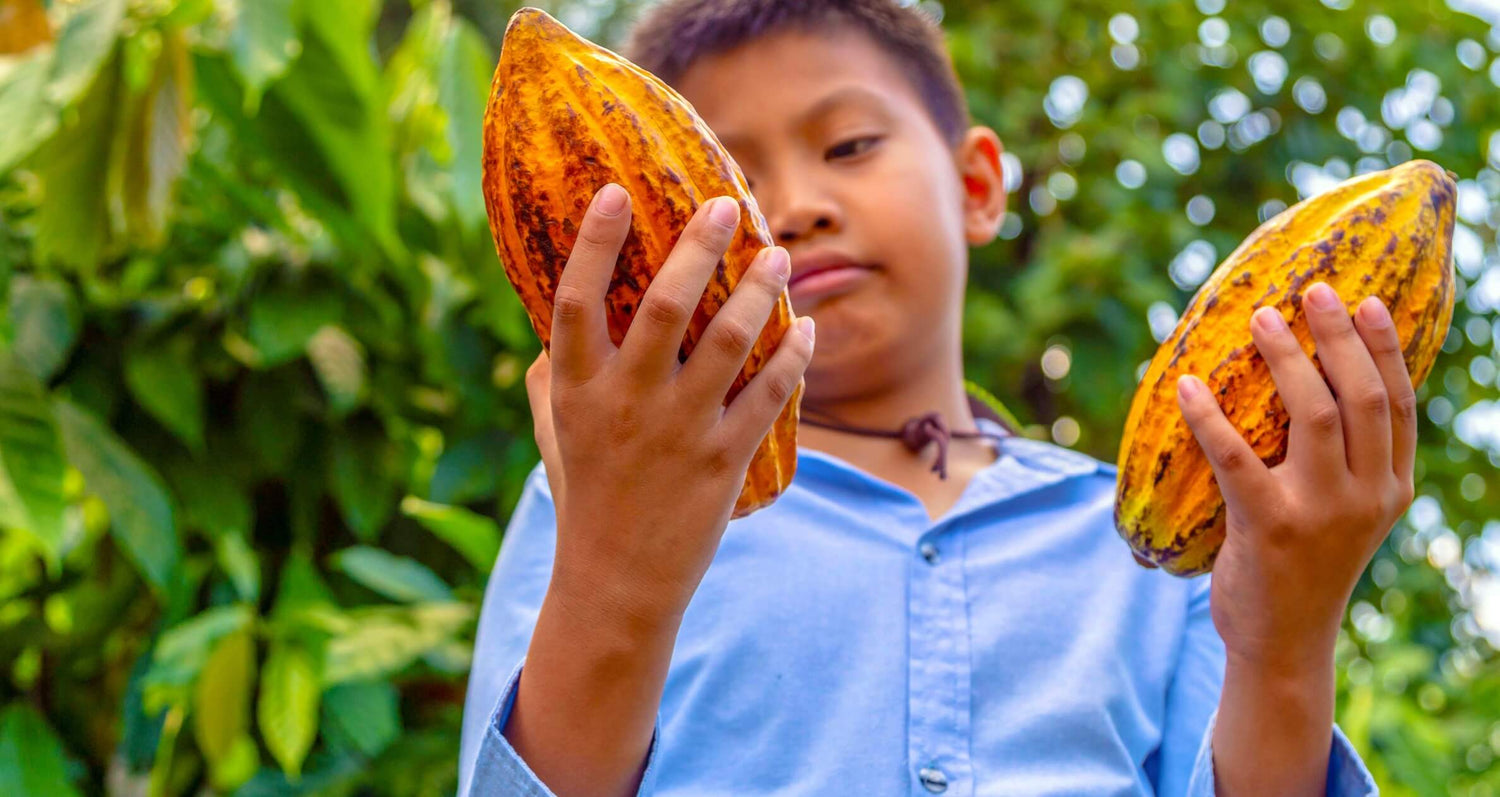
Cacao is as expressive as coffee, wine, or tea. Beans from different growing regions can create markedly different flavor profiles, even when made with the same level of cacao content. A single-origin bar is therefore an especially thoughtful choice for someone who enjoys tasting and comparing fine foods.
Cacao from Madagascar may bring lively citrus and berry notes. Dominican cacao can lean toward warm fruit and nuts, while some Latin American origins reveal caramel, honey, or gentle spice. These are tendencies rather than fixed rules: harvest conditions and the maker's roast profile also shape the result. Still, origin gives a gift a sense of place.
For a curious recipient, choose a selection of single-origin bars rather than one large bar. It creates a tasting experience and invites conversation. For someone who prefers familiar flavors, a well-balanced dark chocolate with notes of nuts, cocoa, or dried fruit may be a safer introduction than a particularly bright or intensely acidic origin.
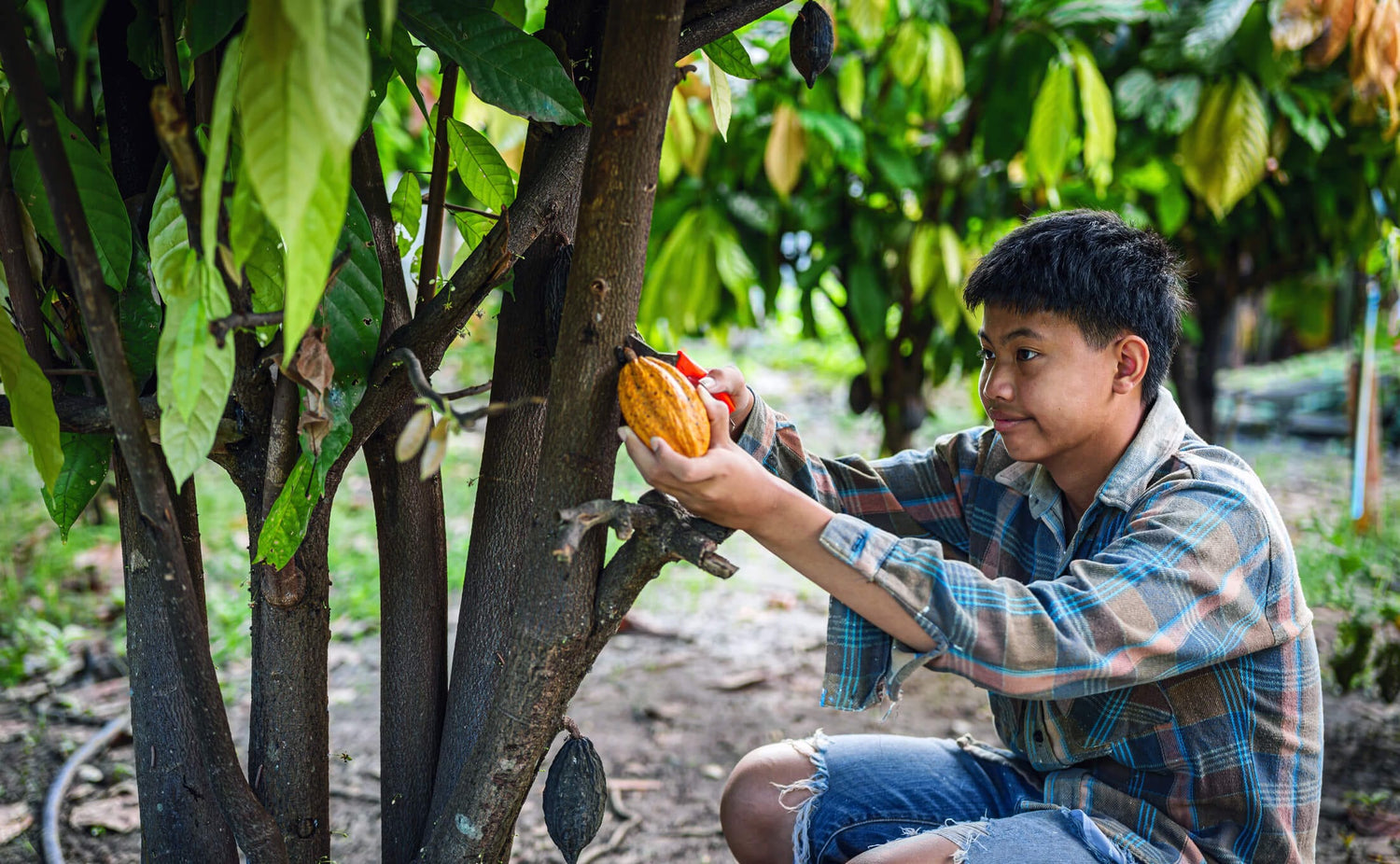
Traceability deserves equal attention. The most meaningful artisan chocolate gifts name the cacao origin and offer some clarity about sourcing. Ethical sourcing is not a decorative claim. It is part of product integrity, connecting the pleasure of the gift to a more responsible relationship with the people and places behind its ingredients.
Match the format to the occasion
A chocolate bar, a praline assortment, and a gift box can all be excellent choices, but they create different experiences. The right format depends on the recipient, the occasion, and whether the gift will be enjoyed privately or shared.
Bars are ideal for chocolate lovers who appreciate cacao itself. They travel well, keep well when stored properly, and make a refined addition to a larger gift. Single-origin bars also suit hosts, colleagues, and clients when you want a gesture that is polished but not overly personal.
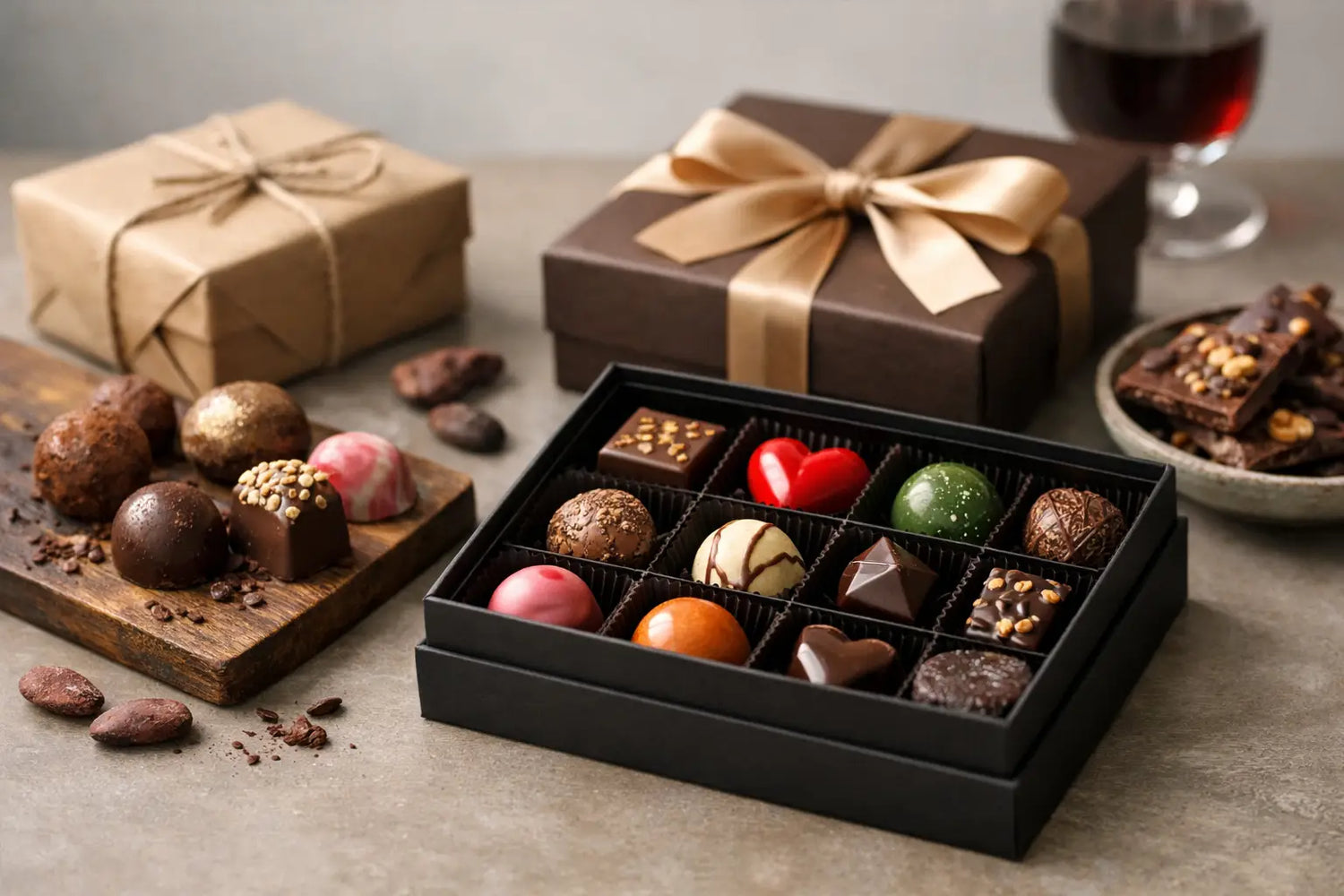
Pralines and truffles offer more variety and immediate occasion. Their fillings can include ganache, nuts, fruit, coffee, spice, or liqueur, making them well suited to celebrations and intimate gifts. Because fillings are often more perishable than solid chocolate, freshness matters. Choose a maker that produces in considered quantities and provides sensible storage guidance.
For a dinner host or family celebration, mendiants and sharing assortments are particularly generous. Their combination of chocolate, fruits, and nuts offers texture as well as flavor. Spreads can be a thoughtful alternative for a recipient who enjoys breakfast rituals, baking, or serving something special with guests.
Choose flavors with confidence, not guesswork
Gift buying becomes easier when you think about flavor in broad preferences rather than trying to predict every favorite. Does the recipient like dark coffee, roasted nuts, berry desserts, salted caramel, or delicate milk chocolate? Those clues are more useful than selecting the most elaborate-looking assortment.
For dark chocolate enthusiasts, look for bars or ganaches with a clear cacao character and a percentage that suits their palate. Higher cacao percentages are not automatically better. An 85% bar can be magnificent for one person and overly austere for another, while a beautifully made 65% to 75% dark chocolate may offer more balance and complexity.
Milk chocolate should not be treated as a lesser option. In the hands of a skilled maker, it can be deeply nuanced, with notes of biscuit, malt, toasted dairy, or caramel alongside cacao. It is often the right choice for recipients who prefer a rounder, softer flavor profile.
If you do not know the recipient well, choose a carefully edited mixed selection. A balance of dark and milk chocolate, classic nut or caramel fillings, and one or two more distinctive pieces gives them variety without making the gift feel like a gamble. Avoid an assortment built entirely around highly polarizing ingredients such as strong alcohol, chili, rose, or very bitter cacao unless you know those flavors will be welcomed.
How to choose artisan chocolate gifts for dietary needs
A premium gift should be easy to enjoy. Before choosing, consider allergies, dietary preferences, and ingredients that may matter to the recipient. Nuts, milk, gluten, soy, alcohol, and certain fruit ingredients can all be relevant, particularly in praline assortments where cross-contact may occur.
Do not assume dark chocolate is dairy-free or that a product without visible wheat is gluten-free. Read the maker's ingredient and allergen information carefully. If a recipient follows a vegan diet, confirm that both the chocolate and any fillings are free from dairy and other animal-derived ingredients. If allergies are severe, the safest and kindest choice may be to ask directly rather than make an assumption.
Sugar preferences also deserve nuance. A lower-sugar product may suit some recipients, but it is not necessarily a better gift for everyone. Fine chocolate is meant to be enjoyed in moderation and with attention. For many people, a small selection made with excellent ingredients is more satisfying than a larger quantity designed around a marketing claim.
Presentation should support the product
Presentation matters because gifting is emotional. A well-designed box, careful wrapping, and an origin card can make a small selection feel ceremonial. Yet packaging should enhance the chocolate rather than distract from it.
Look for presentation that feels considered and appropriate to the occasion. A sleek box suits a professional thank-you or corporate gift. Seasonal details can make a holiday offering feel timely. For a close friend or partner, an assortment that includes a personal favorite flavor can be more meaningful than the largest available collection.
Practicality counts, especially when sending chocolate across distances. Consider climate, transit time, and the recipient's ability to receive the package promptly. Chocolate is sensitive to heat and humidity. A gift that arrives in perfect condition is more valuable than one chosen only for dramatic presentation.
Give Belgian craft with a clear story
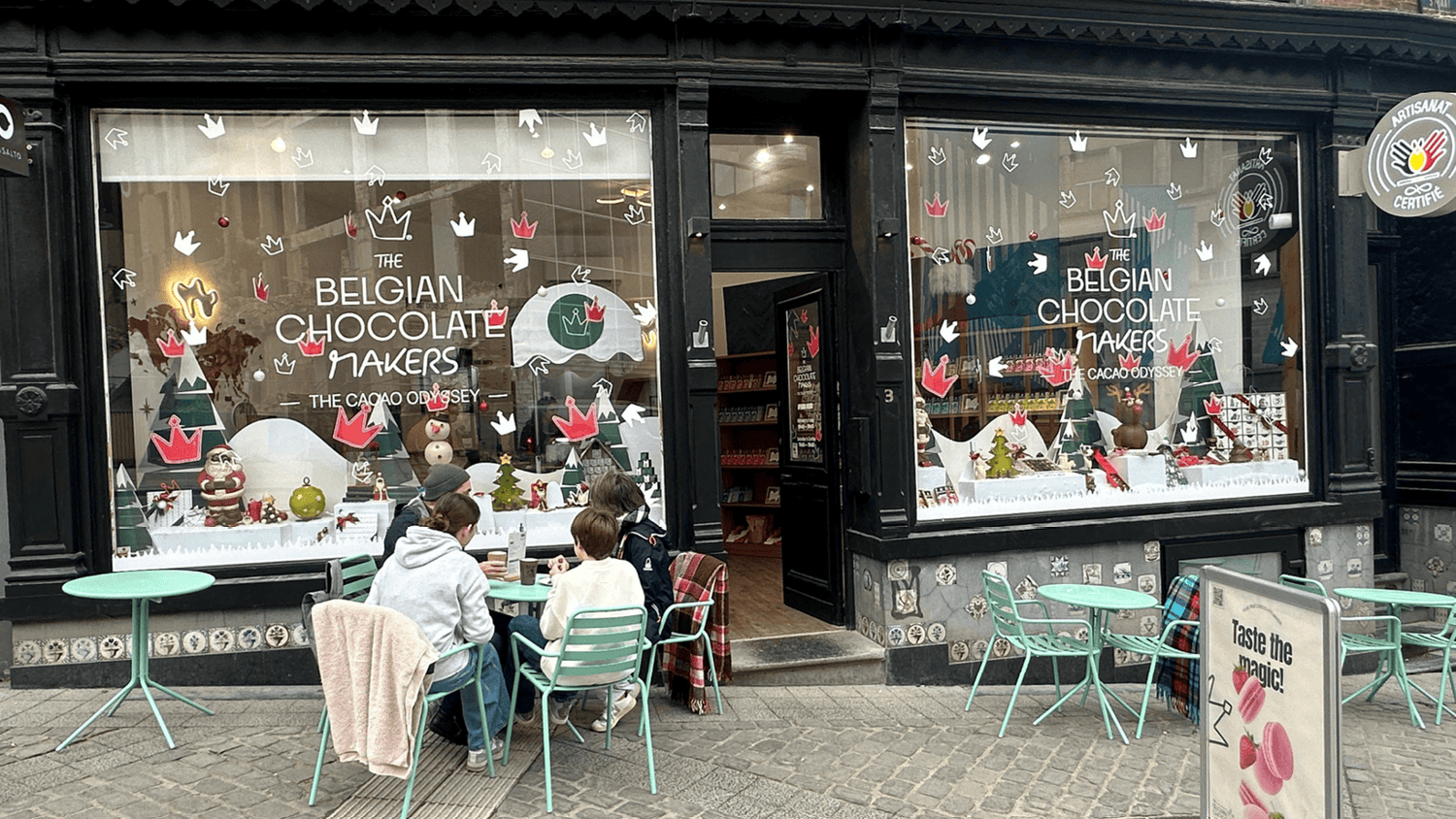
Belgian chocolate heritage carries real weight, but it is worth asking what sits behind the name. The most compelling modern Belgian gifts honor traditional expertise while showing exactly how chocolate is made and where its cacao begins. At The Belgian Chocolate Makers, this means transforming carefully sourced beans in a central Brussels workshop, then using that chocolate across bars, pralines, truffles, and gift formats.
That combination of provenance and craftsmanship makes the gift feel specific. It is not merely a box of chocolate from Belgium. It is an invitation to taste cacao shaped by a maker's own hands, with a connection to both origin and place.
A thoughtful gift leaves room for discovery
The best artisan chocolate gift does not need to impress through excess. It may be two exceptional bars chosen for a curious palate, a fresh praline selection for a celebration, or a sharing box that turns an ordinary evening into a small occasion.
Choose chocolate made with care, presented with purpose, and suited to the person receiving it. Then encourage them to taste slowly: one piece, one square, and one origin story at a time.