How to choose a single-origin chocolate bar: A tasting guide with the Philippines Luna 70% by The Belgian Chocolate Makers
Single-origin chocolate is more than a flavor; it's a conversation with climate, soil, and the careful work of farmers, fermenters, and roasters. When you pick a bar that proclaims a single origin, you invite a tiny map into your mouth; an opportunity to track terroir from cacao pod to your palate. In this guide, we explore what makes a single-origin bar special, how to read a label, and how to taste deliberately, using the Philippines Luna 70% as a practical example from The Belgian Chocolate Makers.
What makes single-origin chocolate distinctive
Most mainstream chocolate blends combine beans from multiple farms or regions. The result is a broad flavor palette that aims to be crowd-pleasing but can lack specific character. Single-origin bars foreground the unique fingerprint of a place: the soil composition, elevation, fermentation style, and roast. These elements interact to create a flavor that can be surprisingly expressive. For chocolate lovers, the extra information in the label can be a passport: the country of origin, sometimes the region, and even the origin farm or cooperative. As you become more comfortable with these signals, you’ll notice how a single origin can shift in flavor with the seasons or with a different harvest.
Introducing the Philippines Luna 70%: origin, technique, and flavor philosophy
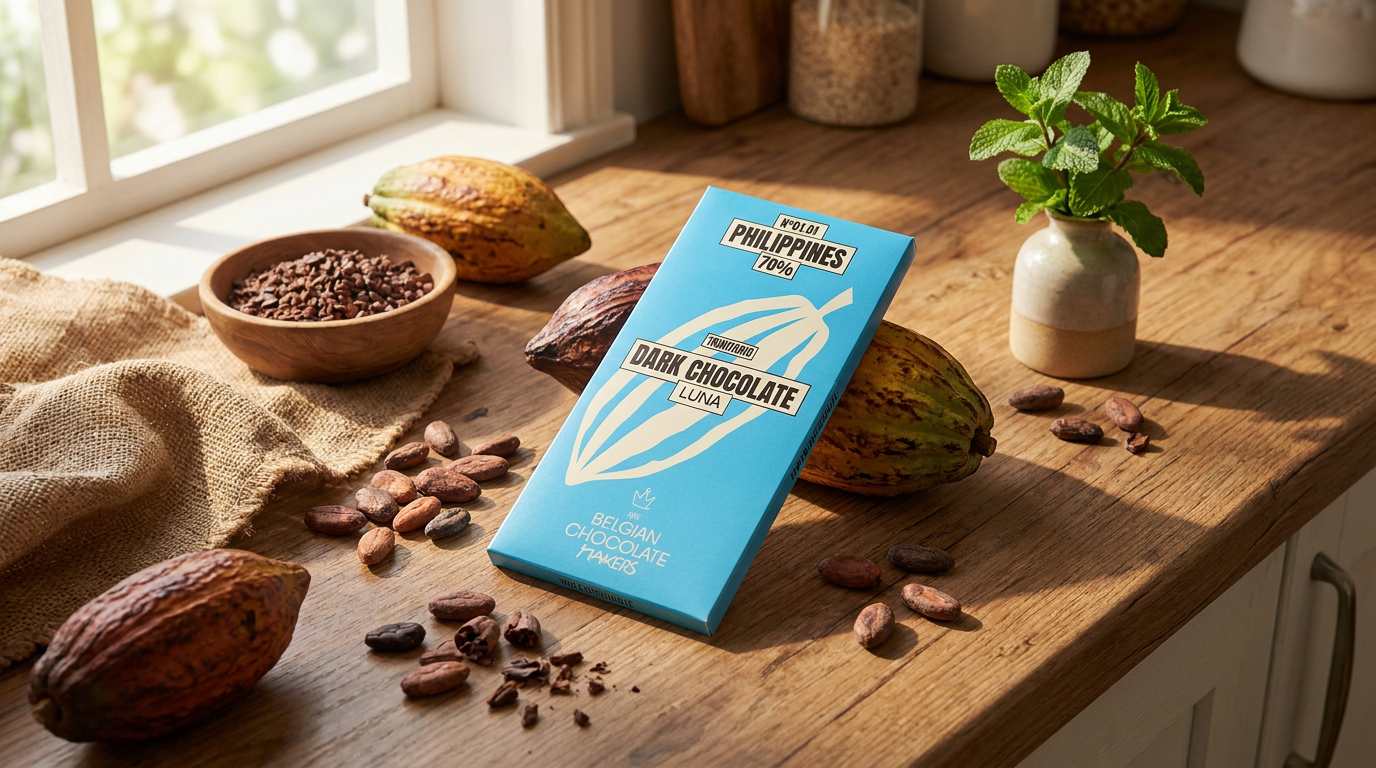
The Philippines Luna 70% is described as an exclusive single-origin creation handcrafted in Brussels by The Belgian Chocolate Makers. This bar uses cacao grown in the Philippines, offering rare beans with elegant tropical notes and refined depth. The official tasting notes speak of fruity, wild flowers, and spicy dimensions, balanced by a gentle sweetness. In practice, Philippines Luna 70% tends to present a bright fruit character layered with floral hints and a warm spice that lingers after each bite. This profile reflects deliberate fermentation choices and a conscientious roasting approach designed to preserve the delicate aromatics of the origin while delivering a comfortable cacao punch at 70% cacao.
What to look for in the label and packaging
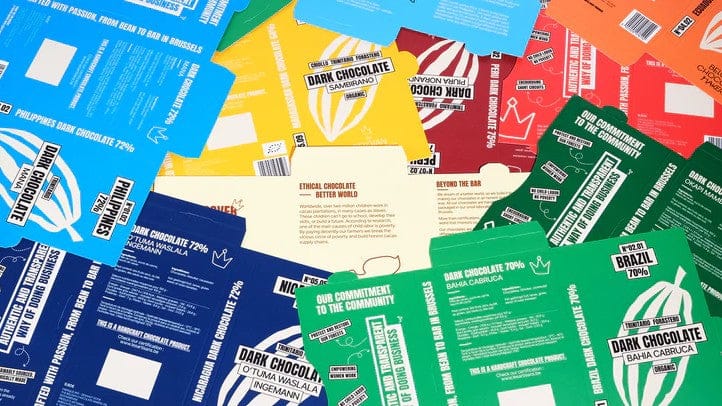
Beyond the cacao percentage, the packaging can signal several important aspects: the bean origin (country or region), the maker’s philosophical stance on sustainability, and information about fermentation and roast. A well-documented single-origin bar often lists the cacao type (for instance, Criollo, Trinitario or a blend), the altitude or farm, and sometimes the harvest month or year. While this information is not always exhaustive for every product, it is a helpful baseline for comparing bars. For Phlippines Luna 70%, the emphasis on a single origin and handcrafted process suggests a careful curation of beans and a roast that preserves brightness rather than obscuring it with excessive heat.
Tasting guide: how to taste a single-origin bar with Luna 70%
Guided tasting helps you map flavor to origin and technique. Here is a practical approach you can apply to Philippines Luna 70% or any similar bar:
- Look: Hold the bar up to light. You may notice a glossy surface with an even snap, and the color can range from deep mahogany to rich cocoa brown. The cut edges should be clean, indicating careful tempering.
- Smell: Break a piece and inhale. Good single-origin bars release an immediate aroma of fruit, floral notes, or spice; sometimes a delicate tropical sweetness. The aroma is often a reliable predictor of the taste you will experience on the palate.
- Snap and melt: Place a small shard on your tongue and let it melt without chewing. The melt rate reveals the fat content and temper quality; a smooth melt suggests proper crystal formation and a balanced finish.
- Taste: Start with a light tasting note. Philippines Luna 70% is likely to present fruity brightness and tropical influences, followed by floral undertones and spices. As the chocolate settles, you might detect a refined depth that adds length to the finish, with a subtle sweetness that never overwhelms the cacao character.
- Finish: Notice the aftertaste. A high-quality single-origin bar often leaves a clean finish with lingering spice or a gentle fruit echo. The degree to which the flavors fade or persist can tell you about bean quality and roast level.
As you practice, keep a little notebook of your impressions. You don’t need to be a trained sommelier of chocolate to appreciate how a single-origin bar like Philippines Luna 70% can reveal itself over several tastings. Chocolate tasting is a practice in mindfulness as much as it is in flavor recognition.
In the world of chocolate, origin matters, but so does method. A bar that claims single-origin status is also a product of how that origin is treated after harvest; the fermentation technique, the thickness of the cut, the roasting temperature and duration, and the conching time. These steps influence texture, aroma, and flavor clarity. Philippines Luna 70% demonstrates the balance that a thoughtful process can achieve: a chocolate that respects its origin while delivering a pleasurable, accessible sweetness at a 70% cacao level.
How to read a chocolate label to understand origin and quality
Reading a label requires a little practice. While not every producer will publish exhaustive details, the following signals are useful when evaluating a single-origin bar:
- Cacao percentage: Higher percentages emphasize bitterness and chocolate character; lower percentages emphasize sweetness and dairy-like profiles. Sixty to 75 percent is a common range for dark single-origin bars, though there are notable exceptions at both ends.
- Origin specificity: A bar that names a country alone is still informative, but a more precise origin (region, farm) adds depth.
- Bean type and fermentation notes: Terms like fermentation profile, roast level, and bean variety offer clues about flavor outcomes.
- Company philosophy: Indications of ethical sourcing, farmer partnerships, and sustainability programs reflect how the chocolate was produced and who benefited from it.
Pairings, serving suggestions, and how to enjoy Luna 70%
Chocolate tasting benefits from deliberate pairings that echo or gently contrast the tasting notes. For Philippines Luna 70%, consider these ideas:
- Fruit pairings: Tropical fruits like mango, passion fruit, or pineapple can echo the bar’s fruit-forward notes.
- Wine and beverages: A lighter red wine, such as Pinot Noir, can complement the fruit and floral nuances without overpowering the chocolate. Alternatively, a strong espresso can highlight the chocolate’s depth and spice.
- Nut and dairy pairings: A touch of almond or hazelnut can enhance the bar’s sweetness and texture. A small piece of aged cheese can offer a surprising counterpoint to the cacao’s savory edges.
Serving temperature matters. Slightly below room temperature (around 18-20°C / 64-68°F) keeps the aroma vibrant and the snap crisp. If you’re curious to compare Philippines Luna 70% with other bars, you can note how the tropical brightness shifts as the chocolate cools or as you work through different mouthfeel experiences.
Storage is also a part of enjoyment. Keep chocolate away from heat, sunlight, and strong odors. Store it in a cool, dry place with stable temperatures. Avoid refridgeration, which can induce moisture migration and dull the snap; if you must refrigerate, seal in an airtight container and allow it to come back to room temperature before tasting.
Choosing a single-origin bar: tips for shoppers
Whether you are new to single-origin chocolate or a seasoned taster, here are practical tips to help you select a bar that will deliver a satisfying experience over multiple tastings:
- Define your goals: Do you want a bar primarily for bitter chocolate intensity, fruit-forward brightness, or floral complexity? Bars like Philippines Luna 70% can offer a balanced profile that satisfies multiple goals.
- Consider the origin and harvest window: Some origins have more distinctive flavor profiles depending on the harvest year. If you enjoy seasonal variability, look for bars that provide harvest or origin details.
- Assess the roast level: A gentle to medium roast often preserves delicate fruit and floral notes, while a darker roast can intensify bitterness and smoky tones.
- Check the craftsmanship: Look for explicit references to tempering quality and a smooth finish on the palate. A well-tempered bar will melt evenly and deliver clean flavors without greasy aftertastes.
- Look at provenance and ethics: If supporting farmers and sustainable practices matters to you, read about the sourcing approach and certifications that the maker highlights.
For Philippines Luna 70%, the combination of origin-specific cacao and a refined Brussels craft approach illustrates how a single-origin bar can be both adventurous and approachable. It’s a useful example when you compare a variety of bars across different origins, roast levels, and cacao percentages.
In conclusion, appreciating a single-origin chocolate bar is a journey of curiosity. By examining origin details, practicing mindful tasting, and experimenting with pairings, you can build a nuanced palate and a deeper respect for the people and processes behind your chocolate. The Philippines Luna 70% stands as a compelling case study: a rare origin, thoughtfully roasted, and designed to reward repeated tasting with evolving notes.