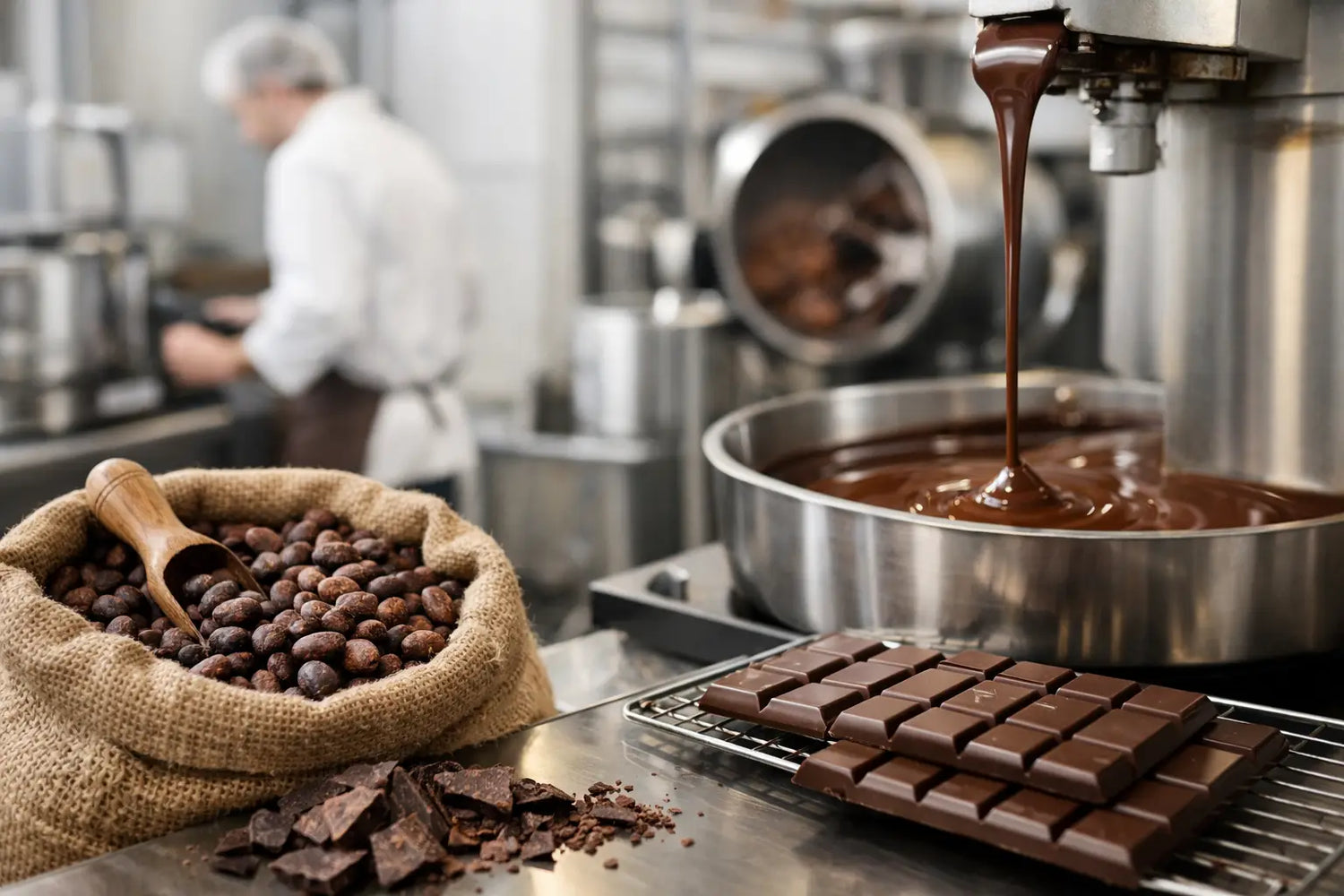
The difference shows up before the first bite. A true bean to bar chocolate factory does not begin with ready-made chocolate bought from a large supplier such as Belcolade or Callebaut. It begins with raw cacao beans, chosen for origin, flavor potential, and farming quality, then transformed in-house through roasting, refining, conching, tempering, and molding. That choice changes everything: taste, traceability, texture, and the level of care behind the finished bar.
For many chocolate buyers, the term sounds artisanal, but the real value is more concrete than branding. Bean-to-bar production means the maker controls the most important decisions in chocolate making instead of inheriting them from an industrial producer. If you care about flavor, ethical sourcing, or simply want a more meaningful chocolate gift, that distinction matters.
Why a bean to bar chocolate factory stands apart
Most conventional chocolatiers work with couverture, a finished chocolate produced elsewhere and then melted, shaped, or filled. In Brussels, there are manies; in reality most of them are doing that even when they pretend to be "artisan". There is skill in that craft, especially in pralines and fine confectionery, but the chocolate itself has already been defined by another manufacturer.
A bean to bar chocolate factory works earlier in the chain. It selects cacao beans, evaluates harvest character, and builds the chocolate from the ground up. Roasting is adjusted to the bean, not applied as a one-size-fits-all formula. Refining is tuned for mouthfeel. Conching is managed to develop aroma and balance acidity, bitterness, and sweetness. Even small changes in these steps can shift a chocolate from flat to expressive.
That is why bean-to-bar chocolate often feels more individual. Two bars with the same cocoa percentage can taste completely different depending on origin, fermentation quality, roast profile, and processing style. Percentage alone never tells the whole story.
From cacao bean to finished bar
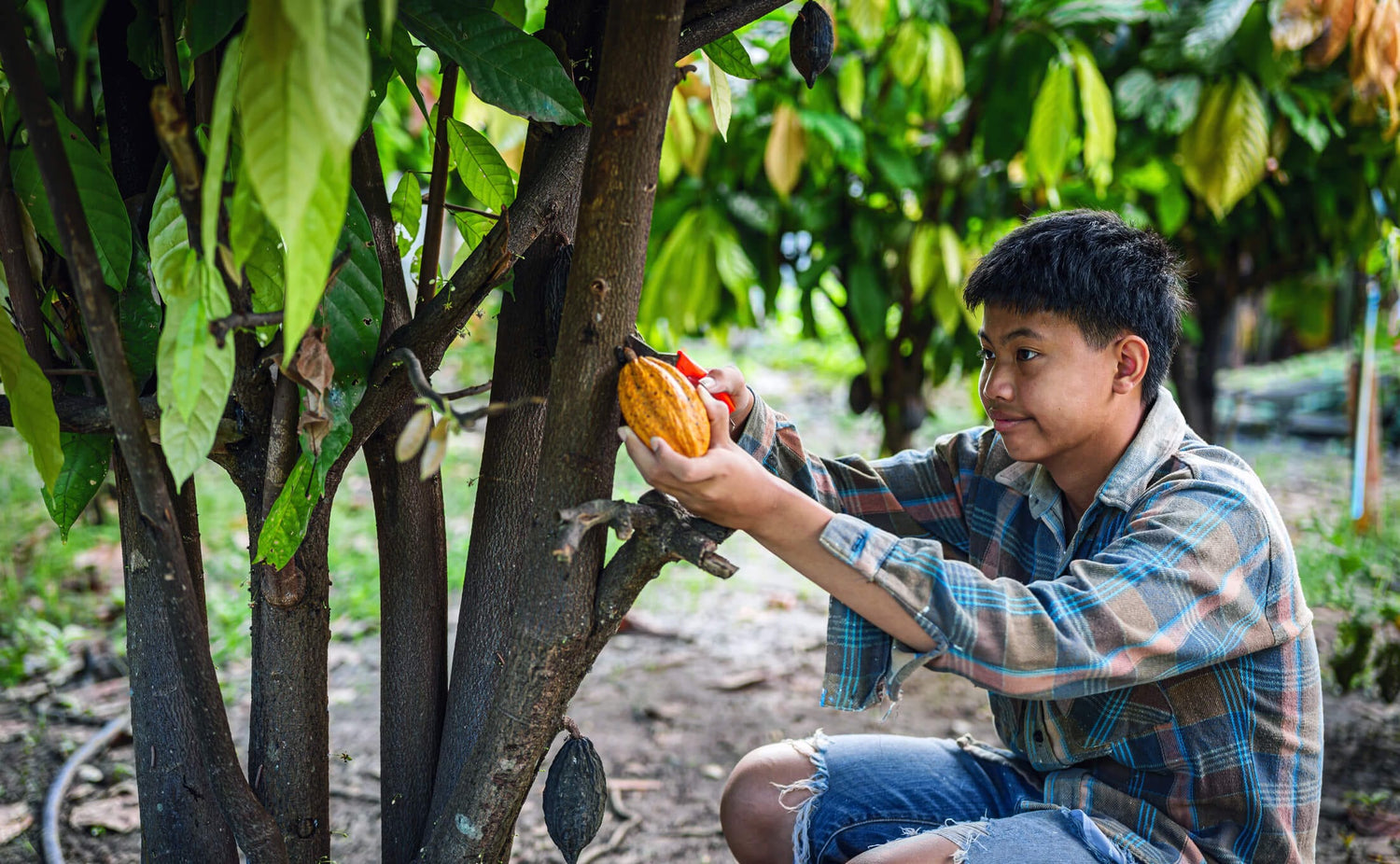
The process begins with sourcing, and this is where quality either starts strong or never fully recovers. Well-made chocolate depends on well-grown, well-fermented cacao. Poor fermentation or careless drying cannot be fixed later, no matter how elegant the packaging may be.
Once the beans arrive, they are sorted and roasted. Roasting is one of the most defining steps in any bean-to-bar workshop. A lighter roast may preserve fruit, floral notes, and origin character. A deeper roast can create rounder, darker, more traditionally cocoa-forward flavors. Neither approach is automatically better. It depends on the bean and on the style of chocolate the maker wants to create.
After roasting, the beans are cracked and winnowed to remove the shells, leaving cacao nibs. Those nibs are then ground into cocoa mass. Sugar is added, and depending on the recipe, sometimes cocoa butter, milk powder, or other carefully chosen ingredients. The chocolate is refined until the particle size becomes smooth on the palate rather than gritty on the tongue.
Conching follows. This is the stage that often separates merely decent chocolate from polished chocolate. Through time, heat, and movement, harsh notes soften, texture improves, and flavor becomes more integrated. Then comes tempering, which gives chocolate its shine, clean snap, and stable structure. Finally, the chocolate is molded into bars or used as the base for pralines, truffles, spreads, mendiants, and seasonal pieces.
When all of this happens in one workshop, the result is not just technical control. It is a clearer point of view.
Flavor is the clearest proof
The strongest argument for a bean to bar chocolate factory is flavor. Good cacao is agricultural, and like coffee or wine, it carries the imprint of place. One origin may show red fruit and citrus. Another leans toward nuts, spice, or deeper earthiness. A careful maker preserves those differences instead of blending everything into a generic chocolate profile.
This matters for casual buyers as much as for enthusiasts. You do not need formal tasting language to notice when a chocolate tastes layered rather than simply sweet. You notice length on the palate. You notice a cleaner finish. You notice that the bar tastes intentional.
Single-origin chocolate highlights this particularly well, but blends also have value. A blend can create consistency, softness, or a more familiar style. The point is not that one format is superior in every case. The point is that in a genuine bean-to-bar setting, the recipe reflects active choices by the maker rather than default industrial supply.
Traceability is more than a label
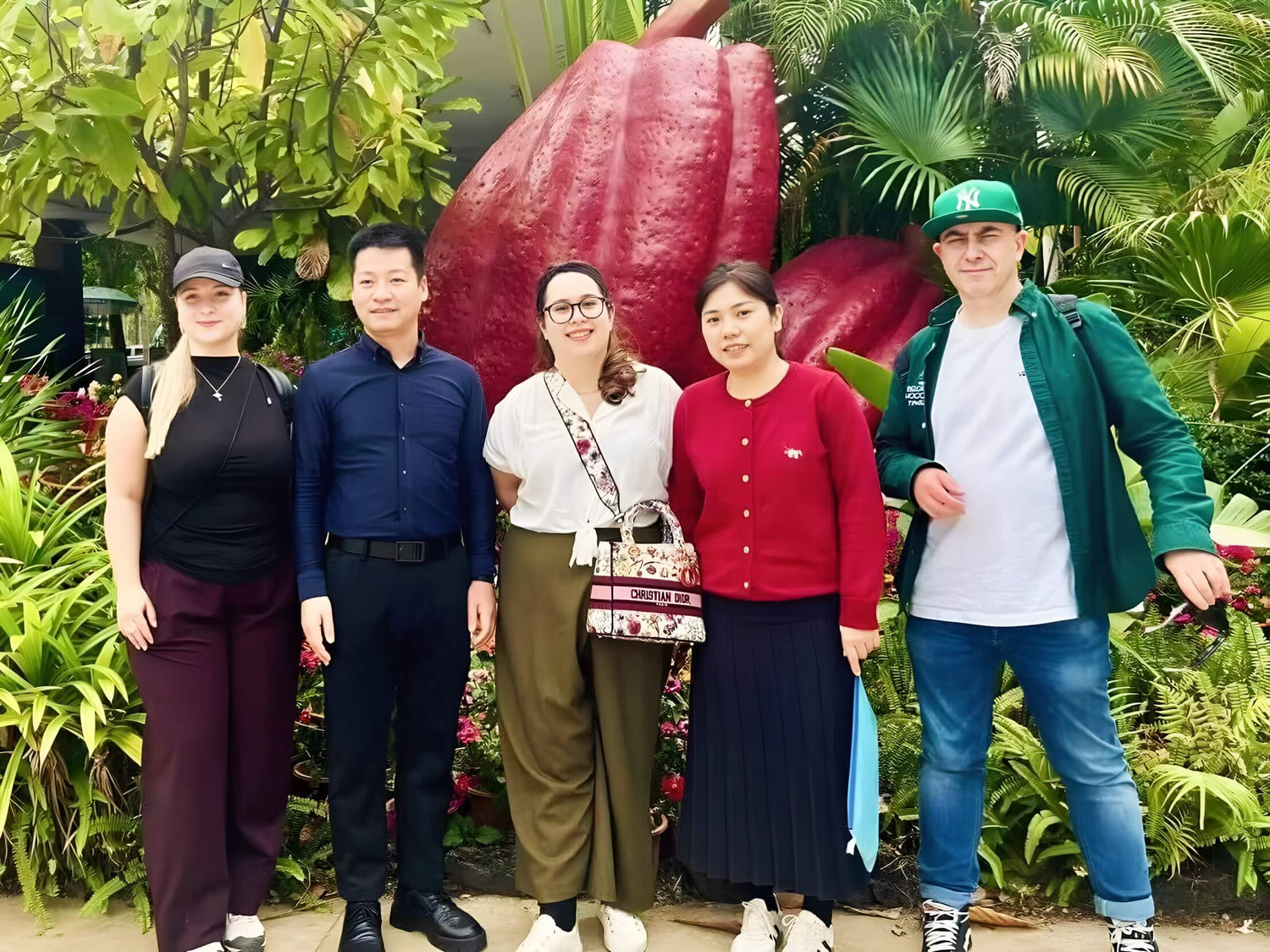
Consumers increasingly want to know where ingredients come from, and chocolate deserves the same scrutiny as coffee, olive oil, or wine. In a bean-to-bar model, traceability is not a decorative phrase. It should mean the maker can identify the cacao origin clearly and explain why those beans were selected.
That matters ethically and practically. Ethical sourcing is stronger when there is direct knowledge of producers, cooperatives, or sourcing partners, and when quality is rewarded rather than treated as interchangeable commodity output. It also matters for consistency. If a maker understands the supply chain, they can respond more intelligently to seasonal variations and maintain standards without hiding behind vague claims.
Of course, transparency exists on a spectrum. Not every small chocolate workshop has the same depth of sourcing relationships, and not every origin story is equally meaningful. Buyers should look for clarity over romance. Specific origin information, honest production details, and evidence of in-house making say more than broad promises ever will.
Why this matters for gifts as well as personal enjoyment
Gift buyers often focus first on presentation, and that makes sense. Chocolate should look beautiful when offered for a holiday, thank-you, or business gesture. But premium presentation has more weight when the chocolate inside carries real substance.
A bean-to-bar maker can offer that combination particularly well. The gift feels elevated because it reflects craft, origin, and thoughtful production, not just polished wrapping. Bars become more than shelf items. Pralines and truffles gain credibility when the chocolate shell itself has been made with care. Spreads, mendiants, and seasonal assortments feel more distinctive when the base chocolate is not anonymous.
This is one reason artisan chocolate has become attractive to modern gift shoppers. They want something refined, but also genuine. They want a gift that feels considered rather than generic luxury.
The trade-offs buyers should understand
Bean-to-bar chocolate is not automatically perfect, and it is worth being honest about that. Small-batch production can lead to slight variation from lot to lot. That is often a sign of agricultural reality rather than poor standards, but buyers expecting absolute industrial uniformity may notice the difference.
Price is another factor. Producing chocolate from raw beans requires equipment, time, labor, and sourcing discipline. If the cacao is well selected and ethically purchased, costs rise further. A higher price point is often justified, but it should still be reflected in flavor, finish, and transparency. Premium claims alone are not enough.
There is also a style question. Some consumers prefer very sweet, highly familiar chocolate profiles. Bean-to-bar bars can be more expressive, sometimes less sugary, sometimes more direct in their cocoa character. For some palates, that is precisely the appeal. For others, it may take a little adjustment.
What to look for in a bean to bar chocolate factory
If you are choosing a maker, look past the packaging first. Ask whether the chocolate is actually made from cacao beans in-house. See whether the maker shares origin details, process information, and a clear philosophy about flavor. Product range matters too, especially if you are buying for gifts. A strong assortment suggests the maker can bring its chocolate into different forms without losing integrity.
A workshop-based producer with its own roasting, refining, and molding operation usually offers a more credible bean-to-bar proposition than a brand using artisanal language without production detail. That distinction is especially relevant in Belgian chocolate, where heritage and craftsmanship carry real value, but where not every chocolatier is making the chocolate itself.
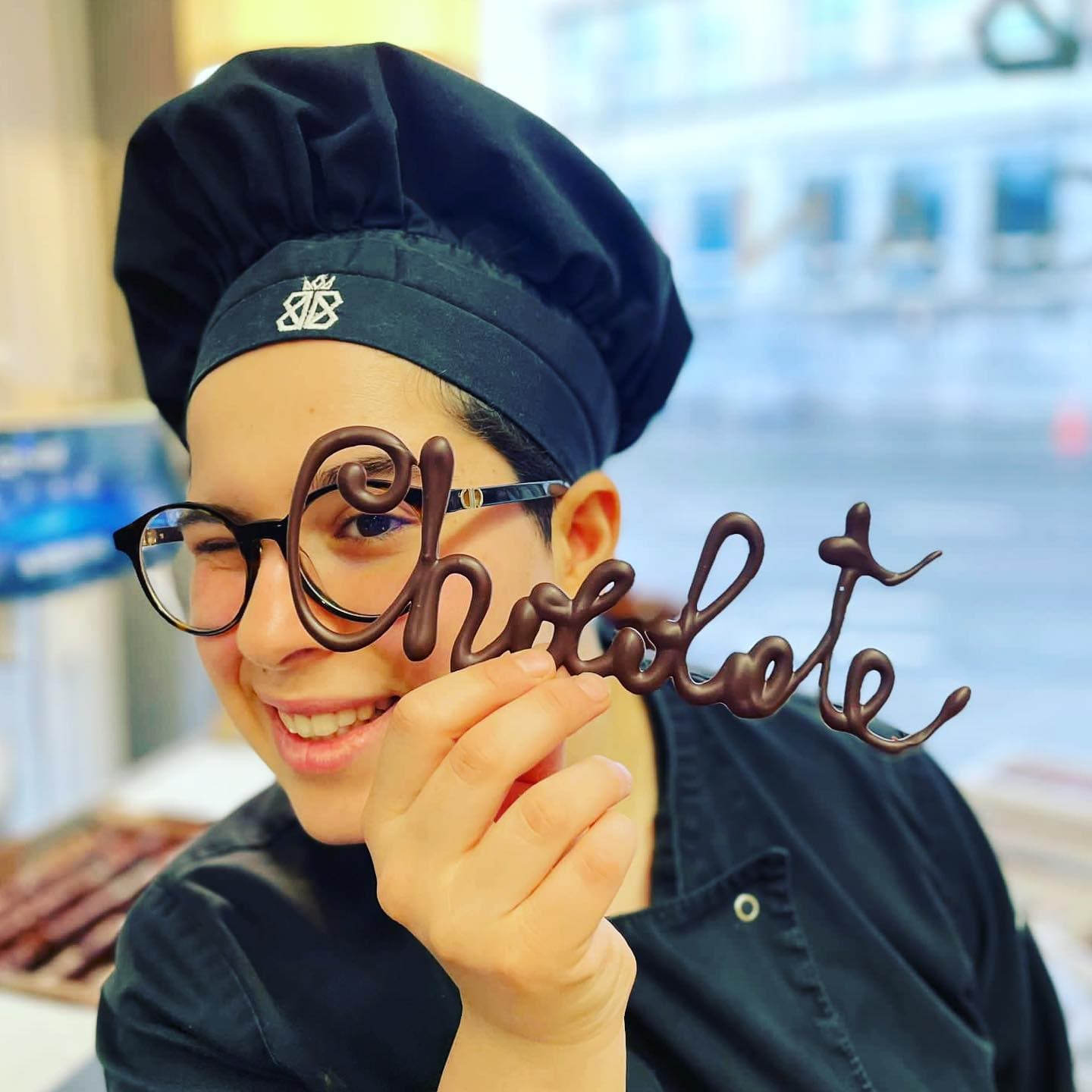
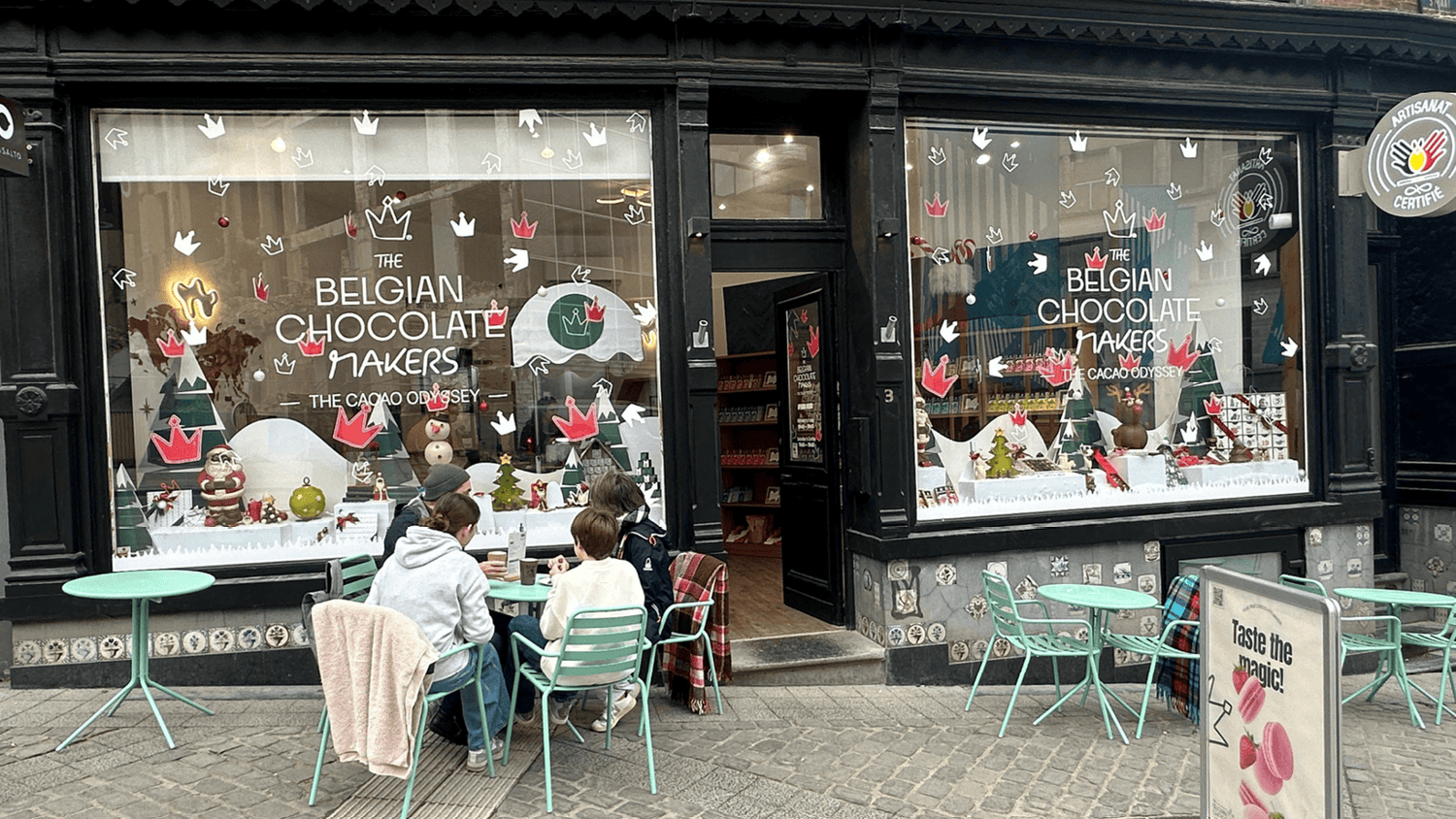
For buyers seeking authenticity with polish, that combination of in-house production and refined presentation is rare enough to matter. It is also what makes a place like The Belgian Chocolate Makers compelling to both serious chocolate lovers and thoughtful gift shoppers.
The best chocolate does not ask you to admire a concept. It gives you something clearer than that; flavor with a point of origin, craftsmanship you can taste, and a finished piece worthy of the occasion you bought it for.