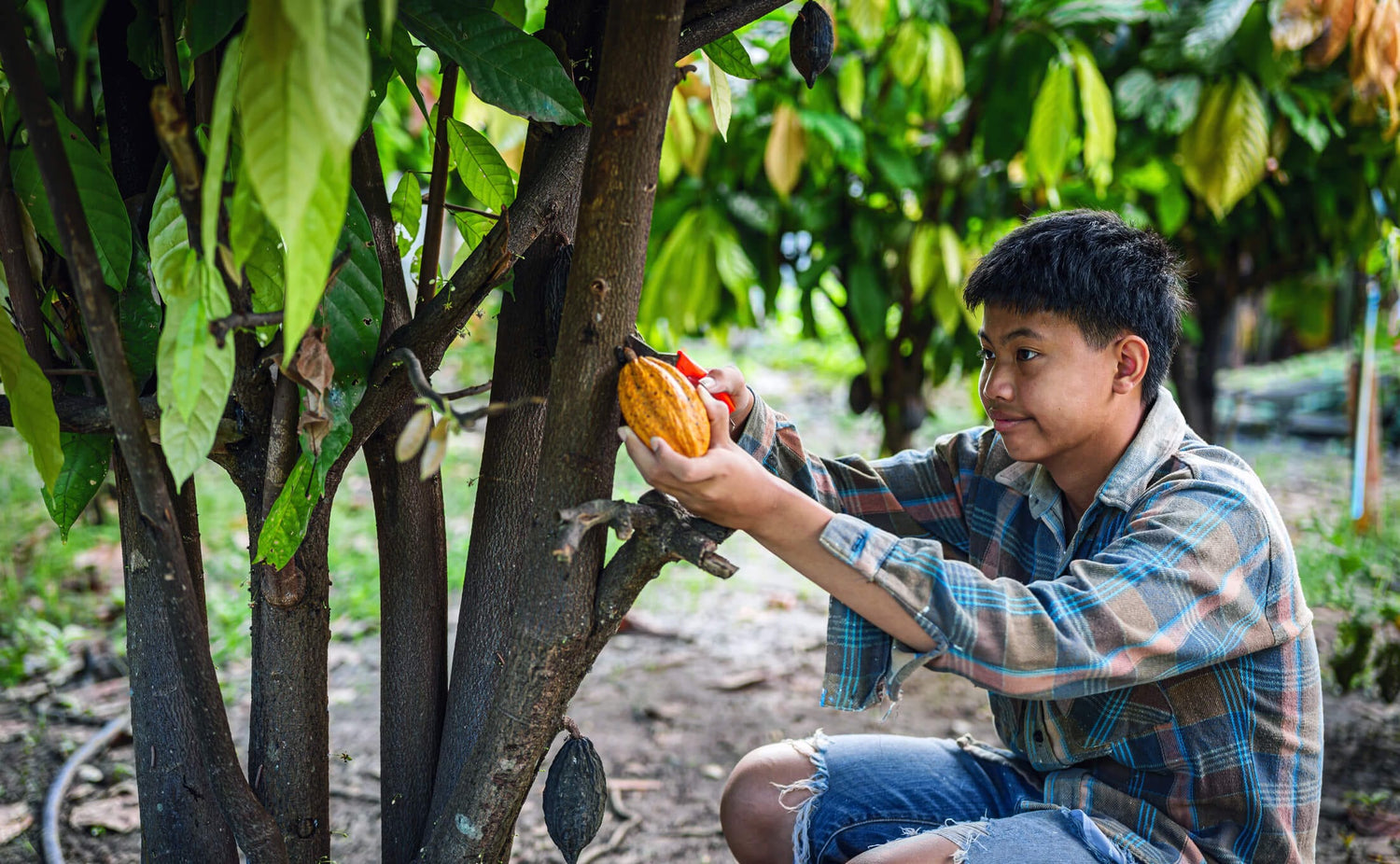
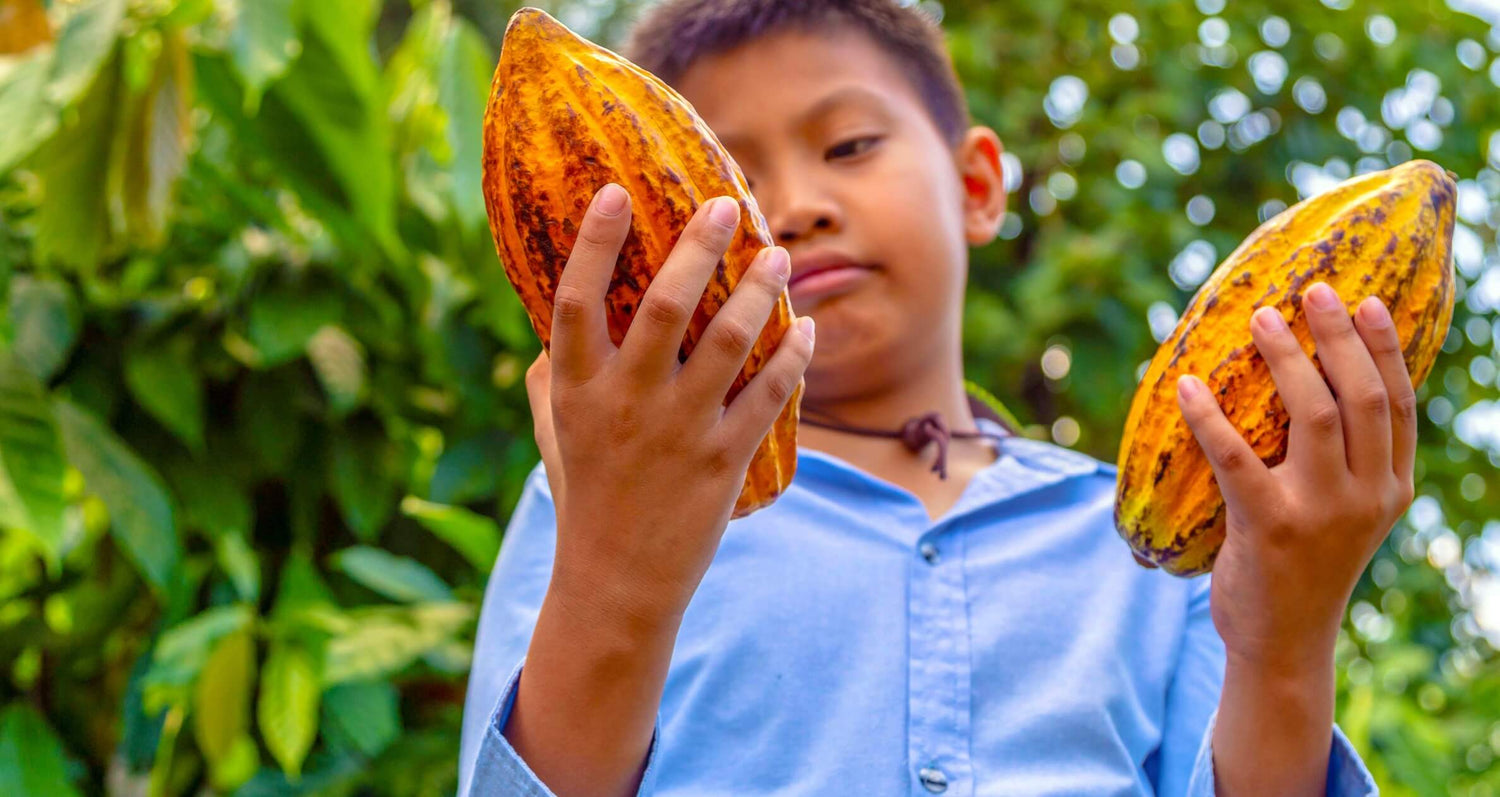
Cacao with a true and honest identity
Sourced and traceable cacao

We are part of The Finest Chocolatiers Selection of Gault&Millau Belgium.
Most of our chocolates are handcrafted directly from carefully selected cacao beans sourced from exceptional terroirs around the world, particularly from the Philippines, Congo, Haiti, Ecuador and even from China. Each origin is chosen not only for the quality of its beans, but also for the people, traditions, and ecosystems behind them. By working closely with producers and trusted sourcing partners, we ensure that every cacao bean reflects both authenticity and ethical values.
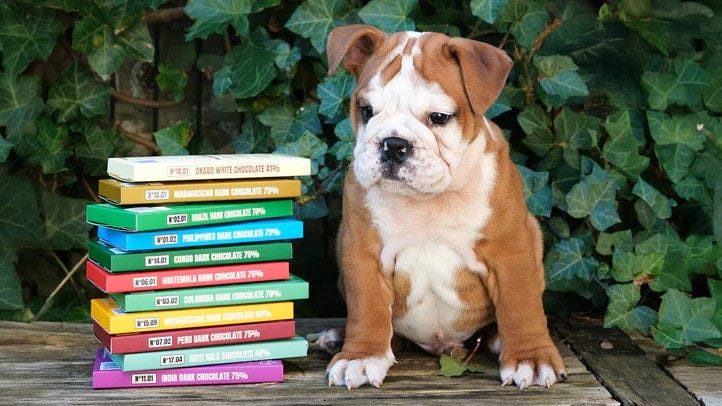
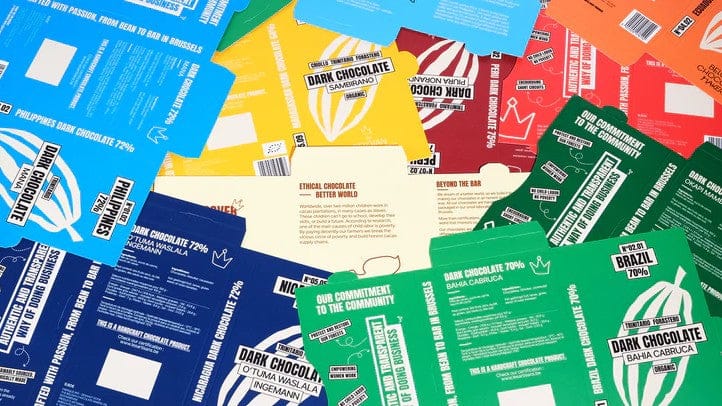
Beyond our classic creations, we have developed a special collection of “Pure Origin” chocolate bars, crafted exclusively from beans originating from strictly controlled and traceable plantations. These bars are designed to showcase the true identity of each terroir, allowing chocolate lovers to discover how geography, climate, soil, and local know-how influence the flavor of cacao in much the same way as wine reflects its vineyard.
In close collaboration with our long-standing importer and cacao expert Silva Cacao, but also with Cacao Team, Nahu, Daarnhouwer, Origen Ecuador, Cacao Life and other great sourcers, we carefully selected more than twenty remarkable cacao origins from across the globe to create this unique collection. Each chocolate bar contains 75% cacao, creating a common foundation that allows the true personality of each origin to fully express itself.
Yet despite sharing the exact same cacao percentage, no two bars taste alike.
Some origins reveal intense fruity notes with hints of red berries and tropical fruits, while others develop floral aromas, woody undertones, earthy complexity, or subtle notes of nuts, spices, honey, or caramel. Certain cacaos offer bright natural acidity and freshness, while others provide deep roundness and long-lasting richness. Every bar becomes an invitation to travel through the extraordinary diversity of the cacao world.
This collection reflects one of our deepest convictions: the percentage of cacao alone does not define the quality of chocolate. True chocolate craftsmanship goes far beyond numbers printed on packaging. The origin of the beans, the richness of the soil, the local climate, the fermentation process, the drying techniques, and the artisanal expertise applied at every stage all play a fundamental role in shaping the final flavor experience.
At The Belgian Chocolate Makers, we believe that great chocolate should tell a story, the story of a land, a harvest, a farmer, and a craft. By preserving the unique characteristics of each origin rather than masking them, our Pure Origin collection allows cacao to express itself honestly and naturally.
Each bar is therefore much more than chocolate. It is a sensory journey through some of the world’s finest cacao regions, crafted bean-to-bar in Brussels with patience, transparency, and respect for the extraordinary diversity of cacao itself.

A few of our 75% pure origin chocolates
Tanzania
Cacao 75% from Kokoa Kamili (organic)
 Centrally fermented Trinitario beans
These beans present a round and balanced profile, where gentle acidity opens into bright red fruit notes and delicate floral hints of violet, elegantly contrasted by a dry, nutty, and vegetal undertone.
They are cultivated by over 700 smallholder farmers, most of whom manage less than two hectares of land. Thanks to major improvements in post-harvest practices, these families now enjoy higher incomes through quality premiums and organic certification.
Beyond this progress, more than 4,000 farmers are currently being trained in sustainable and good agricultural practices, driving continuous improvement in both cocoa quality and community livelihoods.
Hashtag: #tanzania
Madagascar
Cacao 75% from Mava Ottange (organic)
 Mainly from Trinitario varieties, this cocoa reveals a complex aromatic profile: gentle acidity intertwines with an elegant bouquet of red fruits and honey, enhanced by roasted notes of nuts and coffee. Subtle touches of light tobacco and a refreshing mint finish crown it as a true "cocoa of excellence", ranked among the 50 best cocoas in the world.
In 2015, two Malagasy families revived the once-abandoned government-owned Mava plantation, determined to produce some of the finest-flavoured cocoa and craft chocolate of exceptional quality from their own terroir.
Today, working at Mava Ottange is highly sought after: employees enjoy fair wages, transportation, health insurance, and valuable social benefits. Beyond people, the plantation also contributes to reforesting Madagascar, an island that has lost 40% of its forests in just six decades, demonstrating a strong commitment to both community and environment.
Hashtag: #mava-ottange
India
Cacao 75% from Idukki Kerala (organic)
 From Trinitario and Forastero (notably Mankuva) varieties, centrally fermented, this cocoa offers a smooth, creamy texture and a layered aromatic journey. It begins with the fresh crispness of green apple, develops into spicy notes of sea salt, cardamom, black pepper, and even white wine, and lingers in a long finish of roasted nuts and black grapes.
To ensure the highest quality, pods are always broken on the day of harvest. In Kerala’s lush southwestern region, a belgian-italian couple founded GoGround to support local farmers producing fine cocoa. They visit weekly, purchasing all available beans and guaranteeing growers the highest prices for the best quality.
Here, cocoa is cultivated in agroforestry systems, intercropped with black pepper, nutmeg, coconut, passion fruit, and bananas. This biodiverse model not only deepens the cocoa’s flavor complexity but also acts as a natural buffer zone, protecting the surrounding forests and preserving Kerala’s fragile ecosystem.
Hashtag: #india
Honduras
Cacao 75% from Mayan Red
 A centrally fermented Mayan Red hybrid, this cocoa is prized for its complex yet smooth profile. With low acidity and a soft, fruity character, it reveals delicate notes of berries and black grapes, making it instantly distinctive.
The rare Mayan Red variety is cultivated in northern and central Honduras, where Xoco runs its own farm and fermentation centre. By also sourcing fresh beans from surrounding smallholder farmers, Xoco not only preserves this exceptional cocoa but also provides fair opportunities for local growers.
Celebrated for its signature flavour identity, Mayan Red has earned its place as one of Honduras’s most emblematic fine cocoas.
Hashtag: #honduras
Mexico
Cacao 75% from Soconusco Chamulapita (organic)
 Inherited from Forastero and Trinitario varieties and centrally fermented, this cocoa offers a balanced acidity with nutty undertones and subtle notes of dried fruits such as prune, refined with a gentle spice of pepper, cinnamon, nutmeg, and cardamom.
Cultivated by indigenous producers in the Soconusco region—where cocoa has been grown for centuries—these beans embody an ancestral expertise passed down through generations. The Soconusco lies in Mexico’s southernmost corner, a fertile land nestled between the Pacific Ocean and the Sierra Madre de Chiapas mountains, beneath the shadow of the legendary Tacaná volcano.
Sourced from the Chamolapita cooperative, they are cultivated by more than 60 indigenous families, for whom cocoa remains a vital source of livelihood. Grown in sustainable agroforestry systems, the cocoa trees flourish under a protective canopy alongside mandarins, oranges, coffee, and other crops, preserving biodiversity and safeguarding the local ecosystem.
Known as “royal cocoa”, this origin carries a prestigious legacy: once cherished by Aztec kings and later by the Spanish royal family, it was offered as tribute for more than 300 years after the conquest.
Hashtag: #mexico
Nicaragua
Cacao 75% from Kubaly (organic)
 From Trinitario cocoa with central fermentation, this chocolate reveals a pleasantly sweet profile, layered with creamy, woody notes and delicate hints of raisins, almonds, and fresh grapes.
In this humid tropical region, ideally suited for cocoa cultivation, around 25 smallholder farmers along the Rio Kubali supply their beans to Cacaonica, a cooperative bringing together 280 members from 40 different communities.
More than a trading hub, Cacaonica is committed to training farmers in cultivation and post-harvest techniques, guaranteeing consistently high-quality beans while strengthening the livelihoods of local producers.
Hashtag: #nicaragua
Don't miss out on any updates !
A committed chocolate maker from bean to bar.
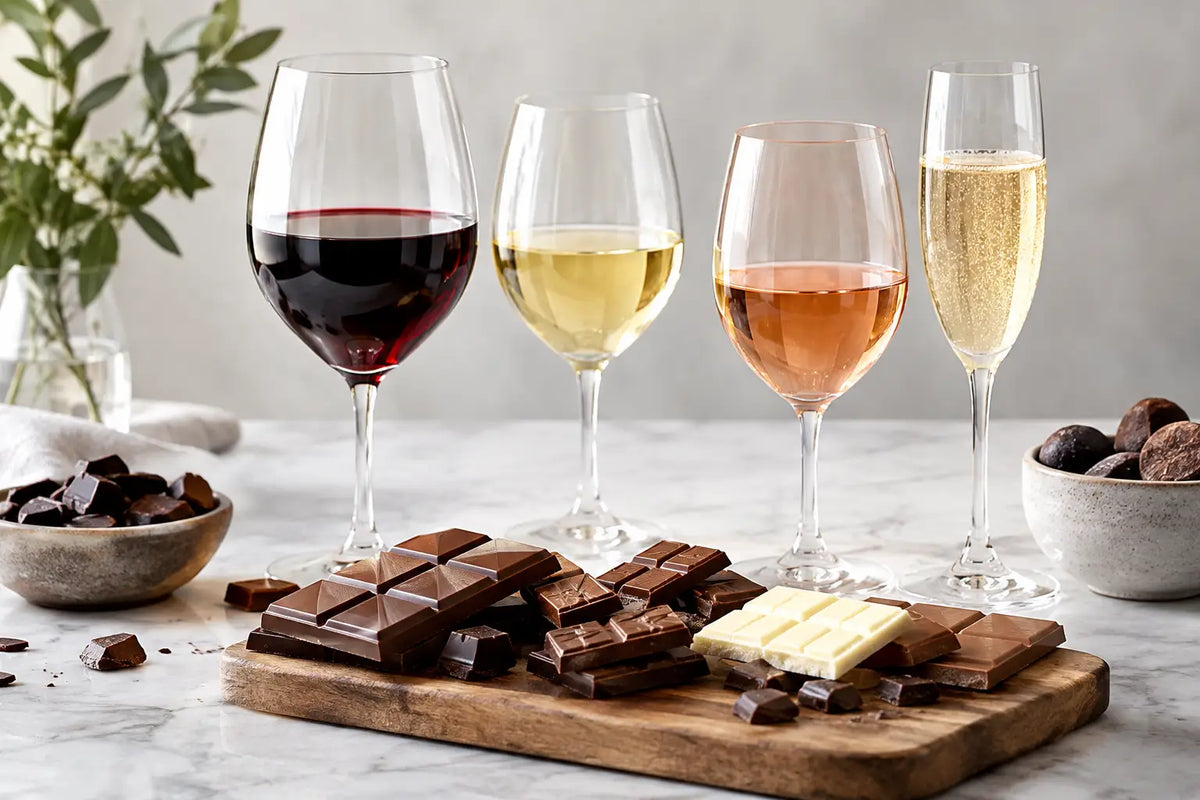
Best chocolate bars for wine: pairing by style
Find the best chocolate bars for wine, with thoughtful pairings by cacao percentage, origin, and wine style for a more memorable tasting at home tonight.
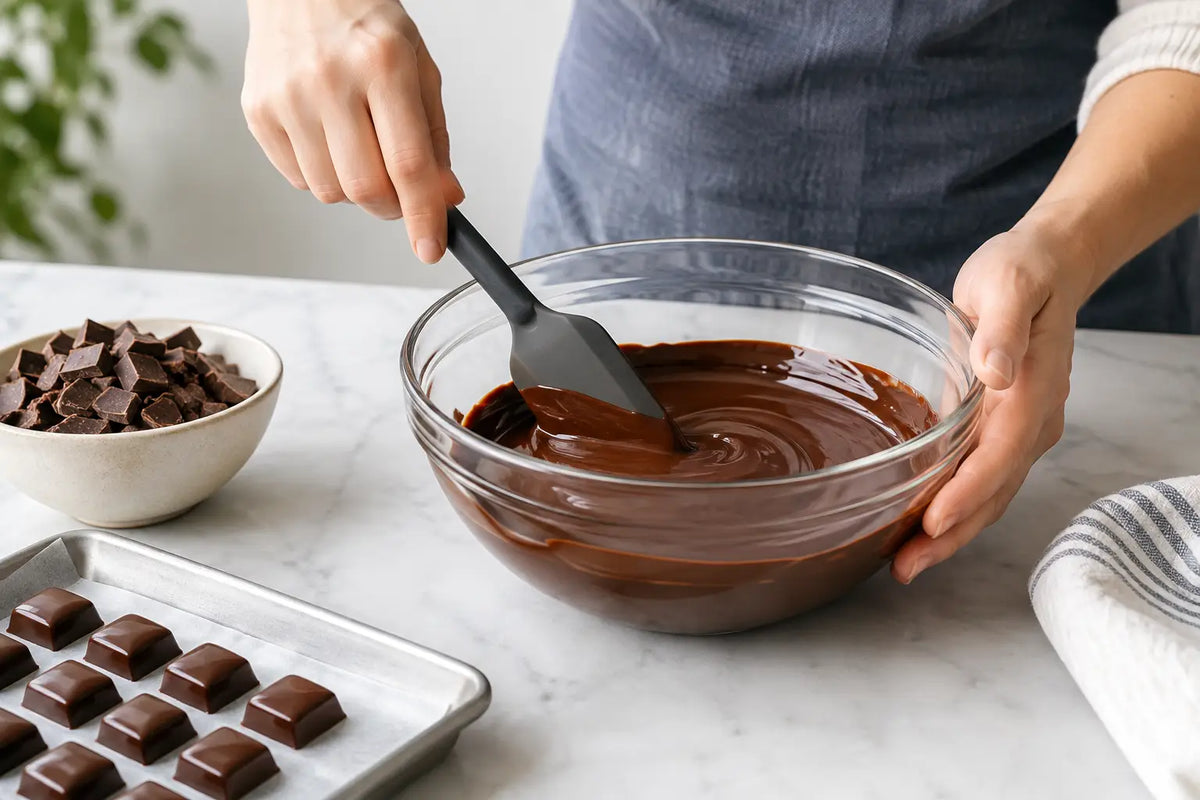
How to temper chocolate without marble at home
Learn to temper chocolate without marble using seeding or microwave methods, with precise temperatures, practical cues, and fixes for a glossy finish.
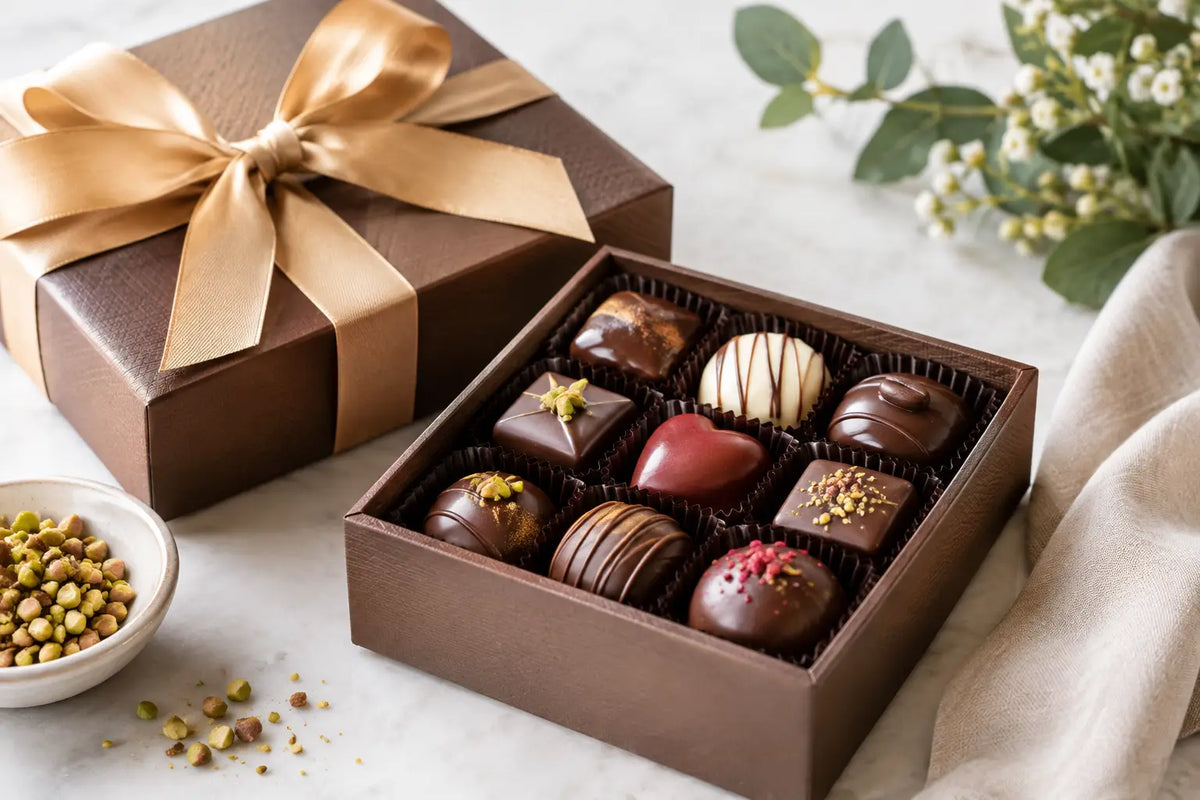
Artisan praline gift guide for meaningful giving
Our artisan praline gift guide helps you choose bean-to-bar Belgian chocolates by occasion, taste, origin, and presentation, with confidence for any giver
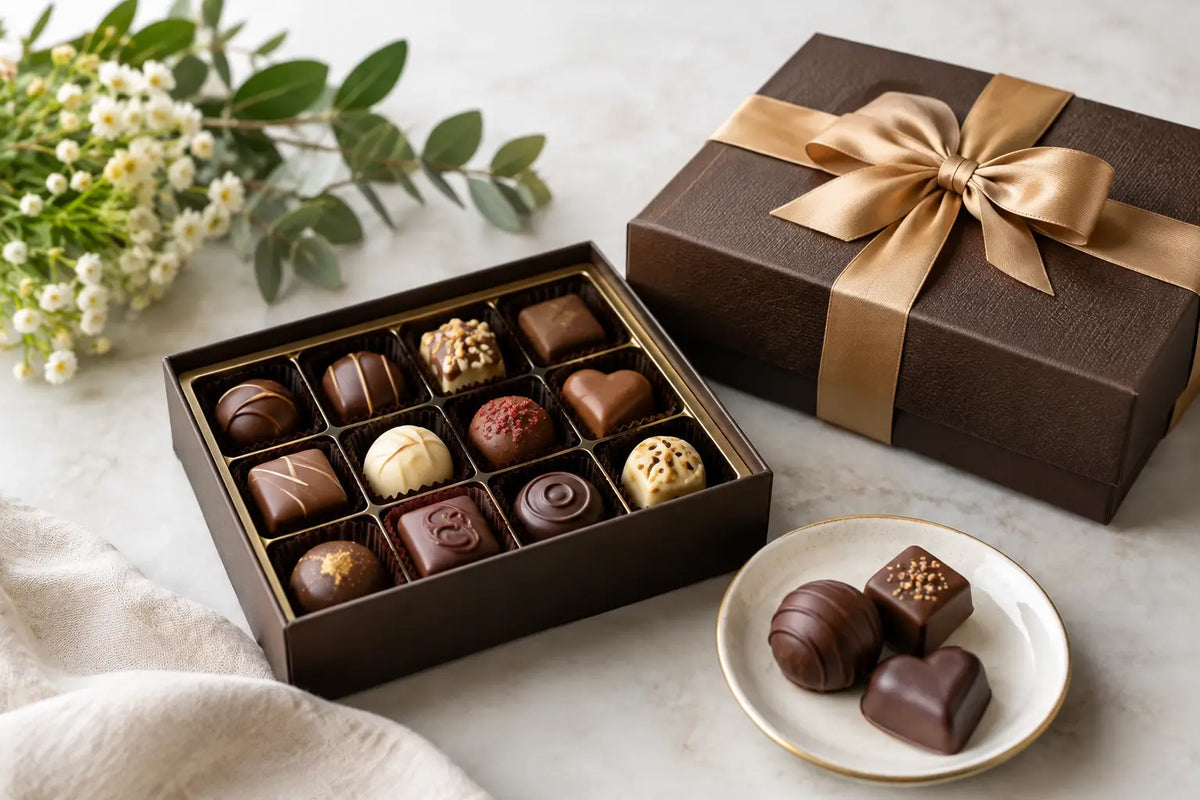
Luxury chocolate gift review: what truly matters
Our luxury chocolate gift review explains how origin, craft, flavor, and presentation shape a gift that feels considered, memorable, and truly premium.
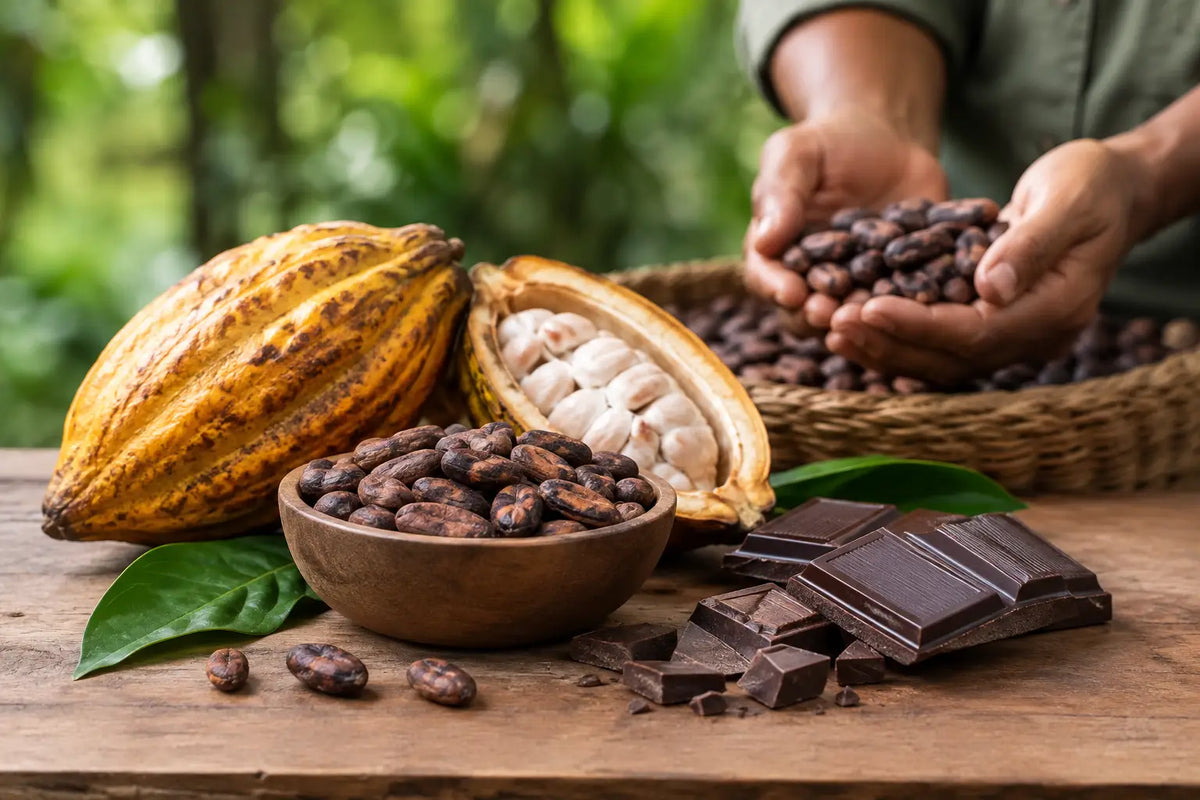
Ethical sourcing trends shaping fine chocolate
Ethical sourcing trends are reshaping fine chocolate through traceable cacao, fairer partnerships, better farming practices, and honest labeling for you.
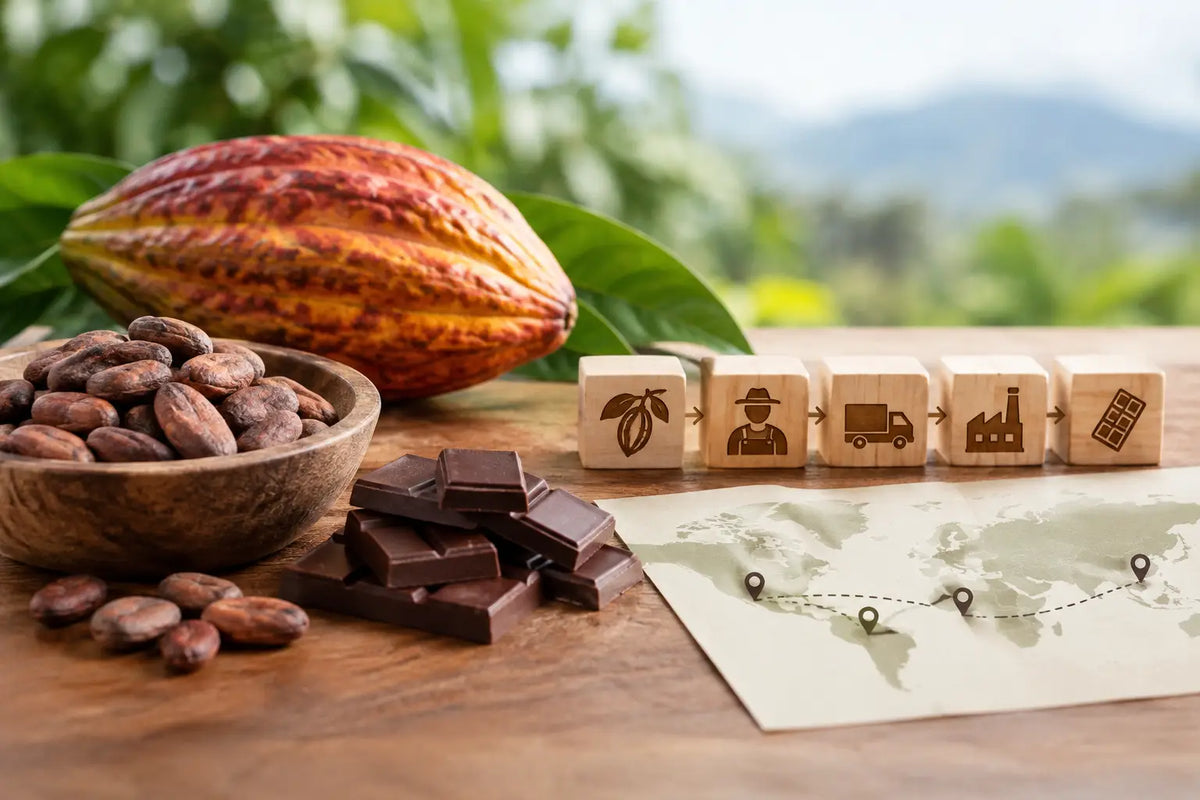
Cacao traceability buying guide for better chocolate
Our cacao traceability buying guide helps you choose craft chocolate with clear origins, honest sourcing, and flavor worth sharing or gifting confidently.
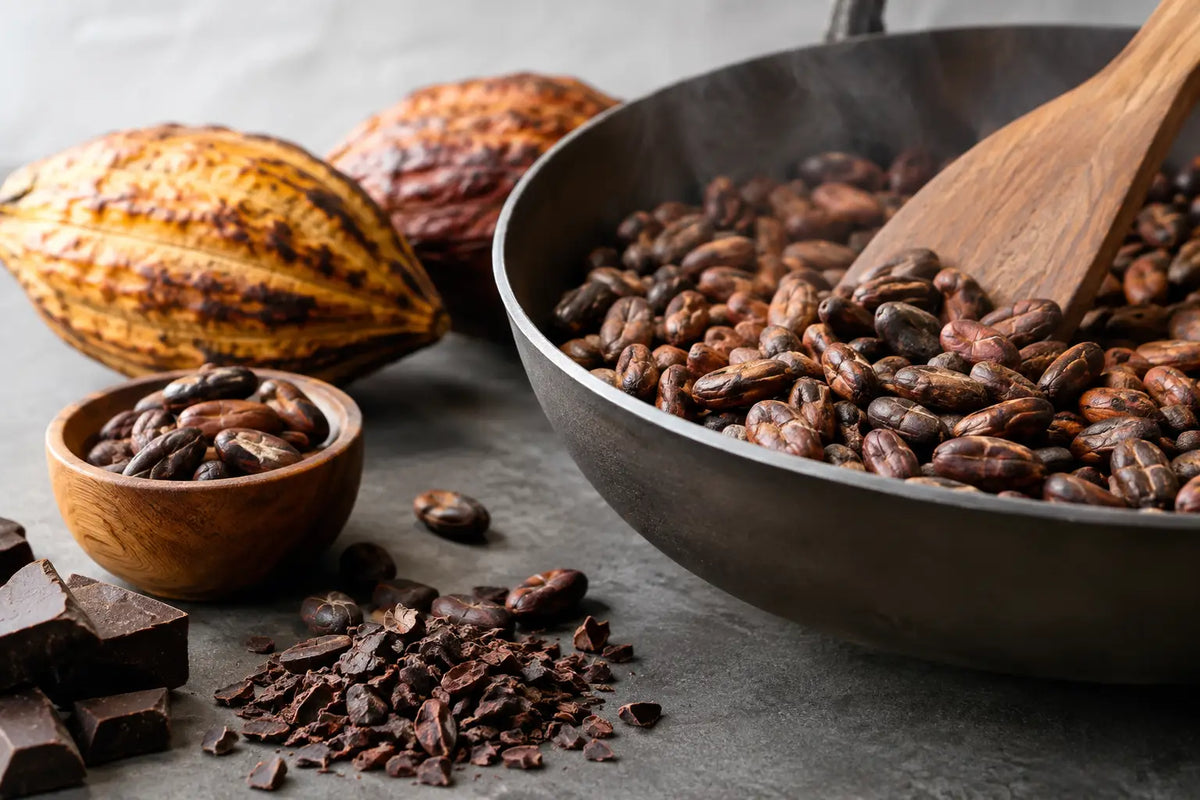
Cacao roasting flavor impact explained clearly
Cacao roasting flavor impact shapes every bar, from bright fruit and floral notes to deep caramel and cocoa. Learn how craft makers find balance with care.
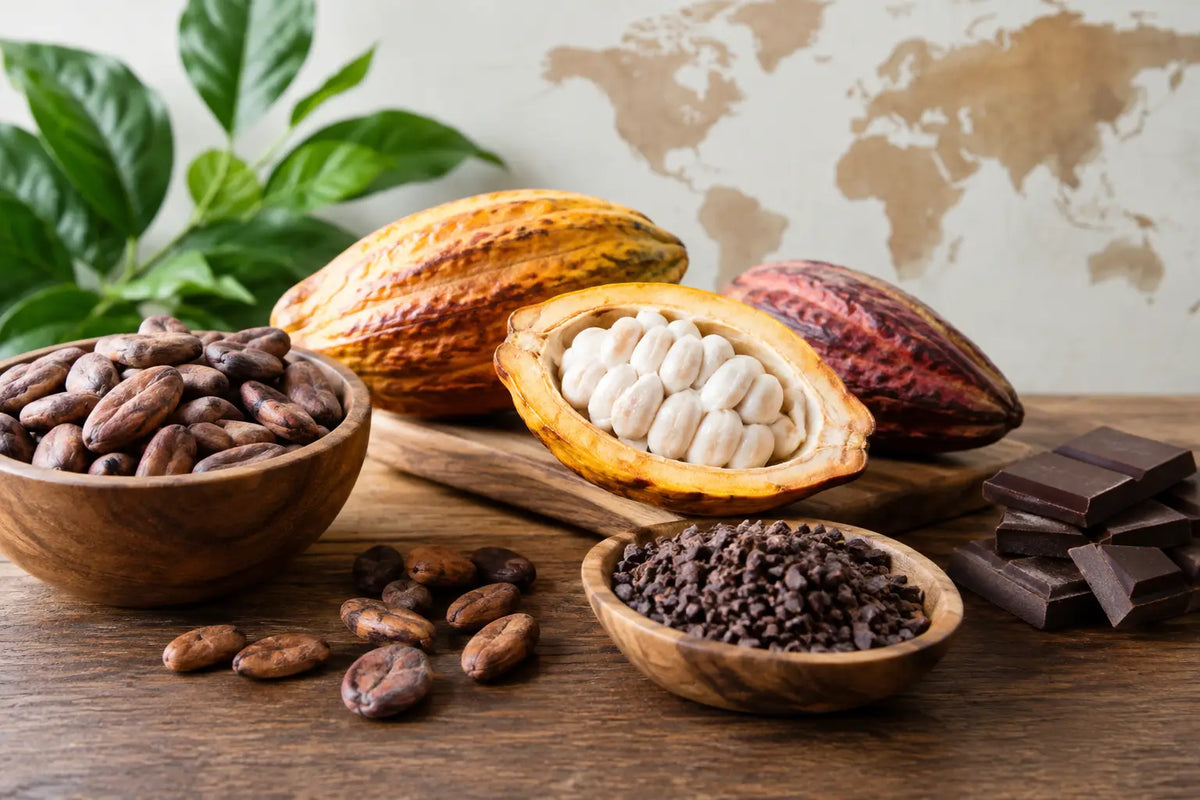
8 top cacao origins to taste in fine chocolate
Taste the top cacao origins to taste, from bright Madagascar to deep Ecuador, and learn what terroir, fermentation, and craft reveal in each crafted bar.
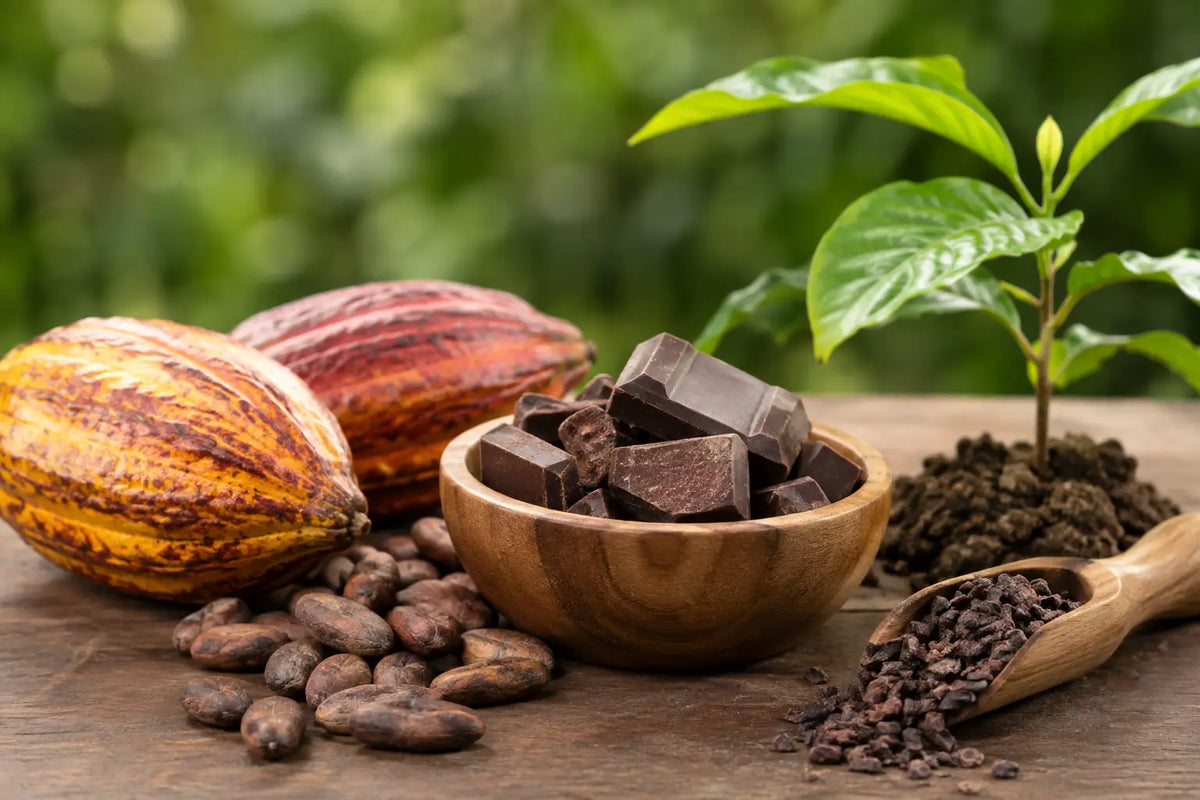
Can chocolate be sustainable? What it takes?
Can chocolate be sustainable? Learn what responsible cacao sourcing, bean-to-bar making, fair value, and thoughtful packaging require of a chocolate bar.
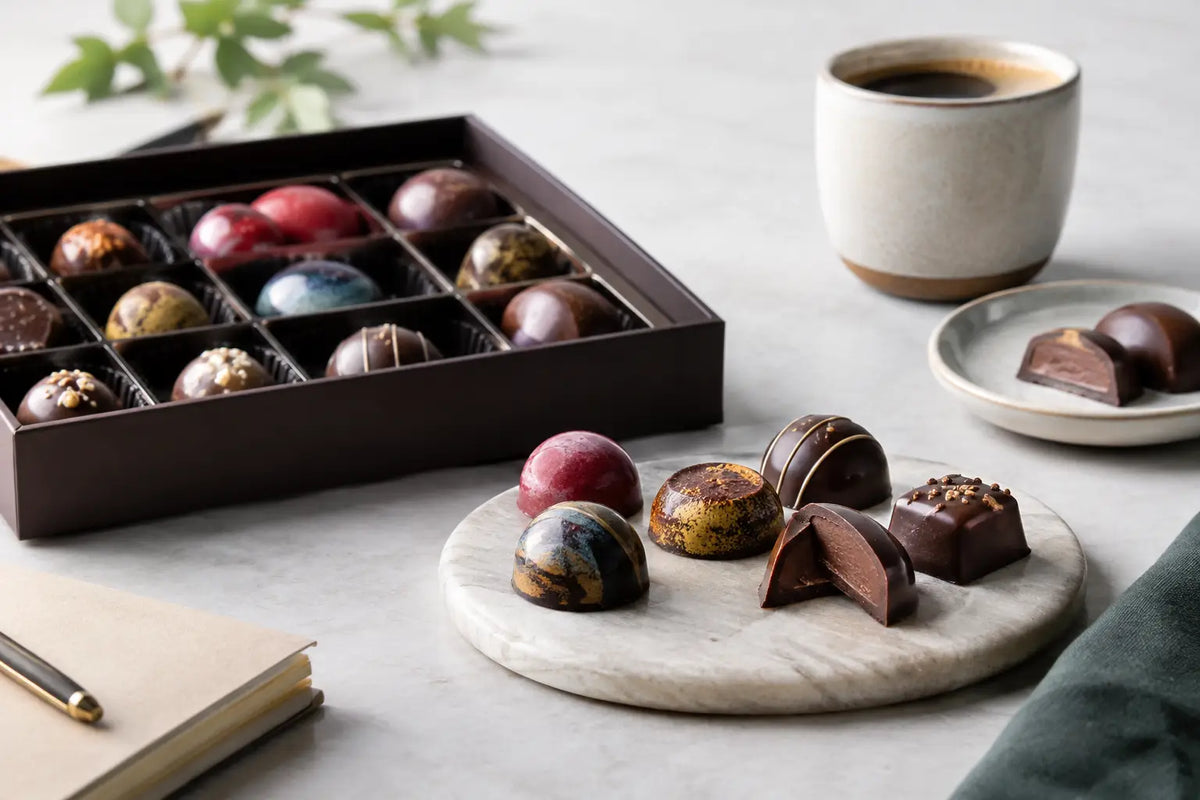
What an artisan chocolate review should reveal
Our artisan chocolate review explains how bean-to-bar methods, cacao origin, texture, and ethical sourcing shape a truly memorable chocolate choice for fine gifts.
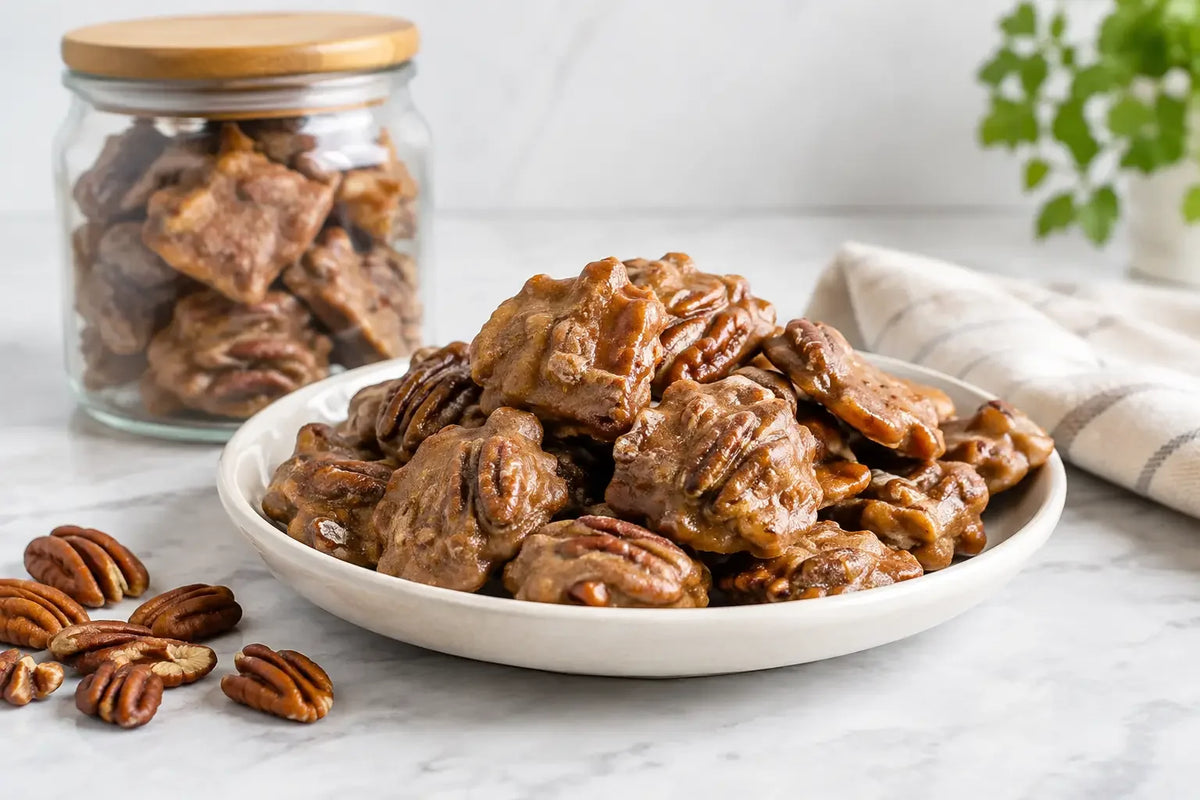
Are pralines shelf stable? Storage and freshness
Are pralines shelf stable? Learn how fillings, chocolate, heat, and packaging affect freshness, storage, and the best time to enjoy them.
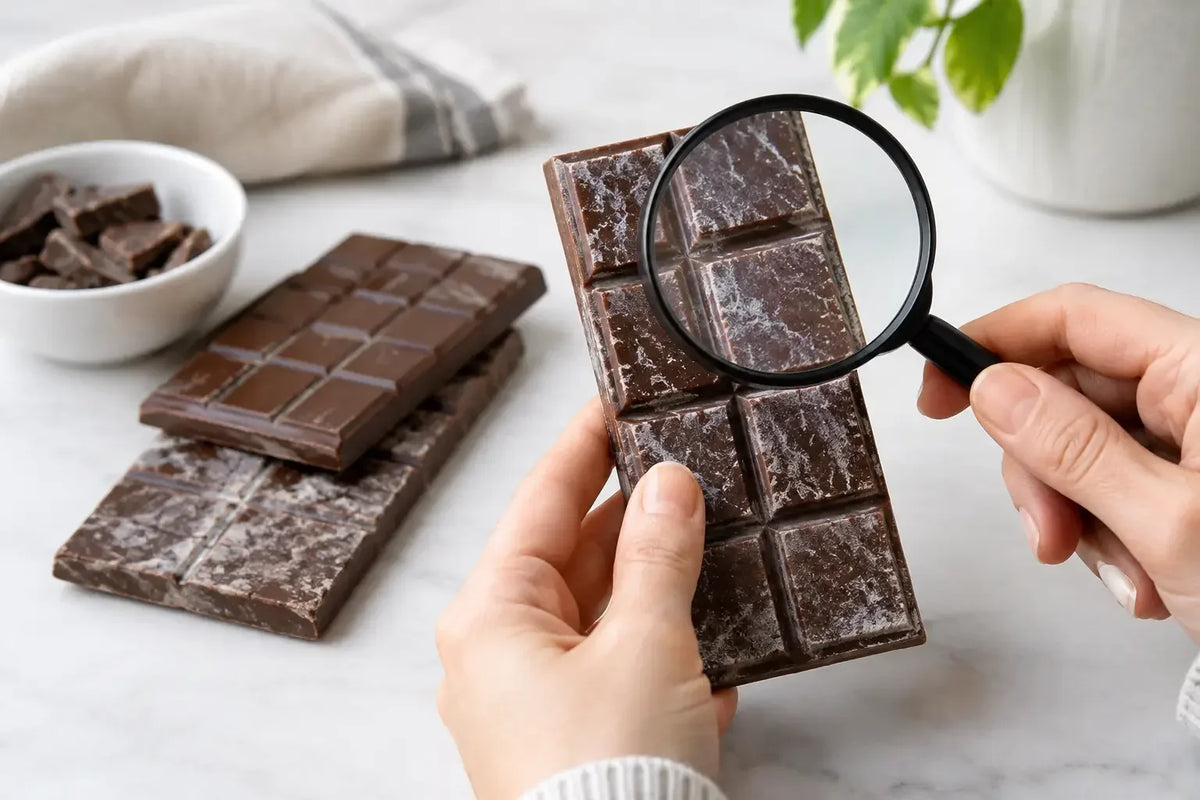
How to identify chocolate bloom causes at home
Learn to identify chocolate bloom causes, tell fat bloom from sugar bloom, and store fine chocolate properly without mistaking appearance for spoilage.