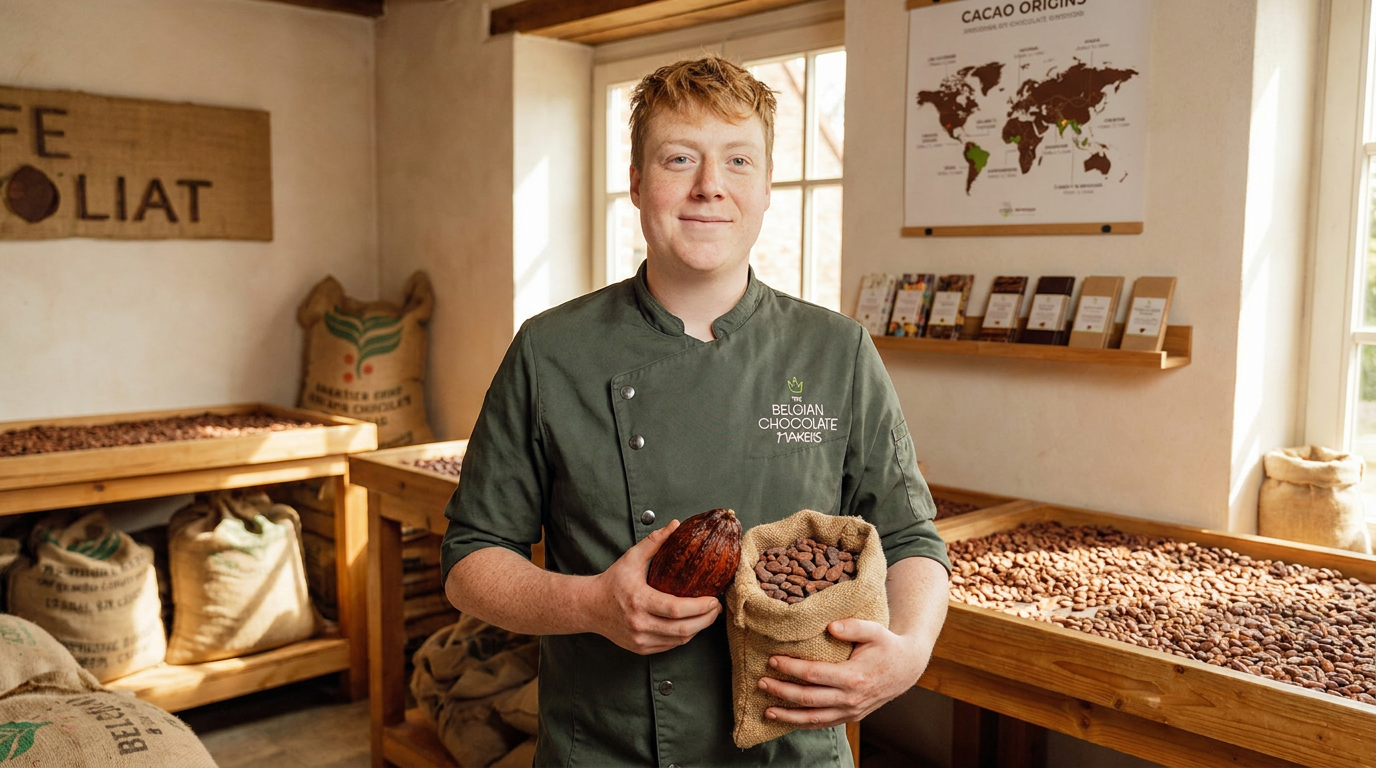
A chocolate label can say single-origin, artisan, or premium and still leave one basic question unanswered: where did the cacao actually come from, and how confidently can the maker prove it? That is where traceable cacao chocolate stands apart. It gives the buyer more than a pleasant tasting note or elegant packaging. It offers a verifiable link between the finished bar and the cacao at its source.
For anyone buying fine chocolate, whether for personal enjoyment or as a gift, that distinction matters. Traceability affects flavor, consistency, ethics, and trust. It is not a marketing flourish added after the fact. In well-made bean-to-bar chocolate, it is part of the craft itself.
What traceable cacao chocolate really means
Traceability in chocolate is often reduced to a vague promise of transparency, but the stronger definition is more concrete. It means a chocolate maker can identify where the cacao was grown, how it moved through the supply chain, and which beans were used in a given product. Depending on the maker and sourcing model, that may include the country, region, cooperative, farm, harvest lot, or fermentation partner.
That level of visibility is especially meaningful in cacao because the conventional chocolate supply chain tends to blend beans from many sources. Once cacao is pooled in large commodity systems, origin becomes less distinct and the story of the beans becomes harder to verify. Chocolate can still be skillfully made within that model, but it does not offer the same clarity.
Traceable cacao chocolate asks for more discipline. A maker has to source with intention, keep batches separated where relevant, and understand how decisions at origin affect the finished result. This is one reason bean-to-bar producers are often at the forefront of traceability. When the same workshop roasts, refines, tempers, and molds the chocolate, there is a direct relationship between sourcing and flavor.
Why traceability changes the chocolate itself
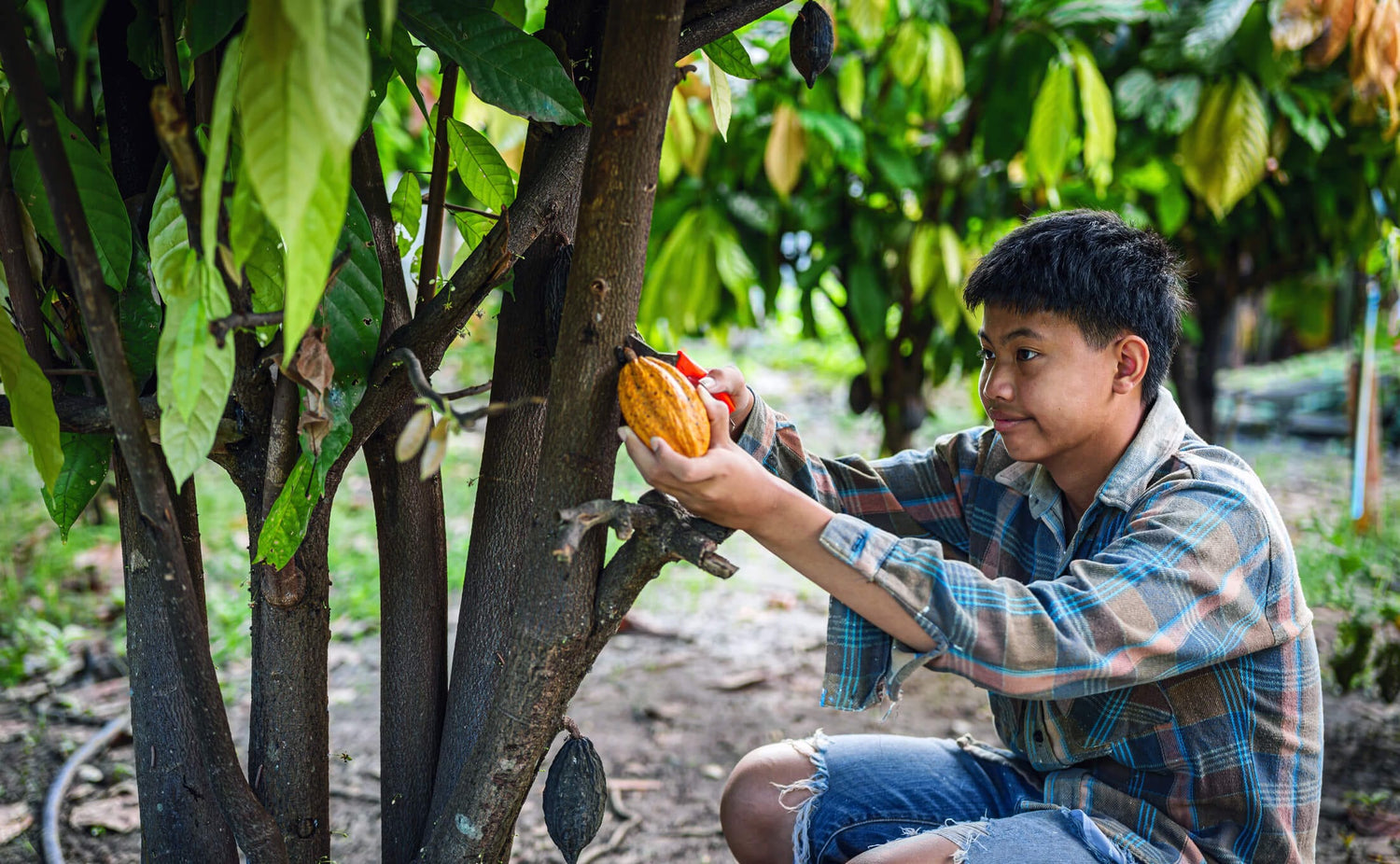
Traceability is often discussed as an ethical issue first, but it is also a quality issue. Cacao is an agricultural product, and like wine, coffee, or olive oil, its flavor reflects place and process. Variety, soil, climate, harvest timing, fermentation, and drying all shape what ends up in the bar.
When a chocolate maker knows the origin with precision, that information becomes useful in production. Roasting can be adjusted to preserve fruit notes in one cacao and deepen nutty or spiced notes in another. Refining and conching decisions can be tailored rather than standardized. Instead of forcing every bean into the same flavor profile, the maker can treat each lot according to its character.
That does not mean traceable chocolate is automatically better. Poor fermentation at a named origin is still poor fermentation. A beautifully documented supply chain cannot compensate for weak chocolate making. But when traceability is paired with real technical skill, the result is more expressive and more honest. You taste the work of both the producer and the maker.
The ethical value of traceable cacao chocolate
The appeal of traceability is not only sensory. Many buyers want stronger assurance that the chocolate they purchase aligns with their values. That usually includes questions about farmer compensation, working conditions, environmental practices, and the reliability of sourcing relationships.
Traceability does not solve every ethical challenge in cacao. It would be too simple to suggest that a traceable bar is automatically fair in every respect. Some supply chains are traceable but still imbalanced. Some certifications help, but they vary in rigor and scope. The real value of traceability is that it creates the conditions for accountability. If a maker knows where the cacao comes from, there is at least a basis for asking better questions and building better standards.
For ethically minded shoppers, that matters. Anonymous sourcing limits meaningful scrutiny. Traceable sourcing makes it easier to understand whether a chocolate maker is purchasing with care or simply borrowing the language of ethics. It shifts the conversation from generic claims to specific relationships.
How makers build trust through origin transparency
Origin transparency should feel concrete, not theatrical. A serious chocolate maker does not need exaggerated storytelling to make traceability meaningful. In many cases, the strongest signals are straightforward: named origins, clear sourcing details, batch integrity, and a production model that keeps control in-house.
That last point is easy to overlook. If a company buys finished industrial couverture and remelts it into pralines or bars, its room to shape flavor from the bean upward is limited. The product may still be elegant, but the link between raw cacao and final chocolate is more distant. By contrast, in-house bean-to-bar production allows the maker to connect sourcing decisions directly to roasting, refining, and finishing.
For buyers, this matters because traceability becomes more believable when it is tied to visible craftsmanship. A workshop that transforms cacao from bean to finished chocolate is in a stronger position to speak with precision about origin, process, and quality.
What to look for when buying traceable cacao chocolate
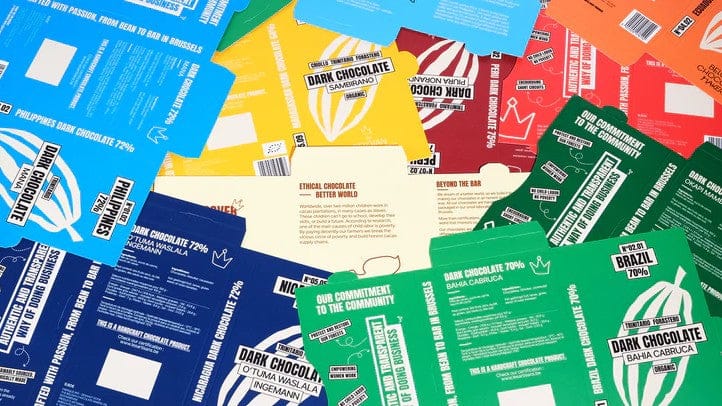
The best traceable chocolate usually gives you enough information to understand what you are buying without turning the package into a technical report. Country of origin is a start, but it is not always enough. A region, cooperative, or farm name adds more substance. Harvest details or lot information can signal even greater care, though not every product needs that level of specificity.
It also helps to look at how the maker talks about production. Do they explain whether they make chocolate from the bean or source pre-made couverture? Do they distinguish between cacao origin and where the final product was shaped or packaged? Those are not minor details. They tell you whether traceability is built into the chocolate itself or only attached to part of the process.
Price can offer a clue as well, though it is not a perfect one. Truly traceable, small-batch chocolate often costs more because sourcing, separation of lots, and in-house production require time and discipline. Still, a high price alone proves nothing. What matters is whether the maker gives you enough evidence to understand why the chocolate is positioned as premium.
Traceability and gifting
Chocolate is often purchased for moments that carry emotional weight: a thank-you, a holiday, a client gift, a personal treat that should feel more considered than ordinary candy. In those moments, provenance adds value. A gift becomes more memorable when it carries a sense of place, craft, and integrity.
This is one reason traceable cacao chocolate works so well in a premium gifting context. It offers more than sweetness. It offers a story grounded in fact, a product shaped with technical care, and a level of sourcing transparency that feels appropriate for a thoughtful purchase. The recipient may notice the flavor first, but the deeper appeal comes from knowing the chocolate was made with intention.
For that reason, traceability is not only for specialists comparing tasting notes. It is also relevant to everyday buyers who want a gift to feel elevated and credible.
Traceable cacao chocolate and Belgian craftsmanship
Belgium has long been associated with fine chocolate, but today’s most compelling chocolate makers are not relying on reputation alone. They are showing how Belgian craftsmanship can evolve through direct production, transparent sourcing, and a closer relationship to cacao itself.
That shift matters because modern chocolate buyers are more informed than they used to be. They want refinement, certainly, but they also want substance behind it. A polished praline or beautifully molded bar means more when the maker can explain the cacao inside with confidence.
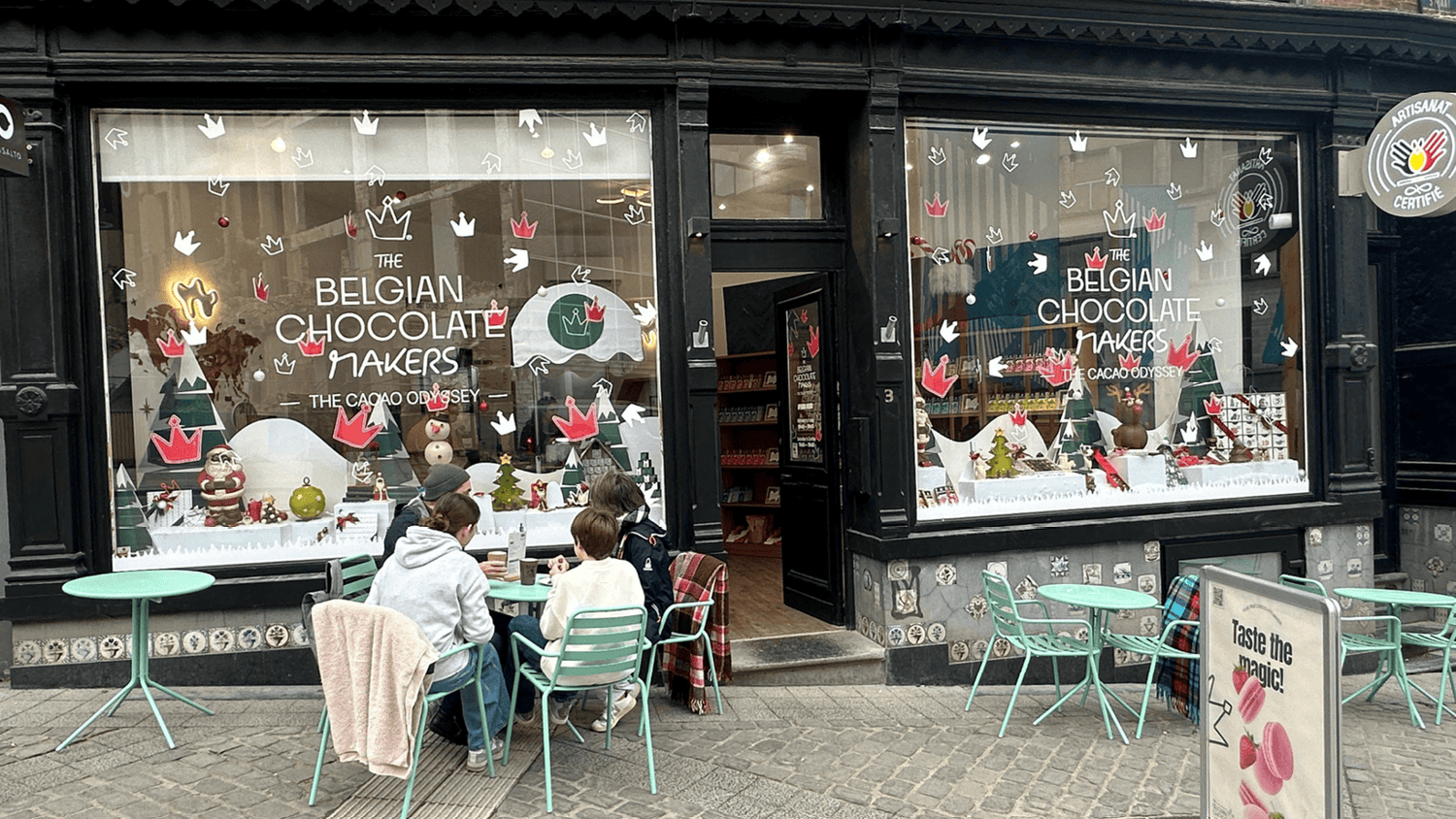
For an artisan workshop such as The Belgian Chocolate Makers, traceability fits naturally within that standard. It supports flavor clarity, strengthens trust, and aligns with the deeper promise of bean-to-bar work: that excellence begins before the chocolate is tempered, wrapped, or gifted.
The most satisfying chocolate does not ask you to choose between pleasure and principle. When cacao is traceable, and when the maker has the skill to honor that origin, the result is simpler and better: chocolate you can enjoy with a clearer sense of what you are tasting and why it deserves your attention.