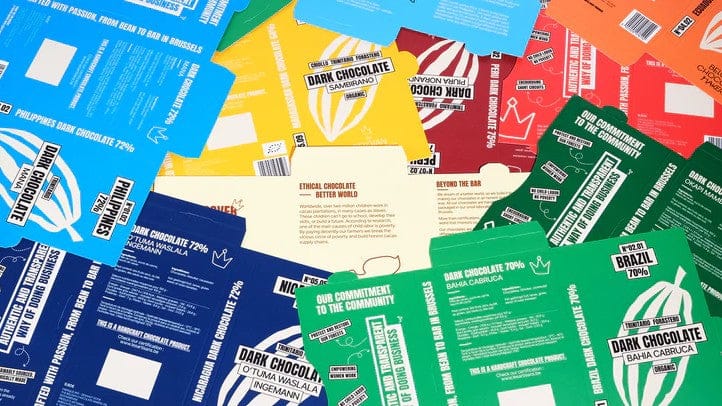
A chocolate bar can look beautifully simple: cacao, sugar, perhaps a little cocoa butter. Yet the difference between artisan chocolate vs commercial chocolate begins long before the wrapper is designed. It begins with who selected the beans, how they were treated after harvest, and whether the maker can taste and adjust every stage of the transformation.
For a thoughtful gift buyer or a chocolate lover seeking more than sweetness, this distinction is worth understanding. It is not simply a question of price or elegant packaging. It is a question of flavor, traceability, craft, and the kind of food system a purchase supports.
What makes chocolate artisan?
Artisan chocolate is defined less by its size than by its degree of attention. A true bean-to-bar maker buys cacao beans, then roasts, cracks, winnows, refines, conches, tempers, and molds the chocolate in its own workshop. Each decision affects the final bar.
Roasting can bring forward red-fruit brightness in a fine cacao from Madagascar, toasted nuts in beans from Venezuela, or warm molasses notes in a deeper West African cacao. Refining determines whether the chocolate feels silk-like or slightly textured on the tongue. Conching develops flavor and reduces unwanted acidity. These are not interchangeable mechanical steps. They are the maker's tools.
Artisan production is usually done in smaller batches, which allows close tasting throughout the process. Small-batch does not automatically guarantee excellence, but it makes careful adjustment possible. If a particular harvest is more delicate than the last, the chocolate maker can alter the roast or conching time to respect it.
This is especially meaningful with single-origin chocolate. Cacao, like coffee or wine grapes, expresses its growing environment. Soil, climate, fermentation, drying, and genetics all leave a mark. When chocolate is made to preserve those differences, a bar becomes a clear expression of place rather than a generic sweet.
Artisan chocolate vs commercial production
Commercial chocolate is made at scale, often with consistency as its central objective. Large manufacturers purchase enormous volumes of cacao and formulate blends designed to taste the same across markets and seasons. That consistency has genuine value: consumers know what to expect, products are widely available, and production can be highly efficient.
But consistency often requires a different approach to flavor. Beans from multiple origins may be blended to create a familiar profile. Strong roasting can soften variation between lots. Sugar, vanilla flavoring, added cocoa butter, milk powders, emulsifiers, or other ingredients may be used to create a stable, uniform texture and taste. These choices are not inherently improper. They serve the goals of mass production.
The trade-off is that the character of the cacao can become harder to recognize. A commercial milk chocolate may be creamy, sweet, and pleasant, but it is rarely intended to communicate the fruit, floral notes, spice, or gentle bitterness of a particular cacao-growing region.
A bean-to-bar workshop works from the opposite premise. Variation is managed, but not erased. The goal is not for every cacao to taste identical. The goal is to make each one taste its best.
The important difference between a chocolatier and a chocolate maker
The terms are often confused, particularly in Belgium, where chocolate craftsmanship has a long and distinguished history. A chocolatier may create exceptional pralines, truffles, and molded pieces using purchased couverture chocolate. Their expertise lies in recipes, fillings, textures, decoration, and presentation.
A chocolate maker takes responsibility one step earlier. The maker transforms cacao beans into chocolate itself. This requires a separate set of skills, equipment, and sensory knowledge. Neither role diminishes the other, but they are not the same.
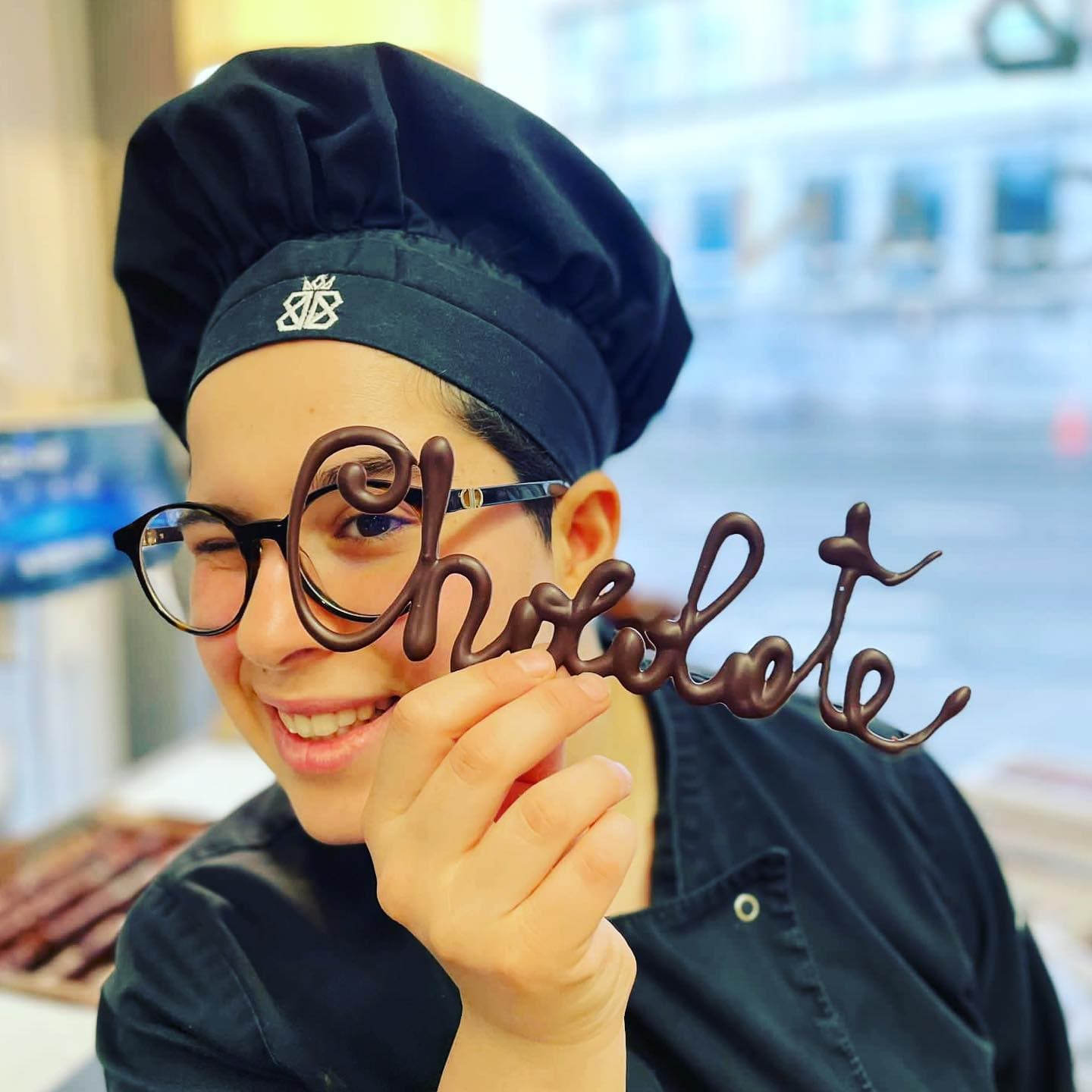
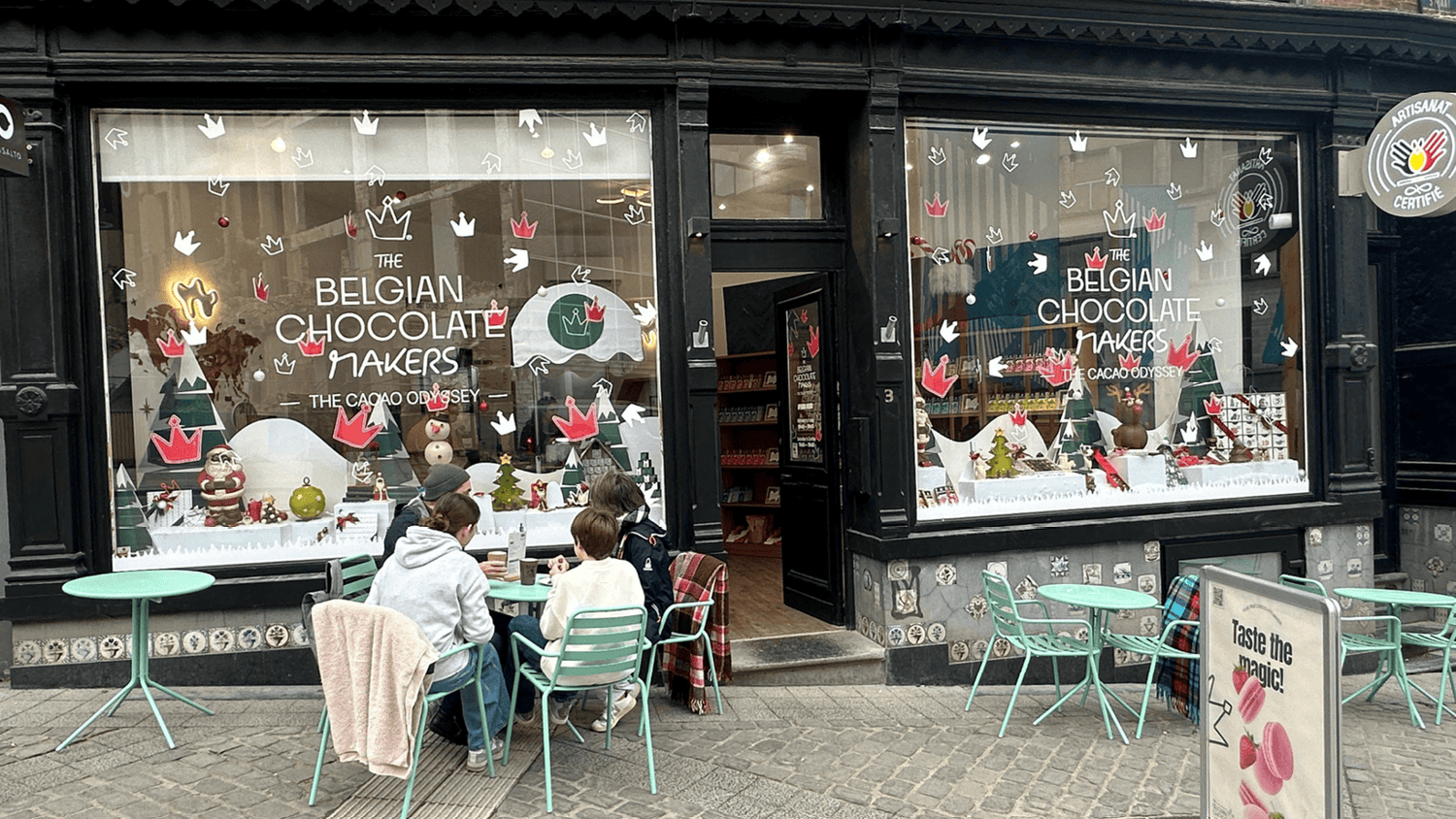
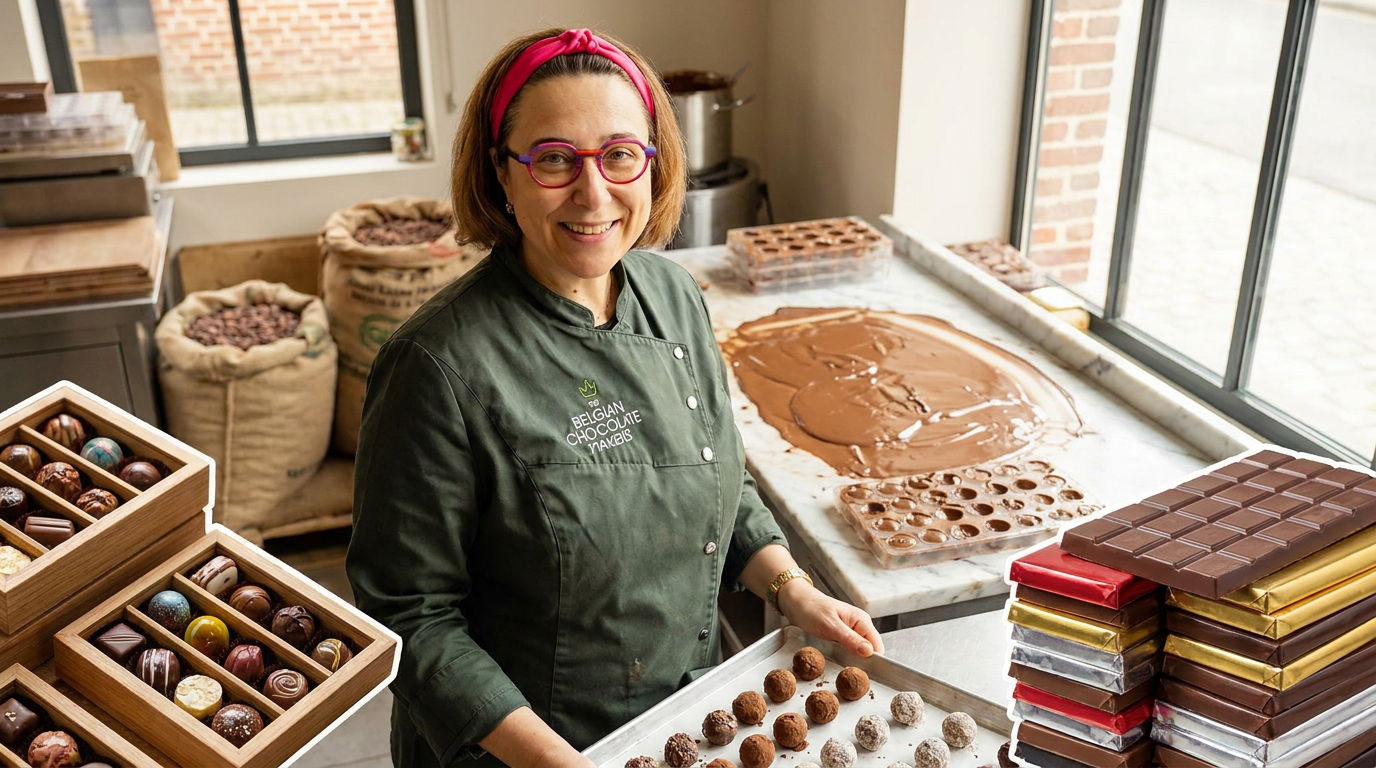
For shoppers who value direct control over ingredients and flavor, asking whether a company makes its own chocolate is useful. At The Belgian Chocolate Makers, chocolate is produced from carefully selected cacao beans in a central Brussels workshop before it becomes bars, pralines, truffles, or seasonal gifts. That in-house process gives the finished confection a foundation that begins with the bean, not a purchased chocolate base.
Why sourcing changes the experience
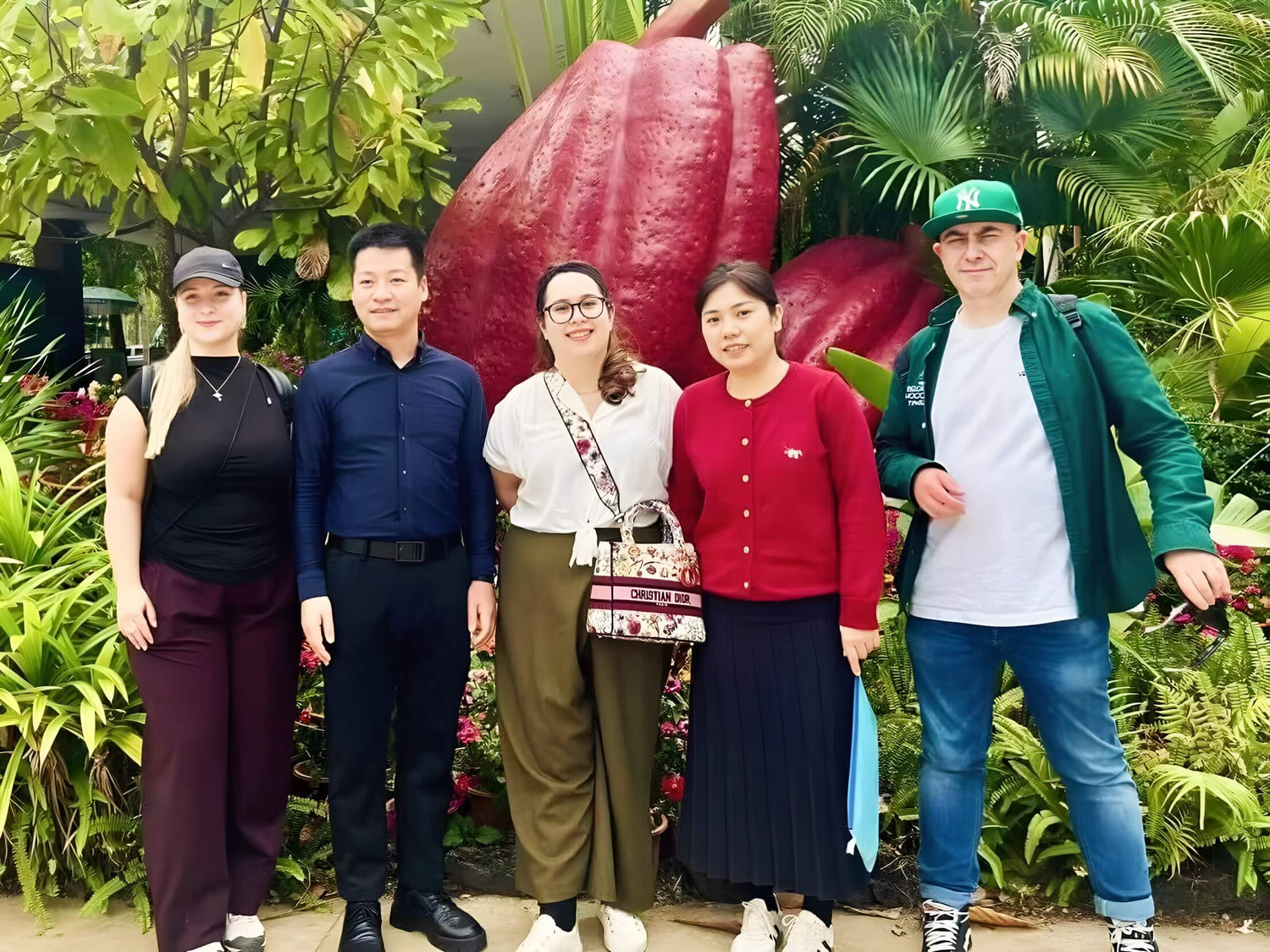
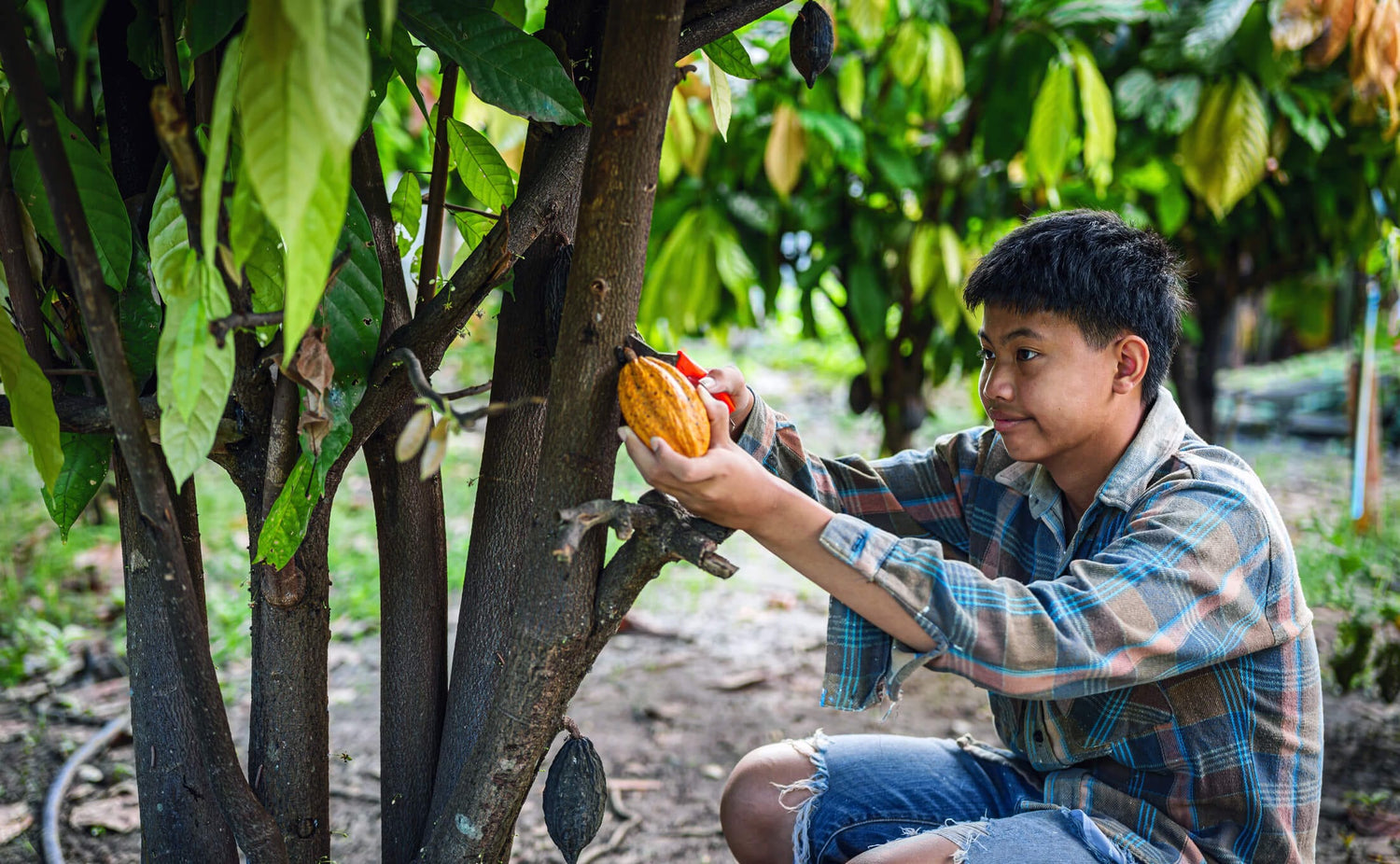
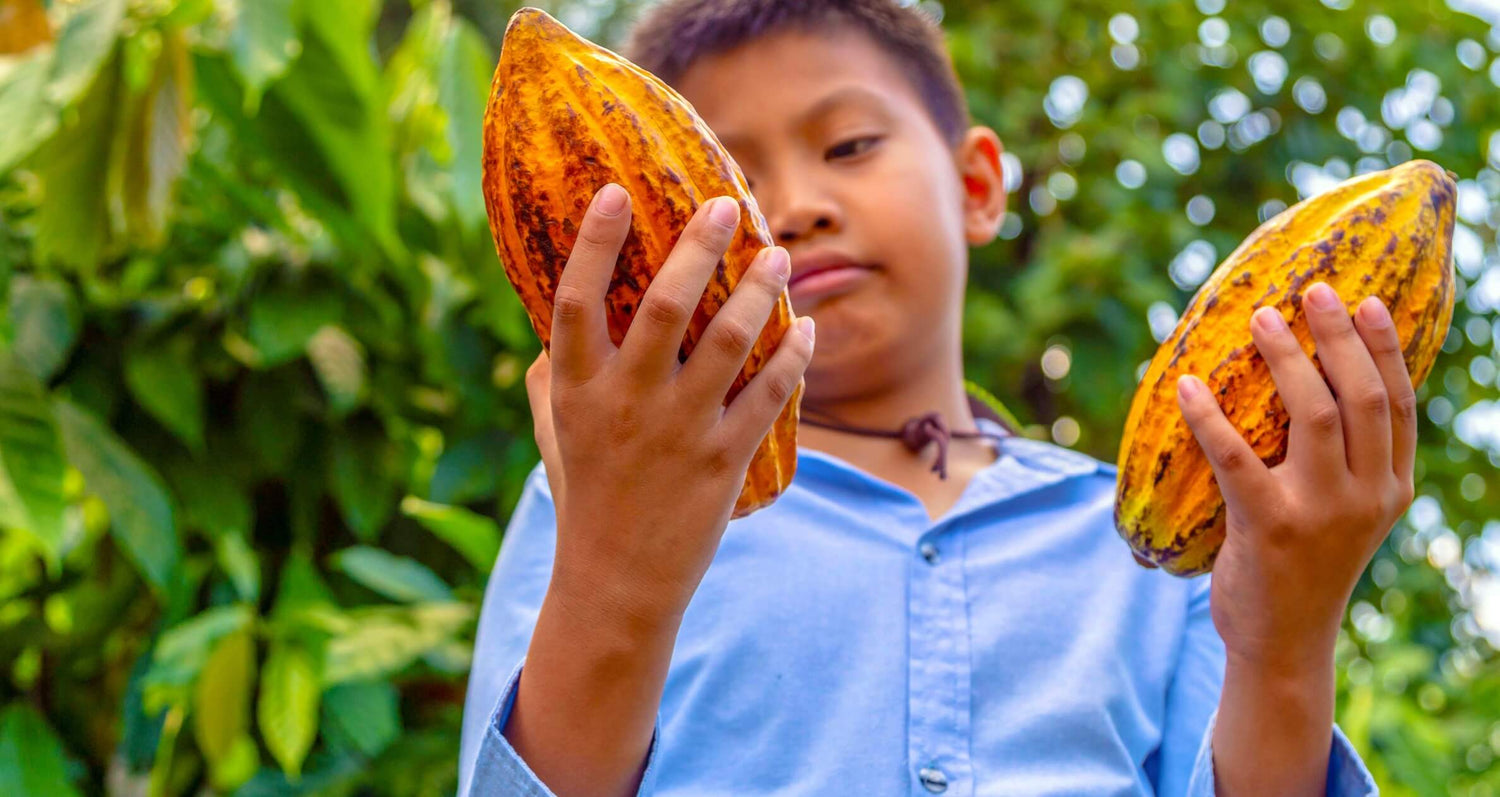
Cacao has a supply chain that deserves more attention than it often receives. It is grown primarily by smallholder farmers in regions near the equator, then fermented, dried, transported, and sold through a complex series of relationships. When a brand can identify the origin of its cacao and speak clearly about how it is sourced, customers have more information with which to make a considered choice.
Traceability does not mean that every chocolate bar must tell a romanticized story. It means being specific enough to create accountability. A maker should be able to explain where the cacao comes from, why it was selected, and what standards guide purchasing decisions.
Ethical sourcing is similarly more meaningful than a vague promise. It involves building relationships that recognize the work of cacao farmers, seeking better practices, and paying attention to environmental and social conditions. No chocolate company can solve every challenge in the cacao sector with a single purchase, but transparency is a more credible starting point than silence.
Commercial brands may also use certified or responsibly sourced cacao, and those programs can be valuable. The difference is often visibility. Smaller makers can more readily connect a specific chocolate to a specific origin and make the sourcing conversation part of the product itself.
Flavor is not just about cacao percentage
Many shoppers have been taught to judge chocolate by a single number: 70%, 85%, or 100%. Cacao percentage tells you the proportion of cacao ingredients in a bar, but it does not tell you whether the cacao is fine, how it was fermented, how it was roasted, or whether the chocolate is balanced.
A well-made 70% bar can taste vivid, rounded, and surprisingly approachable. Another bar at the same percentage can taste flat, harsh, or overly bitter. The difference may come from bean quality, recipe design, refining, or process control.
Artisan chocolate invites slower tasting. Let a small piece melt rather than biting it quickly. Notice the opening flavor, the middle notes, and the finish. You might find citrus, roasted almond, caramel, coffee, dried berries, honey, or spices without any flavorings added. Those notes are part of the cacao's natural complexity and the maker's ability to reveal it.
That does not mean every occasion calls for a tasting bar. Commercial chocolate can be practical for baking, party favors, or a familiar everyday treat. Artisan chocolate is particularly rewarding when the chocolate itself is meant to be the experience, whether shared after dinner, included in a gift box, or enjoyed as a small personal ritual.
Texture, freshness and ingredients
A shorter ingredient list is often a useful sign, though it is not the only measure of quality. Dark bean-to-bar chocolate may contain only cacao beans and sugar. Milk chocolate adds milk, while certain recipes may include cocoa butter, nuts, fruit, or spices for a purposeful reason.
What matters is clarity. Each ingredient should contribute something recognizable, not simply compensate for indifferent cacao or an industrial process. In premium pralines and truffles, the same principle applies: fresh fillings, balanced sweetness, and a chocolate shell with its own character make a noticeable difference.
Freshness also matters more with crafted confections than many people realize. A finely made ganache, seasonal creation, or nut-filled piece is best appreciated when its flavors are lively and its texture is exactly as intended. Beautiful presentation matters for gifting, but it should protect and complement the chocolate rather than distract from it.
How to choose for yourself or as a gift
Start with the occasion. A single-origin bar is a strong choice for someone curious about flavor and origin. Pralines or truffles offer variety and a sense of occasion. A thoughtfully assembled gift box suits celebrations, client gifts, hosts, and moments when presentation matters as much as taste.
Then look beyond labels such as “Belgian”, “premium” or “artisan”. Ask whether the company makes chocolate from beans, identifies cacao origins, and explains its approach to sourcing. Look for ingredients you can understand and flavor descriptions that say something specific rather than relying only on luxury language.
There is room for both artisan and commercial chocolate in the world. The meaningful choice is to know what you are buying. When cacao is treated as an agricultural ingredient with a place, a season, and a story, chocolate becomes more than a sweet finish. It becomes a small, carefully made expression of craft worth lingering over.