Most chocolate spreads promise indulgence. Far fewer deliver actual chocolate character. That difference is exactly where artisan chocolate spread earns its place. When a spread is made with the same care given to fine chocolate, thoughtful sourcing, precise roasting, balanced refining, and a disciplined approach to ingredients, it tastes less like sugar with cocoa added and more like real chocolate in a spoonable form.
For buyers who care about quality, gifting, and ingredient integrity, that distinction matters. A premium spread should offer more than sweetness and a glossy label. It should reflect the cacao itself, the maker's skill, and the choices made at every step of production.
What artisan chocolate spread really means
The word artisan is used loosely in food, so it is worth being specific. In chocolate, artisan should suggest a small-batch, hands-on process with clear standards behind it. That usually includes close control over ingredients, a more deliberate production method, and a stronger connection between raw materials and finished flavor.
In an artisan chocolate spread, cacao is not merely a background note. It is the foundation. The spread may include nuts, sugar, milk, or other supporting ingredients, but the chocolate element should still be vivid and recognizable. You should be able to taste depth, not just sweetness, and texture should feel refined rather than greasy or overly whipped.
This is also where bean-to-bar production becomes meaningful. When a chocolatier works from cacao beans rather than relying on pre-made industrial chocolate, it has far more influence over the final result. Roasting can be adjusted to bring out fruit, nuttiness, or deeper cocoa tones. Refining can be tuned for smoothness without stripping away character. That level of control tends to produce a spread with more personality and greater precision.
Why bean-to-bar changes the flavor of artisan chocolate spread
Not all chocolate spreads begin with the same chocolate. Many mass-market options are built around commodity cocoa and a formula designed for stability, low cost, and broad sweetness. That does create familiarity, but it often narrows flavor.
A bean-to-bar approach opens the range. Cacao beans from different origins can carry distinct notes - red fruit, caramel, toasted nuts, coffee, warm spice, even gentle citrus. In a well-made artisan chocolate spread, those notes are not masked beyond recognition. They are integrated into a spreadable texture while still allowing the chocolate to speak.
This does not mean every spread should taste sharp or intensely dark. Balance still matters. A spread intended for breakfast, desserts, or gifting should be inviting. But inviting and generic are not the same thing. The best versions retain enough cacao presence to feel elegant and memorable.
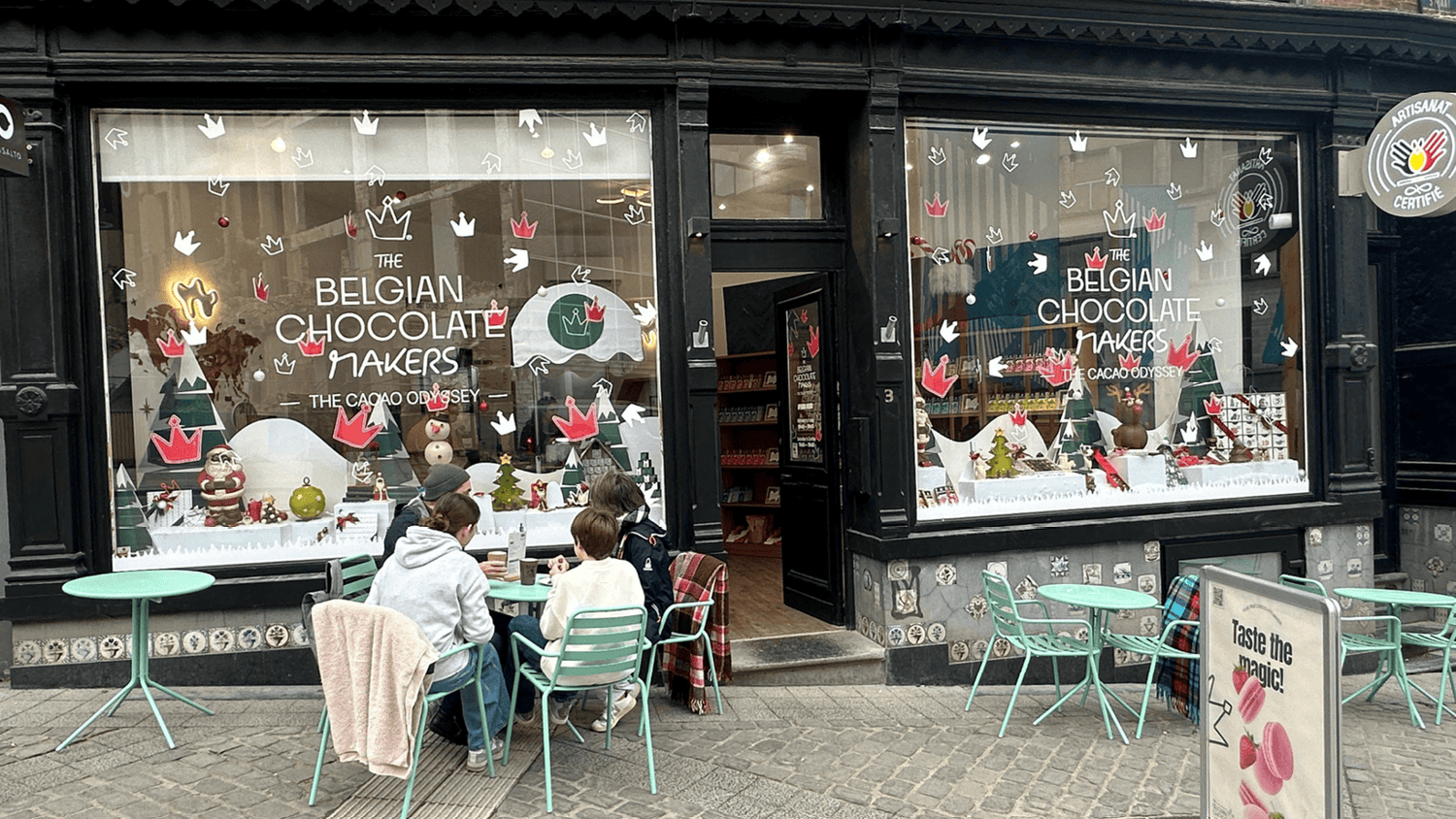
For a maker producing in-house, the advantage is consistency of intent. The same philosophy applied to bars and pralines can guide the spread as well. That is one reason craft producers such as The Belgian Chocolate Makers can create products that feel connected to a larger chocolate identity rather than separate commercial lines.
Ingredients matter more than the label suggests
A short ingredient list is not automatically superior, but in chocolate spread it often points to a more disciplined recipe. Better spreads tend to avoid unnecessary fillers and let a few components do the work: quality cacao, carefully chosen sugar, nuts when used, and milk or plant-based ingredients where they genuinely improve flavor and texture.
The role of fat is especially important. Some spreads rely heavily on cheaper vegetable fats to create a soft, easy texture. The result can feel slick on the palate and dull in flavor. An artisan chocolate spread usually aims for a cleaner melt and a more integrated mouthfeel. If hazelnuts are part of the recipe, their natural oils should contribute richness. If cocoa butter is present, it should support structure and finish rather than feel waxy.
Sweetness is another fault line between ordinary and exceptional. Too much sugar flattens everything. Too little can make a spread feel austere or bitter. The stronger versions find a middle ground where sweetness rounds the cacao rather than hiding it. That is harder to achieve than it sounds, especially in a product people expect to enjoy casually on toast, pastries, fruit, or straight from the jar.
Texture is not a small detail
People often judge a spread first by texture, even before they can articulate flavor. It should be smooth, but smooth is not the whole story. There is a difference between a spread that is finely refined and one that feels artificially uniform.
A well-made artisan chocolate spread has body. It spreads easily, yet still feels substantial. If it contains nuts, they should deepen texture without introducing grit. If it is especially silky, that silkiness should come from proper refining and recipe balance, not from an excess of soft fats.
Temperature also affects the experience. Some craft spreads firm up a bit more at cooler room temperatures because they contain better chocolate and fewer stabilizers. That is not necessarily a flaw. It can be a sign that the maker has prioritized ingredient integrity over supermarket shelf behavior. As always, there is a trade-off. A more natural texture may be slightly less uniform from season to season, but it often tastes better.
Ethical sourcing gives the product real depth
Premium buyers increasingly want to know where ingredients come from and how they were sourced. In chocolate, that is not a passing preference. It is central to quality. Cacao grown, harvested, fermented, and dried with care yields better flavor. Transparent sourcing also creates accountability for labor practices, farmer relationships, and long-term sustainability.
An artisan chocolate spread backed by traceable cacao has a stronger story because it has a stronger foundation. Ethical sourcing is not decoration for the packaging. It influences the raw material itself. Better partnerships at origin can mean better post-harvest handling, more consistent bean quality, and ultimately a spread with more definition and less bitterness.
For gift buyers, that matters too. A jar of spread may feel like a small luxury, but the values behind it shape how it is received. When a product combines pleasure with credibility, it feels more considered. That is part of what turns a pantry item into a meaningful gift.
How to recognize a truly premium spread
You do not need professional tasting language to tell when a spread is well made. Start with aroma. Real chocolate should come forward clearly, whether the profile is dark and roasted or softer and nut-led. Then look at the texture on a spoon. It should appear glossy and dense, not oily at the edges.
Taste is where the verdict becomes obvious. A strong artisan chocolate spread opens with chocolate rather than sugar. Sweetness arrives as support. If nuts are included, they should taste fresh and rounded, not stale or overly roasted. The finish should linger pleasantly and stay clean.
Packaging can offer clues, but it is not proof. A premium jar and elegant label are easy to design. More telling are specifics about cacao origin, production method, and ingredient choices. Makers who take craft seriously tend to be clear about those details because they are part of the product's value, not hidden machinery behind it.
Where artisan chocolate spread fits in everyday use
One of the pleasures of this product is its flexibility. It can elevate simple breakfast without feeling formal, and it can also slip easily into gifting. Spread onto warm brioche, folded into buttercream, spooned over vanilla ice cream, or paired with strawberries, it adds more than sweetness. It adds flavor structure.
That said, the best use may be the simplest one. Good bread, a measured layer of spread, and enough time to notice the chocolate. A product made with care does not need much staging.
For gifting, artisan chocolate spread works especially well because it feels generous without being predictable. It suits hosts, clients, and personal occasions where a standard box of sweets can feel expected. A thoughtfully made jar suggests taste, quality, and usefulness all at once.
Why this category keeps gaining attention
Consumers have become more selective about indulgence. They may buy fewer treats, but they expect more from the ones they choose. That shift favors products that combine pleasure with provenance. In that sense, artisan chocolate spread sits in an appealing middle ground. It is accessible enough for everyday enjoyment, yet distinctive enough to feel special.
It also reflects a broader change in how people think about chocolate. For years, conversation centered on bars, bonbons, and seasonal gifts. Now, buyers are paying closer attention to formats once treated as secondary. Spreads, drinking chocolate, and baking pieces are being judged by the same standards as fine chocolate itself. That is a healthy development. It rewards makers who bring real craft to every product, not only the showcase items.
If you are choosing a chocolate spread for yourself or for someone else, look past the promise of indulgence and ask a better question: does it taste like chocolate made by people who care where it came from and how it was transformed? When the answer is yes, the jar rarely lasts long.