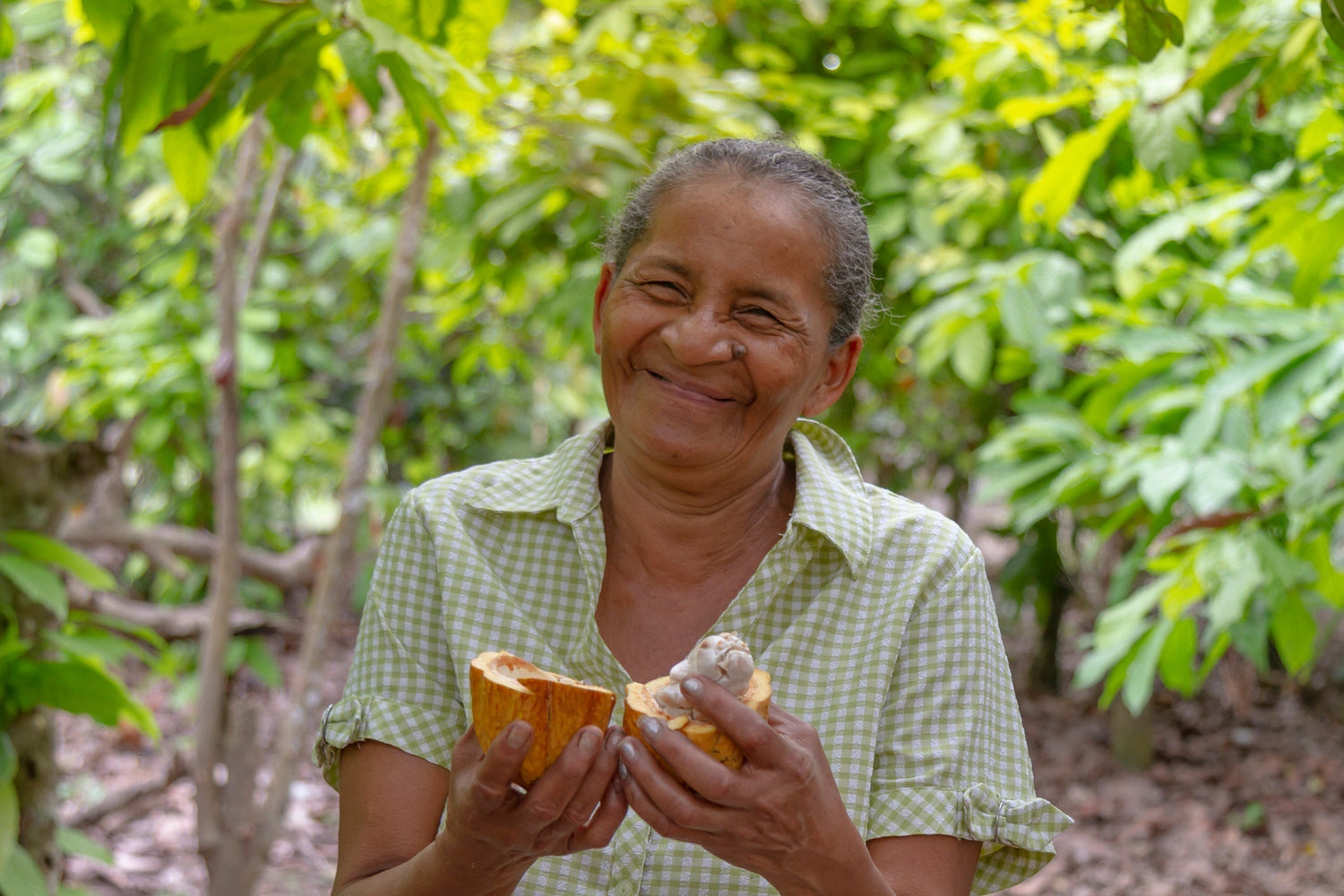
The difference often starts before the first bite. A chocolate bar can look polished, feel luxurious, and still tell you very little about how it was made. If you have ever asked what is bean to bar chocolate, the answer is not just about taste. It is about who makes the chocolate, where the cacao comes from, and how much of the process happens under one roof.
Bean-to-bar chocolate is chocolate made by a maker who transforms raw cacao beans into finished chocolate in-house. That means sourcing, sorting, roasting, cracking, winnowing, refining, conching, tempering, and molding are controlled by the chocolate maker rather than outsourced to a large industrial supplier. In simple terms, it is chocolate with a visible chain of craftsmanship.
What is bean to bar chocolate, exactly?
At its core, bean-to-bar means the maker starts with cacao beans rather than buying ready-made chocolate couverture. This distinction matters more than it may seem.
Many traditional chocolatiers are highly skilled in working with chocolate. They may create excellent pralines, truffles, and molded pieces. But if they begin with industrial couverture, they are shaping, blending, and finishing chocolate that someone else has already made. A bean-to-bar maker takes responsibility for the chocolate itself from the earliest stage.
That responsibility changes the product. When a maker chooses the beans, adjusts the roast, refines the texture, and develops the final flavor profile, the result is more expressive and more transparent. It also means quality decisions are not hidden inside a commodity supply chain.
Why bean to bar chocolate matters
For consumers, bean-to-bar is not a marketing flourish when it is used correctly. It is a meaningful indicator of process and intent.
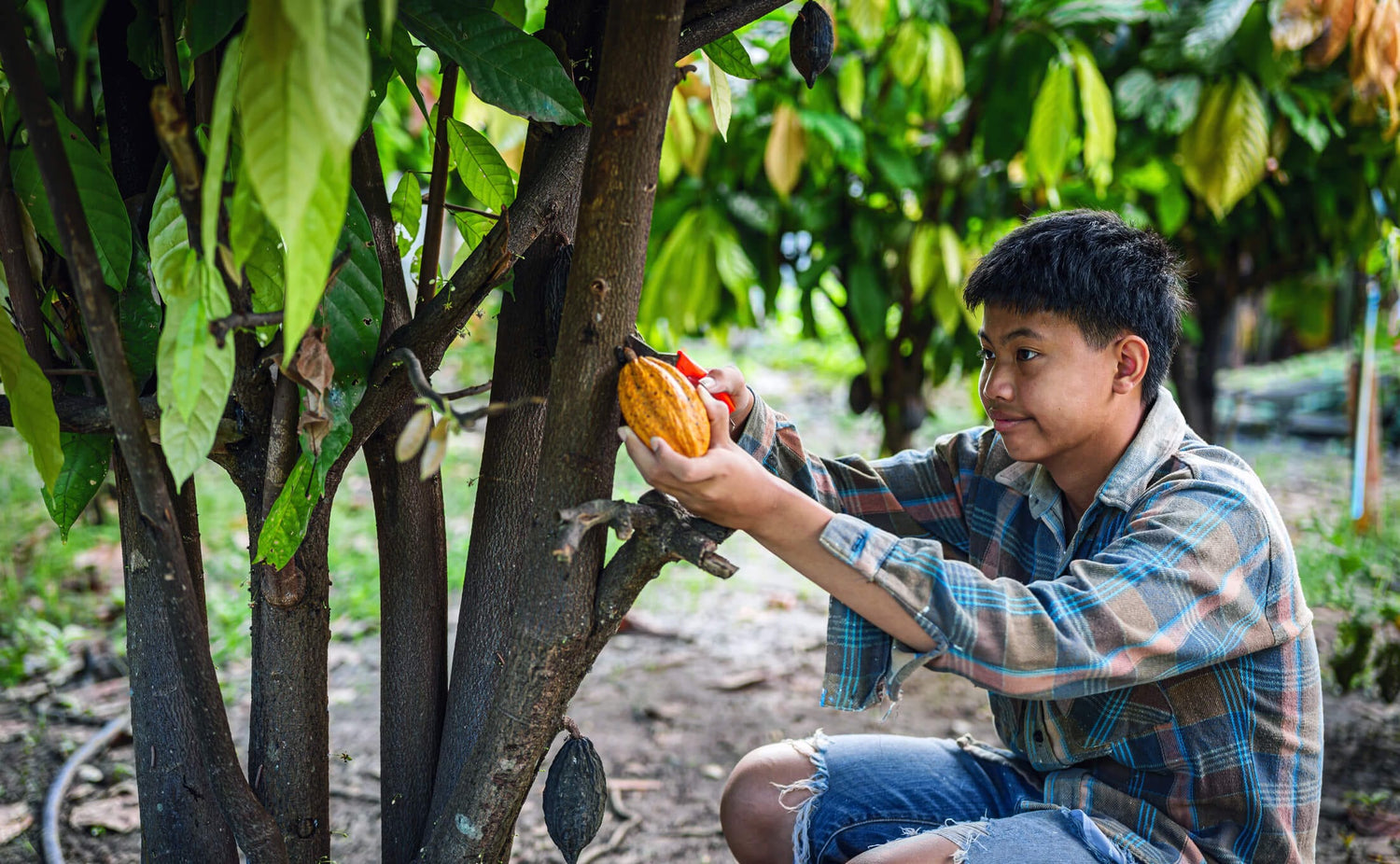
First, it creates traceability. A serious bean-to-bar maker can usually tell you where the cacao was grown, sometimes down to a specific region, cooperative, or farm. That kind of origin information gives context to the flavor, but it also gives buyers a clearer view of sourcing practices.
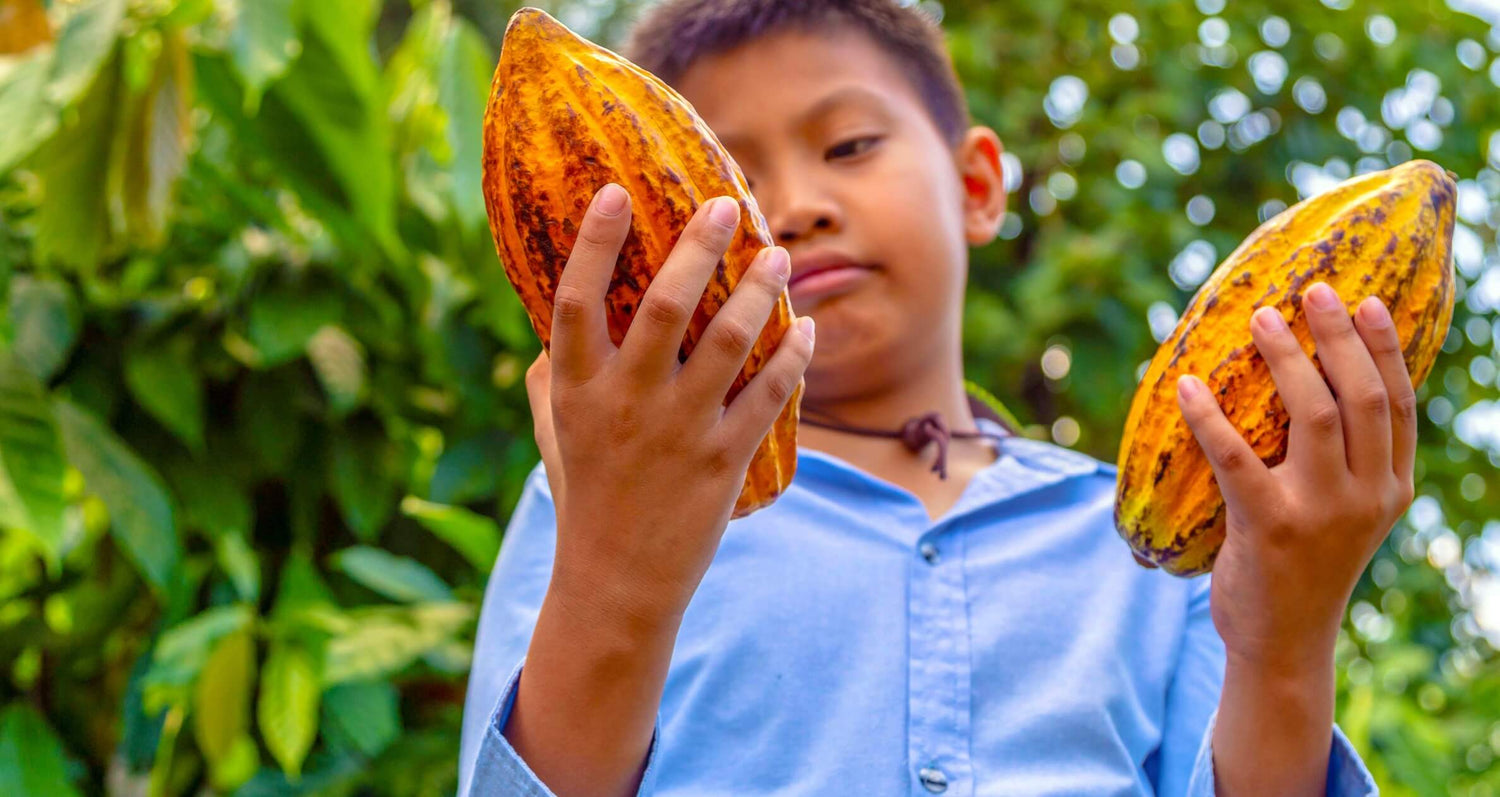
Second, it allows for genuine flavor development. Cacao is an agricultural product, and like coffee or wine, it carries the character of place. Soil, climate, variety, fermentation, and drying all shape the beans before they ever reach the workshop. Bean-to-bar production preserves the possibility of showing those differences rather than blending them away for uniformity.
Third, it reflects craftsmanship in the fullest sense. Making chocolate from beans is technically demanding. Every stage affects the final result, and small changes can shift flavor, aroma, and texture in significant ways.
That said, bean-to-bar does not automatically mean better in every case. A poorly made bean-to-bar bar can be less enjoyable than a well-handled couverture product. The phrase matters when it is backed by skill, discipline, and honest sourcing.
How cacao beans become a finished bar
The phrase sounds simple, but the process is anything but. Bean-to-bar making involves a long chain of decisions, each of which shapes the finished chocolate.
The process begins with sourcing. A maker selects cacao beans based on origin, harvest quality, post-harvest handling, and the flavor potential of the lot. Good sourcing is not just about rarity. It is about consistency, ethics, and whether the beans have been fermented and dried with care.
Once the beans arrive, they are sorted to remove defects and foreign material. Roasting follows, and this is one of the most defining steps in chocolate making. A light roast may preserve delicate fruit or floral notes, while a deeper roast can add warmth, nuttiness, or intensity. There is no universal correct roast. It depends on the bean.
After roasting, the beans are cracked and winnowed so the shell is removed and the cacao nib remains. Those nibs are then ground into cocoa mass. Sugar is added, and sometimes cocoa butter, milk powder, or other ingredients depending on the style of chocolate being made.
Next comes refining, which reduces particle size for a smooth mouthfeel, and conching, which develops texture and flavor over time by mixing, heating, and aerating the chocolate. This stage can soften acidity, round bitterness, and create a more elegant finish.
Finally, the chocolate is tempered for stability and shine, then molded into bars or used in other creations. By the time a finished bar is wrapped, the maker has shaped every major aspect of its identity.
What makes bean to bar taste different
Bean-to-bar chocolate often tastes more distinctive because it is designed to express the character of the cacao rather than flatten it into a standard profile.
In mass-market chocolate, consistency is usually the goal. Large manufacturers blend beans from multiple origins and engineer a dependable flavor that tastes the same year-round. There is commercial logic in that. Most consumers expect familiarity.
Bean-to-bar makers tend to value specificity instead. A bar made with cacao from Madagascar may show bright red fruit and citrus. A bar from Peru may lean floral, nutty, or softly earthy. Another from Tanzania might carry deeper cocoa notes with lively acidity. These are broad examples, not rules, but they show the point: origin can be tasted.
Texture also tends to be more intentional. Well-made bean-to-bar chocolate is often clean on the palate, with a slow, layered finish rather than a one-note sweetness. Sugar usually plays a supporting role rather than overwhelming the cacao.
This does not mean every bean-to-bar bar is sharp, dark, or severe. Some are remarkably approachable. The best makers know how to preserve complexity while still delivering pleasure.
Bean to bar vs. traditional Belgian chocolate
This is where nuance matters. Belgium has a deserved reputation for chocolate excellence, but the term Belgian chocolate can refer to many different production models.
A traditional chocolatier may be based in Belgium, use excellent ingredients, and have great technical expertise in fillings, coatings, and presentation. Yet that chocolatier may still purchase couverture made elsewhere by a large manufacturer. The finished bonbon can be beautiful, but the chocolate base itself was not created in-house.
Bean-to-bar production adds another layer of authorship. The maker is not only crafting the final confection but also building the chocolate from the bean upward. For buyers who care about transparency and origin, that distinction is significant.
In a city like Brussels, where chocolate heritage is part of the culture, true workshop production offers a more complete expression of craft. It honors Belgian standards of quality while moving beyond the older model of simply working with pre-made chocolate.
How to tell if a chocolate maker is truly bean to bar
The term has become more visible, which is useful, but it also means buyers should look a little closer.
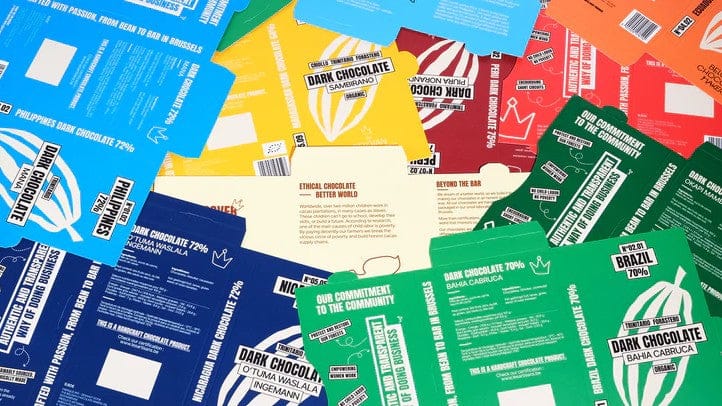
A genuine bean-to-bar maker will usually speak clearly about origin, production, and process. You should be able to find information about where the cacao comes from and how the chocolate is made. If a brand talks only about luxury, packaging, or flavor names without mentioning the actual making process, that can be a sign that the chocolate itself is sourced already finished.
Product range also matters less than people think. A maker can produce bars, pralines, truffles, spreads, and gift boxes while still being bean to bar, provided the chocolate base is made in-house. The key question is not whether the assortment is broad. It is who made the chocolate at the center of it.
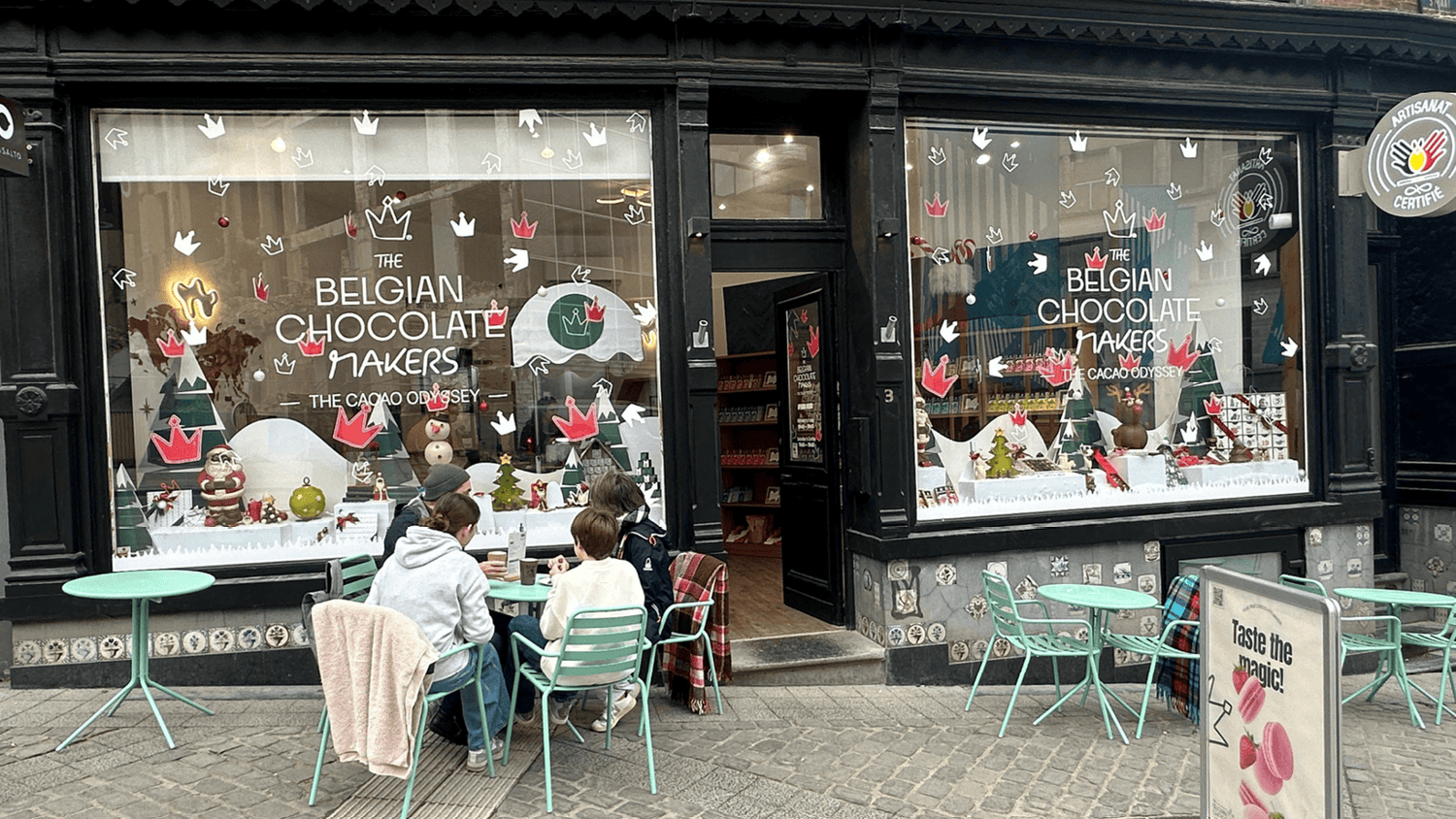
At The Belgian Chocolate Makers, that full transformation happens in the workshop, from cacao bean to finished chocolate. For shoppers looking for authenticity rather than surface-level premium cues, that is the standard worth seeking.
Is bean to bar always ethical?
Not automatically. But it does create better conditions for accountability.
Because bean-to-bar makers work more closely with cacao origin, they are often better positioned to discuss sourcing relationships, pricing, and traceability. Some prioritize direct trade, some work through trusted importers, and some focus on certified supply chains. The right model depends on scale, geography, and long-term partnership.
What matters is honesty. Ethical sourcing is not proven by elegant packaging or broad claims about sustainability. It is shown through transparency, consistency, and a willingness to explain where ingredients come from.
For many premium buyers and gift shoppers, this is part of the appeal. A box of chocolates feels more meaningful when the story behind it is real.
Why bean to bar is worth seeking out
If you care about flavor, bean-to-bar offers more character. If you care about craftsmanship, it shows you where the skill actually begins. If you care about sourcing, it gives you a clearer line of sight.
And if you simply want a better piece of chocolate, that may be reason enough. Not because bean-to-bar is trendy, but because chocolate made with full control and clear intent tends to feel different from the first snap to the last lingering note.
The next time you choose a bar for yourself or a gift for someone else, look past the wrapper and ask a better question: who made the chocolate itself?