Chocolate begins long before a glossy bar is wrapped or a praline is placed in a gift box. A true bean to bar workshop experience makes that beginning visible: the scent of cacao beans warming in a roaster, the low, steady work of refining, and the precise tempering that gives finished chocolate its clean snap and shine. It is an encounter with chocolate as a crafted food, not simply a confection.
For anyone who cares about flavor, origin, or the integrity behind a gift, seeing this process changes the way chocolate is chosen. The differences between a bar made from carefully sourced beans and one made from purchased industrial couverture are not abstract. They can be tasted, smelled, and understood.
Why a bean to bar workshop experience matters
The phrase bean to bar describes chocolate made from whole cacao beans through every major stage of production. The maker selects the beans, roasts them, removes the husks, refines the cacao with sugar and other ingredients, develops texture and flavor, tempers the chocolate, and molds the finished product.
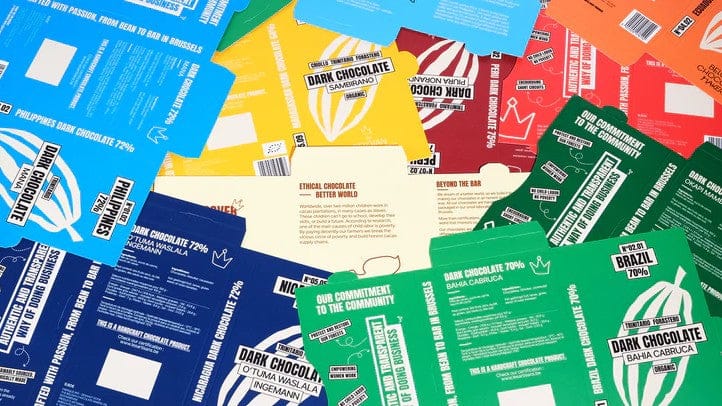
This level of control matters because each decision affects the result. Cacao from Ecuador may offer floral notes and gentle fruit. Beans from Madagascar can be bright and red-fruit driven, while other origins may bring toasted nuts, caramel, spice, or a deep cocoa character. Origin is not a marketing detail. It is one of the foundations of flavor.
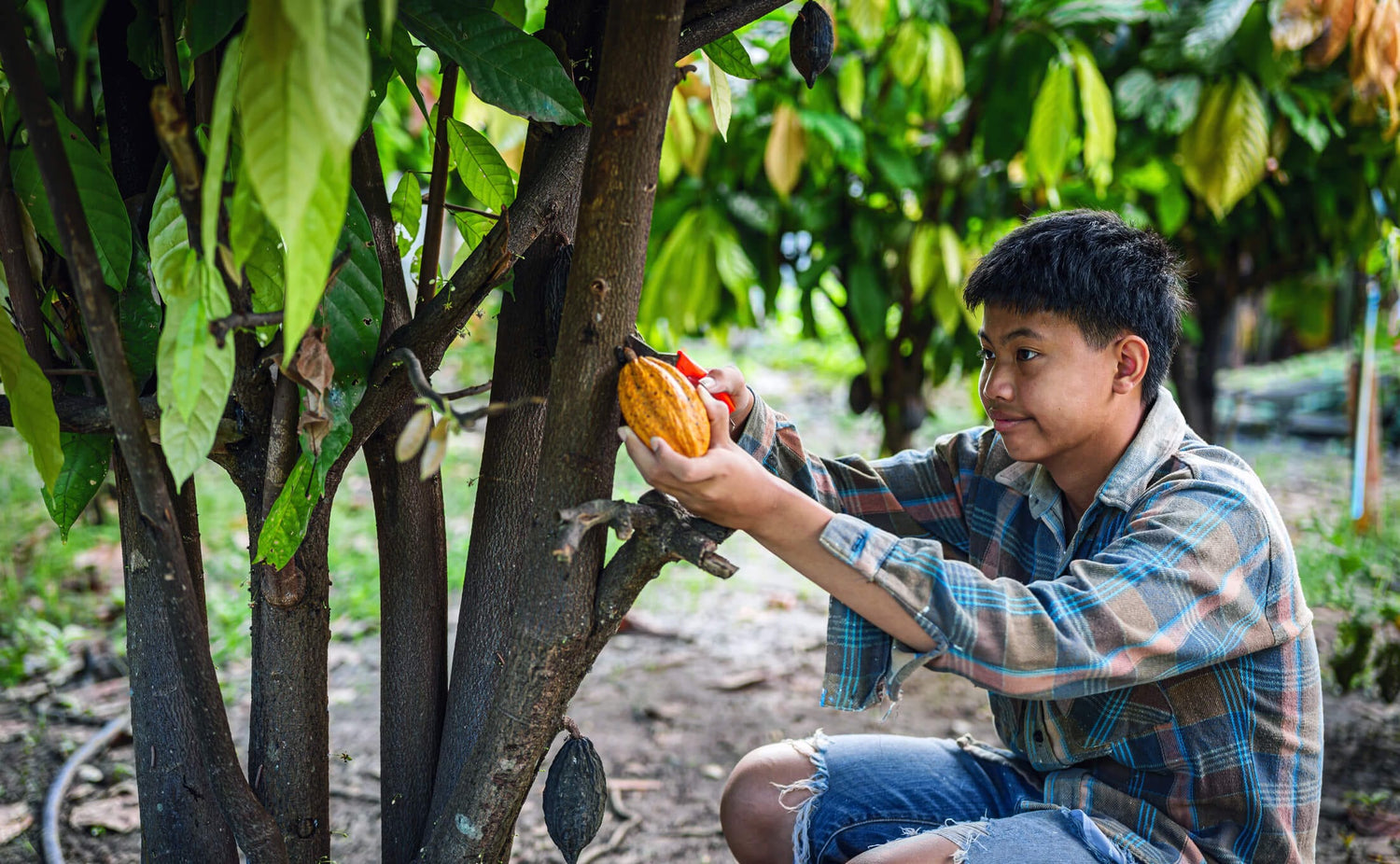
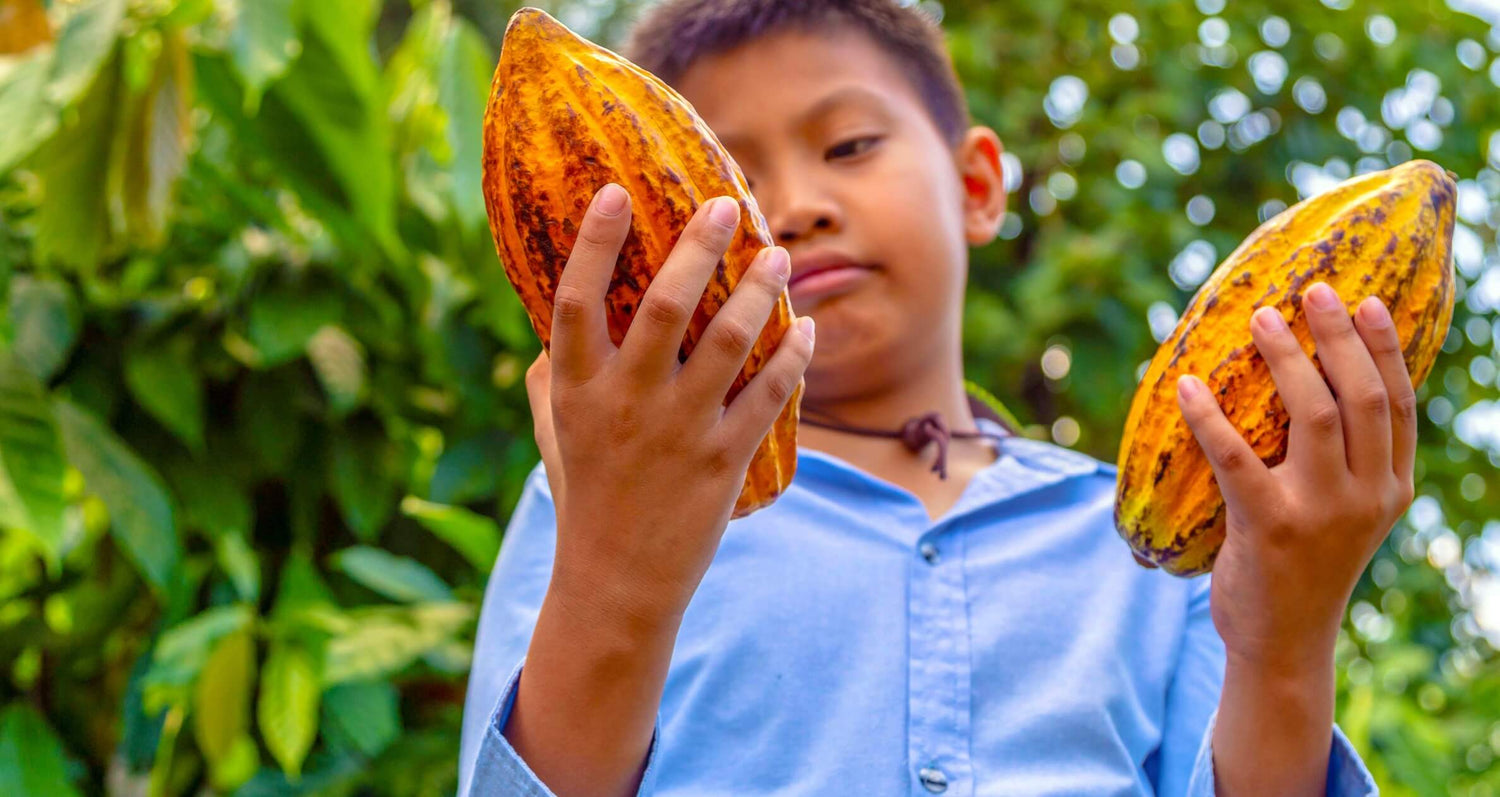
A workshop experience also brings transparency into focus. Cacao is an agricultural product, shaped by variety, soil, climate, fermentation, drying, and the work of growers. Responsible chocolate making begins with understanding where beans come from and choosing sourcing relationships that respect both quality and people. Traceability does not guarantee a perfect supply chain, but it gives makers and buyers a clearer basis for asking the right questions.
For a premium chocolate buyer, this knowledge creates a more meaningful standard. Rather than judging chocolate only by sweetness, packaging, or cocoa percentage, you can consider origin, ingredients, texture, and the care invested in production.
From cacao bean to finished chocolate
A bean to bar workshop is most compelling when it follows the real sequence of making, including the less glamorous stages that determine whether chocolate will be exceptional.
Roasting builds the first layer of flavor
Raw cacao beans have potential, not a finished chocolate taste. Roasting develops that potential. Heat helps reduce moisture, loosens the shell, and draws out aromas that can range from biscuit-like and nutty to fruity and deeply cocoa-rich.
There is no universal roast profile. A delicate, fruit-forward bean may benefit from a gentler approach, while a more earthy cacao can need additional development to reveal its best character. Roast too lightly and the flavor may feel green or underdeveloped. Roast too far and fine origin notes can disappear beneath bitterness or burnt flavors.
This is one reason small-batch production deserves attention. It allows a maker to respond to a particular cacao rather than treating every bean as interchangeable.
Cracking and winnowing reveal the nib
After roasting, the brittle shell must be separated from the edible center, known as the cacao nib. The beans are cracked, then winnowed so the light husk is removed from the heavier nibs.
It is a simple stage to describe, but it carries real importance. Cleanly winnowed nibs support a purer flavor and a smoother final texture. A workshop makes clear that chocolate is not made from a mysterious brown liquid. It comes from a seed, handled with patience at every step.
Refining transforms nibs into chocolate
Nibs are ground with sugar, and sometimes additional cacao butter, until their natural fat turns the mixture fluid. The particles are refined to create the smoothness people expect from fine chocolate. This stage can take many hours, depending on the recipe, equipment, and desired style.
Texture is not merely a technical matter. Chocolate that is insufficiently refined can feel sandy or chalky, even when its flavor is promising. Yet extreme refinement is not automatically better. A maker may seek a silkier finish for a classic dark bar, or preserve a slightly more rustic character when it suits a particular origin. Quality lies in intention and balance.
Conching and resting bring flavors together
As chocolate continues to move and aerate, its flavor evolves. Conching helps reduce harsh volatile notes and integrates cacao, sugar, and cocoa butter into a more harmonious whole. It is often where a chocolate becomes rounder, cleaner, and more expressive.
This is also where patience becomes part of the ingredient list. Fast production may be efficient, but it can limit the time available for flavor to settle and develop. A bean to bar maker chooses how much time a chocolate needs rather than forcing every batch through an identical industrial schedule.
Tempering creates the signature snap
Tempering is the controlled heating and cooling of chocolate to encourage stable cocoa butter crystals. Done well, it gives a bar a glossy surface, a firm snap, and a melt that feels clean rather than waxy.
It is one of the most visible marks of craftsmanship, especially in molded bars, praline shells, and elegant seasonal pieces. A dull surface or soft, streaky finish can signal that chocolate has been poorly tempered or stored under difficult conditions. Even excellent cacao deserves careful finishing.
How to taste chocolate during the experience
A workshop becomes memorable when production is connected to tasting. Begin with appearance. Well-tempered chocolate should look even and polished. Then listen for the snap as it breaks. That sound reflects structure, not just presentation.
Let a small piece melt slowly rather than chewing immediately. The first impression may be cocoa, but the middle and finish often tell the fuller story. You might notice berry, citrus, honey, roasted almond, coffee, dried fruit, or gentle spice. These are not necessarily added flavors. In a well-made single-origin chocolate, they can arise naturally from the cacao and its processing.
Cocoa percentage is useful, but it does not tell the entire story. A 70% bar can taste soft and rounded or intensely bitter depending on the beans, roast, sugar choice, and recipe. Likewise, a higher percentage is not automatically more refined. The right chocolate is the one whose balance and character suit your palate.
When tasting several origins, cleanse your palate with water and move from lighter, more delicate profiles toward deeper or more intense bars. Avoid rushing. Fine chocolate rewards attention in the same way specialty coffee or wine does, but it remains wonderfully approachable.
What separates a genuine workshop from a demonstration
Not every chocolate presentation offers the same insight. A demonstration may show molding, decorating, or filling pralines, all of which are valuable skills. But a genuine bean to bar workshop experience should explain the transformation from cacao bean onward and make clear where the chocolate itself is produced.
Ask whether the maker works with whole beans or begins with ready-made couverture. Neither approach is inherently without merit. Many talented chocolatiers create exceptional pralines using couverture produced by others. The difference is in the craft being presented. Bean to bar production involves making the chocolate itself, while traditional chocolatier work centers on shaping, filling, pairing, and finishing chocolate.
The strongest experience does not dismiss either discipline. It helps visitors understand them. Making a fine praline shell and making the chocolate that forms it are distinct crafts. When both are practiced with skill, the result can honor Belgian chocolate heritage while offering a more direct connection to cacao origin.
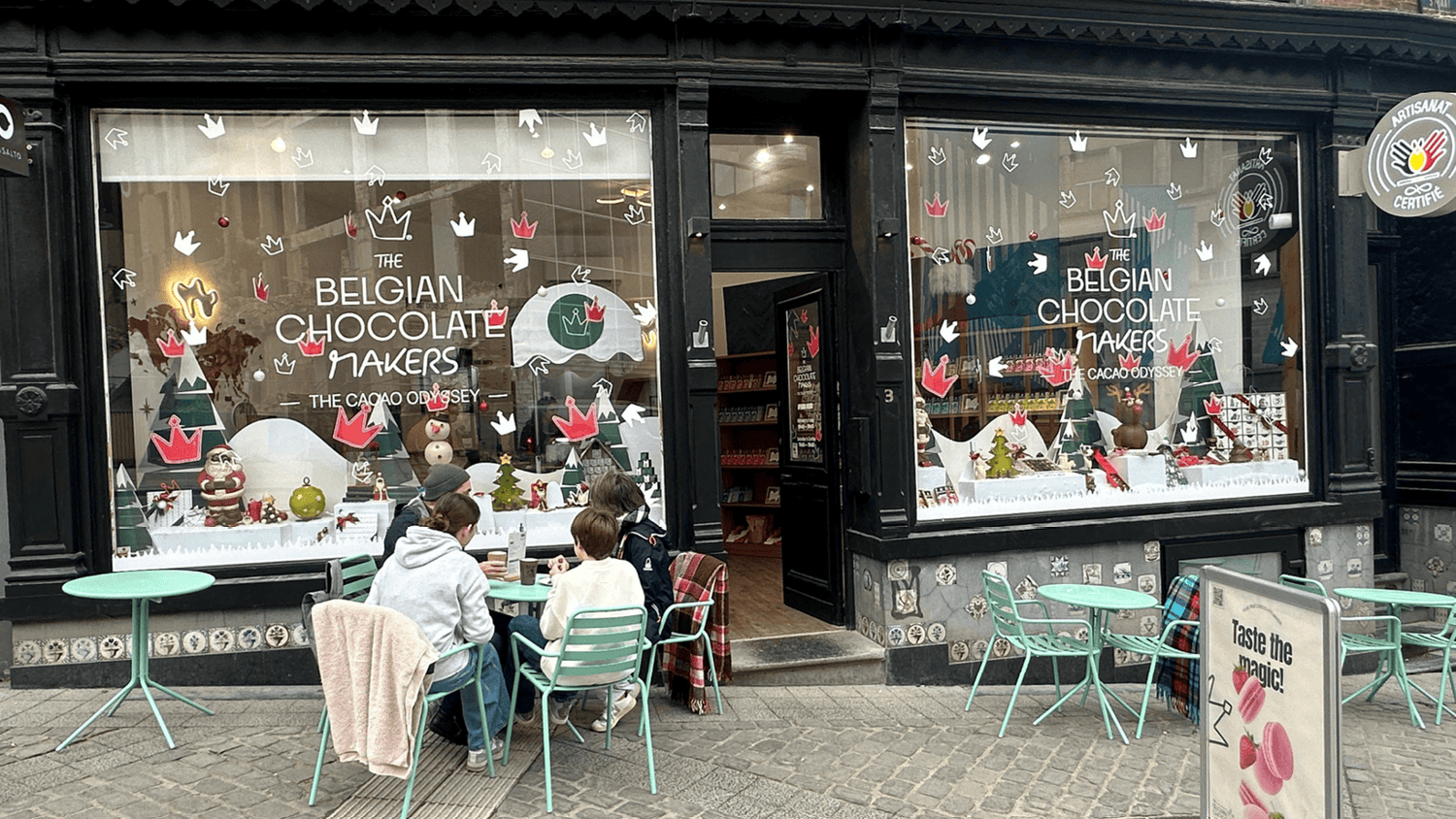
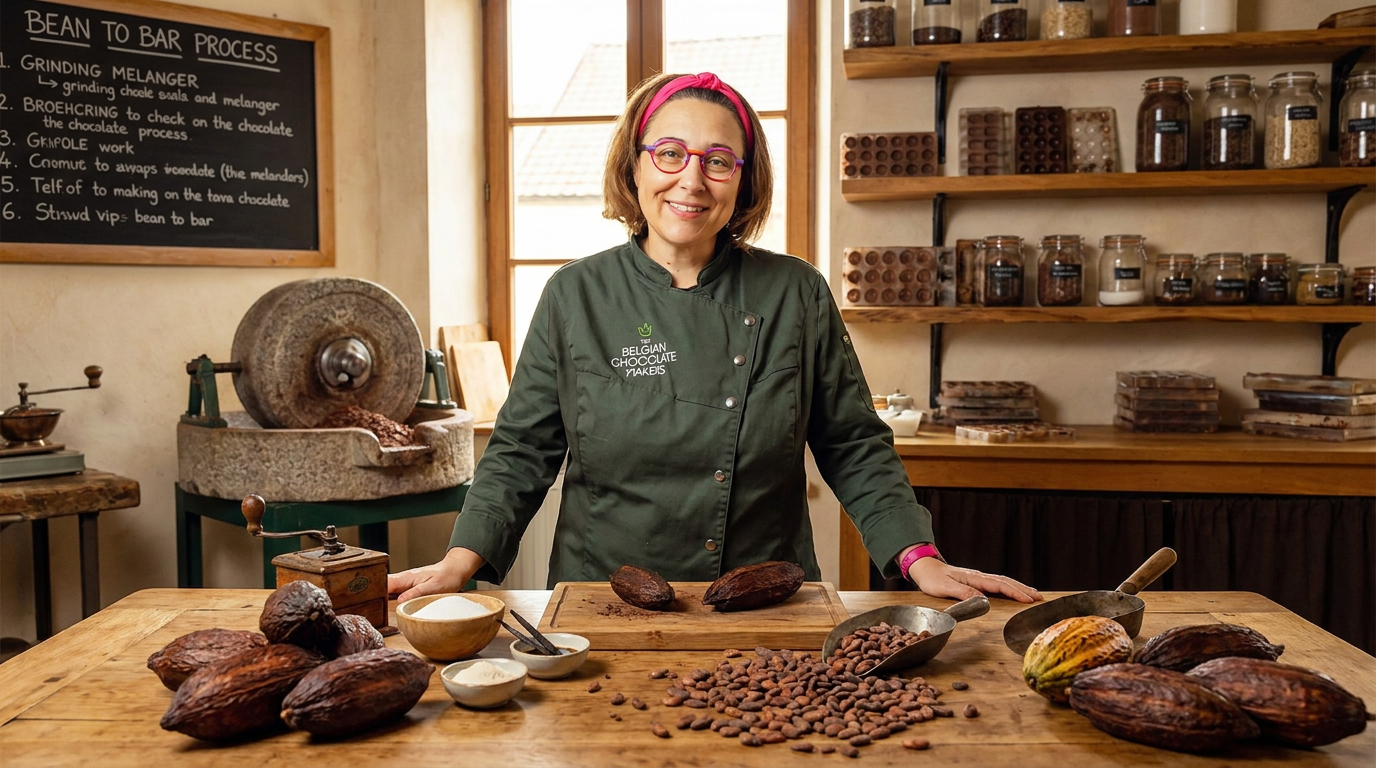
At The Belgian Chocolate Makers, chocolate is produced in-house in central Brussels, from carefully selected cacao beans through to finished bars, pralines, truffles, and gift-ready creations. That direct production provides the foundation for honest origin storytelling and for flavors that retain their individual character.
Bringing the lesson to your next chocolate gift
After seeing chocolate made from bean to bar, gift shopping becomes more considered. Look beyond a handsome box and ask what is inside it. Is there information about cacao origin? Does the ingredient list lead with cacao and cocoa butter rather than unnecessary fillers? Is the maker clear about how and where the chocolate is produced?
A single-origin bar is a thoughtful choice for someone curious about flavor. A selection of pralines or truffles offers a more celebratory experience. For a host, client, or loved one, a well-presented assortment can carry both generosity and a story worth sharing. The best option depends on the occasion, but the standard remains the same: chocolate should feel made with purpose.
The next time you break a piece of fine chocolate, pause before the first bite. Notice the snap, let it melt, and consider the cacao, the hands, and the many careful decisions that brought it there. That small moment is where a workshop experience continues long after the visit ends.