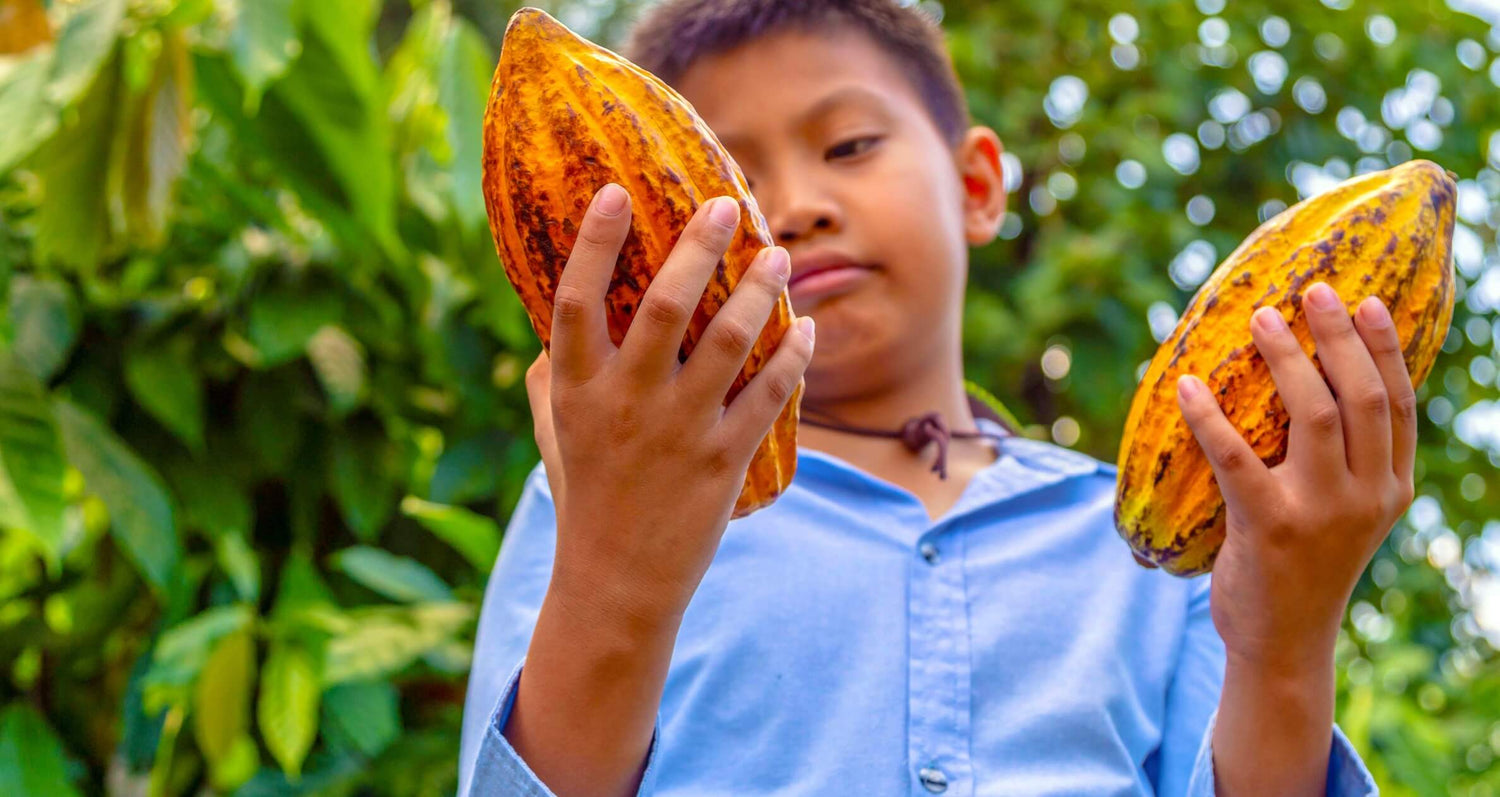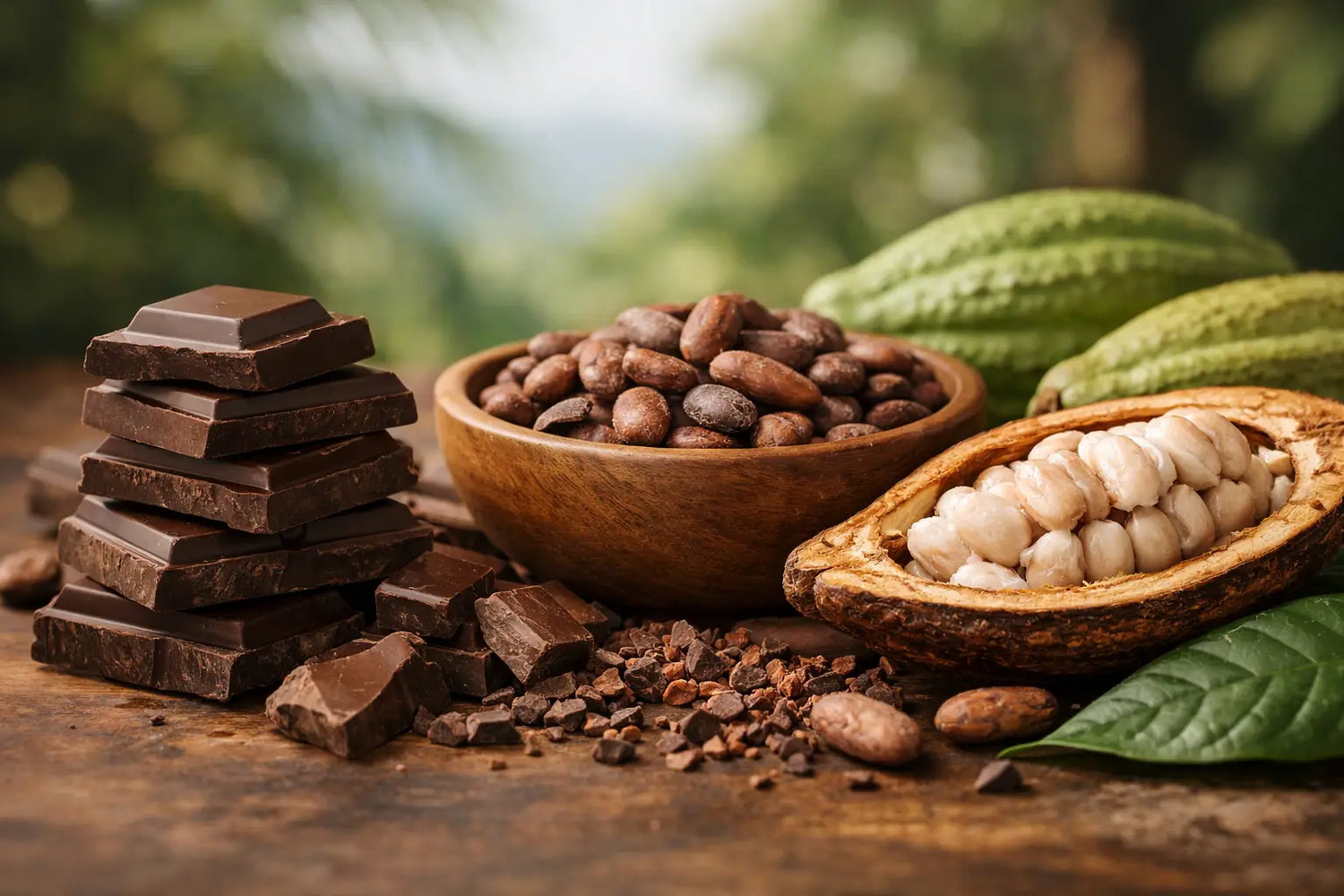
A chocolate bar can list only a cacao percentage and still leave out the most interesting part of the story. Two dark chocolates made with 70% cacao may share a number, yet taste entirely different: one may be bright with red fruit, another deep with roasted nuts, another softly caramel-like. The difference often begins with where the beans were grown. So, why does single origin matter? Because origin gives chocolate a genuine sense of place, while making its flavor, sourcing, and craftsmanship easier to understand.
For a bean-to-bar maker, single origin is not a decorative label. It is a commitment to treating cacao as an agricultural ingredient with character - much like coffee, wine, tea, or olive oil. It asks the maker to preserve and express what is distinctive in a particular harvest rather than blending it away.
What single-origin chocolate actually means
Single-origin chocolate is made with cacao sourced from one defined place. That can mean a single country, a region within a country, a cooperative, an estate, or, in the most specific cases, one farm. The wording matters because “single origin” alone does not always indicate the same degree of precision.
A country-level chocolate, for example, may bring together beans from several growing areas. It can still offer a valuable introduction to that country’s cacao profile, but it will not be as narrowly traceable as a bar made from one named cooperative. The best approach is simple: look for clear information about the place, producer group, and cacao used rather than assuming every origin claim carries identical detail.
This specificity is especially meaningful in chocolate because cacao is frequently traded as a commodity. In conventional production, beans from multiple countries and harvests are commonly blended to produce a consistent, familiar profile. Consistency has its place, particularly in large-scale confectionery. But it can also make cacao’s natural variation nearly invisible.
Why does single origin matter for flavor?
Cacao carries the imprint of its growing conditions. Soil composition, rainfall, elevation, surrounding vegetation, local cacao varieties, and post-harvest practices all affect the beans. Fermentation and drying are particularly influential. A carefully managed fermentation can develop complexity and reduce harshness; poor handling can leave behind unwanted bitterness, smoke, or moldy notes.
The result is not a rigid flavor map, but a range of recognizable tendencies. Cacao from one origin might suggest citrus, honey, and floral notes. Another can feel more earthy, nutty, or intensely cocoa-forward. A third may offer dried fruit, spice, or a gentle acidity that keeps a dark chocolate lively rather than heavy.
That is why a single-origin bar rewards slow tasting. Let a small piece melt rather than chewing it immediately. Notice the opening flavor, the middle, and the finish. Fine chocolate often changes as it melts, revealing notes that are subtle but unmistakably its own.
The chocolate maker’s role is essential here. Roasting can amplify nuttiness, soften acidity, or preserve delicate fruit notes. Refining determines texture, while conching shapes how flavors come together. Small choices in time and temperature can either honor the bean or flatten it. True bean-to-bar production gives the maker control over these decisions from the moment the cacao arrives at the workshop.
Origin makes transparency more meaningful
A named origin does not automatically guarantee ethical sourcing. Fair treatment, environmental care, and responsible labor practices require real evidence and long-term attention. Still, origin transparency is an important starting point because it makes better questions possible.
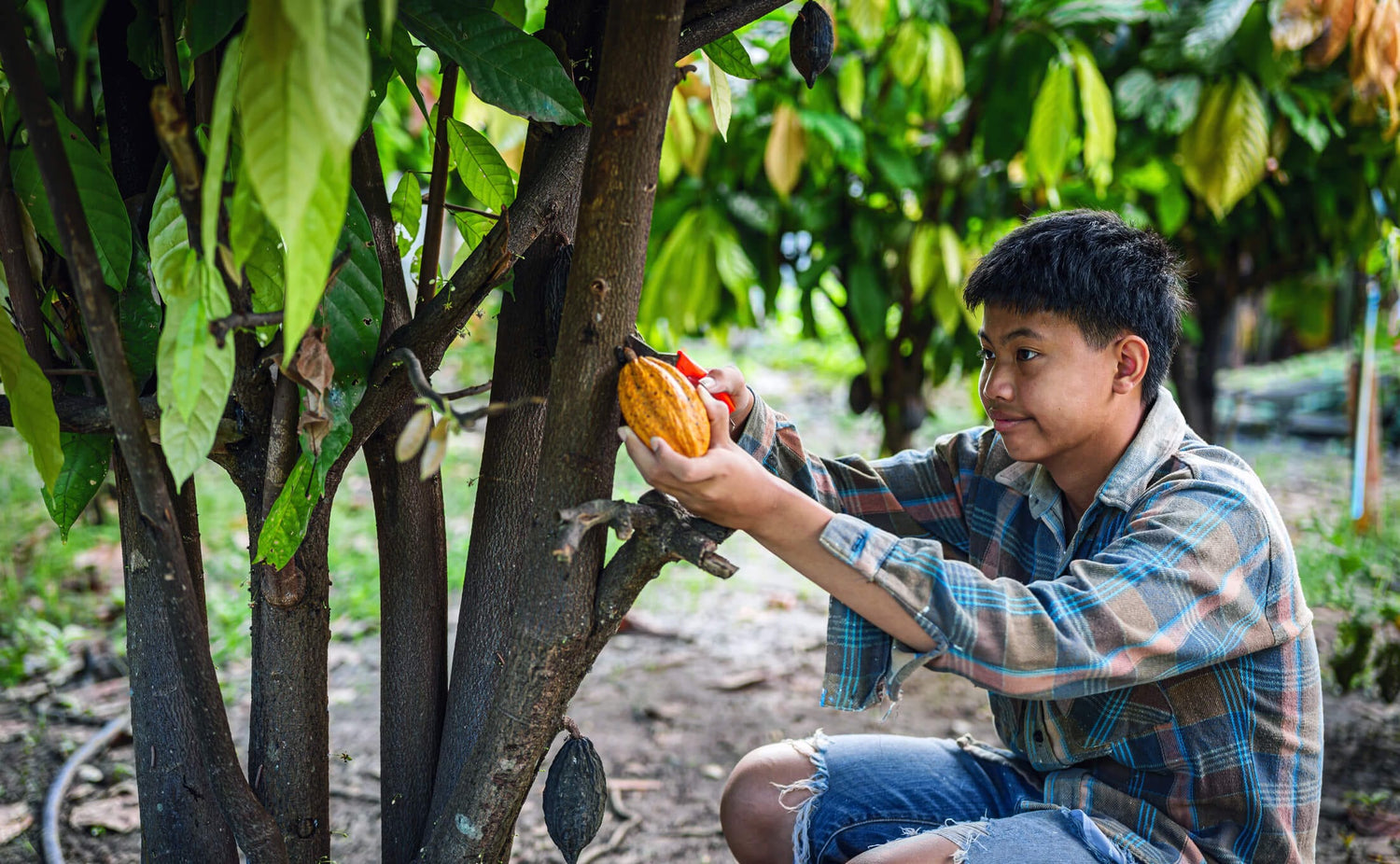
When a chocolatier can identify where its beans come from, it can speak more clearly about who grows them, how they are purchased, and why a particular sourcing relationship matters. This moves the conversation beyond vague claims and toward accountability. It also recognizes that exceptional chocolate begins long before roasting, in the work of farmers and post-harvest teams.
Traceability matters to customers for practical reasons as well as ethical ones. People increasingly want to know what they are buying and whether the quality in the wrapper is supported by care throughout the supply chain. A chocolate gift becomes more considered when it carries a real story - not a generic promise of luxury, but a connection to a place and the people whose skill made the cacao possible.
For makers, traceable sourcing also creates a feedback loop. When a particular lot performs beautifully, they can understand why and seek similar quality in future harvests. When conditions change, they can adjust recipes thoughtfully instead of masking every difference with a broad blend.
The trade-off: character is not always identical
Single-origin chocolate is often praised for consistency of place, but it should not be mistaken for absolute sameness from year to year. Cacao is a crop. Rainfall, fermentation conditions, and harvest timing can shift. A bar made from a new harvest may be recognizably related to the previous one while showing more brightness, less fruit, or a different finish.
For many chocolate lovers, that variation is part of the appeal. It reflects a living ingredient rather than a formula engineered to taste identical forever. Yet it may not suit every purpose. A carefully formulated blend can be preferable when a pastry chef needs a stable flavor profile, or when someone wants a familiar chocolate note in a favorite dessert.
Single origin is therefore not automatically “better” in every context. It is better when the goal is to taste cacao with greater clarity, appreciate a specific sourcing story, and enjoy the maker’s interpretation of a particular harvest. Blends can be elegant and deliberate too. The distinction is not craft versus no craft; it is expression versus uniformity.
How to choose a single-origin chocolate
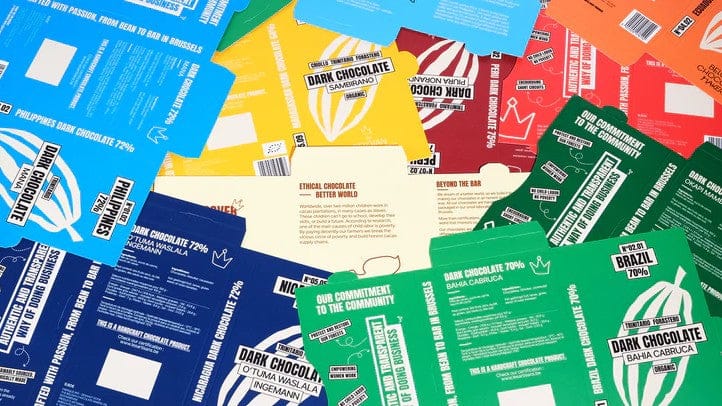
Start with the information on the package. A thoughtful bar should identify the cacao’s origin with enough detail to be useful, ideally naming a region, cooperative, or producer group where possible. The ingredient list also deserves attention. A short list - cacao beans, cacao butter, sugar, and perhaps milk for milk chocolate - allows the cacao to remain the focus.
Cacao percentage is helpful, but it is not a scorecard. A 70% bar is not inherently superior to a 60% or 80% bar. Different beans show their best qualities at different recipes. More cacao can bring intensity, but it can also overwhelm a delicate origin if the balance is not right. The best percentage is the one that allows flavor and texture to feel complete.
If you are choosing a gift, single origin offers an easy way to make the selection personal. A bright, fruit-forward dark chocolate may suit someone who enjoys specialty coffee or berry-forward wines. A more mellow, nutty origin can be a welcoming choice for a first exploration of fine dark chocolate. Pairing several origins in a gift box turns a beautiful present into a tasting experience.
A better way to taste chocolate
Comparing two single-origin bars side by side is one of the clearest ways to understand their value. Choose bars with similar cacao percentages, taste them at room temperature, and take a moment between samples. You may notice that the aroma alone is different before the chocolate reaches your palate.
There is no need for elaborate vocabulary. “Fruity,” “toasty,” “creamy,” “tangy,” and “deeply cocoa-like” are all useful observations. What matters is recognizing that chocolate can offer more than sweetness and bitterness. It can communicate origin with precision and pleasure.
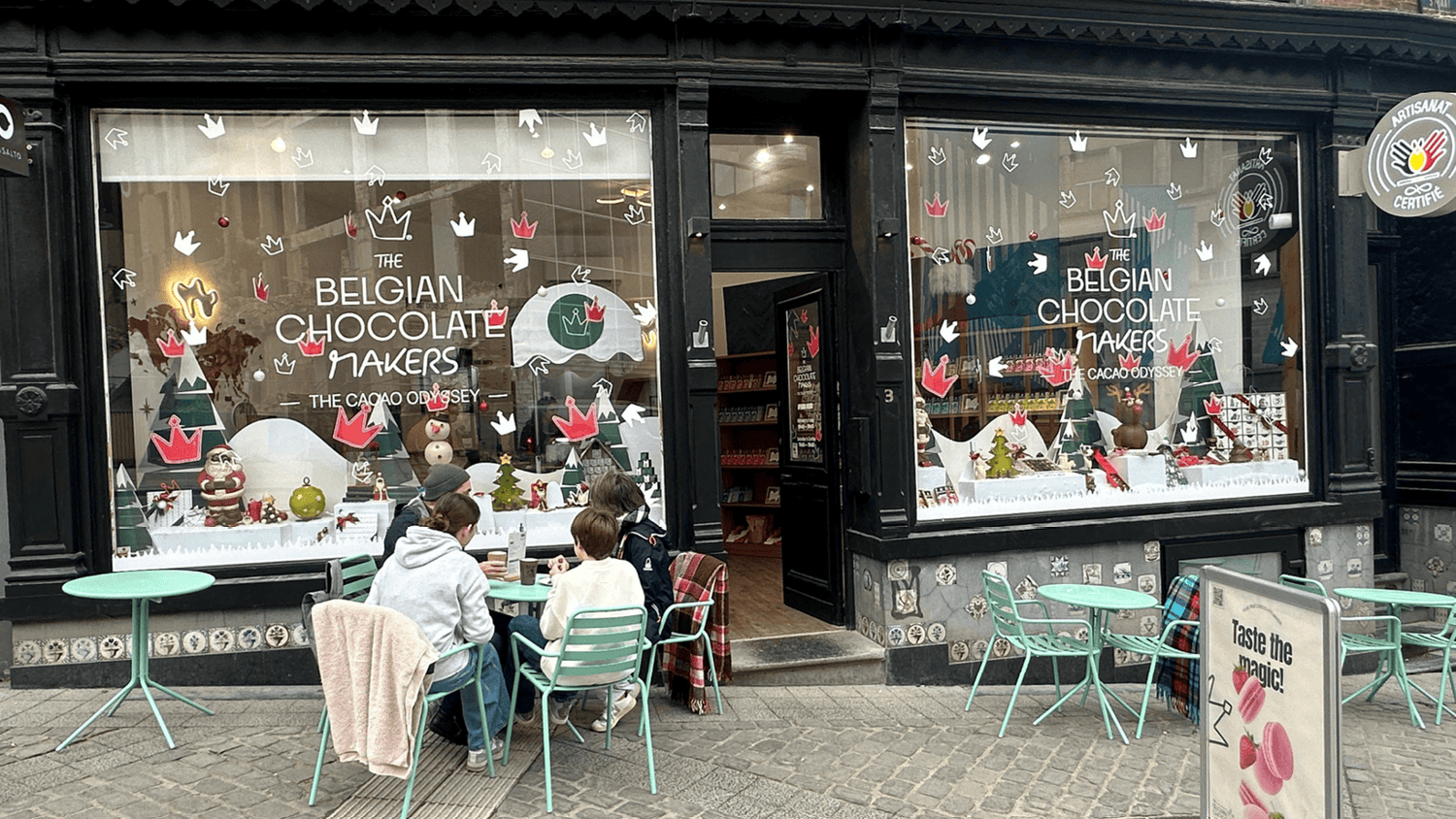
At The Belgian Chocolate Makers, bean-to-bar craftsmanship begins with that respect for the bean. By roasting, refining, molding, and finishing chocolate in the Brussels workshop, each stage can be guided toward a chocolate that feels polished without losing its connection to cacao’s source.
The next time you choose chocolate for yourself or someone else, consider selecting a single origin and tasting it without distraction. A few quiet minutes can turn a simple square of chocolate into a more direct encounter with craft, place, and the people behind the cacao.