A chocolate bar can name one estate, one country, or no origin at all. Those words are not decorative. They signal how the cacao was sourced, how its flavor was shaped, and how clearly its journey can be understood. In the choice of single estate versus blended cacao, neither style is automatically superior. Each offers a different expression of the maker’s craft.
For a chocolate lover, the distinction can turn an ordinary tasting into a more meaningful experience. For a gift buyer, it offers a useful way to match a chocolate to the recipient: a precise, origin-led bar for someone who enjoys discovering flavor, or a carefully composed blend for someone who values a familiar, beautifully balanced indulgence.
What single estate cacao means
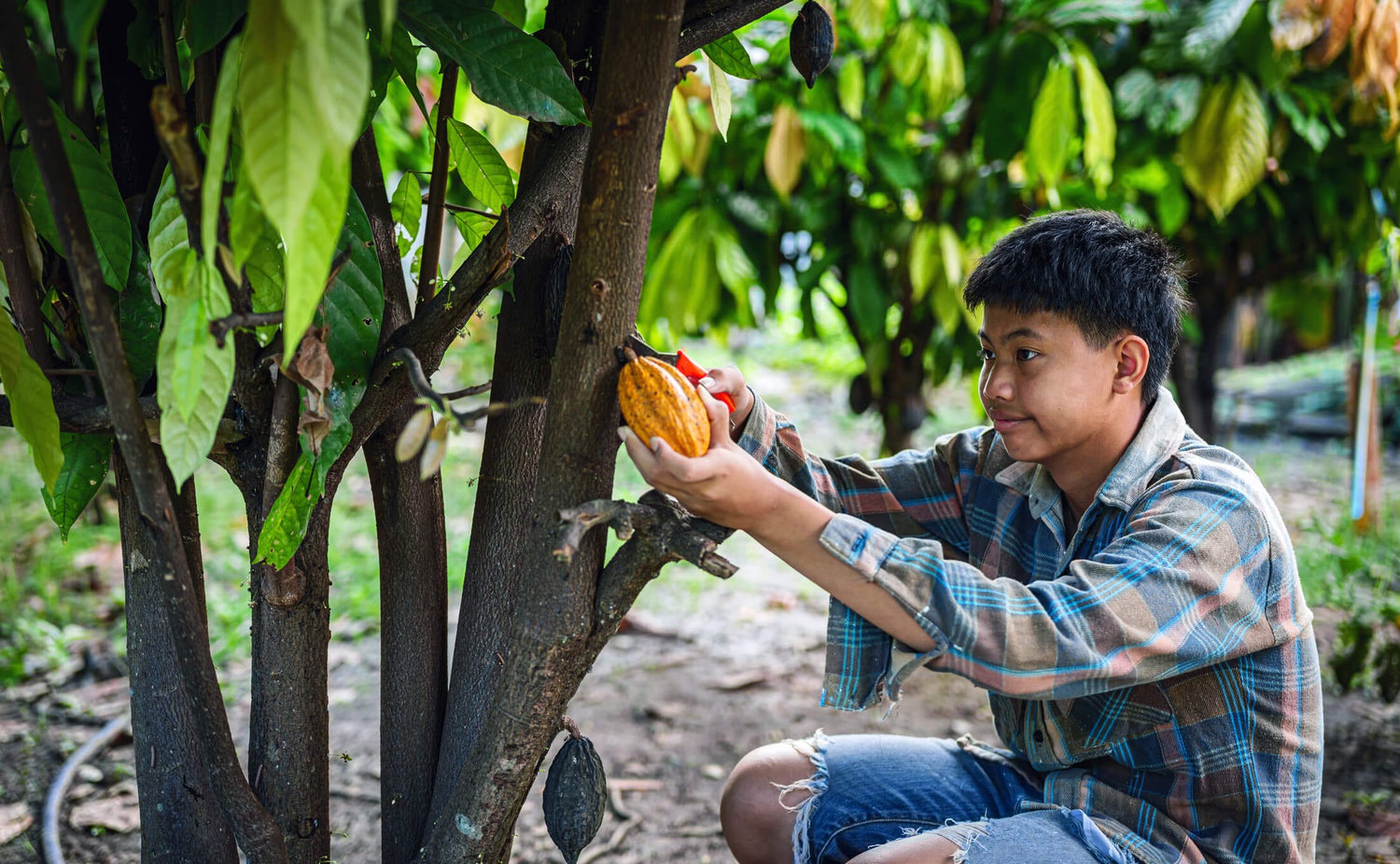
Single estate cacao comes from a defined agricultural estate or farm, rather than from a broad country-level supply or multiple unrelated sources. The most precise examples may come from a single harvest area within that estate, with the beans fermented and dried under a closely managed process.
This narrow sourcing gives chocolate a strong sense of place. Soil composition, rainfall, shade trees, cacao varieties, fermentation methods, and drying conditions all leave their mark on the beans. A bar made from one estate might show red-fruit brightness, toasted nuts, deep cocoa, honeyed sweetness, citrus, or warm spice. Those notes are not added flavors. They are part of the cacao’s natural character, revealed through roasting, refining, and conching.
Estate specificity also makes variation more visible. A harvest from the same estate can taste slightly different from one year to the next, just as coffee and wine can reflect changing weather. That is part of the appeal. Single estate chocolate is not designed to erase nature’s differences; it gives them room to speak.
The term deserves careful reading, however. “Single estate” is a sourcing claim, not a universal legal standard. A credible chocolate maker should be able to explain what the estate name represents and how the beans were handled. Transparency matters more than impressive-sounding language on a wrapper.
How blended cacao is made
Blended cacao combines beans from two or more estates, regions, harvests, or countries. A blend may bring together cacao with contrasting characteristics: one bean for fruitiness, another for structure, another for a long, rounded finish. The result is intentional composition, not a shortcut.
A skilled maker tastes each cacao before deciding what it can contribute. One component may provide the clean acidity that keeps a dark chocolate lively. Another may add caramel-like depth or a velvety texture. Roasting profiles are then chosen to develop those qualities without flattening them, and the blend is refined into a cohesive chocolate rather than a collection of competing notes.
This approach can create exceptional consistency. When a maker understands the behavior of several cacao lots, they can preserve a desired house style even when one harvest changes. That makes blends especially valuable for praline shells, truffles, spreads, and other creations where the chocolate must complement fillings and remain balanced across seasons.
Blended chocolate can still be highly traceable. The meaningful question is not whether the beans were blended, but whether the maker can identify the sources, maintain direct and responsible relationships, and explain the choices behind the final flavor.
Single estate versus blended cacao: the flavor difference
Single estate chocolate often tastes more distinctive at first encounter. Its flavor may be more angular, surprising, or delicate because the maker is preserving the particular voice of one place. A floral, fruit-forward bar can be thrilling to a curious palate, yet it may not suit someone expecting the familiar richness associated with classic Belgian dark chocolate.
Blended chocolate is often built around harmony. Its flavor can be rounder and more immediately accessible, with a steady balance of sweetness, bitterness, acidity, and texture. That does not mean it is less complex. Complexity and precision can come from careful blending just as surely as from a single origin. The difference lies in the composition: one is an interpretation of a place, while the other is an interpretation by the maker.
Cacao percentage alone cannot tell this story. An 80% single estate bar and an 80% blend can taste entirely different. The percentage indicates the proportion of cacao ingredients, but it does not reveal bean quality, fermentation, roast, sugar choice, or the skill of the chocolate maker. Origin and process deserve equal attention.
Traceability is more than a place name
For ethically minded buyers, origin language should lead to better questions. Who grew the cacao? How was it fermented and dried? Is the supply chain short enough for the maker to understand the conditions behind the beans? Does the price paid support long-term quality and viable farming communities?
Single estate sourcing can make that story easier to follow because the geographic focus is so narrow. It may allow a maker to build a direct relationship with one producer or estate and to share more detail about the work done there. But it is not a guarantee of fair practice by itself. An estate name is meaningful only when paired with genuine transparency.
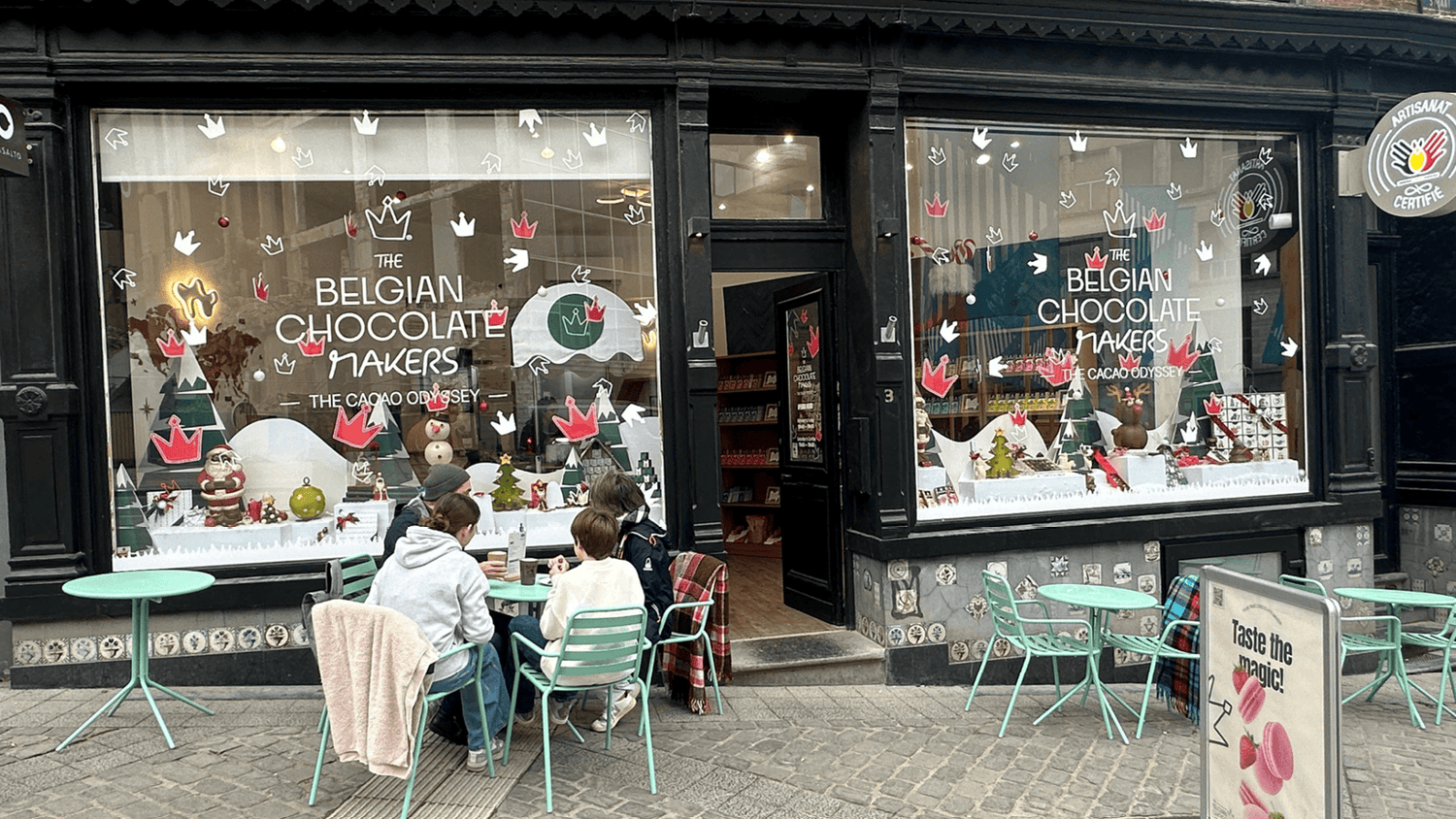
The same principle applies to blends. A blend with openly identified sources and responsible purchasing can offer more integrity than a vaguely labeled “single origin” chocolate that provides little information beyond a country name. At The Belgian Chocolate Makers, bean-to-bar production keeps the transformation of carefully selected beans in the hands of the workshop, from roasting through molding. That control makes origin choices more than a marketing statement: they remain present in every stage of flavor development.
Which style should you choose?
Choose single estate chocolate when the pleasure lies in tasting cacao with a strong geographic identity. It is a fitting choice for a chocolate tasting, a gift for a food enthusiast, or a quiet moment when you want to notice how flavor unfolds. Start with a small square and let it melt slowly. Initial notes may give way to fruit, nuts, spice, or a gentle earthiness as the cocoa butter carries the aroma across the palate.
Choose a blend when you want an elegant, dependable profile or chocolate designed for a particular purpose. A balanced blend can be ideal for sharing, serving with coffee, pairing with a dessert, or giving to someone whose preferences you do not know in detail. It can also be the wiser choice when the chocolate will sit alongside ganache, caramel, nuts, or fruit, where a singular estate profile might be overshadowed.
For gifting, presentation and story work together. A single estate bar offers a conversation: this is cacao from one defined place, shaped to preserve its character. A blended selection offers generosity and range: this is a maker’s considered expression of balance. Neither choice needs to be explained at length to feel special, but both reward the recipient who wants to look closer.
What to look for on the label
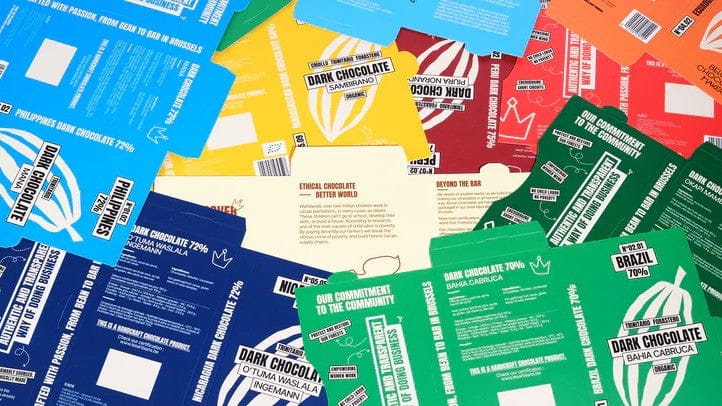
A thoughtful label usually gives enough information to support the claim it makes. For estate chocolate, look for the estate name, country, cacao percentage, and ideally some indication of harvest, producer, or post-harvest practice. For blends, look for clarity about the source countries or regions and a description that explains the intended flavor profile.
Then look beyond the label. Fine chocolate should feel clean as it melts, with no waxy coating or harsh burnt edge. A crisp snap is often welcome in a well-tempered bar, but flavor is the real measure. Good cacao can carry bitterness without becoming astringent, and sweetness without obscuring the bean.
The most rewarding collection includes both styles. Keep a single estate bar for moments of attention, when you want to taste a particular landscape through cacao. Keep a refined blend for the occasions that call for effortless pleasure, sharing, and generosity. Chocolate becomes more interesting when it leaves room for both the farmer’s place and the maker’s point of view.