A single-origin chocolate bar can taste of red berries, toasted nuts, citrus, honey, or warm spice without a drop of added flavoring. That is the pleasure of seeking out the top cacao origins to taste: each one offers a distinct expression of place, genetics, harvest, and craft. For anyone used to chocolate that tastes primarily sweet, the first carefully made origin bar can be a small revelation.
Cacao origin is not a shortcut to quality. A poor fermentation or heavy-handed roast can obscure even exceptional beans. Equally, a skilled maker can bring remarkable clarity to beans from a less familiar growing region. Still, origin gives the tasting experience a useful starting point. It helps explain why two 70% dark chocolate bars can seem worlds apart.
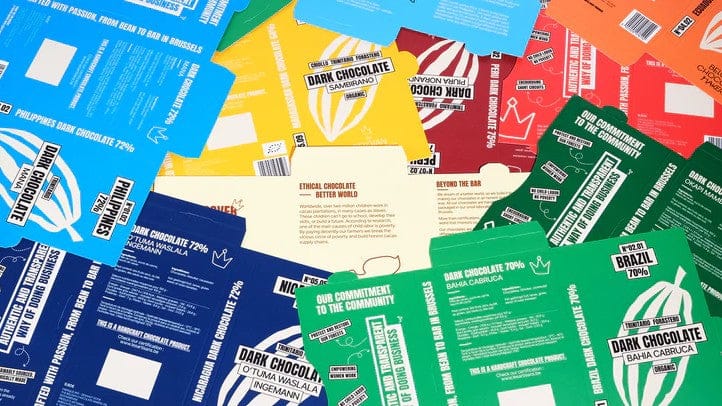
At a bean-to-bar workshop, those differences are protected through measured roasting, refining, and conching rather than covered with excess sugar, vanilla, or industrial flavorings. The following origins are an excellent place to begin, whether you are choosing a personal tasting selection or a gift for someone who appreciates food with a real sense of provenance.
How to taste cacao origins well
Taste chocolate at room temperature, ideally away from coffee, perfume, or strongly seasoned food. Break off a small piece and listen for a clean snap, then let it melt slowly rather than chewing immediately. Notice the opening flavor, the middle of the melt, and the finish. A bar may begin bright and fruity, become creamy or nutty, then end with a gentle floral note or a pleasantly dry cocoa finish.
Comparing two or three bars side by side is more revealing than tasting one in isolation. Keep the cacao percentage reasonably close, since a 60% bar and an 85% bar differ not only in bean character but also in sugar level and texture. Water or plain bread between samples is enough to reset the palate.
8 Top cacao origins to taste
1. Madagascar: vivid fruit and bright acidity
Madagascar is often the origin that changes a dark chocolate skeptic's mind. Beans from the Sambirano Valley are widely admired for their lively red-fruit character, with impressions of raspberry, cherry, cranberry, or citrus. The acidity can be pronounced, but in a well-made bar it feels refreshing rather than sharp.
Choose Madagascar when you enjoy fruit-forward coffee, natural wine, or tangy desserts. It is particularly compelling around 65% to 75% cacao, where enough sugar remains to frame the brightness without making the bar feel confectionary. Its direct, expressive profile also makes it a memorable first single-origin gift.
2. Ecuador: floral, nutty, and deeply cocoa-led
Ecuador holds a special place in fine chocolate because of its association with Nacional cacao, a heritage variety prized for elegant floral notes. Depending on the region and fermentation, an Ecuador bar may suggest jasmine, orange blossom, roasted almond, banana, or brownie-like cocoa richness.
This is a broad category, not one fixed flavor. Coastal beans can show a fuller, more rounded profile, while other lots are more fragrant and delicate. Ecuador is a fine choice for tasters who want complexity with less overt acidity than Madagascar. It also demonstrates why a country name alone is only the beginning of an origin story.
3. Peru: fruit, florals, and remarkable range
Peru produces cacao across varied landscapes, from Amazonian growing areas to northern valleys, and its chocolates can be wonderfully diverse. Look for notes of dried plum, raisin, tropical fruit, honey, pecan, and soft flowers. Some Peruvian beans are gentle and creamy; others have a bright, almost wine-like lift.
That range makes Peru rewarding for repeat tasting. When selecting a bar, look beyond the country and, where available, note the named region, cooperative, or producer. This level of traceability does more than sound impressive. It gives the maker and the buyer a clearer connection to the agricultural work behind the chocolate.
4. Dominican Republic: balanced and approachable
Dominican cacao often offers a generous cocoa base with notes of nuts, caramel, red fruit, and mild spice. Many bars from the country feel especially balanced: neither intensely acidic nor overly bitter, with enough personality to reward slow tasting.
For a host gift or a shared dessert board, this can be a very versatile origin. It tends to appeal to both experienced dark chocolate lovers and those making the move from milk chocolate to darker styles. As always, the exact result depends on the beans and the maker's process, but Dominican origin is a dependable starting point when you want warmth and balance.
5. Venezuela: layered, classic, and refined
Venezuela is closely associated with celebrated fine-flavor cacao, including Criollo and Trinitario populations. Its best-known regions, such as Chuao, Carenero, and Porcelana-producing areas, have earned a near-mythic status among chocolate enthusiasts. The flavors can be exceptionally layered, moving through nuts, dried fruit, gentle tobacco, coffee, cream, and flowers.
The trade-off is that Venezuelan cacao is not a single, guaranteed flavor profile, and provenance claims deserve care. Small production, changing supply conditions, and regional differences all matter. When the sourcing is transparent and the chocolate is made with restraint, Venezuela can offer a particularly graceful, lingering tasting experience.
6. Tanzania: berry-like, earthy, and energetic
Tanzanian cacao is often associated with bright berry notes, citrus, and a darker earthy undertone. It has a lively character that can resemble black currant, dried cherry, or red wine, especially at medium-dark cacao percentages.
This is an origin for people who enjoy contrast. The best examples pair fruit brightness with a savory depth that keeps the chocolate from tasting merely sweet or jammy. A careful roast is essential here: too much heat can flatten the aromatic high notes that make Tanzanian beans distinctive.
7. India: spice, malt, and roasted depth
Indian cacao is less commonly encountered in single-origin bars, which is precisely part of its appeal. Grown largely in southern regions, often alongside coconut, areca, or other crops, it can deliver notes of malt, roasted nuts, dark honey, warm spice, and coffee.
Its character is usually more grounded than overtly floral or acidic. Choose India if you enjoy a chocolate with a savory edge, or if you want an origin that pairs naturally with black tea, aged spirits, or a simple shortbread. It is also a useful reminder that fine cacao has a far wider geography than the handful of origins most often seen on shop shelves.
8. Papua New Guinea: tropical fruit with a smoky edge
Papua New Guinea can be one of the most distinctive origins in a tasting lineup. Depending on the post-harvest method, its cacao may show pineapple, banana, molasses, citrus peel, and a subtle smoky or woody note. That smoke is not always present, nor is it always desirable, but in balance it can give the bar an unmistakable character.
This origin rewards an open-minded palate. It may not be the first bar to offer someone who prefers classic, mellow chocolate, but it is an excellent choice for a more adventurous tasting. Compare it with Madagascar or Tanzania to see how different kinds of fruit expression can emerge from cacao.
Origin is only one part of the story
A country of origin can guide a choice, but it cannot tell you everything in the wrapper. Cacao variety, soil, rainfall, fermentation, drying, storage, and transport all shape the beans before they arrive at a chocolate maker's workshop. Then roasting curves, particle size, conching time, and the chosen cacao percentage shape what finally reaches your palate.
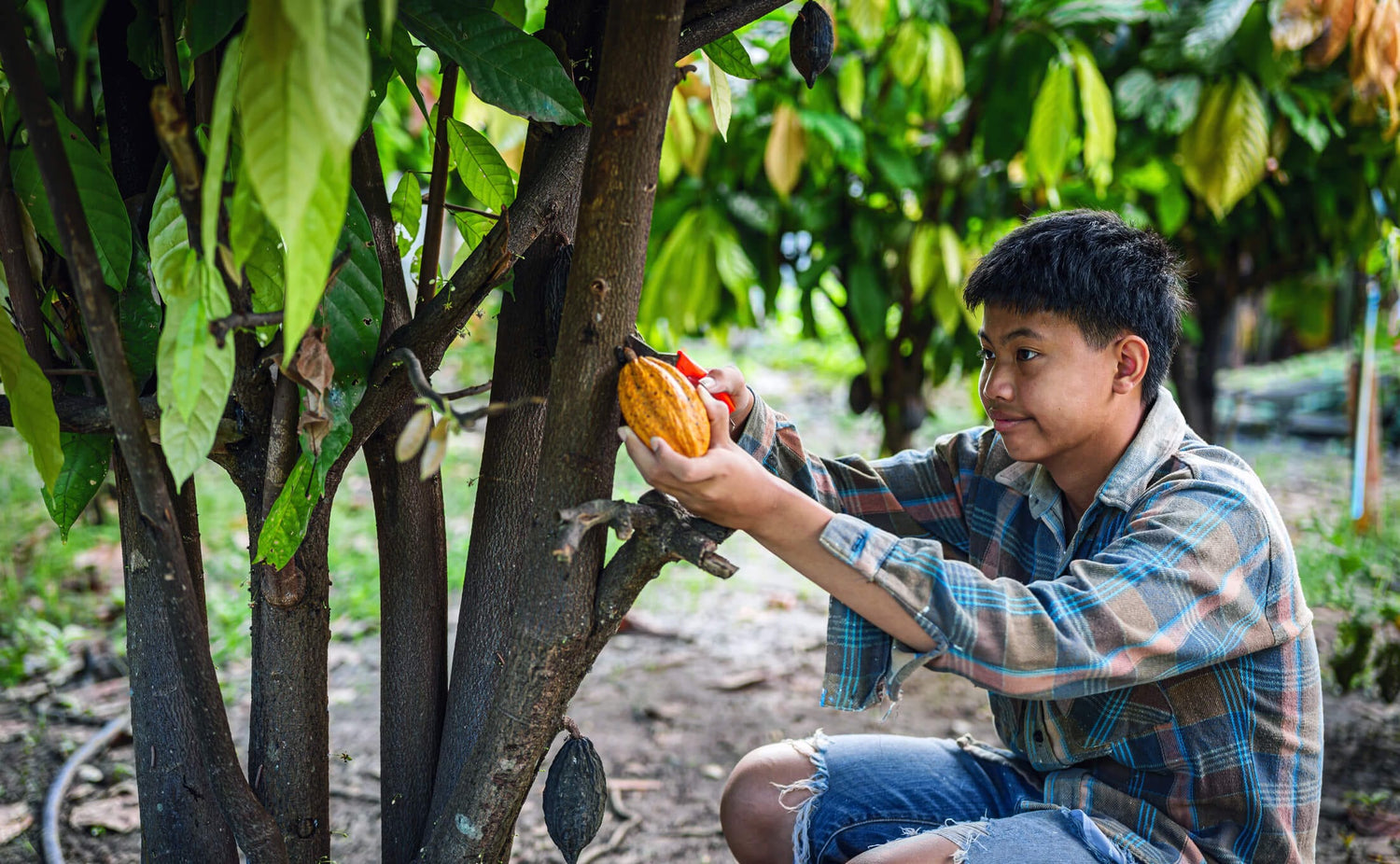
That is why ethical sourcing and traceability matter alongside flavor. Knowing the cooperative, region, or supply partner offers a more meaningful picture than a vague origin claim. It also encourages attention to the people whose cultivation and post-harvest expertise make fine chocolate possible.
At The Belgian Chocolate Makers, making chocolate in-house in Brussels creates the conditions to treat each bean with that level of attention. The aim is not to force every origin into one house style, but to reveal its clearest and most pleasing qualities.
For your next tasting, choose one bright bar, one balanced bar, and one deeper, more unusual origin. Taste them slowly, take a few notes, and trust your own palate. The most memorable cacao origin is not necessarily the rarest one. It is the one that makes you pause before taking the next square.