A beautifully wrapped bar can conceal ordinary cacao. The real signals are found in the bean’s origin, the maker’s choices, and the way the finished chocolate looks, breaks, melts, and tastes. Learning how to identify cacao quality gives you a better way to choose chocolate for yourself or as a gift: not by the loudest claim on the package, but by evidence of care from farm to finished piece.
For most shoppers, quality does not mean the darkest bar, the highest price, or the longest list of tasting notes. It means cacao that has been grown, fermented, dried, selected, and transformed with enough skill to express a clear, balanced flavor. Great chocolate can be intense, delicate, fruity, nutty, floral, or deeply roasted. What it should not be is flat, gritty, waxy, or dominated by sugar.
How to identify cacao quality on the label
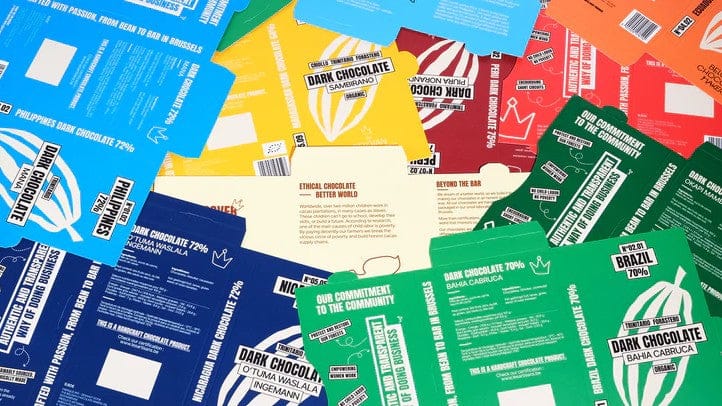
The packaging is not the whole story, but a thoughtful label tells you whether a maker is prepared to stand behind the chocolate. Start with the ingredient list. For a straightforward dark chocolate, quality is often easiest to see in a short, intelligible formula: cacao beans or cocoa mass, cocoa butter, and sugar. Vanilla may be used with restraint. Milk chocolate will include milk ingredients, while flavored bars naturally add other components.
A short list alone is not a guarantee. A maker can use only three ingredients and still make an unbalanced bar. But when the label relies heavily on vegetable fats, artificial flavors, or a long sequence of fillers, you are likely buying a confection built around cost and consistency rather than the character of cacao. In fine chocolate, cocoa butter is the natural fat that gives chocolate its clean melt and elegant structure. It should not need to be replaced.
Next, look for meaningful origin information. “Belgian chocolate” may describe where chocolate was made, but it does not by itself identify where the cacao was grown or how it was handled. A quality-focused maker may name a country, region, cooperative, estate, or producer group. This degree of specificity does not automatically make a bar superior, yet it signals traceability and invites accountability.
Percent cacao needs context as well. A 70% bar contains 70% cacao-derived ingredients, commonly cocoa mass and cocoa butter, with the rest largely sugar. It does not measure quality. A well-made 60% bar can be nuanced and memorable; a poorly made 85% bar can be harsh and dry. Choose percentage according to your taste, then judge the balance and clarity of flavor.
The bean matters before chocolate is made
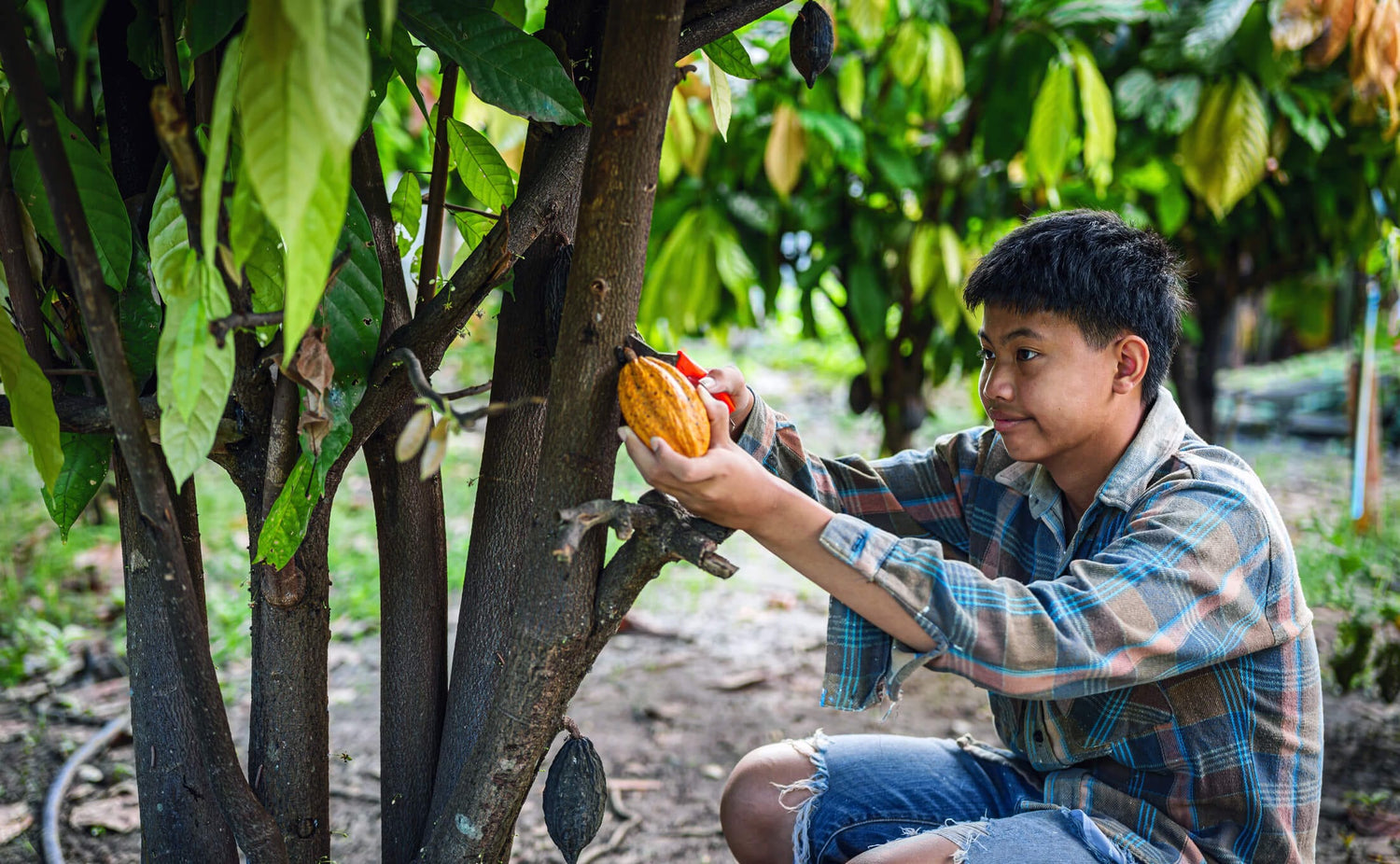
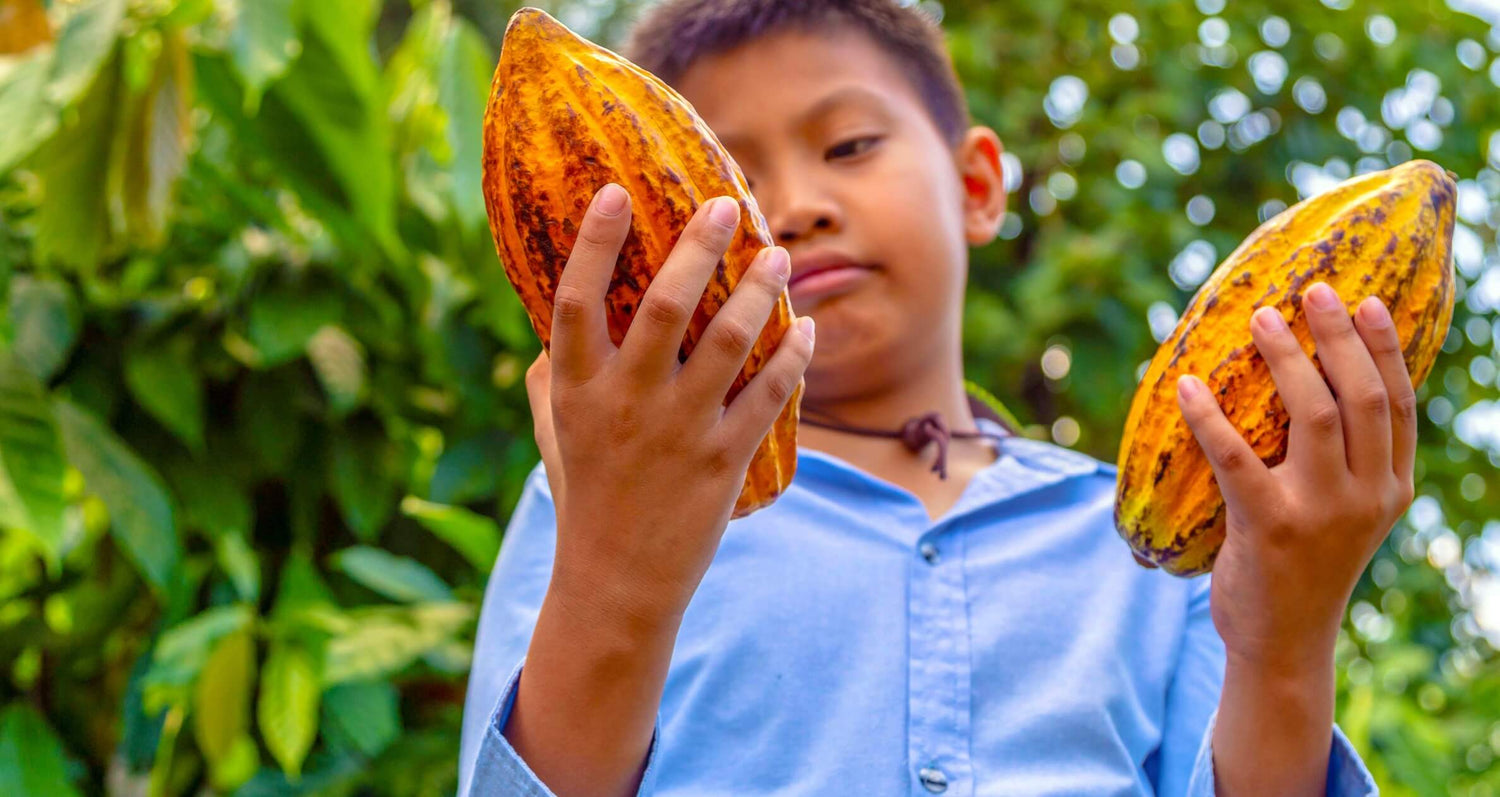
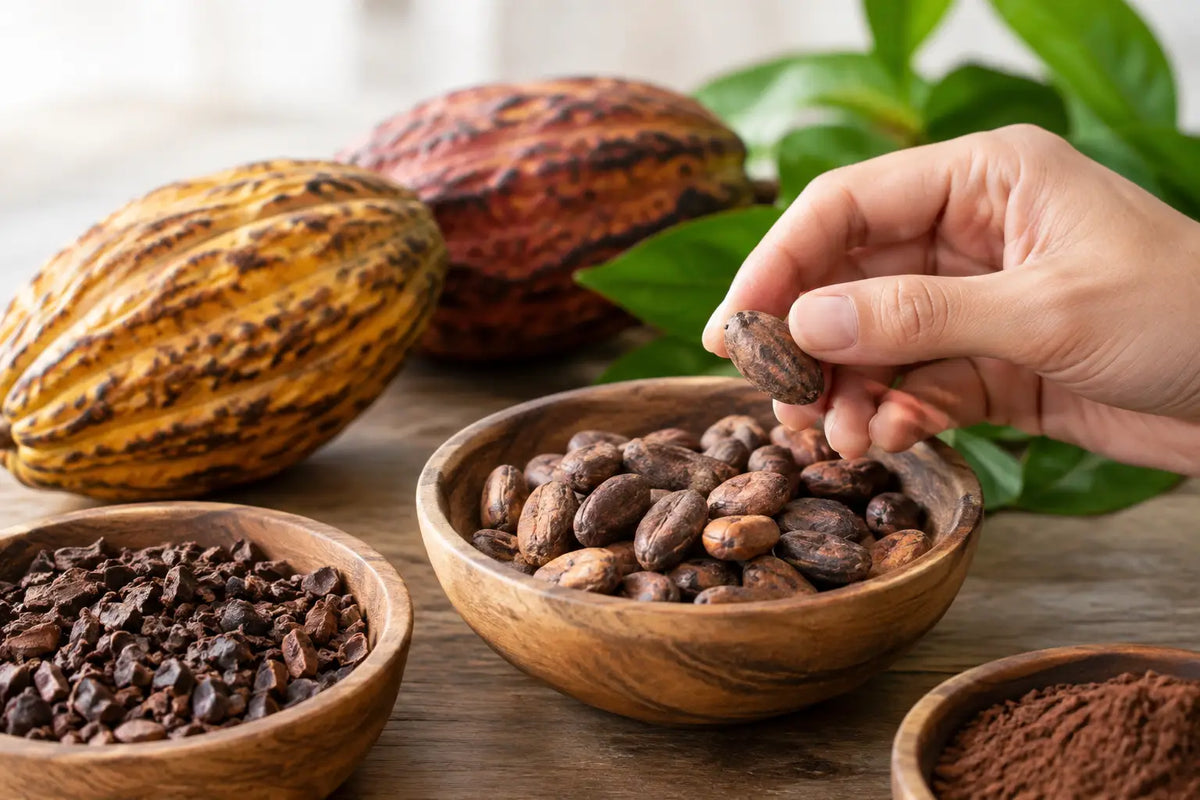
Cacao quality begins long before roasting. Fresh cacao beans are surrounded by sweet pulp inside the pod. Once harvested, they must be fermented for several days, then dried carefully. Fermentation is one of the decisive stages because it develops the flavor precursors that roasting will later reveal.
Poor fermentation can leave chocolate tasting raw, sharply acidic, astringent, or simply empty. Over-fermentation and poor drying can introduce stale, moldy, smoky, or unpleasantly sour notes. Fine cacao does not need to taste uniformly mild. Bright fruit acidity can be beautiful, especially in beans from certain origins. The question is whether that acidity feels integrated and lively rather than aggressive.
Genetics also play a role, but they are not a shortcut to certainty. You may see names such as Criollo, Forastero, or Trinitario used in chocolate marketing. These broad categories can be useful background, but growing conditions, fermentation, drying, storage, and blending have an enormous influence on the final result. A named variety is less meaningful than transparent sourcing and chocolate that tastes well made.
Ethical sourcing belongs in the quality conversation, too. Cacao is an agricultural crop grown by people whose work shapes every later stage. Responsible sourcing cannot be proven by one vague phrase, nor can a certification logo tell the complete story. Look for makers that communicate clearly about origin, trading relationships, and their standards. Traceability supports better decision-making at the farm level and gives consumers a more credible connection to what they are eating.
Use your senses to assess chocolate quality
Once you open the bar, the first assessment is visual. Well-tempered chocolate usually has an even surface and a gentle sheen. Tempering is the controlled crystallization of cocoa butter, and it gives a bar its stable appearance, firm texture, and clean melt.
A dusty white or gray coating, called bloom, can appear when cocoa butter crystals change or when sugar is affected by moisture. Bloom is not usually a safety issue, but it can signal temperature stress or less-than-ideal storage. A bloomed bar may still taste good, especially if it has traveled in warm weather, but it will not offer the same polished texture or presentation as a freshly tempered one.
Break off a square and listen for a clean snap. Dark chocolate with good temper typically breaks crisply rather than bending or crumbling. Milk chocolate is naturally softer, and inclusions such as nuts or fruit will alter the break, so use this as a clue rather than a rule. The snap reflects structure, not flavor quality on its own.
Then smell the chocolate before tasting it. Quality cacao often offers a distinct aroma: dried fruit, roasted nuts, caramel, coffee, spices, red berries, citrus, or flowers, depending on the beans and roast. Avoid expecting every bar to smell dramatic. What matters is freshness and definition. Musty, stale, overly smoky, or artificial aromas deserve attention.
Let a small piece melt slowly on your tongue. Fine chocolate should become smooth and fluid with body heat, releasing flavor in stages. You may first taste roast and sweetness, then discover fruit, nuts, creaminess, or a gentle bitterness as it melts. The finish should be clean and lasting, not greasy, chalky, or abruptly sugary.
Texture is one of the clearest markers. Proper refining reduces cacao and sugar particles until they feel exceptionally fine. If the chocolate remains sandy or gritty after it begins to melt, it may have been insufficiently refined, or the formula may simply not be designed for a silky finish. Some rustic styles intentionally retain more texture, but they should state that character honestly and still feel pleasant rather than coarse.
Separate complexity from defects
A common mistake is to assume that bitter chocolate is more serious, or that intensely fruity chocolate must be flawed. High-quality cacao has a wide range. Bitterness can provide structure, acidity can bring freshness, and earthy notes can be appealing in the right balance. Quality is not the absence of strong flavors. It is the presence of harmony.
Defects tend to feel intrusive. Excessive astringency dries the mouth like an over-steeped tea. Burnt bitterness overwhelms the origin. Smokiness may point to drying practices rather than deliberate roasting. A soapy note can result from poor bean handling, while a cardboard-like flavor often suggests age or oxidation. When one unpleasant note blocks everything else, the cacao or its transformation likely needed more care.
Sweetness deserves a fair assessment. Sugar is not the enemy of quality. In milk chocolate, pralines, truffles, and spreads, it helps create the intended texture and flavor. The better question is whether sweetness supports the cacao, dairy, nuts, fruit, or spice, or merely covers their absence. A refined chocolate maker builds balance rather than using sugar to disguise weak beans.
Why bean-to-bar making changes what you can taste
Many chocolatiers work with excellent couverture made by specialist producers. That can produce beautiful confections. Bean-to-bar makers take on a different responsibility: selecting cacao and managing roasting, cracking, winnowing, refining, conching, tempering, and molding themselves. Each decision affects the final bar.
Roasting is particularly revealing. Too little roast can leave green or underdeveloped flavors; too much can erase a bean’s identity beneath uniform char. Skilled roasting is tailored to the cacao. The aim is not to make every origin taste the same, but to reveal its best qualities while preserving balance.
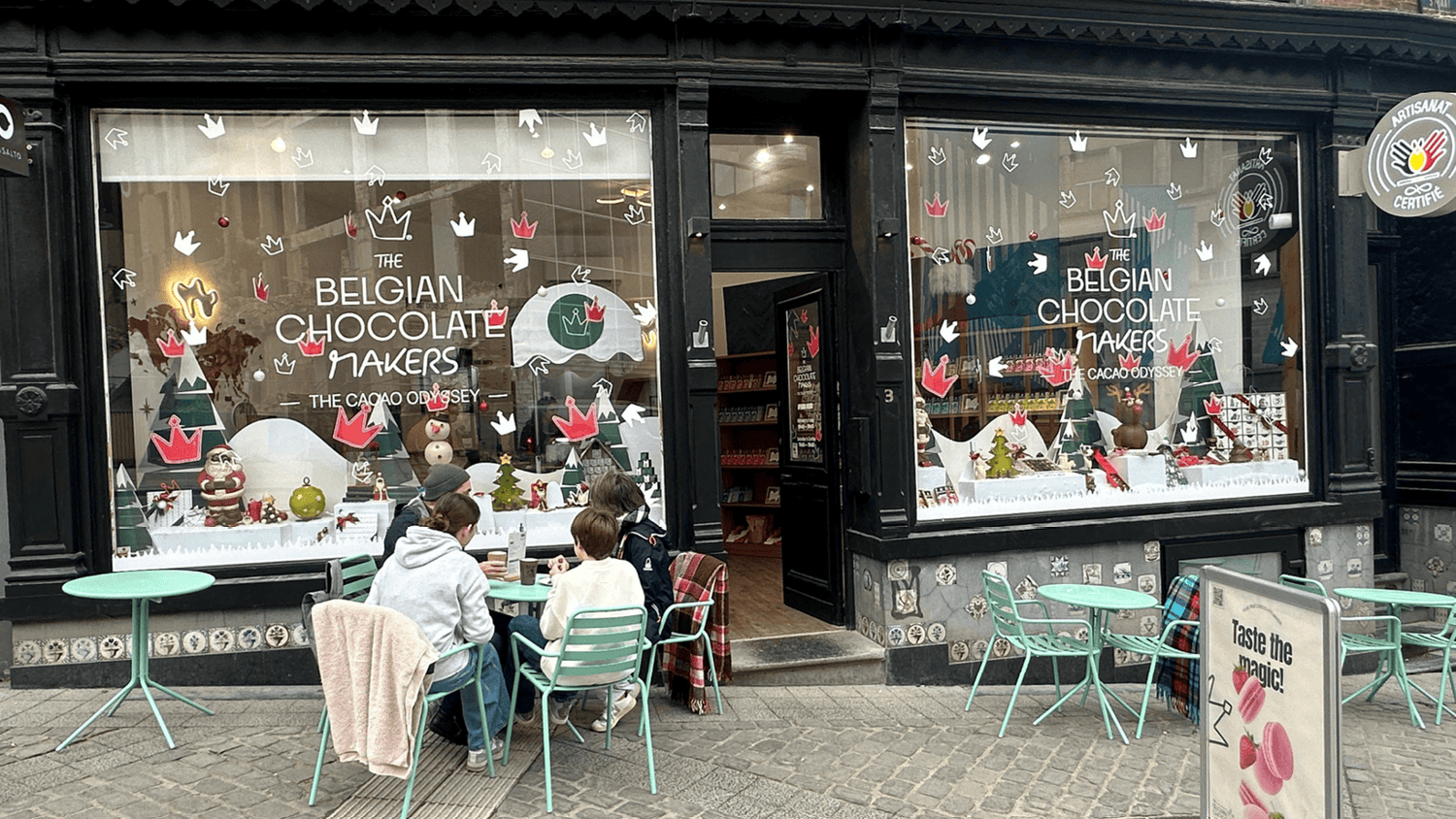
At The Belgian Chocolate Makers, producing chocolate in the Brussels workshop makes that chain of decisions visible in the finished product. It allows origin, texture, roast, and recipe to be treated as connected parts of one craft rather than as separate steps handled by distant suppliers.
Choose with confidence, then taste with attention
When buying cacao-rich chocolate, favor clear ingredient lists, specific origin information, credible sourcing language, and makers who explain how they work. Then let the bar make its case. Look for a clean surface and snap, breathe in the aroma, and give the chocolate time to melt.
The most rewarding chocolate does more than taste expensive. It carries a sense of place, careful transformation, and restraint. Once you learn to recognize those qualities, choosing a bar for a quiet moment or a meaningful gift becomes a far more personal pleasure.