A chocolate bar begins to reveal itself long before the first crack of its wrapper. The most meaningful cacao sourcing examples are found at origin: in the variety of the tree, the care taken during fermentation, the price paid for quality, and the clarity of the path from farm to workshop. For a bean-to-bar maker, sourcing is not a line on a package. It is the first decision in the flavor-making process.
A name such as Peru, Ecuador, or Madagascar can be a useful starting point, but it is not the full story. Two lots from the same country may taste entirely different because they were grown in different soils, harvested at different times, or fermented with different levels of skill. Understanding the models behind cacao sourcing helps chocolate buyers recognize what traceability and craftsmanship can genuinely mean.
Cacao sourcing examples that go beyond a country name
A single-farm lot with a clear flavor signature
A single-farm cacao lot comes from one identified farm or estate. This can offer a particularly focused expression of place, especially when the farm has consistent post-harvest practices and enough volume to keep lots separate. A chocolate made from such beans may show a distinct profile: red fruit and molasses, for example, or roasted nuts, floral notes, and gentle acidity.
This is one of the clearest cacao sourcing examples for buyers who want a direct connection between a chocolate and a specific place. Yet single-farm does not automatically mean better. A small lot can be exceptional, but it may also vary more from harvest to harvest. That variation is part of agricultural reality, not necessarily a flaw. The maker's role is to roast and refine each harvest in a way that respects its character rather than forcing every bar into the same flavor profile.
A cooperative lot that creates scale and shared opportunity
In many cacao-growing regions, farmers cultivate small plots and sell their wet beans or dried cacao through a cooperative. A well-run cooperative can bring together enough volume for export while providing training, quality controls, fermentation infrastructure, and stronger access to buyers.
For chocolate makers, this arrangement can be valuable when the cooperative documents its member communities, separates lots where possible, and pays attention to post-harvest standards. For farmers, it can mean a more reliable route to market and a greater chance of earning premiums for well-fermented, carefully dried cacao.
The trade-off is specificity. A cooperative bar may represent dozens or hundreds of farms rather than a single plot. That does not make its origin story less meaningful. It simply means the story is collective. The right label should say so clearly, naming the cooperative or region rather than implying a level of farm-level precision that does not exist.
Direct purchasing built on repeat relationships
Direct trade is often used loosely, so it deserves careful reading. At its best, direct purchasing means a chocolate maker buys from a farmer group, cooperative, exporter, or producer with whom it has an ongoing and transparent relationship. The arrangement may include repeat contracts, quality feedback, pricing discussions, and visits to origin when practical.
A direct relationship does not require every maker to purchase beans from an individual farmer without an intermediary. Cacao logistics are complex, and exporters can perform essential work in drying, warehousing, documentation, and transport. What matters is whether the chain is visible and whether the people doing the growing and post-harvest work receive recognition and meaningful value.
The most credible examples provide useful details: who supplied the cacao, where it was grown, how it was prepared, and what the commercial relationship involves. Broad phrases such as "ethically sourced" can be encouraging, but they are stronger when supported by this kind of substance.
Fermentation is part of sourcing, not a factory detail
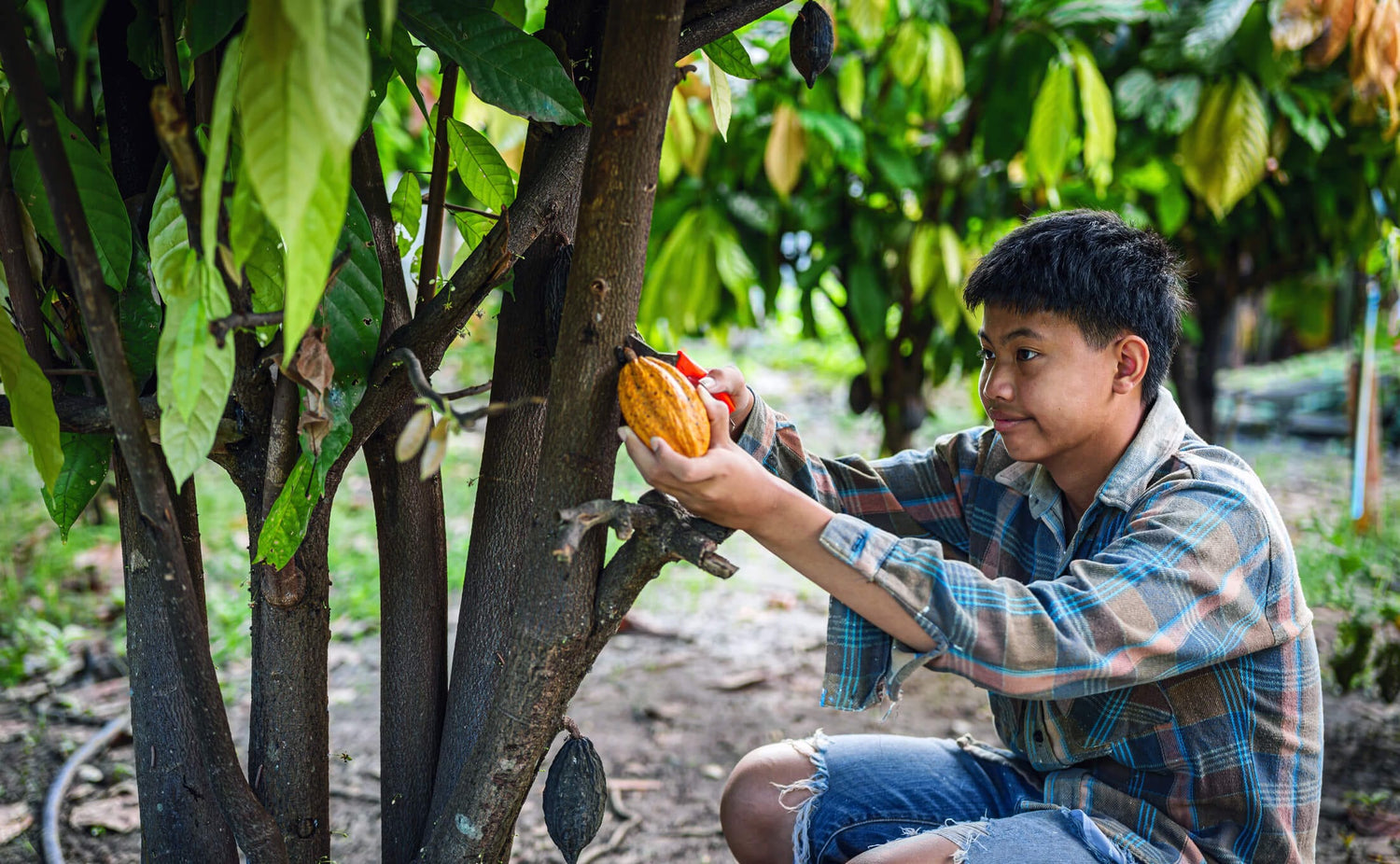
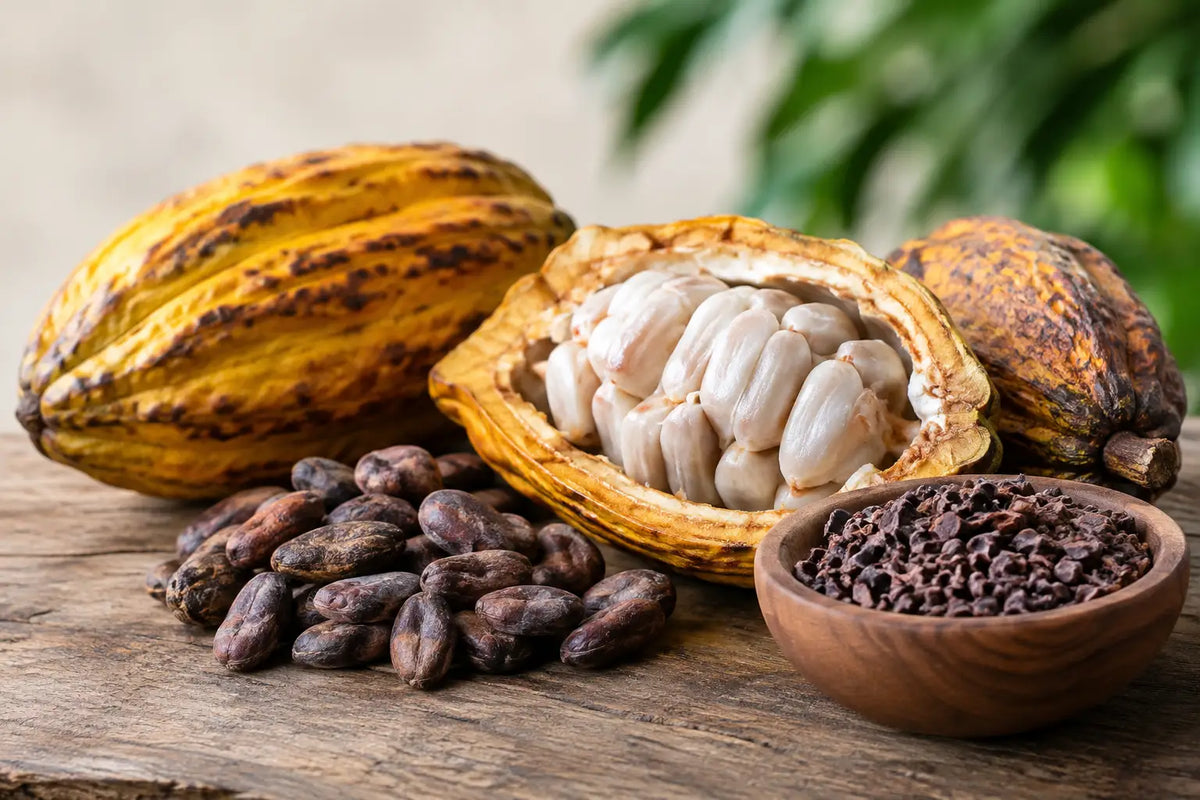
Fresh cacao beans are surrounded by sweet pulp inside the pod. Once harvested, they must be fermented and dried before they can become chocolate. This stage develops the precursors of chocolate flavor. Poor fermentation can leave beans overly bitter, flat, smoky, or astringent. Thoughtful fermentation can create depth, fruitiness, nuttiness, and a clean finish.
Consider two sourcing arrangements from the same growing area. In one, farmers sell wet cacao immediately, with little control over how it is fermented. In the other, a cooperative operates fermentation boxes, tracks fermentation time, turns the cacao at planned intervals, and dries beans slowly and evenly. The trees may be similar, but the resulting cacao can be profoundly different.
That is why a serious maker evaluates more than a geographic name. Bean size, moisture, cut tests, aroma, and fermentation consistency all affect what happens later in the roaster and melanger. Sourcing cacao with integrity means valuing the skilled work that occurs after harvest as much as the farming itself.
Traceability has levels, and honest labels matter
Traceability is sometimes presented as an all-or-nothing promise. In practice, it has levels. A bar may be traceable to a country, a region, a cooperative, a community, a farm, or even a specific harvest lot. Each level can be useful if it is communicated honestly.
Country-level sourcing is the broadest. It can still offer a recognizable flavor direction, but it tells a buyer relatively little about the exact producers or post-harvest methods. Regional sourcing narrows the picture. Cooperative and community sourcing can identify the organization and people behind a lot. Farm and harvest-lot sourcing provide the greatest specificity, though they may be harder to maintain at scale.
More detail is generally welcome, but detail alone is not the goal. A maker should be able to explain why it selected a cacao, how it preserves lot identity, and how it responds when a new harvest tastes different. Traceability becomes valuable when it helps create accountability and better chocolate, not when it is reduced to decorative packaging language.
What ethical sourcing looks like in practice
Ethical cacao sourcing cannot be measured by one claim or certification alone. Certifications can offer useful standards and independent checks, particularly for environmental practices and labor protections. But they do not replace direct knowledge of how a supply chain functions. Likewise, a direct relationship can be meaningful, but the term should not be used to avoid questions about pricing, labor, or long-term commitments.
A thoughtful approach combines several signals. The maker knows the source beyond the country name, pays for quality rather than treating cacao as an anonymous commodity, and seeks suppliers who invest in farmer livelihoods and post-harvest excellence. It also avoids overstating impact. Chocolate is a luxury product, and responsible sourcing asks makers to be precise about what they know, what they support, and where further improvement is needed.
For a buyer, a few questions are often more revealing than a polished seal. Does the chocolate name a farm, community, cooperative, or partner? Does it describe the cacao's variety or fermentation when relevant? Does the maker speak about flavor in a way that connects to origin? Is there evidence that the beans were chosen intentionally rather than purchased solely for price?
From origin to the Brussels workshop
Sourcing does not end once the sacks arrive. A cacao's potential can be lost through careless roasting, over-refining, or the heavy use of added flavors. Bean-to-bar production keeps those decisions close to the people responsible for the final chocolate.
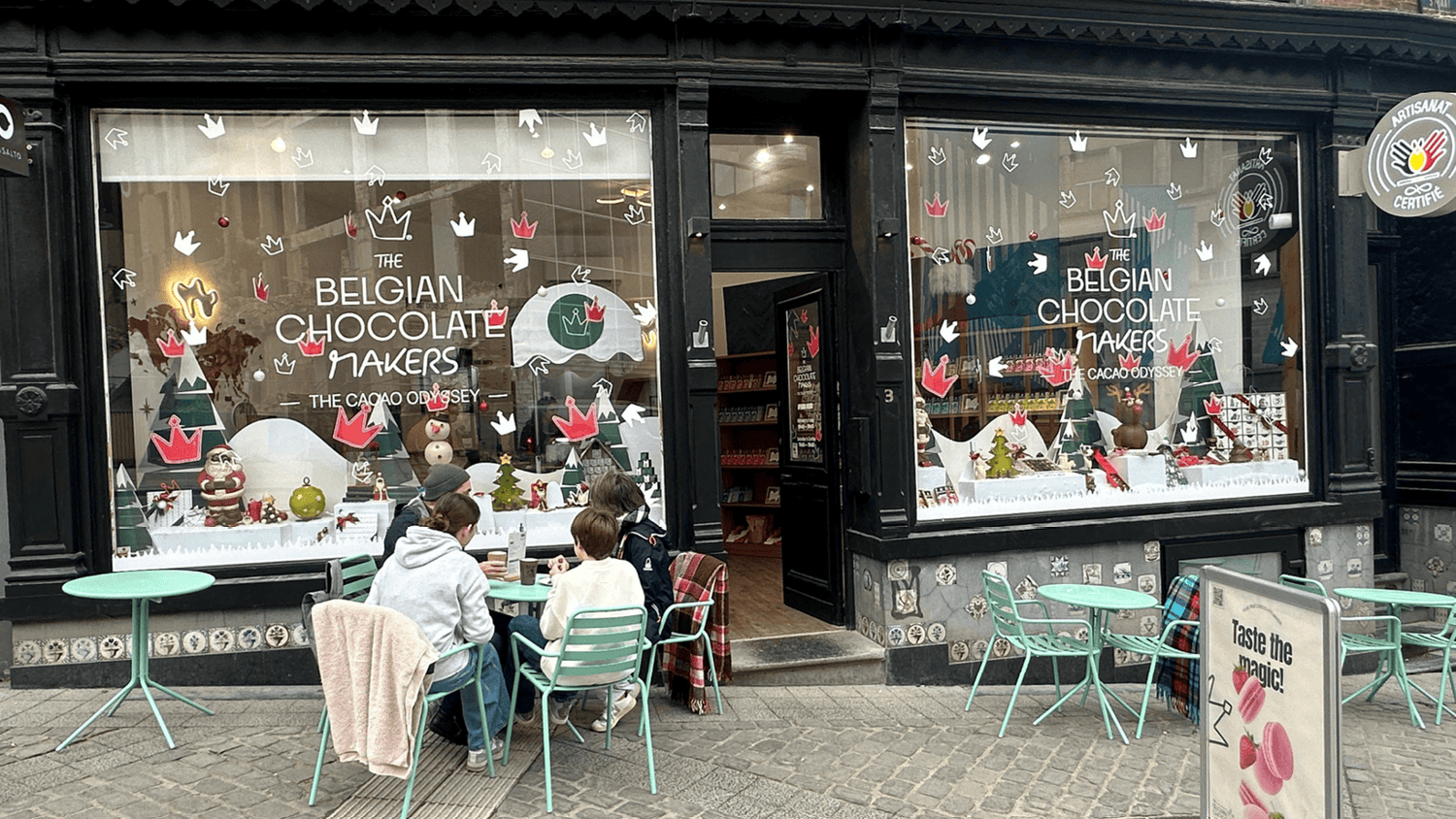
At The Belgian Chocolate Makers, beans are transformed in the central Brussels workshop, where roasting and refining can be adjusted for each cacao's particular personality. A brighter, fruit-led lot may need a different roast than a deeper, nutty cacao. The goal is not to make every origin taste alike. It is to bring forward what made the lot worth sourcing in the first place.
This is also why origin bars and refined pralines belong in the same craft chocolate collection. A single-origin bar gives the clearest view of a cacao's identity. A praline, truffle, or spread shows how that chocolate can carry its character into another form. In both cases, the foundation remains the bean and the care taken before it ever reached the workshop.
Choosing chocolate with a better origin story
When selecting a bar for yourself or a gift, begin with curiosity rather than a search for a perfect label. A single-origin chocolate can be a memorable choice for someone who enjoys tasting nuance. A blend may be better for a balanced, familiar profile or for a filling where consistency matters. Neither approach is inherently superior when the sourcing and making are thoughtful.
Look for a maker that treats origin as a real part of the product, with enough information to invite trust and enough restraint to avoid inflated claims. Then taste with attention. A cacao's story is carried by people, climate, harvest, and craft, but its final proof is still in the chocolate: a clean melt, a lingering finish, and a flavor that feels specific enough to remember.