Exploring Global Cacao Origins: A Guided Tasting with a 30-Bar Dark Chocolate Discovery Box

Exploring Global Cacao Origins: A Guided Tasting with a 30-Bar Dark Chocolate Discovery Box


Introduction: why a 30-bar journey into cacao origins?

Chocolate is more than a single flavor. It is a passport to the world’s cacao farms, climates, and farming traditions. A well-curated tasting box, such as a collection of 30 mini dark bars, provides a structured way to explore how origin, soil, altitude, and fermentation shape aroma, texture, and taste. Whether you are new to tasting or expanding a personal notebook of flavors, a guided journey through diverse origins helps you hear the subtle differences that define a bar’s character.

The science and artistry of dark chocolate

Dark chocolate sits at the intersection of science and craft. The percentage on the label (70%, 72%, 75%, and beyond) indicates the cocoa solids relative to sugar and fat. Higher percentages usually promise less sweetness and more dominant cocoa notes, but the tasting experience remains deeply influenced by origin, bean variety, fermentation, and conching. A single bar may taste brighter, fruitier, or earthier depending on where the cacao was grown and how it was processed. In a discovery box, you’ll encounter a range of profiles designed to reveal how each origin communicates through flavor, aroma, and texture.

Why percentages matter

The percentage helps set expectations for sweetness, bitterness, and body. A 70% bar might present a balanced mix of cocoa richness and subtle acidity, whereas a 75% bar could lean toward richer chocolate with more pronounced cacao notes. Remember that percentages don’t tell the whole story; origin and processing are equally important in shaping flavor. In your tasting journal, note how the same percentage can taste very different when the beans come from different regions.

What origin means for flavor: a map of tasting possibilities

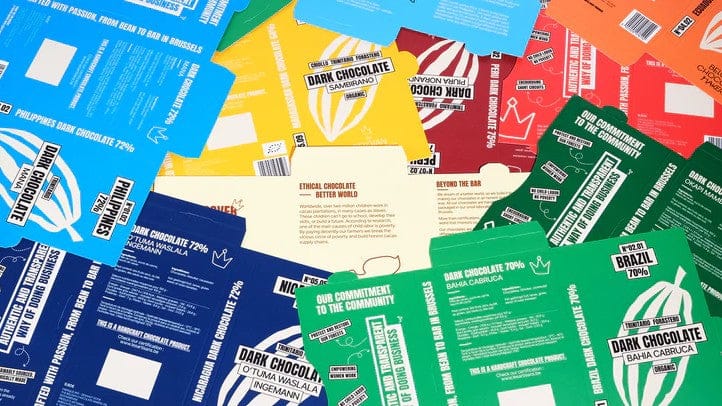
Each region behind a chocolate bar carries a distinctive flavor signature. In this box you’ll encounter rough sketches of notes that experienced tasters associate with certain origins. The following guide is a starting point for recognizing flavors, but personal perception matters most. The regions reflected in our box include Colombia, Guatemala, Honduras, India, Madagascar, Mexico, Nicaragua, the Philippines, Saint Vincent and the Grenadines, and Tanzania. Use the notes below as gentle signposts rather than fixed rules.

  • Colombia: red fruit, citrus brightness, balanced bitterness with a creamy finish.
  • Guatemala: smoky undertones, dark fruit, earthy notes and sometimes a mineral finish.
  • Honduras: tropical fruit notes with warmth and a rounded cocoa body.
  • India: spice, toffee, dried fruit, and sometimes a roasted, appetizing bitterness.
  • Madagascar: bright acidity, citrus zest, and florals with a clean finish.
  • Mexico: cocoa with chili-like warmth, hints of cinnamon or vanilla, and a smooth, long aftertaste.
  • Nicaragua: cacao sweetness balanced with earthy and nutty undertones.
  • Philippines: tropical fruit brightness, delicate aroma, and a gentle allure of sweetness.
  • Saint Vincent and the Grenadines: vibrant fruit notes and a refined cocoa backbone.
  • Tanzania: red fruits, winey acidity, and a sturdy cocoa foundation.

How to taste like a chocolate connoisseur: a practical guide

  1. Observe and prepare: Hold the bar to the light to assess sheen and snap. A glossy surface suggests careful refining and tempering. A clean, crisp break is your cue that the bar has been properly tempered.
  2. Aroma first: Before you taste, break a piece and inhale. The aroma offers a first map of flavor—fruity notes, floral hints, or earthy tones emerge in the initial scent.
  3. First bite and texture: Place a small piece on your tongue and let it melt. Observe the melt rate, whether the bar coats the palate smoothly, and how quickly the fats release flavor.
  4. Flavor journey: As the chocolate melts, actively note primary flavors (fruit, nut, spice, cocoa), secondary notes (vanilla, tobacco, caramel), and any evolving hints as the bar lingers in your mouth.
  5. Finish and aftertaste: How long do the flavors persist? Does the finish remind you of coffee, dried fruit, herbs, or cacao nib? A balanced aftertaste speaks to clean origin handling and refined processing.
  6. Compare and contrast: Try multiple bars in sequence, noting how a 70% bar from one origin can feel markedly different from a 75% bar from another. Your palate learns through contrast.

Structured tasting: a plan you can follow

A 30 bars discovery box is a perfect canvas for a staged tasting routine. You can structure sessions by origin cluster, intensity, or flavor family. Here is a practical plan you can adapt to your own pace:

  1. Session 1: Origins overview – sample one bar from each region in small bites, focusing on aroma and initial impression.
  2. Session 2: Intensity and percentage – pair bars with similar cacao percentages to observe how processing and origin shape the palate beyond sweetness alone.
  3. Session 3: Flavor mapping – pay attention to primary, secondary, and tertiary notes; create a flavor map in your tasting journal.
  4. Session 4: Pairing experiments – test with coffee, nuts, dried fruit, or cheese to see how the chocolate changes with accompaniments.
  5. Session 5: Reflection – compare your notes with a checklist of common descriptors and note which origins you prefer and why.
To help you put these ideas into practice in a single curated journey, consider exploring a chocolate discovery box that spans multiple origins and percentages.

Selecting a chocolate discovery box: what to look for

When choosing a discovery box, focus on variety, provenance, and handling. A high-quality collection should include a range of origins to showcase regional differences, offering several bars around 70-75% cocoa to compare how similar intensities express themselves across climates. Look for boxes that reveal terroir through tasting notes rather than marketing fluff. Ethical sourcing and transparency in the supply chain add confidence that the beans were produced with respect for farmers and communities. A curated format with clearly labeled origins and percentages helps you build a consistent tasting practice instead of random snacking.

Storage, freshness, and long-term enjoyment

Proper storage preserves aroma and texture. Keep chocolate in a cool, dry place away from direct sunlight and avoid rapid temperature changes. Ideal storage is around 60-65°F (15-18°C) with low humidity. Do not refrigerate chocolate unless you live in a hot, humid climate; condensation when returning to room temperature can cause sugar bloom and affect texture. If you’re tasting bars over several days, reseal any opened portions and keep the pieces segmented to minimize aroma transfer between bars. A dark chocolate tasting box is best enjoyed fresh, but proper storage helps maintain the character of each origin over time. 

Conclusion: start your global cacao journey today

The world of chocolate is as diverse as it is delicious. By approaching a 30 bars dark chocolate discovery box with a structured tasting plan, you gain the skills to identify origin-driven flavors, appreciate processing choices, and refine your palate. Whether you are exploring alone or sharing with friends, this journey invites curiosity, patience, and heightened perception. The more you practice, the more your palate will recognize subtle notes; fruity brightness from one region, earthy depth from another, and the uniquehonduras balance each cacao farmer achieves.