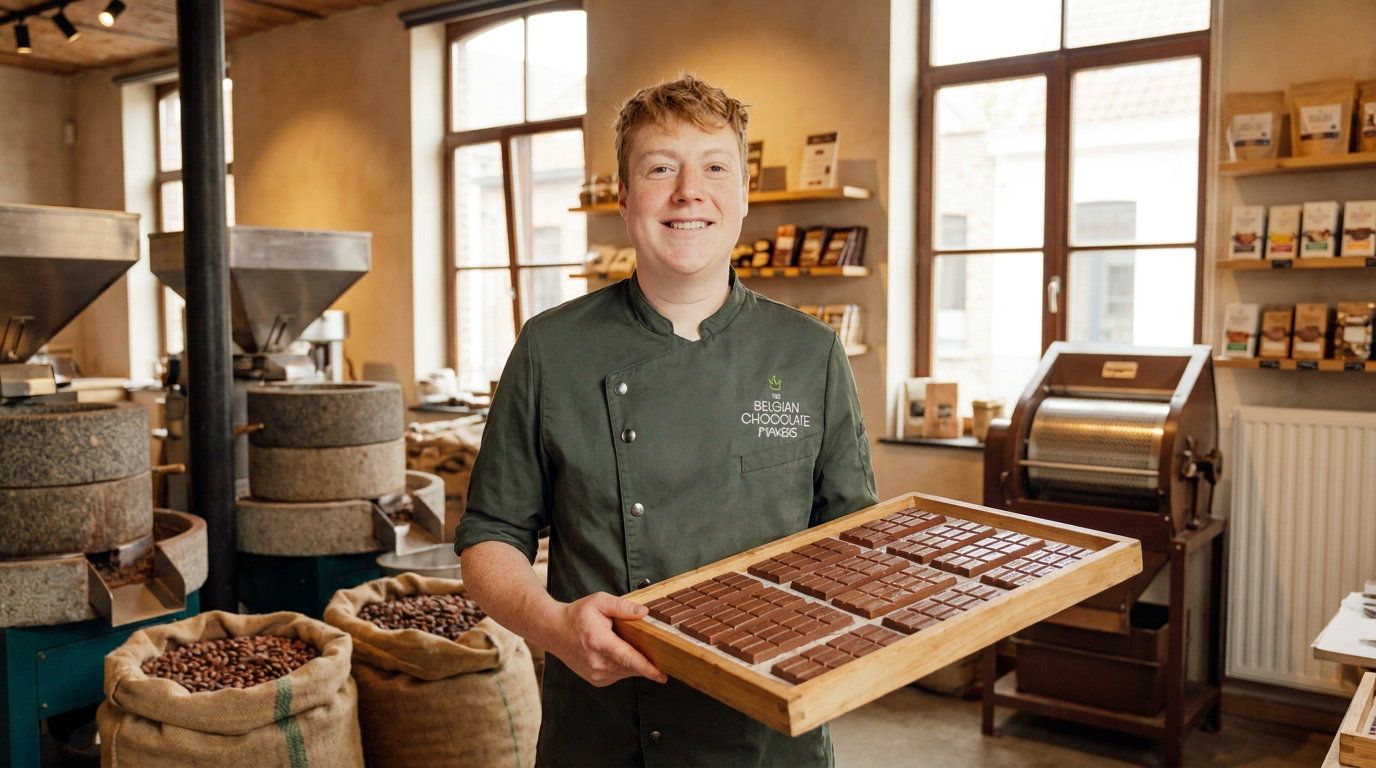
A chocolate bar can reveal far more than cocoa percentage. It can show how carefully cacao was sourced, whether its maker understood the bean’s character, and whether every stage of production received the attention it deserves. The future of artisan chocolate will be shaped by consumers who ask these questions; and by makers prepared to answer them clearly.
For years, premium chocolate was often defined by packaging, famous names, and the promise of Belgian heritage. Those things still matter, especially when choosing a gift. But a more discerning standard is taking hold. People want chocolate with a distinct sense of place, a credible production story, and flavor that could not have come from an anonymous industrial formula.
The future of artisan chocolate begins with the bean
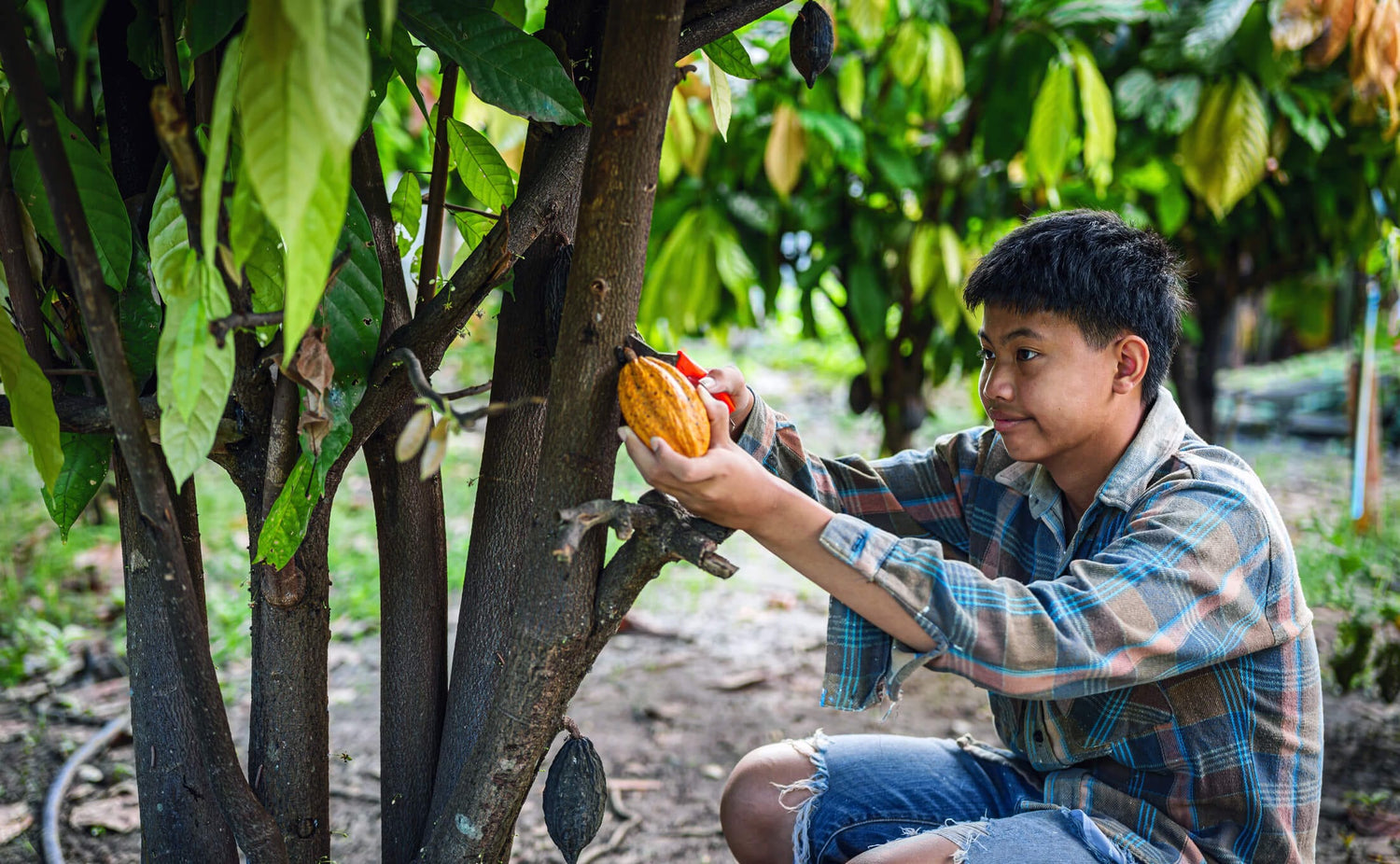
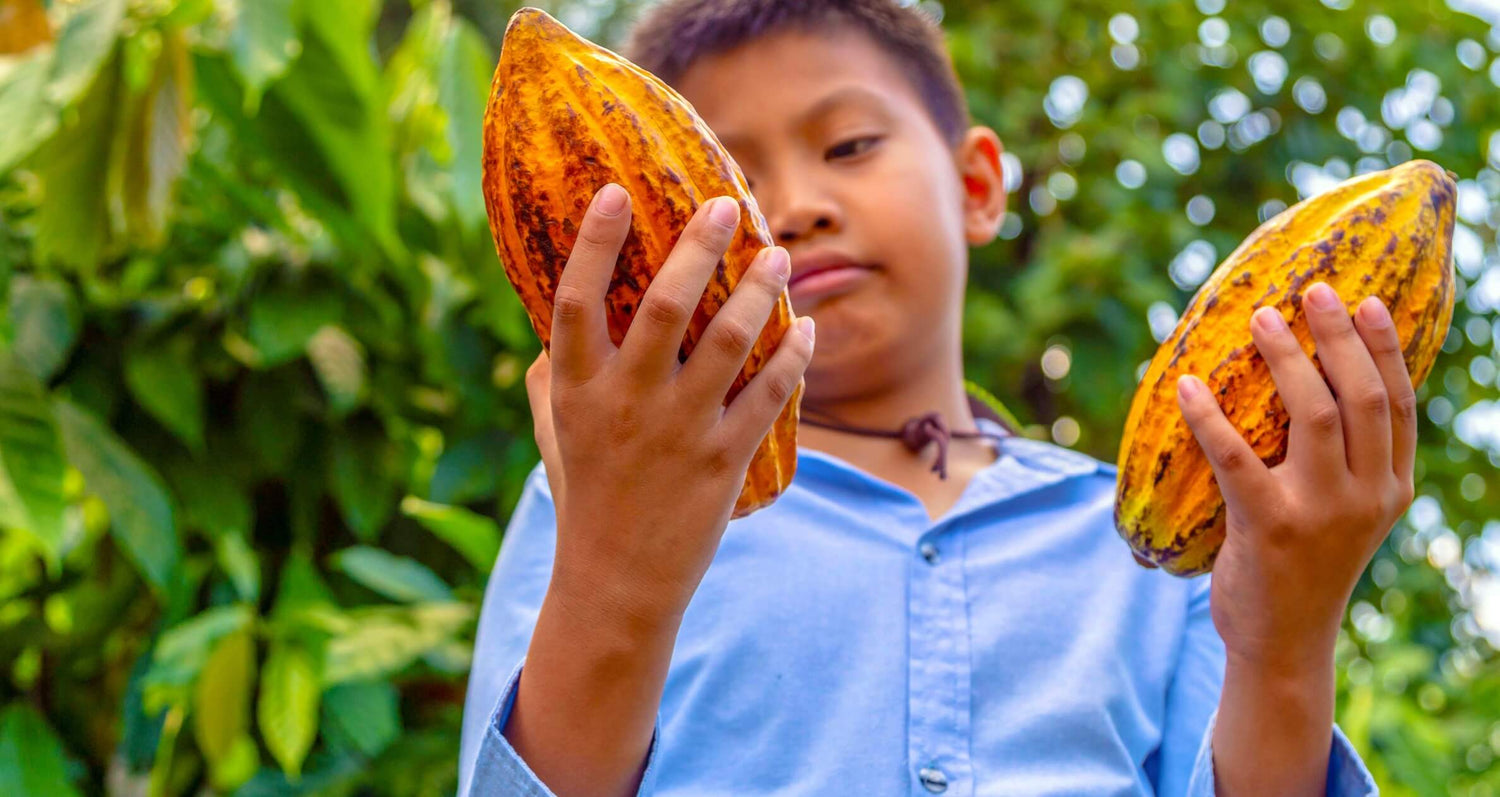
True craft begins before roasting. Cacao is an agricultural ingredient, and its quality is influenced by variety, soil, climate, fermentation, drying, and the skill of the people who grow and prepare it. A maker who buys finished industrial chocolate can create attractive confections, but a bean-to-bar chocolatier has a different level of responsibility and possibility.
Working directly from cacao beans means making decisions that shape the final flavor. Roasting may be lighter to preserve floral or fruit notes, or more developed to bring out caramel, nutty depth, and warmth. Refining affects texture. Conching determines how flavors round out over time. Even a small adjustment can make a bar feel bright and delicate, or deep and reassuringly classic.
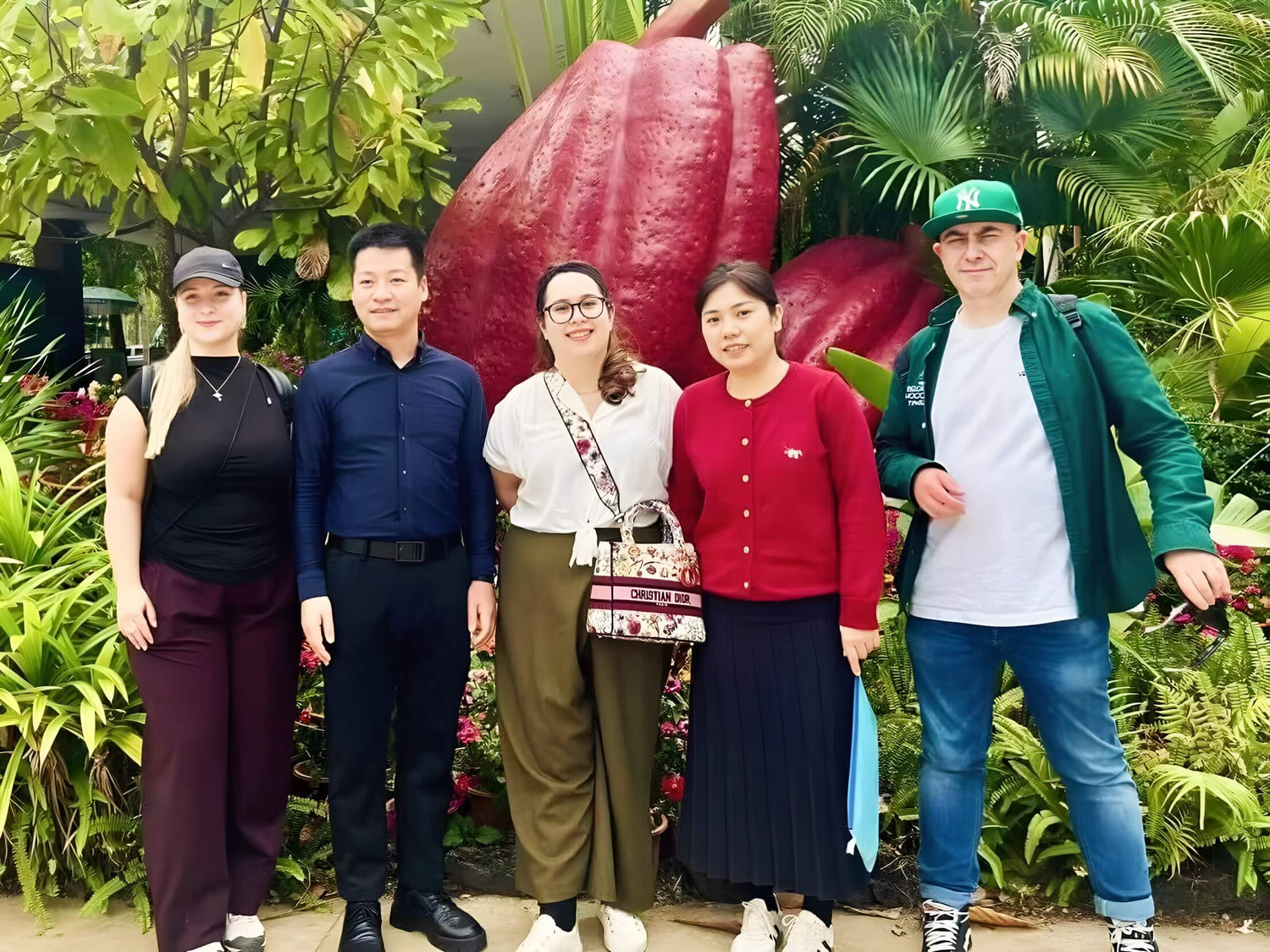
That control is not simply a technical distinction. It creates accountability. When a chocolate maker can identify the origin of a cacao lot and explain how it was transformed in the workshop, shoppers have a more meaningful basis for choosing. Transparency becomes part of the pleasure, not a footnote on the wrapper.
Origin will matter more than a generic percentage
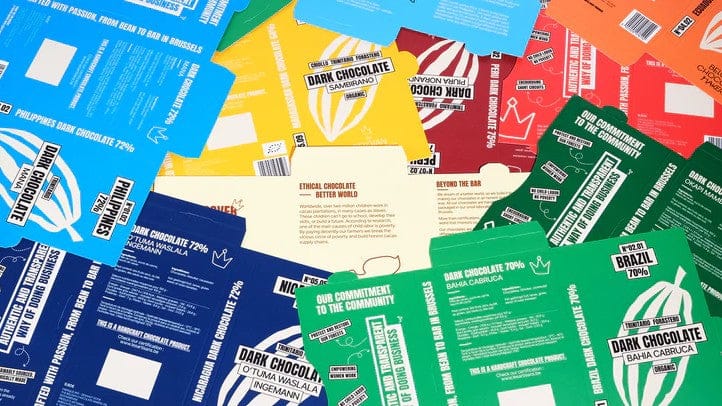
A 70% chocolate bar is not one flavor. Cacao from Madagascar may suggest lively red fruit and citrus notes, while beans from Latin America can offer nuts, honey, or gentle spice. Other origins may be earthy, bold, or unexpectedly floral. Percentage tells a buyer something useful about sweetness and intensity, but origin offers a better starting point for flavor.
As specialty chocolate becomes more familiar to American buyers, origin labeling will become less of a niche detail. It will help people choose chocolate in the same way they choose coffee, wine, or cheese: according to mood, preference, and occasion. A single-origin bar can be a thoughtful personal treat. A selection of origins can make a gift feel considered without becoming overly formal.
This does not mean every bar needs to taste challenging or unfamiliar. Great artisan chocolate should be approachable as well as expressive. A carefully made milk chocolate, for example, can be as revealing of cacao quality as a dark bar when it balances dairy richness with a clear cocoa character. The point is not complexity for its own sake. It is flavor with a reason behind it.
Ethical sourcing must move from claim to practice
The most serious question facing chocolate is not decorative. Cacao farming communities face economic pressure, changing weather patterns, crop disease, and unstable harvests. A future built on remarkable chocolate cannot be separated from the conditions under which cacao is grown.
Ethical sourcing is therefore more than using appealing language about responsibility. It requires long-term thinking: understanding where beans come from, seeking relationships that support quality and fairness, paying for value rather than treating cacao as a commodity, and communicating honestly about what a maker knows. Traceability does not solve every structural challenge in the cacao supply chain, but it makes obscurity harder to accept.
For shoppers, the practical lesson is simple. Look for specificity. A named origin, information about sourcing, and a clear explanation of how chocolate is made carry more weight than broad promises alone. Details suggest that a brand has done the work of knowing its ingredients.
There are trade-offs. Direct and carefully sourced cacao costs more, and small-batch production is not designed to compete with the price of mass-market candy. Yet the difference is visible in the experience: a more distinctive chocolate, made with greater care for its source, is often a better choice for a meaningful gift or an everyday ritual worth slowing down for.
Craft will remain human, even as tools improve
Chocolate makers will continue to benefit from better equipment. Precise roasting controls, improved temperature monitoring, and efficient small-scale machinery can help achieve consistency. Online retail also allows a Brussels workshop to share its work with customers far beyond the city.
But technology will not replace the maker’s palate. Cacao changes from harvest to harvest, even within the same region. A recipe cannot simply be copied without judgment. The chocolatier must taste, adjust, and decide whether a bean calls for a different roast profile, a longer conche, or a format that best shows its strengths.
That human attention will become more valuable as standardized flavor becomes easier to produce at scale. Industrial chocolate is built for consistency, shelf life, and volume. Artisan chocolate can prioritize nuance. Neither approach serves exactly the same purpose, but the distinction matters when buyers want a product with personality.
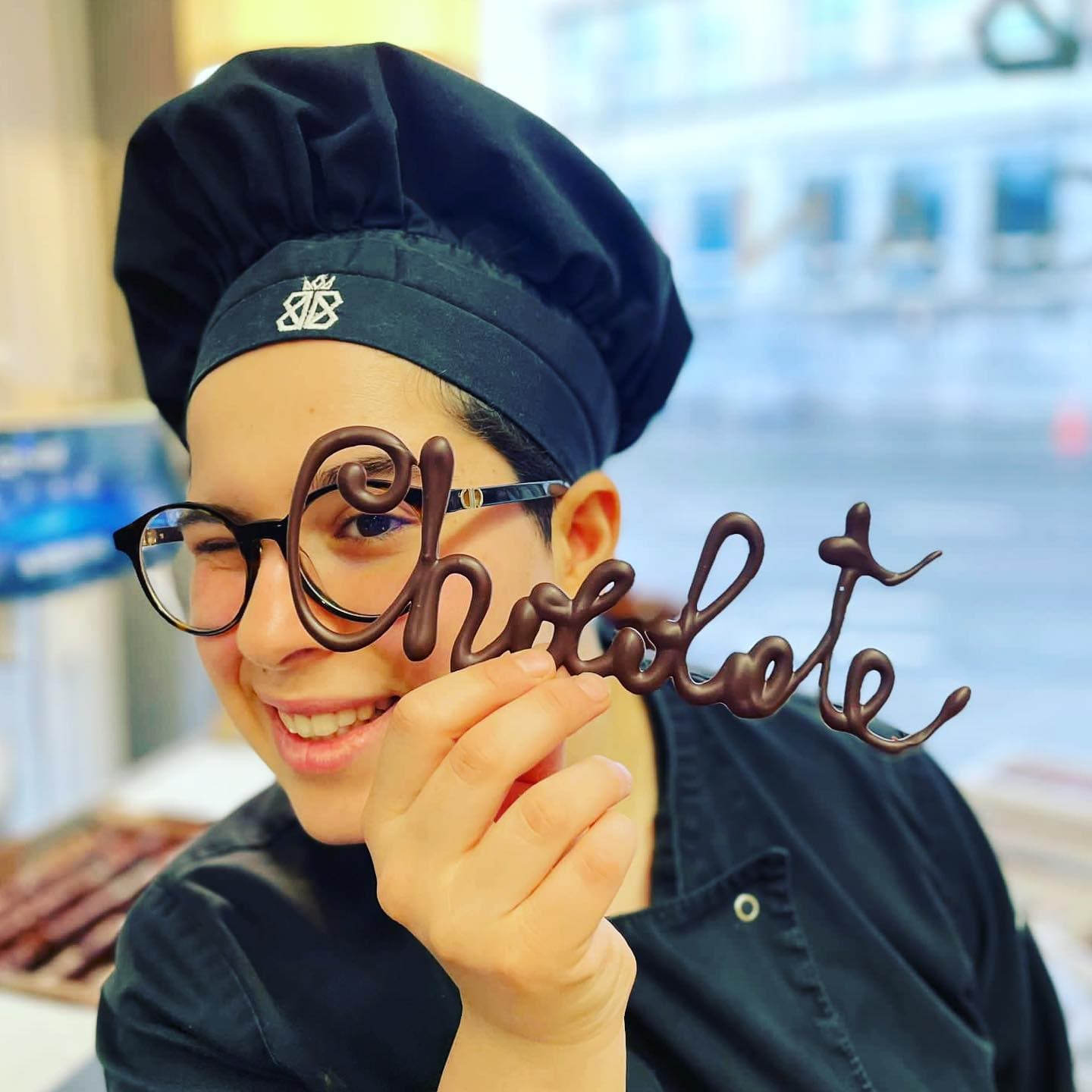
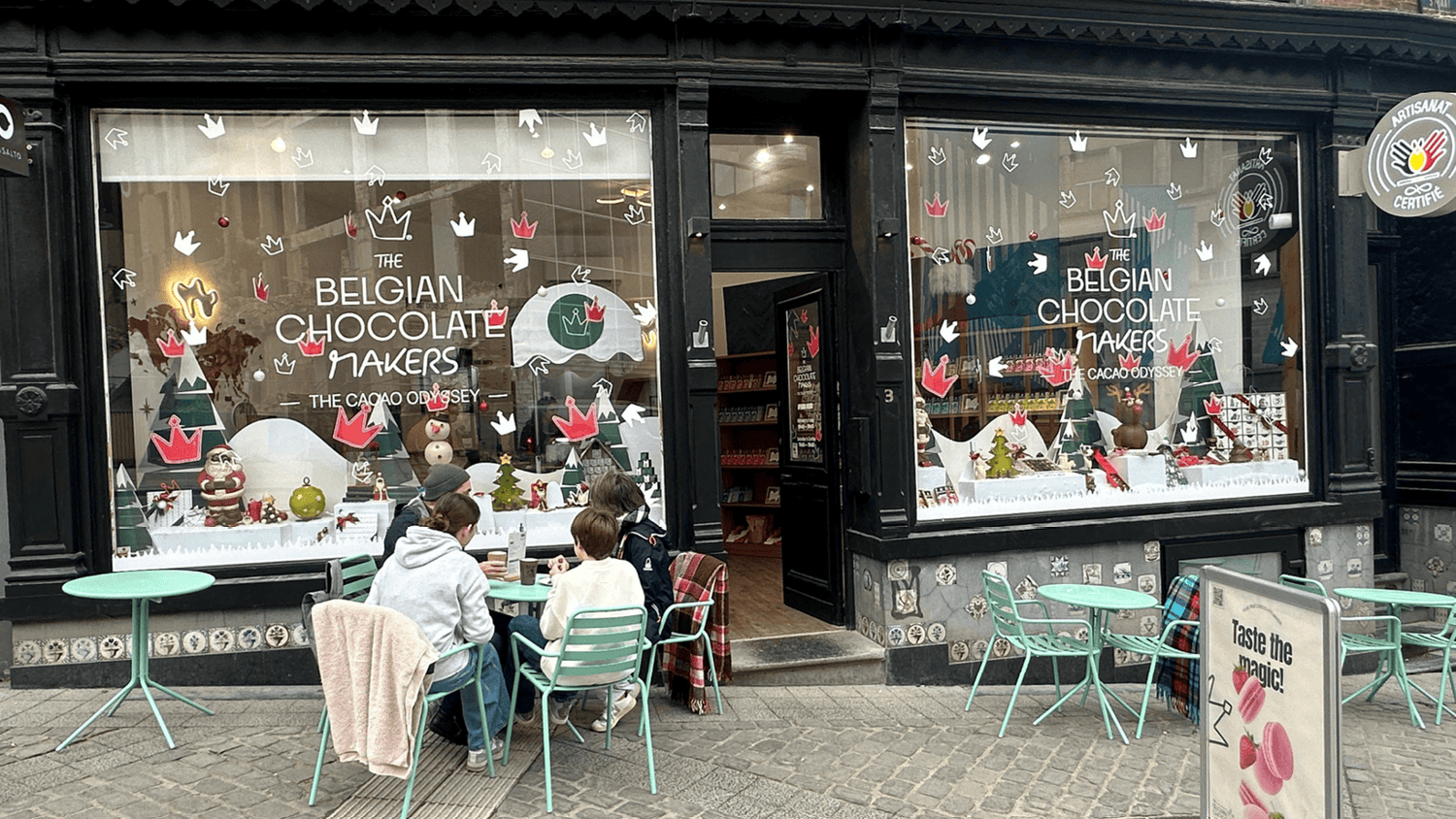
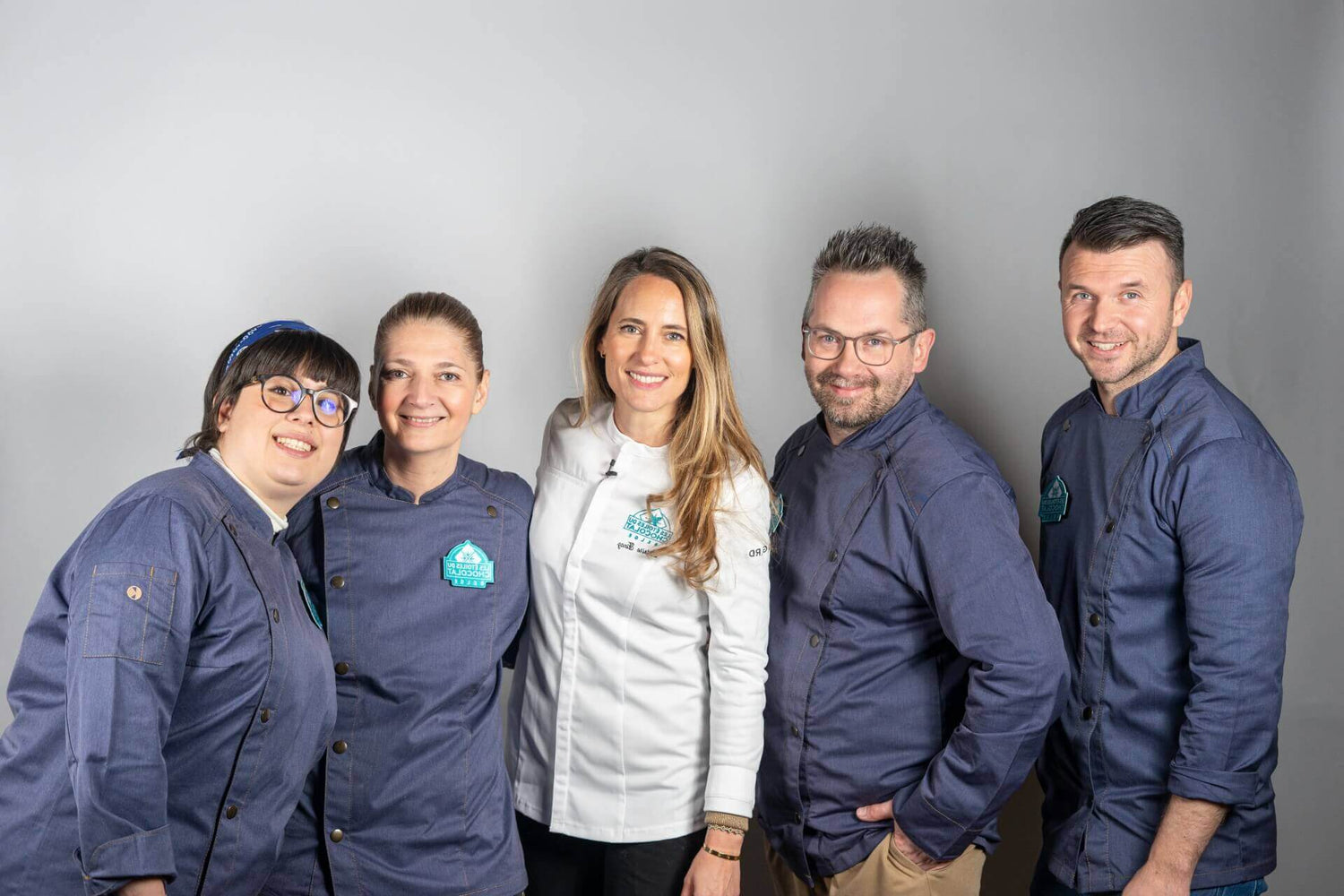
At The Belgian Chocolate Makers, making chocolate from bean to finished creation in the workshop reflects this belief. The bar, praline, truffle, or spread is not merely assembled from purchased couverture. It begins with cacao selected for what it can become.
Gifting will favor meaning over excess
Premium chocolate has always been a natural gift because it is generous without being impersonal. The next chapter of gifting will add more intention. People are looking for presents that feel elevated, useful, and easy to share, but also aligned with their values.
That is why origin collections, elegant assortments, seasonal pieces, and beautifully finished classics will remain important. A gift box does not need to be complicated to feel special. It needs a sense of care: balanced flavors, clear craftsmanship, and presentation that respects the person receiving it.
For corporate gifts, host presents, celebrations, and thank-yous, chocolate also has a rare advantage. It creates an immediate occasion to pause. When the chocolate has a story rooted in real making rather than generic luxury language, that small moment carries more warmth.
Less novelty, more honest flavor
New ingredients and inventive pairings will continue to have their place. Spice, fruit, nuts, botanicals, and regional specialties can make chocolate exciting. But the strongest future products will not use inclusions to hide indifferent cacao. They will use them to complement a chocolate worth tasting on its own.
This is where restraint matters. A bright fruit note can lift a dark bar; roasted nuts can emphasize its natural caramel tones; a delicate praline can create contrast in a gift assortment. The best combinations leave room for the chocolate itself. They feel composed, not crowded.
What to look for as a chocolate buyer
The most rewarding way to buy artisan chocolate is to stay curious. Start with a plain bar from a named origin, then compare it with another origin at a similar cocoa percentage. Notice not only sweetness and bitterness, but texture, aroma, acidity, and how the flavor changes as it melts.
When buying a gift, consider the recipient rather than defaulting to the largest box. A polished selection of pralines may suit a celebration. Single-origin bars can delight someone who enjoys food and travel. A classic assortment with clear sourcing may be the right gesture for a colleague, host, or client.
The future will belong to chocolate that honors both pleasure and provenance. Choose makers who can tell you where their cacao comes from, how they work with it, and why a particular flavor belongs in the final piece. Then take the time to taste the answer.