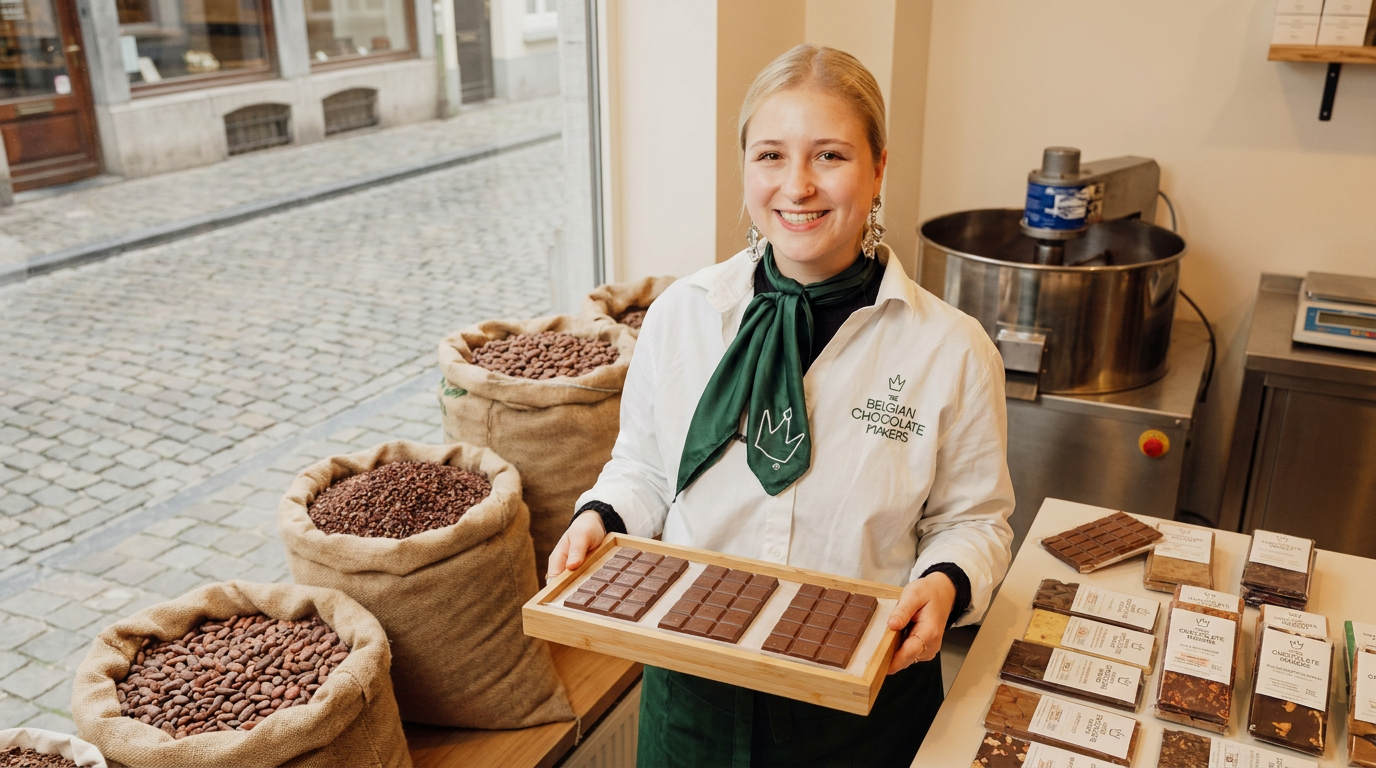
A chocolate bar can carry a Belgian name, arrive in an elegant box, and still begin its life elsewhere as ready-made couverture. With bean to bar Brussels chocolate, the defining difference happens much earlier: at the cacao bean. The maker selects beans for their character, then roasts, grinds, refines, conches, tempers, molds, and finishes the chocolate in its own workshop. That level of involvement changes both what you taste and what you can know about the bar in your hand.
For chocolate lovers, it offers a more direct connection to origin. For gift buyers, it gives a premium present real substance behind the ribbon. And for anyone drawn to Belgian chocolate heritage, it is a chance to experience a tradition through a more transparent, maker-led lens.
What bean to bar Brussels really means?
Bean-to-bar is not simply another name for artisanal chocolate. It describes a production model in which the chocolatier makes chocolate from cacao beans rather than purchasing industrial chocolate couverture to melt and shape. Pralines, truffles, and bars can all be beautifully made with couverture, but the chocolate itself was produced by someone else.
A true bean-to-bar maker takes responsibility for the transformation. Cacao arrives as dried beans, typically sorted and evaluated before roasting. The roasted beans are cracked and winnowed to separate the husk from the cacao nib. Those nibs are ground with carefully chosen ingredients, then refined until the texture is smooth and conched to develop balance, aroma, and mouthfeel. Only then is the chocolate tempered and molded into a finished bar or incorporated into a confection.
This is demanding work. Small changes in roast time, temperature, particle size, or conching can alter a chocolate dramatically. A bright, fruit-forward cacao may become muted if roasted too heavily. A powerful cacao may need a different roast profile to bring out its depth without emphasizing bitterness. Making chocolate from scratch is therefore not only about control. It is about knowing when restraint will let an origin speak clearly.
The craft behind bean-to-bar chocolate
Origin is part of the flavor
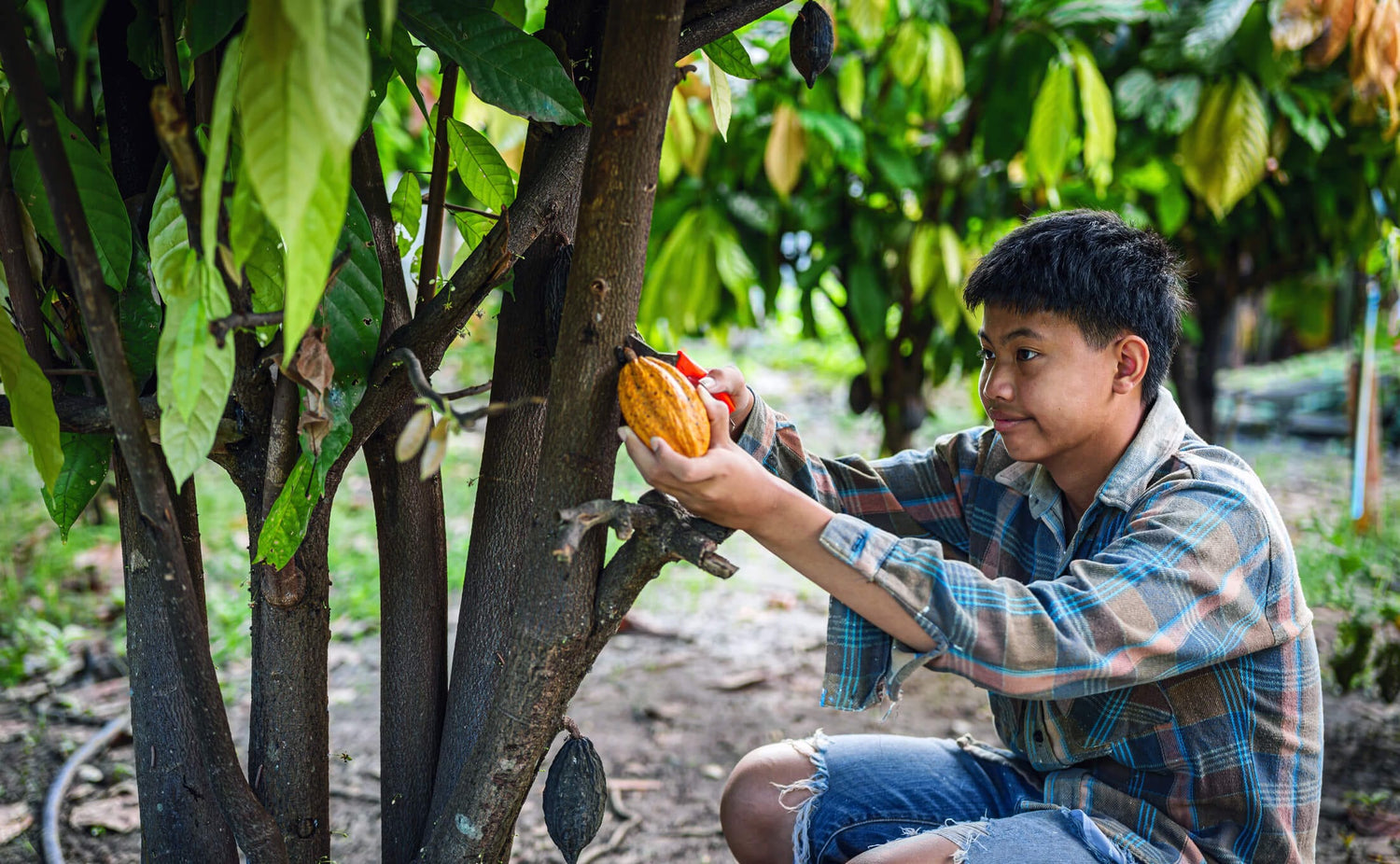
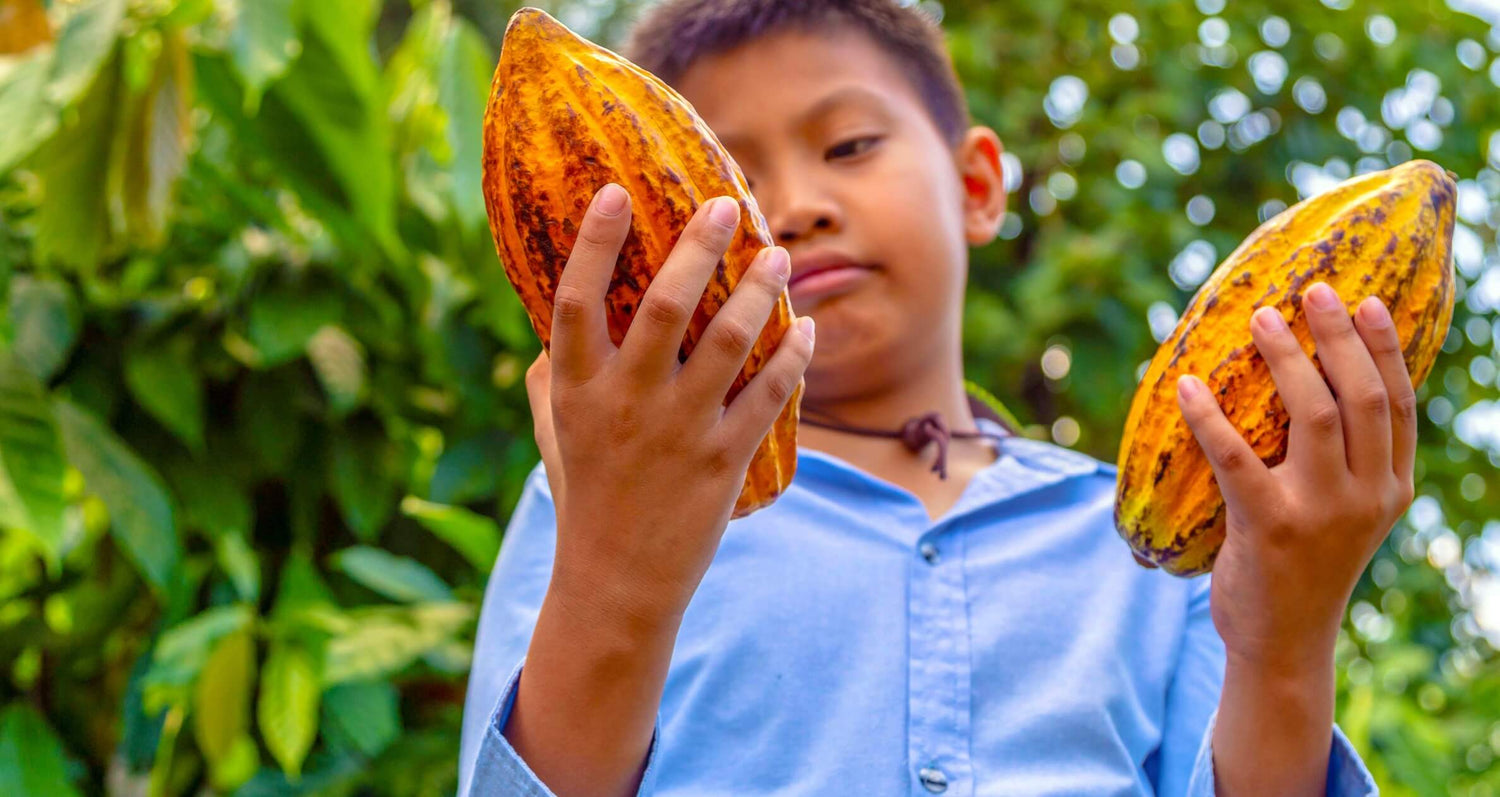
Cacao is an agricultural product, not a uniform ingredient. Beans from different regions can offer notes of red fruit, toasted nuts, citrus, honey, coffee, or warm spice. Soil, climate, cacao variety, fermentation, and drying methods all shape the raw material before it reaches a workshop.
That is why single-origin chocolate is more than a label. When made with care, it invites a comparison similar to coffee or wine: one origin may feel lively and tangy, while another is rounder, darker, and more earthy. Neither is automatically better. The pleasure lies in recognizing that chocolate has a sense of place.
Blends have an equally valid role. A skilled maker may combine origins to create a consistent house style or a particularly balanced profile for pralines and truffles. The key distinction is clarity. Buyers deserve to understand whether they are tasting a defined origin or a deliberate blend, and why that choice was made.
Roasting and refining require judgment
Roasting turns raw cacao into the aromatic foundation of chocolate. It is one of the most consequential stages of bean-to-bar production, yet it should not become a performance of intensity. A dark roast can bring comforting notes of brownie, caramel, and roasted nuts. A lighter approach can preserve floral, citrus, or berry-like nuances. The right choice depends on the beans and on the flavor the maker intends to reveal.
Refining then determines how the chocolate feels on the palate. Properly refined chocolate should melt cleanly and feel silky rather than gritty. Conching further integrates flavors and helps soften sharp edges. These stages take time, and time is part of the value of craft chocolate. A glossy finish alone is not proof of quality. The real test is whether aroma, texture, sweetness, acidity, and cacao depth feel considered together.
Tempering is where precision becomes visible
Tempering creates the stable cocoa butter crystal structure that gives chocolate its sheen, clean snap, and satisfying melt. It is especially important in premium bars and molded confections. When tempering is done well, a bar breaks neatly and releases its aroma gradually as it melts.
This final technical discipline is also why handmade should never mean unpredictable. Small-batch production can preserve individuality, but it must be paired with rigor. The finest craft chocolate balances the character of a human maker with the consistency a customer expects from a special purchase or gift.
Traceability has to go beyond a story
Origin language can be meaningful, but it should be supported by genuine transparency. Ethical sourcing begins with asking practical questions: Where were the beans grown? Who supplied them? What information is available about farming, fermentation, and pricing? How does the maker assess the relationship between quality and responsible production?
Bean-to-bar does not automatically guarantee ethical cacao. A chocolate maker can work from beans and still provide little visibility into sourcing. Likewise, a larger producer may have strong sourcing programs. What matters is the willingness to know the supply chain, communicate honestly about it, and choose partners with care.
For thoughtful shoppers, traceability adds confidence without requiring a lecture. It means the chocolate has a story that can be followed back toward the people and places that made it possible. That matters when buying for yourself, and it matters even more when choosing a gift intended to express appreciation, celebration, or affection.
How to choose bean to bar Brussels chocolate
Start with the occasion. A single-origin dark bar is a rewarding choice for someone curious about flavor and cacao provenance. It gives the recipient room to taste slowly and compare origins. A collection of smaller bars can be even more inviting for a group, a host gift, or a colleague who enjoys discovering new foods.
For a more traditional Belgian chocolate moment, pralines and truffles offer familiar pleasure with a different foundation. When their shells or ganaches are made with in-house chocolate, the craft begins before the filling, decoration, and final presentation. That depth can make a classic confection feel more distinctive without making it less approachable.
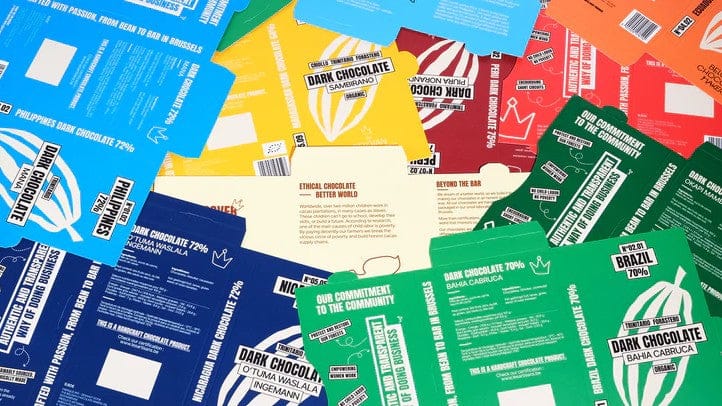
Consider cacao percentage as a useful clue, not a verdict. A 70% chocolate may taste intense, but percentage alone cannot predict bitterness, sweetness, or quality. The same percentage can seem fruity and delicate from one origin, deeply roasted from another, or softly nutty in a carefully designed blend. If you are new to craft chocolate, begin with a range rather than assuming that higher cacao always means better.
Gift format also matters. Bars are ideal for a refined, easy-to-send gesture. Assortments create a sense of occasion and allow several textures and flavors to be shared. Seasonal creations can make a celebration feel personal, while spreads and mendiants bring bean-to-bar character into everyday rituals such as breakfast, coffee, or an after-dinner bite.
A modern expression of Belgian chocolate
Belgium earned its reputation through technical skill, refinement, and a deep cultural appreciation for chocolate. Bean-to-bar production does not reject that heritage. It asks a timely question of it: what happens when Belgian craftsmanship begins with the cacao itself?
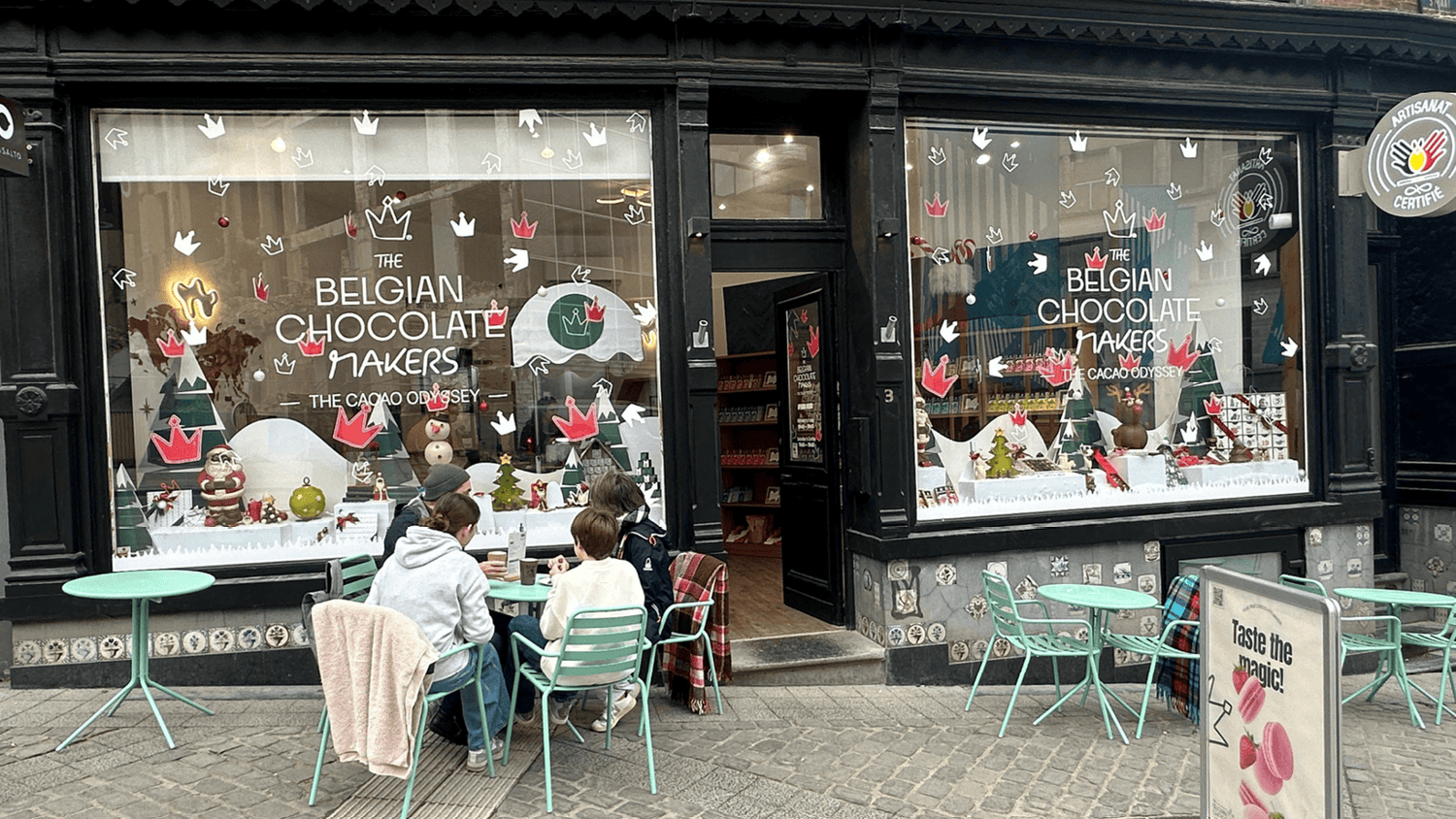
At The Belgian Chocolate Makers, that question is answered in a central Brussels workshop, where cacao is transformed in-house before becoming bars, pralines, truffles, and gifts. The result is chocolate that respects the pleasure and polish people expect from Belgium while placing greater emphasis on origin, process, and the maker's hand.
The most memorable chocolate gifts do more than look beautiful for a moment. They invite a pause: break off a square, notice the snap, let it melt, and see what the beans have to say.