A box of Belgian chocolate can be an easy souvenir. Truly memorable chocolate is something else: a clear expression of cacao, made with care from the first roast to the final finish. Belgian chocolate Brussels has earned its reputation through generations of technical skill, but the most compelling chocolates in the city now pair that heritage with a closer connection to the bean itself.
For a buyer choosing a gift or a bar to savor at home, that distinction matters. It affects flavor, texture, traceability, and the confidence of knowing how the chocolate was made. Not every chocolate bearing a Belgian name follows the same path.
What Belgian chocolate Brussels should mean
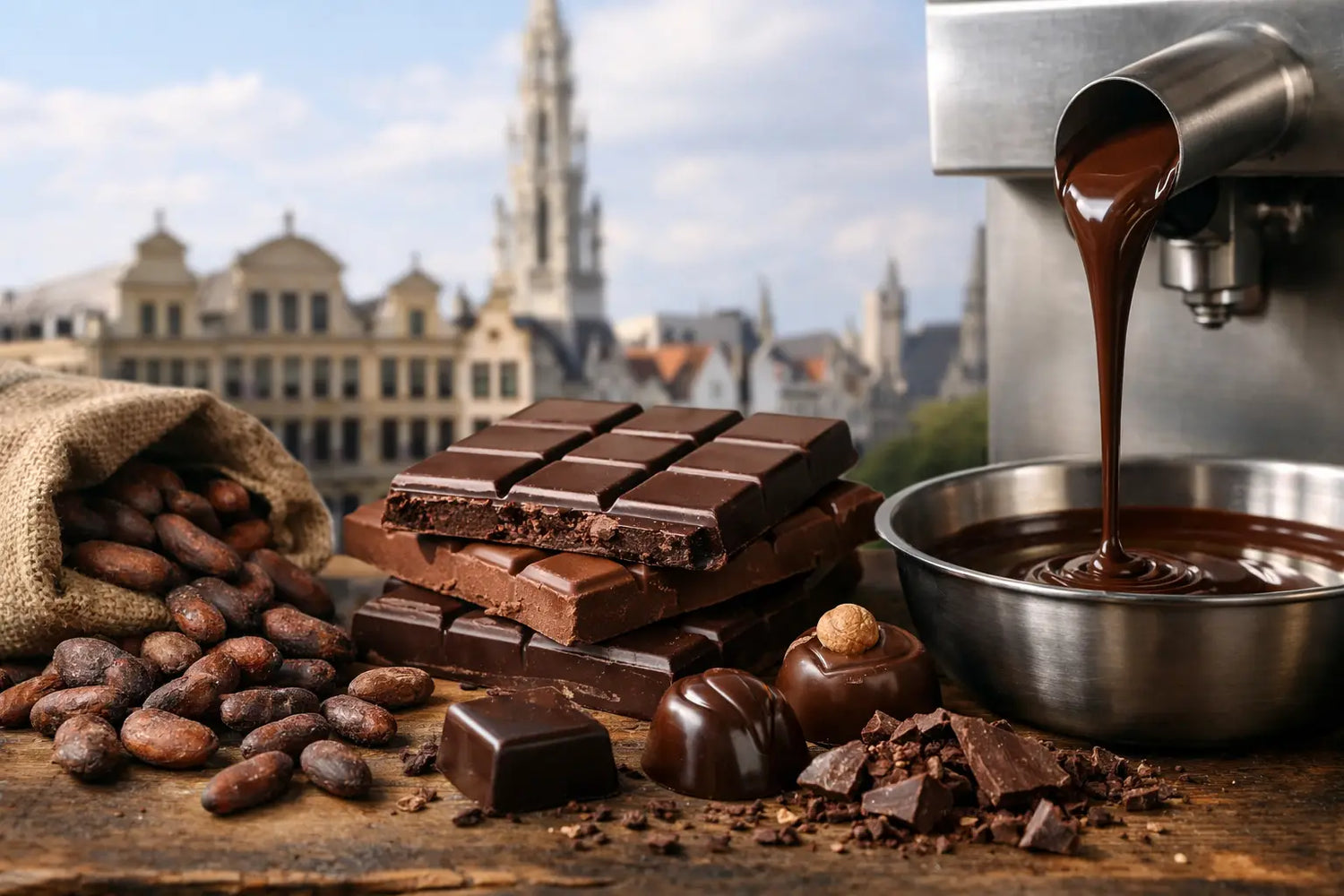
Belgium’s chocolate tradition is rightly associated with elegant pralines, fine shells, smooth ganaches, and impeccable presentation. These are meaningful standards. A beautiful praline requires precision: the shell must have a clean snap, the filling must be balanced, and every piece must look as considered as it tastes.
Yet Belgian chocolate is not defined by presentation alone. The cacao used, how it is sourced, and who transforms it into chocolate all shape the finished piece. Many traditional chocolatiers create excellent confections with purchased couverture;ste chocolate made elsewhere and supplied ready to melt, mold, and fill. This approach can deliver consistency and allows a maker to focus on recipes and decoration.
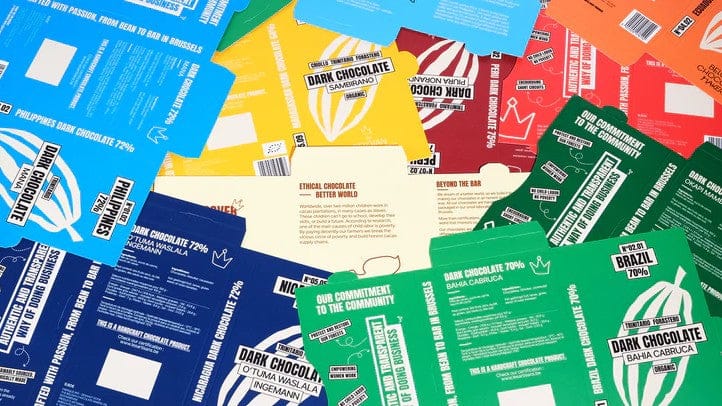
Bean-to-bar production asks for a different level of involvement. The chocolate maker receives cacao beans and manages roasting, cracking, winnowing, refining, conching, tempering, and molding in-house. Each stage carries decisions that cannot be outsourced: how to bring out fruit notes without bitterness, how long to refine for a smooth texture, and when a batch has developed its best flavor.
That is why the phrase Belgian chocolate Brussels can mean more than a place of purchase. At its best, it describes chocolate made in the city with an identifiable point of view, from carefully selected cacao to a finished bar, praline, or gift box.
The bean to bar difference you can taste
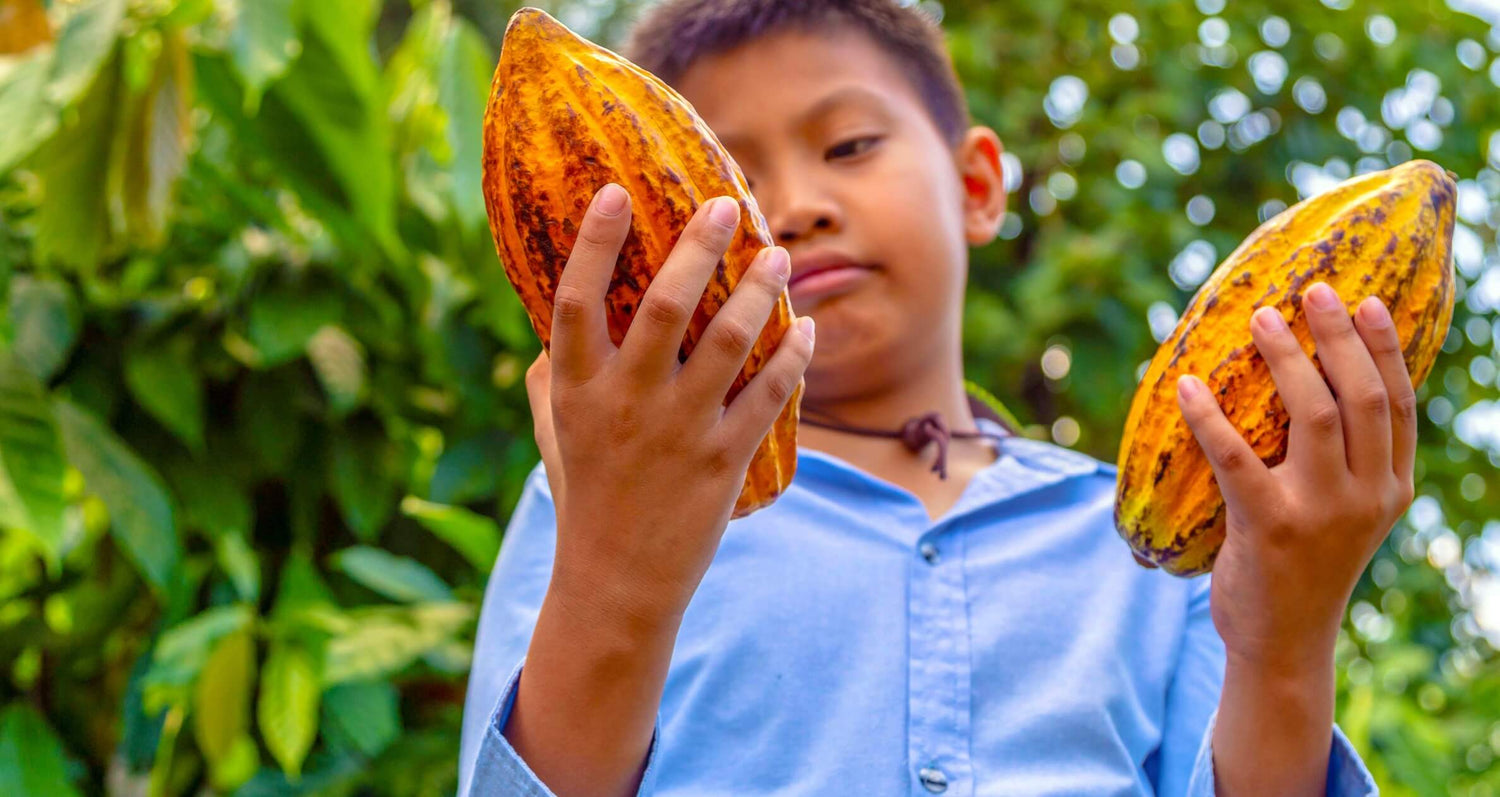
Cacao is an agricultural ingredient, not a neutral brown base. Beans from different regions can suggest red fruit, toasted nuts, citrus, honey, spice, or deeper cocoa notes. Genetics, soil, climate, fermentation, and drying all contribute. A skilled maker does not erase those differences in pursuit of a single generic flavor. Instead, the process is adjusted to let each cacao express itself clearly.
Roasting is a useful example. A darker roast can emphasize familiar cocoa and caramel notes, while a gentler roast may preserve brighter fruit character. Neither is automatically superior. The right choice depends on the bean and the intended chocolate. The craft lies in tasting, testing, and refining until the roast supports the cacao rather than overwhelms it.
Refining and conching matter just as much. Refining reduces particle size, creating the silken texture associated with premium chocolate. Conching develops aroma and softens rough edges. Too little development can leave chocolate gritty or sharp; too much can flatten the personality of an exceptional cacao. The goal is not simply smoothness. It is smoothness with character.
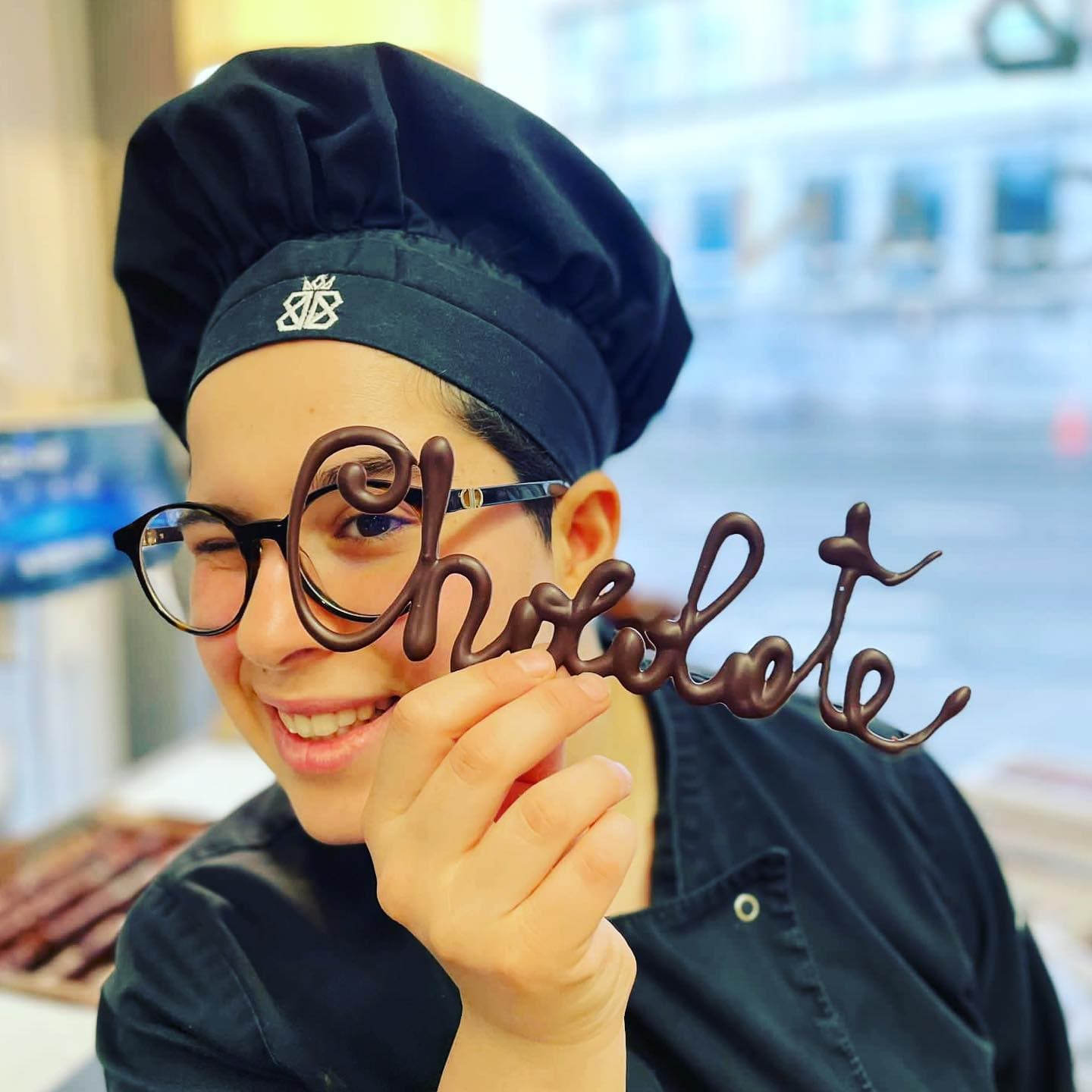
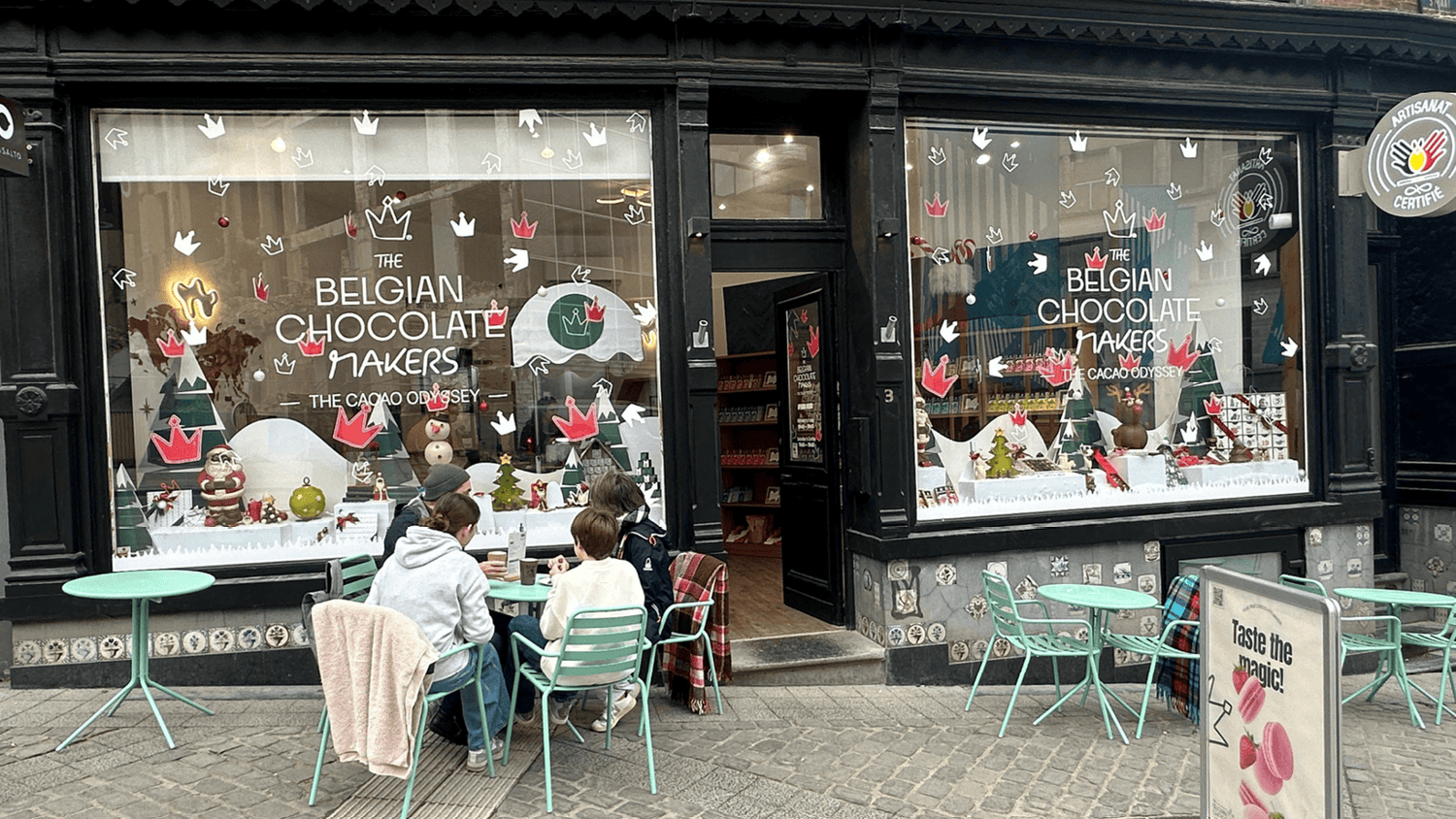
At The Belgian Chocolate Makers, this work takes place in a central Brussels workshop, where cacao beans are transformed directly into chocolate in small batches. Making chocolate at the source of the brand’s craft allows greater control over flavor and a more direct relationship between origin and finished product.
Origin is part of the flavor story
For food-conscious buyers, origin information is not just a label detail. It is a way to understand what is in the chocolate and where its character begins. A single-origin bar can offer a particularly focused tasting experience, making it easier to notice how one cacao differs from another.
A bar made with cacao from Madagascar, for example, may offer lively berry or citrus-like notes. Another origin may lean toward roasted nuts, dried fruit, or warm spice. These descriptions are tasting references, not added flavors. In well-made dark chocolate, they arise naturally from the bean and the maker’s handling of it.
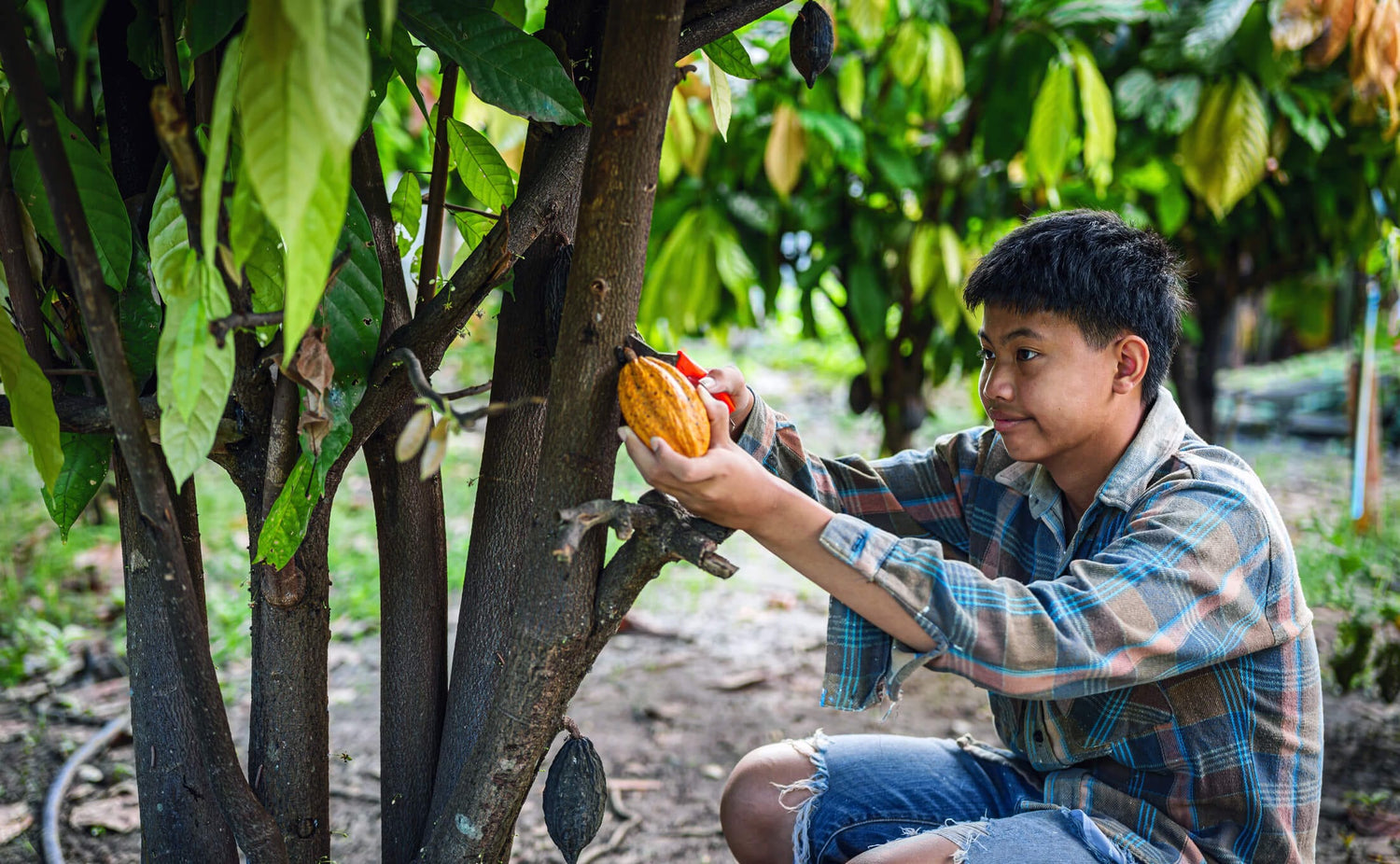
Traceability also has an ethical dimension. Cacao supply chains can be complicated, and broad claims are not a substitute for meaningful sourcing relationships. Transparent chocolate makers work to identify their cacao origins, select suppliers carefully, and communicate honestly about their ingredients and process. For the customer, that creates a more thoughtful choice without demanding expertise in commodity markets.
Milk chocolate and filled chocolates deserve the same attention. High-quality milk chocolate should still allow cacao to speak through its dairy richness and sweetness. In pralines and truffles, the chocolate shell and the filling should complement one another rather than compete. A delicate ganache, a crisp mendiant, or a smooth spread becomes more satisfying when the base chocolate has depth of its own.
How to choose chocolate worth giving
Premium chocolate makes an especially strong gift because it is both immediate and personal. It can mark a thank-you, a holiday, a dinner invitation, or a business occasion without feeling generic. The best selection depends on the recipient, but a few quality signals make the decision easier.
Start with the maker’s process. Look for clear language about whether the company makes its own chocolate from cacao beans or works with prepared couverture. There is room for both models, but they offer different kinds of craftsmanship. If origin, flavor discovery, and direct production matter to the recipient, bean-to-bar is a meaningful choice.
Then consider the format. A single-origin bar suits the curious chocolate lover who enjoys tasting slowly. A mixed assortment of pralines or truffles is more social and celebratory. Mendiants offer texture from nuts and fruits, while chocolate spreads bring a craft ingredient into everyday breakfasts and desserts. Seasonal collections can make the occasion feel specific without sacrificing quality.
Presentation should support the product, not distract from it. A premium gift box should protect delicate pieces, state what is inside clearly, and feel appropriate to the moment. For corporate gifting or larger celebrations, a curated assortment is often more welcoming than an overly challenging collection of intense dark bars. For a serious chocolate enthusiast, however, a selection organized by cacao origin may be the more thoughtful gesture.
Freshness is another practical consideration. Chocolate is stable, but it is not invulnerable. Keep it in a cool, dry place away from sunlight and strong odors. A refrigerator is usually unnecessary and can introduce moisture or dull aromas when the chocolate is removed. If the room is very warm, store it carefully in an airtight container and allow it to return gradually to room temperature before tasting.
A better way to taste fine chocolate
A small tasting ritual reveals more than eating chocolate quickly from the wrapper. Let a piece rest for a moment at room temperature. Notice its surface and snap, then smell it before tasting. Allow it to melt rather than biting through it immediately. As the chocolate warms, its flavor will change, sometimes moving from roasted cocoa to fruit, spice, or a lingering creamy finish.
Comparing two bars side by side can be even more revealing. Choose different cacao origins or percentages, taste from lighter to darker, and use water between samples. There is no need for complicated vocabulary. The useful question is simply: what do you notice, and do you want another piece?
That final question is a reliable guide when choosing Belgian chocolate. Seek a maker willing to show the work behind the wrapper, respect the cacao within it, and finish every piece with care. The result is not merely a gift from Brussels, but a chocolate experience with a genuine sense of place and purpose.