A bar can arrive in a beautiful box, carry a high cocoa percentage, and still offer very little character. The purpose of an artisan chocolate review is to look beyond luxury signals and ask a more revealing question: what does this chocolate tell us about the cacao, the maker, and the care behind every stage of production?
For discerning buyers and thoughtful gift-givers, that distinction matters. Fine chocolate should be pleasurable first, but its quality is also expressed through its ingredients, texture, aroma, and the clarity with which the maker explains where the cacao came from. A memorable piece does not need to be loud or overly sweet. It needs to be precise.
What an Artisan Chocolate Review Should Assess
The most useful review begins before the first bite. True artisan chocolate is not defined by a rustic wrapper or a small batch claim alone. It is defined by chocolate making: the careful transformation of cacao beans into chocolate, rather than the simple melting and molding of purchased industrial couverture.
Bean-to-bar makers roast, crack, winnow, refine, conche, temper, and mold chocolate under their own roof. Each step affects the final flavor. Roasting can bring forward toasted nuts, dried fruit, or warm caramel notes. Refining determines whether a bar feels velvety or gritty. Conching develops texture and rounds rough edges, while tempering creates a clean snap and a polished finish.
This level of control is why two bars with the same cocoa percentage can taste entirely different. A 70% chocolate may be bright and red-fruited, deep and earthy, or mellow with notes of honey and toasted almond. Percentage offers a useful starting point, but it cannot tell the whole story.
A thoughtful artisan chocolate review should therefore consider the maker's process as well as the tasting experience. The strongest products make these two elements feel connected: care in the workshop becomes clarity in the flavor.
Start With the Cacao Origin
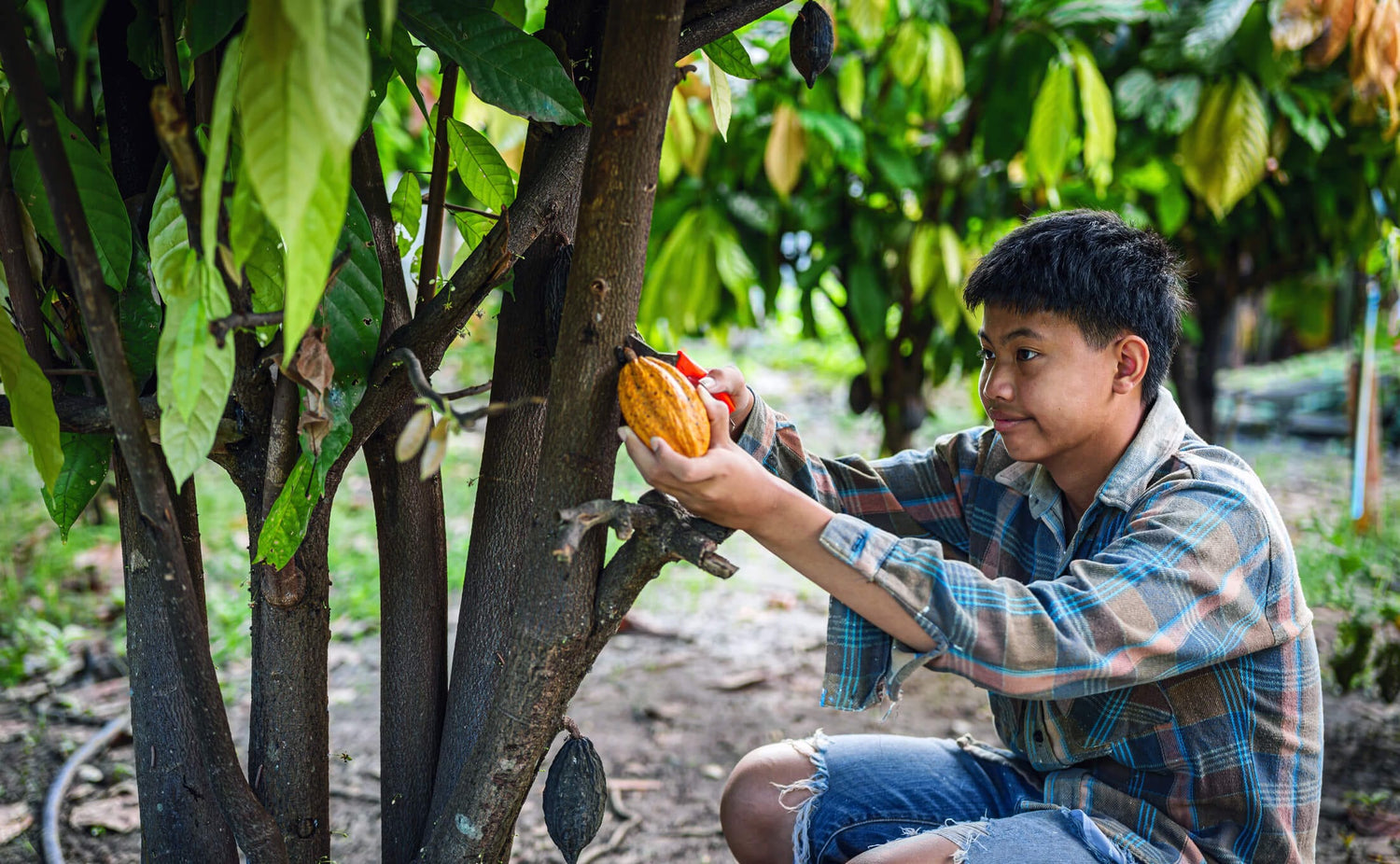
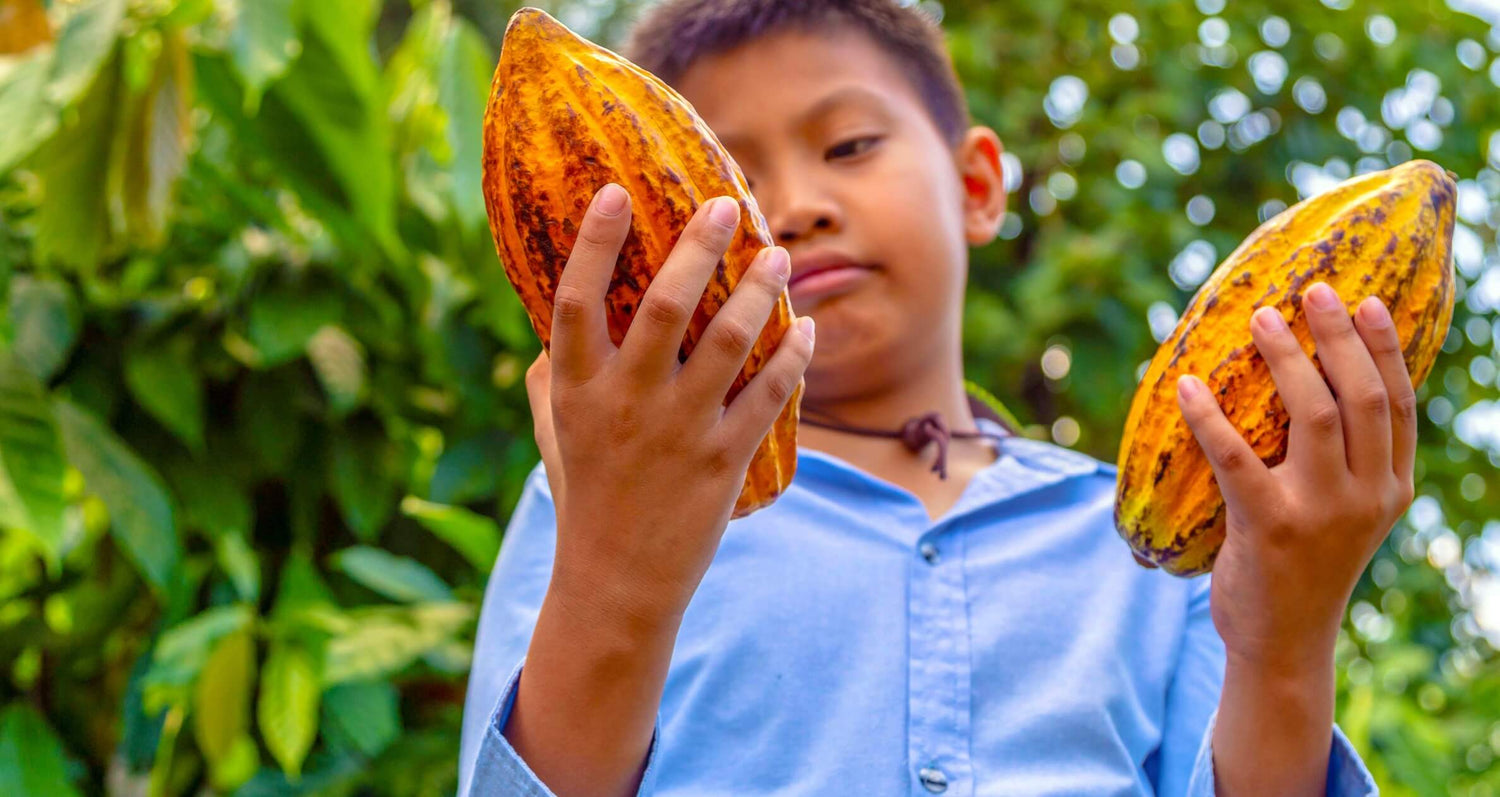
Cacao is an agricultural product, and its origin is as meaningful as the provenance of coffee, wine, or olive oil. Soil, climate, local genetics, fermentation practices, and drying all influence the beans long before they reach a chocolate workshop.
Single-origin chocolate is especially revealing because it gives one region or community the space to speak clearly. Cacao from Madagascar may show fresh acidity and citrus-like brightness. Beans from Ecuador can offer floral notes and gentle nuttiness. Some origins lean toward dried fruit, spice, molasses, or roasted wood. These are not fixed rules, but they are useful points of reference.
A blend, on the other hand, is not automatically less refined. A skilled maker may combine origins to create balance, body, or a particular house style. The question is whether the blend tastes intentional. Does it have definition, or does sweetness flatten every other note?
Transparency adds another layer of value. When a maker identifies the country, region, cooperative, or farm source, it gives buyers a clearer understanding of what they are tasting. It also signals that cacao is being treated as a material with a history, not an anonymous commodity. Ethical sourcing claims deserve the same attention. Specific information is more meaningful than broad, unsubstantiated language.
Look for Flavor, Not Just Intensity
Dark chocolate is often mistaken for serious chocolate, as though bitterness were proof of quality. It is not. Excessive bitterness can result from harsh roasting, underdeveloped fermentation, or a recipe that lacks balance.
Fine dark chocolate should have depth without punishing the palate. It may carry a measured bitterness, particularly at higher cocoa percentages, but that bitterness should be supported by aroma and natural sweetness. The finish should feel clean rather than chalky, burnt, or aggressively astringent.
Milk chocolate deserves equal consideration. At its best, it is not merely sweet. Quality milk chocolate can show cocoa character alongside fresh dairy richness, biscuit, malt, caramel, or soft fruit notes. The trade-off is that milk and sugar naturally soften origin expression, so buyers seeking the clearest view of a cacao's personality may prefer darker bars. For those who value roundness and comfort, however, a well-made milk chocolate can be every bit as impressive.
Texture Is a Test of Craft
Break a properly tempered chocolate bar and listen for a crisp, clean snap. This is not a theatrical detail. It indicates that the cocoa butter crystals have been aligned correctly, producing a stable bar with a smooth melt and attractive sheen.
The surface should generally be glossy and even, without gray streaks or dusty patches. Those pale marks, known as bloom, are not necessarily unsafe, but they can point to imperfect storage or tempering. A bar may still taste good, yet its texture and appearance will often be less refined.
On the palate, artisan chocolate should begin firm, then melt gradually and evenly. It should not feel sandy, waxy, or greasy. A very slight rustic quality can occur in small-batch chocolate, but graininess that distracts from the flavor is a flaw, not a badge of authenticity.
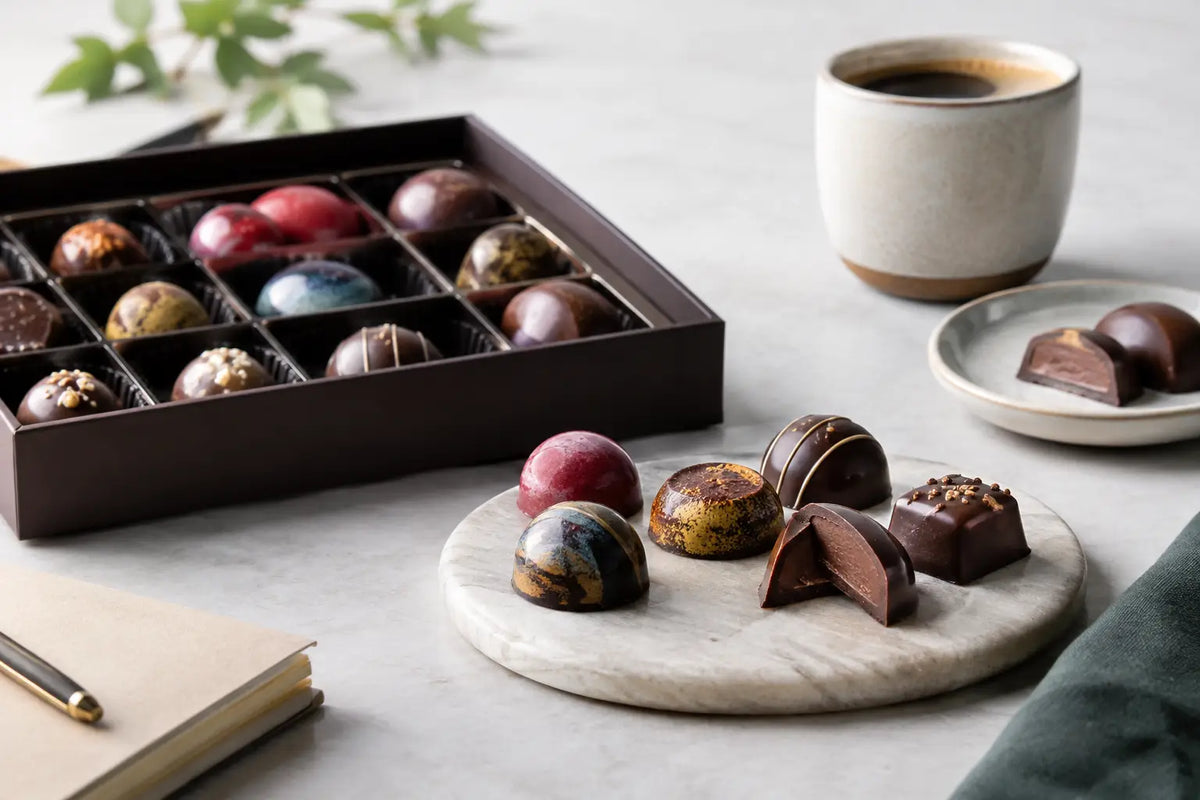
For filled chocolates, pralines, and truffles, balance is equally important. The shell should be thin enough to yield gracefully, yet substantial enough to protect the filling. Ganache should taste of real chocolate and cream rather than sugar or artificial flavoring. Nut pralines should retain a recognizable roasted character. Fruit fillings should offer freshness, not the blunt sweetness of candy.
Sweetness, Ingredients, and Restraint
An ingredient list often reveals whether a chocolate maker allows cacao to take center stage. For a plain dark bar, the essentials are usually cacao beans or cocoa mass, cocoa butter, and sugar. Vanilla may be used sparingly. In milk chocolate, milk powder or milk solids join the recipe.
There are valid reasons to add inclusions, spices, nuts, or fruit, particularly when a bar is designed around a clear flavor idea. The concern is not complexity itself. The concern is whether extra ingredients hide weak chocolate underneath. A good pistachio bar should taste of pistachio and cacao. A sea salt caramel praline should still have a chocolate identity.
Sugar is another matter of proportion. Some cacao origins are naturally bold, tart, or tannic and benefit from a recipe that gives them room to soften. Others can remain expressive at lower sweetness. There is no universal ideal percentage. What matters is equilibrium. If the first and last impression is sugar, the cacao has not been given enough space.
Why Bean-to-Bar Changes the Experience
Many Belgian chocolatiers create beautiful confections using purchased couverture, and that work can require real skill. Bean-to-bar production asks something additional of the maker: responsibility for the chocolate itself.
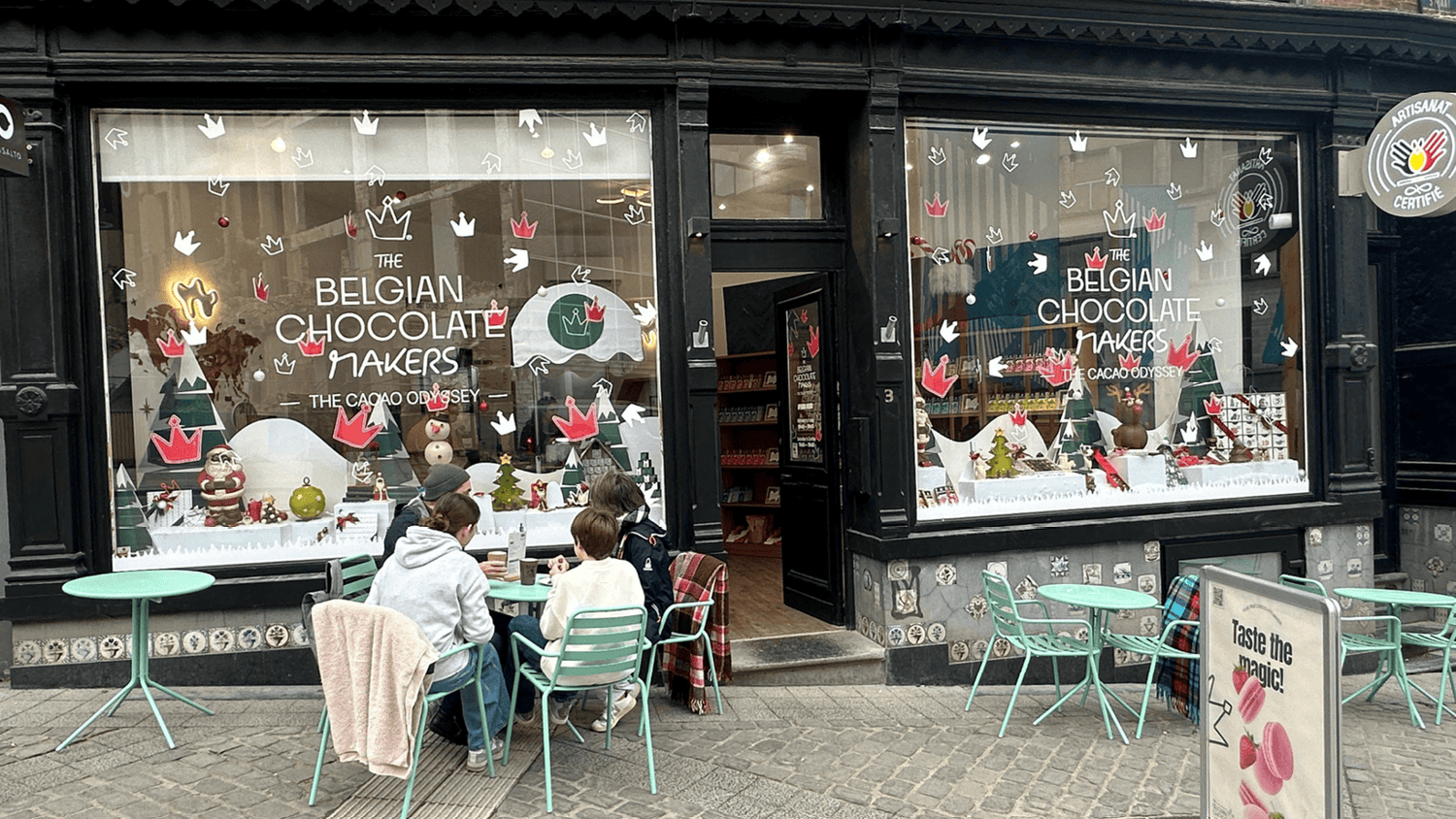
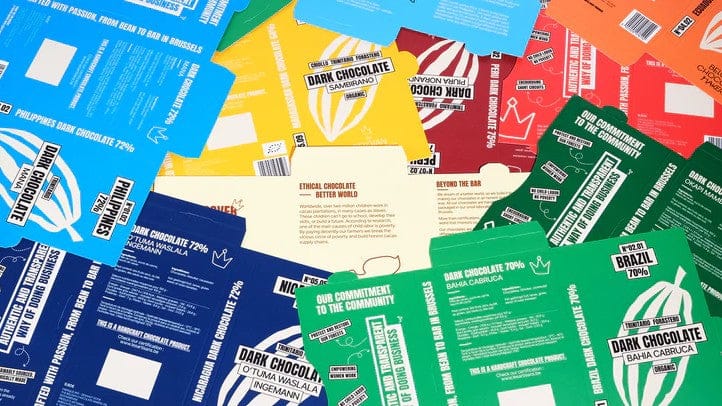
The Belgian Chocolate Makers follows this more demanding model in its central Brussels workshop, transforming selected cacao beans into its own chocolate before crafting bars, pralines, truffles, spreads, and seasonal gifts. That approach creates a direct relationship between source, process, and finished product. It also makes it possible to make deliberate choices at every stage, from roast profile to recipe and final texture.
For buyers, the benefit is not simply a more impressive story. It is the opportunity to taste chocolate with a distinct point of view. A maker who works from bean to bar can preserve a particular origin's brightness, soften a more powerful cacao through careful conching, or create a blend with genuine structure rather than generic sweetness.
Reviewing Chocolate for Gifting
When chocolate is intended as a gift, the criteria expand. Flavor remains central, but presentation, variety, and reliability matter as well. A single-origin bar is an excellent choice for someone curious about cacao. A polished praline assortment suits occasions where sharing is part of the pleasure. Truffles and seasonal collections add a sense of occasion, while spreads and mendiants offer a more relaxed route into craft chocolate.
Consider the recipient rather than assuming that the darkest option is the most luxurious. A curious food lover may enjoy a tasting selection with different origins and cocoa percentages. Someone who values familiar pleasures may prefer refined milk chocolate, caramel, hazelnut, or a balanced assortment. The best gift feels chosen, not merely expensive.
Storage also affects the experience. Keep chocolate in a cool, dry place away from strong odors and direct sunlight. Refrigeration is usually unnecessary and can encourage condensation when the chocolate returns to room temperature. Before tasting, allow it to rest briefly at room temperature so the aroma and texture can fully open.
The most satisfying chocolate asks you to slow down for one square more. Choose a maker that can tell you where its cacao began, how it was shaped in the workshop, and why the finished flavor is worth sharing.