A chocolate box can say almost anything. Thank you. Happy birthday. I miss you. I know your taste is better than average. That is why choosing the best Belgian chocolate assortments is not really about finding the biggest box or the glossiest ribbon. It is about finding a collection that reflects real chocolate making, thoughtful variety, and the kind of quality that still feels special after the first piece.
Belgian chocolate has long been associated with elegance, but not every assortment earns that reputation in the same way. Some are built around visual appeal and familiar fillings. Others are crafted with more care, using chocolate made from the bean in-house, with attention to origin, freshness, texture, and balance. If you are buying for yourself, for a client, or for someone who notices the difference between pleasant sweetness and true chocolate depth, that distinction matters.
What makes the best Belgian chocolate assortments stand out
The first thing to look for is not the packaging. It is the chocolate itself. Many chocolate boxes sold under a Belgian luxury image are made with purchased couverture, which means the chocolatier works with finished chocolate produced elsewhere. There is skill in that, certainly, but it is different from bean-to-bar production, where the maker controls roasting, refining, conching, and final flavor development.
That level of control affects everything inside the box. Shells taste more vivid. Ganaches carry cleaner flavor. Pralines feel less sugary and more precise. When an assortment is made by a workshop that handles the full process, the chocolate is not just a carrier for fillings. It is an ingredient with its own character.
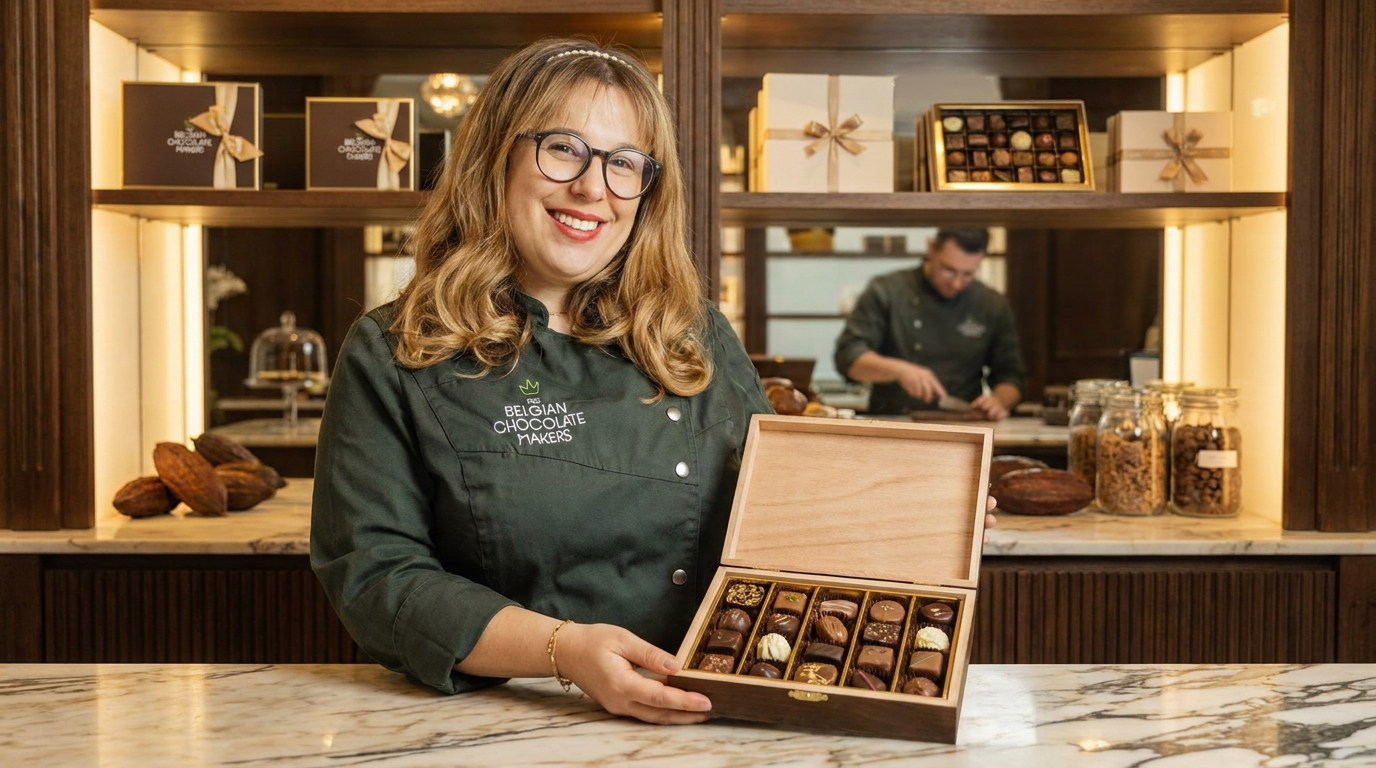
The second marker is balance. A strong assortment should offer contrast without feeling random. You want a range of textures and intensities; perhaps a silky ganache, a crisp praliné, a dark chocolate truffle, a caramel note, and something with a nut or fruit accent. Too much repetition makes a box forgettable. Too much novelty can make it feel scattered.
Freshness also matters more than many buyers realize. Artisan assortments often have shorter shelf lives because they avoid the heavy stabilizers and preservatives used in more industrial confectionery. That can make them a better choice, not a worse one, especially if you value texture and flavor integrity. It does, however, mean timing matters when ordering gifts.
How to choose the best Belgian chocolate assortments for the occasion
A gift box for a broad audience should not be selected the same way you would buy chocolate for a committed dark chocolate lover. The best choice depends on who will open it, how it will be shared, and whether the impression should be generous, refined, adventurous, or comforting.
For corporate gifting or formal occasions, assortments with a clean presentation and a measured mix of classics tend to work best. Think pralines, ganaches, and truffles in a polished format rather than highly experimental flavors. The goal is not to surprise at all costs. It is to deliver unmistakable quality with broad appeal.
For personal gifting, you can be more specific. If the recipient enjoys craft food, a box that highlights single-origin chocolate or more distinct flavor profiles will feel more meaningful. If they care about ethical sourcing, traceability and bean origin should be visible parts of the story, not vague claims on the packaging.
For self-purchase, the equation shifts again. This is where curiosity matters. You might prefer an assortment that includes mendiants, filled chocolates, and plain tasting pieces so you can experience the maker's style from different angles. A beautifully edited smaller box can be more satisfying than a large assortment padded with repetitive pieces.
The styles of assortment worth looking for
Not all Belgian assortments are built around the same idea. Some center on filled chocolates, while others present a broader portrait of a maker's work. Knowing the difference helps you buy with more confidence.
Praline assortments
This is the classic Belgian format and still one of the best when done well. A praline assortment usually includes chocolates with nut-based fillings, ganaches, caramels, and occasionally fruit layers. The appeal is variety within a familiar structure.
The trade-off is that not every praline box highlights the chocolate itself. In lower-quality assortments, fillings can dominate, and sweetness can flatten the experience. The best versions use the shell and the center in balance, so you taste both craftsmanship and flavor design.
Truffle and ganache boxes
These tend to feel richer and more luxurious, especially for dark chocolate lovers. A well-made truffle assortment can be deeply satisfying, with soft textures and a more direct expression of cocoa, cream, butter, and subtle infusions.
Still, these boxes are not always the best for shipping long distances or for recipients who prefer crunch and contrast. They also demand freshness. When truffles are excellent, they are memorable. When they sit too long, they lose much of what made them special.
Mixed artisan assortments
For many buyers, this is where the most interesting Belgian chocolate experience begins. A mixed artisan assortment may include pralines, truffles, mendiants, tablets, orangettes, or seasonal pieces. It gives a fuller sense of a maker's identity.
This format is particularly strong when produced by a true workshop chocolatier with bean-to-bar expertise. It allows the recipient to taste not just fillings, but the house style of chocolate making itself. That can make the box feel more personal and more premium.
Why bean-to-bar matters in a chocolate assortment
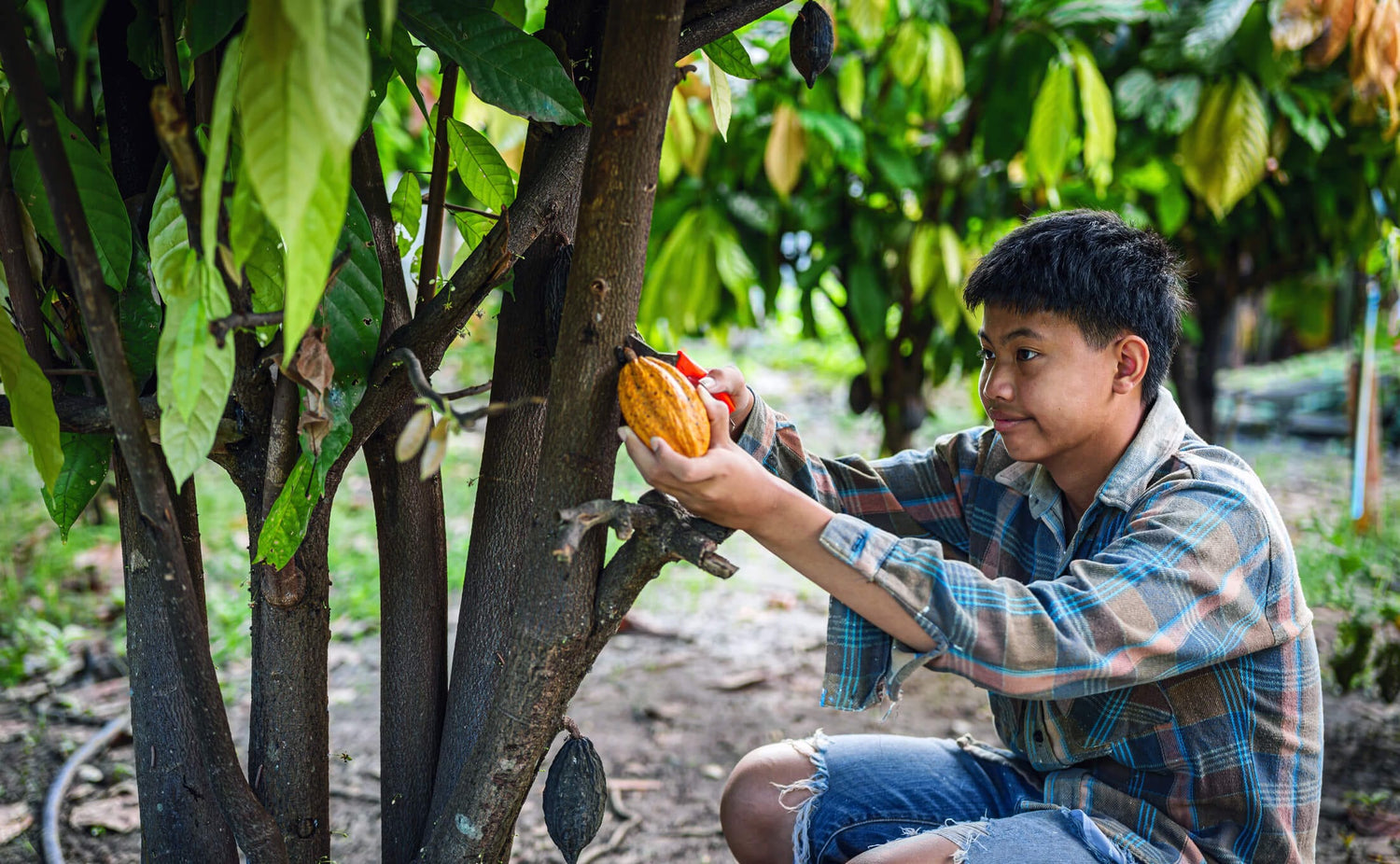
Bean-to-bar is not a marketing flourish. It changes what you taste. When a chocolatier sources cacao thoughtfully and makes chocolate in-house, origin becomes part of the final experience. A darker shell might carry red fruit notes from one cacao origin, while another offers roasted nuts, spice, or a warmer cocoa finish.
In an assortment, this matters because contrast becomes more interesting. The difference between two dark chocolates is no longer just percentage. It can be aromatic profile, acidity, roast style, and texture. Fillings become more precise because they are built around a chocolate the maker understands from the raw bean onward.
For ethically minded buyers, bean-to-bar also tends to offer stronger traceability. That does not mean every small maker works perfectly, and it does not mean every larger house lacks standards. But if transparency is important to you, assortments from makers who speak clearly about sourcing, production, and ingredients usually deserve closer attention.
Signs of quality before you buy
A strong chocolate assortment usually reveals its quality in small details. Ingredient lists should be recognizable and restrained. Flavor descriptions should sound intentional rather than theatrical. Packaging should protect the chocolates well, but it should not be doing all the work.
Look for clarity around production. If a chocolatier makes its chocolate in-house, that is worth stating plainly. If the assortment includes seasonal components, that can be a sign of freshness and active workshop production. If everything sounds shelf-stable for the long term, the experience may lean more confectionery than artisan.
Price is part of the picture, but not the whole of it. The cheapest box rarely delivers the best result, yet the most expensive one is not automatically superior. What you are really paying for is ingredient quality, production skill, freshness, and presentation. A smaller assortment made with integrity often feels more luxurious than a large, generic one.
Best Belgian chocolate assortments for gifting with confidence
If you want to give Belgian chocolate well, choose an assortment that feels curated rather than crowded. Variety should serve pleasure, not volume. A box of 12 or 16 exceptional pieces can be more persuasive than 40 pieces with little distinction between them.
Presentation matters, especially in gifting, but it should support the product rather than distract from it. Refined packaging, a clear flavor guide, and careful piece selection create confidence for the person giving and receiving the box. This is one reason artisan makers with a strong retail sensibility often stand out. They understand that a chocolate assortment has to perform both as a tasting experience and as a gift.
For buyers seeking that combination of craft, traceability, and polished presentation, Brussels remains one of the most meaningful places to look. It is where heritage and modern chocolate making still meet in real workshops, not only in luxury branding.
A memorable assortment leaves a clear impression: not just sweetness, but character. Choose one that tastes like someone cared at every stage, from cacao sourcing to the final lid closing on the box.