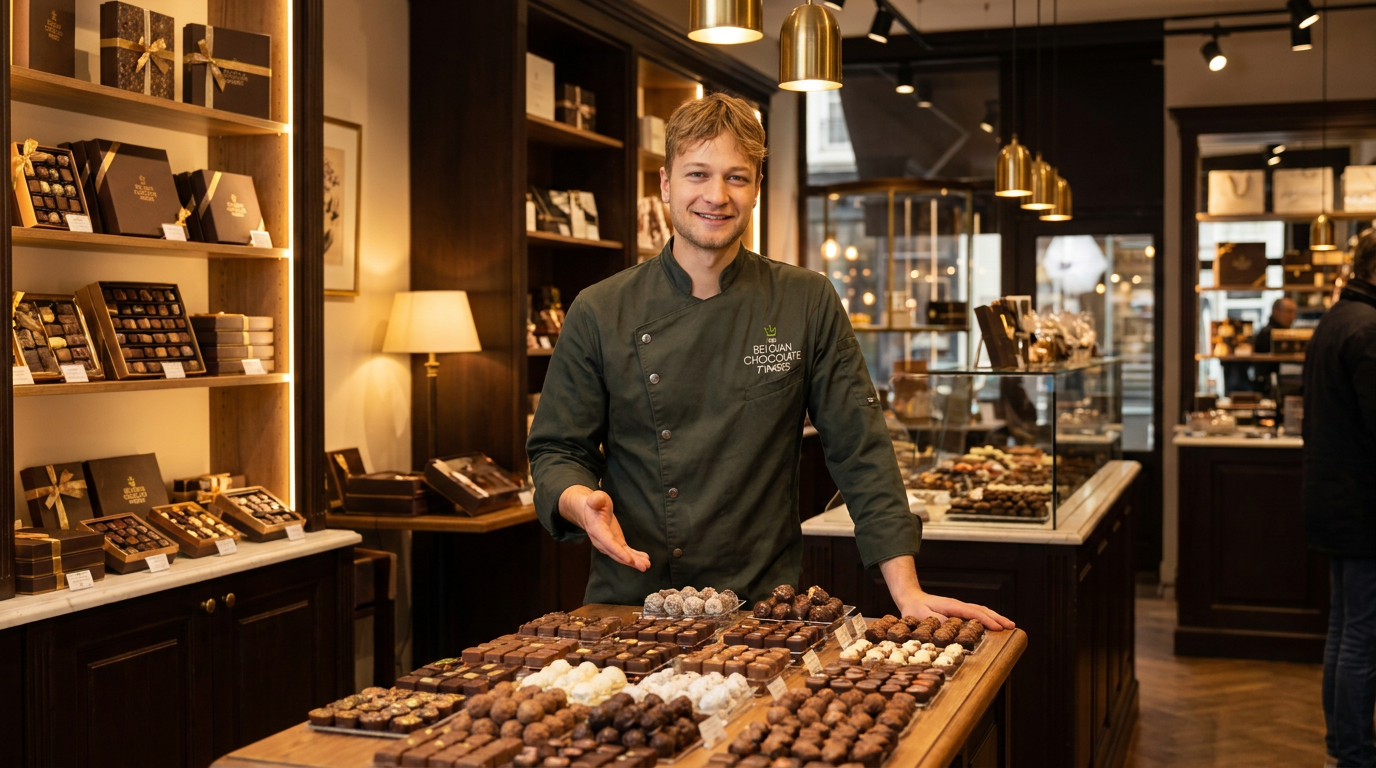
A polished praline can be a lovely souvenir. But on a Brussels chocolate tasting tour, the most memorable bite is often the one that explains itself: where its cacao grew, how the beans were roasted, and why its flavor stays with you after the sweetness fades. Brussels is rich in chocolate history, yet not every shop offers the same kind of experience. For visitors who care about craftsmanship, a tasting is an opportunity to look beyond the display case and understand what Belgian chocolate can be when it is made with attention from bean to finished piece.
Start with the chocolate, not the shopping bag
It is easy to taste chocolate in Brussels by following the busiest streets and buying a few familiar pralines. There is nothing wrong with that approach, especially if you want classic Belgian fillings such as hazelnut gianduja, caramel, or fresh cream. But a meaningful tasting tour asks a more interesting question: what is the chocolate itself like?
Many traditional chocolatiers work with prepared couverture, which is chocolate made elsewhere and supplied in blocks or drops for melting, molding, and filling. The skill involved in creating pralines can be considerable. Still, the flavor of the chocolate base has largely been decided before it reaches the shop.
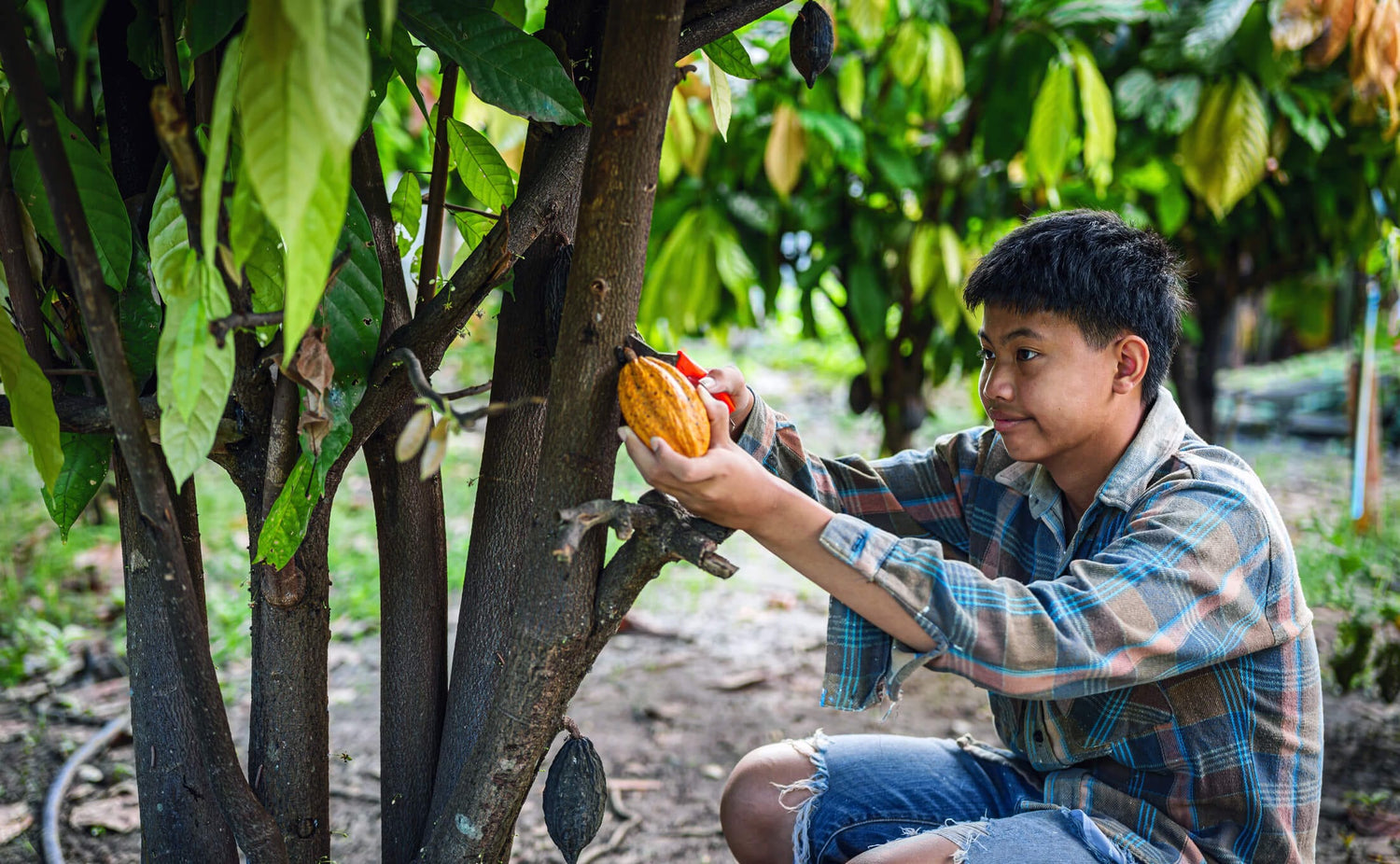
Bean-to-bar makers take a different route. They select cacao beans, roast them, crack and winnow them, refine the cacao with sugar, conche the chocolate, temper it, and then mold or finish it in their own workshop. That wider control can reveal the character of each cacao origin rather than smoothing every bar into one standard house flavor.
For a visitor, this distinction makes a tasting more rewarding. You are not only comparing fillings or packaging. You are comparing cacao, technique, texture, and intention.
How to plan a Brussels chocolate tasting tour
A well-paced tour usually needs three or four carefully chosen stops, rather than a dozen quick samples. Chocolate is rich, and palate fatigue is real. The goal is to give each tasting enough attention that differences in aroma, sweetness, and finish become clear.
Begin earlier in the day, when your palate is fresh. Have a light breakfast, but avoid strong coffee, mint, heavily spiced food, or perfume immediately before tasting. Bring water and leave room for a proper pause between shops. Chocolate is not wine, but it rewards the same patience.
Choose a route with contrast. One stop might focus on classic Belgian pralines, another on a contemporary bean-to-bar bar, and another on a specialty piece such as a ganache, truffle, mendiant, or chocolate spread. This prevents the experience from becoming a succession of similar sweet bites.
If you are visiting as a couple or group, share samples where possible. It allows you to taste more broadly without overdoing it. It also makes comparison easier: one person may notice dried fruit in a bar while another picks up toasted nuts or a hint of citrus.
Give single-origin chocolate your full attention
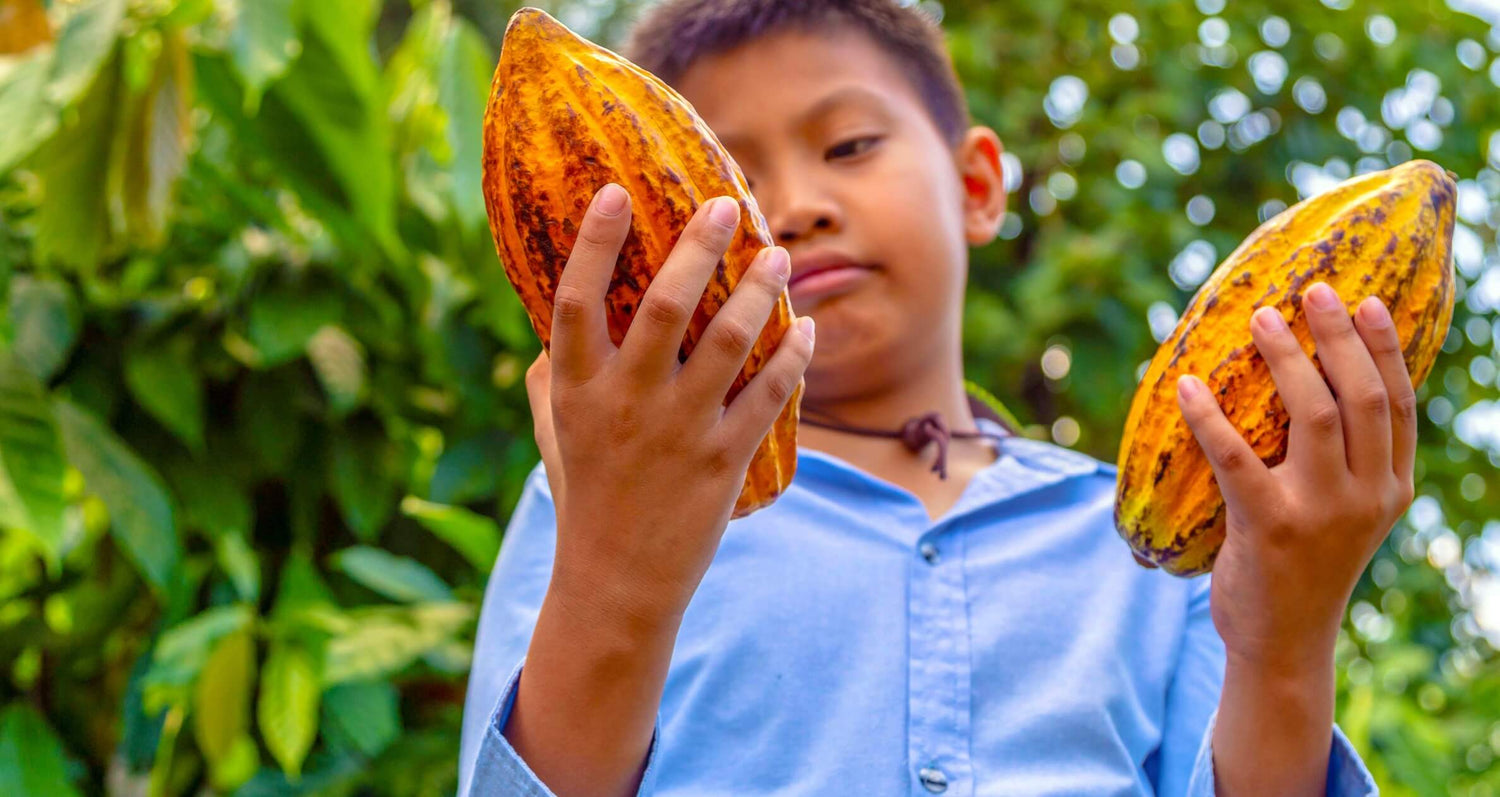
Single-origin bars are often the clearest place to start. “Single origin” can refer to cacao from one country, region, cooperative, or estate, depending on the maker’s sourcing model. The more specific the information, the more useful it is as a guide to provenance. A named growing region or producer relationship offers a stronger sense of traceability than a vague origin claim alone.
Taste a small piece slowly. First, listen for the clean snap as you break it. Then smell the chocolate before placing it on your tongue. Let it melt rather than chewing immediately. Notice the opening flavor, the texture at the center, and the finish after it has disappeared.
A cacao from Madagascar may show bright red-fruit notes and gentle acidity. A Venezuelan cacao may lean toward nuts, caramel, or dried fruit. Other origins can suggest citrus, floral notes, molasses, spice, or deep cocoa. These are tasting impressions, not added flavors. The best examples feel balanced rather than artificially dramatic.
Do not assume that darker always means better. A higher cacao percentage can bring intensity, but it can also emphasize bitterness, astringency, or roast if the recipe is not well judged. A carefully made 60% milk chocolate can be every bit as expressive as an 80% dark bar, particularly when the milk softens the cacao without burying it.
What to ask at each stop
The most valuable part of a chocolate tour is often a short conversation with someone who knows the product. A serious maker should be able to speak clearly about the chocolate without turning the experience into a lecture.
Ask whether the chocolate is made in-house from cacao beans or made from purchased couverture. Ask which origins are currently available and why they were selected. You can also ask about the roast profile, the percentage of cacao, and whether a praline shell uses the same chocolate as the bars.
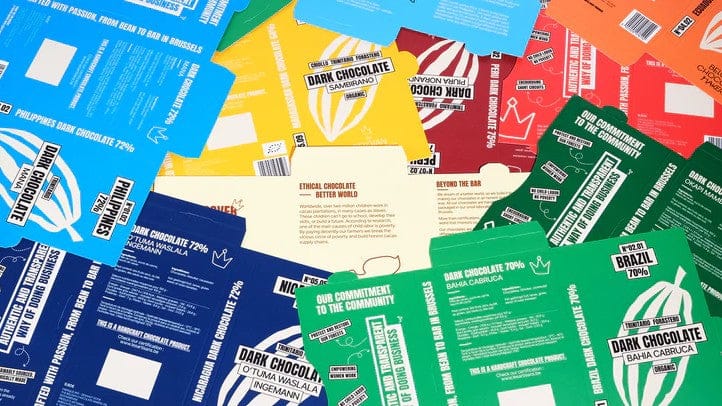
Ethical sourcing deserves a direct question as well. Terms such as “ethical,” “sustainable,” and “responsible” are meaningful only when supported by detail. Look for evidence of traceable sourcing, long-term relationships, transparent purchasing practices, or a clear explanation of how the maker works with cacao suppliers. Certifications can be useful, but they are not the only measure of responsible sourcing. Specificity matters more than broad claims.
The answer does not need to be technical to be credible. A maker who can explain where the beans come from, how they are transformed, and what they are trying to achieve in the final chocolate is offering more than a sales pitch.
Make room for Belgian pralines
A craft-focused tour should not ignore pralines. Belgium’s praline tradition is central to its chocolate identity, and a well-made filled chocolate remains one of the great small luxuries. The key is to taste them with the same care you bring to a single-origin bar.
Look at the shell first. It should be thin enough to yield cleanly, yet substantial enough to protect the filling. A good praline has balance: the shell, filling, sweetness, and texture should work together. If the filling is intensely sweet or oily, it can conceal the quality of the chocolate around it.
Freshness is especially important for ganaches and cream-based fillings. Ask how they are stored and how quickly they should be enjoyed. A box designed for immediate pleasure is not necessarily meant to travel across several climates in a suitcase. If you are buying gifts for the journey home, choose formats with a sensible shelf life, such as bars, mendiants, or carefully packaged pralines recommended by the shop.
Why bean-to-bar changes the experience
Bean-to-bar chocolate is not automatically superior simply because it is made from scratch. Poor sourcing, careless roasting, or gritty refining can produce a disappointing bar. Yet when the process is handled well, making chocolate in-house creates accountability at every stage.
Roasting can preserve delicate fruit notes or bring forward deeper cocoa and nut flavors. Refining affects whether the chocolate feels silky or sandy. Conching shapes aroma and texture over time. Tempering creates the shine, snap, and stable melt expected from fine chocolate. Each decision influences the piece in your hand.
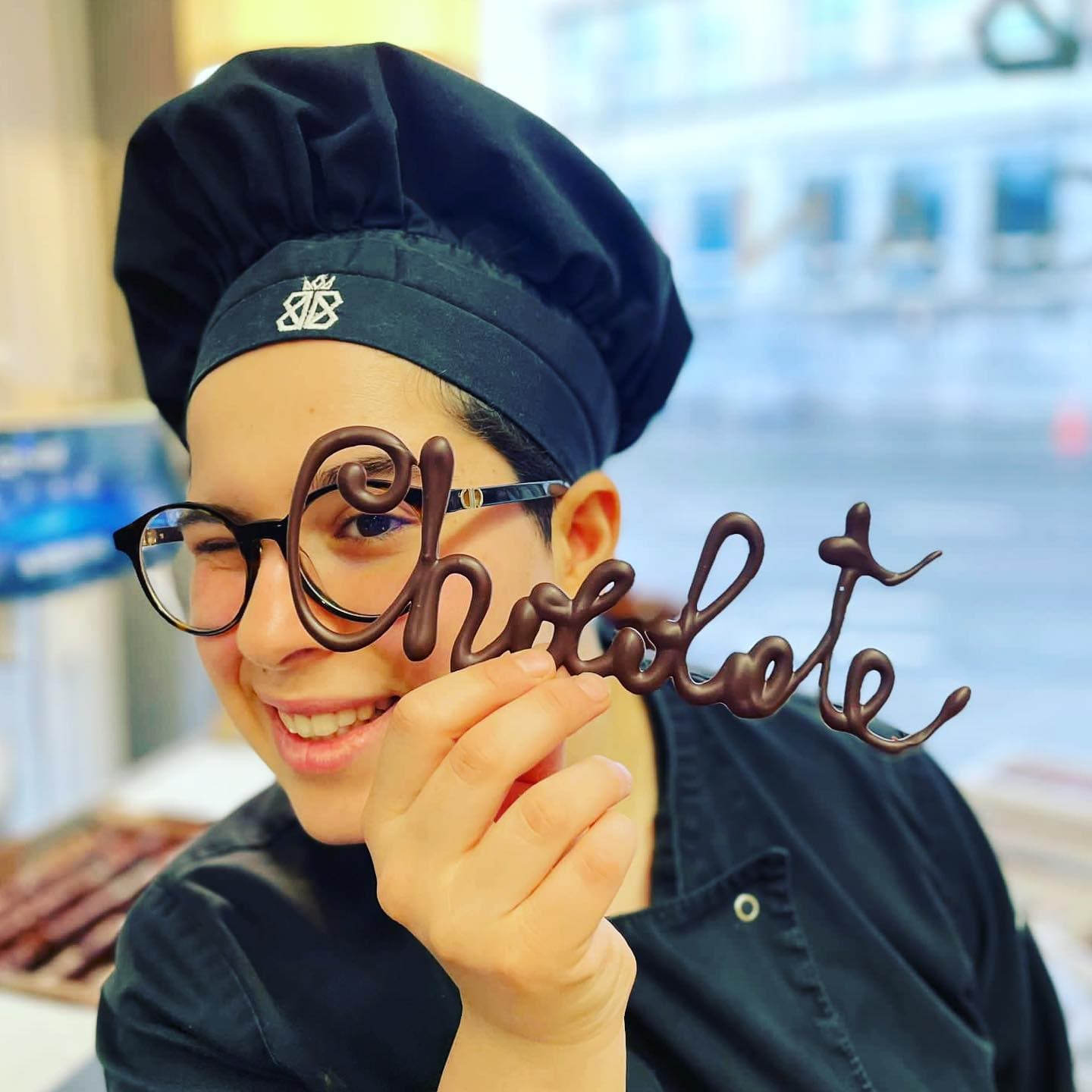
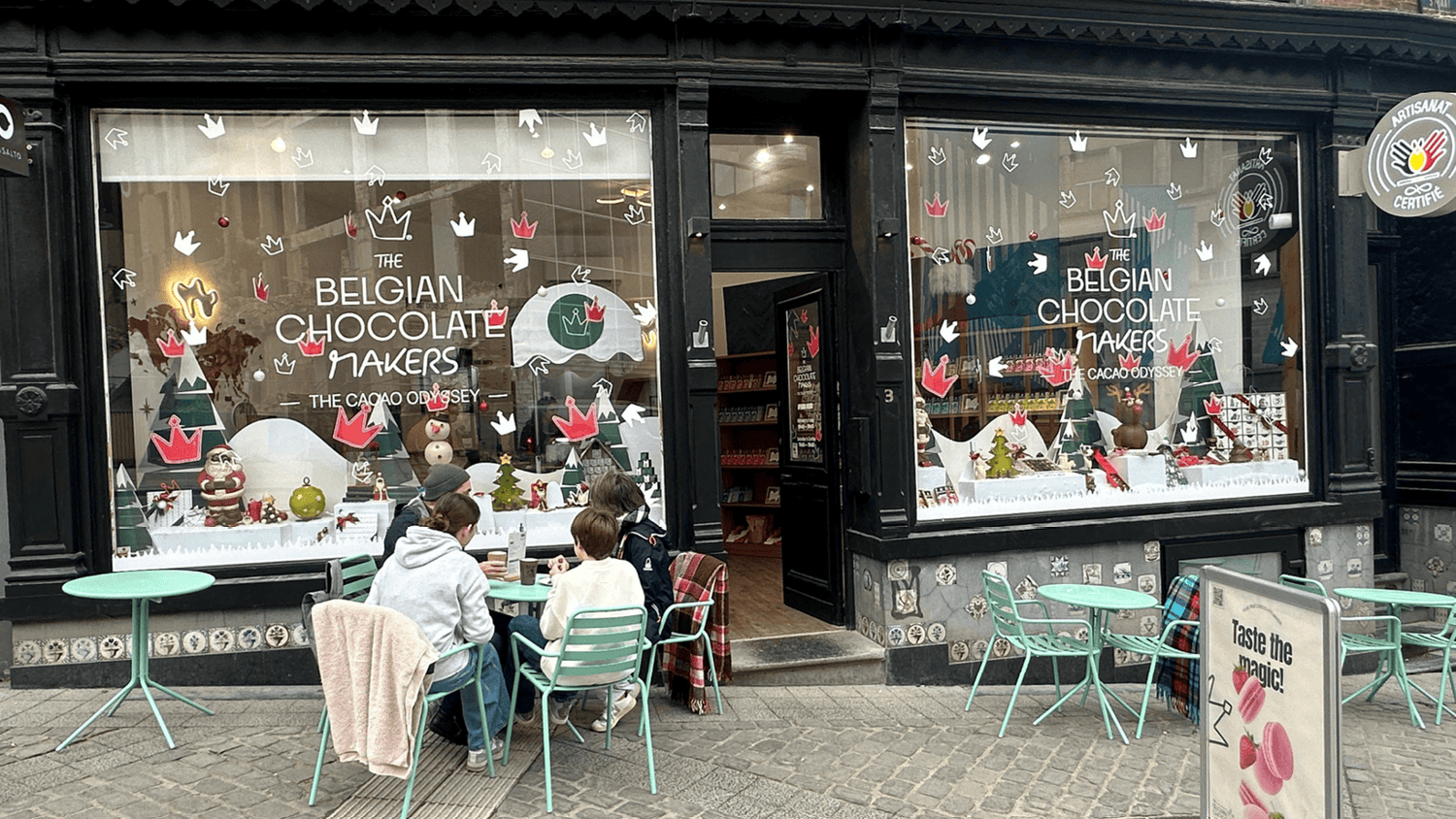
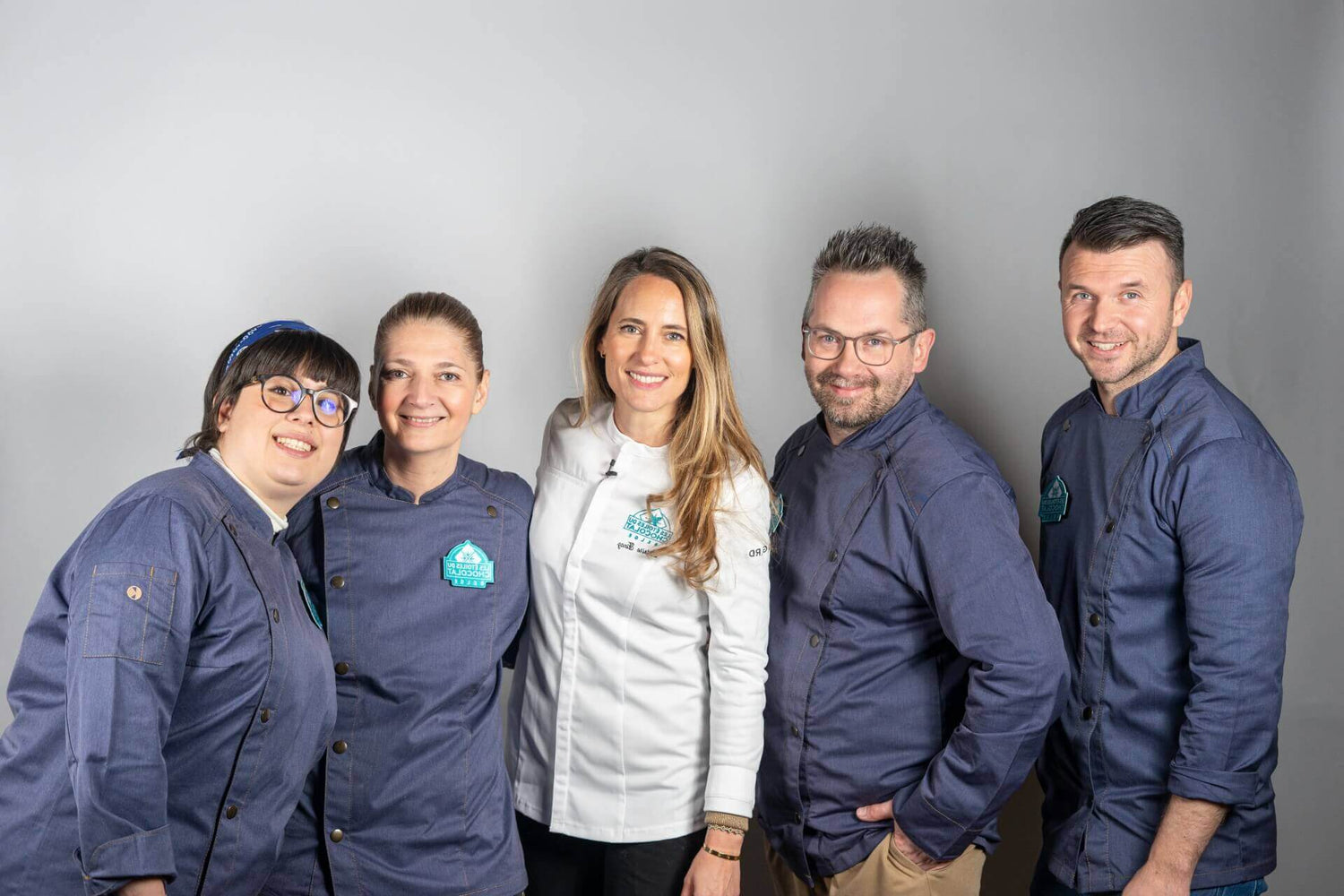
This is why an atelier visit or a tasting led by a true maker can feel so different from a conventional retail stop. At The Belgian Chocolate Makers, chocolate is produced from carefully sourced cacao beans in a central Brussels workshop, allowing origin, recipe, and finish to remain connected from start to finish. That connection is the point of craft: not complexity for its own sake, but a clearer expression of cacao and care.
Buy with a purpose after you taste
The best purchase is not always the most elaborate box. If a particular origin surprised you, bring home a bar and taste it again later in a quiet moment. If you are choosing a gift, a refined assortment offers variety and presentation, while a single-origin selection gives a more personal story to share.
Consider who will receive it. A devoted dark-chocolate drinker may appreciate a range of origins and percentages. Someone who loves dessert may prefer pralines, truffles, or a chocolate spread. For a host gift or professional occasion, premium packaging matters, but it should support the quality inside rather than distract from it.
Store chocolate in a cool, dry place away from sunlight and strong odors. Do not refrigerate it unless the maker specifically advises it, as condensation can affect the surface and texture. Before serving, let it come to a comfortable room temperature so its aroma can open fully.
A Brussels tasting tour is most satisfying when it leaves you with more than a bag of sweets. Choose a few chocolates made with honest ingredients, clear origins, and real skill, then give yourself time to remember the one that made you pause.