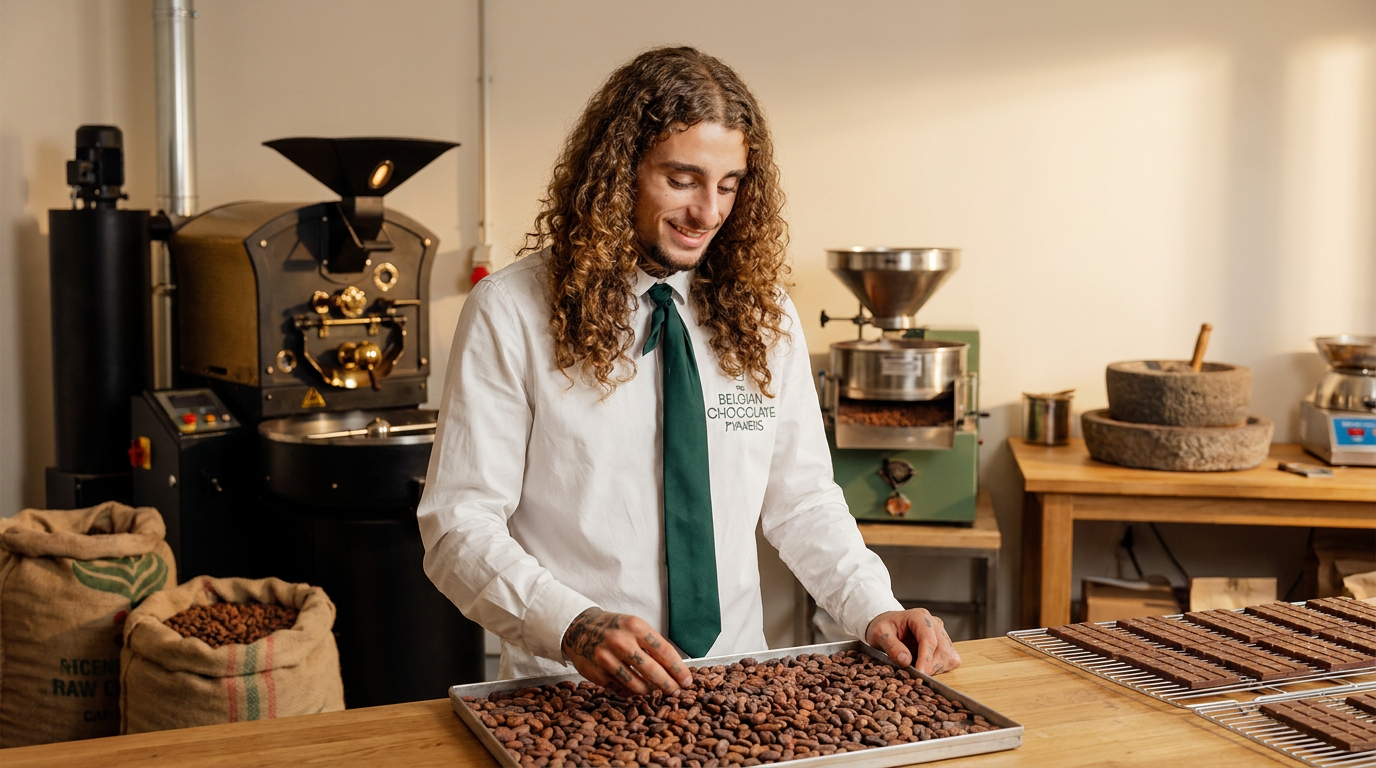
A finished chocolate bar may look simple, but its character is decided long before it reaches the mold. The chocolate making process steps turn a cacao seed into something glossy, aromatic, and finely textured, while preserving the story of its origin. For a true bean-to-bar maker, each decision matters: the farm and harvest, the roast curve, the length of refining, and the patience given to crystallization.
That is why craft chocolate tastes different from chocolate made with purchased industrial couverture. The maker is not simply melting and shaping chocolate. They are directing the transformation of cacao beans into chocolate in their own workshop, with the ability to protect a bean's distinct personality rather than blending it away.
1. Cacao sourcing begins the chocolate making process
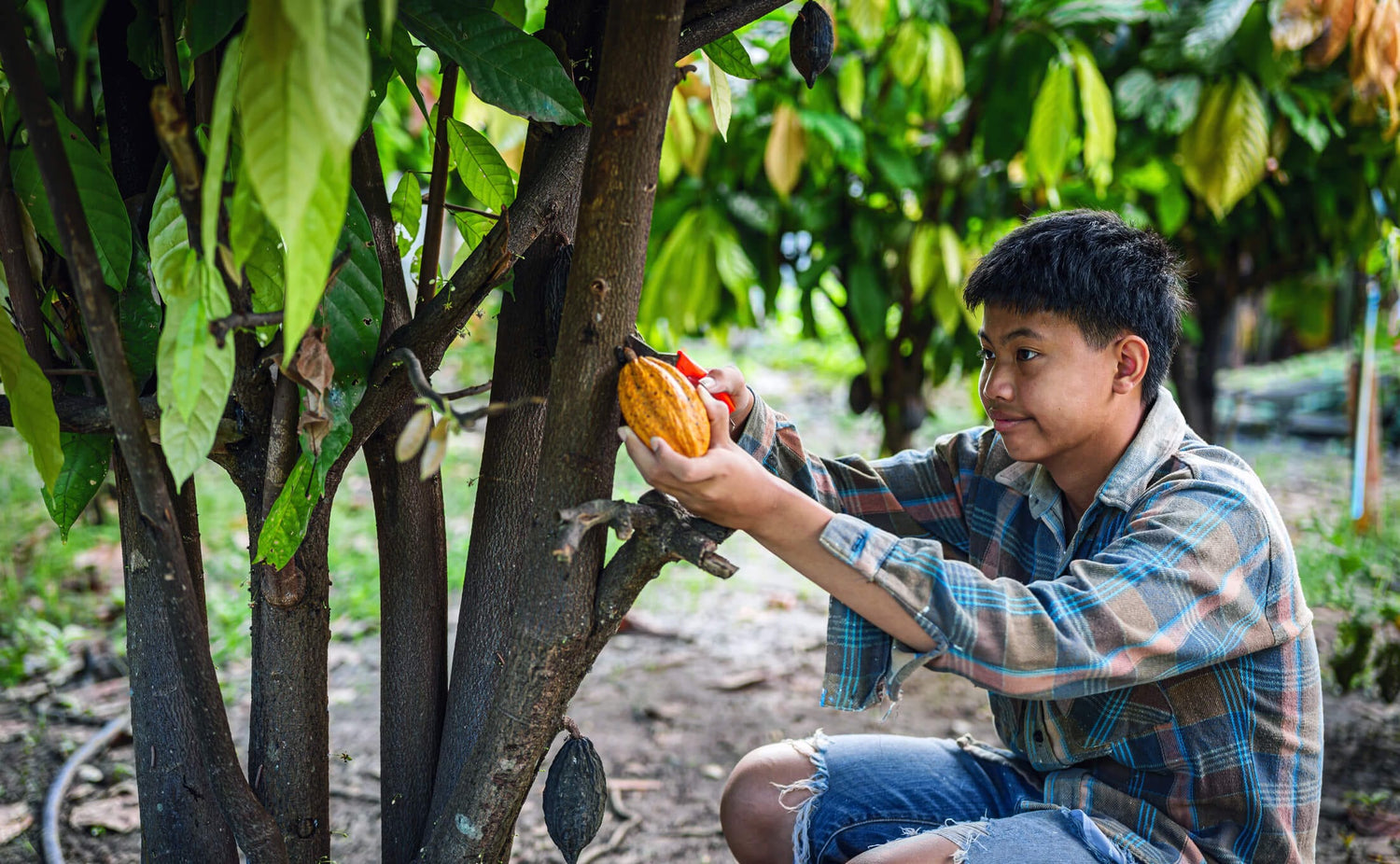
Chocolate quality begins with cacao, and cacao is an agricultural ingredient. Its flavor reflects variety, soil, rainfall, harvest practices, fermentation, and drying. A bean with notes of red fruit, citrus, toasted nuts, or warm spice does not acquire those qualities at the factory. Careful post-harvest work reveals them, while thoughtful chocolate making preserves them.
Ethical sourcing is part of quality, not a separate claim. Traceable cacao gives a maker meaningful information about where the beans come from and how they were handled. It also creates a more accountable relationship with producers and supply partners. For the person choosing a gift or a bar to savor, origin transparency is a practical sign that the chocolate has been made with attention rather than anonymity.
Fermentation and drying generally happen in the country of origin, before the beans arrive at the chocolate workshop. During fermentation, fresh cacao seeds are turned and aerated over several days. The process reduces bitterness and develops the flavor precursors that roasting will later bring forward. Drying stabilizes the beans for transport and storage. Poor fermentation cannot be fully corrected later, which is one reason a bean-to-bar maker begins by selecting well-prepared cacao.
2. Sorting and roasting reveal the bean
Once cacao reaches the workshop, it is inspected and sorted. Stones, fragments, damaged beans, and other unwanted material must be removed before production. This is a quiet but essential stage: meticulous work protects both food safety and the clarity of flavor.
Roasting is where the maker begins to shape the final profile. Heat dries the beans further, loosens their shells, and develops aroma through browning reactions. But there is no single best temperature or duration. A delicate fruity cacao may benefit from a gentler roast that retains brightness, while a more earthy bean may need greater heat to gain roundness and depth.
Roast too lightly and the chocolate can taste raw, vegetal, or sharply acidic. Roast too aggressively and it can lose the nuances that made the origin worth choosing. The goal is not to make every bean taste the same. It is to find the roast that expresses that particular cacao with balance.
3. Cracking and winnowing separate cacao nibs
After roasting, the beans are cracked into smaller pieces. Their thin outer shells are then removed through winnowing, leaving cacao nibs. These nibs are the flavorful interior of the bean, rich in cocoa butter and cocoa solids.
Effective winnowing matters more than it may appear. Too much shell can add papery, woody notes and an unpleasant texture. Too much force can carry away valuable nibs. In small-batch production, the maker can observe the result closely and adjust for the size, density, and roast level of each lot.
4. Grinding turns nibs into chocolate liquor
Cacao nibs contain enough natural cocoa butter to become fluid when ground. As the nibs pass through a grinder, friction and pressure release that fat, creating a thick, aromatic paste called chocolate liquor or cocoa mass. Despite the name, it contains no alcohol.
At this point, the basic direction of the recipe becomes clear. Dark chocolate may contain cacao mass, additional cocoa butter, and sugar. Milk chocolate adds milk powder, while white chocolate is made from cocoa butter, sugar, and milk solids without cocoa solids. Some makers also use vanilla or a small amount of lecithin, though a restrained ingredient list often lets the cacao remain the central voice.
The percentage printed on a dark chocolate bar refers to the combined cacao content, not automatically its quality. A 70% bar can be intense and elegant, overly bitter, sweet, or beautifully balanced. Flavor depends on the bean, recipe, roast, particle size, and conching, not percentage alone.
5. Refining creates a silky texture
The ground chocolate is still gritty because sugar and cacao particles remain too large for the palate. Refining reduces those particles, commonly to a size below which the mouth perceives them as smooth rather than sandy. The difference is immediately recognizable: fine chocolate should melt with a velvety texture, not crunch between the teeth.
Refining is a technical stage, but it is also sensory. Finer is not always better if the process strips away character or creates a heavy, pasty mouthfeel. The desired result depends on the recipe. A bold single-origin dark bar may be refined for a clean, elegant finish, while a creamy milk chocolate calls for a different balance of texture and richness.
6. Conching rounds and integrates flavor
Conching works the refined chocolate over time, mixing and aerating it while keeping it warm. It helps reduce unwanted volatile acids and moisture, coats dry particles with cocoa butter, and brings the ingredients into a more harmonious whole.
This is one of the most revealing chocolate making process steps because time changes both flavor and texture. A shorter conche can preserve a more vivid, direct expression of cacao. A longer conche can soften rough edges and create exceptional smoothness. Neither approach is automatically superior. The right choice depends on the origin and the style of chocolate the maker intends to create.
Conching can also temper excessive bitterness or acidity, but it should not erase an origin's character. Fine chocolate should still have a point of view. A bar from Madagascar may retain lively fruit notes; one from Latin America may offer caramel, nut, or floral tones. The aim is balance, not blandness.
7. Tempering gives chocolate its finish
Before molding, chocolate must be tempered. Cocoa butter can solidify in several crystal forms, but only one stable form produces the qualities people expect from fine chocolate: a glossy surface, a clean snap, good contraction from the mold, and a melt that feels smooth rather than waxy.
Tempering carefully heats, cools, and reheats the chocolate to encourage the right crystal structure. It is exacting work. If the chocolate is too warm, stable crystals melt away. If it is too cool or improperly agitated, the texture and appearance can suffer. Chocolate that blooms with pale streaks is still safe to eat, but it may have been exposed to temperature changes or stored in conditions that disturbed its crystal structure.
8. Molding, finishing, and resting complete the bar
Tempered chocolate is poured into molds, vibrated to release air bubbles, and allowed to set under controlled conditions. At this stage, a maker may add inclusions such as roasted nuts, dried fruit, spices, or crisp pearls. These additions should complement the chocolate rather than conceal it.
Once released from the mold, the bars are inspected, wrapped, and stored away from heat, humidity, and strong odors. Pralines, truffles, mendiants, and spreads follow related principles, though fillings introduce additional considerations around freshness, texture, and shelf life.
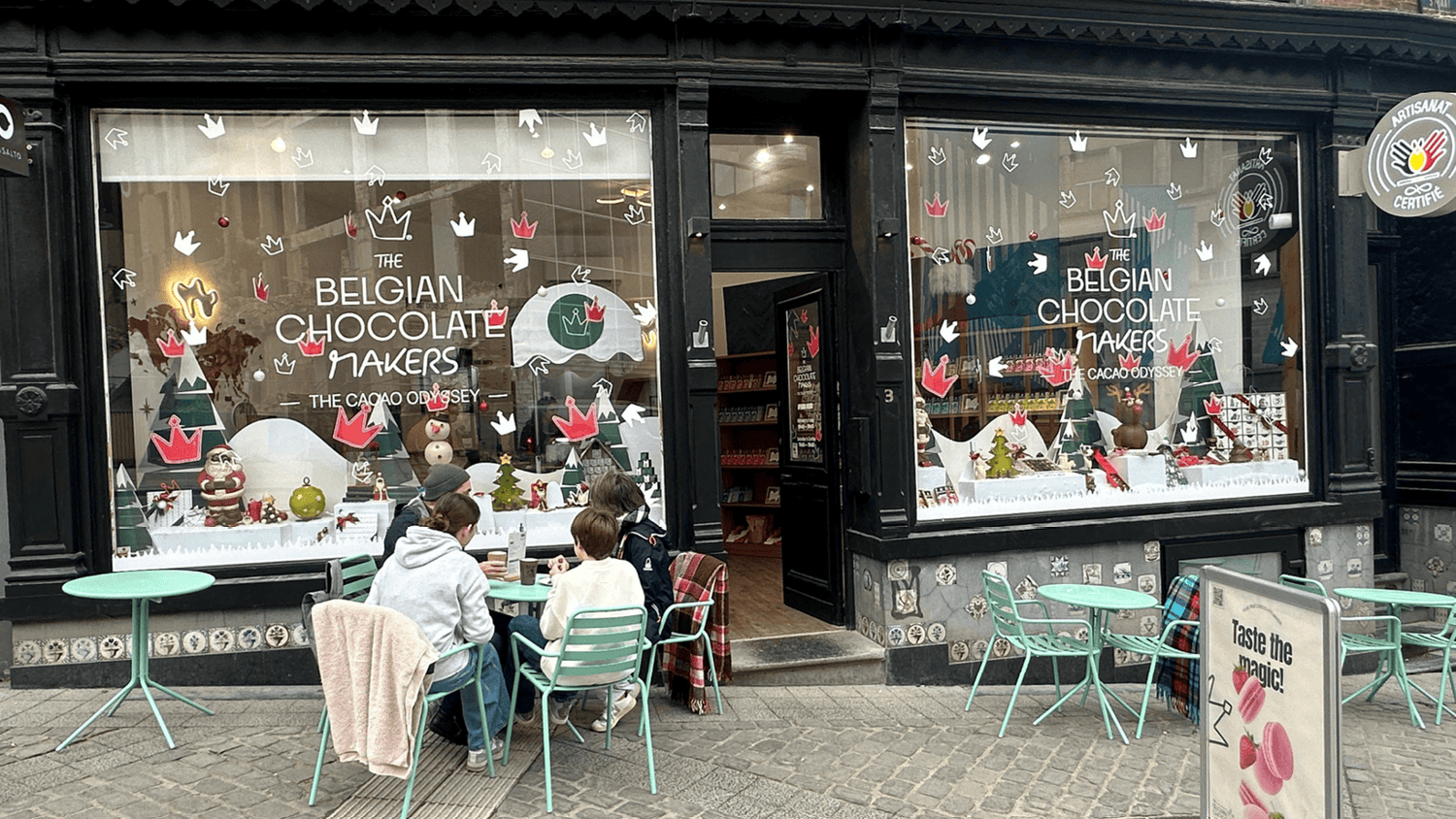
At The Belgian Chocolate Makers, making chocolate in Brussels from selected cacao beans allows the workshop to oversee these decisions from roast to finished presentation. That control is what gives a gift box or single-origin bar more than a polished appearance. It gives it a traceable, deliberate identity.
The next time you break a square of chocolate, pause for the snap before it melts. That small sound is the final proof of many careful choices, from the people who prepared the cacao at origin to the hands that refined, tempered, and finished it.