A chocolate bar can taste like red berries, toasted nuts, honey, or warm spice before a chocolatier adds a single filling or flavoring. That is the clearest way to understand how cacao sourcing affects flavor: the taste of finished chocolate begins long before roasting, refining, or molding. It begins where the cacao grows, how it is harvested, and how carefully it is prepared after picking.
For anyone buying premium chocolate, this matters because sourcing is not a marketing detail. It is part of the recipe. When makers work directly with well-selected beans and know where they come from, they can preserve flavors with far more precision than is possible in anonymous commodity cacao.
How cacao sourcing affects flavor at origin
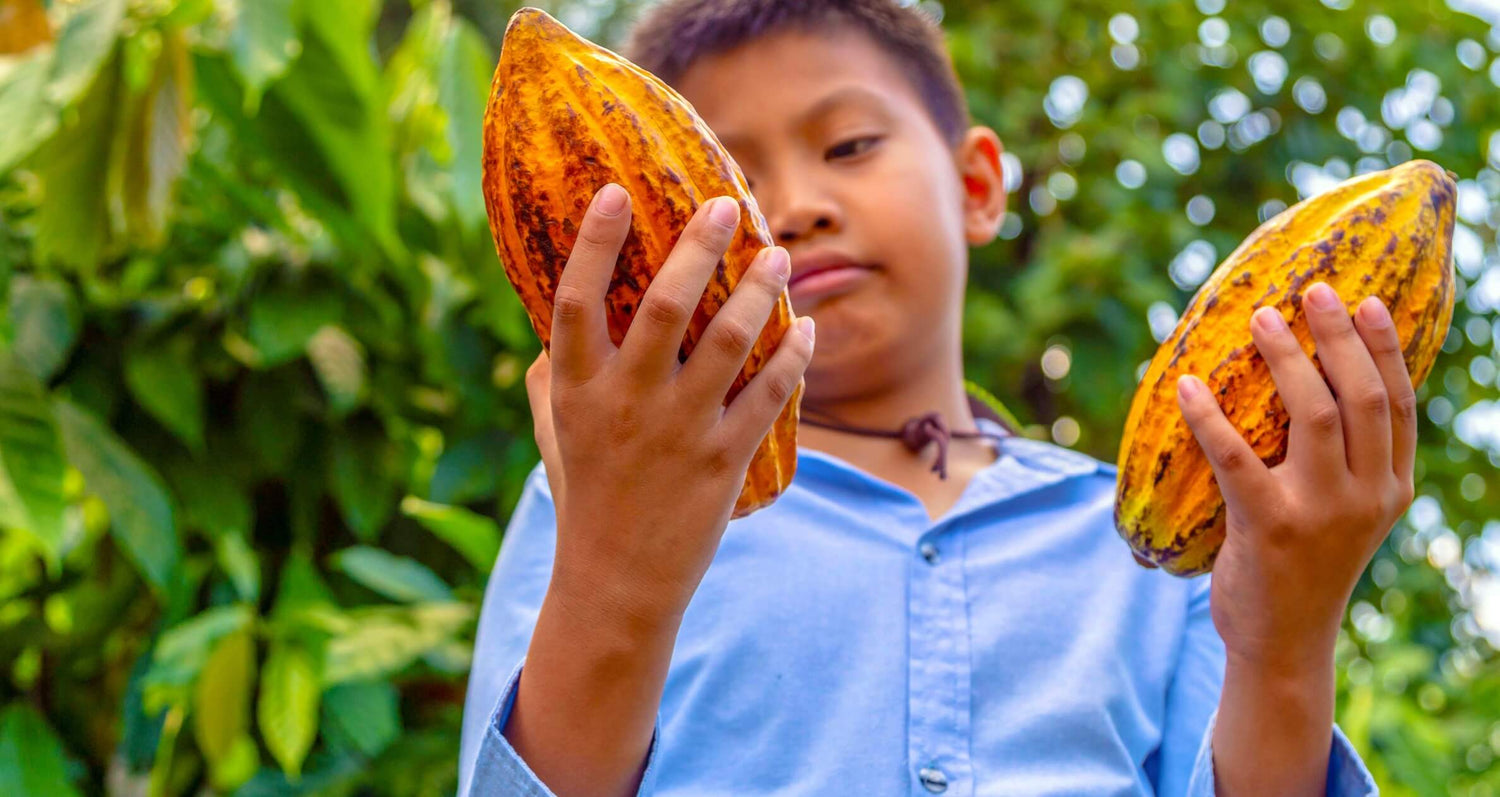
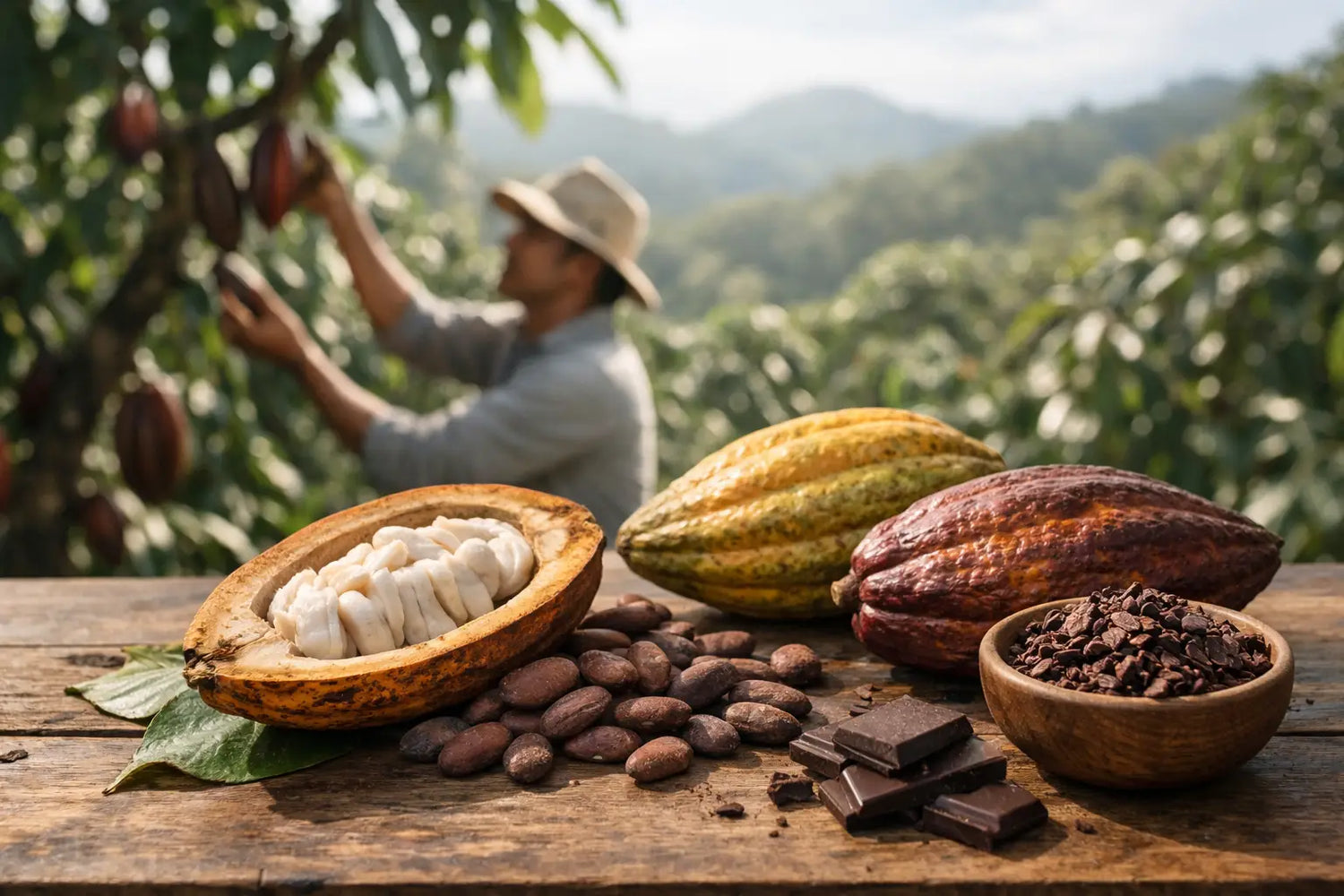
Cacao is an agricultural product, and like wine grapes or coffee cherries, it reflects its environment. The variety of cacao tree, the soil, the rainfall, the altitude, and the local ecosystem all influence the character of the beans. Two farms can follow similar practices and still produce notably different flavor profiles because the land itself leaves a signature.
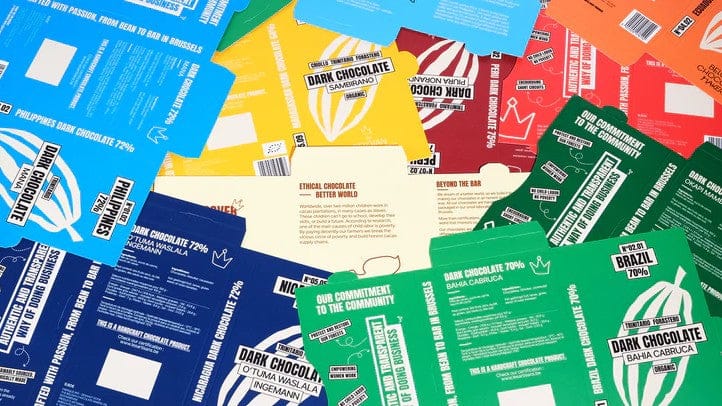
This is why origin is never just a label. Cacao from Madagascar is often associated with vivid acidity and bright red fruit notes. Beans from parts of Peru may lean floral or nutty. Some West African origins can offer deep cocoa intensity, gentle bitterness, and rounded earthier tones. These are not rigid rules, because each harvest and each producer is different, but they show why sourcing decisions shape the final bar.
When chocolate makers choose a specific region, cooperative, or farm, they are not simply choosing supply. They are choosing a flavor direction. A maker seeking a lively single-origin bar may source differently from one looking for a richer, more classic base for pralines or truffles.
Variety matters, but post-harvest matters even more
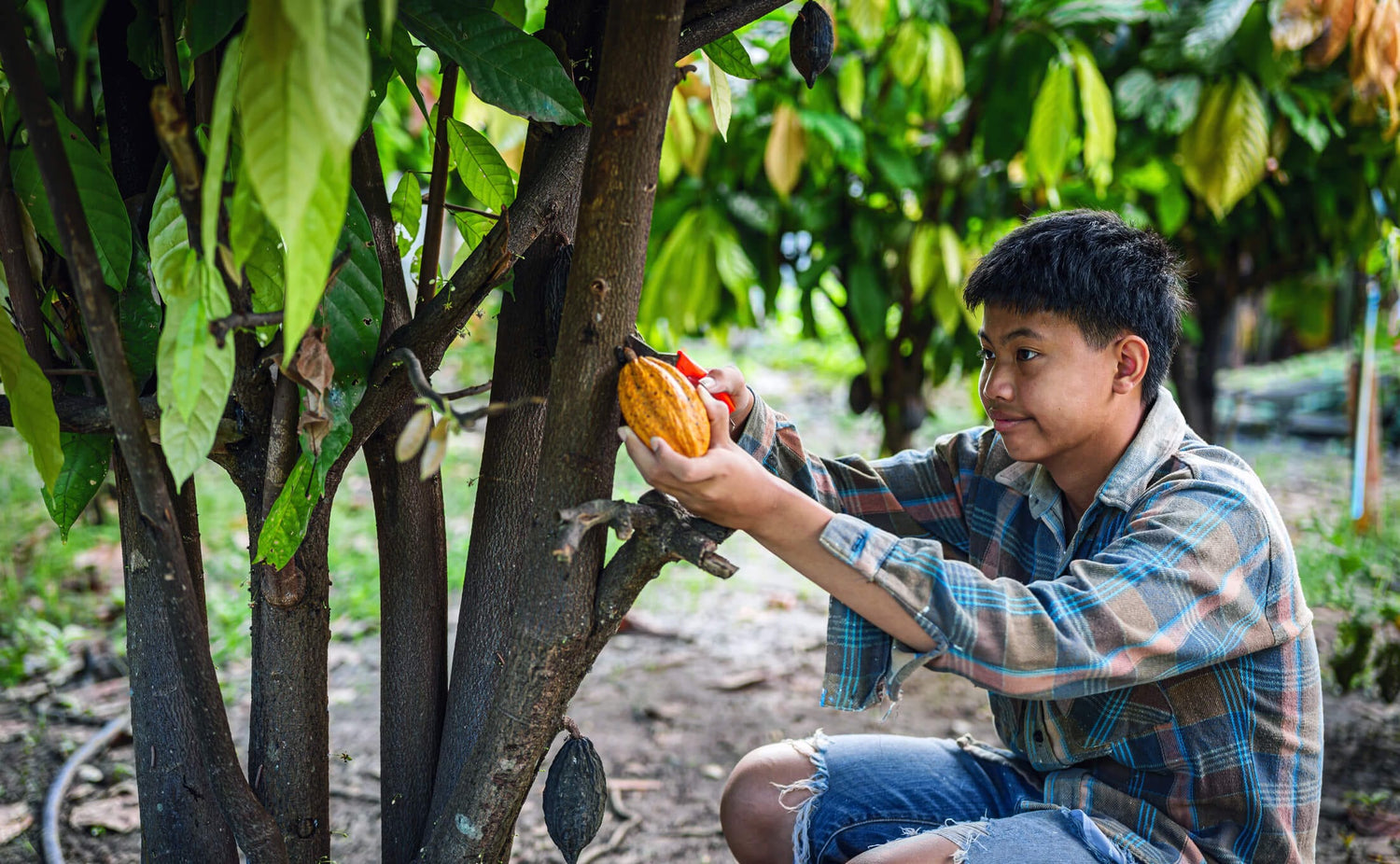
People often assume flavor starts and ends with cacao genetics. Variety does matter, but post-harvest work often has an even greater effect on what reaches the workshop. Once cacao pods are opened, the beans and pulp must be fermented and dried with care. If those steps are rushed or inconsistent, the finest genetic material can lose much of its potential.
Fermentation is where many precursor flavors begin to form. During this stage, the sugary pulp around the beans breaks down, heat develops, and complex chemical changes prepare the beans for chocolate making. Well-managed fermentation can encourage fruit, floral, nutty, or caramel-like notes. Poor fermentation can leave the chocolate flat, overly acidic, harsh, or muddy.
Drying is just as important. Beans dried too quickly may trap undesirable acidity. Beans dried too slowly or under poor conditions can develop off-notes or even mold risk. Clean, even drying helps stabilize the beans and preserve the character developed during fermentation.
So when discussing how cacao sourcing affects flavor, sourcing includes more than geography. It also includes the standards used after harvest. A traceable bean is valuable partly because a maker can understand these details rather than guessing at them.
The difference between traceable cacao and anonymous blends
Commodity cacao is typically mixed from many sources, often with limited transparency. That kind of cacao can produce acceptable chocolate, but it rarely offers the clarity or distinction expected in bean-to-bar craft production. When beans are blended anonymously at large scale, flavor consistency may be pursued through standardization rather than through the quality of each lot.
Traceable sourcing allows a maker to evaluate beans on their own terms. One lot may have strong citrus brightness but need a gentler roast. Another may show deep brownie-like richness and benefit from a slightly different refining profile. Without knowing the origin and handling of the beans, it becomes harder to make these decisions with confidence.
This is one reason artisan chocolate can taste so different from industrial bars. The goal is not to cover variation. The goal is to understand it and shape it carefully.
How cacao sourcing affects flavor during roasting
Roasting happens in the workshop, but sourcing determines what roasting can achieve. A well-fermented, carefully dried bean offers a broad range of flavor possibilities. A poor-quality bean gives the chocolate maker far less to work with.
Think of roasting as interpretation rather than rescue. A skilled roast can highlight fruit, soften bitterness, deepen cocoa notes, or bring out nutty warmth. But if the bean arrives with defects, smoke contamination, mold, or weak fermentation, roasting cannot create excellence from nothing.
This is where bean-to-bar production earns its value. When the maker controls roasting and refining in-house, the profile can be adapted to the sourced cacao rather than forcing every bean into the same industrial formula. That approach respects the ingredient instead of flattening it.
Ethical sourcing and flavor are closely connected
Ethical sourcing is often discussed as a moral issue, and rightly so. But it also has a direct relationship to quality. Farmers who are paid fairly and work within transparent supply relationships are better positioned to invest time and care in harvesting ripe pods, fermenting correctly, and drying beans properly.
Poor compensation tends to reward volume over excellence. If the market does not distinguish between carefully prepared cacao and poorly handled cacao, there is less incentive to preserve flavor quality at origin. By contrast, when makers value traceability and long-term sourcing relationships, they help create conditions where better flavor is possible.
That does not mean every ethically sourced cacao is automatically exceptional, or that every expensive bar is superior. It means quality and ethics often reinforce one another when sourcing is done seriously. For buyers, that is an important distinction. Good sourcing is not only about feeling better about a purchase. It is also one of the reasons the chocolate tastes better.
Single-origin chocolate is not always better, but it is often more expressive
Single-origin chocolate is a clear example of how cacao sourcing affects flavor because it allows one origin's characteristics to remain visible. If the beans are well chosen and well made, the result can be vivid and memorable. You may notice precise fruit notes, a lingering floral finish, or a cleaner cocoa expression than you would find in a broader blend.
Still, single-origin is not automatically superior. Sometimes blending is the better choice, especially when the maker wants balance, structure, or a specific flavor profile for filled chocolates and confectionery. A blend can combine brightness from one origin with depth from another and create a more rounded result.
The real question is whether the sourcing is intentional. A thoughtful blend is very different from an anonymous bulk mixture. One is crafted for flavor. The other is often built for scale.
What chocolate buyers should look for
For consumers, the easiest quality signal is transparency. If a chocolate maker identifies origin clearly and speaks specifically about cacao rather than vaguely about luxury, that usually suggests a more serious approach. Terms like single-origin, direct sourcing, harvest quality, and in-house production are useful when they are backed by real substance.
Flavor notes can also tell you a great deal. A bar described only as sweet or rich may still be enjoyable, but a bar with recognizable tasting notes often reflects more attentive sourcing and production. You are not looking for poetry on the package. You are looking for signs that the maker knows the beans well enough to describe them honestly.
Price can be an indicator, but not a guarantee. Better sourcing costs more, especially when farmers are compensated fairly and quality standards are high. Yet the best approach is to buy from makers whose process is credible. When a chocolatier controls transformation from bean to finished product, there is usually greater accountability for what ends up in the bar.
Why this matters for gifting as well as tasting
When people buy premium chocolate as a gift, they are not only giving sweetness. They are giving a point of view. A well-made bar or box tells the recipient that someone chose craftsmanship over convenience and flavor over generic luxury cues.
That is part of why sourcing deserves attention even among shoppers who do not consider themselves chocolate specialists. You do not need to identify every tasting note to appreciate the difference between chocolate made from carefully sourced cacao and chocolate built from standard industrial couverture. One tastes more alive, more distinct, and more grounded in real ingredients.
For makers such as The Belgian Chocolate Makers, sourcing is the first act of craftsmanship, not a back-office function. It shapes the flavor before the beans ever reach the roaster, and it gives every later step a stronger foundation.
The next time a chocolate bar surprises you with notes of fruit, nuts, spice, or honey, that experience did not begin at the moment you opened the wrapper. It began where the cacao was grown, who handled it after harvest, and whether the maker cared enough to source for flavor instead of simply sourcing for volume.