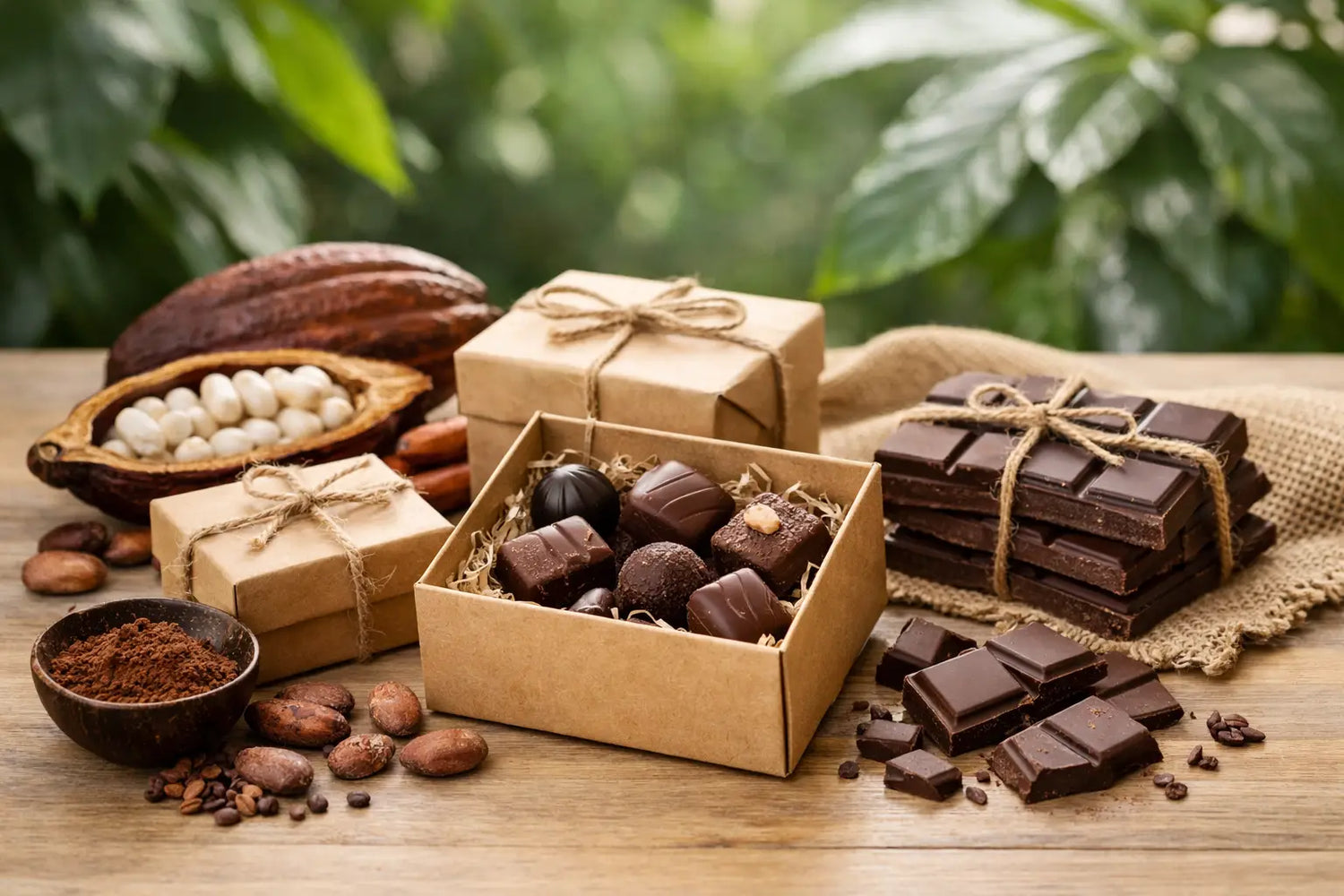
A box of chocolate can look generous and still tell you almost nothing. The wrapping may be elegant, the assortment polished, the flavor descriptions enticing; yet the cacao source, production method, and labor standards remain vague. That is why sustainable chocolate gifts deserve a more careful look. When a gift is meant to feel thoughtful, the story behind the chocolate matters as much as the ribbon around it.
For premium buyers, sustainability is not a decorative claim. It is a question of traceability, sourcing, production standards, and whether the finished product reflects real craft rather than branding alone. Chocolate is one of the most gifted foods in the world, but not all chocolate is made with the same level of responsibility. A good gift should deliver pleasure, certainly, but it should also show discernment.
What makes chocolate gifts sustainable?
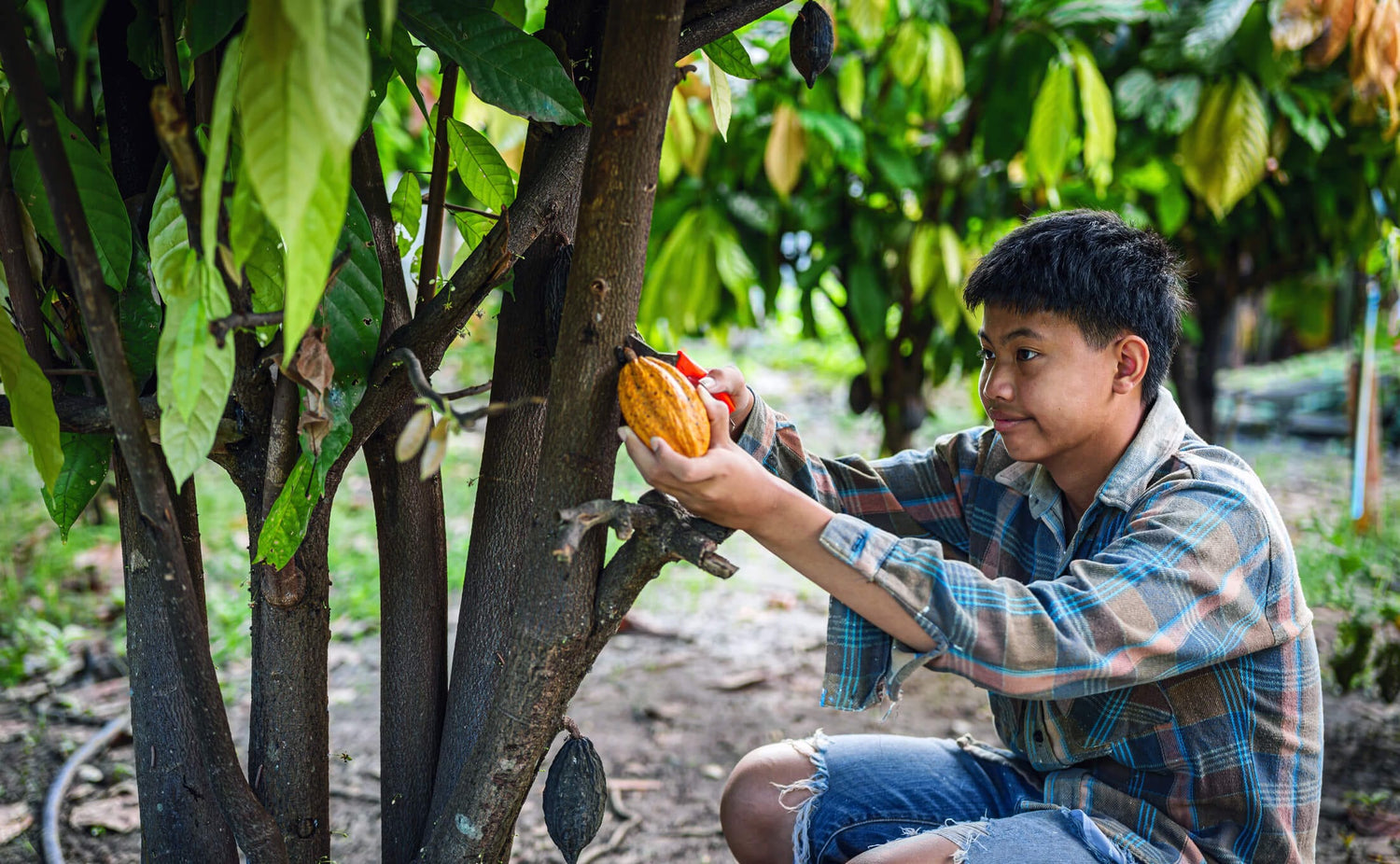
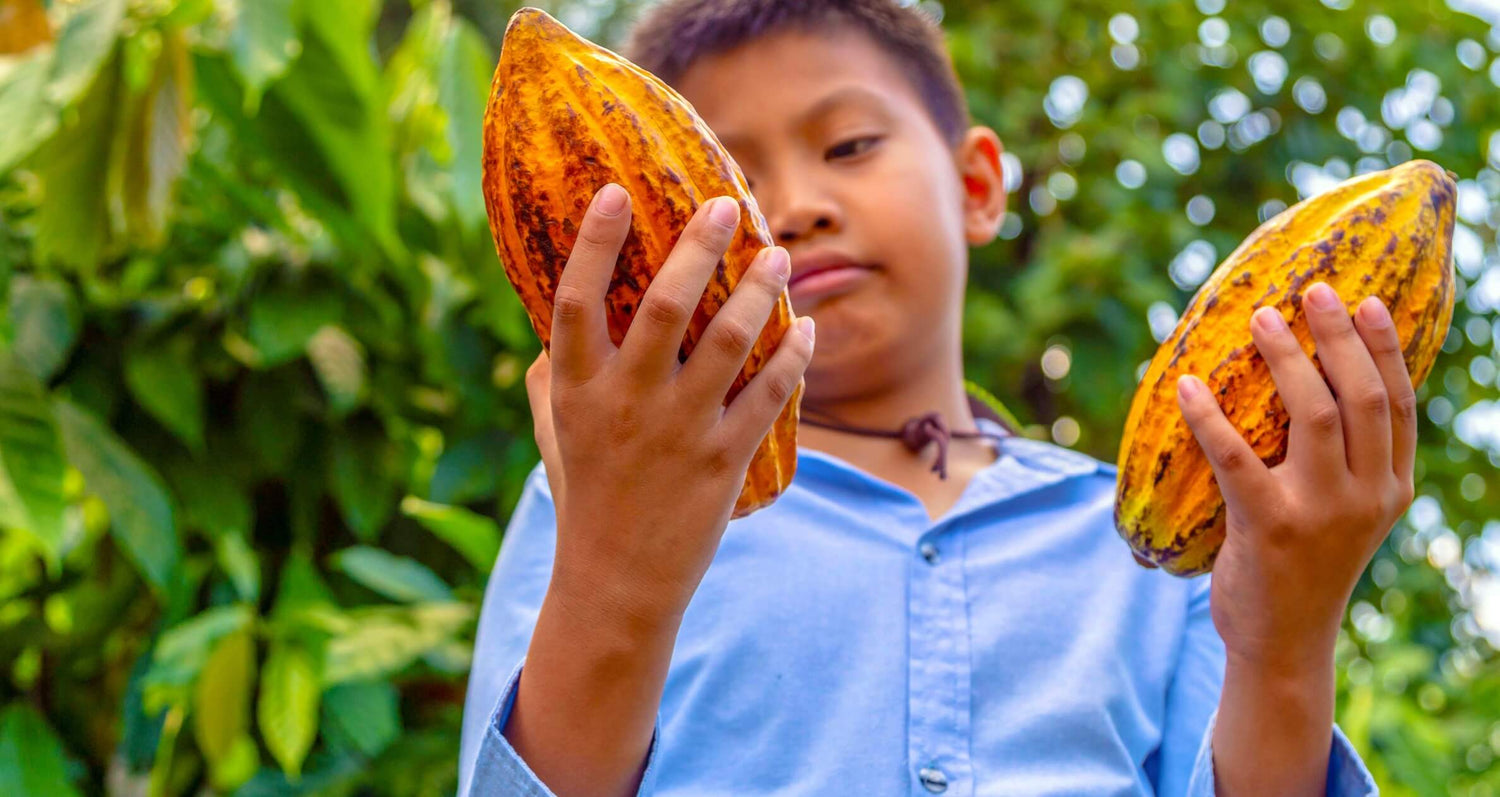
Sustainability in chocolate starts at origin. Cacao is an agricultural product with a long supply chain, and each step shapes the ethics and quality of the final piece. If a maker cannot say where the beans come from, who grows them, or how they were purchased, sustainability becomes difficult to verify.
A more credible approach begins with transparent sourcing. That usually means the chocolate maker can identify the country, region, and often the farm or cooperative behind the cacao. This kind of traceability is not just a moral advantage. It tends to produce better chocolate because careful sourcing and quality-focused fermentation create more distinctive flavor.
Production matters too. There is a difference between a chocolatier who melts industrial couverture and one who makes chocolate from the bean. Bean-to-bar production gives the maker greater control over roasting, refining, and flavor development. It also creates a clearer chain of accountability. When chocolate is crafted in-house, the maker is responsible for more than decoration and filling. The chocolate itself is their work.
Packaging plays a role, but it should not dominate the conversation. Recyclable materials, restrained presentation, and durable gift formats are positive signs. Still, beautiful minimal packaging cannot compensate for anonymous cacao or generic chocolate bought through opaque channels. True sustainability is not surface deep.
Why sustainable chocolate gifts feel more meaningful
People remember gifts that feel chosen rather than purchased in haste. Sustainable chocolate gifts carry that sense of intention because they signal care on several levels at once. You are not only giving something delicious. You are choosing a product made with respect for ingredient quality, human labor, and process.
That matters especially in premium gifting. When you send chocolate to a client, host, friend, or family member, you are also sending a message about your standards. Mass-market assortments can feel interchangeable. A thoughtfully sourced artisan box feels personal without becoming overly intimate, which is one reason chocolate remains such an effective gift.
There is also a sensory difference. Chocolate made from carefully selected beans tends to have clearer flavor structure; notes of red fruit, spice, toasted nuts, caramel, or citrus that come from origin and roasting rather than artificial additions. For the recipient, that makes the gift more memorable. For the giver, it adds substance to the gesture.
How to evaluate sustainable chocolate gifts
The most reliable test is to look beyond broad claims. Phrases like ethical, conscious, or responsible can be meaningful, but only if the maker explains what they actually do. A serious chocolate maker should be able to speak clearly about sourcing, production, and ingredients.
Look for origin transparency
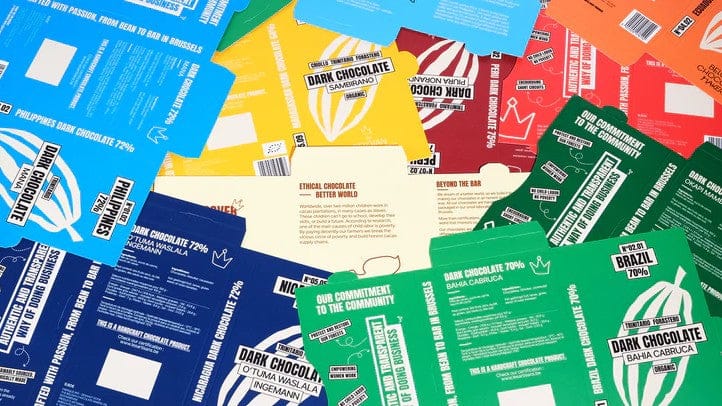
Single-origin bars and clearly identified cacao sources are often strong indicators. They suggest the maker values the individuality of the beans rather than treating cacao as an anonymous commodity. This does not automatically guarantee perfect practices, but it is usually a sign of a more transparent model.
If you are buying a gift box rather than bars, the same principle applies. Ask whether the chocolate inside is made from known cacao origins and whether the maker works directly or closely with trusted sourcing partners. The more specific the answer, the better.
Understand the difference between bean-to-bar and repackaged chocolate
This point is often overlooked. Many premium-looking chocolates are made by purchasing finished couverture from large producers and transforming it into bonbons or bars. That can still produce attractive confections, but it is not the same as making chocolate from scratch.
Bean-to-bar makers handle roasting, cracking, winnowing, refining, and conching themselves. That level of control supports traceability and allows the maker to reveal what is distinctive about a cacao origin. For gift buyers who care about authenticity, this is one of the clearest markers of integrity.
Check ingredient quality
A shorter ingredient list often says a great deal. Fine dark chocolate may need only cacao beans, cane sugar, and perhaps cacao butter, depending on style. Fillings and inclusions can add pleasure and elegance, but they should complement the chocolate rather than mask it.
This is where trade-offs come in. A highly decorated gift assortment may look festive, while a more restrained selection may better express the chocolate itself. The right choice depends on the occasion. For a corporate gift or host gift, balance and refinement usually matter more than spectacle.
The best types of sustainable chocolate gifts
Not every recipient wants the same chocolate experience, which is why format matters. Bars are ideal for those who appreciate tasting and origin character. A set of single-origin bars can feel sophisticated, educational, and quietly luxurious.
Pralines and truffles suit recipients who want variety and immediate indulgence. Here, sustainability depends on the chocolate shell as much as the filling. A well-made praline begins with quality chocolate, not just clever flavor combinations.
Mendiants, chocolate-covered nuts, and seasonal assortments work well when the goal is generosity and sharing. These formats are especially useful for holiday tables, office gifting, or hosts, where presentation and accessibility matter.
Spreads and specialty chocolate creations can also make excellent gifts when the recipient enjoys breakfast culture, baking, or pantry luxuries. They are slightly less formal than a polished box of pralines, but often more personal.
Sustainable chocolate gifts for different occasions
The best gift is not always the most expensive one. It is the one that matches the moment.
For professional gifting, polished presentation and broad appeal are essential. A refined assortment with transparent sourcing and elegant packaging works better than a novelty product. You want the chocolate to feel credible, premium, and easy to enjoy.
For personal celebrations, you can be more specific. A friend who enjoys food culture may appreciate single-origin bars or a bean-to-bar tasting set. Someone who loves traditional indulgence may prefer pralines, truffles, or a mixed selection.
For holidays, sharing formats often make the strongest impression. A carefully curated box or seasonal collection can feel festive without losing its craftsmanship. The key is to choose chocolate that still reflects origin and quality, even when the mood is celebratory.
When price matters, what should you prioritize?
Sustainable chocolate gifts often cost more than conventional options, and there are practical reasons for that. Better cacao, fairer sourcing relationships, small-batch production, and careful finishing all add cost. That does not mean the highest price always equals the best gift, but it does mean suspiciously cheap luxury chocolate is worth questioning.
If you are working within a budget, prioritize chocolate quality over oversized packaging. A smaller box of genuinely well-made bean-to-bar chocolate is usually more impressive than a large but generic assortment. Recipients can tell when a gift has substance.
It also helps to think in terms of value rather than volume. A modest selection with clear origin, elegant presentation, and strong flavor often feels more premium than an abundant gift that lacks identity.
What thoughtful buyers notice
Discerning buyers tend to look for consistency. They notice whether the maker speaks with confidence about cacao origins, whether the product range reflects actual chocolate expertise, and whether the gift feels coherent from ingredients to packaging.
That is where artisanal Belgian chocolate can be especially compelling when it is made with real bean-to-bar discipline. Belgian heritage still carries weight, but modern gift buyers want more than tradition alone. They want proof of craftsmanship, transparency, and a product that earns its premium position.
One of the clearest examples of this approach is a workshop-led maker that controls the full chocolate-making process in-house rather than relying on industrial couverture. That model gives the gift more credibility because the craft is present in every step, from sourcing and roasting to molding and finishing.
Choosing sustainable chocolate gifts well is less about memorizing labels and more about asking better questions. Where did the cacao come from? Who made the chocolate? Is the craftsmanship real? When those answers are clear, the gift does more than satisfy a sweet tooth. It reflects taste, intention, and a standard worth sharing.