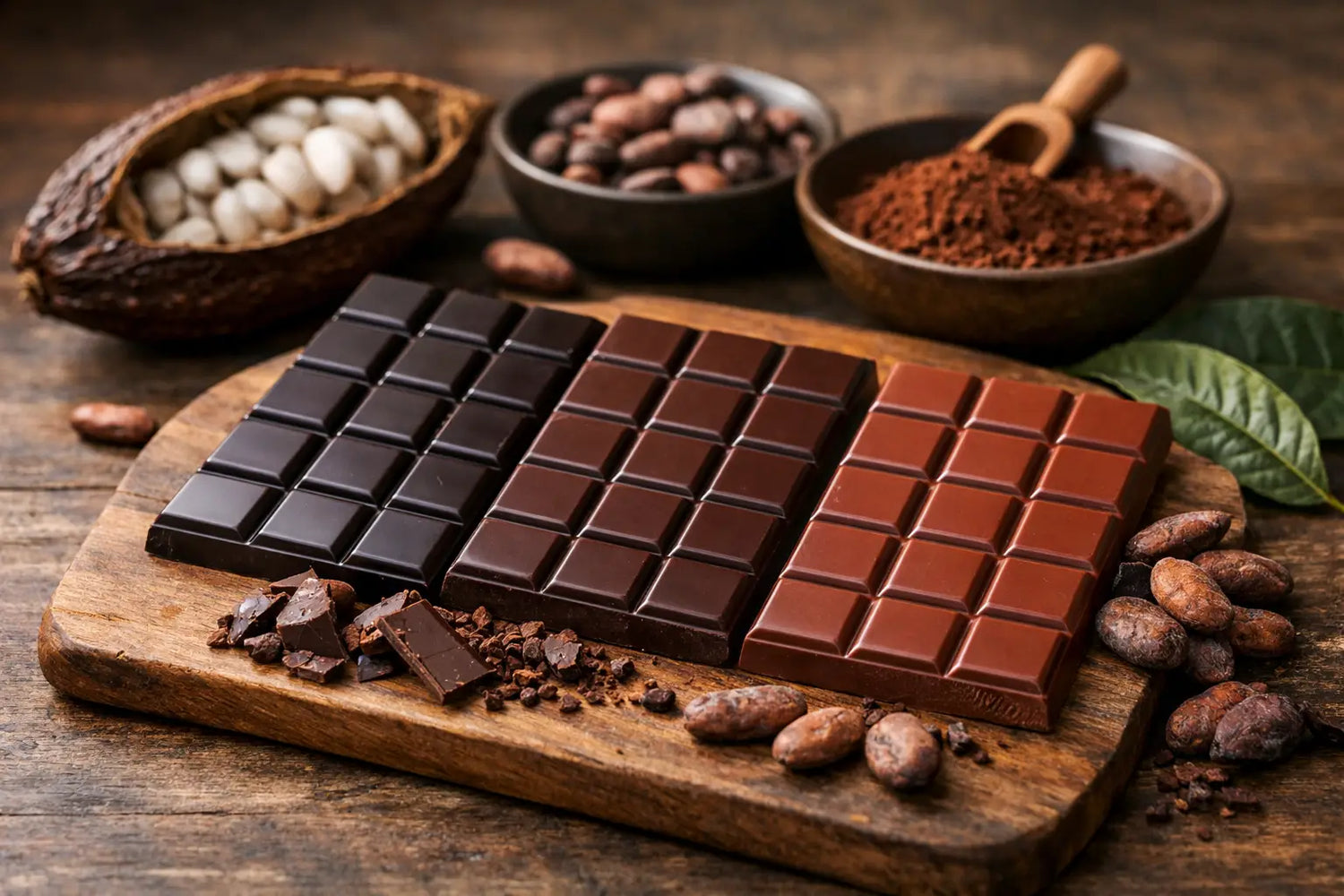
A square breaks with a clean snap, then opens slowly on the palate; red fruit, roasted nuts, honey, perhaps a hint of citrus or spice. That level of character is why single origin chocolate bars have become so compelling to chocolate buyers who want more than sweetness and a pretty wrapper. When one bar can tell the story of a specific harvest, region, and maker, chocolate becomes far more than a confection.
What single origin chocolate bars actually mean
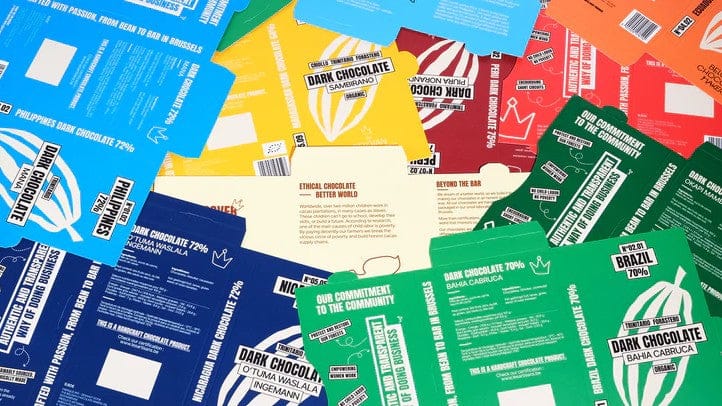
At its simplest, a single origin chocolate bar is made from cacao sourced from one country, region, estate, or cooperative rather than blended from multiple origins. The exact definition can vary from maker to maker, which is why transparency matters. A serious bean-to-bar chocolatier should be clear about where the cacao comes from and how specifically that origin is identified.
That distinction is not small. In conventional chocolate, cacao is often blended to create a uniform house profile. Consistency has its place, especially in large-scale production, but it can also flatten the natural differences between beans. Single origin bars do the opposite. They preserve those differences and treat them as worth tasting.
For buyers, this means you are not choosing only by cocoa percentage. You are choosing by place, growing conditions, harvest character, and the maker's interpretation of those beans.
Why origin changes the flavor
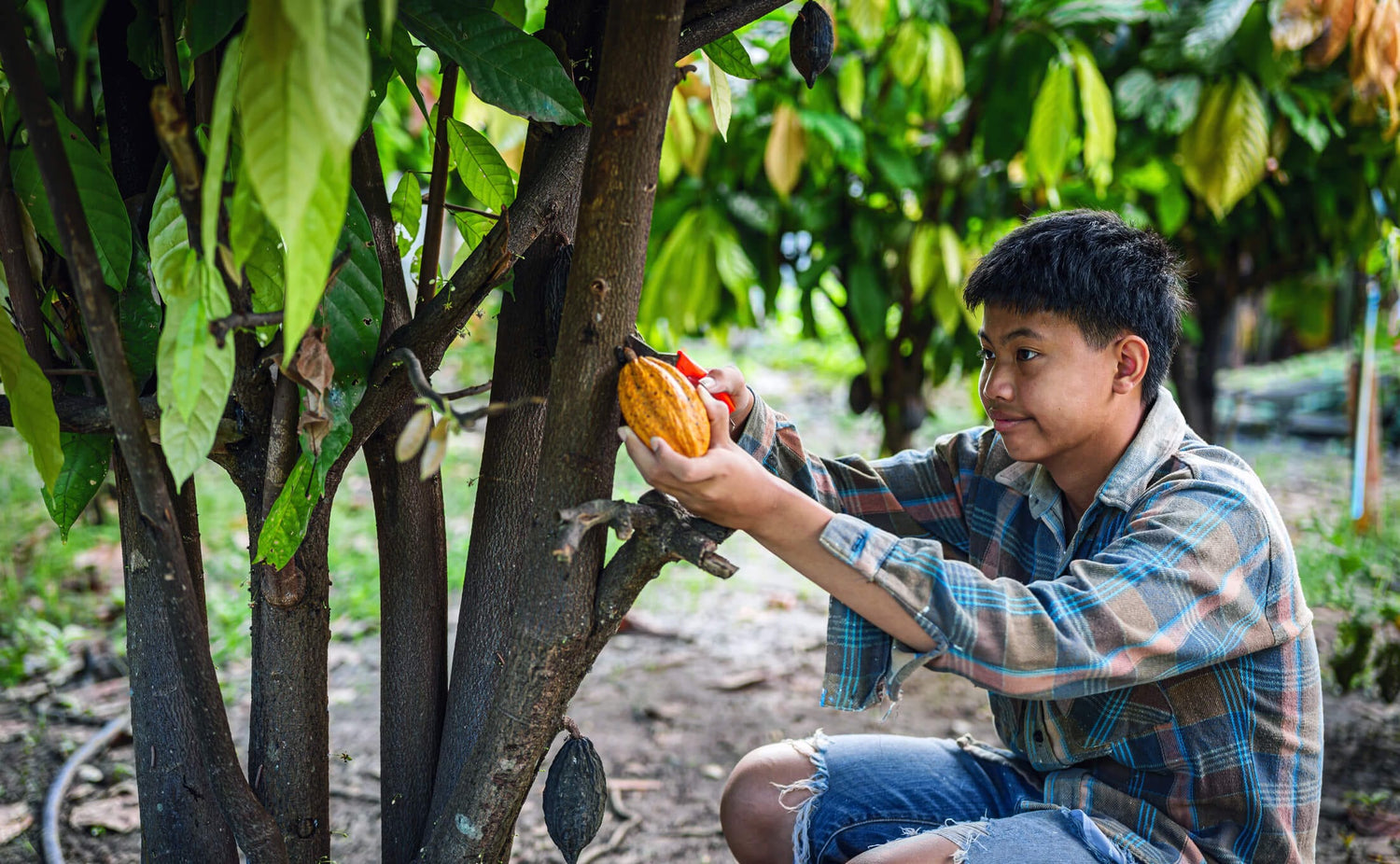
Chocolate, like coffee or wine, reflects terroir. Soil, climate, altitude, cacao variety, fermentation practices, and drying conditions all influence flavor. A bar made from cacao grown in Madagascar may show bright acidity and berry notes, while cacao from Peru might lean floral or nutty, and beans from Uganda or Tanzania can reveal deeper cocoa tones with lively fruit.
That does not mean every bar from a country tastes the same. Origin is only part of the equation. Post-harvest work at the source matters enormously, and so does what happens in the workshop. Roasting, refining, and conching can either clarify a bean's natural profile or blur it.
This is where true bean-to-bar craftsmanship becomes decisive. A maker working directly from cacao beans can adapt the roast to a particular lot, refine to the right texture, and stop conching at the point where complexity remains intact. A maker working with industrial couverture has far less control over those flavor decisions because most of them have already been made elsewhere.
Single origin vs blended bars
Blended chocolate is not automatically inferior. In skilled hands, blending can produce balance, roundness, and familiarity. Many classic chocolate profiles depend on it. If you want a dependable flavor for baking or a mellow all-purpose dark chocolate, a blend may be exactly right.
Single origin bars serve a different purpose. They are more expressive. Sometimes they are more surprising. They can also be less predictable from harvest to harvest, which is part of their appeal for people who value authenticity over rigid sameness.
The trade-off is straightforward. A blend is designed for consistency. A single origin bar is designed for character. Neither approach is wrong, but they answer different expectations.
Why the maker matters as much as the cacao
Two chocolate makers can start with beans from the same region and produce very different bars. That is because good chocolate is not just found in the cacao. It is built through decisions.
Roasting is one of the clearest examples. A gentle roast may preserve floral or acidic notes, while a deeper roast can amplify cocoa richness and reduce brightness. Refining affects texture, but it also changes how flavors register on the palate. Conching can soften harsh edges, though too much can strip away the individuality that made the origin interesting in the first place.
For that reason, single origin chocolate bars are often the clearest expression of a chocolatier's philosophy. They show whether the maker is chasing intensity, elegance, clarity, or comfort. They also reveal whether the chocolatier respects the bean enough to let it speak.
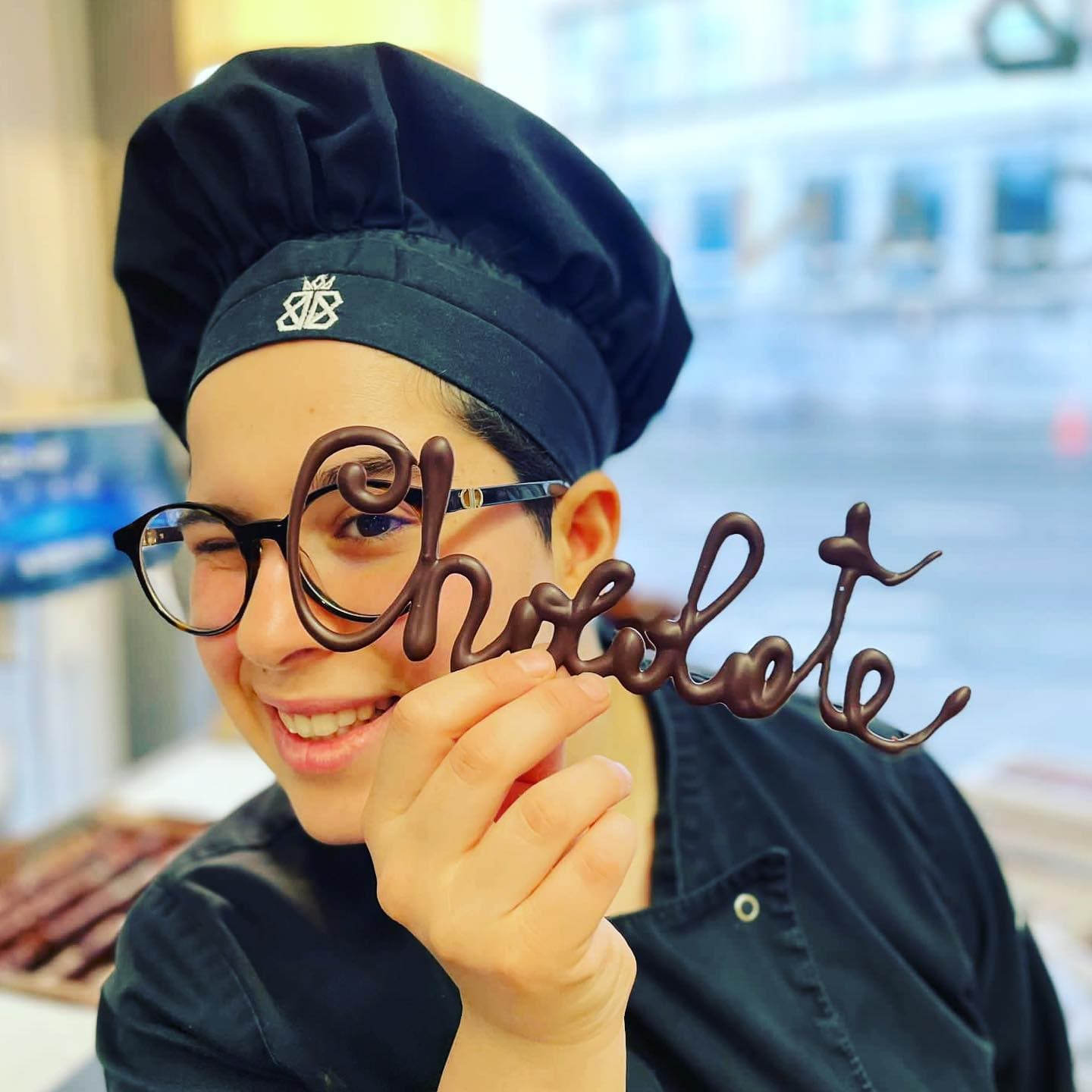
In an artisan workshop, where production is handled in-house from roasting to molding, that control is visible in the final bar. The flavor is not accidental. It is the result of disciplined craft.
How to taste single origin chocolate bars
Tasting well does not require technical training. It simply requires attention. Start by looking at the bar. A good surface should be glossy and even. Listen for the snap. Dark chocolate with proper temper has a crisp, satisfying break.
Then let a small piece melt slowly instead of chewing it immediately. Notice the first impression, the middle notes, and the finish. Some bars open with fruit and close with warm spice. Others begin with deep cocoa and shift into caramel, coffee, or toasted grain.
If you are comparing bars, keep the conditions simple. Taste from lower to higher cocoa percentages, and give your palate a moment between samples. Water is usually enough. You are not trying to perform expertise. You are trying to notice difference.
What tasting notes really tell you
Flavor notes are guides, not promises. If a bar mentions raspberry, that does not mean raspberries were added. It means the natural flavor of the cacao may remind the maker of raspberry. Your own experience may be slightly different, and that is normal.
What matters more is whether the bar feels coherent. Does the acidity feel lively or sharp? Does the bitterness feel elegant or dry? Is the finish clean? A well-made single origin bar should feel intentional from start to finish.
The role of ethics and traceability
Single origin is often associated with traceability, but the two are not identical. A bar can claim single origin without saying much about farmer relationships, pricing, or sourcing standards. That is why origin on its own is not enough.
Ethically minded buyers should look for more than a place name. They should look for evidence that the maker knows the supply chain, works with credible sourcing partners or producers, and treats transparency as part of quality rather than a marketing add-on.
This matters for flavor as much as principle. Better sourcing often supports better harvesting, fermentation, and drying practices, which directly improve the final chocolate. Ethical excellence and sensory excellence are often closer than they appear.
For a gift buyer, traceability also adds meaning. A beautifully made bar becomes more memorable when it carries a real sense of origin and a production story grounded in integrity.
Are single origin chocolate bars always better?
Not always. Some origins are marketed well but handled poorly. A bar can have an impressive provenance and still taste flat if the roast is clumsy or the texture is chalky. Likewise, a thoughtfully blended chocolate can outperform a mediocre single origin bar every time.
Price also deserves honesty. Single origin chocolate bars often cost more because small-batch production, careful sourcing, and in-house transformation are expensive. That higher price can be justified, but only when the bar delivers on flavor, craftsmanship, and transparency.
So the better question is not whether single origin is inherently superior. It is whether the bar expresses its origin with skill.
Why they make exceptional gifts
Chocolate gifting is often crowded with boxes that look luxurious but say little about what is inside. Single origin bars offer something more precise. They feel curated. They invite conversation. They suit the person who appreciates food, travel, craft, or design, and they also work for the recipient who simply wants something genuinely delicious.
They are especially effective in gift assortments because each bar can offer a distinct experience. One might be bright and fruit-driven, another deep and earthy, another soft with notes of nuts and caramel. The result feels thoughtful rather than generic.
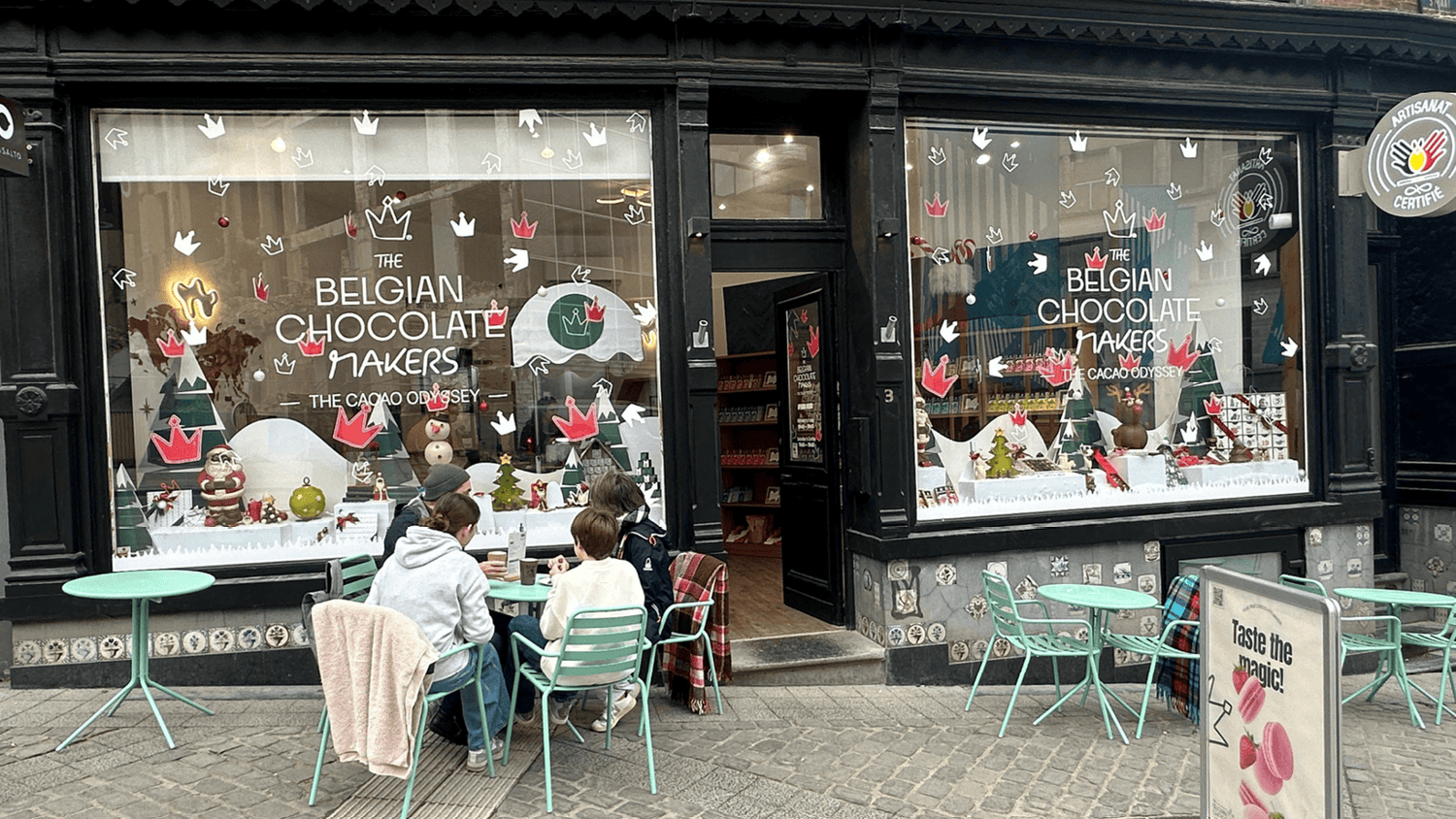
For a Brussels-based bean-to-bar maker such as The Belgian Chocolate Makers, that gift value is strengthened by the combination of Belgian chocolate heritage and direct workshop production. It offers the polish people expect from Belgian chocolate, with the credibility that comes from making it from the bean rather than buying finished couverture.
Choosing the right bar for yourself
If you are new to single origin chocolate bars, start with curiosity rather than rules. A 70% dark bar from a fruit-forward origin can be more approachable than a higher-percentage bar from a more austere profile. If you prefer gentler flavors, look for tasting notes that mention nuts, caramel, or soft cocoa rather than sharp citrus or intense acidity.
If you already know chocolate well, origin bars are a way to refine your palate. Compare two bars at similar cocoa percentages from different regions. Then compare two bars from the same origin made by different chocolate makers. You will quickly see how both terroir and craftsmanship shape the result.
The pleasure of single origin chocolate is that it rewards attention without demanding ceremony. You can study it seriously, or simply enjoy the fact that one small bar carries the imprint of a real place, a real harvest, and a maker willing to preserve that identity. That is rare in food, and rarer still in gifts. The next time you choose chocolate, choose something with a point of view.