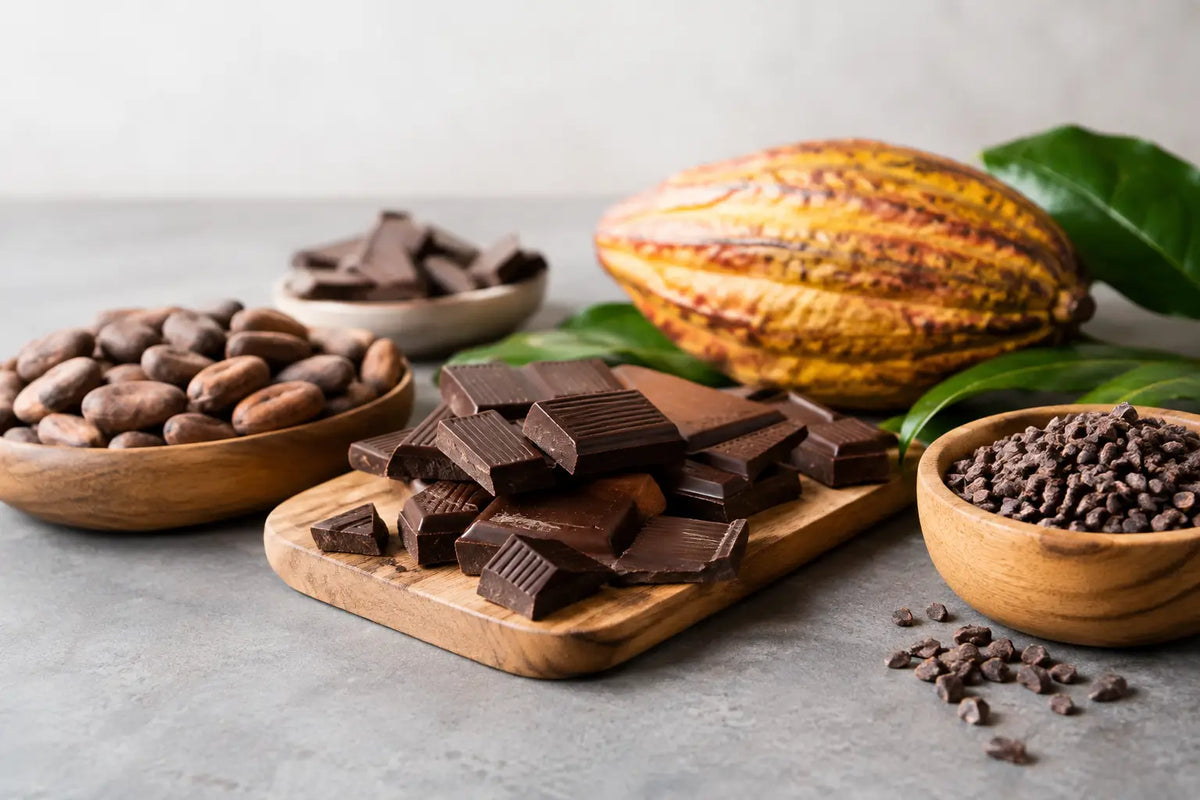
A meaningful single origin review starts before the wrapper is opened. The name of a country or region can suggest a flavor direction, but it cannot guarantee one. Fine chocolate is shaped by the cacao variety, the soil and climate, the skill of fermentation, the drying process, and every decision made once the beans reach the workshop.
For chocolate lovers, origin is an invitation to taste with greater attention. For gift buyers, it is a way to choose something with a real story behind it. A well-made single-origin bar should offer more than a place name. It should express a distinct cacao character while showing the care taken to preserve it.
What “Single Origin” Means in Chocolate
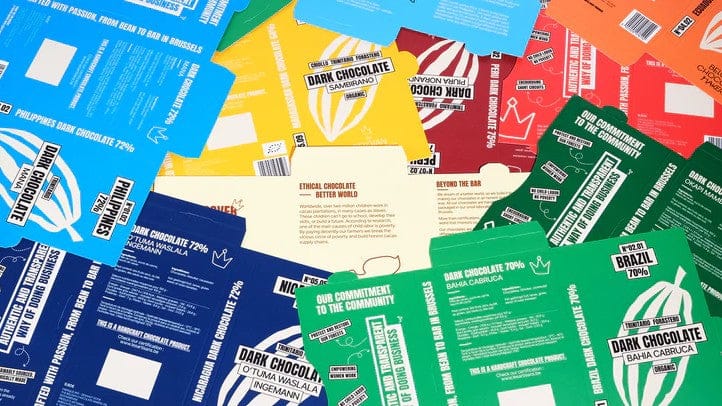
Single origin generally means that the cacao used in a chocolate comes from one defined geographic source, such as a country, region, cooperative, estate, or even a particular farm. The level of precision matters. “Peru” identifies a broad national origin, while a named valley or producer group gives a more specific picture of where the beans were grown.
That said, single origin is not always synonymous with single farm. Cacao from several smallholder farms within the same area may be combined, often through a cooperative or local fermentary. This can be an excellent model: it supports farming communities, enables careful post-harvest handling, and creates a recognizable regional profile. What matters is that the maker communicates the origin honestly and treats the beans in a way that respects their inherent qualities.
The term also does not automatically mean better. A blended chocolate can be beautifully balanced, and a single-origin bar can be poorly made. Origin gives chocolate its potential personality. Craft determines whether that personality reaches the palate clearly.
A Single Origin Review Starts With the Bean
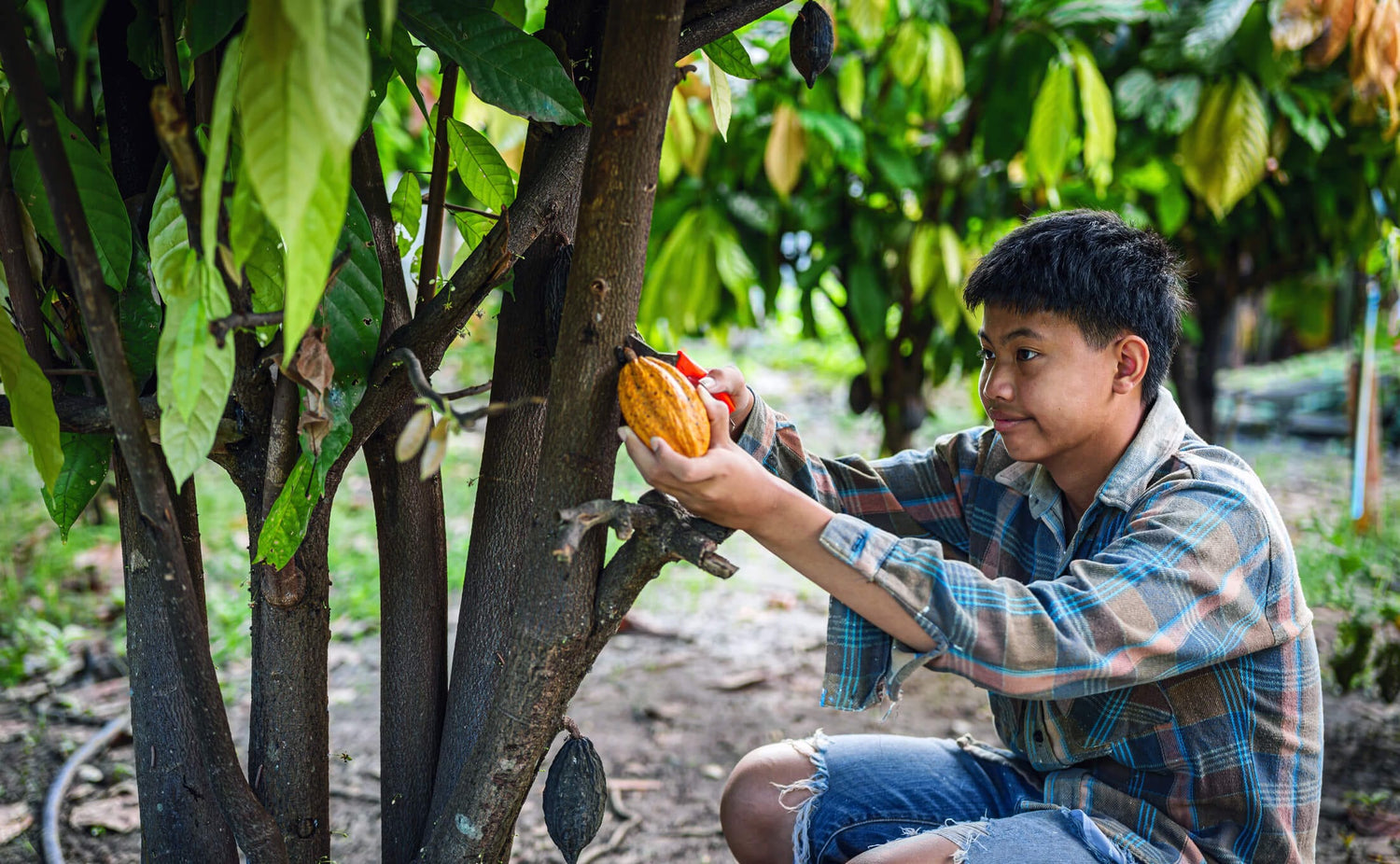
Cacao is an agricultural product, and its flavor begins in the landscape. The same way coffee, wine, and tea reflect growing conditions, cacao responds to rainfall, temperature, shade, soil composition, and local biodiversity. These influences are often described as terroir, although the word should not be used as a shortcut for quality.
Genetics play a role as well. Some cacao populations are known for delicate floral, fruit-forward, or nutty notes, while others may present deeper cocoa, molasses, or earthy character. Yet variety alone tells only part of the story. Two harvests from similar trees can taste very different if the fruit is picked at different levels of ripeness or handled differently after opening.
Fermentation is especially decisive. Fresh cacao seeds are surrounded by sweet pulp, and controlled fermentation transforms their potential flavor. Done with care, it reduces bitterness and astringency while developing the aromatic compounds that later become recognizable notes in chocolate. Drying then needs to happen slowly and cleanly enough to stabilize those flavors without introducing smoke, mold, or unwanted acidity.
This is why transparent sourcing matters. A maker who knows how and where beans were grown, fermented, and dried is better placed to select cacao for flavor as well as ethical and practical standards.
What to Taste in Single-Origin Chocolate
Tasting chocolate is less about finding the “right” answer than noticing how flavor changes over time. Let a small piece melt slowly rather than biting and swallowing immediately. The first impression may be sweetness or roast; the clearest origin notes often arrive later.
Look for a clean progression. A bar might open with roasted almond, move toward red berry or dried fruit, and finish with gentle spice. Another may be more direct, with brown sugar, toasted bread, and a lingering cocoa finish. Fine chocolate can be floral, citrusy, honeyed, creamy, woody, or pleasantly tangy. These descriptions are references, not added ingredients, unless the label says otherwise.
Texture is part of the evaluation. A properly refined and conched bar should melt evenly and feel smooth, even if its flavor is intense. A sharp acidic note is not necessarily a flaw, particularly in fruit-forward cacao, but it should feel integrated rather than harsh. Likewise, bitterness can give a dark bar structure and length, but excessive bitterness may indicate that the roast or recipe has obscured the bean.
The percentage of cacao deserves context. A 70% bar is not a universal flavor category. At the same percentage, one origin may taste bright and cherry-like while another feels rich, nutty, and grounded. Sugar level affects the experience, but so do cocoa butter content, roast profile, refining, and conching time. Comparing bars at similar percentages can be useful, but it is not the only fair comparison.
How Bean-to-Bar Making Protects Origin Character
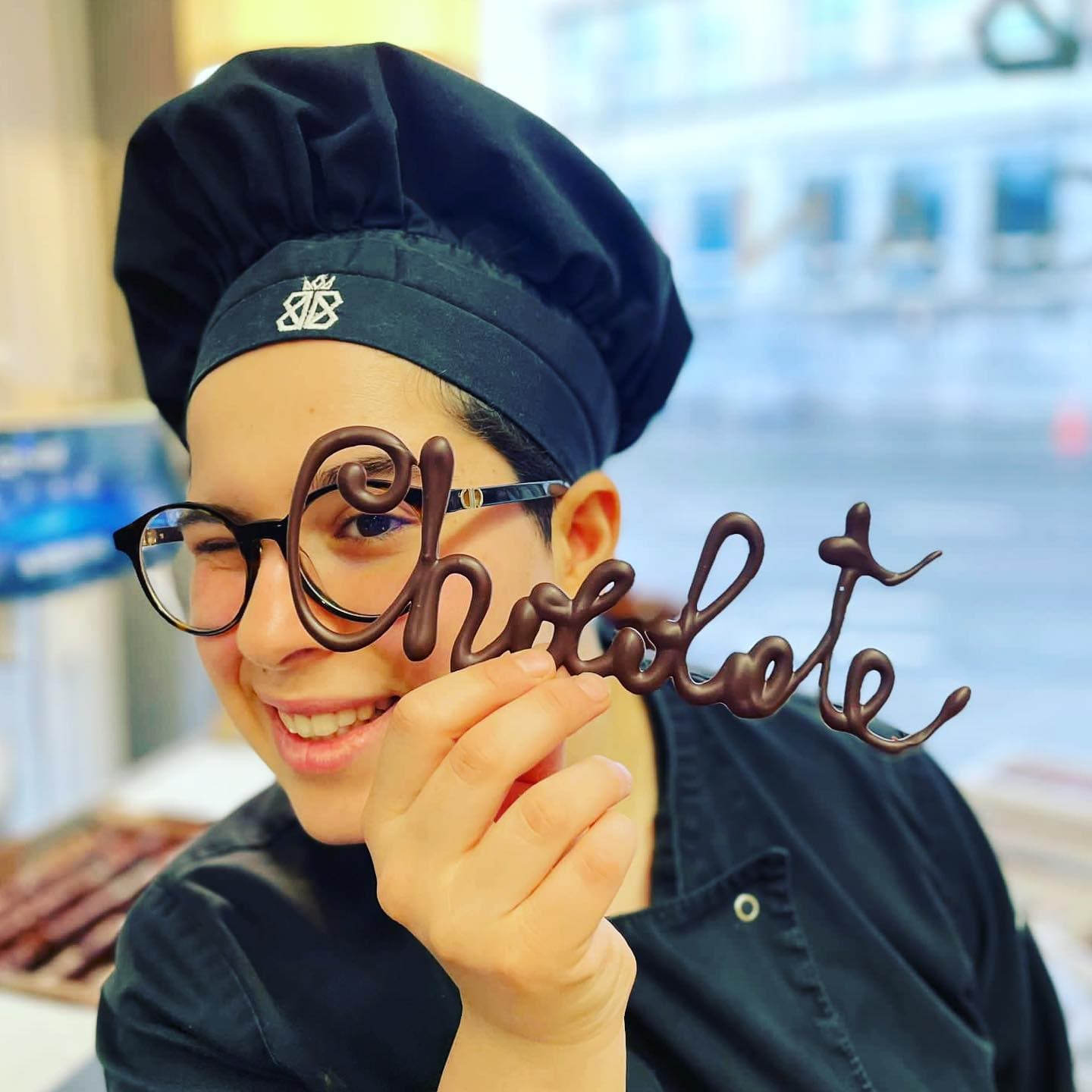
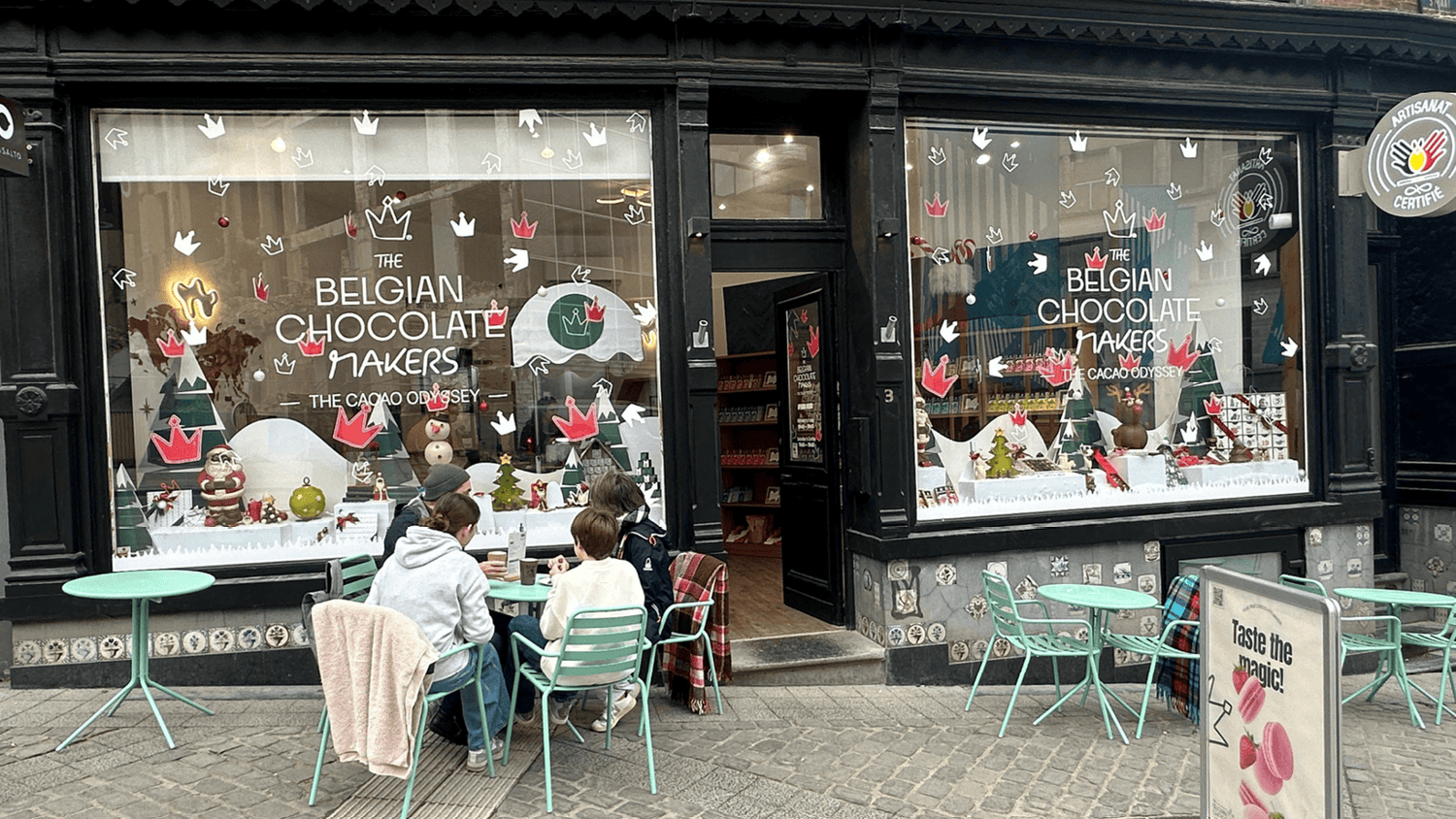
At The Belgian Chocolate Makers, chocolate is made from carefully sourced beans in our central Brussels workshop, rather than created from ready-made industrial couverture. This distinction is central to how origin can be expressed.
Bean-to-bar makers make choices at each stage: sorting, roasting, cracking and winnowing, refining, conching, tempering, and molding. Roasting may bring forward warm caramel and nut notes, or it may be kept gentler to retain floral and fruit characteristics. There is no single correct profile. The best approach depends on the bean and on the experience the maker wants the finished chocolate to offer.
A longer conche can round rough edges and improve texture, but too much processing may soften some of the cacao's more delicate aromatics. A darker roast can create familiar depth, yet it can also make distinct origins taste alike. The maker's task is not to impose a house style so strongly that every bar becomes identical. It is to build balance while allowing each cacao to remain recognizable.
This is also why small-batch production has value. It allows chocolate makers to assess individual lots and adjust their process thoughtfully. The result should not be novelty for novelty's sake. It should be a bar that feels clear, composed, and faithful to its ingredients.
How to Read a Single Origin Review With Confidence
A useful review gives you more than dramatic tasting notes. It explains the source with enough specificity to be meaningful and separates facts from personal preference. If a reviewer calls a bar “bright,” ask whether that brightness resembles citrus, yogurt-like tang, or underripe fruit. If they describe it as “earthy,” consider whether that sounds appealing to you or simply vague.
When choosing chocolate for yourself or someone else, use a few practical signals. A clear origin statement, a concise ingredient list, and information about the maker's sourcing approach are all encouraging. For a dark single-origin bar, cacao, sugar, and cocoa butter may be all that is needed. Vanilla is a stylistic choice, not automatically a mark of lesser quality, but a bar with fewer additions often makes it easier to understand the bean.
Freshness and storage matter too. Keep fine chocolate in a cool, dry, odor-free place, ideally away from direct light. Refrigeration can introduce condensation and dull aroma if the bar is not carefully protected. If a chocolate develops a pale surface bloom, it may look less pristine but is usually still safe to eat. Flavor and texture, however, are most rewarding when the bar has been stored well.
Choosing an Origin for a Gift
A single-origin selection makes an especially thoughtful gift because it gives the recipient a tasting experience, not just a sweet gesture. The choice can be guided by personality. Someone who enjoys bright fruit, tea, or lighter roasts may appreciate a lively, aromatic cacao. A fan of espresso, toasted nuts, or dark caramel may prefer a deeper, more traditionally cocoa-forward profile.
For a recipient new to craft chocolate, a tasting set with several origins is often more welcoming than an exceptionally intense bar. It creates an easy comparison and shows why provenance matters. For an experienced chocolate lover, a clearly identified origin with transparent sourcing can feel personal, considered, and genuinely special.
The most rewarding bar is not necessarily the rarest or the darkest. It is the one whose origin, recipe, and craftsmanship come together in a flavor worth pausing for. Let that pause be part of the gift: a chance to taste where cacao came from and how carefully it was transformed.