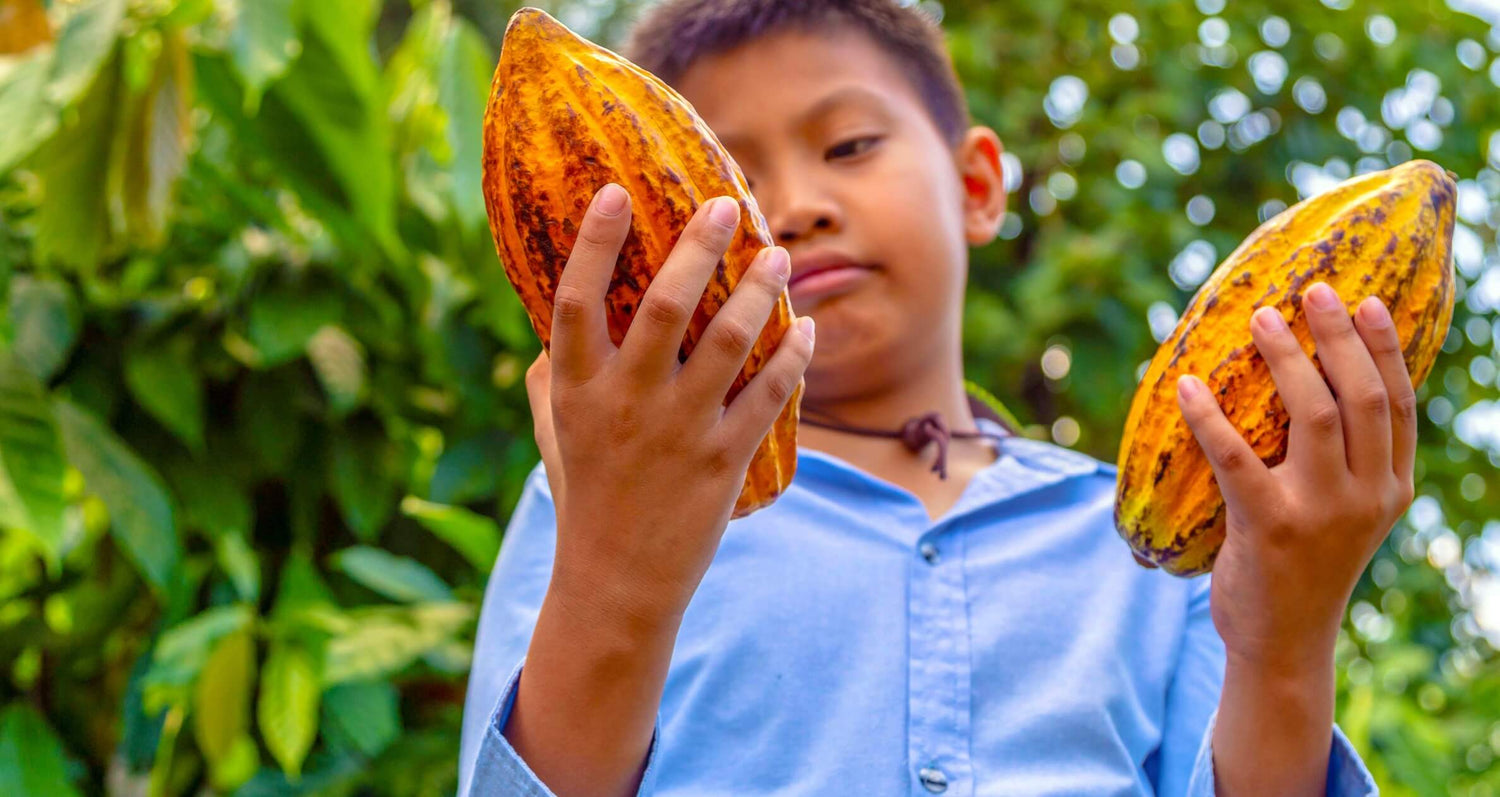
A bean-to-bar chocolate bar can carry the bright fruit of a particular cacao harvest, the depth of its roast, and the lingering character of its origin. To store artisan chocolate properly is to protect those details after it leaves the workshop. A little attention to temperature, humidity, light, and surrounding aromas keeps each square as close as possible to the maker’s intended expression.
For most chocolate, the answer is not the refrigerator. A cool, dry cupboard is usually the better place. Yet storage is not identical for every product: a single-origin dark bar, a filled praline, and a fresh cream truffle have different needs. Knowing the distinction helps you enjoy fine chocolate at its best rather than merely keeping it edible.
The ideal conditions for artisan chocolate
Chocolate is remarkably sensitive to its environment. Its cocoa butter structure is responsible for a clean snap, smooth melt, and glossy finish, but heat and moisture can disturb that structure. Fine chocolate also contains delicate aromatic compounds that fade when exposed to air, strong odors, or repeated temperature swings.
Aim for a steady temperature between 60 and 68°F. A dark pantry, interior cabinet, or temperature-stable room is ideal. The most valuable word here is steady. A bar stored at 66°F consistently will generally fare better than one that moves from a warm kitchen counter to a cold refrigerator and back again.
Keep chocolate away from direct sunlight, ovens, radiators, and the top of the refrigerator, where heat often collects. A sunny shelf may feel harmless for an afternoon, but repeated warmth can soften the cocoa butter and dull the texture over time.
Humidity matters just as much. The best storage environment is dry, ideally below 50 percent relative humidity. Chocolate readily absorbs moisture, which can affect its surface and, with filled pieces, compromise texture. A cool basement is not automatically a good choice if it is damp.
Store artisan chocolate properly in its packaging
The original wrapper serves a purpose beyond presentation. Foil, inner film, or a well-fitted pouch creates a barrier against oxygen, moisture, and odors, while the outer sleeve protects the chocolate from light and physical damage. Keep unopened bars sealed until you are ready to taste them.
After opening a bar, fold the inner wrapper tightly over the remaining chocolate and place it in an airtight container or resealable bag. Pressing out excess air is helpful, but avoid crushing the bar. Store different flavored bars separately where possible. Chocolate can absorb nearby aromas with surprising ease, and a delicate Madagascar cacao bar should not take on the scent of coffee beans, spices, perfume, or a garlic-heavy pantry.
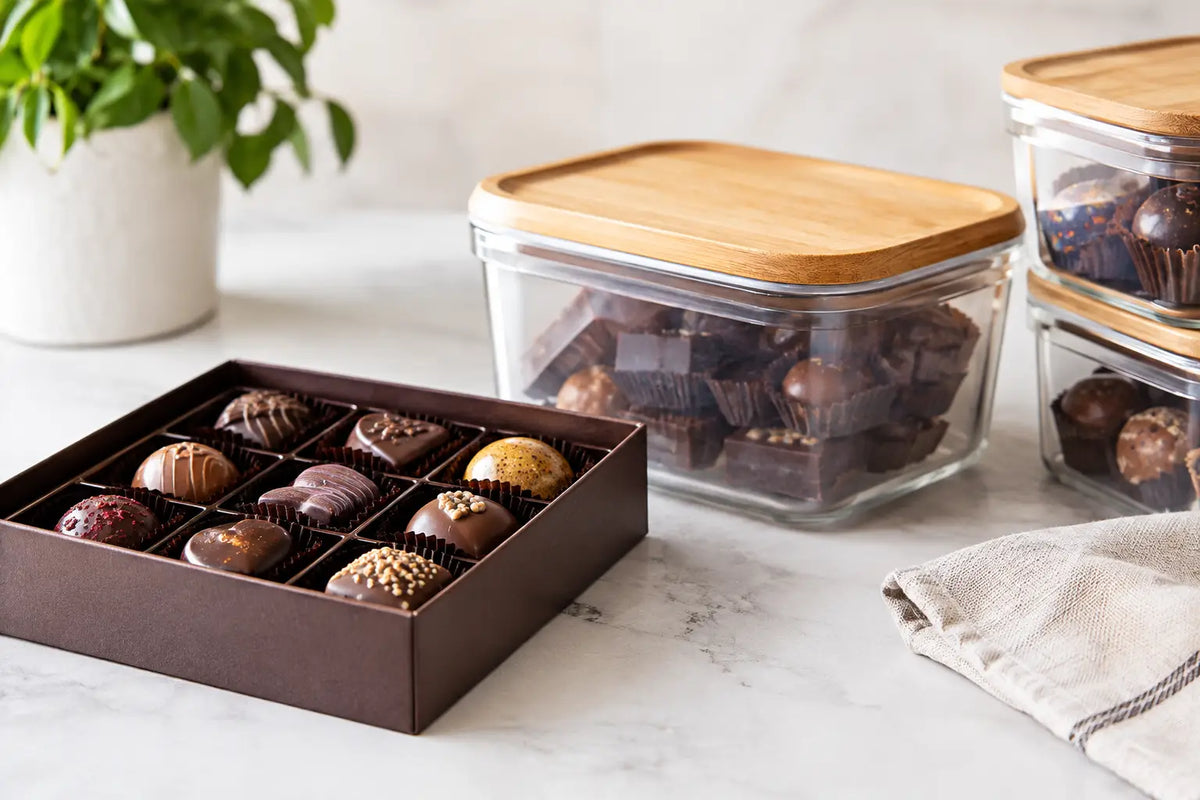
For a gift box, retain the pieces in their original tray and close the box carefully after serving. If the assortment includes loose pralines or truffles, an airtight container offers additional protection. Choose a food-safe container with no lingering odor from previous contents.
Avoid storing chocolate beside tea, scented candles, cleaning products, onions, or strongly aromatic cheeses. This is not excessive caution. Cocoa butter is highly receptive to volatile aromas, and those aromas can overwhelm the nuanced notes that distinguish carefully made chocolate.
Why the refrigerator is usually a last resort
Refrigeration is useful in very hot or humid climates, but it introduces two risks: condensation and odor absorption. When cold chocolate is brought into a warmer room, moisture can collect on its surface. That moisture may dissolve a small amount of sugar, which can recrystallize as a pale, grainy-looking coating known as sugar bloom.
A refrigerator also tends to be humid and full of competing aromas. Even well-wrapped chocolate may be affected if it remains there for weeks. For a premium bar meant to be enjoyed soon, a cool cupboard is almost always preferable.
If room temperatures regularly rise above 72°F, refrigerating is better than allowing chocolate to melt. First wrap the chocolate tightly, then place it in an airtight container or double-sealed bag. Keep it away from produce, leftovers, and anything aromatic. When you are ready to enjoy it, leave the container closed on the counter until the chocolate reaches room temperature. This gradual return prevents condensation from forming directly on the chocolate.
Do not repeatedly move the same bar in and out of the refrigerator. Each cycle increases the chance of bloom and a less refined texture.
Can artisan chocolate be frozen?
Freezing is a practical option for longer storage, particularly when you have purchased seasonal gifts or several bars that you cannot enjoy within the recommended period. It is not ideal for a piece you plan to eat next week, but it can preserve well-wrapped chocolate for several months.
Use multiple layers of protection: retain the original sealed packaging, place it in an airtight freezer-safe bag or container, and exclude as much air as possible. To thaw it, transfer the closed container from freezer to refrigerator for a day, then from refrigerator to room temperature for several hours. Open it only once the chocolate has fully warmed. Slow thawing reduces condensation and protects the finish.
Bars, pralines, and truffles do not age alike
Dark chocolate bars are the most forgiving. With a high cocoa content and little or no dairy, they often retain excellent quality for 12 to 24 months when stored well. Their flavor can even evolve gently over time, though vivid top notes may become quieter. For a single-origin bar, enjoying it within the maker’s suggested date is the best way to experience its intended balance.
Milk chocolate and white chocolate are more vulnerable to heat and oxidation because of their dairy content. They should be kept especially cool, dry, and tightly wrapped. Their recommended shelf life is often shorter than dark chocolate, and their flavors are less likely to improve with age.
Pralines, filled chocolates, and truffles deserve more attention. A praline with a gianduja, caramel, or ganache center may have a shelf life of weeks or months rather than years. Fresh cream, fruit purée, butter, and other inclusions add pleasure but reduce stability. Follow the date provided by the chocolatier, store the box in a cool dry place, and serve it while the fillings are at their most expressive.
For fresh truffles, temperature is a genuine trade-off. If your home is warm, refrigeration may be necessary despite its drawbacks. Protect them carefully from moisture and odors, then bring them toward room temperature before serving. A chilled truffle can feel firmer and reveal less aroma; a slightly tempered one is usually more fragrant and silkier on the palate.
Understanding bloom without mistaking it for spoilage
A gray or whitish haze on chocolate can be disappointing, especially on a beautifully molded bar or a polished praline. In most cases, it is bloom rather than mold. Fat bloom occurs when cocoa butter migrates to the surface after heat exposure or temperature fluctuation. Sugar bloom occurs when moisture affects the surface and sugar recrystallizes.
Bloomed chocolate is generally safe to eat if it has been stored hygienically and is within its date. It may taste less vivid or feel slightly grainy, and the visual finish will no longer reflect the maker’s work. It can still be excellent for baking, hot chocolate, or melting into a sauce.
Mold is uncommon on plain chocolate because its low water activity discourages growth. Filled chocolates are different. If a filling smells sour, fermented, or otherwise unusual, or if you see fuzzy growth rather than a smooth pale bloom, do not eat it.
Serve it at the temperature where flavor speaks
Storage and serving are connected. Chocolate straight from a cold room or refrigerator will not reveal its full aroma. Let bars and boxed chocolates rest at room temperature for 20 to 30 minutes before tasting, depending on their size and how cold they were stored. The goal is not softness. It is a gentle tempering that lets the cocoa butter begin to melt cleanly on the tongue.
Handle chocolate with dry hands, particularly when breaking a bar into squares. Water droplets, wet utensils, and steam from a nearby kettle can mark the surface or cause melted chocolate to seize. If you are serving an assortment, place only what you expect to enjoy in the next hour on a plate and keep the rest protected.
For gifts, consider the journey home as part of storage. Do not leave a chocolate box in a hot car, near a window, or in a delivery area exposed to sun. Premium packaging deserves careful handling, but the flavor inside is the real reason for that care.
The best habit is simple: buy chocolate you are excited to taste, give it a cool and odor-free resting place, and open it with enough time to enjoy its character. Careful storage preserves more than a glossy surface. It preserves the work of the cacao farmer, the roast, the refinement, and the final moment when fine chocolate melts exactly as it should.