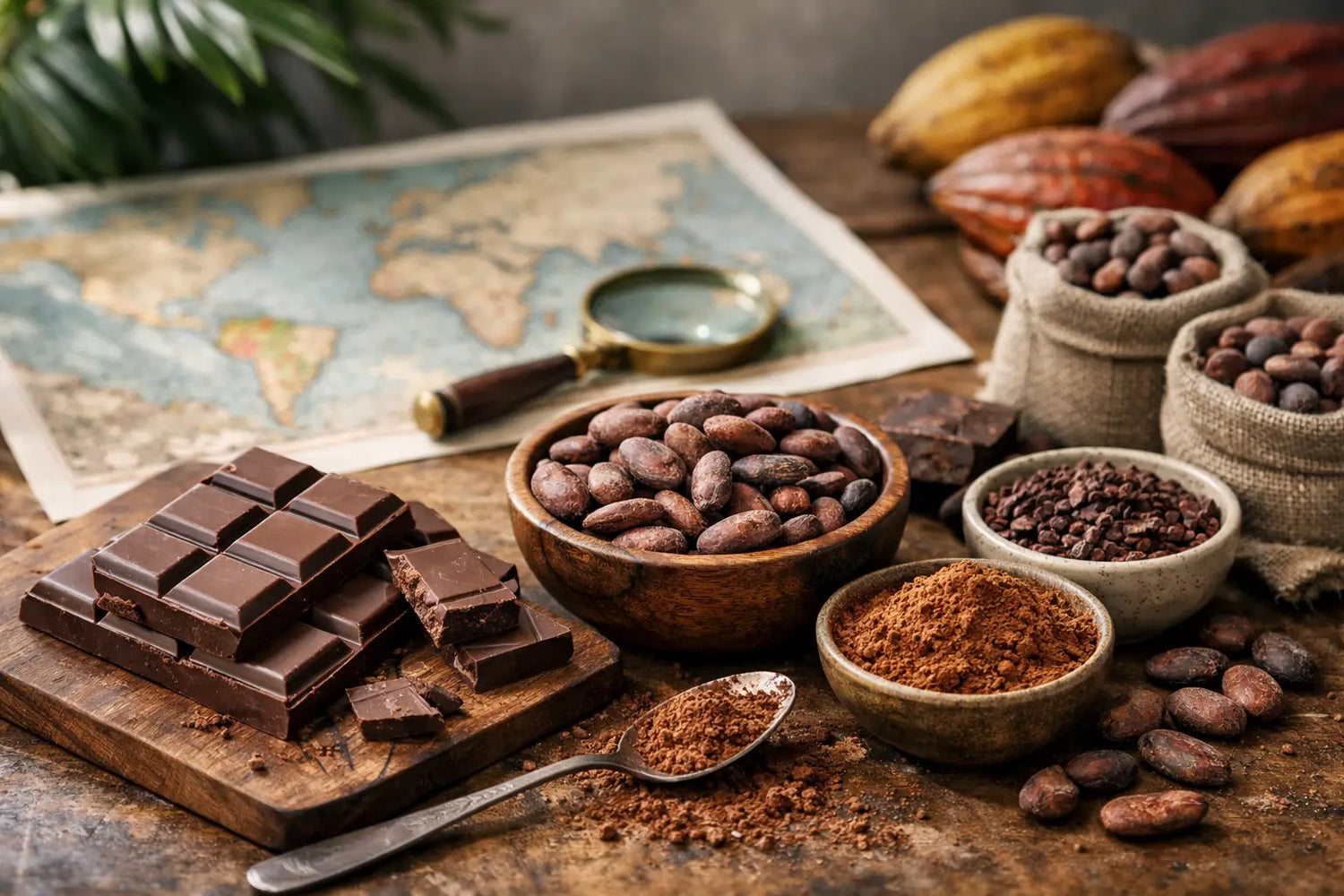
One square can taste like red fruit and citrus, while another made from the same basic ingredient leans toward nuts, caramel, or deep earth. That is the appeal behind a true single origin chocolate guide: it helps you understand why chocolate can taste so different, and why origin matters when craftsmanship is taken seriously.
Single origin chocolate is not simply a premium label. At its best, it is chocolate made from cacao sourced from one country, one region, one farm, or one cooperative, with the maker choosing to preserve and present the character of that place. Like wine, coffee, or olive oil, chocolate carries the imprint of terroir, post-harvest handling, and production choices. When those factors are respected rather than hidden, the result is more expressive and more transparent.
What single origin chocolate really means
The phrase sounds straightforward, but it is worth reading carefully. In the broadest sense, single origin means the cacao comes from one defined origin rather than a blend of beans from multiple places. That origin might be a country such as Madagascar, a region within Peru, or a specific estate in Tanzania.
This is where nuance matters. A country-level origin can still be meaningful, especially when a maker is selecting beans for a recognizable flavor profile. But a more precise origin usually offers greater traceability and a clearer story about how the cacao was grown and fermented. Not every single origin bar will be equally specific, and that difference affects how much information you can trust from the label.
For buyers, the best approach is simple. Treat single origin as the start of a conversation, not the whole answer. Ask what the origin actually refers to and whether the maker explains the sourcing with enough clarity to be credible.
A single origin chocolate guide to flavor
Origin influences flavor, but it does not act alone. Soil, climate, cacao variety, fermentation, drying, roasting, and conching all shape the final bar. That is why two bars from the same country can taste very different in the hands of different makers.
Still, origin often leaves a recognizable signature. Madagascar is frequently associated with bright acidity and red fruit notes. Ecuador may bring floral aromas and rounded cocoa depth. Peru can show anything from gentle nuttiness to lively tropical fruit, depending on the region. Uganda, Tanzania, and the Dominican Republic each have their own distinct range as well.
The key point is that flavor notes are not artificial additions in well-made dark chocolate. They are natural expressions revealed through careful production. A skilled bean-to-bar maker is not trying to force every cacao into the same taste profile. The goal is to refine the chocolate enough to make it smooth and balanced, while preserving what makes that origin distinctive.
That balance is where craftsmanship shows. Roast too aggressively and delicate fruit notes disappear. Refine too little and texture suffers. Add too much sugar and the origin gets buried. Single origin chocolate only becomes meaningful when the making process respects the bean.
How to read a chocolate bar label
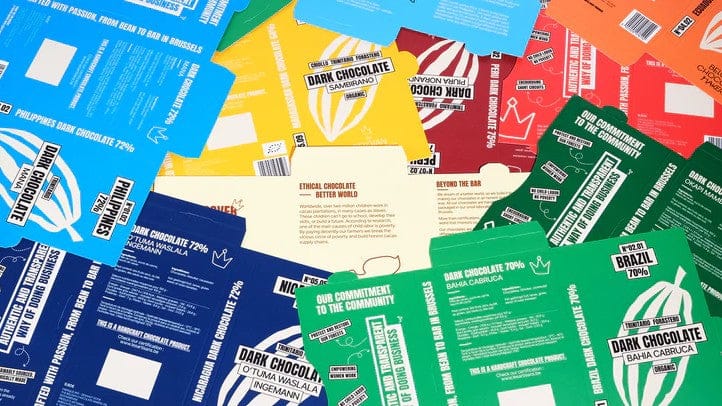
A good label tells you more than the cocoa percentage. Start with the ingredient list. For dark chocolate, fewer ingredients are usually a positive sign. Cacao beans, sugar, and perhaps cocoa butter are often enough. If vanilla or lecithin appears, that does not automatically mean the chocolate is poor, but it can soften or standardize the expression of origin.
Next, look for how the origin is described. “Made in Belgium” is not the same as “cacao from Peru.” One refers to where the bar was produced, the other to where the beans were grown. In craft chocolate, both matter. The origin tells you where the flavor begins. The workshop tells you who shaped it.
Then consider the percentage. Many buyers assume a higher percentage always means better chocolate, but that is too simplistic. An 85% bar may be intense and compelling, or it may be harsh and unbalanced. A 70% bar can reveal origin beautifully if the beans are strong and the maker knows how to handle them. Percentage influences style, not quality on its own.
If the maker shares details about harvest, cooperative relationships, or post-harvest practices, that is a strong sign of transparency. Serious chocolate makers tend to be specific because they know the details matter.
Why bean-to-bar matters in a single origin chocolate guide
Single origin claims are far more meaningful when the chocolate is made bean to bar. That means the maker starts with raw cacao beans and controls roasting, cracking, winnowing, refining, conching, tempering, and molding in-house. This is very different from working with ready-made industrial couverture.
Why does that matter for the buyer? Because origin expression depends on production decisions. A bean-to-bar workshop can adjust the roast to suit a fragile, fruit-forward cacao or extend refinement to improve texture without flattening flavor. That level of control gives the maker a real hand in translating origin into taste.
It also supports transparency. If a brand talks about origin but does not make the chocolate itself, it may still offer quality products, but it cannot speak with the same authority about how the bean was transformed. For anyone buying single origin bars as a culinary product rather than just a sweet treat, that distinction is important.
Ethical sourcing is part of quality
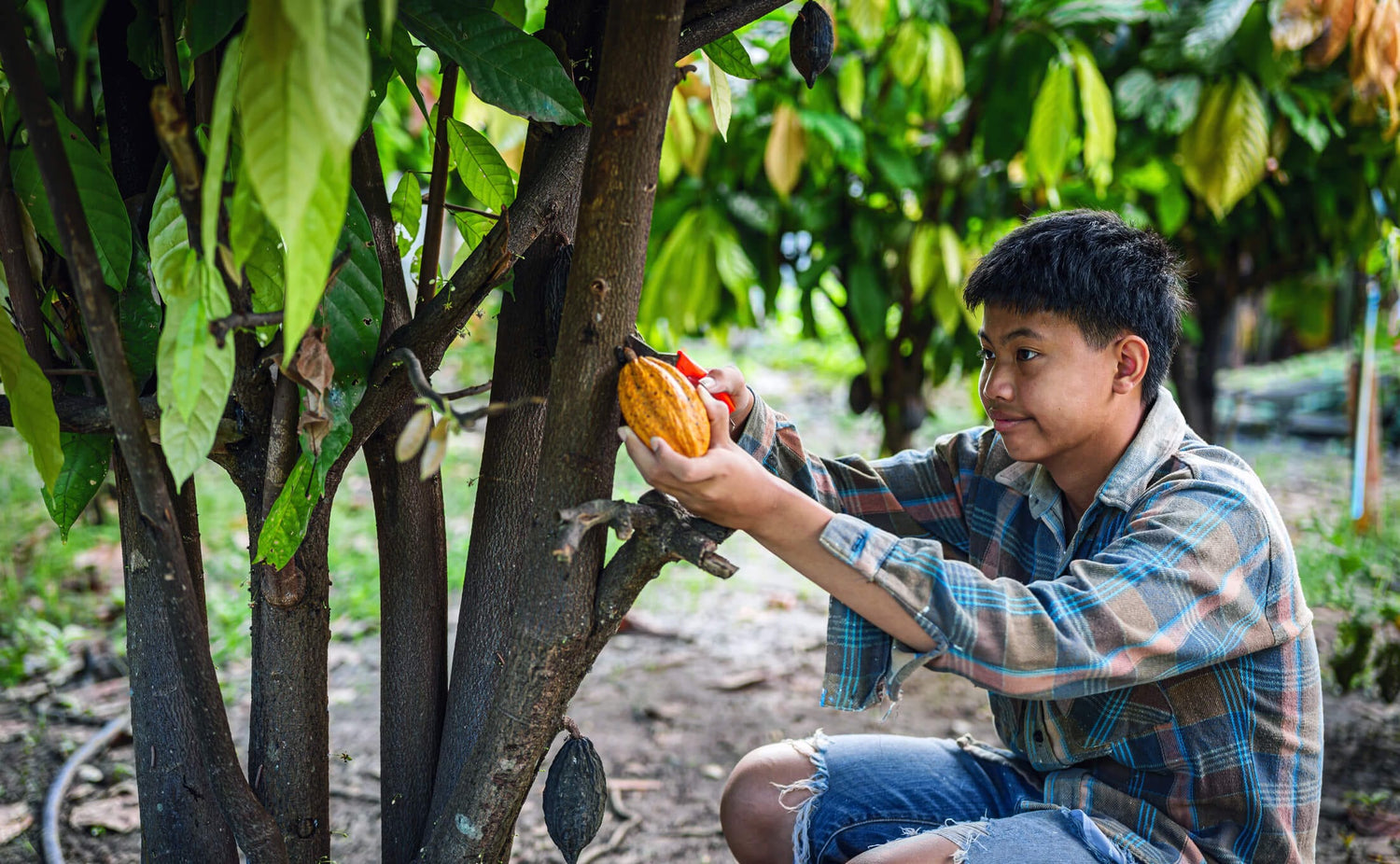
For craft chocolate, ethics and flavor should not be treated as separate subjects. Better sourcing often leads to better cacao because careful harvesting, fermentation, and drying require skill, investment, and stable relationships. When makers pay attention to traceability and long-term partnerships, the result is usually stronger consistency and more distinct flavor.
That said, ethical claims deserve the same scrutiny as origin claims. Buzzwords alone are not enough. Look for concrete signals: named producers or cooperatives, transparent sourcing language, and evidence that the maker understands the supply chain rather than treating it as a marketing backdrop.
There is also a trade-off worth acknowledging. Smaller-batch, transparently sourced chocolate often costs more than mass-market bars. That higher price reflects the realities of quality cacao, careful production, and more responsible purchasing. For many buyers, the difference becomes obvious once they taste the product and understand what goes into it.
How to taste single origin chocolate
Start at room temperature and break off a small piece. Listen for a clean snap, which usually indicates good tempering. Let the chocolate melt slowly instead of chewing immediately. The first impression may be bitterness or sweetness, but the more interesting notes appear after a few seconds.
Pay attention to texture, aroma, and the finish. Does the bar feel silky or grainy? Do you notice fruit, spice, nuts, flowers, or warm baked notes? Does the flavor fade quickly, or does it develop in stages? Single origin chocolate often has a longer, more layered finish than conventional bars blended for uniformity.
It helps to compare two origins side by side at similar percentages. That is when differences become clear. One may seem brighter and more acidic, the other deeper and more rounded. Neither is automatically better. Preference plays a role, and that is part of the pleasure.
If you are buying for gifting, this matters too. A bold, high-percentage bar with sharp fruit notes may impress an experienced chocolate lover, while a softer and more balanced origin may feel more approachable for someone new to craft chocolate.
Common misconceptions
One of the most common misunderstandings is that single origin always means superior. It often signals greater care and identity, but not every bar carrying that label is exceptional. Poor roasting or weak sourcing can still produce disappointing chocolate.
Another misconception is that blended chocolate is inherently inferior. Blending can be thoughtful and skillful when the goal is balance. Some makers create blends to achieve consistency or a specific house style. Single origin is not the only route to quality. It is simply the clearest route to tasting place.
There is also the idea that dark, bitter, and intense automatically equals serious chocolate. In reality, finesse matters more than force. Great single origin chocolate can be elegant, bright, floral, mellow, or richly cocoa-driven. Complexity is not the same as aggression.
How to buy with confidence
If you want a practical standard, buy from makers who explain both origin and process. Look for bean-to-bar production, concise ingredient lists, and language that treats cacao as an agricultural product rather than a generic commodity. A well-made bar should tell you where the beans came from and reflect a deliberate approach to roasting and refinement.
It also helps to buy with purpose. If you want to learn, try several origins in small format and taste them side by side. If you want a gift, choose a maker whose presentation matches the quality of the chocolate. Premium chocolate should feel considered from sourcing to finish.
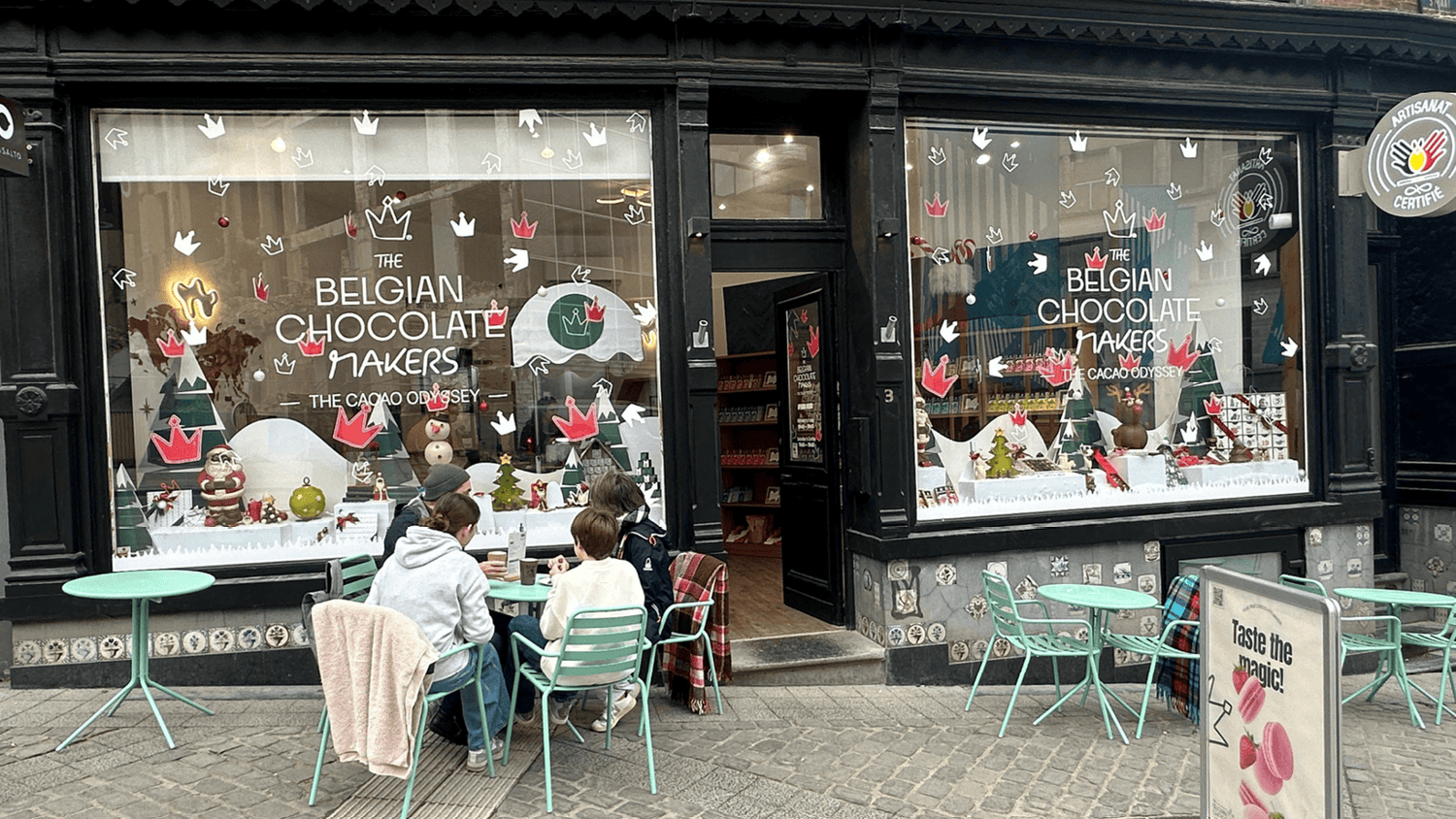
At The Belgian Chocolate Makers, that bean-to-bar approach is central because origin only becomes meaningful when the workshop honors it all the way through production. For the buyer, that means a clearer story in the label and a more honest experience in the tasting.
The best way to use this single origin chocolate guide is not to memorize flavor charts or chase the highest percentage. It is to become more curious. Once you start tasting origin with attention, chocolate stops being just a category of sweets and becomes what it has always had the potential to be: a crafted expression of place, process, and intent.