A square of dark chocolate should not simply taste bitter. It should open gradually: perhaps with red fruit, toasted nuts, warm spice, citrus, or a deep cocoa finish that lingers after it melts. That sense of place and progression is what separates a carefully made dark chocolate from a bar chosen only for its cocoa percentage.
For chocolate lovers, the label can offer useful clues. Yet the most meaningful details are often found beyond the number on the front: the cacao’s origin, the producer’s approach to roasting, the length of refining, and the simplicity of the recipe. Understanding those elements makes choosing chocolate more rewarding, whether the bar is for a quiet moment at home or a gift meant to feel genuinely considered.
Dark chocolate begins with the bean
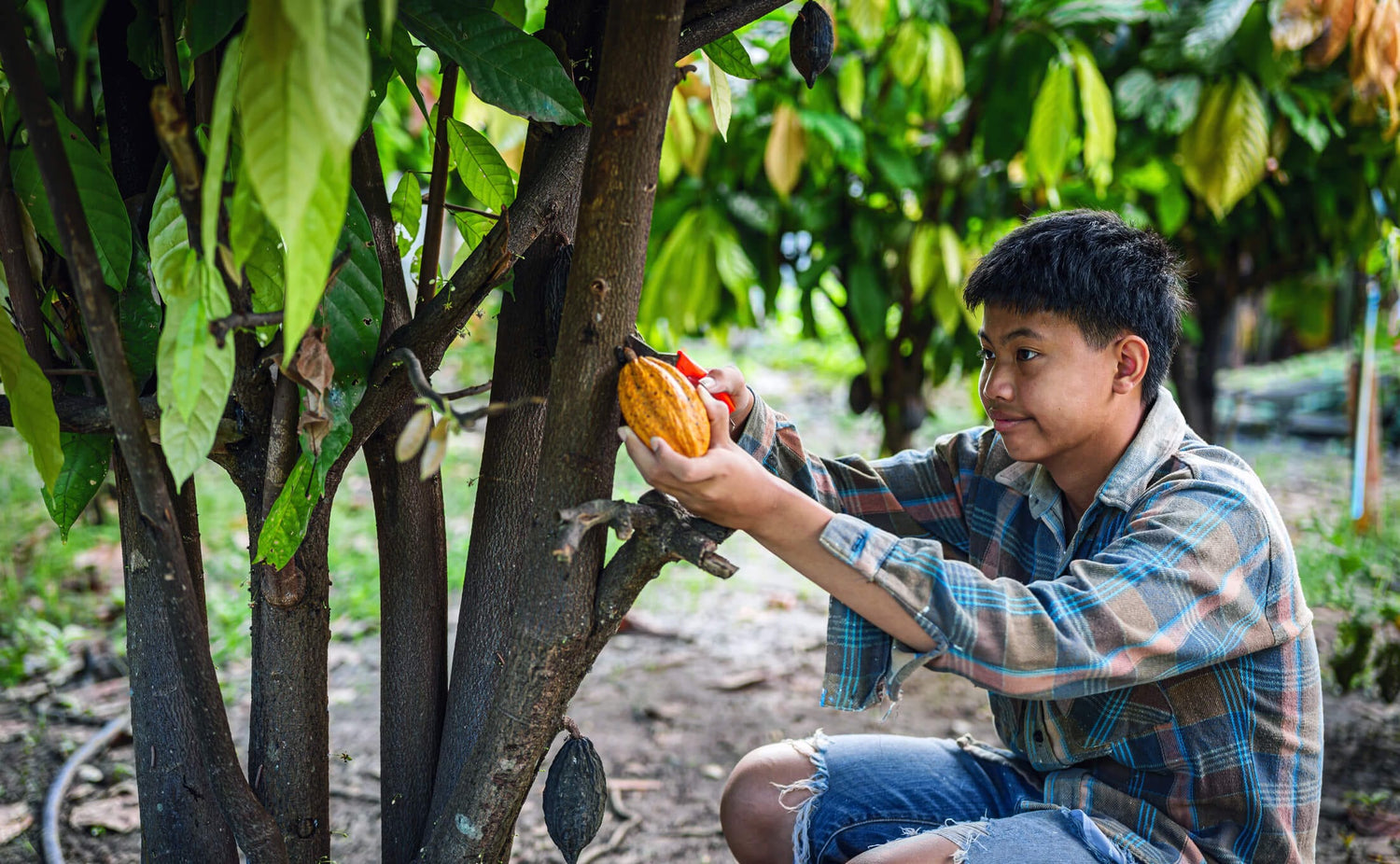
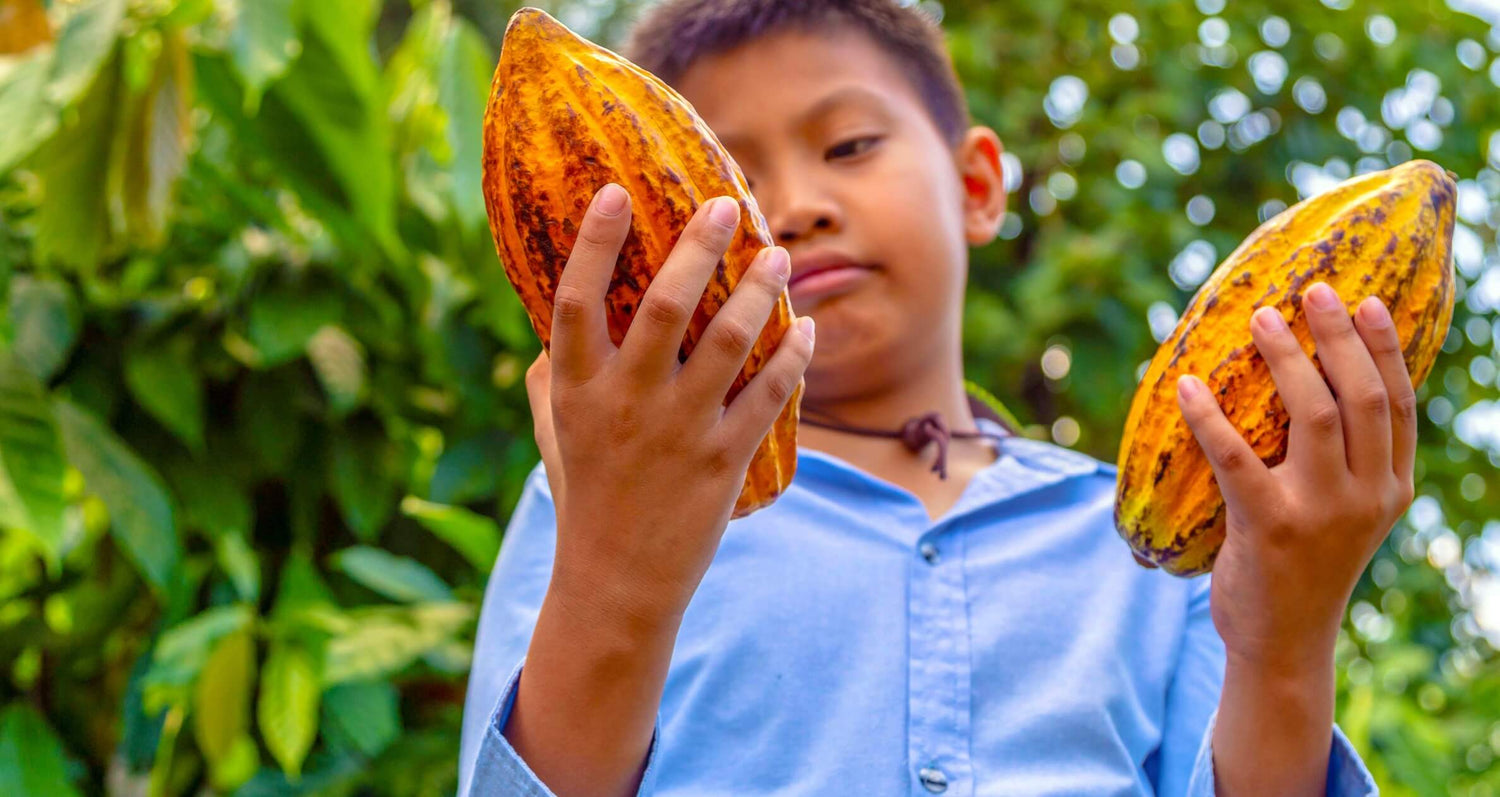
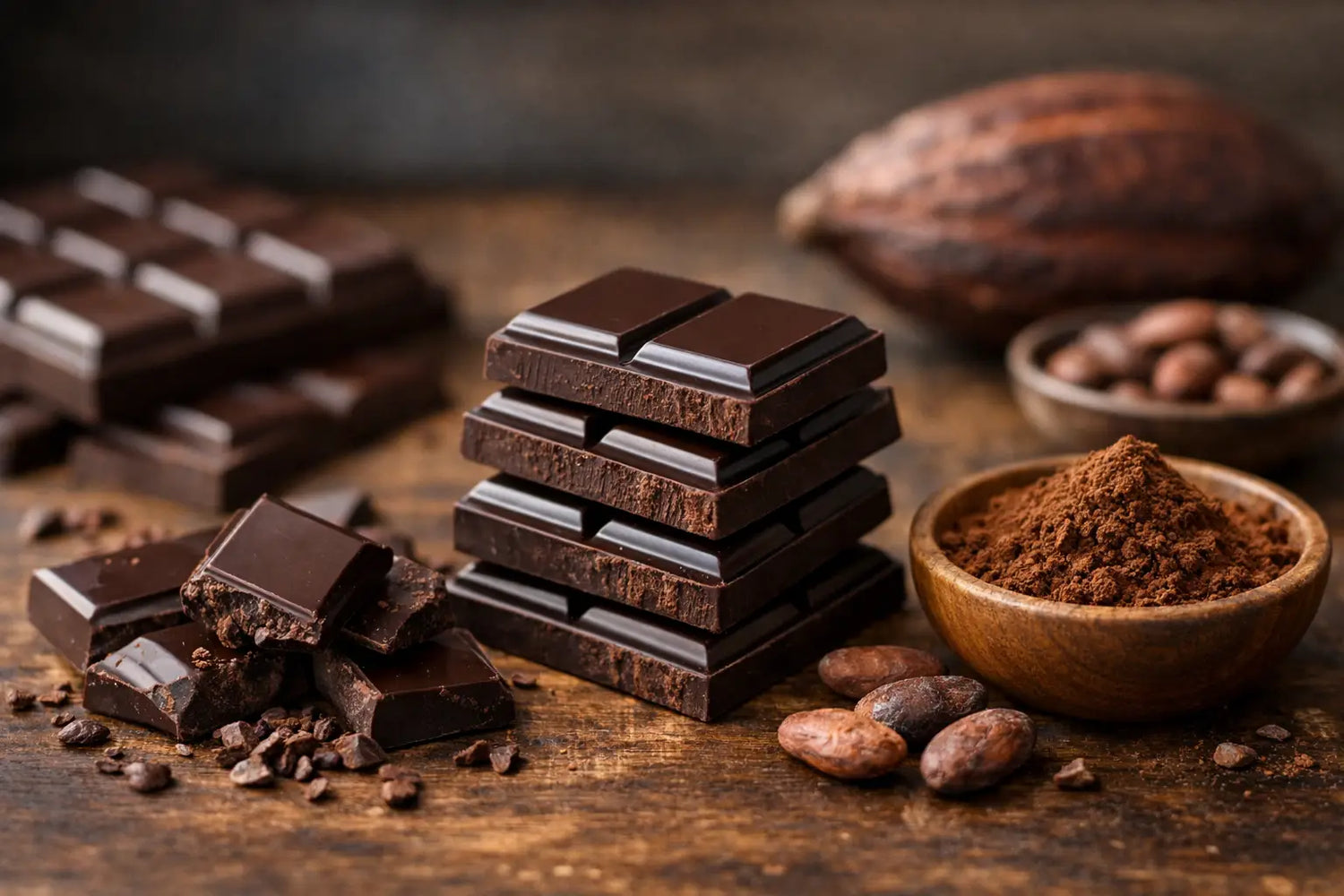
Dark chocolate is made primarily from cacao beans, cocoa butter, and sugar. Unlike milk chocolate, it does not contain milk powder or milk solids, though recipes and production practices vary. The cacao beans themselves provide both cocoa mass, sometimes called cocoa liquor, and cocoa butter. Their natural character is shaped long before they reach a chocolate workshop.
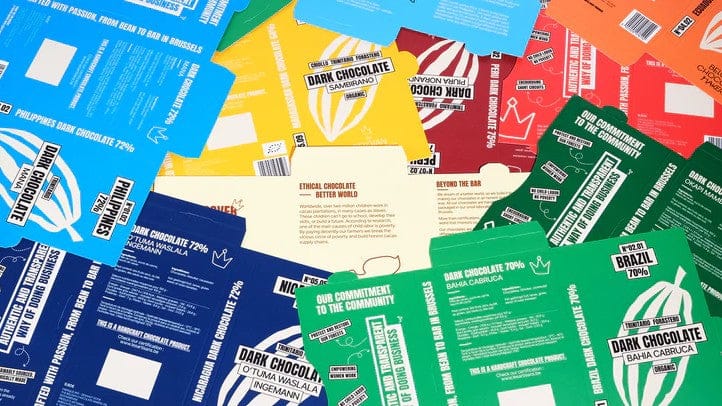
Cacao grows in a narrow tropical belt, and its flavor reflects a combination of variety, soil, climate, harvest timing, fermentation, and drying. A cacao from Madagascar may bring bright berry-like acidity. Beans from Peru can suggest floral or citrus notes, while some West African origins offer a fuller profile of roasted nuts, caramel, and classic cocoa. These are not fixed rules, but useful starting points for tasting.
This is why origin matters. When a chocolate maker identifies the country, region, cooperative, or estate behind a bar, they offer more than a pleasant story. They give the buyer a clearer connection to the ingredient and a more meaningful way to anticipate flavor. Traceability also invites accountability. It allows makers and customers to ask where cacao came from, how it was purchased, and whether quality and long-term producer relationships are being valued.
Single-origin chocolate highlights the character of cacao from one defined place. Blended chocolate can be excellent as well, especially when a maker combines origins deliberately to create balance, depth, or consistency. The distinction is not about declaring one inherently superior. It is about knowing whether the goal is to spotlight a particular harvest or compose a flavor profile with several components.
Ethical sourcing is part of quality
Cacao cannot be called truly exceptional if the people who cultivate it are absent from the conversation. Ethical sourcing is not a decorative claim on packaging. It concerns transparent purchasing practices, respect for farming communities, and a commitment to quality that recognizes the labor and knowledge behind every bean.
Certifications can be useful signals, but they are not the only measure of responsible sourcing. Direct relationships, long-term partnerships, clear origin information, and thoughtful pricing all matter. For the buyer, the most practical approach is to favor chocolate makers willing to explain their sourcing with specificity rather than relying on vague language alone.
What cocoa percentage can and cannot tell you
The cocoa percentage tells you how much of a bar comes from cacao ingredients, usually cocoa mass and cocoa butter. A 70% dark chocolate bar contains 70% cacao ingredients and roughly 30% sugar, before considering small additions such as vanilla. It is a helpful reference point, but it is not a flavor score.
A higher percentage does not automatically mean a better bar, a less sweet bar, or a more sophisticated one. An 85% chocolate can be beautifully smooth and aromatic when the beans and recipe are well chosen. It can also taste harsh, dry, or overly astringent if bitterness has not been balanced. Likewise, a 60% bar can offer remarkable depth while remaining round and approachable.
For many people, 70% to 75% is an excellent place to begin. It provides enough cacao intensity to reveal origin character while leaving room for sweetness and texture. Those who prefer a more intense, less sweet profile may enjoy 80% and above. The right percentage depends on your palate, the cacao, and the maker’s intent.
Ingredient lists offer another valuable clue. For a plain dark bar, fewer ingredients often allow the cacao to speak more clearly. Cacao beans or cocoa mass, cocoa butter, and sugar are a strong foundation. Vanilla may be used with restraint. Added emulsifiers are common in industrial chocolate, but they are not essential to every recipe, particularly when chocolate is carefully refined and conched in small batches.
How bean-to-bar making shapes flavor
Bean-to-bar chocolate means that the maker takes responsibility for the transformation of cacao beans into finished chocolate. The work includes sorting, roasting, cracking and winnowing, grinding, refining, conching, tempering, molding, and finishing. Each stage influences the result.
Roasting is especially consequential. It develops aroma, reduces moisture, and helps reveal the bean’s character. Too little roasting can leave flavors raw or vegetal. Too much can flatten delicate fruit and floral notes beneath a uniform roasted taste. There is no single ideal roast because each cacao origin responds differently.
After roasting, the nibs are ground until their natural cocoa butter releases and forms a fluid paste. Sugar is incorporated, then the chocolate is refined to reduce particle size and create a smooth texture. Conching continues the development, improving flow and rounding the flavor. This stage can soften unwanted sharpness, but excessive processing may also mute a distinctive origin.
At The Belgian Chocolate Makers, chocolate is crafted from carefully sourced beans in the workshop rather than built from purchased industrial couverture. That in-house control makes it possible to make deliberate decisions at every stage, from roast profile to texture and final finish. It also reflects a more direct expression of Belgian chocolate craftsmanship: precision, generosity, and respect for the ingredient.
Texture is a mark of care
Quality dark chocolate should snap cleanly when broken, then melt smoothly rather than feeling grainy, waxy, or pasty. The snap comes from proper tempering, a controlled process that stabilizes cocoa butter crystals. Tempering also gives chocolate its gloss and helps it release cleanly from its mold.
A white or gray film on chocolate is called bloom. Fat bloom occurs when cocoa butter rises to the surface, while sugar bloom results from moisture exposure. Bloom does not necessarily mean the chocolate is unsafe to eat, but it can affect texture and appearance. Proper storage reduces the risk.
A better way to taste dark chocolate
Taste a small piece at room temperature. First look at the surface: a well-tempered bar should appear even and lightly glossy. Break it and listen for the snap. Then let a piece rest on your tongue rather than chewing it immediately. As the cocoa butter melts, the flavor will move through several stages.
You may notice the first impression is sweet, tangy, or roasted. A few seconds later, fruit, nuts, spice, coffee, or earthier notes may emerge. The finish matters too. A refined chocolate leaves a clean, pleasant aftertaste, while poor balance can leave a burnt, chalky, or aggressively bitter impression.
A neutral drink such as water is usually enough between tastings. Coffee, tea, whisky, and wine can be enjoyable pairings, but they can also overpower subtle chocolate. If you are comparing several bars, begin with the lower cocoa percentage or gentler origin, then move toward more intense styles.
Choosing dark chocolate for gifting
A dark chocolate gift feels more personal when it offers a small experience, not just a high cocoa number. Consider the recipient’s taste. A single-origin bar is well suited to someone curious about food and provenance. An assortment of pralines or truffles can be a more generous choice for sharing. Mendiants bring texture and visual appeal through fruit and nuts, while an elegant gift box suits an occasion where presentation matters as much as flavor.
For someone new to craft chocolate, choose a balanced bar in the 60% to 75% range, or pair a classic dark chocolate with a contrasting origin. For a dedicated enthusiast, a higher-percentage bar or a selection that compares origins can make the gift more memorable. The aim is not to impress with intensity alone. It is to offer something made with discernment and pleasure in mind.
Store dark chocolate in a cool, dry place away from sunlight and strong odors. A temperature around 15-20°C (60 to 68 degrees Fahrenheit) is ideal. Refrigeration is usually unnecessary and can introduce moisture when the chocolate is brought back to room temperature. Before serving, allow it to rest for a few minutes so its aroma and texture can fully express themselves.
The finest dark chocolate rewards attention, but it does not demand ceremony. Choose a bar with a clear story, a thoughtful recipe, and a flavor that invites another square. That is often the most reliable sign that real care began with the bean.