Introduction: Why single-origin chocolate reveals terroir
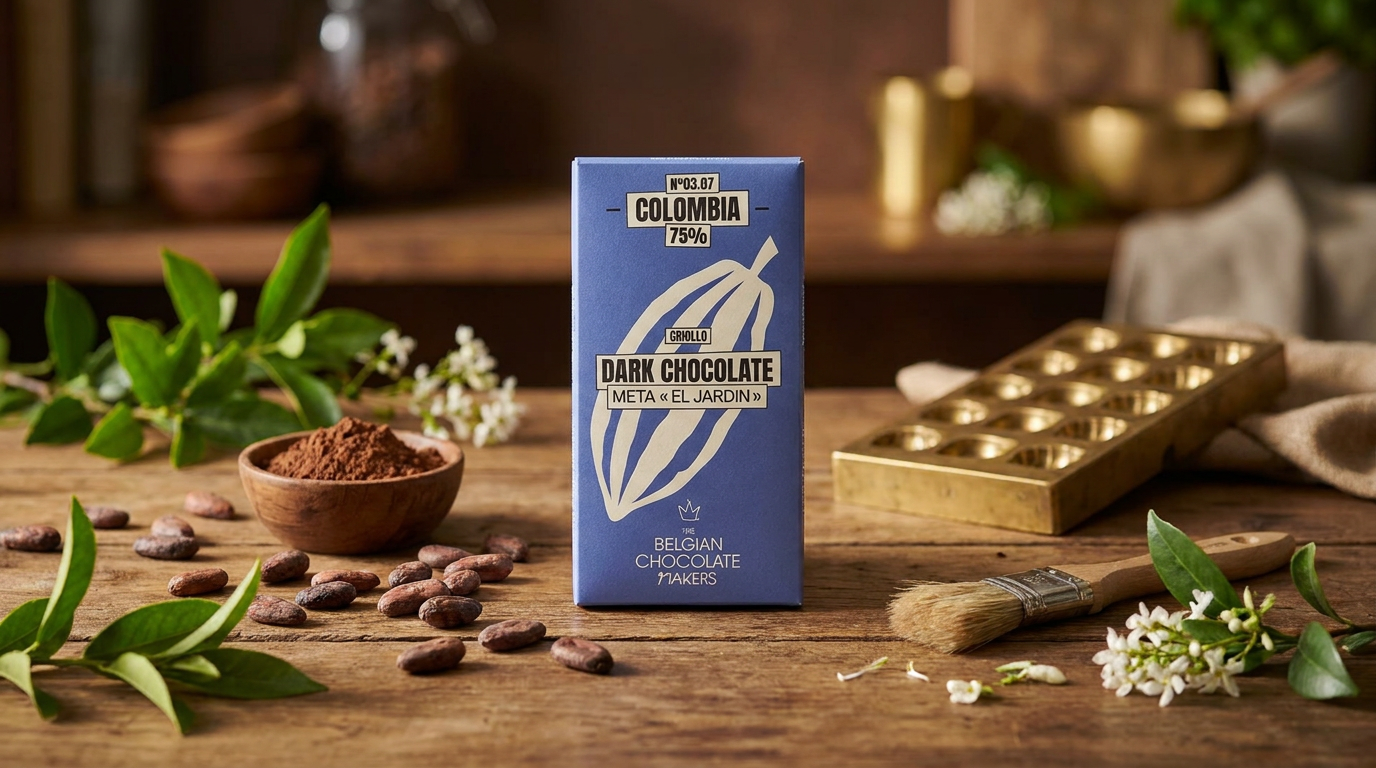
In the evolving world of chocolate appreciation, discerning eaters are increasingly seeking bars that tell a place as clearly as a wine tells a vintage. A single-origin bar spotlights a defined terroir, the climate, soil, and landscape that shape the cacao bean’s character, while also highlighting the craft that transforms beans into finished chocolate. The Colombia Meta El Jardin 75% is a compelling example: a dark chocolate bar crafted in Brussels from rare Criollo cacao grown in Meta, Colombia. Its refined fruity elegance and nuanced terroir invite a mindful tasting that goes beyond cacao percentage or sweetness alone.
What matters when choosing a 75% dark chocolate
- Cocoa solidity and balance: A 75% bar aims for a balance between bitter, astringent notes and the sweeter, fruity or floral descriptors. The exact profile depends on bean variety, fermentation, and roasting.
- Bean variety and origin: Criollo beans are often prized for aromatic intensity and nuanced flavors, which can emerge more clearly in higher-quality, single-origin bars like this one.
- Terroir and region: The origin,here, Meta in Colombia, imprints characteristic fruit, wood, and honey notes that distinguish the bar from blends.
- Processing and craftsmanship: Fermentation, drying, roasting, and conching all sculpt flavor. A bar crafted in Brussels from carefully sourced cacao often reflects a careful balance between bean influence and a refined chocolate-making process.
- Freshness and packaging: Chocolate is best enjoyed within reasonable freshness; packaging that protects from heat and light helps preserve aroma and texture.
- Ethical sourcing and storytelling: Understanding where the cacao comes from and who crafted it can deepen appreciation and contribute to informed purchasing decisions.
The terroir of Meta, Colombia, and what it means for flavor
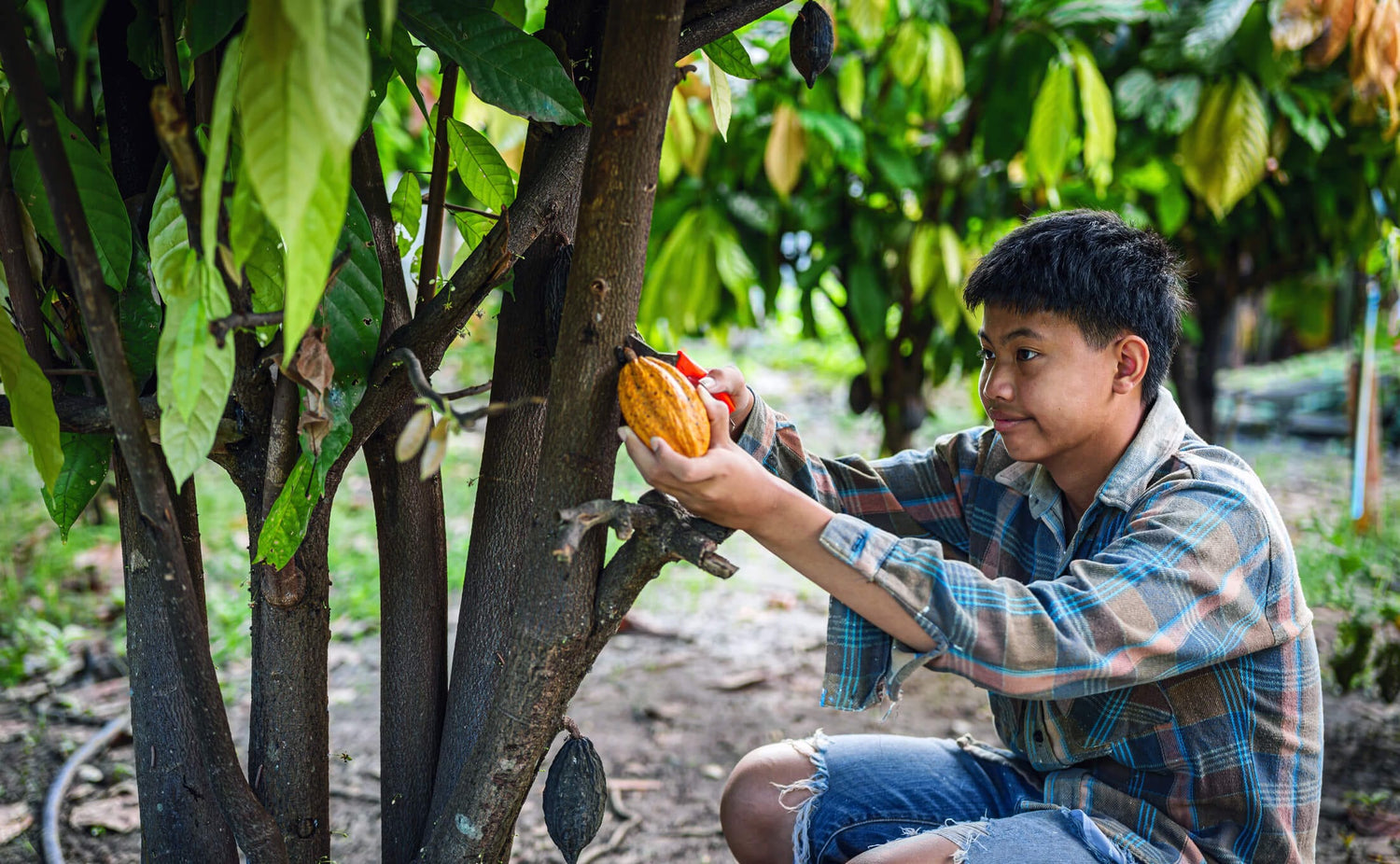
The Meta region of Colombia is known for its elevated plateaus, misty mornings, and rich soils that foster complex cacao profiles. In bars like this, you might notice a fruity zing reminiscent of red berries or tropical citrus, beneath a structured backbone that hints at woody or honeyed undertones. These flavors arise from a combination of altitude, microclimate, fermentation practice, and the unique genetics of Criollo cacao, rare and prized for their aromatic complexity. When a chocolatier connects Meta cacao with a deliberate roast and a skilled conching process, the result is a chocolate that communicates a sense of place with every bite.
The description on this particular bar speaks to a refined, fruity elegance and a tangible terroir. In the context of 75% cacao, those fruit-forward notes typically present themselves as bright, crisp accents that hold up against the chocolate’s bitterness, while subtle woody undertones provide depth and structure. A good single-origin chocolate reveals an evolving flavor profile across the palate, from aroma to finish, rather than delivering a single, flat chocolate impression.
Meta El Jardín: from farm to bar
Handcrafted in Brussels, this exclusive single-origin bar uses Criollo cacao from Meta to create a refined, elegant chocolate experience. The label emphasizes rare Criollo genetics, which contribute to the bar’s aromatic complexity and delicate fruit notes. As a product of careful sourcing and meticulous craft, the bar aims to preserve the terroir while delivering the smooth, clean melt associated with premium chocolate. The combination of origin, bean selection, and artisan technique results in a bar that invites curiosity: you might notice perfume-like fruit flavors, nuanced sweetness, and a lingering cacao finish that respects the cacao’s origin as much as the chocolatier’s process.
Tasting notes and how to evaluate
When you unwrap a high-quality single-origin bar, begin with aroma. Bring a square close to your nose and inhale slowly. In a bar like this, you may perceive fruity aromas that hint at red berries or orchard fruits, layered over a mild woody or honey sweetness. As the chocolate touches your tongue, observe how it melts. The mouthfeel should be smooth, with a comfortable gloss on the palate rather than a chalky sensation. In terms of flavor, look for a progression: a bright fruit-forward opening that gradually gives way to deeper, more restrained chocolate body with woody or nutty undertones. The 75% cacao level typically provides enough structure to carry this progression without overpowering the palate with bitterness.
- Aroma: Fresh fruit notes, light floral hints, subtle chocolate musk.
- Palate: Moderate melt with a glossy sheen, yielding a clean cocoa base.
- Flavor progression: Starting fruit-forward, evolving into woody and honeyed tones, then returning to a balanced finish.
- Finish: A lingering sweetness that never dominates the bitterness, with a memory of the fruit notes and a refined cacao backbone.
Pairings and serving suggestions
- Pair with a light to medium roast coffee to accentuate the chocolate’s fruit notes without overpowering them.
- Try alongside a glass of dry red wine or a crisp white like Sauvignon Blanc to highlight acidity and fruit-forward character.
- Complement with toasted almonds, citrus zest, or dried berries to echo the bar’s natural notes.
- Serve slightly warm (not melted) to release aromatics, then finish with a small bite of citrus or roasted nuts for contrast.
Storage and maximizing the chocolate experience
To preserve aroma, texture, and flavor, store chocolate in a cool, dry place away from direct sunlight and strong odors. Ideal storage temperatures are typically just below room temperature, around 16–20°C (60–68°F). Keep the packaging intact to protect the bar from moisture and heat spikes, and avoid rapid temperature changes that can cause bloom or texture changes. When you’re ready to enjoy, snap off a small piece to awaken the scent, let it melt slowly on the tongue, and focus on the evolving flavor trajectory from fruity notes to a more grounded cacao finish.
Buying considerations and how this bar compares to others
If you’re choosing a 75% single-origin chocolate, consider what you’re seeking: a chocolate that tells a precise place and offers a poised, balanced flavor. The Colombia Meta El Jardin 75% stands out for its rare Criollo cacao and careful craft, providing an elegant, fruit-forward profile without overpowering bitterness. When comparing, think about your preferred flavor arc; do you want a bright fruit opening with a longer, nuanced finish? Do you value the story of the cacao’s origin and the craft behind the bar? For collectors and everyday enjoyment alike, a bar like this offers depth, versatility in pairings, and a tasting experience that can evolve over multiple sessions.
Conclusion: savor the craft and the place
Single-origin chocolate is a celebration of where cacao comes from and how it is treated by people who care about its origin. The Colombia Meta El Jardin 75% embodies that spirit: a bar that invites you to slow down, pay attention to aroma and texture, and explore how terroir can shape each bite. Whether you’re a curious newcomer or a seasoned taster, this chocolate offers a thoughtful, elegant journey through cacao’s rich landscape.