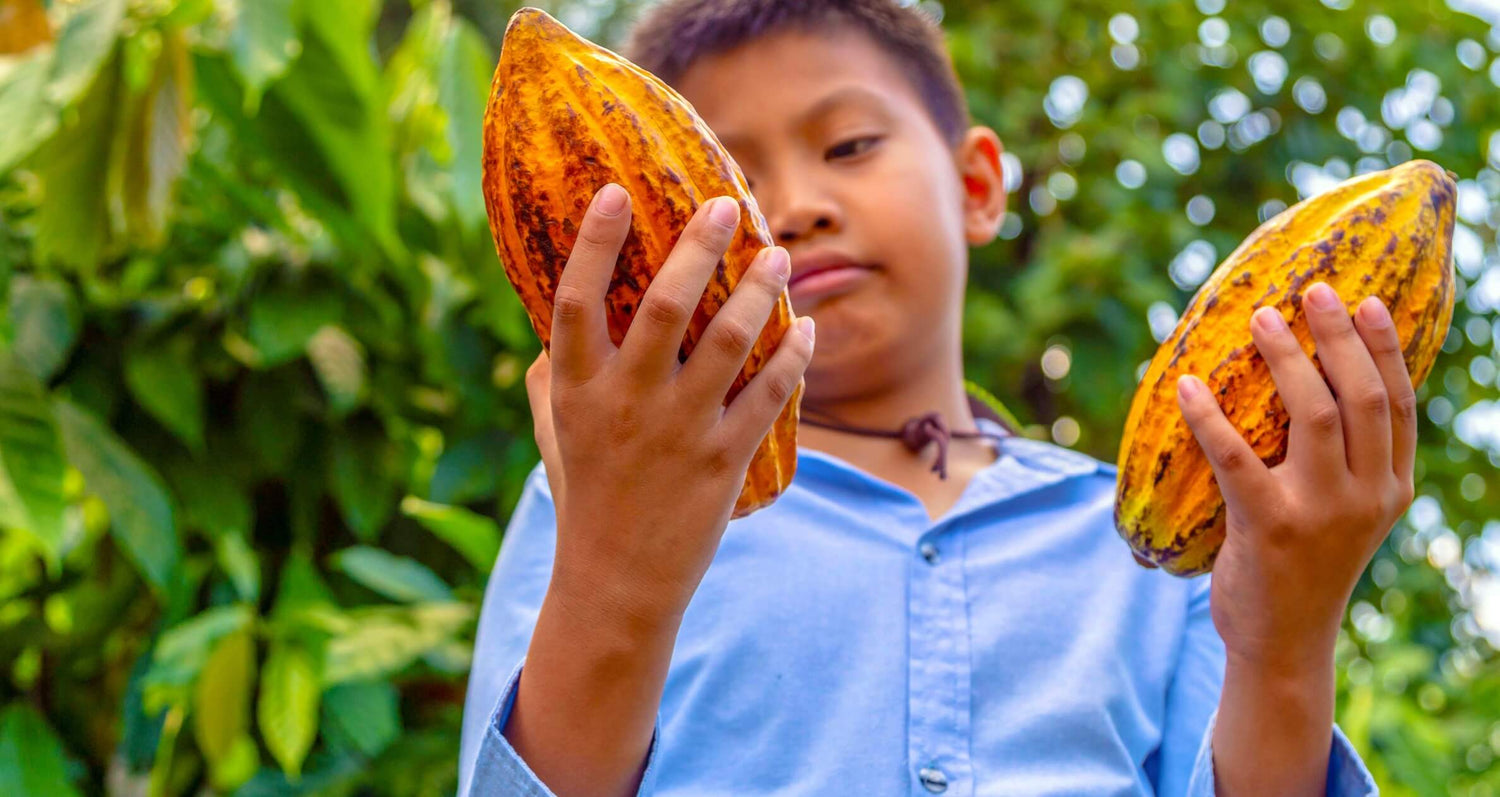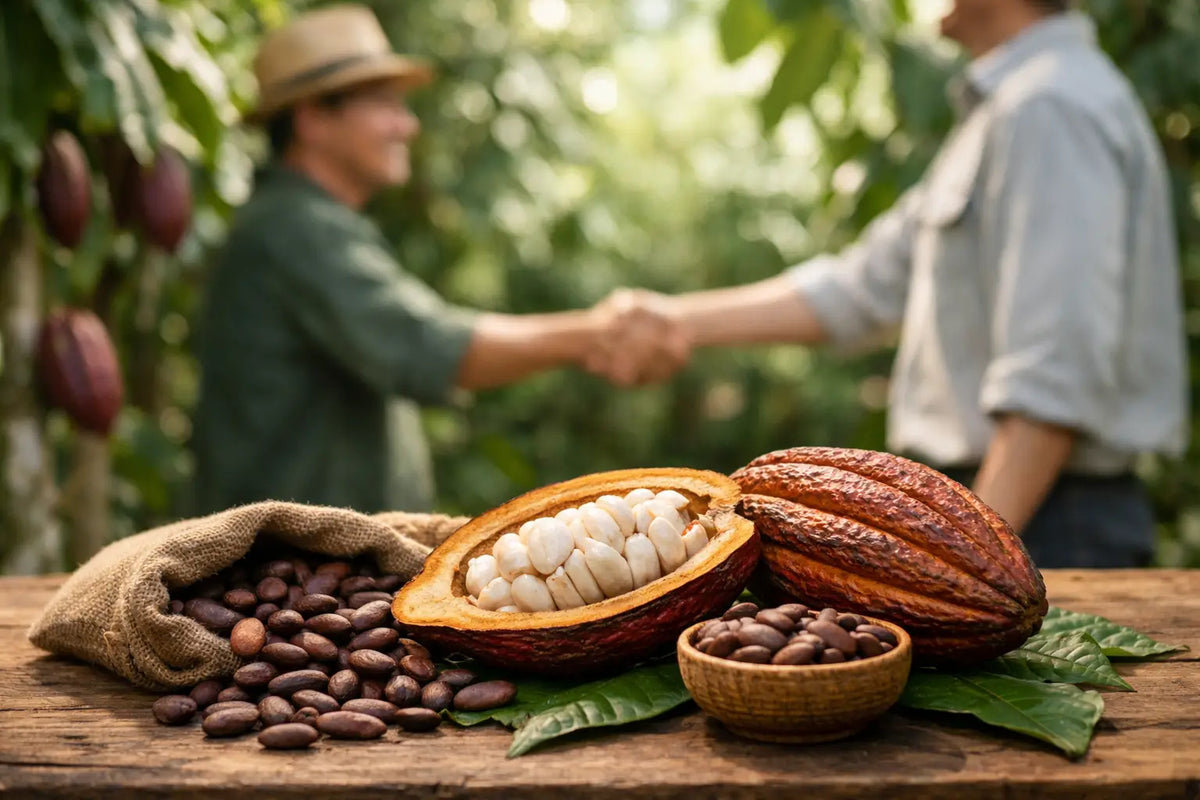
A chocolate bar can name a country, a region, even a farm. But ethical cacao sourcing trends ask a more meaningful question: what does that information change for the people growing the beans? For thoughtful chocolate buyers, origin is no longer simply a tasting note. It is a starting point for understanding quality, livelihoods, land stewardship, and the care behind every finished piece.
Fine chocolate has always depended on exceptional cacao. What is changing is the expectation that exceptional flavor and responsible sourcing should belong together. The most credible makers are moving beyond broad claims and building sourcing practices that can be explained clearly, examined honestly, and sustained over time.
Ethical cacao sourcing trends are moving beyond labels
Certification remains useful. Standards can establish a baseline for labor practices, environmental management, and supply-chain documentation, particularly in large and complex cacao markets. Yet a seal on its own cannot describe every reality of a farming community, nor can it guarantee that a farmer earns enough to support a family and reinvest in the farm.
That is why the conversation is shifting from certification alone toward relationships, transparency, and measurable outcomes. Buyers increasingly want to know who grew the cacao, how the price was determined, whether premiums reach producers, and how long a purchasing relationship has lasted. Those questions are more demanding than asking whether a product is labeled ethical, but they are also more useful.
For bean-to-bar makers, this shift is especially significant. Working with identified lots and smaller supply chains makes it possible to connect flavor decisions to sourcing decisions. A maker can preserve the distinct fruit, floral, nutty, or caramel notes of a harvest while also sharing the story of the cooperative, exporter, or farm group behind it. That connection gives origin real substance.
Traceability is becoming more specific
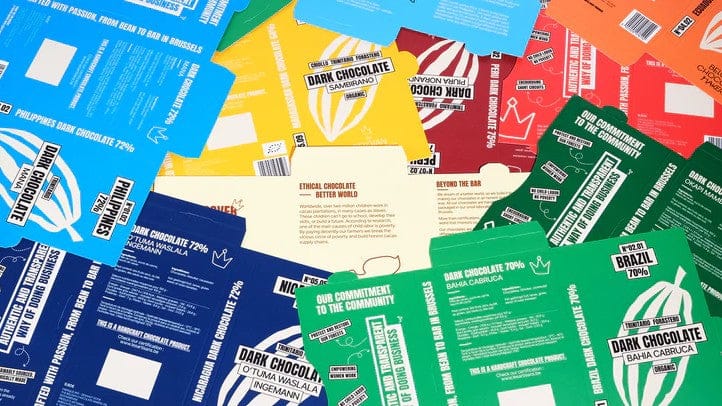
“Single origin” is not a fixed promise. It may refer to an entire country, a particular growing region, a cooperative, or a single estate. Each can be meaningful, but they offer different levels of detail. Ethical sourcing increasingly favors specificity: clear information about where beans come from, who handles them along the way, and what can genuinely be verified.
This does not mean every smallholder farmer must be named publicly. Privacy, safety, and the practical realities of aggregation matter. It does mean that chocolate makers should be able to speak precisely about their partners and avoid vague origin language that creates an impression of transparency without delivering it.
For customers, a useful sign is consistency. When a maker explains an origin across a bar, a gift box, or a seasonal creation, the details should remain grounded in the actual cacao used. A harvest may change, and flavor can change with it. That honesty is a mark of craft, not a shortcoming.
Fairer value sharing is the harder standard
Cacao farmers carry much of the risk in chocolate production. They work with variable harvests, shifting weather patterns, crop disease, local infrastructure constraints, and volatile market prices. Yet the value of finished chocolate is often created far from the farm, through processing, branding, retail, and gifting.
One of the most important ethical cacao sourcing trends is the effort to address this imbalance through better pricing and more durable buying commitments. A price above the commodity market can be meaningful, but context matters. Is it set before harvest? Does it account for quality? Is it stable enough to help a producer plan? Does it include support for fermentation, drying, transport, or community priorities?
There is no single formula that works in every origin. Direct trade can shorten the chain and improve communication, but it is not automatically fair. A direct relationship still needs respectful negotiation, reliable payment, shared expectations, and an understanding of local conditions. Likewise, a cooperative model may involve more intermediaries, yet offer valuable services such as training, quality control, access to financing, and collective bargaining power.
The strongest approach is not the one with the simplest story. It is the one that creates dependable value for producers while preserving the quality and character that fine chocolate buyers seek.
Quality premiums should reward skilled work
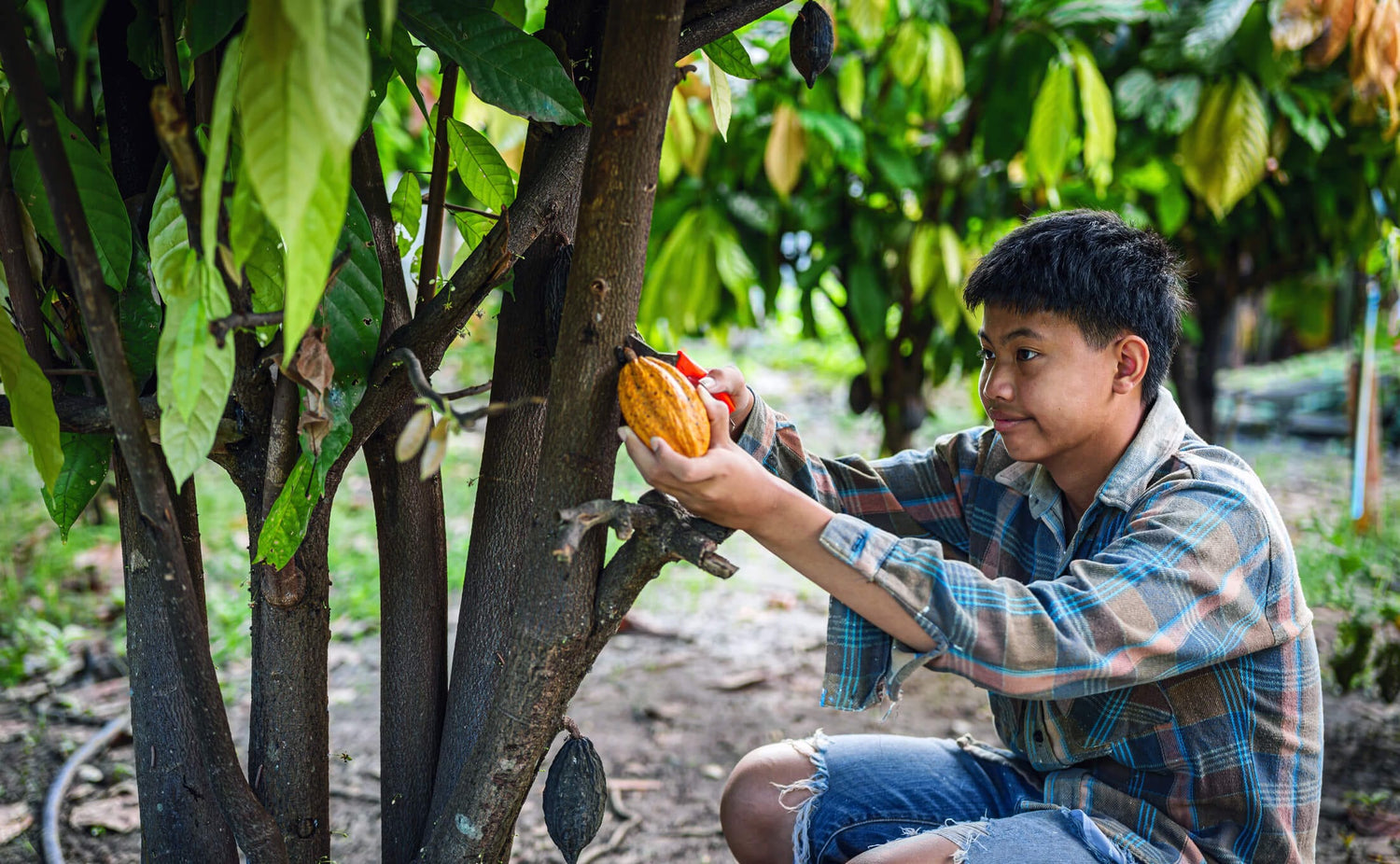
Fine-flavor cacao is not merely grown. It is carefully harvested, fermented, dried, sorted, stored, and transported. Fermentation in particular shapes the complexity a chocolate maker can later reveal through roasting and refining. When producers are paid only for volume, there is little incentive or capacity to invest in the exacting post-harvest work that fine cacao requires.
Quality-based premiums can recognize this expertise. They can also encourage collaboration between growers, fermentation centers, and chocolate makers, with feedback traveling in both directions. A maker may share how a particular fermentation profile performs in a finished bar; a producer may explain the weather conditions or processing decisions behind a lot. Over time, this exchange strengthens both flavor and sourcing resilience.
Climate resilience is now part of ethical sourcing
Cacao is sensitive to its environment. Extended dry periods, intense rainfall, rising temperatures, and new pest pressures can all affect yields and quality. Ethical sourcing cannot be separated from climate resilience because farmers cannot maintain a viable livelihood if their land becomes less productive each year.
Agroforestry is receiving deserved attention. Growing cacao alongside shade trees and other crops can help protect soil, support biodiversity, moderate heat, and diversify farm income. The model is not identical everywhere, and poorly planned shade can create its own challenges. Still, well-managed agroforestry offers a compelling alternative to systems that depend on clearing more land for short-term production.
For chocolate makers, climate-aware sourcing also means accepting that consistency has limits. A harvest from the same region may taste different after an unusually wet season. Respecting cacao as an agricultural product means working with those variations rather than forcing every bar into a standardized profile. At The Belgian Chocolate Makers, transforming carefully selected beans in our own workshop makes that attention to each lot part of the craft.
Data can help, but it cannot replace relationships
Digital traceability tools, farm mapping, and supply-chain reporting are becoming more common. They can help identify deforestation risks, document sourcing routes, and support compliance with evolving regulations. Used well, these systems create a clearer record of where cacao comes from and where improvement is needed.
But data is only as trustworthy as the way it is collected and used. A map does not tell a farmer whether a buyer will return next season. A dashboard cannot replace a conversation about price, harvest quality, or a community’s priorities. Technology is most valuable when it supports accountability without turning producers into entries in a database.
Consumers do not need to become supply-chain auditors before enjoying a piece of chocolate. They can, however, look for makers willing to communicate with precision. Details about origin, sourcing partners, harvest variation, and production methods are more meaningful than polished but empty language about doing good.
Why bean-to-bar production makes the difference visible
When a chocolatier begins with industrial couverture, many of the decisive choices have already been made elsewhere. Bean-to-bar production brings roasting, cracking, winnowing, refining, conching, and molding into the maker’s hands. It does not make sourcing ethical by itself, but it creates a closer relationship between the raw ingredient and the finished chocolate.
That closeness can reveal why responsible sourcing is worth protecting. A carefully fermented cacao may develop a clean, layered flavor that needs little interference. A less precise lot may require different roasting or refining choices. In either case, the maker is accountable for translating the bean’s potential into chocolate with clarity and care.
For gift buyers, this is part of what makes artisan chocolate feel considered. The story is not added after the fact. It begins with the bean and continues through every stage, from the origin of the cacao to the presentation of a praline, truffle, or bar.
Choosing chocolate with better questions
Ethical chocolate should not ask customers to accept perfection. Cacao supply chains are shaped by real economic and environmental pressures, and meaningful progress takes time. It should ask for honesty, evidence, and a willingness to improve.
Look for clear origin information, thoughtful language about sourcing relationships, and makers who understand that quality and ethics are connected. Be cautious of sweeping promises with no explanation. A premium price alone is not proof of responsible sourcing, but neither should buyers expect farmers and chocolate makers to absorb the cost of better practices without paying for the value created.
The most promising future for cacao is one where a remarkable chocolate experience supports the people and landscapes that make it possible. Choosing with curiosity is a small act, but it helps make that future worth building.