A polished chocolate shell gives little away at first glance. In a gift box, pralines versus bonbons can appear almost identical: small, glossy, carefully decorated, and made for a single luxurious bite. Yet the words carry different meanings depending on where you are, what is inside, and how the chocolate was made.
For anyone choosing a thoughtful gift or looking more closely at Belgian chocolate, understanding the distinction adds real pleasure to the experience. It helps you recognize why a crisp shell, a fresh ganache, or a delicate nut filling deserves more attention than a pretty finish alone.
Pralines versus bonbons: the essential distinction
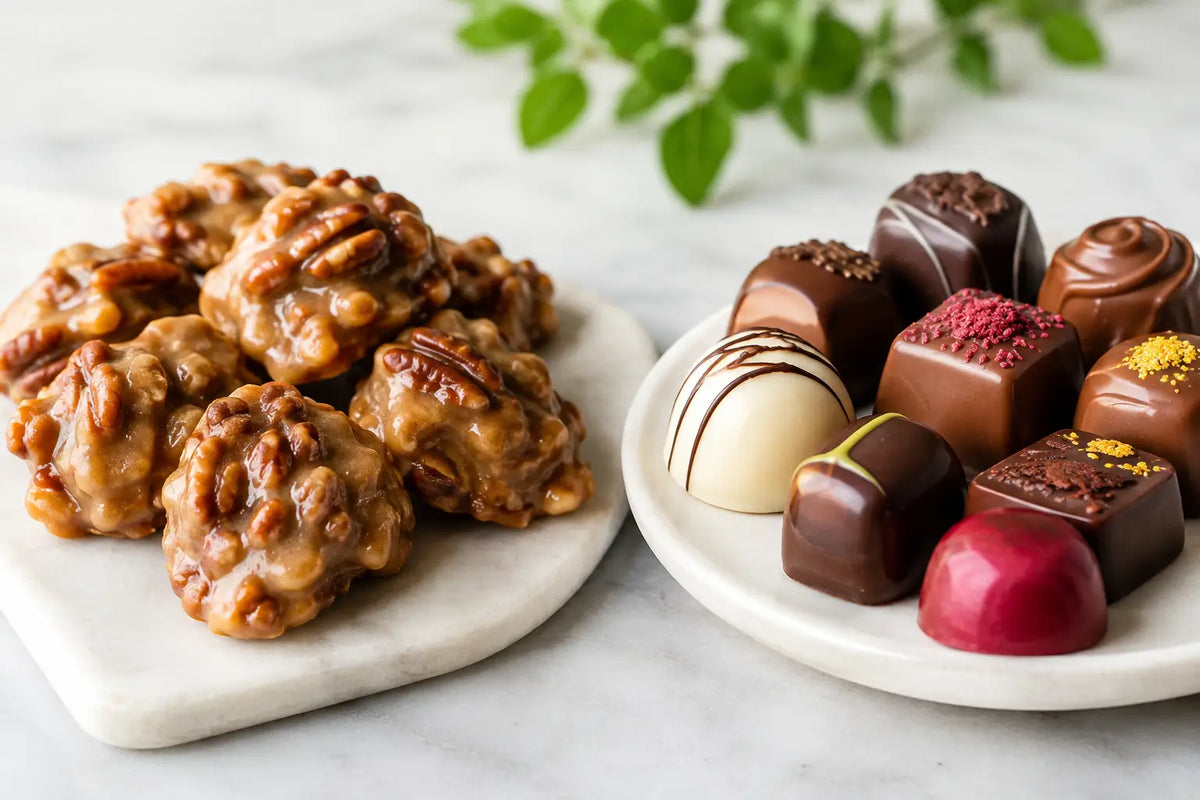
In Belgium, a praline is a chocolate confection with a molded chocolate shell and a filling. That filling may be ganache, praline paste, caramel, fruit puree, marzipan, or a liqueur-infused cream. The shell is not simply packaging. It contributes snap, aroma, and balance, and it should complement rather than overpower the center.
The Belgian praline is closely tied to the tradition of the ballotin, the elegant box designed to protect delicate filled chocolates. It is a format built for variety: one piece might hold a dark chocolate ganache, another a hazelnut praline, another a bright raspberry center. Each is intended to offer a distinct texture and flavor within one composed bite.
Bonbon is the broader, less precise term. In French, bonbon can refer to candy generally. In American usage, it often describes a small confection that may be chocolate-coated and filled, but it does not necessarily follow the Belgian convention of a molded shell. A bonbon may be dipped by hand, enrobed in chocolate, or made with ingredients ranging from fondant to coconut, caramel, nuts, or cream.
So, a Belgian praline can reasonably be called a bonbon in a broad sense. But not every bonbon is a Belgian praline. The distinction matters most when a name is being used to communicate a specific style of craftsmanship.
Why the word “praline” causes confusion
The word praline changes character across borders. In Belgian chocolate, it usually means a filled chocolate. In much of the United States, a praline is a cooked sugar confection, traditionally made with pecans and associated with New Orleans. It has a creamy, fudge-like texture and may contain no chocolate at all.
There is also praline paste, an essential ingredient in many European filled chocolates. This is made by caramelizing sugar with nuts, usually hazelnuts, almonds, or both, then grinding the mixture into a smooth or slightly textured paste. A praline filling made with this paste offers toasted nuttiness, caramel depth, and a soft melt.
These meanings are related by history but lead to very different expectations. If an American shopper asks for a praline, they may picture pecans and brown sugar. If a Brussels chocolatier offers a praline, they are likely presenting a filled chocolate with an exterior shell. Neither usage is wrong. The useful question is what style of confection is being offered.
The shell makes a Belgian praline distinctive
A traditional Belgian praline is often formed in a mold. Tempered chocolate is spread into cavities, creating a fine shell; the filling is piped inside; then the piece is sealed with more chocolate. Proper tempering gives the finished praline a clean snap, an even shine, and a stable texture.
This method asks a great deal of the chocolate itself. A shell that is too thick can dominate the center. One that is too thin can break before it reaches the customer. If the chocolate is poorly tempered, it may look dull, develop bloom, or lose its satisfying crispness.
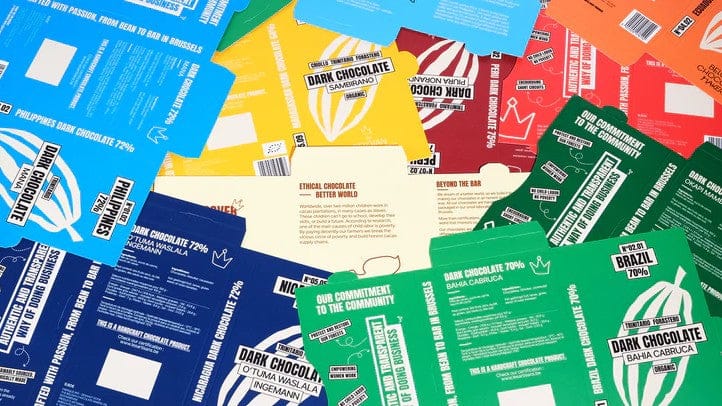
At a bean-to-bar workshop, those details begin well before molding. Roasting, refining, conching, and tempering shape the cacao's natural character. A floral, fruit-forward cacao may lift a berry ganache; a deeper, more roasted profile can bring structure to caramel or hazelnut praline. The shell becomes an active part of the recipe, not a neutral coating.
How bonbons are made and why it varies
Bonbons have no single defining method. Some are molded, and in that case their construction can closely resemble pralines. Others are enrobed: a soft center travels through a curtain of tempered chocolate, creating a coating around it. Hand-dipped bonbons may have a more organic appearance, with small variations that reflect their handmade finish.
The center is equally open to interpretation. A bonbon could contain a firm fondant, a marshmallow-like cream, chewy caramel, a nut cluster, or a soft ganache. This flexibility is part of the term's appeal, especially in American confectionery, where bonbon can cover an expansive range of bite-size sweets.
That freedom also means shoppers should look beyond the label. “Bonbon” alone does not tell you whether the piece is fresh, whether the chocolate has a meaningful cacao profile, or whether the filling is made with real fruit, carefully roasted nuts, and quality dairy. Those answers come from the maker's ingredients, process, and attention to storage.
Filling, chocolate, and freshness
The finest pralines and bonbons are exercises in proportion. A dark chocolate shell can provide welcome bitterness to a sweet vanilla caramel. Milk chocolate's rounded cocoa and dairy notes can soften a roasted hazelnut center. White chocolate, when made with real cocoa butter and handled thoughtfully, can carry citrus, coffee, pistachio, or spice with remarkable clarity.
Ganache deserves particular attention. It is often described simply as chocolate and cream, but its texture depends on the ratio of each ingredient, the cacao content, the type of sugar, the addition of butter or fruit, and the way the emulsion is made. A good ganache feels smooth without being greasy and expressive without being overly sweet.
Freshness is especially relevant for pralines with cream, fruit, or butter-rich centers. Unlike a standard chocolate bar, filled chocolates have a more limited window in which their texture and flavor are at their best. The most delicate pieces should be enjoyed relatively soon after purchase and kept in a cool, dry place away from sunlight and strong odors. Refrigeration is usually a last resort, as condensation can affect the surface and texture.
What to look for in an artisan chocolate box
A premium assortment should offer more than decorative variety. Look for clear information about the chocolate, the fillings, and the maker's approach. When cacao is sourced with care and transformed in-house, the chocolate can retain a recognizable identity that carries through even in a filled piece.
Texture is one of the most revealing quality markers. A molded praline should break cleanly. Nut fillings should taste freshly roasted rather than stale. Caramel should be fluid or pleasantly chewy, not grainy. Fruit centers should have brightness and specificity instead of a generic sweetness. In bonbons, the coating should be thin enough to allow the center to speak while still delivering a satisfying bite.
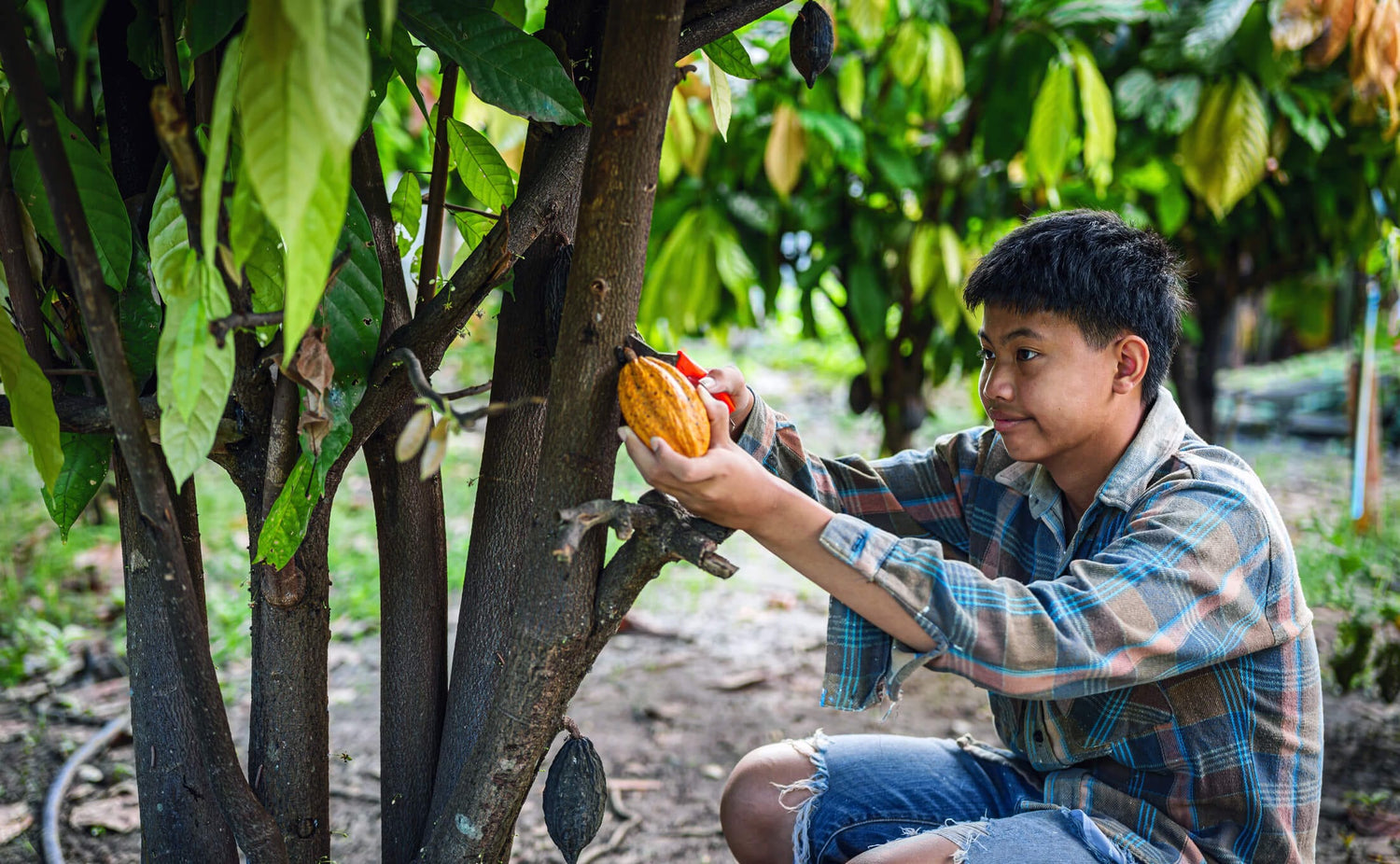
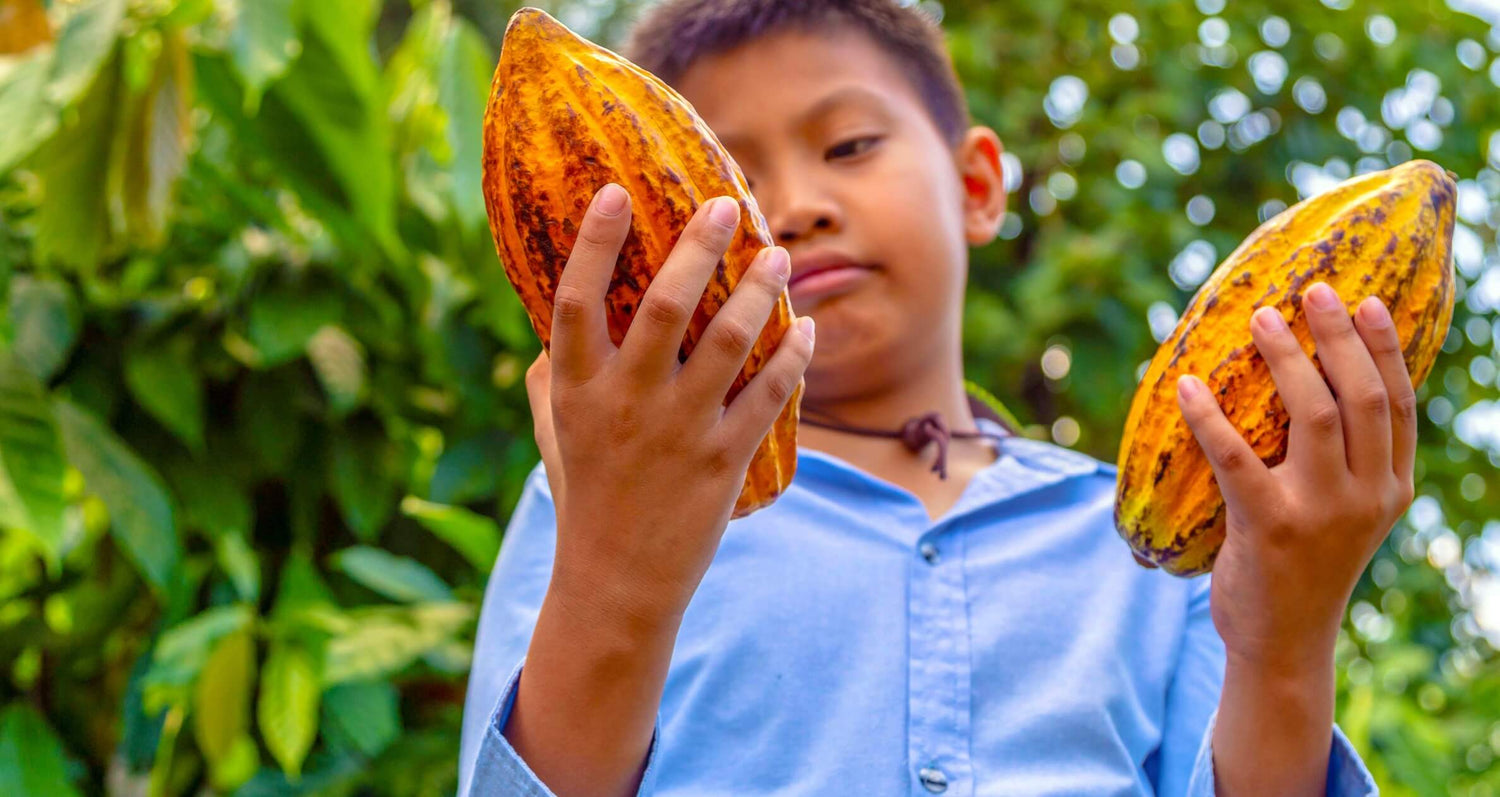
Ethical sourcing belongs in this conversation as well. Exceptional chocolate begins with cacao, and cacao has a human and agricultural story. Traceability does not guarantee flavor by itself, but it gives a maker the opportunity to select beans deliberately, understand their origin, and build a more responsible relationship with the supply chain.
For gifting, variety remains one of the great pleasures of filled chocolate. A balanced box can move from dark ganache to praline paste, from fruit to caramel, and from familiar comfort to an unexpected flavor combination. It gives the recipient a small tasting experience rather than a single repeated note.
Which should you choose?
Choose Belgian pralines when you want the classic experience of filled chocolates shaped around a precise relationship between shell and center. They are especially fitting for formal gifts, celebrations, and anyone drawn to the heritage of Belgian chocolatiering.
Choose bonbons when you are interested in a wider range of confectionery styles or a maker's more playful, hand-finished creations. The term can include exceptional chocolate work, but it asks you to read a little further into what the confection actually contains.
The best choice is not really about the name on the box. It is about whether the maker gives equal care to cacao, filling, texture, and finish. Let the first bite slow you down: listen for the snap, notice the aroma before the center melts, and allow a well-made piece to tell you where craftsmanship begins.