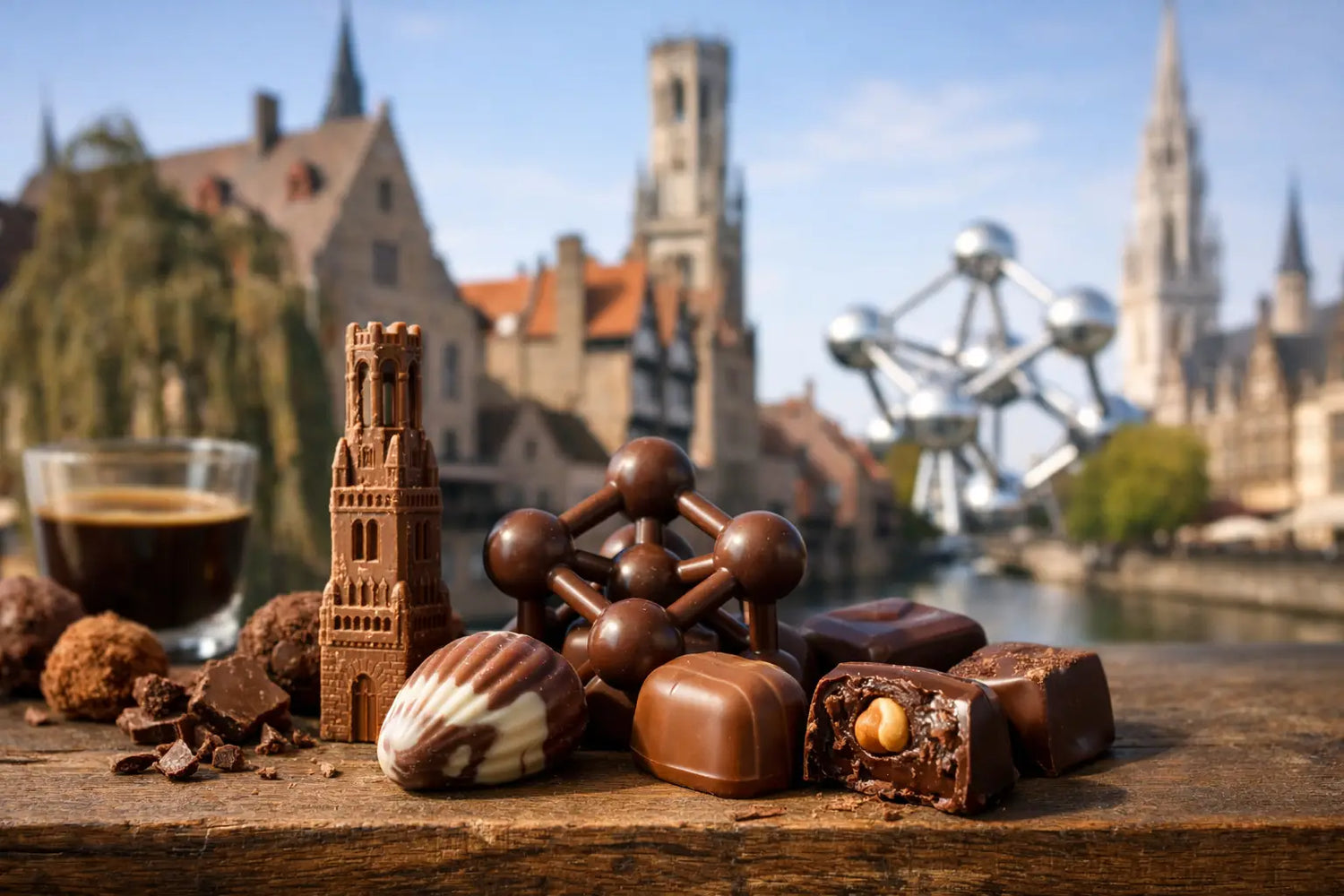
A box of chocolate can be a pleasant reminder of a trip. The right chocolate souvenirs can do more: they can carry the flavor, care, and character of the place where they were made. In Belgium, that distinction matters. Belgian chocolate has global recognition, but not every product sold under that reputation is made with the same attention to cacao, freshness, or craft.
For a gift that feels genuinely connected to Belgium, look beyond the familiar packaging. Seek chocolate made by people who understand the journey from cacao bean to finished bar, praline, or truffle. It is a more meaningful choice for the person receiving it - and a more rewarding taste of Belgian heritage for you.
Why chocolate makes a memorable souvenir
A good souvenir should be easy to carry, enjoyable to share, and specific enough to bring back a moment. Chocolate meets all three conditions, especially when it has a clear point of view. A single-origin bar can introduce the bright fruit notes of cacao from Madagascar or the deeper roasted character of beans from Latin America. A carefully made praline can show why Belgian fillings and textures remain so admired.
Unlike a decorative object, chocolate is experienced rather than displayed. It opens a conversation at the table, in the office, or after dinner. The best pieces invite people to ask where they came from, what they taste like, and why they are different from ordinary candy.
That does not mean the largest box is always the best gift. A smaller selection made with excellent ingredients, presented with care, often leaves a stronger impression than an oversized assortment with no story behind it.
What sets better chocolate souvenirs apart?
The most useful question is simple: who made the chocolate, and how? Many chocolate shops work with ready-made couverture, then melt, mold, or fill it into their own creations. There is skill in that work, but it is different from making chocolate from cacao beans.
Bean-to-bar makers roast, crack, winnow, refine, conche, temper, mold, and finish their chocolate themselves. Controlling these stages allows the maker to preserve the personality of each cacao origin and make deliberate decisions about roast, texture, sweetness, and intensity. It also creates greater accountability around ingredient sourcing.
For travelers and gift buyers, this process is not technical detail for its own sake. It explains why one dark bar may taste layered and lively while another tastes flat or overly sweet. It is also a sign that the souvenir represents real craftsmanship rather than a generic product dressed in Belgian imagery.
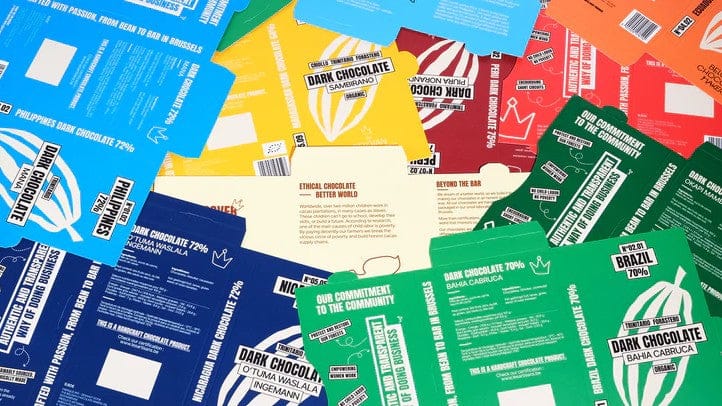
Look for a clear indication of cacao origin, a short ingredient list, and information about where the chocolate is made. Transparency does not guarantee that every flavor will suit every palate, but it is a valuable marker of a maker who takes both quality and sourcing seriously.
Origin is part of the flavor
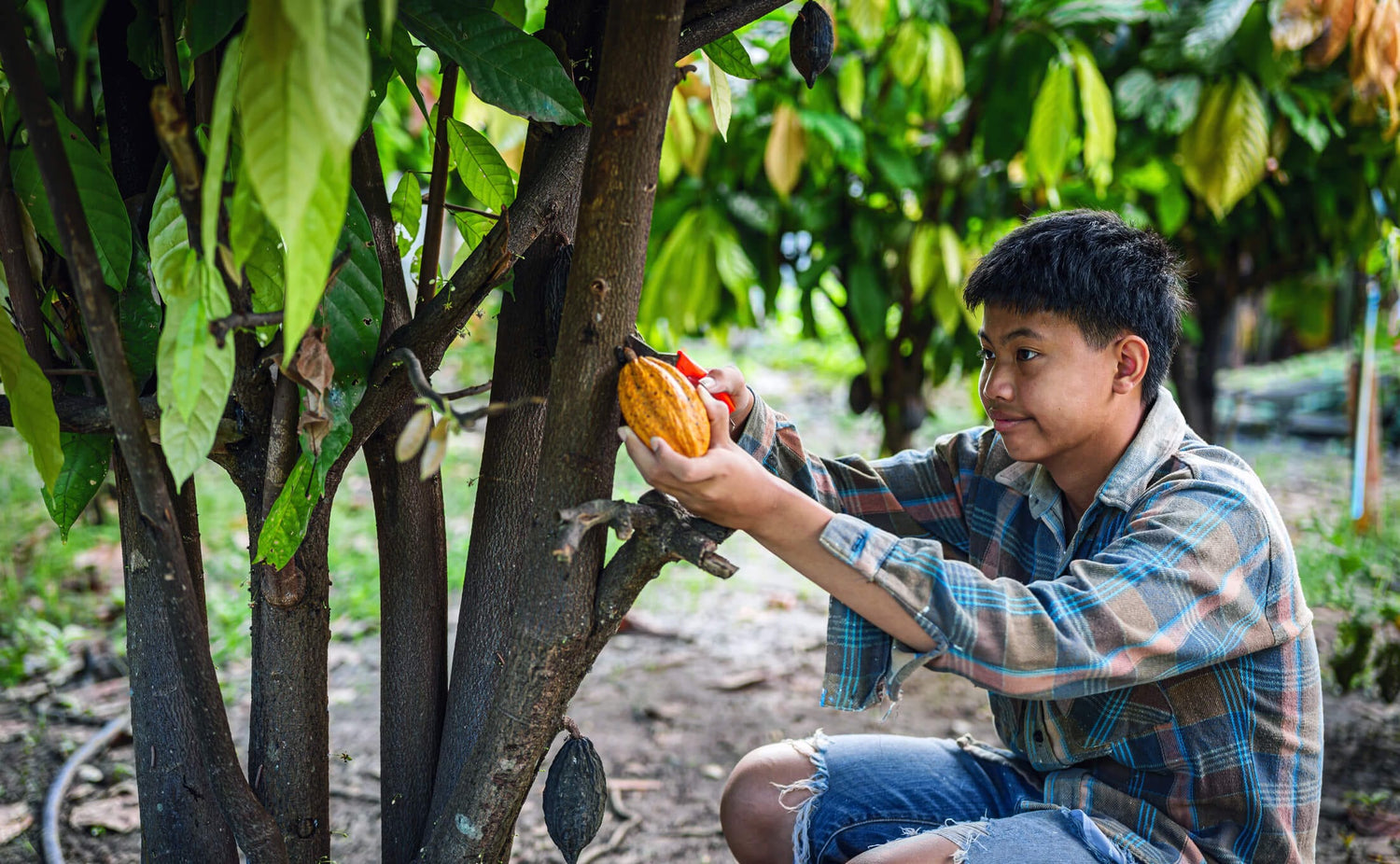
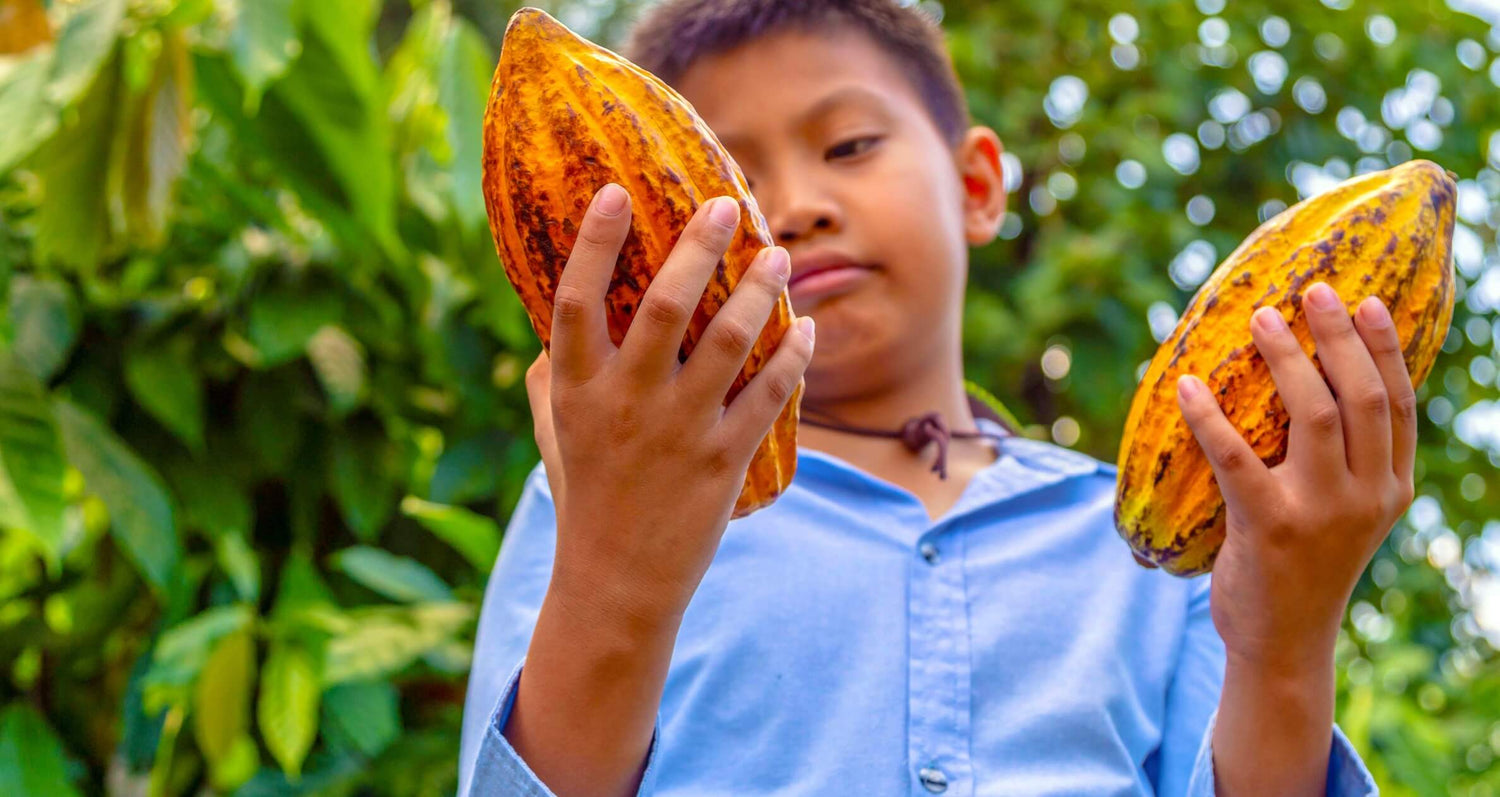
Cacao is an agricultural ingredient, much like coffee or wine grapes. Climate, soil, fermentation, drying, and variety all influence the finished chocolate. A bar labeled with a specific origin gives the recipient something distinct to taste, whether that is red-fruit acidity, toasted nuts, caramel warmth, or gentle floral notes.
Single-origin chocolate is especially well suited to food-focused friends, hosts, and colleagues. For someone who prefers a more familiar profile, a balanced milk chocolate or a dark chocolate with inclusions can be the wiser choice. A memorable gift should reflect the recipient, not just the giver's enthusiasm for high cacao percentages.
Freshness matters for pralines and truffles
Bars travel exceptionally well and generally offer the longest shelf life. Pralines and truffles can be more expressive gifts, with ganache, nut pastes, fruit, spices, and crisp textures, but they deserve more attention. Choose them from a maker with clear storage guidance and buy them close to your departure when possible.
Avoid leaving chocolate in a warm car, direct sun, or checked luggage exposed to temperature extremes. A pale bloom on chocolate is not usually harmful, but it changes the appearance and can affect the snap and mouthfeel. Keep your purchase cool, dry, and away from strongly scented foods.
Choosing the right format for each recipient
The ideal chocolate souvenir depends on the occasion. A single bar is elegant, compact, and easy to pack. It also allows the recipient to focus on one origin or flavor. A small tasting set offers more variety and works well when you are unsure of someone’s preference.
Praline assortments suit a host gift, a family celebration, or anyone who enjoys discovering different fillings. Premium gift boxes make sense when presentation is central, such as a thank-you gift for a client or a special occasion. They should still be chosen for what is inside, not only for a ribbon or a polished box.
There are also gifts that are meant to be opened immediately: chocolate spreads for a breakfast-loving household, mendiants for a dinner party, or a collection of seasonal pieces for a holiday gathering. These formats feel generous without becoming impersonal.
If you are traveling with several gifts, it helps to vary the selection. Choose a few bars for easy sharing, one refined box for an important recipient, and a personal treat for yourself. Tasting chocolate again after returning home is part of the souvenir experience.
How to read a chocolate label with confidence
You do not need to be a chocolatier to make a thoughtful choice. Start with the cacao percentage, but do not treat it as a scorecard. Higher percentages usually mean less sugar and a more intense cacao profile, yet a well-made 55% milk chocolate can be every bit as nuanced and satisfying as an 80% dark bar.
Then read the ingredients. For a plain dark chocolate, the list should be straightforward: cacao beans or cacao mass, cacao butter, and sugar, sometimes vanilla. Milk chocolate will include milk powder or milk ingredients. If a bar has inclusions, those should be identifiable and purposeful.
Cacao butter is a natural component of fine chocolate and contributes to a clean melt. Be cautious when a product relies heavily on vegetable fats in place of cacao butter, particularly if it is presented as a premium chocolate experience. The difference becomes clear in texture: fine chocolate should melt smoothly and leave a balanced finish rather than a waxy coating.
Ethical sourcing deserves equal attention. Specific certifications can be useful, but direct information about sourcing relationships, origins, and production is often more revealing than broad claims alone. Responsible chocolate making requires ongoing work, not a single phrase on a package.
Bringing Belgian chocolate home well
Chocolate is sturdy enough for most journeys, provided it is packed thoughtfully. Keep it in its original packaging and place it in the center of your carry-on, cushioned by soft clothing. Carry-on luggage is generally safer than checked baggage because temperatures are easier to manage.
For long flights or warm destinations, select bars, tablets, or sealed gift boxes over delicate molded pieces. Ask the shop for advice if you are buying a large praline assortment in summer. The best choice may be a more travel-friendly format rather than the most elaborate one in the display.
Once home, store chocolate in a cool, dry cupboard, ideally around 15.6°C to 20°C (60 to 68 degrees Fahrenheit). Refrigeration is not the first choice because moisture and odors can interfere with flavor, although it may be necessary in very hot conditions. If you do refrigerate it, keep the box tightly sealed and allow it to return slowly to room temperature before opening.
A gift with a real story
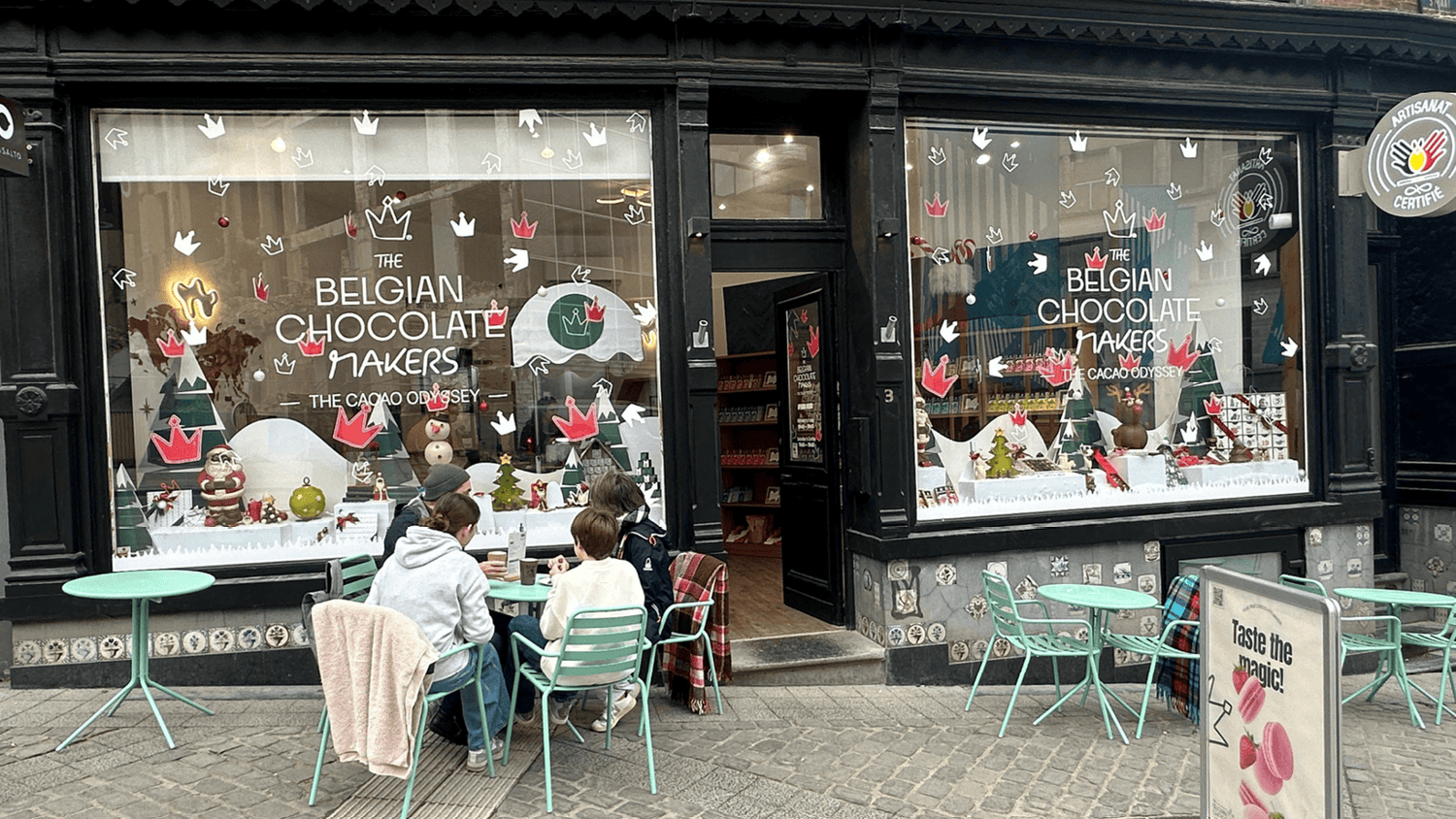
Belgian chocolate is at its most compelling when tradition is paired with clear standards for the present. At The Belgian Chocolate Makers, chocolate is made in a central Brussels workshop from carefully selected cacao beans, allowing the work of roasting, refining, molding, and finishing to remain in the hands of the maker. That approach gives a souvenir substance beyond its packaging.
For gift buyers, the value is both practical and personal. You can choose formats suited to different people while knowing that the chocolate has a traceable origin and a genuine connection to craft. For the recipient, it is not simply a sweet gift from Belgium. It is an invitation to taste how carefully made chocolate can express place, ingredient, and skill.
When choosing a final gift, trust your senses as much as the label. Select chocolate you would be pleased to serve yourself, choose a format that will travel gracefully, and let the quality of the cacao do the talking.