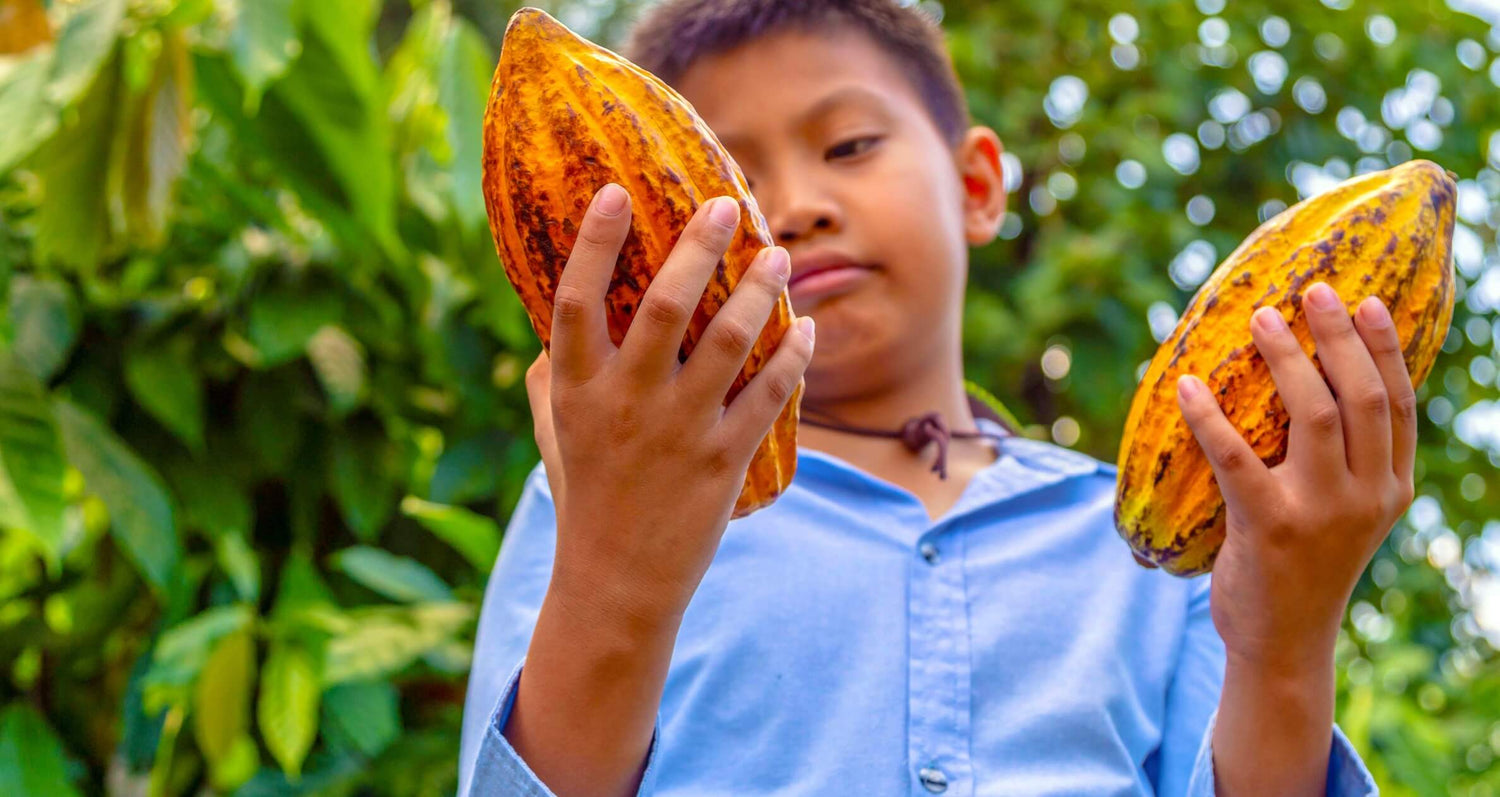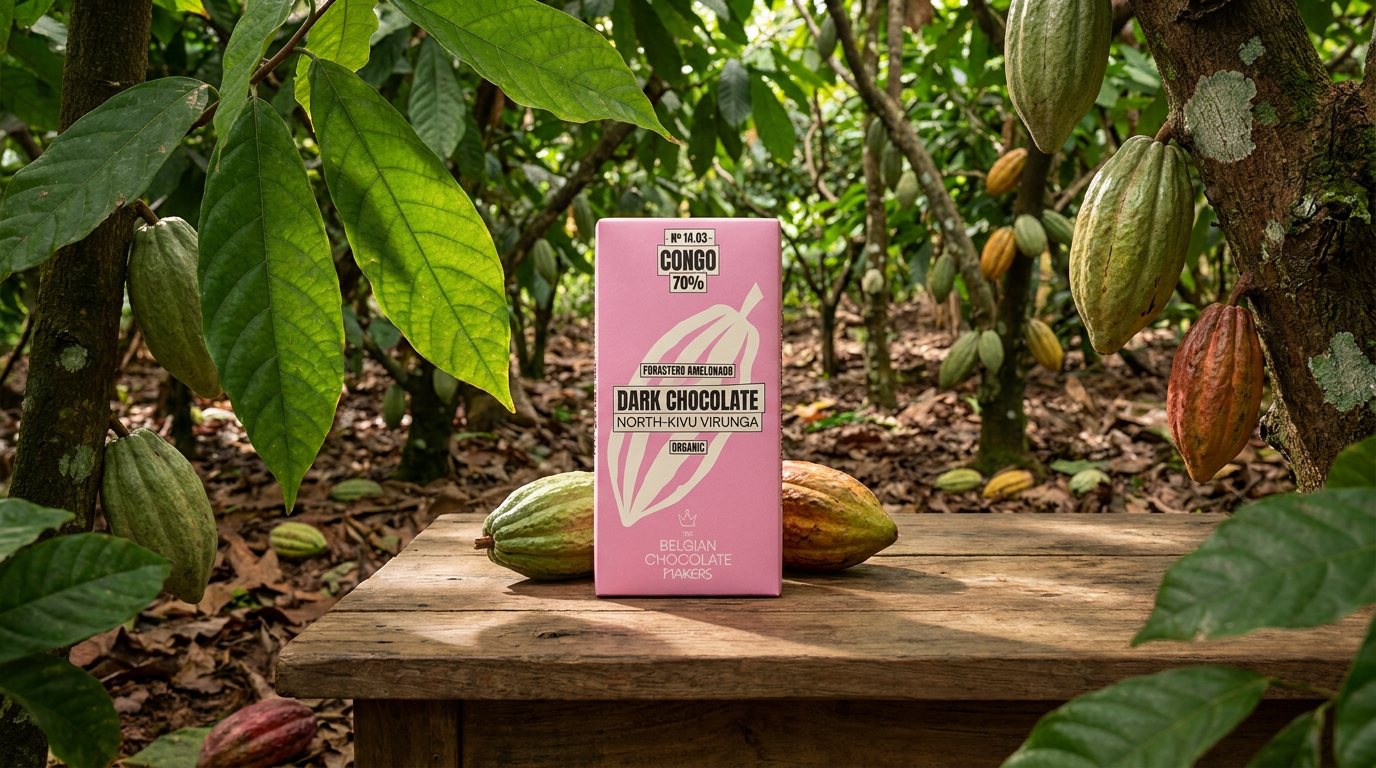
Chocolate has traveled a long road from the cacao trees in tropical forests to the bar in your hand. Today, many chocolate lovers want more than flavor; they want a story of origin, fairness, and craft. The Congo’s Virunga region in North Kivu is a bold example. This 70% dark chocolate bar, produced by The Belgian Chocolate Makers, comes from ethically sourced beans grown by local farmers who receive fair prices and support. The result is a bar with character, fruity and vegetal notes, a touch of sweetness, hazelnut echoes, and a gentle spice that lingers on the tongue.
To appreciate this bar fully, it helps to understand chocolate as both a history and a science. The journey from bean to bar blends centuries of tradition with modern techniques. In the vein of many craft makers, Virunga’s chocolate is a reminder that great chocolate starts with people; the farmers who tend the trees, the communities that sustain them, and the chocolatiers who transform beans into something you can savor in a single bite.
A brief history of chocolate
Cacao trees, Theobroma cacao, grow in warm, humid regions near the equator. The name itself translates to “food of the gods”, a nod to the importance cacao held in ancient civilizations like the Maya and Aztec cultures. Early uses were drinks rather than solid bars, often flavored with spices and corn ash. When cacao reached Europe in the 16th century, sugar and dairy transformed it into a smoother treat. The modern chocolate bar, with its diverse cacao percentages and varieties, reflects a long arc from sacred beverage to everyday indulgence. The Virunga bar sits squarely in the contemporary bean-to-bar movement, where origin, ethics, and flavor unite.
What the numbers and names tell us
The label 70% on a dark chocolate bar indicates the proportion of cocoa solids in the recipe. A higher percentage usually means less sugar, more cocoa flavor, and the opportunity for a deeper, more nuanced profile. In this Congo origin bar, you’ll taste fruitiness, vegetal freshness, whispers of hazelnut, and a subtle spice; delicate flavors that reflect both soil and climate. The word chocolate can be used interchangeably in everyday speech with cacao products, but specialty bars often highlight cacao’s journey from bean to finished piece. In scientific terms, the plant’s name is Theobroma cacao, but once it’s roasted, ground, and conched, it becomes the smooth, glossy chocolate we crave.
Origin and ethics: Virunga and fair farming
Origin matters in chocolate, and Virunga National Park’s North Kivu region has a unique combination of biodiversity and farming communities. The 70% Congo bar from The Belgian Chocolate Makers is crafted with beans sourced ethically from local farmers. This means better livelihoods, transparent practices, and shared value along the supply chain. Flavor is only part of the story; the bar also carries a commitment to sustainability and community resilience. Tasting notes like fruity, vegetal, hazelnut, and a touch of spice reflect not just the terroir but the care that goes into harvesting and processing the beans.
Beyond taste, this approach aligns with the broader chocolate conversation, from fair trade to organic farming. Organic cacao, where available, supports soil health and biodiversity. In this context, the Virunga chocolate bar 70% is not just a treat; it’s a contribution to responsible farming and a healthier planet for cacao growers and future chocolate lovers alike.
From bean to bar: how chocolate is made
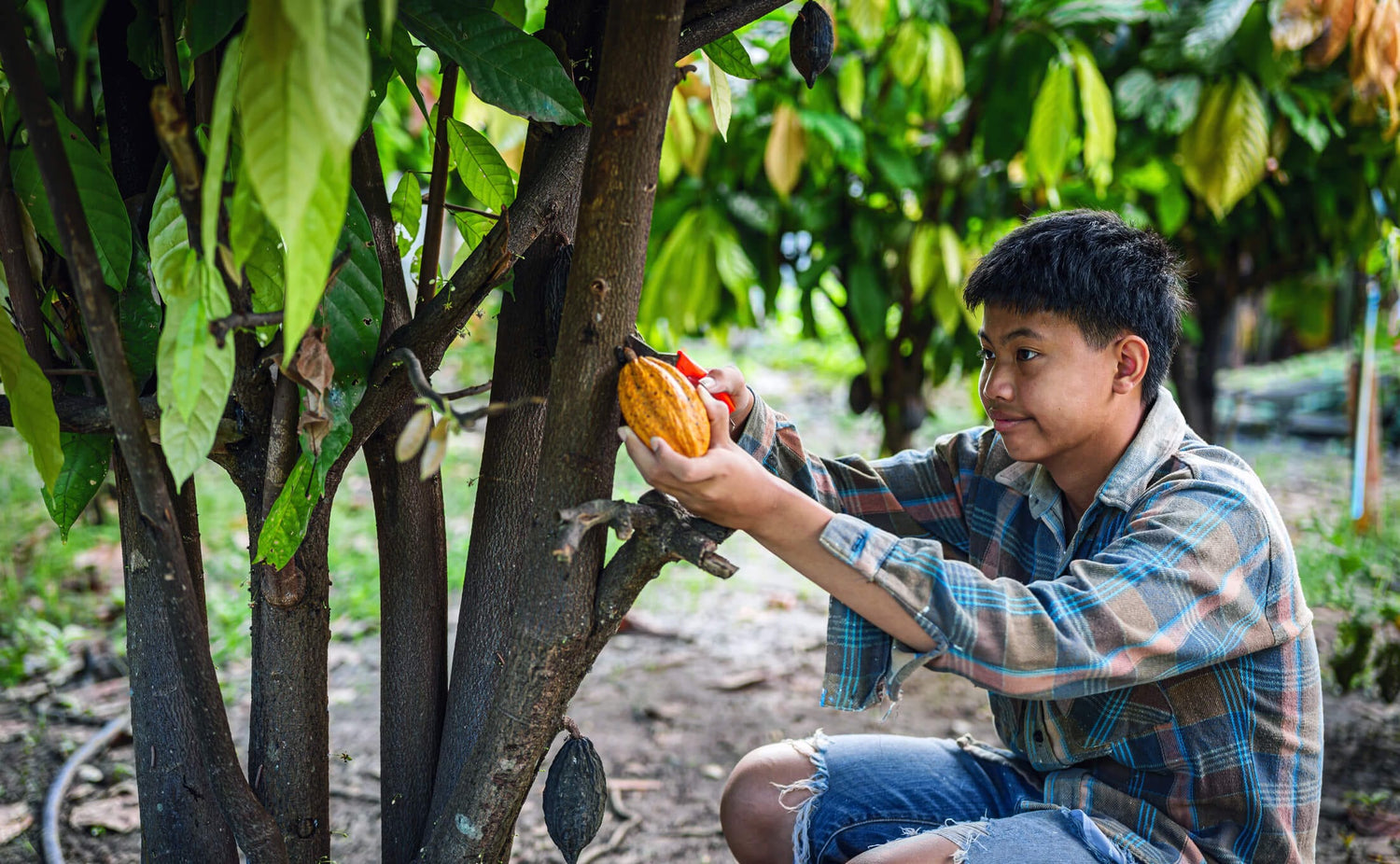
The journey from cacao bean to chocolate bar involves several precise steps. After harvest, cacao pods are opened to extract the beans, which are then fermented and dried. Fermentation develops flavor precursors, while drying reduces moisture for safe storage. The beans are roasted to unlock aroma compounds, then cracked and winnowed to remove hulls. The remaining nibs are ground into a paste called cacao liquor. Through grinding and conching, the texture becomes smooth and the flavor deepens. Finally, tempering aligns the fat crystals to give the bar its shine and snap. The Virunga chocolate bar 70% embodies this careful craft; high cacao content, controlled sweetness, and a finish that invites another bite.
Chocolate names, science, and culture
People talk about cacao, cocoa, and chocolate in everyday language, but each name hints at a different stage of the journey. Cacao refers to the raw beans and powder; cocoa often denotes the processed product used in baking or drinking chocolate. Chocolate is the end product, the bar you enjoy. The scientific name, Theobroma cacao, connects science with tradition, reminding us that this is a plant with a long biological and cultural story. Across cultures, chocolate also carries a rich vocabulary; terms like couverture, nibs, ganache, and praline illustrate how a single product can become a world of culinary possibilities.
Tasting, pairing, and storage ideas
With 70% cacao, the Virunga chocolate bar stands up to bold pairings. Try it with dried fruit, roasted nuts, or a glass of red wine to highlight fruit and spice notes. A delicate coffee or a dark beer can also bring out the bar’s vegetal and hazelnut character. When not enjoying a square, store the bar in a cool, dry place away from direct sun to preserve its aroma and texture. Proper storage helps maintain snap and flavor; crucial for a bar with a clear origin story and a defined cacao percentage.
Care and storage for chocolate lovers
Chocolate is resilient but sensitive to heat. Keep bars in a cool environment around 60-70°F (15-21°C) and avoid rapid temperature changes. If you ever notice sugar bloom or a whitish surface, don’t worry; this is a cosmetic change, not a sign of spoilage. Proper storage keeps the writing on the label meaningful: it preserves the ethical story, the fruit-forward notes, and the clean finish that the Virunga origin bar promises.
Whether you are exploring chocolate history, enjoying the science behind the cacao bean, or simply savoring a bar that supports local farmers, Congo Virunga 70% is a reminder that good chocolate has depth. It blends a time-honored craft with a modern ethic, inviting you to slow down, taste, and learn as you go.
Conclusion: savor with purpose
Chocolate history blends exploration with tradition, science with flavor, and supply chains with stories of real people. The Congo origin bar from The Belgian Chocolate Makers brings all these threads together: a 70% dark chocolate that honors its origin, is produced with ethical farming in mind, and offers a flavor profile that is both bright and comforting. For the curious palate, this is more than a treat; it’s a gateway to understanding how chocolate travels from forest to bar, and how responsible sourcing makes every bite meaningful.