A memorable pairing begins before the first bite. Set a square of chocolate on the tongue, let it soften, and notice whether it suggests red fruit, roasted nuts, honey, citrus, or warm spice. This chocolate pairing guide is built around that first act of attention: matching flavors with respect for the cacao bean, rather than covering its character with something louder.
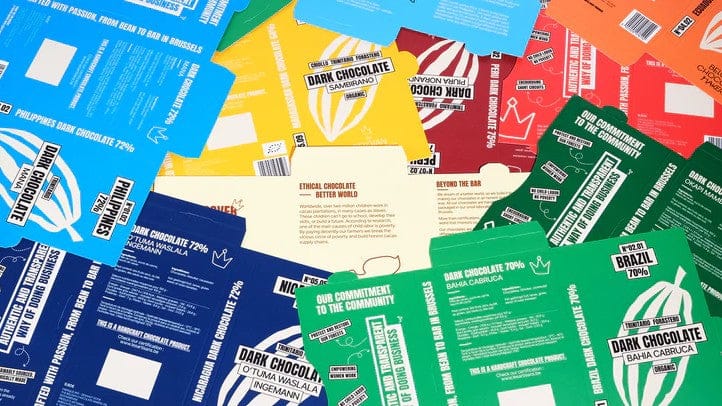
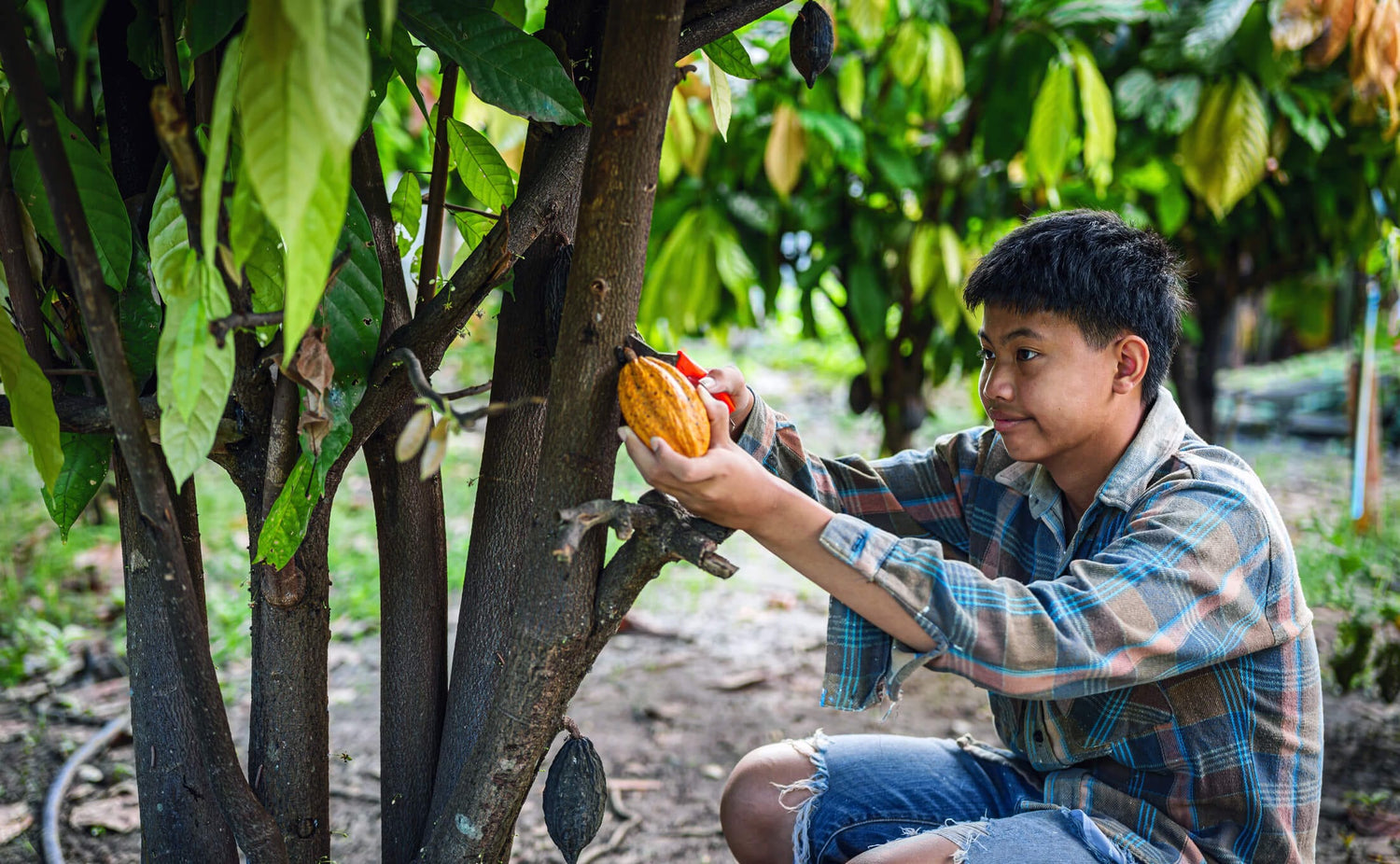
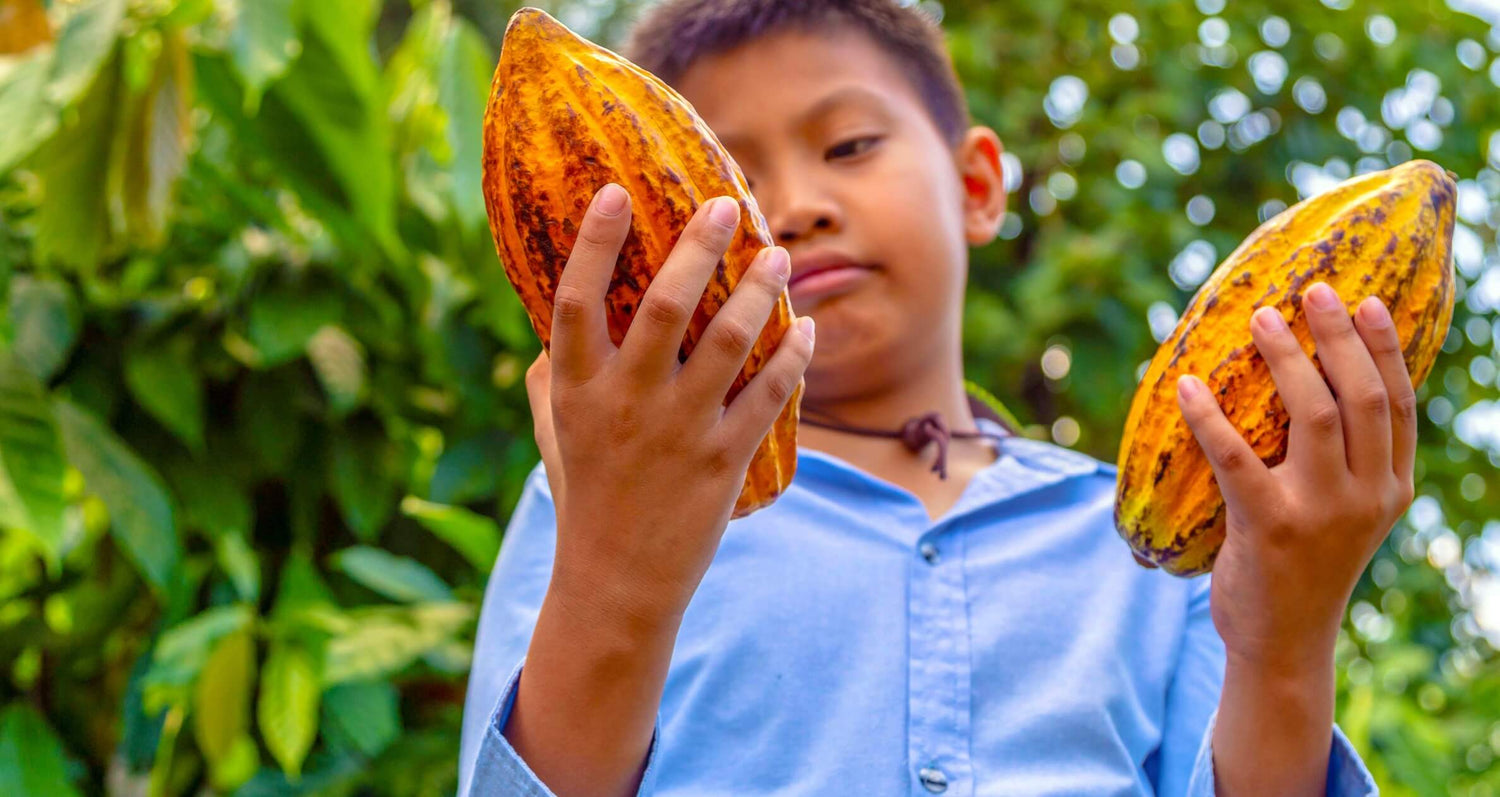
Bean-to-bar chocolate is particularly rewarding at the table because its flavor starts with origin. Cacao from one region may carry bright berry notes, while another offers deeper earth, caramel, or toasted-nut qualities. Roasting, refining, and the percentage of cacao all shape the final bar, too. The most successful pairings find a shared flavor note or a considered contrast, while allowing both the chocolate and its companion to remain recognizable.
Start with the chocolate, not the occasion
It is tempting to begin with the wine bottle or the cheese board. Start instead with the chocolate in front of you. A high-cacao dark bar, a creamy milk chocolate, a fruit-forward single-origin bar, and a filled praline need very different partners.
Taste the chocolate on its own first. Break off a small piece, listen for a clean snap, and allow it to melt slowly. Think beyond simple sweetness. Is the profile lively and acidic, mellow and nutty, floral, woody, buttery, or gently bitter? Those impressions provide a more useful map than cacao percentage alone.
Percentage still matters. Dark chocolate above 70% usually has less sugar and a firmer structure, so it can handle fuller beverages and richer foods. Milk chocolate offers dairy softness and caramel notes that welcome fruit, coffee, and spirits with rounder edges. White chocolate contains no cocoa solids, but a well-made version brings cocoa butter, vanilla, and creaminess to pairings that benefit from sweetness and texture.
Temperature matters as well. Serve chocolate at a cool room temperature, never straight from the refrigerator. Cold suppresses aroma and makes a carefully made bar seem flatter than it is. Pour drinks slightly cooler than their usual serving temperature so their alcohol or heat does not overwhelm the chocolate.
Chocolate pairing guide: the two principles
Most pairings work through harmony or contrast. Harmony links similar notes: a nutty milk chocolate beside toasted hazelnuts, for example, or a berry-toned dark chocolate with ripe cherries. Contrast creates balance: a bright black tea against a creamy ganache, or a pinch of savory cheese alongside sweet chocolate.
Neither approach is automatically better. Harmony is often easiest for a first tasting and makes an elegant gift presentation feel immediately generous. Contrast can be more exciting, but it asks for restraint. If every element is intense, the palate loses the details that made the pairing worthwhile.
Sweetness is the rule most often overlooked. A dry wine may taste thin, sharp, or even metallic after chocolate with more sugar than the wine. In general, the drink should be at least as sweet as the chocolate. A similar principle applies to fruit: choose fruit at peak ripeness, not tart, underdeveloped pieces that make dark chocolate seem more bitter.
Pairing dark chocolate with wine and spirits
Dark chocolate has enough tannin and cocoa intensity to stand beside structured drinks, but not every red wine is a natural match. Very dry, highly tannic reds can amplify bitterness. Look instead for ripe fruit, moderate tannins, and a little residual sweetness.
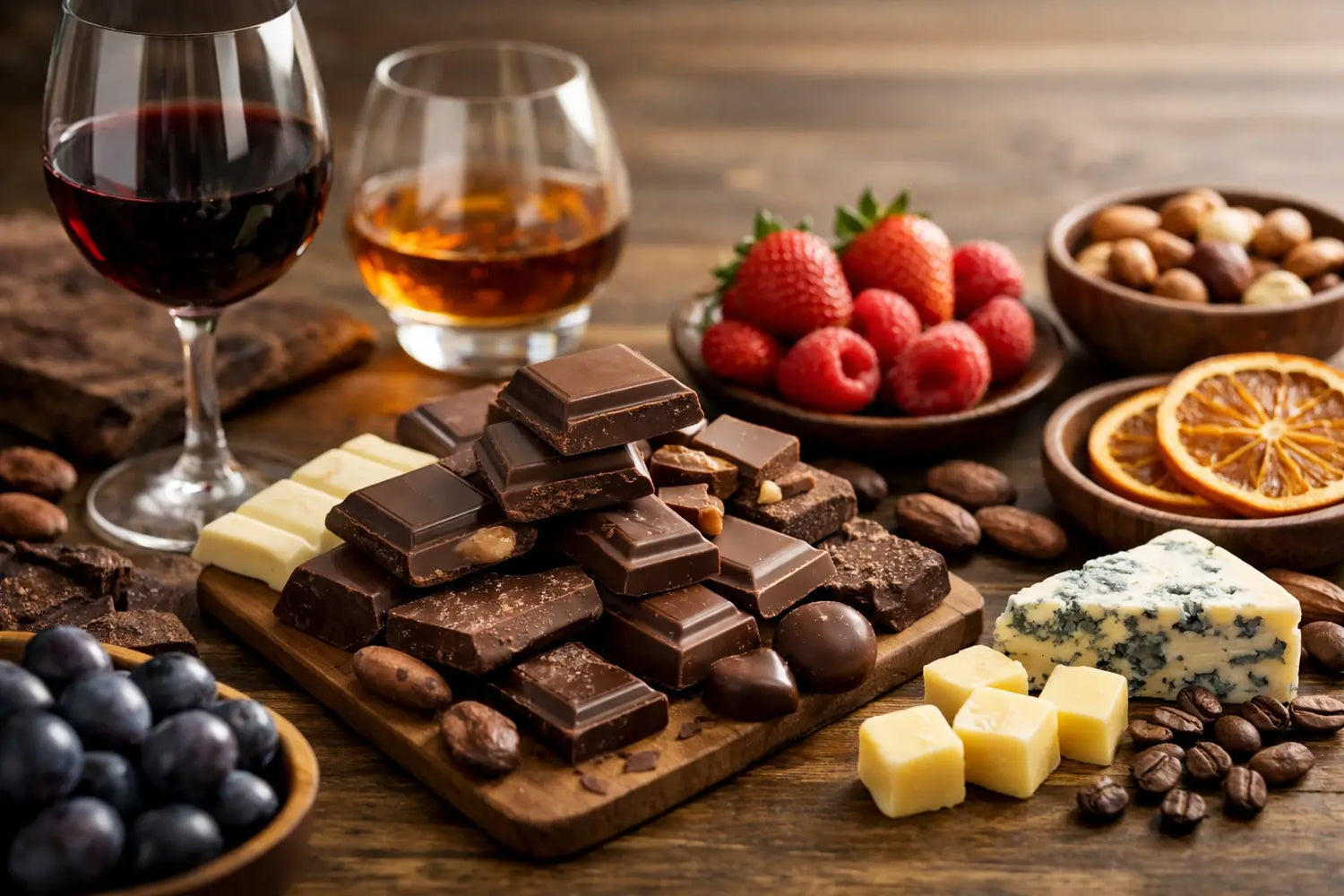
A dark bar with red-fruit notes is lovely with a late-harvest red wine or a fruit-led fortified wine. The wine echoes the cacao's berry character while its sweetness softens the finish. For a bar with dried fig, raisin, or warm spice notes, a tawny-style fortified wine brings caramelized depth without demanding attention.
Whiskey can be compelling with dark chocolate, particularly when both offer vanilla, oak, dried fruit, or roasted-nut tones. Choose a rounded, not aggressively smoky pour for most bars. Peated whisky can work with an earthy, high-cacao chocolate, but it is a deliberate contrast and can easily dominate delicate single-origin cacao.
Rum is often a more forgiving partner. A mature rum with brown sugar, tropical fruit, and gentle spice flatters dark chocolate with molasses or raisin notes. Taste the chocolate first, then take a small sip. Revisit the chocolate after the sip and notice whether the finish has grown richer or simply louder. Richer is the goal.
Coffee and tea: pairings for a slower afternoon
Coffee and chocolate share more than roast. Both can express origin, fermentation, fruit acidity, and careful processing. Yet a dark, intensely roasted coffee can flatten subtle chocolate, especially a bar prized for floral or citrus notes. For lighter, fruit-forward dark chocolate, choose a filter coffee with clean acidity and notes of stone fruit or berries. For a darker, more roasted bar, espresso with cocoa and hazelnut tones feels natural.
Milk chocolate is exceptionally friendly with coffee. Its dairy richness smooths espresso's bitter edge, while caramel notes draw out a coffee's sweetness. This is one pairing where a small piece of chocolate before the coffee can make the drink feel more balanced.
Tea offers precision without alcohol. A malty black tea works with milk chocolate, caramelized pralines, and hazelnut spreads. Earl Grey's citrus perfume can lift dark chocolate with orange, floral, or berry notes. For a delicate single-origin bar, try a lightly oxidized oolong or a fragrant green tea, brewed gently. Avoid oversteeping: astringency can crowd out the cacao's finer aromas.
Fruit, nuts, and cheese with chocolate
Fresh fruit succeeds when it brings either juicy brightness or concentrated sweetness. Strawberries, raspberries, cherries, and oranges are familiar companions for good reason, but their quality matters. A ripe pear paired with milk chocolate can be more expressive than a flavorless berry. Dark chocolate with tropical or citrus notes can also shine beside mango, pineapple, or candied ginger, provided the fruit is not excessively sugary.
Nuts create an especially convincing bridge because cacao naturally carries roasted, earthy dimensions. Almonds suit chocolate with cherry or honey notes. Hazelnuts deepen milk chocolate's praline character. Pistachios bring a greener, lightly savory lift to white chocolate and creamy ganache. Toast nuts briefly and serve them unsalted, or only lightly salted, so their aroma comes forward.
Cheese is a less obvious but rewarding route. Fresh goat cheese offers tang against white chocolate or a gently sweet milk chocolate. A triple-cream cheese can support dark chocolate with red-fruit notes, as long as portions stay small. Aged cheeses with crystalline texture, such as a well-matured Gouda, pair beautifully with chocolate that has caramel, coffee, or toasted-nut character.
Blue cheese is the boldest choice. Its salty, pungent profile can work with a sweet dark chocolate or a fruit-filled bonbon, but it is not a universal match. Serve a modest portion and include ripe pear or dried fig as a bridge. The result should feel layered, not confrontational.
Build a tasting that lets craft show
For a small tasting, three chocolates are enough: one milk chocolate, one balanced dark chocolate, and one distinctive single-origin or filled piece. Arrange them from light to intense. Offer water and plain crackers between tastes, then introduce one partner at a time. Too many options turn a thoughtful tasting into a guessing game.
A useful order is milk chocolate with coffee or black tea, followed by fruit-forward dark chocolate with berries or a sweeter wine, then a deeper dark chocolate with mature rum or aged cheese. Keep portions small. Chocolate's cocoa butter lingers, and palate fatigue arrives faster than many guests expect.
For gifting, pair a carefully selected assortment with a short tasting card that names one or two companions rather than prescribing a full menu. This feels considered while leaving room for the recipient's own discovery. At The Belgian Chocolate Makers, that spirit begins with chocolate made from bean to bar in our Brussels workshop, where the character of each cacao is treated as the starting point, not an afterthought.
The best pairing is not the one that follows every rule. It is the one that makes you pause after the finish, reach for another small taste, and find a new detail in the chocolate you had not noticed before.