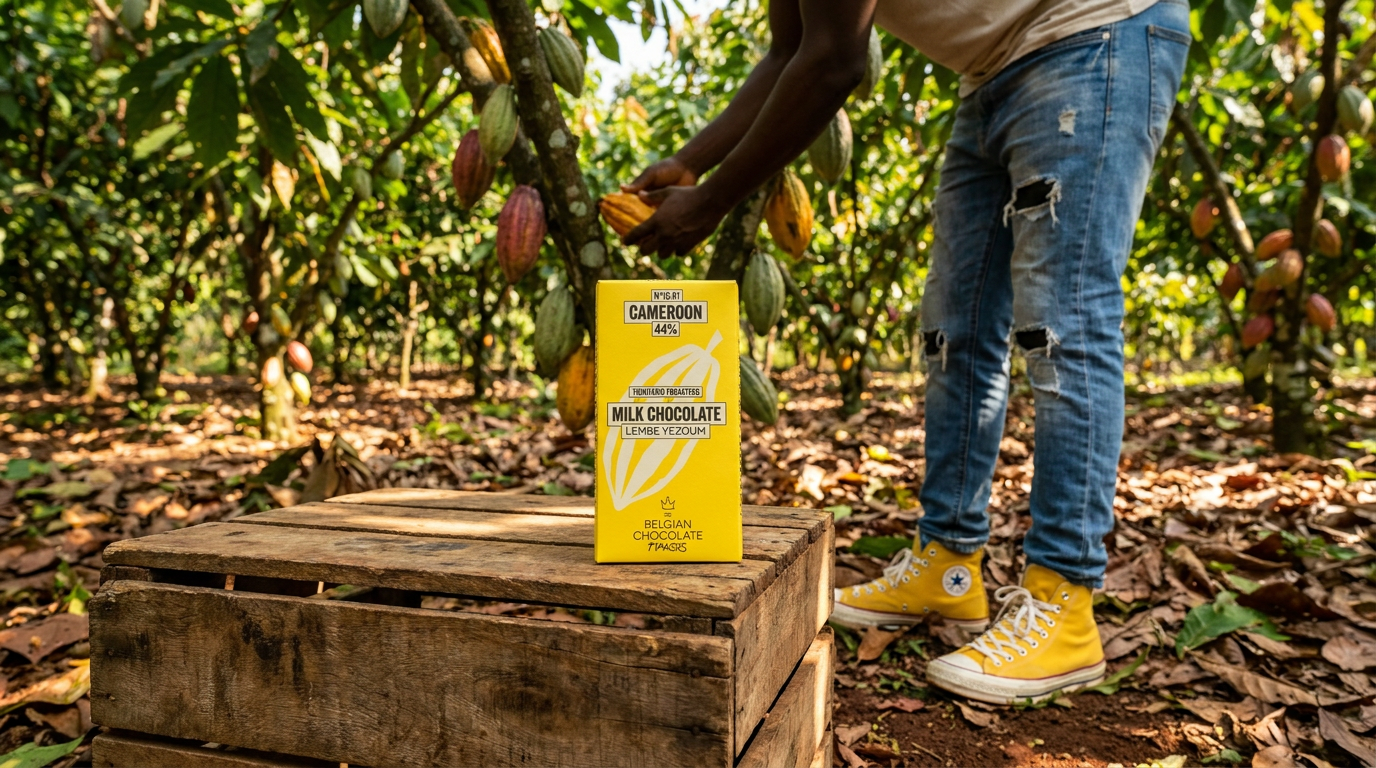
Introduction to single-origin chocolate and the Cameroon Lembé Yézoum chocolate bar
In the world of chocolate, the origin of the cacao bean often shapes the final flavor more than any other variable. The Cameroon Lembé Yézoum 44% milk chocolate, a 100grs chocolate bar handcrafted in Brussels by The Belgian Chocolate Makers, is a prime example of how terroir can imprint distinct notes onto a milk chocolate. This article investigates what makes this single-origin bar special, from the soil and climate of its home region to the careful craft that brings it to your table.
Understanding terroir: The role of origin in flavor
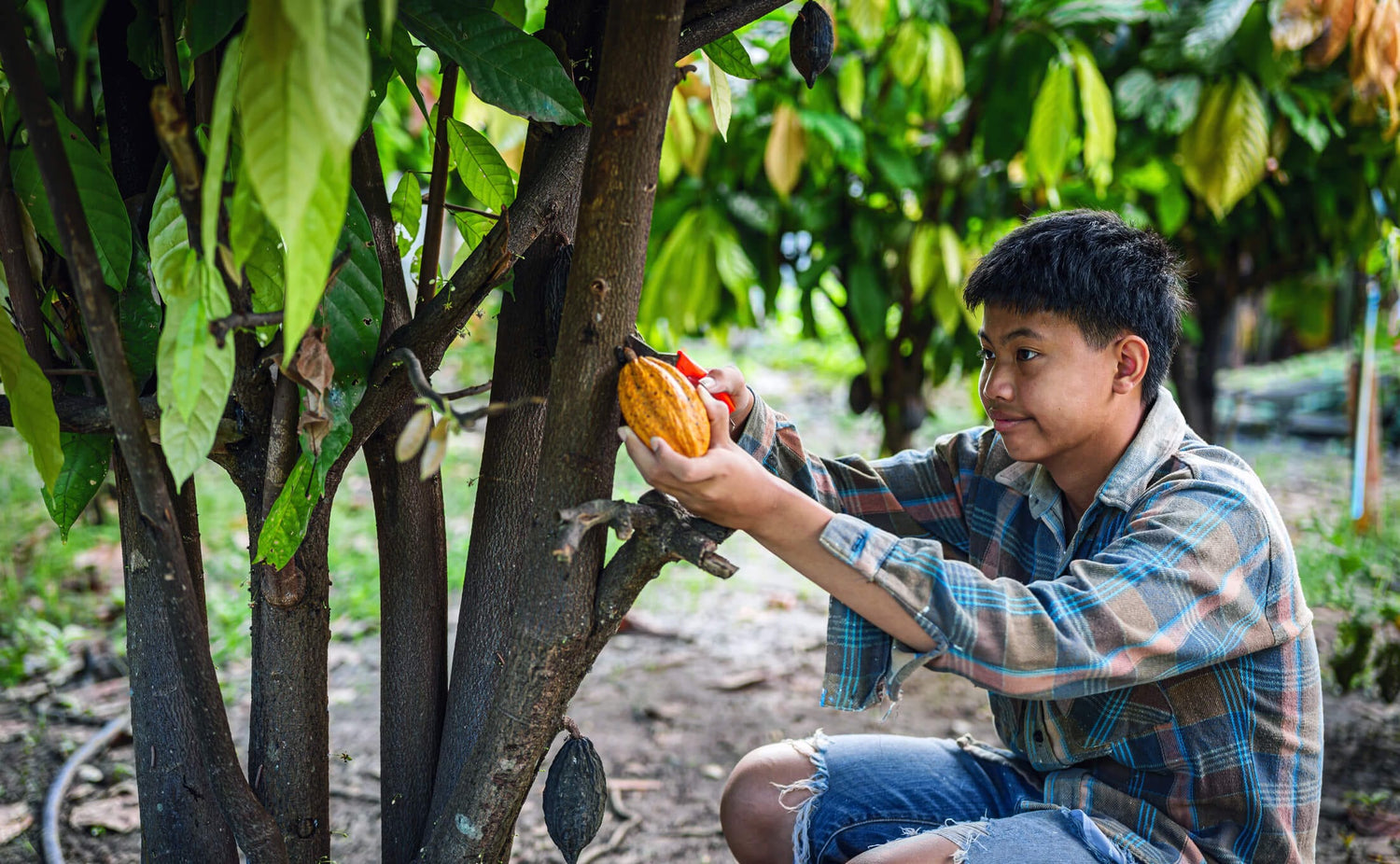
Terroir is a concept borrowed from wine, describing how climate, soil, topography, and local practices influence flavor. For chocolate, terroir begins in the farm (or cooperative) where the cacao trees are grown and ends in the chocolate maker’s workshop where the beans are roasted, conched, and balanced. The Cameroon Lembé Yézoum region contributes a unique set of attributes: a bright acidity, a fruit-forward aroma, and a nuanced woody undertone. These characteristics emerge not from a single bean type alone, but from the interaction of sun exposure with rainfall patterns, soil minerals, and fermentation practices. When you taste this bar, you are not merely sampling sweetness; you are experiencing a snapshot of a specific place and time in Cameroon’s cacao history.
The flavor profile in focus: Fruity, acid, woody, bitter and spicy notes
The label describes a spectrum that is approachable yet complex. The fruity notes can range from citrusy brightness to softer orchard fruit tones, depending on harvest year and bean quality. The acidity provides liveliness without harshness, a hallmark of well-fermented cacao. The woody elements add depth and memory while the gentle bitterness keeps the sweetness honest, preventing the chocolate from becoming too mellow. Spiciness, often subtle in milk chocolate, adds a whisper of warmth that lingers on the palate. Together, these notes create a balanced profile that shines as a 44% milk chocolate, allowing the origin’s character to shine through without overwhelming sweetness.
The making of a 44% milk chocolate bar: Bean to bar in Brussels
The Cameroon Lembé Yézoum 44% is a single-origin milk chocolate bar, meaning the cacao comes from a defined region rather than a blend. The Belgian Chocolate Makers take pride in a process that respects the origin while delivering a smooth, accessible format for everyday enjoyment. Beans are carefully sourced to preserve terroir, roasted to reveal the beans’ inherent notes, and refined to create a creamy mouthfeel that complements the fruit and spice notes. The 44% cocoa content signals a balance between cocoa solids and milk fat, producing a chocolate that isn’t shy; yet remains elegant and approachable for both new tasters and seasoned connoisseurs.
The collaboration between origin and craft results in a bar that is not simply sweet or bitter but a dialogue between Cameroon’s cocoa profile and Brussels’ chocolate-making tradition. The result is a refined 100grs tablet that you can share with friends or savor slowly on a quiet afternoon. Each bite offers a reminder that chocolate, at its best, tells a story; of soil and sun, farmers and fermenters, and the hands that transform raw cacao into a finished chocolate bar.
How to taste and evaluate a single-origin milk chocolate?
- Look and aroma. Hold the bar against a light to observe the surface. A glossy finish often indicates careful refining. Break a piece and inhale gently to notice fruity, nutty, or floral notes that emerge with the steam.
- Aroma first. Before tasting, take a moment to smell the chocolate. The aroma can hint at the fruity or spicy notes you will later identify on the palate.
- First impression. Place a small piece on your tongue and let it melt. Observe how quickly it delivers sweetness, acidity, and richness. Milk chocolate at 44% should feel creamy while maintaining a distinct cocoa personality.
- Flavor mapping. As the chocolate begins to liquidize, pay attention to evolving notes. Does the fruit come forward, or do you notice a woody or spicy undercurrent? Note how long the finish lasts and whether any bitterness lingers alongside the sweetness.
- Texture and mouthfeel. Consider creaminess, melt speed, and how long the flavor persists after swallowing. A well crafted 44% milk chocolate should feel silky without being greasy, with a comfortable, medium-length finish.
The tasting journey is about patience and attention. Rather than rushing to identify every flavor note, allow the chocolate to reveal itself piece by piece. A single-origin bar such as this Cameroon Lembé Yézoum is particularly rewarding when tasted in a calm setting, perhaps alongside a cup of coffee or a glass of cold water to cleanse the palate between bites.
Pairings and serving ideas
Pairing can elevate the perceived flavor of a chocolate bar, especially one with a defined origin. For a 44% milk chocolate like Cameroon Lembé Yézoum, consider the following ideas:
- Fruit and citrus: Fresh berries, mango, or orange segments can amplify the fruity notes and brighten acidity.
- Cheese: A soft, mild cheese such as brie or camembert can create a pleasing contrast between milk chocolate sweetness and dairy richness.
- Nut accents: Toasted almonds or hazelnuts complement the creaminess and add a subtle crunch that echoes notes of spice.
- Beverages: A light-bodied coffee, a late-harvest tea, or a sparkling water can cleanse the palate and highlight the chocolate’s freshness.
- Temperature and texture: Serve slightly warmer than fridge-cold to allow the flavors to blossom, or pair with a silky ice cream for a dessert-style pairing.
How to choose a chocolate bar that honors origin?
Choosing a chocolate bar rooted in a specific origin requires looking beyond marketing terms to understand the chocolate’s journey from cacao bean to finished bar. Here are practical considerations when evaluating a single-origin milk chocolate such as this Cameroon Lembé Yézoum:
- Origin clarity: Is the region or farm clearly identified? A transparent supply chain helps ensure the bar reflects a true terroir rather than a blended flavor.
- Cocoa content: At 44%, the bar aims for balance between cocoa intensity and sweetness. Higher percentages emphasize bitterness and depth, while lower percentages may emphasize creaminess; the right choice depends on your preference for acidity and fruitiness.
- Freshness and process: Look for a recent harvest year and a maker that communicates slow, careful refinement without over-processing the cacao.
- Texture and finish: A well-refined bar should melt evenly with a clean, lingering finish. A waxy or chalky texture is a sign of suboptimal refining or improper storage.
- Pairing potential: Some origins pair better with certain ingredients. Milk chocolate with a balanced acidity can complement fruity notes and spice, while poor balance can mute the bar’s terroir.
To store a bar like Cameroon Lembé Yézoum effectively, keep it in a cool, dry place away from strong odors. Avoid refrigeration, which can cause condensation and bloom; instead, maintain a steady temperature around 60-65°F (15-18°C) and shield the chocolate from direct sunlight. When you take your time with a high-quality single-origin bar, you’re more likely to discover the nuances that make it unique.
Concluding thoughts: Why this bar stands out?
The Cameroon Lembé Yézoum 44% milk chocolate offers more than sweetness; it invites a mindful tasting experience that reveals how place and process interact to create a refined sensory profile. Crafted in Brussels with a respect for origin, this chocolate embodies the best of both worlds: the bright, fruity character of Cameroonian cacao and the smooth, approachable texture that milk chocolate lovers expect. Whether you’re a collector of single-origin bars, an aspiring home chocolatier, or someone who simply appreciates a well-made treat, this bar demonstrates how terroir can be expressed in a form that’s easy to enjoy every day.