Understanding dark chocolate and single-origin cacao
Dark chocolate is more than a percentage on a bar. It is a product of cacao beans grown in a specific terroir, then transformed by a bean-to-bar producer into something meant to be experienced, not just eaten. The higher the percentage, the more cocoa solids remain, which often translates into more pronounced flavor, less sugar, and a stronger connection to where the beans were grown. When you explore a single-origin bar, you are opening a small story in your mouth; the tale of soil, climate, harvest timing, and the craft of roasting and conching that shapes aroma and texture.
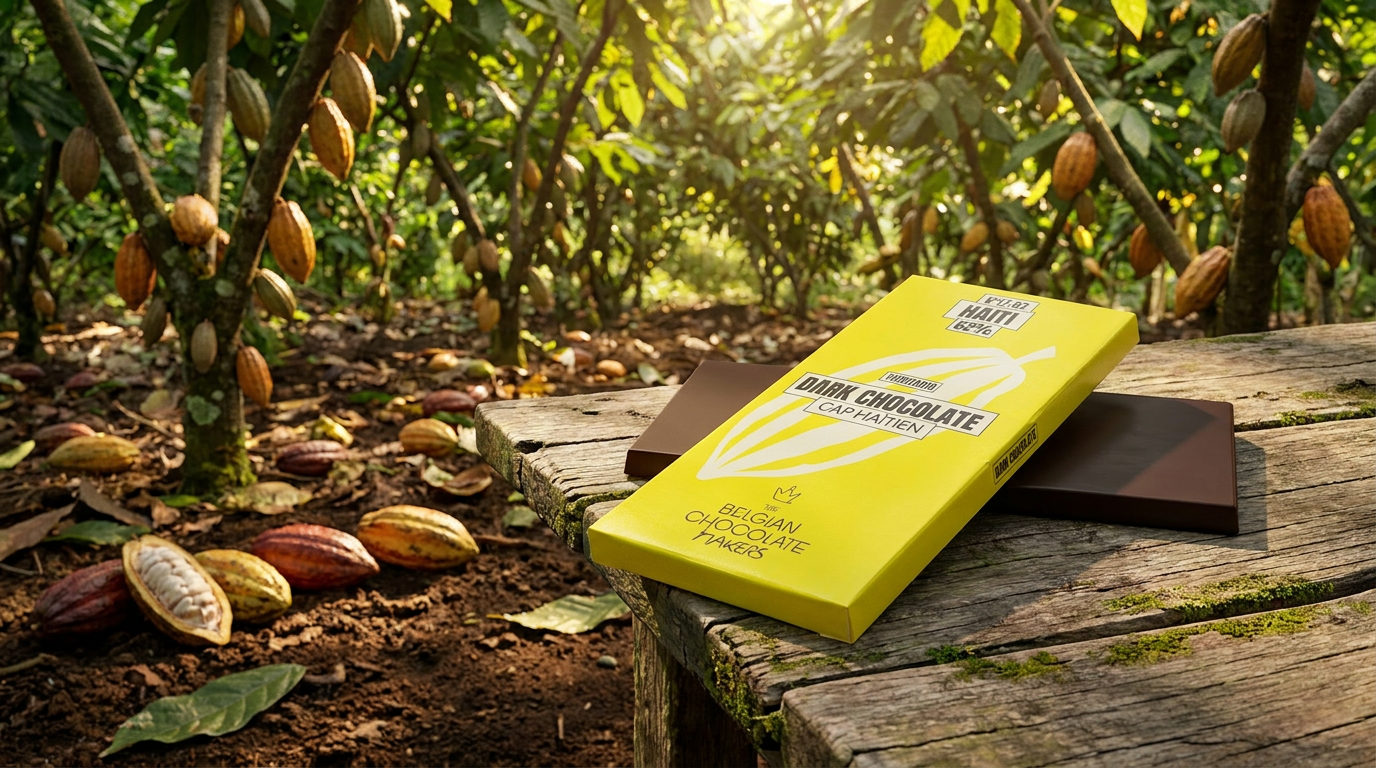
In this exploration, we’ll focus on a standout example: Haiti Cap Haïtien 62% dark chocolate, handcrafted in Brussels from single-origin cacao. The bar carries a smooth persona with subtle fruity notes and authentic character. You will notice creamy notes, floral hints, balanced acidity, and a gentle sweetness that lets the cacao’s personality shine through.
Meet the Haiti Cap Haïtien 62% chocolate bar
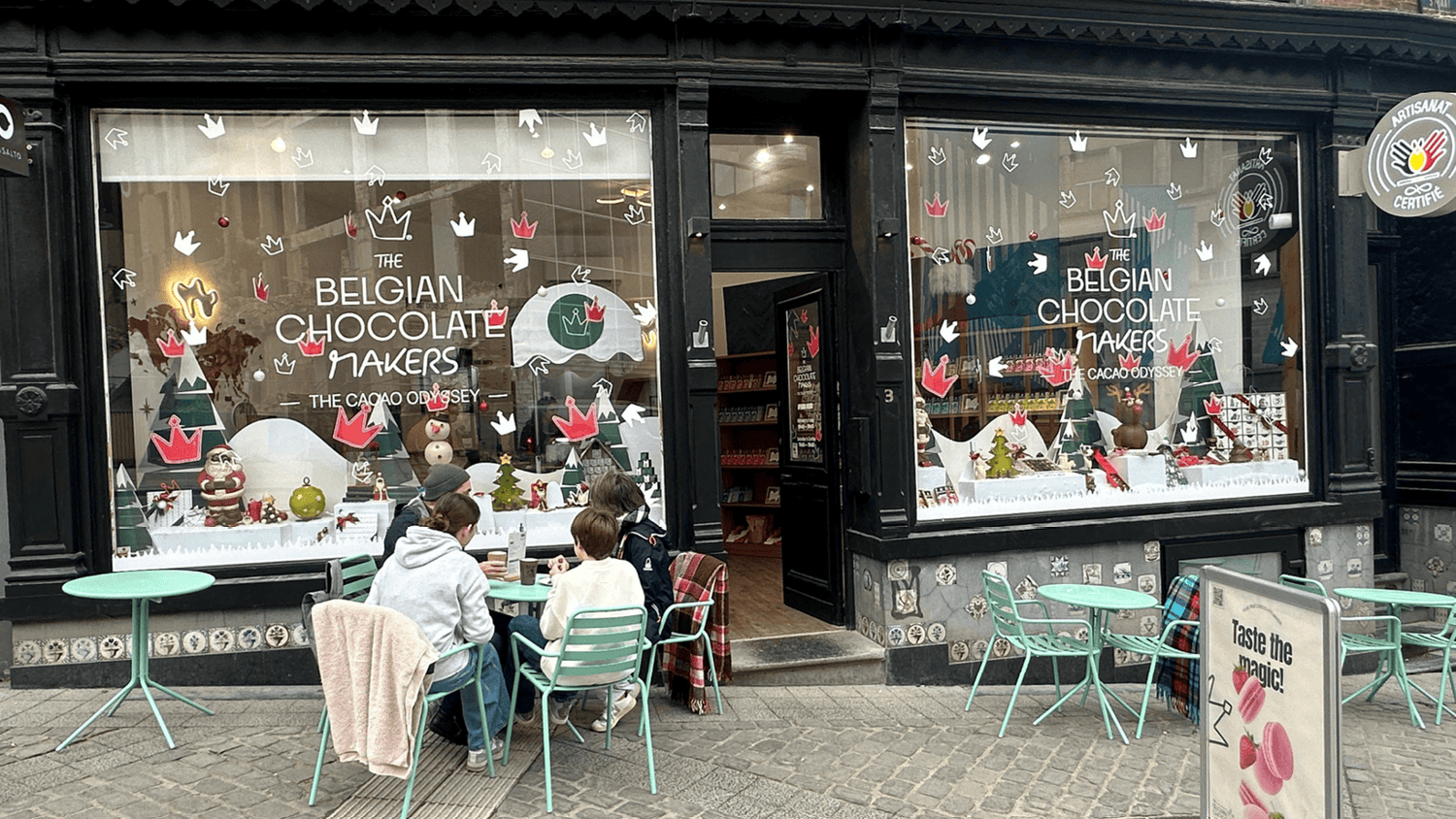
Haïti Cap Haïtien 62% is a carefully crafted chocolate bar that demonstrates how origin matters. The beans come from a single-origin source, meaning there is less mixture of flavors from different regions. The Belgian Chocolate Makers, based in Brussels, take great pride in transforming these beans into a bar that respects the origin while offering a refined, approachable experience for both newcomers and seasoned tasters. The flavor notes listed, fruity, creamy, floral, balanced acidity, are not just marketing talk; they reflect the subtle layers you’ll sense as you savor each square.
What makes origin matter
The flavor of dark chocolate is deeply influenced by where the cacao tree grows. Factors such as terroir (soil type, drainage, microclimate), fermentation and drying practices, and the age of the trees all contribute to aroma and taste. Haiti’s cacao can bring bright fruitiness and delicate floral notes that differ from cacao grown in other regions. In the Cap Haïtien area, farmers have developed fermentation profiles that help unlock fruity aromatics while preserving creamy textures. The result is a bar that invites you to explore aroma first, then a clean, balanced finish on the palate.
Flavor profile you can expect
- Subtle fruity notes that may resemble berries, citrus zest, or tropical fruits depending on the batch
- Floral hints that lift the aroma and contribute to a light, elegant finish
- Creamy texture that coats the tongue without heaviness, creating a smooth mouthfeel
- Balanced acidity that adds brightness without overpowering the sweetness
- Moderate sweetness that supports rather than eclipses the cacao character
How to taste: a practical step-by-step
- Observe the bar: a clean snap when you break it is a sign of good tempering and maturity.
- Break a small piece and rest it on your tongue. Inhale gently to take in the aroma before it melts.
- Let the chocolate melt slowly on your tongue; note the initial flavors, then the mid-palate and the finish.
- Assess texture, aroma, and aftertaste. Does the fruity note linger? Is the floral character present on the aroma or only in the aroma of the melt?
- Consider the balance: does the acidity lift the chocolate without drying the palate? Is the sweetness clean and uncoated or syrupy?
Complementary pairings and serving ideas
Pair a 62% single-origin bar with contrasting elements to reveal its character. A light, crisp coffee or a dry red wine with moderate tannins can highlight the bar’s brightness. Fresh berries or citrus segments can echo the fruity notes, while a handful of toasted almonds or hazelnuts can complement the creaminess. For a culinary application, consider using the bar in a ganache for tart desserts, where the acidity can balance richer fillings. If you are tempering chocolate for dipping or molding, keep in mind that precise temperature control will help you achieve a glossy finish and a crisp snap that honors the bar’s craft.
What matters when choosing a dark chocolate bar
- Cacao percentage as a guide to intensity and sweetness
- Origin and, when possible, single-origin beans to understand flavor provenance
- Bean-to-bar craftsmanship: how the producer’s process (roasting, conching, and refining) shapes aroma and texture
- Ingredients: minimal additives usually preserve the cacao flavor
- Ethical sourcing and transparency about farming communities
From tasting to cooking: using Haiti Cap Haïtien 62% in recipes
Beyond tasting, this bar can elevate chocolate experiences in recipes. For a silky ganache, heat cream gently and whisk in finely chopped pieces until smooth, then cool to your preferred thickness. In baked goods, consider using chopped chunks for texture or melt the chocolate into batters to infuse cocoa depth. When tempering for coatings or decorations, aim for stable crystals by keeping the chocolate within the recommended temperature range and cooling slowly to encourage a glossy finish. The result is a product that retains its character whether enjoyed as a simple bar, a dessert component, or a finish to a tasting flight.
Storage, shelf life and freshness
To preserve aroma and texture, store dark chocolate in a cool, dry place away from direct sunlight. Ideal conditions are around 15-18°C (59-64°F) with moderate humidity. Avoid strong odors, as chocolate can absorb neighboring scents. If you live in a warm climate, consider wrapping bars tightly and refrigerating them briefly only when needed, then allowing the bar to come to room temperature before unwrapping to prevent condensation on the surface. Proper storage helps maintain the bar’s aroma and mouthfeel for longer, ensuring every square delivers the intended experience.
Conclusion: inviting curiosity through a single-origin bar
Exploring Haiti Cap Haïtien 62% is an invitation to slow down and notice how origin and craft shape flavor. The bar offers a balanced, approachable introduction to single-origin chocolate, with fruity and floral aromatics that unfold as you taste. Whether you are a curious shopper, a home cook, or a dedicated chocolate lover, taking the time to savor the bar’s nuances will enhance your overall relationship with dark chocolate. Use this guide as a framework for future tastings, and let each bite teach you something about origin, process, and the pleasure of thoughtful confections.