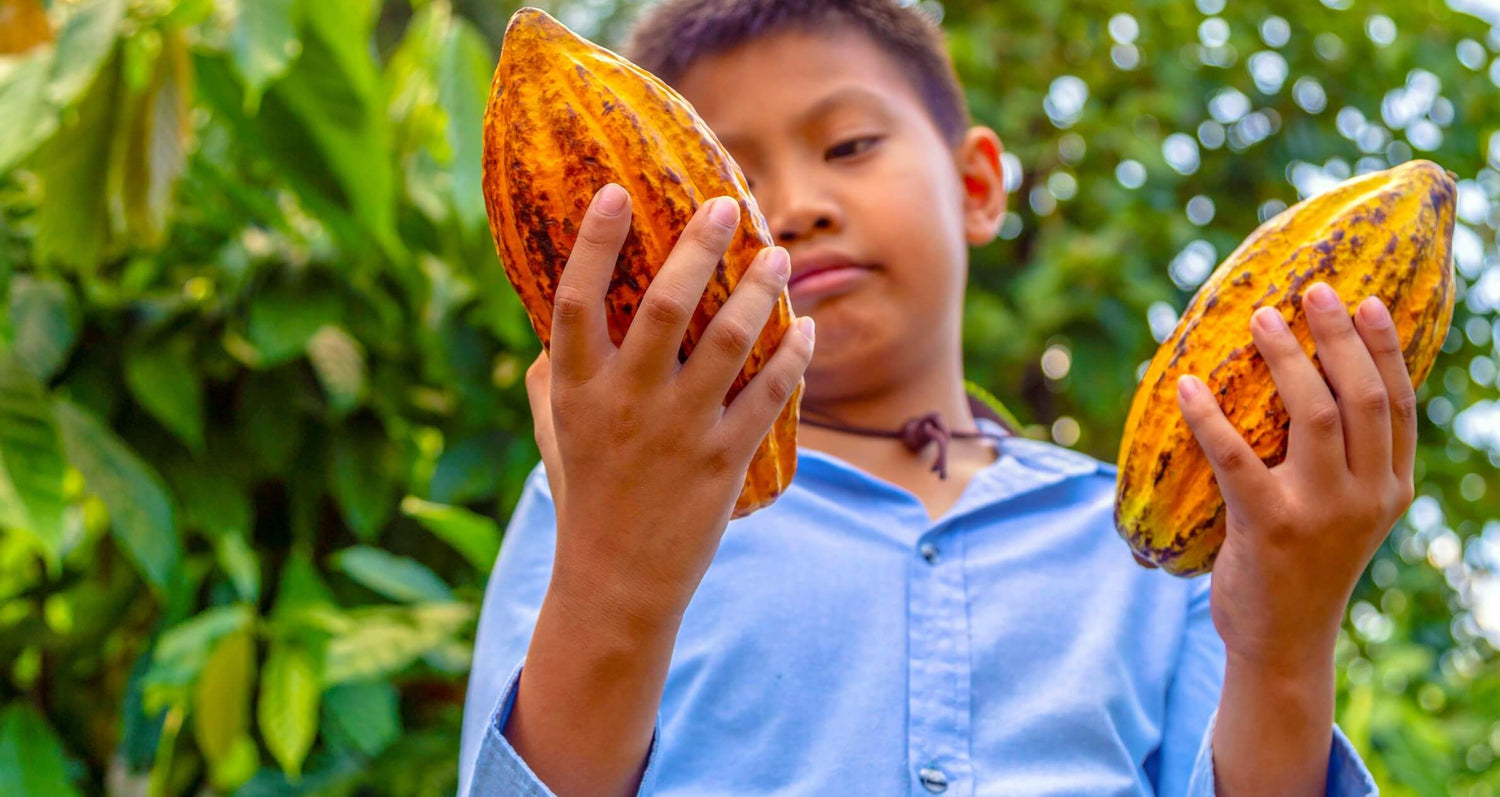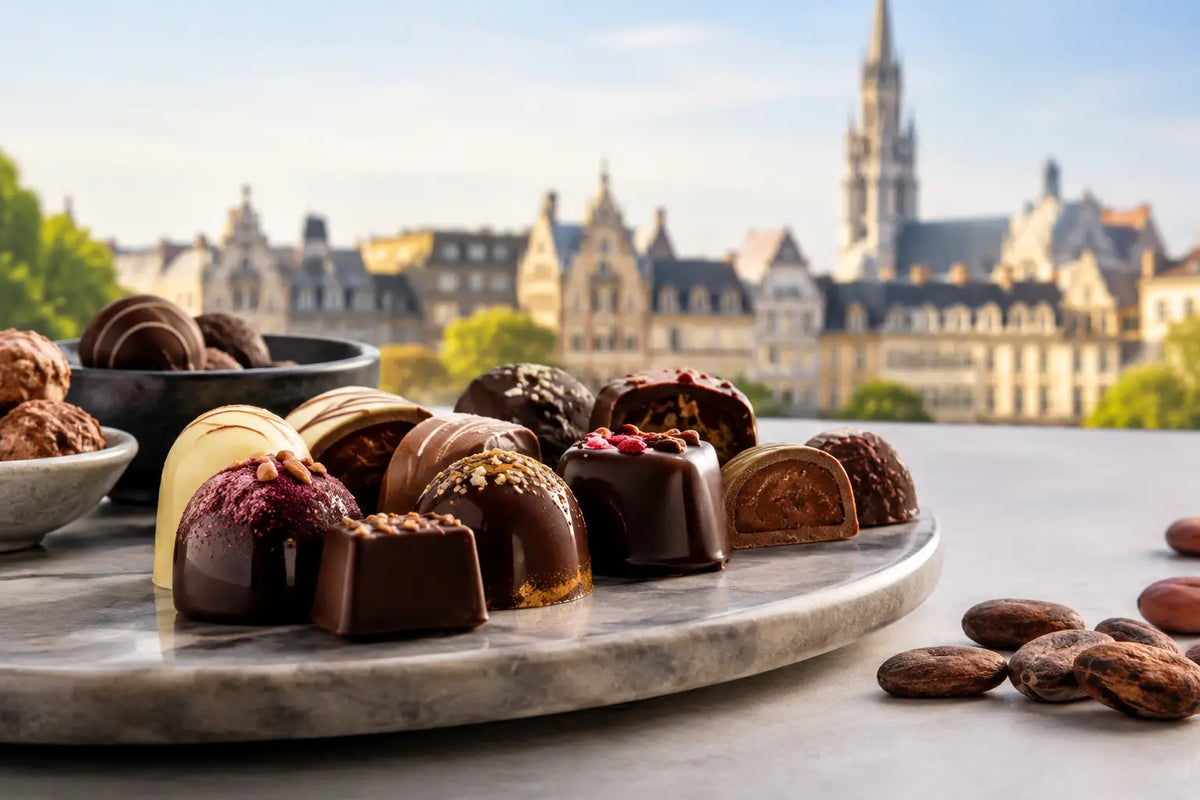
A glossy ballotin still has its place, but the most compelling Brussels chocolate trends begin much earlier: with the cacao bean, the maker’s choices, and a clearer answer to a simple question: where did this chocolate come from? For buyers who value flavor as much as presentation, Brussels is increasingly defined not only by its famous praline heritage, but by a renewed interest in chocolate made with precision, transparency, and respect for origin.
This is not a rejection of Belgian tradition. It is a more exacting expression of it. Classic techniques, elegant gifting, and finely finished confections remain essential, while bean-to-bar makers are bringing the raw material itself into sharper focus.
Brussels chocolate trends start with the bean
For generations, Belgian chocolate has been associated with refinement: smooth textures, filled pralines, and beautiful boxes designed for gifting. Yet conventional chocolate production often begins with ready-made couverture, purchased from a large manufacturer and melted into finished confections. The chocolatier’s skill lies in recipes, fillings, molding, and decoration, but the chocolate itself has already been made elsewhere.
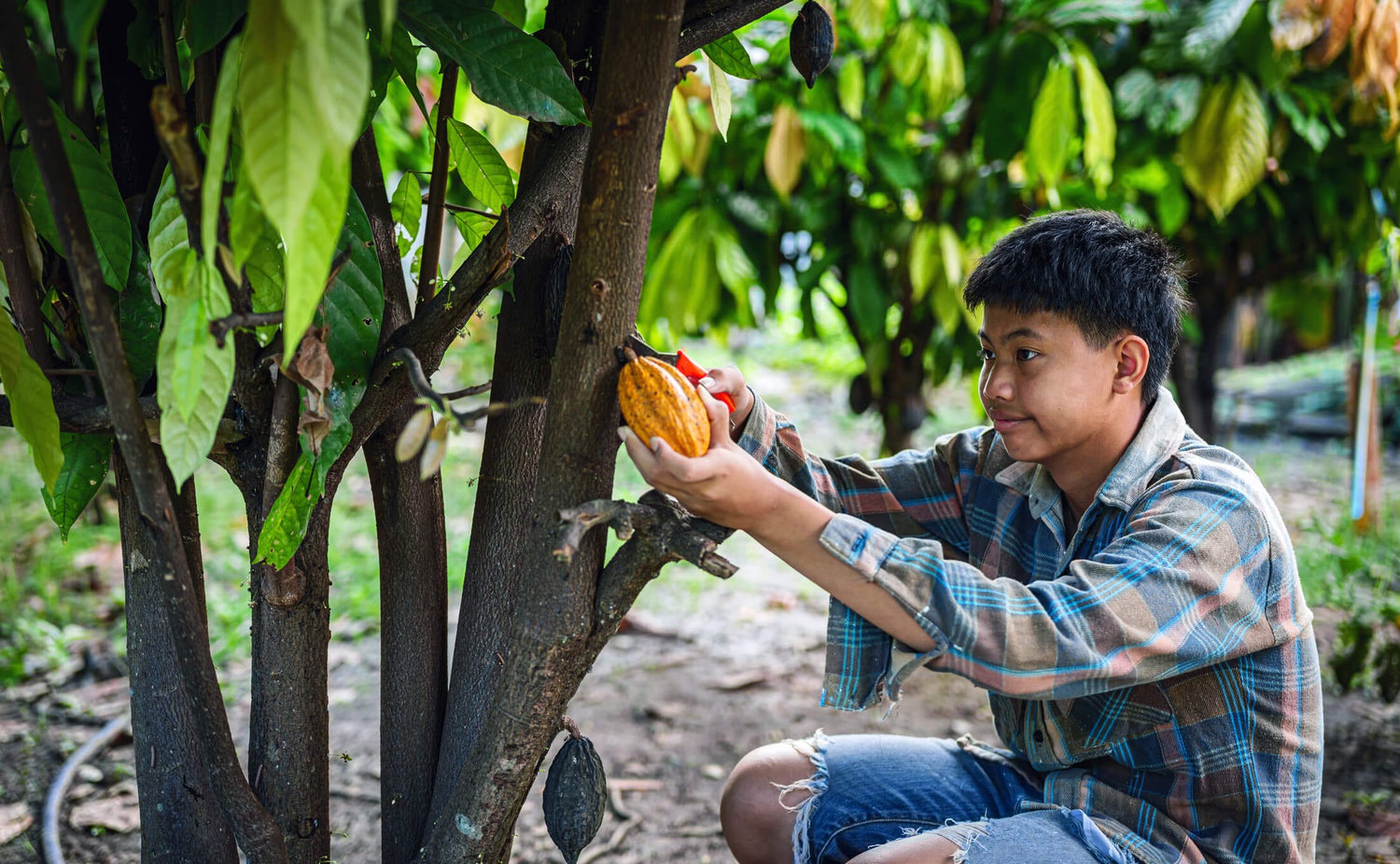
Bean-to-bar production changes that relationship. The maker selects cacao, roasts it, removes the husk, refines the nibs, develops the texture, tempers the chocolate, and creates the final bar or confection. Each stage affects the result. A lighter roast may preserve floral or fruit-forward notes; a longer conching time can soften bitterness and build a silkier finish. There is no single correct profile, only deliberate choices.
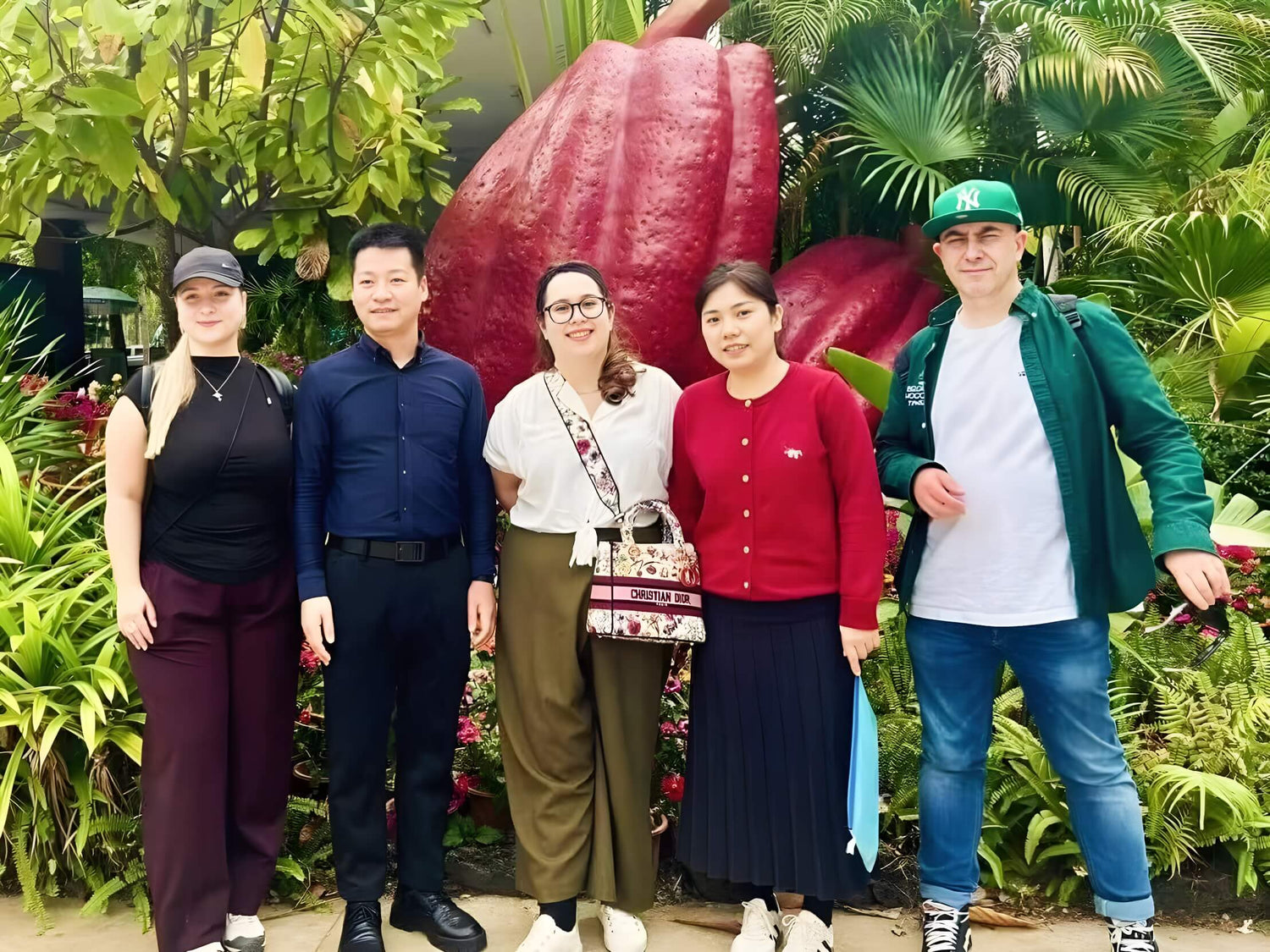
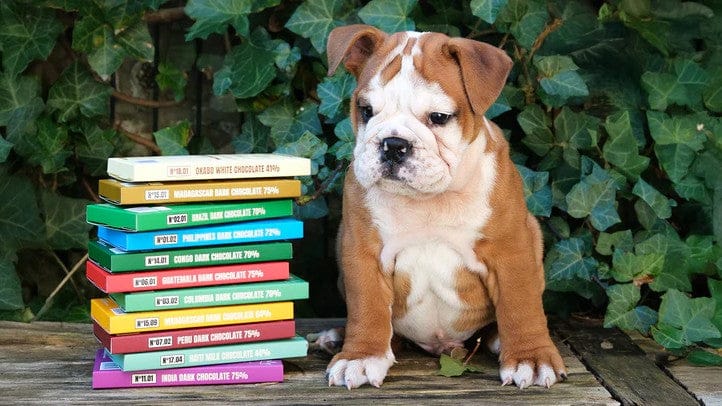
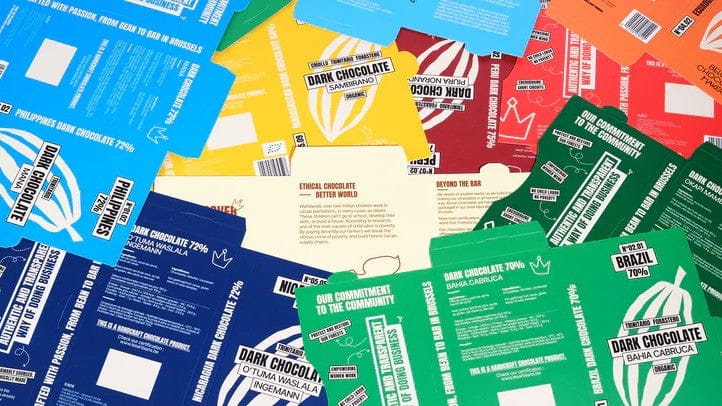
That is why single-origin chocolate has become more visible among discerning buyers. Cacao from Madagascar may offer bright red-fruit acidity, while a well-made Ecuadorian chocolate can bring nutty, caramel-like depth. Origins should not be treated as a promise that every harvest will taste identical. Weather, fermentation, and seasonal variation matter. That variation is part of what makes craft chocolate worth tasting slowly.
Traceability is becoming a mark of luxury
Premium chocolate once relied heavily on familiar cues: gold foil, ornate packaging, and a prestigious address. Those details still matter, especially when chocolate is a gift. But many shoppers now look beyond the box. They want to know whether a maker can identify the origin of its cacao and explain how it was transformed.
Traceability is not a decorative phrase. At its best, it means a chocolate maker can share meaningful information about the bean’s country or region of origin, the sourcing relationship, and the production carried out in the workshop. It gives customers a more honest basis for choosing, and it encourages a better appreciation of the people and agriculture behind each bar.
Ethical sourcing requires nuance. A single origin label does not, by itself, prove fair compensation or environmental excellence. Certifications can be useful, but they are not the only measure of responsible practice. Buyers should look for makers who speak clearly about their cacao rather than relying on broad claims with little detail. Specificity is usually a stronger sign of care than vague language about sustainability.
For gift purchasers, this shift adds emotional value. A box of chocolate becomes more than a polished gesture. It can reflect thoughtfulness toward the recipient and confidence in how the product was made.
Less dugar, more flavor
Another of the most noticeable Brussels chocolate trends is a move toward more balanced sweetness. This does not mean every chocolate must be intensely dark, nor does it mean milk chocolate is being left behind. It means recipes are increasingly designed to let cacao character come forward rather than bury it beneath excess sugar, vanilla, or heavy fillings.
Dark chocolate bars with clear origin notes appeal to those who enjoy a more direct cacao experience. At the same time, carefully made milk chocolate is finding fresh appreciation. When a maker uses quality cacao and balances dairy with restraint, milk chocolate can show malt, biscuit, honey, toasted nut, or gentle caramel notes without becoming cloying.
The trade-off is personal preference. A 70 percent bar may feel wonderfully complex to one person and too assertive to another. For an unfamiliar recipient, a mixed selection of milk and dark chocolates is often a wiser gift than a box built around one bold flavor profile. Good chocolate should invite curiosity, not demand expertise.
Pralines are becoming more ingredient-led
Belgian pralines remain central to Brussels chocolate culture, but their fillings are evolving. Rather than relying on sweetness alone, many contemporary collections emphasize texture, seasonality, and ingredients that have a clear purpose. Think crisp hazelnut praliné, a clean fruit ganache, a delicate coffee filling, or a salted caramel made to complement rather than overpower the shell.
This approach asks more from the chocolate surrounding the filling. A thin shell must have a clean snap and enough flavor to stand on its own. The filling must be balanced, stable, and proportionate. When every element is made with attention, a praline can feel generous without becoming heavy.
Seasonal creations are especially well suited to this direction. Citrus and berry notes can bring brightness in spring and summer, while roasted nuts, warming spices, and deeper caramelized flavors suit autumn and winter. Seasonality should add relevance, not novelty for its own sake. The best limited editions still taste unmistakably like chocolate first.
Gifting is more personal, not less formal
Chocolate remains one of the most universally welcome gifts because it carries warmth without requiring an occasion. The modern expectation, however, is higher. A premium gift should look considered, travel well, and offer an experience that feels distinctive from the first opening to the final piece.
This has created renewed demand for curated assortments. A thoughtful selection might combine a few approachable pralines, a single-origin bar for tasting, mendiants for texture, and a spread or truffle for a more indulgent moment. Variety helps a gift suit different palates, particularly when it is shared at the office, brought to a dinner, or sent to someone whose preferences are not fully known.
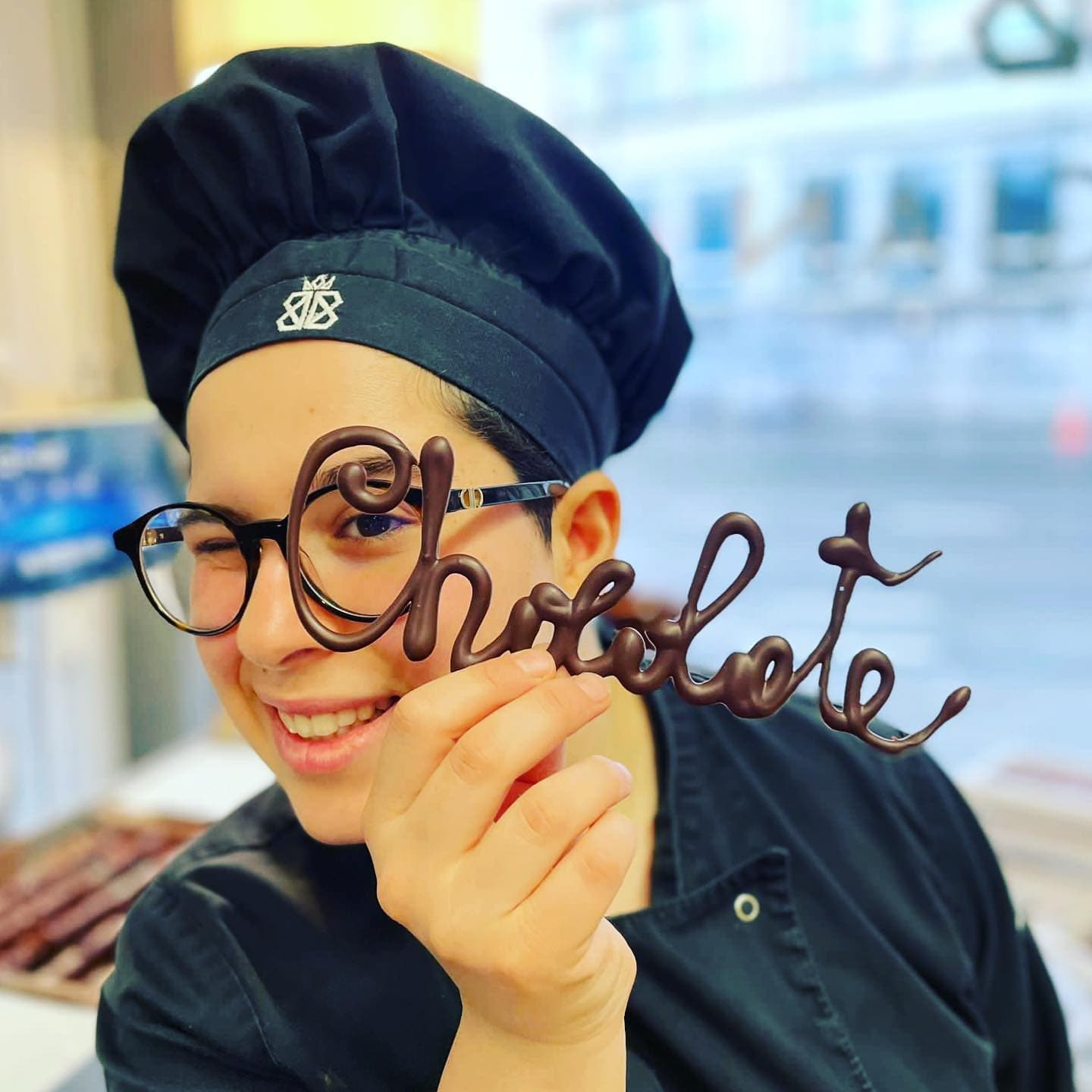
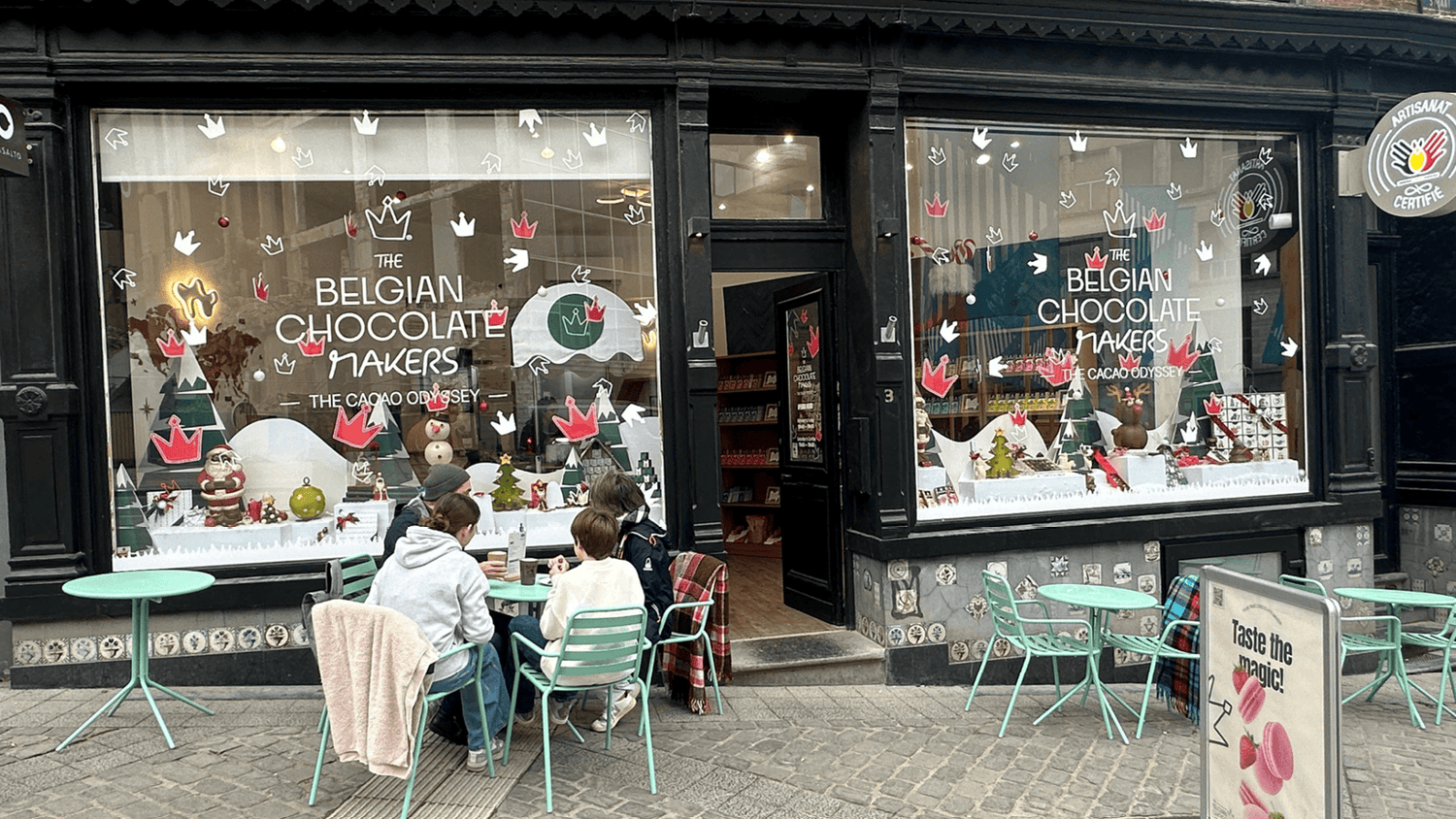
Presentation remains part of the pleasure, but it should not conceal an ordinary product. The strongest gift formats pair refined packaging with chocolate made in small batches and finished with the same care given to the box. At The Belgian Chocolate Makers, that connection begins in the central Brussels workshop, where cacao beans are transformed in-house before becoming bars, pralines, and gift-ready creations.
What to look for when buying craft chocolate
A few practical details can help separate a meaningful chocolate purchase from an expensive-looking one. First, look for clarity about who made the chocolate. Terms such as bean-to-bar or bean-to-bonbon have value when they describe genuine in-house work, not simply a marketing style.
Next, consider the ingredient list. Shorter is not automatically better, especially for filled chocolates, but recognizable ingredients and a clear purpose are encouraging signs. Quality cacao, cocoa butter, sugar, dairy where appropriate, nuts, fruit, and spices can produce exceptional results. Artificially intense flavors or waxy textures are usually less convincing than ingredients allowed to speak for themselves.
Finally, match the chocolate to the moment. A single-origin dark bar rewards quiet tasting. A polished praline assortment is ideal for celebrating, thanking, or hosting. Truffles and spreads lean toward comfort and indulgence. The right choice depends on the recipient, not on the highest cacao percentage or the most elaborate package.
The future is craft with reach
The most interesting direction for Brussels chocolate is not exclusivity for its own sake. It is craftsmanship made understandable. More consumers are learning to recognize the difference between chocolate that was merely shaped and chocolate that was truly made, from bean through final finish.
That awareness leaves room for both connoisseurs and casual gift buyers. Someone may begin with a beautiful box of pralines, then notice the origin printed on a bar, then become curious about roast profiles, cacao varieties, and sourcing. Chocolate does not need to become complicated to become more meaningful.
When choosing your next bar, box, or gift, let the maker’s transparency guide you as much as the packaging. The most memorable chocolate offers a clear sense of place, a maker’s point of view, and a reason to savor one piece before reaching for the next.