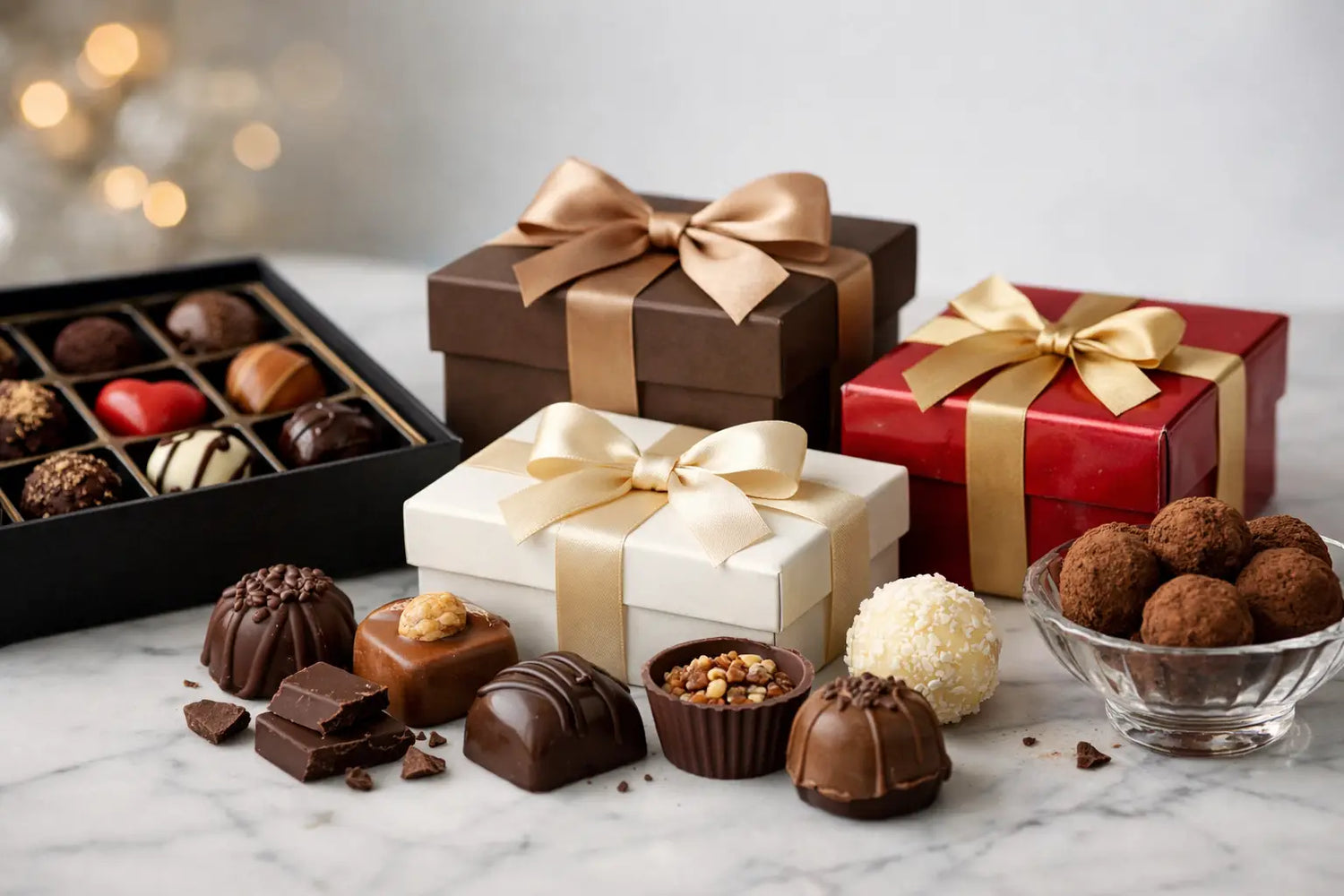
A gift box of chocolate can look impressive long before anyone tastes it. That is exactly why choosing the best chocolate for gifting takes more than selecting elegant packaging. The real difference is inside; in the quality of the cacao, the skill of the maker, and the thoughtfulness of the assortment.
When chocolate is meant as a gift, it carries two messages at once. It should feel generous and refined, but it should also reflect care. People notice when a gift tastes generic. They also notice when it has character, from the snap of a well-made bar to the depth of a praline made with real attention to texture and balance.
What makes the best chocolate for gifting?
The best gifting chocolate is memorable for the right reasons. It should look polished, of course, but presentation is only one part of the equation. Fine chocolate earns its place as a gift when it offers clear quality markers: carefully sourced cacao, precise craftsmanship, balanced flavor, and a format that suits the occasion.
Bean-to-bar chocolate stands apart here. When a maker handles the process from cacao bean to finished product, there is greater control over roasting, refining, and flavor development. That control matters. It creates chocolate with a more distinct identity than products made from anonymous industrial couverture.
For a gift buyer, this translates into something simple: the chocolate feels less interchangeable. It has a point of view. Whether the recipient is a serious food lover or someone who simply appreciates a beautiful box, that sense of authenticity makes the gift stronger.
Why origin and craftsmanship matter in a gift
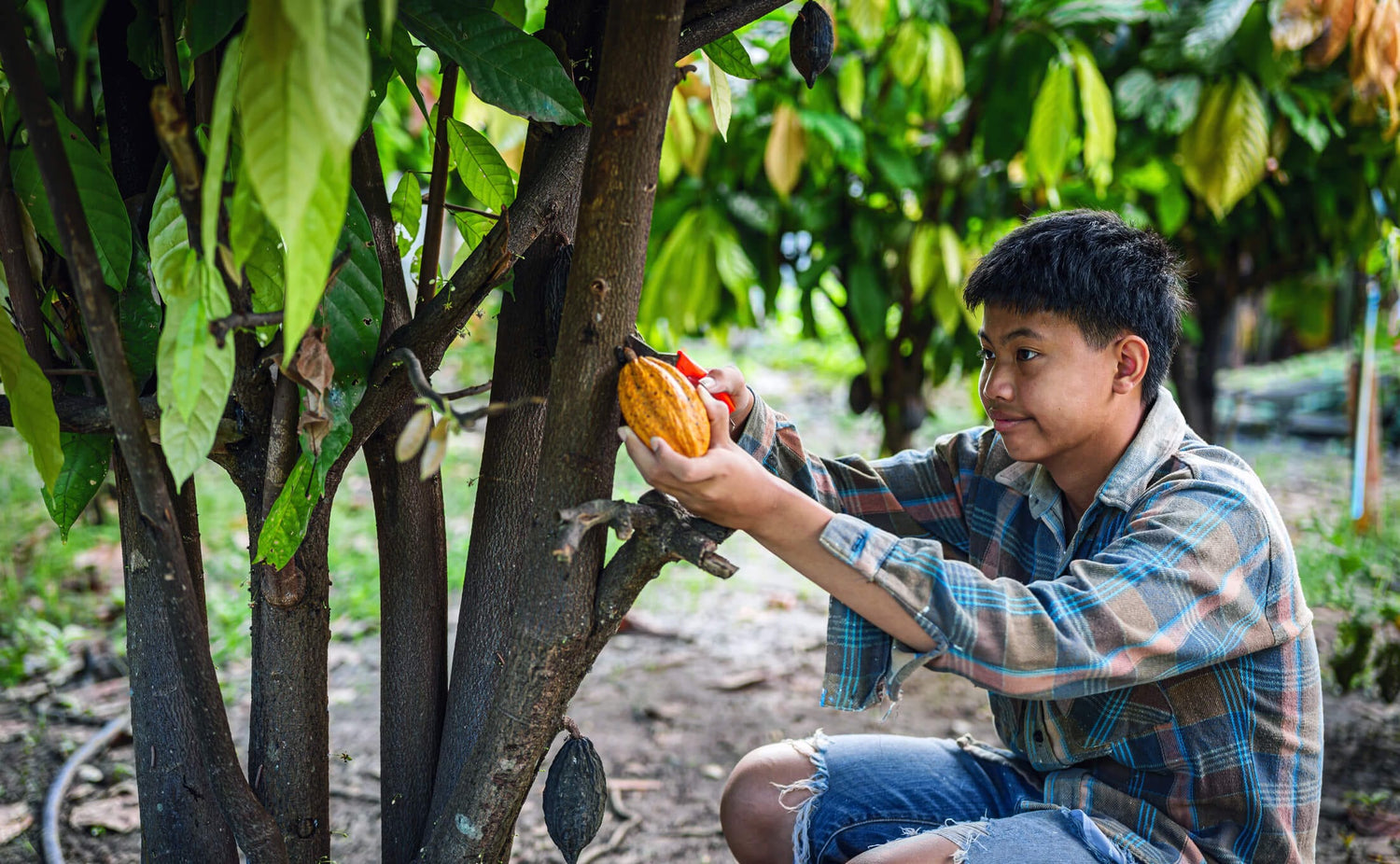
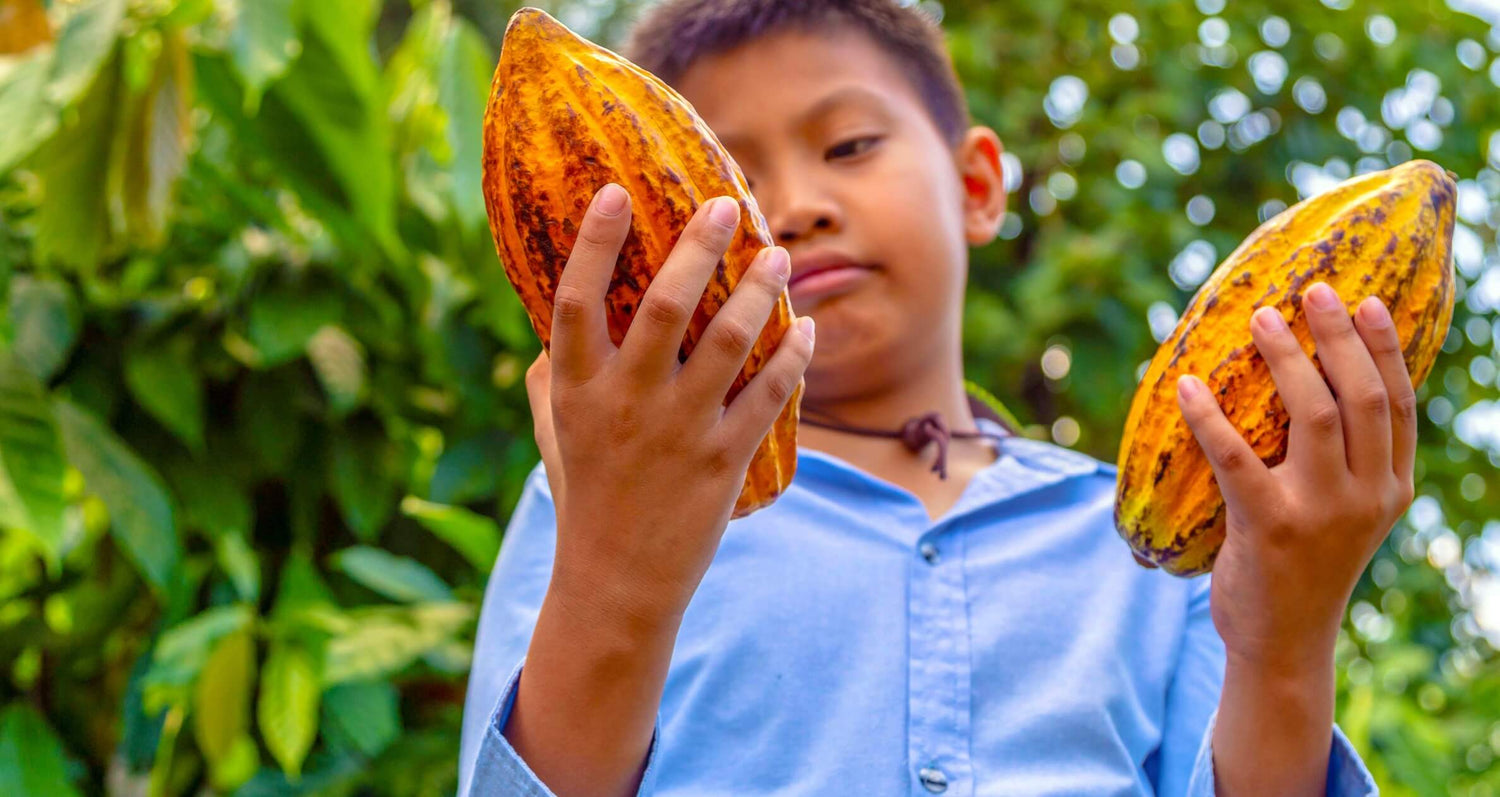
Not every recipient will ask where the cacao was grown or how the chocolate was refined. Even so, they can taste the difference between flat sweetness and genuine complexity. Chocolate made from well-sourced beans often carries natural notes that feel vivid rather than manufactured; red fruit, toasted nuts, warm spice, citrus, honey, or deep cocoa richness.
That is one reason single-origin bars and small-batch assortments make such strong gifts. They offer a more specific experience. Instead of tasting like a generic category called chocolate, they express place, variety, and making style.
Craftsmanship matters just as much. A well-made praline should not be overly sweet to the point that the filling loses definition. A truffle should feel smooth and deliberate, not heavy or greasy. A mendiant should have contrast in both texture and flavor. These details may seem small, yet they are what separate premium chocolate from something that only looks premium.
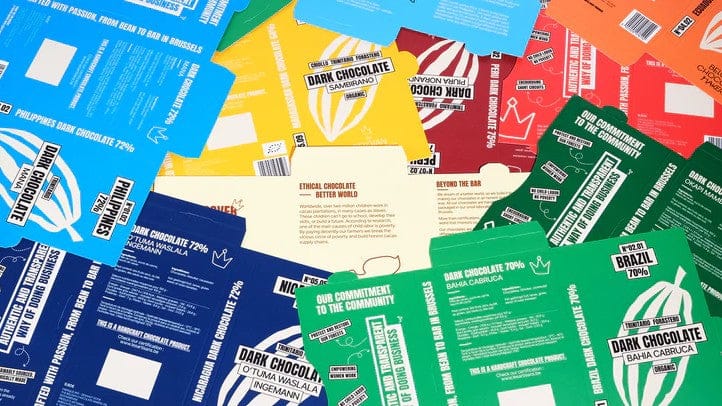
Ethical sourcing also matters, especially for modern gift buyers. Chocolate feels more meaningful when it comes with traceability and a clear respect for the ingredients. If you are sending a gift meant to feel elevated, the story behind it should support the quality in the box.
How to choose the right type of chocolate gift
The best choice depends on who is receiving it and what you want the gift to say.
If you need a versatile gift with broad appeal, an assortment of pralines or truffles is usually the safest option. It offers variety, feels generous, and works well for hosts, colleagues, family gifts, and formal occasions. A good assortment should include contrast; dark and milk chocolate, smooth fillings and textured pieces, familiar flavors and a few more distinctive ones.
If the recipient is more food-focused, craft bars often make a stronger impression. A set of bean-to-bar bars, especially with different origins or cacao percentages, feels thoughtful rather than generic. It invites tasting and comparison, which makes it a particularly good gift for someone who enjoys coffee, wine, specialty food, or cooking.
For a warmer, more approachable gift, spreads, mendiants, and seasonal specialties can be excellent. They feel a little less formal than boxed pralines but still premium when made with care. These formats are often ideal when you want the gift to feel personal rather than ceremonial.
For major moments, client gifts, holidays, milestone birthdays, or thank-you gestures with a higher perceived value, presentation becomes more important. In those cases, premium gift boxes or curated collections tend to work best because they offer both visual impact and a sense of occasion.
Best chocolate for gifting by occasion
Different occasions call for different levels of formality.
For birthdays, it helps to choose chocolate with personality. This could mean bold flavor combinations, single-origin bars, or a well-balanced mixed box that feels celebratory without becoming novelty-driven. The best birthday chocolate still tastes serious.
For corporate gifting, restraint usually works better than excess. Clean presentation, refined assortments, and a clear sense of quality are more effective than flashy themes. Chocolate that reflects craftsmanship and ethical sourcing feels especially appropriate because it communicates discernment.
For holidays, abundance has its place. Seasonal collections, mixed textures, and gift-ready packaging can make the experience feel festive. The key is avoiding quantity without quality. A large box only feels luxurious if the chocolate itself is worth returning to piece after piece.
For thank-you gifts or host gifts, smaller formats can be ideal. A beautifully made box of pralines, a few exceptional bars, or a compact selection of mendiants feels polished and easy to give. It does not need to be grand to feel memorable.
For romantic gifting, people often default to visual cues alone. That is understandable, but taste matters more than symbolism. A refined assortment with genuine depth and elegant finishing will usually have more impact than a heart-shaped box filled with ordinary chocolate.
What to look for before you buy
There are a few signs that tell you whether a chocolate gift is truly premium.
First, look for transparency. If the maker speaks clearly about sourcing, production, and ingredients, that is usually a good sign. Chocolate made with care tends to come with a sense of accountability.
Second, pay attention to the ingredient list. Fine chocolate does not need unnecessary fillers to create flavor. The focus should remain on cacao, carefully chosen ingredients, and proper technique.
Third, consider whether the chocolate is made in-house or assembled from pre-made chocolate. This is a major distinction. Chocolatiers who work from industrial bases can create attractive products, but bean-to-bar makers offer a deeper level of craftsmanship because they shape the chocolate itself from the beginning.
Fourth, think about balance. A gift should be accessible enough to enjoy, but distinctive enough to remember. Extremely bitter dark bars may impress one recipient and miss another. Very sweet fillings may feel crowd-pleasing at first but quickly become forgettable. The best selections find the middle ground with confidence.
Presentation matters, but only if the chocolate earns it
Beautiful packaging is part of gifting. It creates anticipation and helps the gift feel complete. Still, presentation should never be used to distract from ordinary chocolate.
The best gift chocolate aligns packaging with product quality. The box feels elegant because what is inside justifies that level of care. This is where artisanal makers often stand out. When production, finishing, and gifting are all treated seriously, the result feels coherent.
That coherence matters more than luxury codes alone. A heavy box, ribbon, or gold details can look impressive, but they do not create flavor, texture, or integrity. A more understated gift can feel far more premium if the chocolate has real substance.
When artisan chocolate is the better gift
Artisan chocolate is not always the cheapest option, and that is part of the point. A gift is not just about volume. It is about choosing something made with intention.
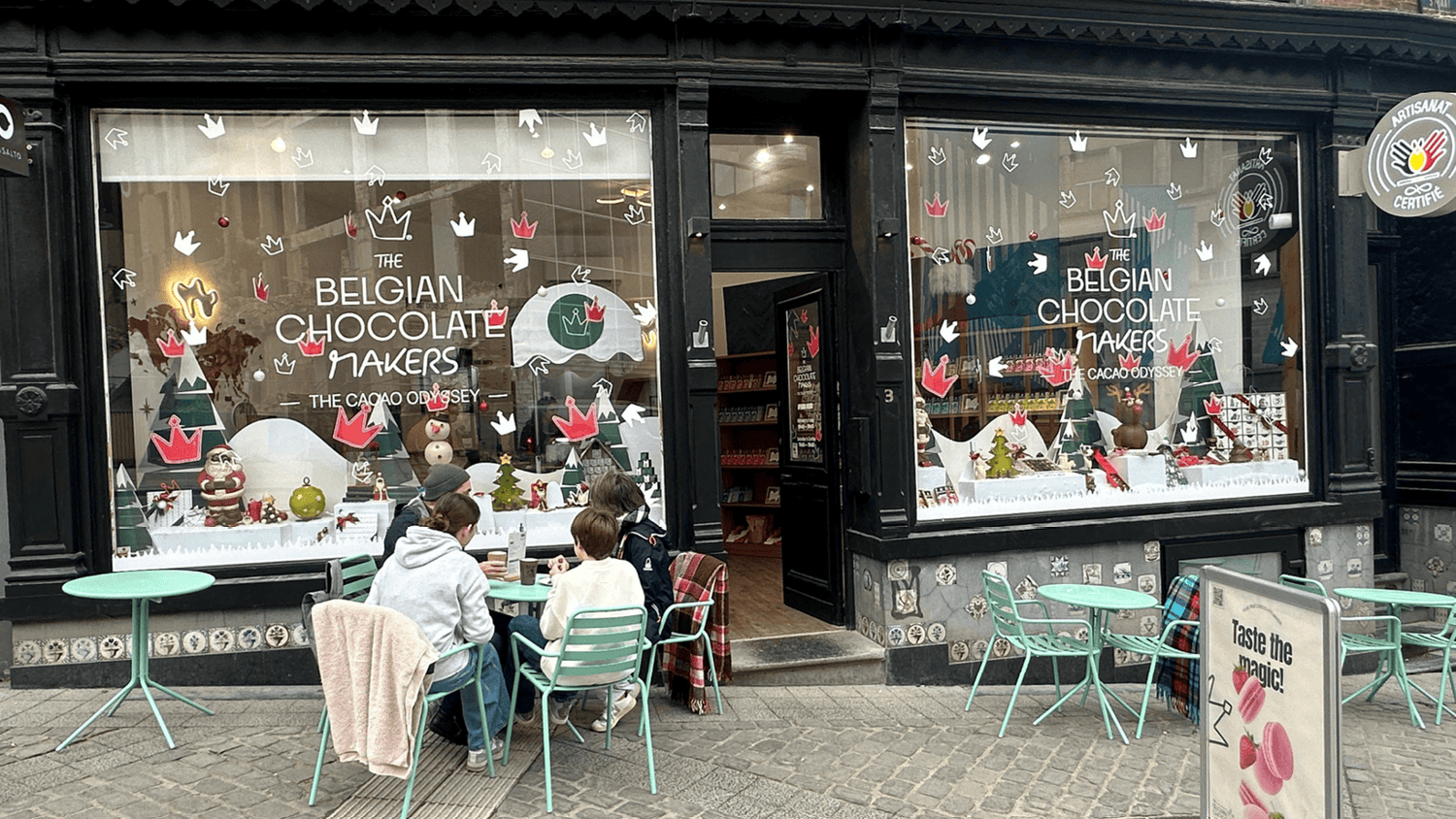
When you buy from a true workshop maker, you are giving more than a sweet product. You are giving the result of sourcing decisions, roasting choices, recipe development, and hand-finished presentation. That depth is hard to fake. It is one reason bean-to-bar makers such as The Belgian Chocolate Makers appeal to shoppers who want gifts to feel authentic rather than mass-produced.
There are times when a broad, familiar brand may feel easier. If you are buying for a very large group or need a lower price point, that route can make sense. But if the goal is to send a gift that feels elevated, personal, and credible, artisan chocolate is often the stronger choice.
A good chocolate gift should never feel like an afterthought. Choose one with real flavor, clear origins, and craftsmanship you can trust, and the gesture will speak for itself.