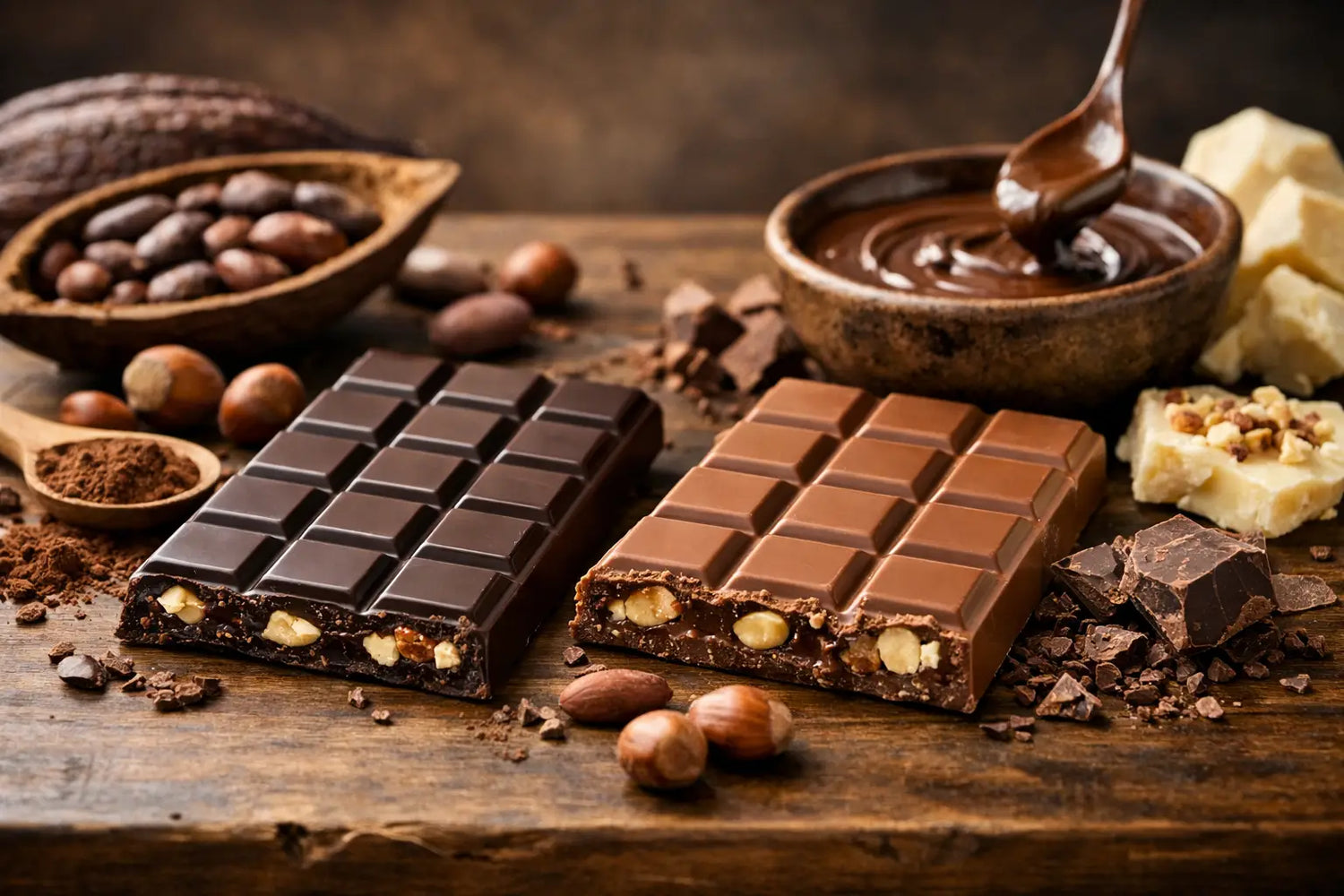
One snap tells you a lot. A well-made artisan Belgian chocolate bar breaks cleanly, melts evenly, and leaves a finish that lingers beyond sweetness. That difference is not marketing polish. It comes from how the chocolate is made, where the cacao comes from, and whether the maker controls the process from bean to bar.
For anyone used to supermarket chocolate or even elegant-looking boxed confections, the shift can be surprising. Many products sold under the banner of premium chocolate rely on industrial couverture purchased from large suppliers. That can still produce a pleasant result, but it is not the same as a maker roasting, refining, tasting, and molding chocolate in-house. When a chocolatier works directly from cacao beans, the bar becomes more than a wrapper and a cocoa percentage. It becomes a record of origin, craft, and choices made at every stage.
Why artisan Belgian chocolate bars stand apart
Belgium has long been associated with chocolate excellence, but heritage alone does not guarantee quality. What matters is how that heritage is carried forward. The strongest artisan makers respect Belgian standards of refinement while embracing a more transparent, modern approach to sourcing and production.
That means paying attention to the full chain. The selection of cacao beans affects acidity, fruit notes, bitterness, and structure. Roasting shapes aroma and balance. Refining influences texture. Conching can soften sharp edges or preserve more vivid character, depending on the intended style of the bar. Even molding and cooling matter, because tempering affects gloss, snap, and melt.
In an artisan setting, these decisions are not outsourced. They are made by the chocolate maker, batch by batch. The result is chocolate with a clearer point of view. Some bars are floral and delicate. Others are earthy, nutty, or richly cocoa-forward. That range is exactly what mass production tends to smooth out.
Bean-to-bar is more than a label
Bean-to-bar is one of those terms that can sound niche until you taste the difference. At its best, it signals direct involvement in the transformation of raw cacao beans into finished chocolate. That includes sorting, roasting, cracking, winnowing, grinding, refining, conching, tempering, and molding.
Why does that matter to a buyer? Because control creates accountability. If a maker handles the chocolate from the beginning, there is far more transparency around ingredients, sourcing, and flavor development. You are not just buying a bar with attractive packaging and a Belgian identity. You are buying the outcome of a real workshop process.
There is also an integrity issue here. When chocolate is made in-house, the maker can preserve the individuality of a single origin or build a blend with intention. They can decide whether a Madagascar cacao should express its red-fruit brightness or whether a deeper roast better suits a nutty Latin American profile. Those decisions shape the final bar in ways that no label alone can communicate.
Flavor in artisan Belgian chocolate bars
People often assume dark chocolate is simply more intense and milk chocolate is simply sweeter. In practice, flavor is more nuanced than that. A carefully made dark bar can be surprisingly elegant, with notes of citrus, dried fruit, spice, coffee, toasted grain, or warm caramel. A milk bar can show remarkable depth when the cacao remains present instead of disappearing under sugar and dairy.
This is where artisan Belgian chocolate bars justify their place in the premium category. They are designed to reveal character, not mask it. Good makers do not chase bitterness as proof of seriousness, and they do not rely on sugar to create broad appeal. They aim for balance.
That balance depends on the bean, the roast, and the recipe. A higher cocoa percentage does not automatically mean a better bar. Sometimes a 70 percent bar offers more harmony than an 85 percent bar. Sometimes a single-origin milk chocolate gives more insight into a cacao's personality than a dark formula. It depends on what the maker wants to express and how well the bar is executed.
Single-origin bars and blended bars
Single-origin bars attract attention because they let one cacao source speak clearly. For curious buyers, they are an excellent way to understand how origin affects taste. A bar made from beans grown in one region can feel bright and lively, while another may be rounder, woodier, or more mineral.
Blended bars deserve equal respect. A thoughtful blend can achieve consistency, structure, and complexity that one origin alone may not provide. The trade-off is straightforward. Single-origin bars can offer distinctiveness and terroir, while blends can offer balance and a more composed house style. Neither is inherently superior. The question is whether the maker is deliberate.
Ethical sourcing matters because quality begins before the workshop
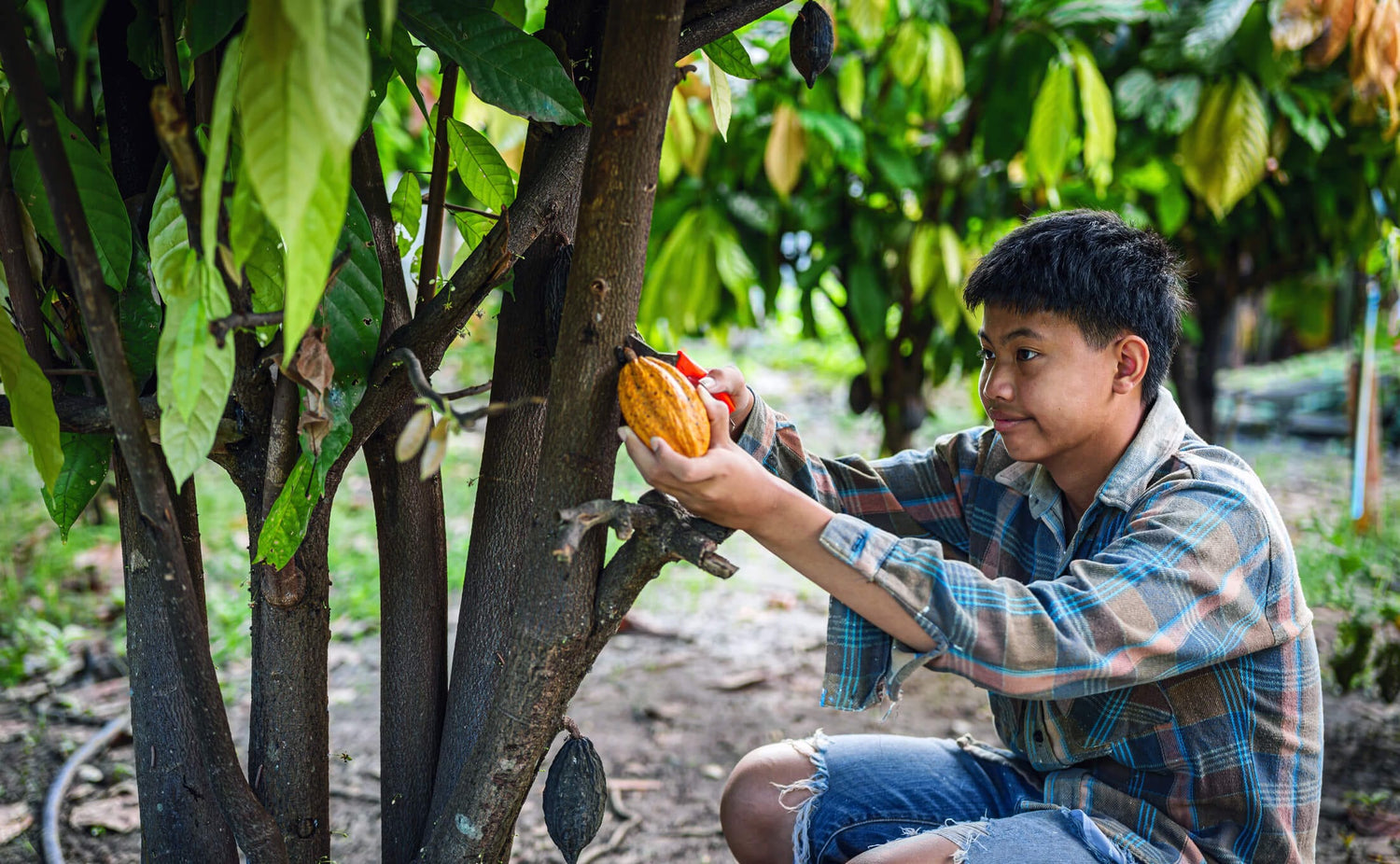
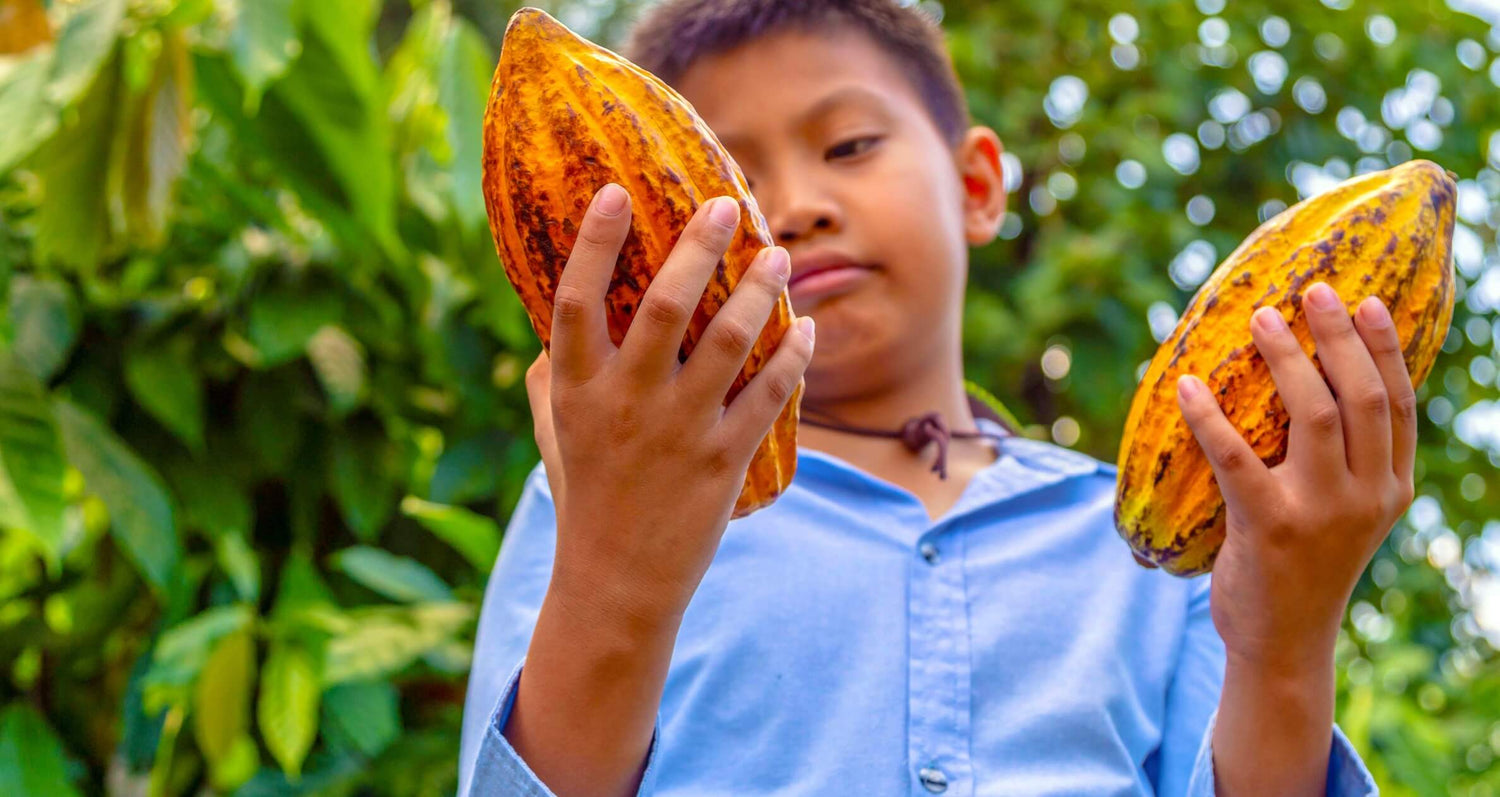
The best chocolate bars do not begin at the refining machine. They begin at origin, with cacao that has been grown, harvested, fermented, and dried with care. Ethical sourcing is often discussed as a moral issue, and it is one. It is also a quality issue.
Poorly handled cacao cannot be rescued later. If fermentation is inconsistent or drying is rushed, flavor suffers. Makers committed to traceability and direct relationships are better positioned to choose beans with both strong sensory potential and credible sourcing standards.
For many buyers, especially those choosing gifts, this matters more than ever. A chocolate bar feels more meaningful when its quality is matched by transparency. People want to know that premium pricing reflects genuine craftsmanship and responsible sourcing, not just presentation. That expectation is reasonable.
How to choose a bar worth buying
Not every premium-looking bar is genuinely artisanal. Packaging can signal quality, but it cannot prove it. A few details help separate real craft from polished branding.
Start with the ingredient list. A focused recipe is usually a good sign. Cacao beans, sugar, cocoa butter, and perhaps milk powder for milk chocolate are often enough. Long lists of additives tend to suggest a different approach.
Then look for origin information and production clarity. If a maker states where the cacao comes from and explains that the chocolate is produced in-house, that signals substance. Vague language about tradition or luxury without production details is less convincing.
Texture and finish matter too. A good bar should melt cleanly, not waxily. The flavor should develop in stages rather than flatten into sweetness. If a bar tastes mostly of sugar or vanilla, the cacao is not doing much of the work.
Buying for yourself versus buying as a gift
For personal tasting, single-origin bars or tasting assortments make the most sense because they let you compare styles and cacao profiles. For gifting, it depends on the recipient. A chocolate enthusiast may appreciate a more origin-driven selection. A broader audience often responds well to a mix of dark and milk bars with elegant, approachable flavor.
Presentation matters in gifting, but it should support the product rather than distract from it. Well-made artisan chocolate has an advantage here. It brings both visual polish and a stronger story - one rooted in craftsmanship, sourcing, and real production rather than generic luxury cues.
The Belgian difference, done properly
Belgian chocolate still carries weight with international buyers, and for good reason. There is a long-standing expectation of finesse, smooth texture, and high standards. But today, the most compelling expression of that reputation is not imitation of old formulas. It is a return to making chocolate with greater honesty.
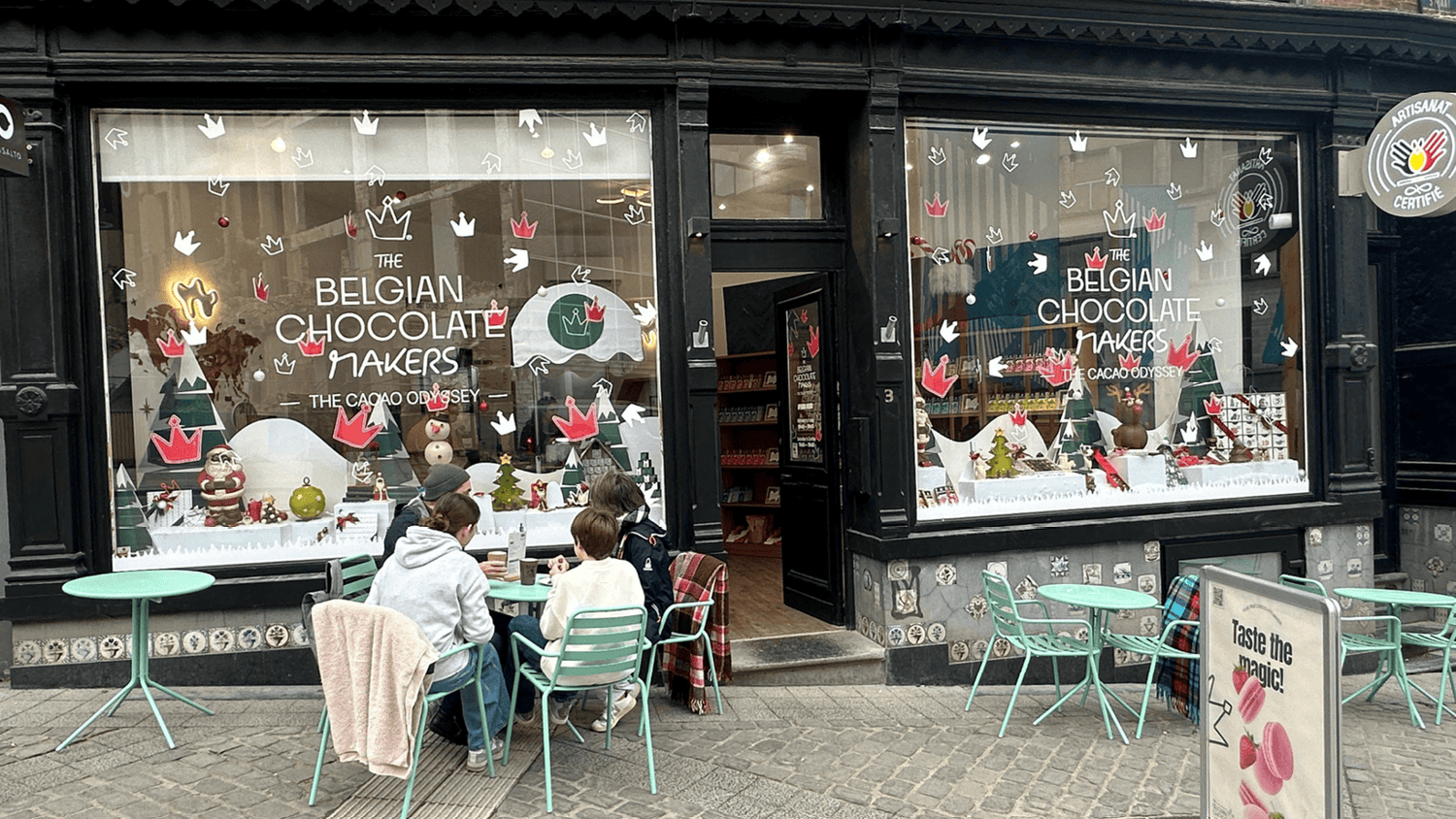
That is where a bean-to-bar workshop model becomes so important. It preserves the precision people associate with Belgian chocolate while reintroducing traceability, small-batch attention, and a more direct relationship to cacao itself. In Brussels, makers such as The Belgian Chocolate Makers show how that combination can feel both rooted in tradition and unmistakably current.
For shoppers in the US and beyond, that matters because it changes what the purchase represents. You are not simply buying something sweet or luxurious. You are choosing a bar shaped by craft decisions, origin knowledge, and a more transparent standard of quality.
The next time you pick up a chocolate bar, pause before you look at the percentage on the front. Ask who made it, how they made it, and whether the flavor tells a real story. The best bars answer those questions before you finish the first square.