A chocolate bar begins making an impact long before it reaches a gift box or is broken into a square after dinner. The most meaningful sustainable sourcing examples start at origin: who grows the cacao, how it is purchased, what information follows it through the supply chain, and whether quality is rewarded fairly. For chocolate lovers, these details are not separate from flavor. They help explain why a bar tastes distinctive, and why it is worth choosing carefully.
What sustainable sourcing means in fine chocolate
Sustainable sourcing is often reduced to a label, but a label alone cannot tell the full story. In fine chocolate, it means buying ingredients in a way that supports the long-term health of the people, land, and communities involved. That requires attention to environmental practices, farmer livelihoods, labor conditions, and the commercial relationships behind each purchase.
The standard is not perfection. Cacao is grown across diverse regions, often by smallholder farmers facing changing weather, crop disease, market volatility, and limited access to finance. A responsible chocolate maker should be able to describe what it knows, what it is working to improve, and where the limits of its visibility remain.
Sustainable sourcing examples worth looking for
1. Traceable cacao with a named origin
A single-origin claim is most useful when it goes beyond a country name. Responsible traceability can identify a region, cooperative, community, estate, or group of farms, along with the crop year or lot where possible. This level of detail creates accountability. It lets a maker understand the route from cacao producer to workshop and gives customers a clearer connection to the place behind the chocolate.
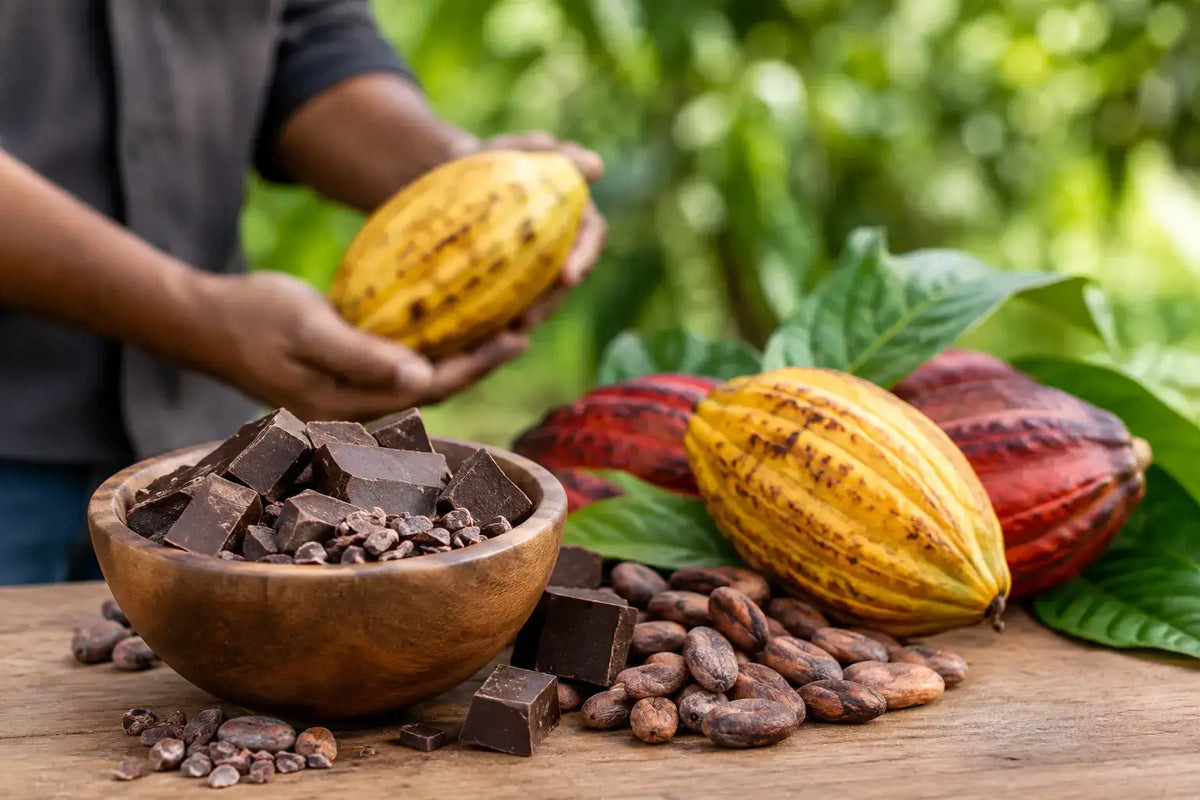
Traceability also protects flavor. Beans from different growing areas can express markedly different notes, from bright red fruit and citrus to toasted nuts, honey, or deep cocoa. When origin is preserved rather than blended into anonymous bulk supply, chocolate makers can roast and refine with the character of that cacao in mind.
2. Paying for quality, not only commodity price
Cacao prices in the commodity market do not always reflect the care required to produce exceptional beans. Fermentation, drying, sorting, and storage take skill, time, and reliable infrastructure. Paying a premium for well-prepared cacao can recognize that work while giving farmers a stronger incentive to keep investing in quality.
This example needs nuance. A higher price does not automatically mean the relationship is fair, especially when a buyer cannot explain how the price was set or who receives it. Still, quality premiums, agreed purchasing terms, and repeat buying relationships are more meaningful than selecting beans solely because they are the least expensive available.
3. Long-term purchasing relationships
One-off purchases may suit a rare micro-lot or a seasonal experiment, but they offer little certainty for growers. Returning to a producer or cooperative over multiple harvests can support planning on both sides. Farmers can make decisions with more confidence, while chocolate makers gain a deeper understanding of each origin's harvest patterns, processing methods, and flavor potential.
Long-term relationships are not always direct relationships. Cacao may move through exporters and specialized importers that handle logistics, quality control, financing, and documentation. What matters is whether the chain is transparent and whether the commercial model builds continuity rather than treating cacao as an interchangeable raw material.
4. Supporting better post-harvest practices
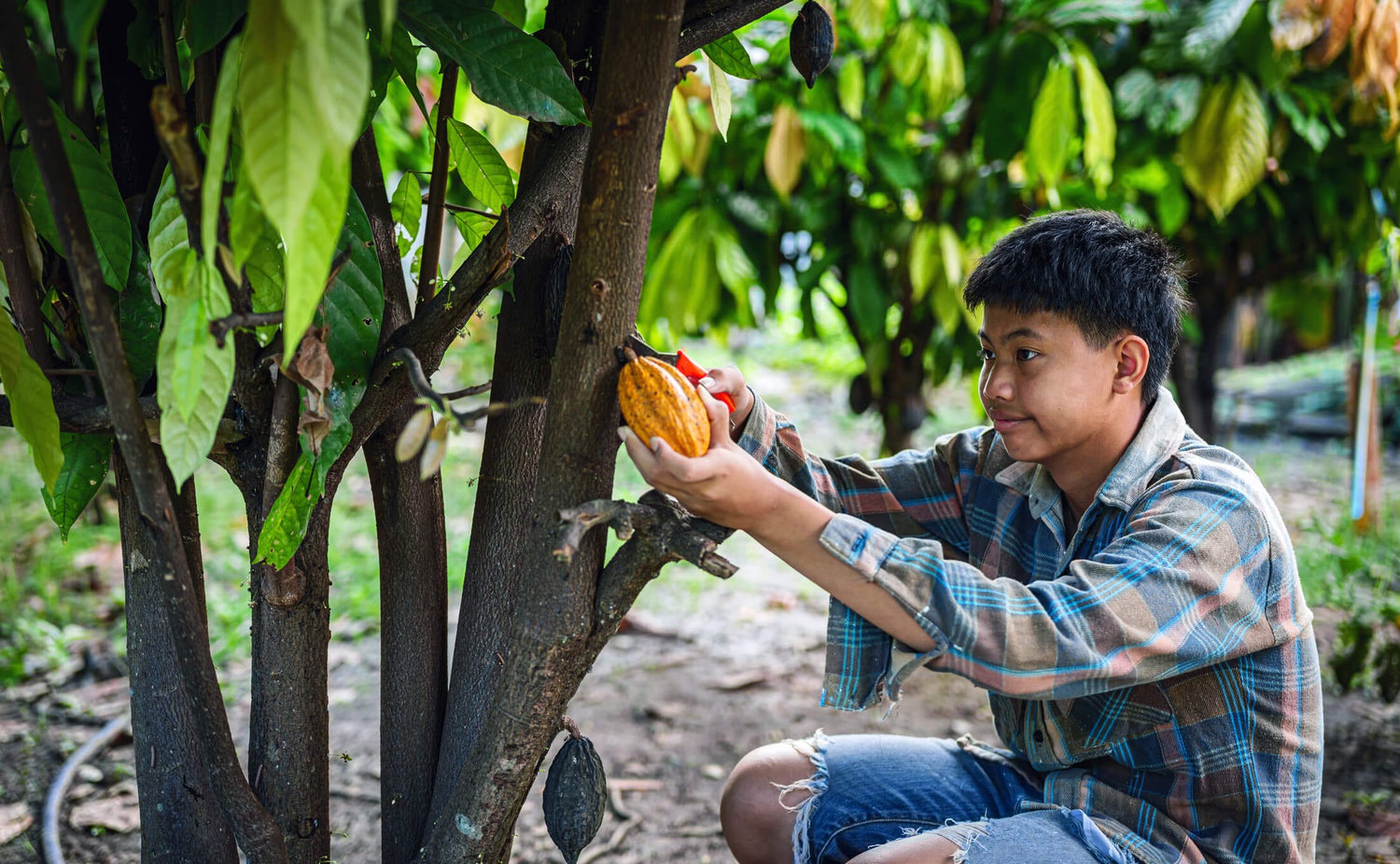
Much of a cacao bean's eventual flavor is shaped after the pod is opened. Fermentation and drying determine whether the cacao develops complexity or carries unwanted bitterness, smoke, or mold. Investments in fermentation boxes, drying beds, training, and careful quality assessment can therefore serve environmental and economic goals at once: less spoilage, a more valuable crop, and better chocolate.
This is a particularly practical form of sustainable sourcing because it respects local expertise rather than imposing a single recipe from afar. The right approach depends on climate, available space, traditional methods, and the needs of the farming community. Better practices should be developed with producers, not simply prescribed to them.
5. Agroforestry and soil-conscious cultivation
Cacao can be grown within diverse landscapes that include shade trees, food crops, and native vegetation. Well-managed agroforestry may help protect soil, support biodiversity, reduce heat stress, and give farming families additional sources of food or income. It is a more resilient model than clearing land for a single crop, but it requires local knowledge and patient management.
Buyers should be wary of overly simple claims here. Shade-grown cacao is not identical in every region, and a farm's environmental performance cannot be judged from one phrase on a package. The strongest sourcing stories explain the specific practices being supported and avoid suggesting that all cacao from an origin is produced in the same way.
6. Responsible sourcing beyond the cacao bean
Chocolate contains more than cacao. Sugar, milk powder, nuts, vanilla, fruit, and inclusions each have their own agricultural and social footprint. Choosing ingredients with clear origins and credible standards extends the same care across a praline, spread, or chocolate bar.
For a small-batch maker, this can mean asking whether a hazelnut supplier can identify its growing region, whether vanilla is purchased through a transparent channel, or whether dairy partners meet appropriate animal-welfare and environmental expectations. It may also mean keeping recipes focused. A shorter ingredient list can make it easier to trace what is being bought and why.
7. Packaging chosen with its full purpose in mind
Packaging is not a substitute for responsible cacao purchasing, but it remains part of the sourcing decision. Premium chocolate needs protection from heat, light, moisture, and breakage. A package that looks minimal but fails to preserve the product can create waste, particularly for gifts or international orders.
A thoughtful approach balances presentation, food safety, recyclability, and material use. Recyclable paper, reduced plastic, responsibly sourced board, and right-sized shipping materials are useful examples when they are suited to the product. The most responsible package is often not the lightest one in isolation, but the one that protects a carefully made chocolate without unnecessary excess.
How to read sourcing claims as a chocolate buyer
You do not need a supply-chain audit to make better choices. Start by looking for specificity. Does the maker name the cacao origin? Does it describe a cooperative, producer relationship, or import partner? Are the ingredients clear, and does the language explain concrete practices rather than relying on broad words such as “ethical” or “natural”?
Certification can be valuable, particularly where it provides independent standards and farmer support. Yet it is one tool, not a complete answer. A certified product may still offer limited origin detail, while a small producer relationship may be highly transparent without carrying every available seal. The strongest signal is a maker that communicates clearly and is willing to be precise.
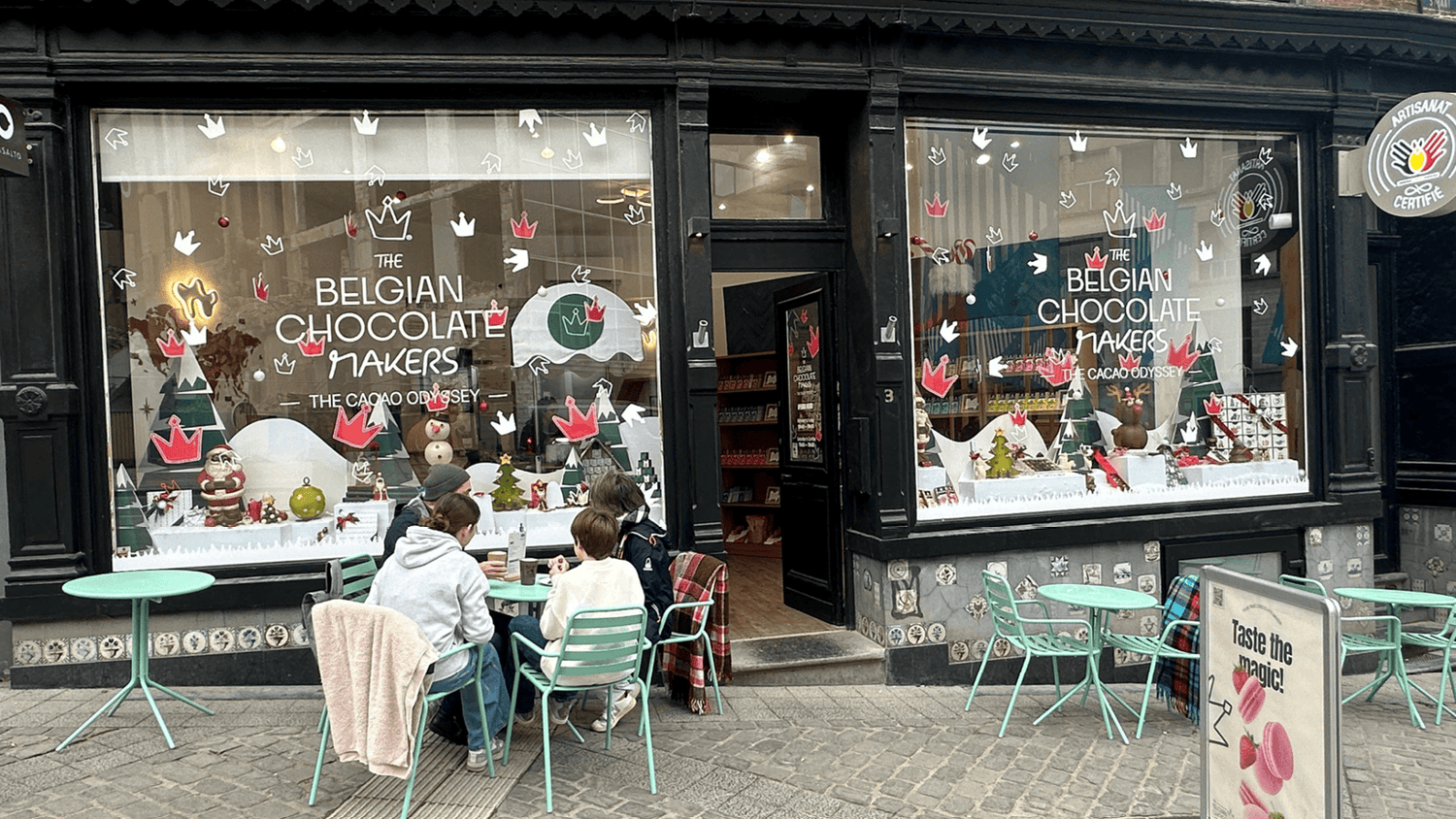
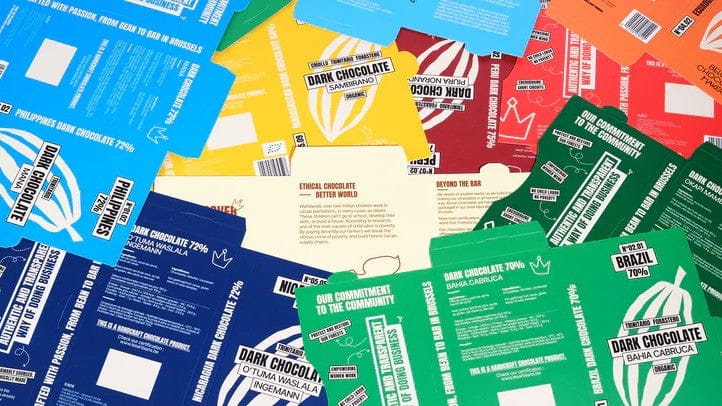
Bean-to-bar production offers another useful point of visibility. At The Belgian Chocolate Makers, transforming carefully selected cacao beans in the Brussels workshop makes it possible to connect sourcing decisions directly to roasting, refining, and the finished chocolate. That close attention does not solve every challenge at origin, but it creates a more accountable relationship between the bean's provenance and the bar in hand.
For gift buyers, sourcing is also part of what the gift says. A beautifully presented box becomes more memorable when its chocolate has a real sense of place and a maker has taken care with the people and materials behind it. Ask for the story behind the cacao, then let flavor be part of the answer.