A chocolate bar can look simple: cacao, sugar, perhaps milk, nuts, or a pinch of salt. Yet handmade chocolates versus supermarket brands can represent two very different approaches to that small pleasure. The difference is not simply a matter of prettier wrapping or a higher price. It can begin with the cacao bean, continue through every stage of production, and end in the clarity, texture, and character of the finished chocolate.
For a buyer choosing a meaningful gift or a more considered everyday treat, knowing what sits behind the label makes the choice easier. Craft chocolate is not automatically better because it is small-batch, and a supermarket bar is not automatically poor quality. But the way each is made creates meaningful differences worth tasting.
Handmade chocolates versus supermarket brands: what changes?
Most supermarket chocolate is designed for consistency at very large scale. Manufacturers source cacao through broad supply chains, build recipes for a familiar flavor profile, and produce large volumes that can travel, sit on shelves, and taste the same from one purchase to the next. This reliability has value. It makes chocolate accessible, affordable, and easy to find.
Handmade chocolate usually works on a different set of priorities: ingredient selection, smaller batches, more deliberate flavor development, and a closer relationship between maker and product. In a true bean-to-bar workshop, the maker roasts cacao beans, removes their shells, refines the nibs with sugar, conches the chocolate to develop texture and flavor, tempers it, and molds or finishes it in-house.
That degree of control matters. Roasting is not a generic step that produces a generic result. A lighter roast may preserve berry, citrus, floral, or tea-like notes in a fine cacao. A more developed roast may bring forward caramel, toasted nut, and warm spice. Refining and conching determine whether a chocolate feels silken, dense, creamy, or slightly rustic on the palate. When a maker oversees these decisions, chocolate becomes an expression of both origin and craft.
There is one useful distinction to keep in mind: handmade does not always mean bean-to-bar. Some excellent chocolatiers hand-form pralines and truffles using purchased couverture, or ready-made chocolate. Their fillings, decoration, and finishing may be entirely artisanal. Bean-to-bar adds another layer of authorship because the chocolate itself is made from the bean onward.
Ingredient standards and cacao origin
Industrial recipes often rely on ingredients that support cost control, shelf stability, and a uniform taste. Depending on the product, that can mean a lower cacao percentage, more sugar, flavorings such as vanilla, emulsifiers, or vegetable fats in chocolate-flavored confectionery. These choices are not necessarily unsafe or undesirable. They simply tend to make the flavor broader, sweeter, and less connected to a particular cacao harvest.
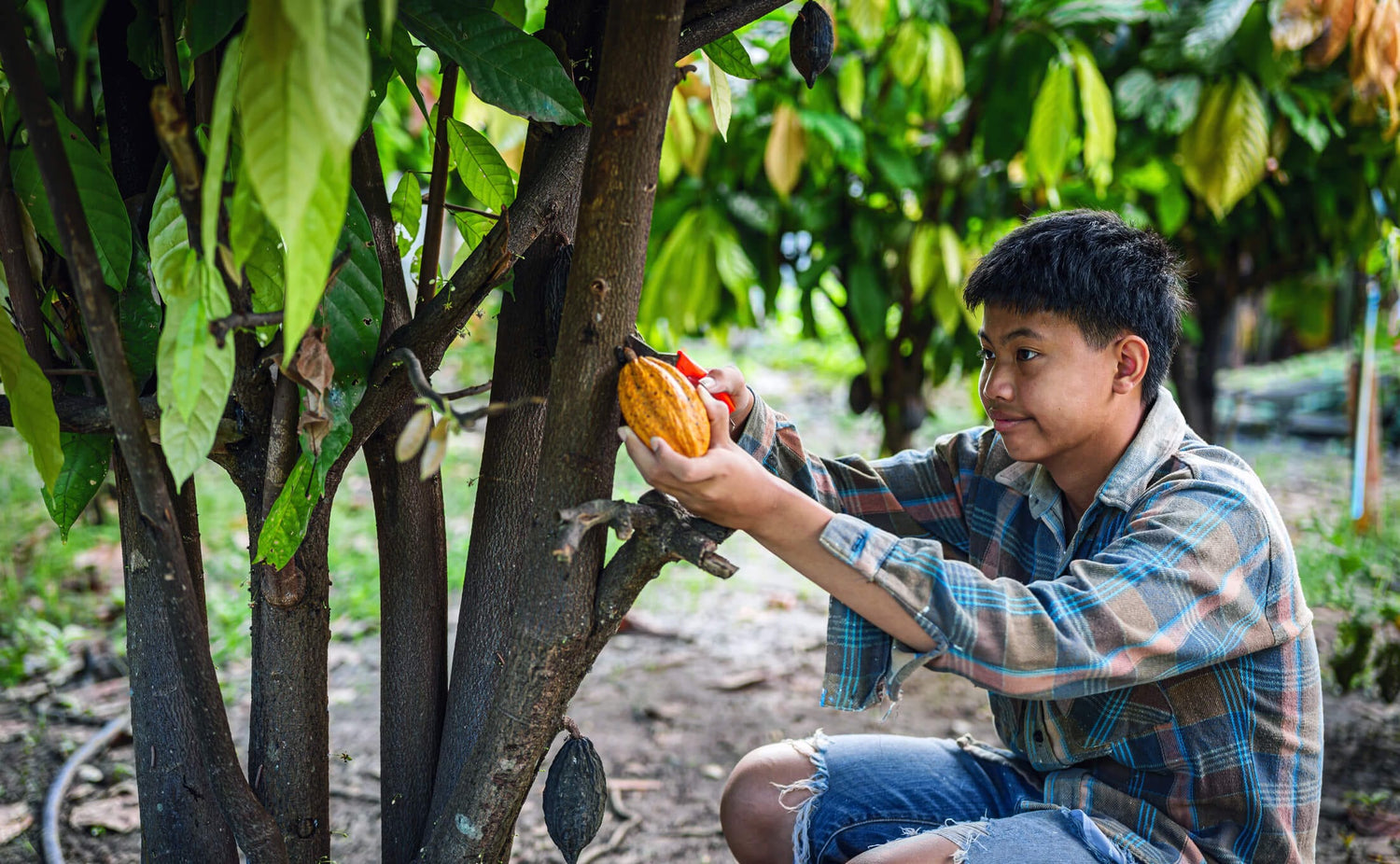
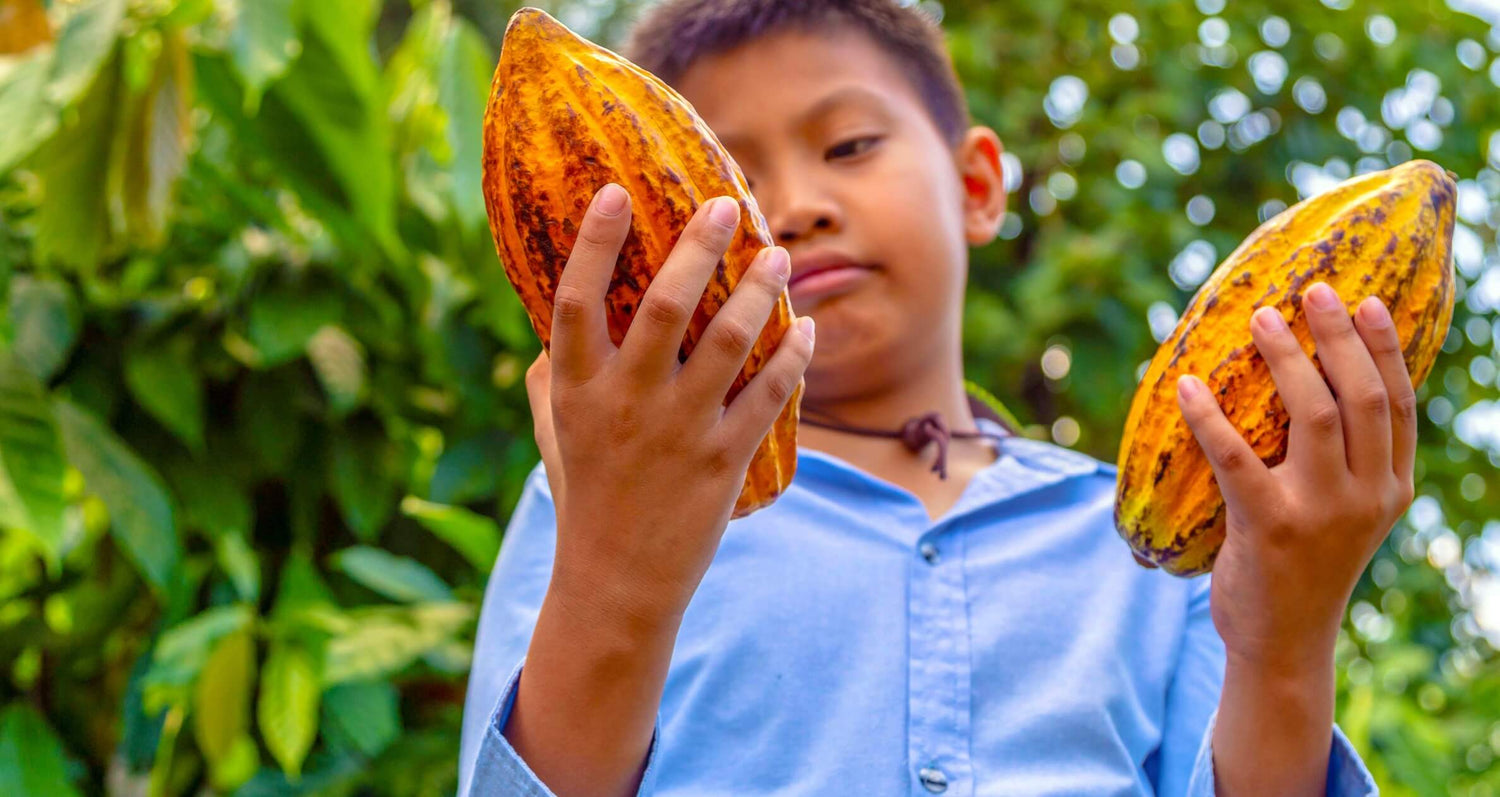
A serious handmade maker generally begins by asking more specific questions. Where were the beans grown? Which variety or regional profile do they offer? How were they fermented and dried? Who supplied them, and what information is available about the people and practices behind the harvest?
Single-origin chocolate makes this especially tangible. Cacao from Madagascar may suggest bright red fruit and citrus. Beans from Ecuador may bring floral notes, nuts, or gentle molasses. A well-made bar does not need to taste identical to its place of origin, but it should offer a distinct profile that is more than sweetness alone.
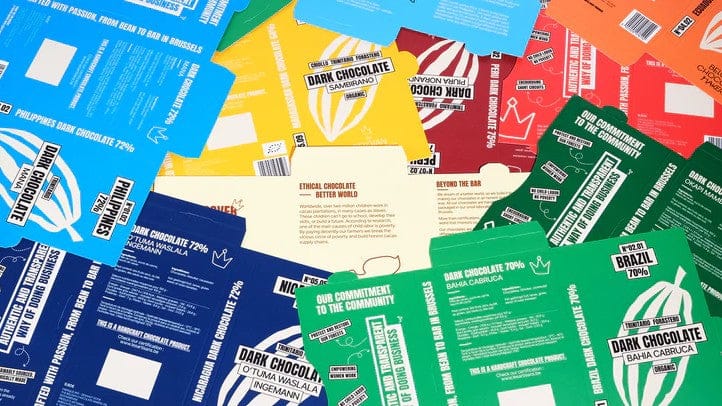
Transparency also gives ethical sourcing more substance. Terms such as “ethical” and “sustainable” can be vague when they are unsupported. Look for makers willing to identify origins, sourcing partners, and production methods. Traceability does not solve every challenge within cacao supply chains, but it allows customers to make a more informed choice and encourages accountability beyond a polished package.
Flavor, texture, and the value of variation
The first bite often tells the story. A supermarket bar may be immediately sweet, milky, and comforting, with a smooth texture engineered for broad appeal. That familiar profile is precisely what many people want, particularly for baking, sharing, or a casual snack.
Handmade chocolate can be more expressive. Its flavor may unfold gradually, moving from roasted cocoa to fruit, spice, coffee, honey, or subtle acidity. The finish may linger rather than disappear with the first sweetness. In milk chocolate, careful craft can preserve real cacao depth alongside creaminess instead of allowing dairy and sugar to dominate.
Variation is part of the experience. Cacao is an agricultural ingredient, so harvests change. A craft maker may adjust roast curves or recipes to honor a new lot of beans. For some shoppers, this is a welcome sign that chocolate is made from real crops, not standardized flavor components. For others, especially those attached to one exact taste, the predictability of a familiar supermarket brand may be preferable.
Texture deserves equal attention. Proper tempering creates the clean snap of a dark bar, a glossy surface, and a smooth melt. A small-batch maker can notice and correct details that are easy to lose at industrial scale: a roast that feels too sharp, a conche that needs more time, or a filling whose texture needs balance. Those details are quiet, but they shape the whole tasting experience.
Freshness matters most in filled chocolates
Shelf life is another practical difference. Plain chocolate bars are naturally stable when stored well, away from heat, light, humidity, and strong odors. Pralines, truffles, ganaches, and nut-based fillings are more delicate. Their freshness depends on ingredients, recipe design, packaging, and how recently they were made.
Supermarket assortments are often formulated and packaged to remain saleable for longer periods. That convenience can come at the expense of the bright dairy notes in a ganache, the aroma of roasted nuts, or the lively texture of a fresh praline. Artisan makers can prioritize these qualities, particularly when production is close to the point of sale.
For gifts, this is why presentation should be paired with a realistic plan. Choose an assortment suited to when it will be enjoyed, protect it from warm delivery conditions, and avoid saving fresh filled chocolates indefinitely for a “perfect” occasion. The perfect occasion is usually the first unhurried moment you can share them.
When supermarket chocolate is the right choice
There is no need to turn this into a moral test. Supermarket chocolate has a clear place. It is useful for a school bake sale, a large recipe, a quick dessert, or a household that wants a familiar sweet treat at a modest price. Large brands also offer convenient availability and dependable portion formats.
The better question is what you want the chocolate to do. If you are melting several pounds into brownies, a carefully selected artisan single-origin bar may not be necessary. If you are marking an anniversary, thanking a host, sending a corporate gift, or simply pausing to taste chocolate with attention, the added care behind handmade production becomes more relevant.
Price should be viewed in that context. Craft chocolate may cost more because cacao has been selected more carefully, production happens in smaller quantities, and skilled work is present at every stage. Premium packaging and gift presentation may add to that cost as well. A higher price is not proof of quality on its own, but a very low price rarely leaves room for exceptional beans, transparent sourcing, and patient production.
Choosing chocolate with confidence
A few details reveal more than marketing language. Look for a clear ingredient list, a named cacao origin when applicable, and straightforward information about who made the chocolate. Notice whether the brand explains its process or merely uses words such as artisanal and premium. For filled assortments, consider the balance of chocolate shell, filling, and freshness rather than choosing only by decoration.
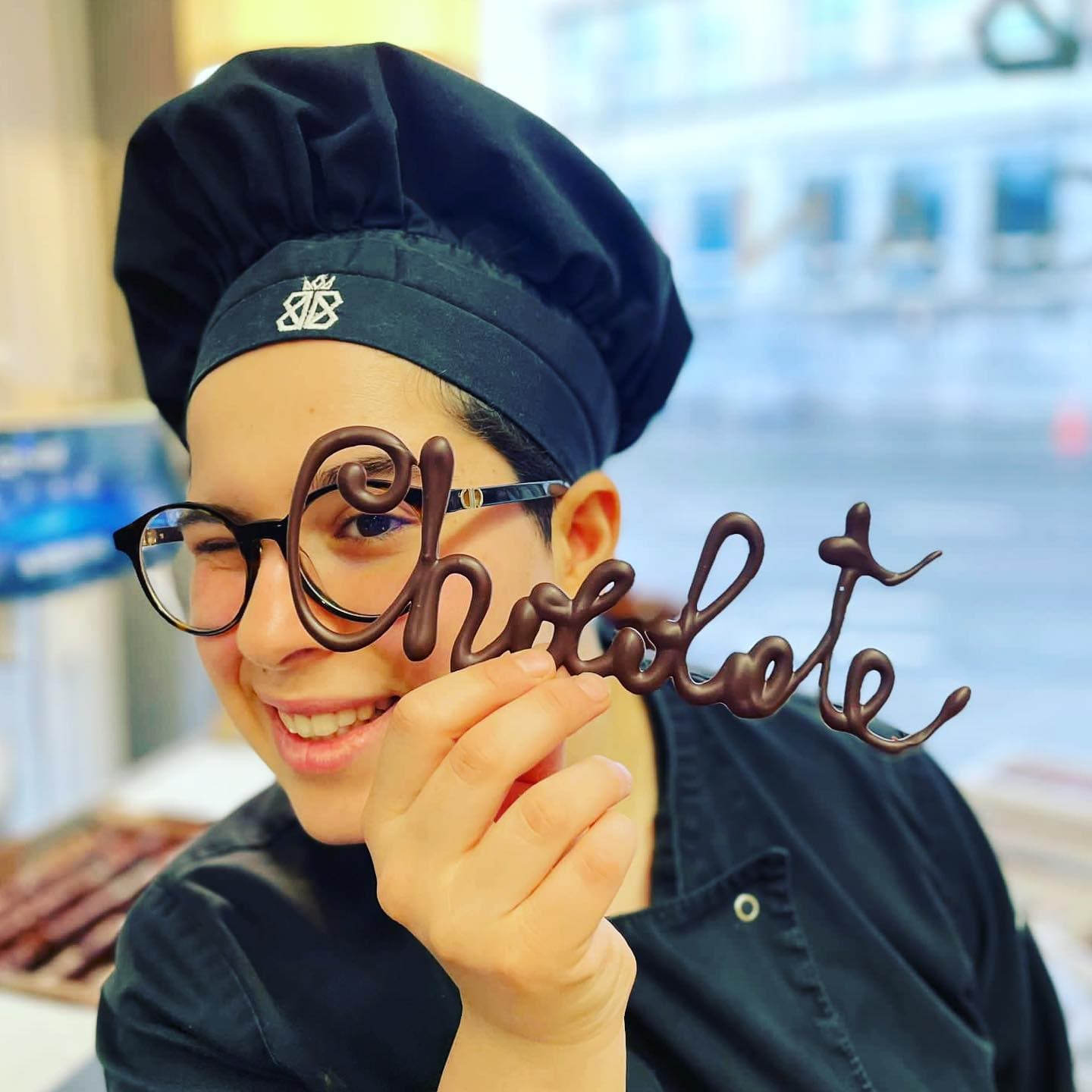
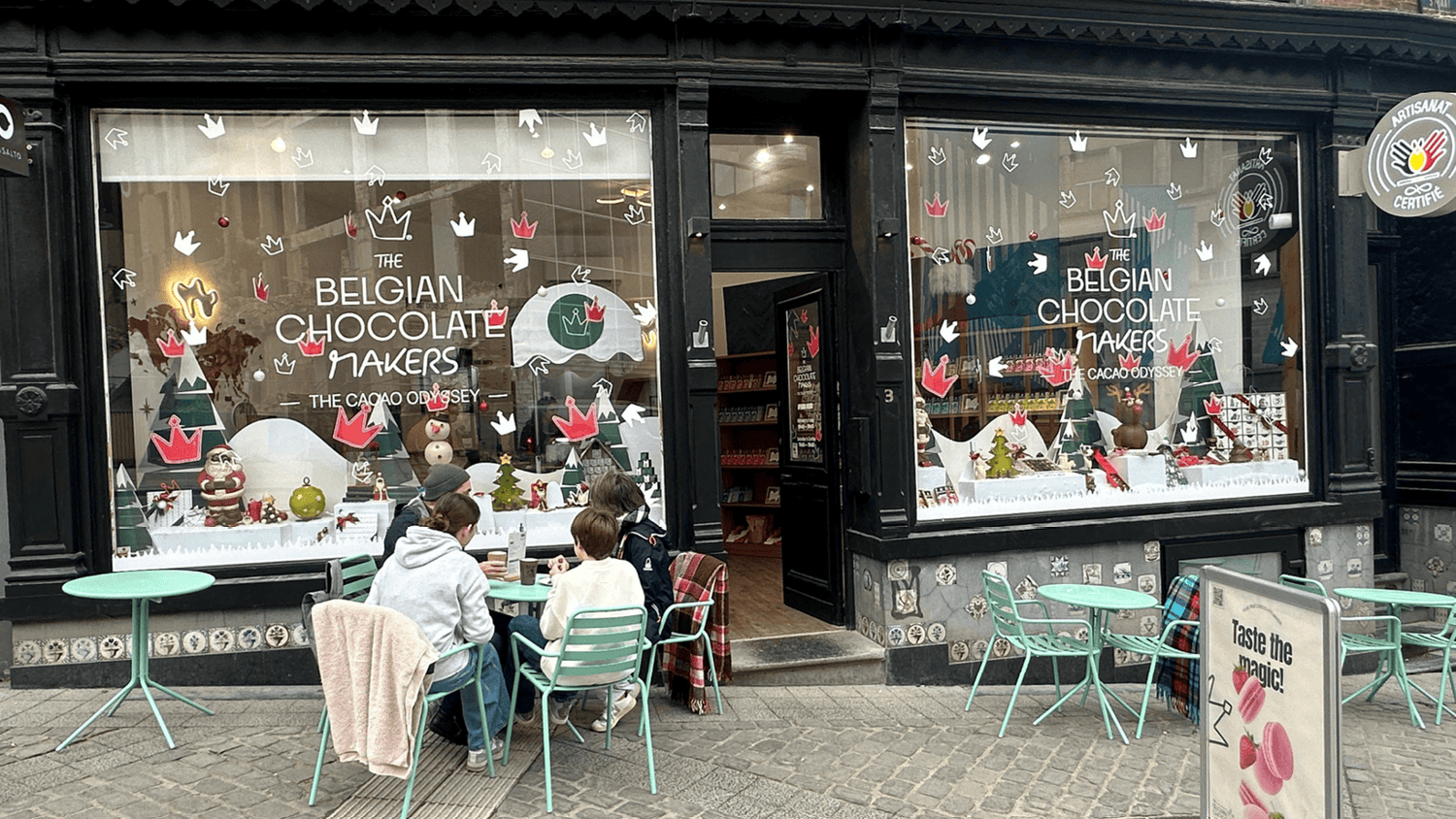
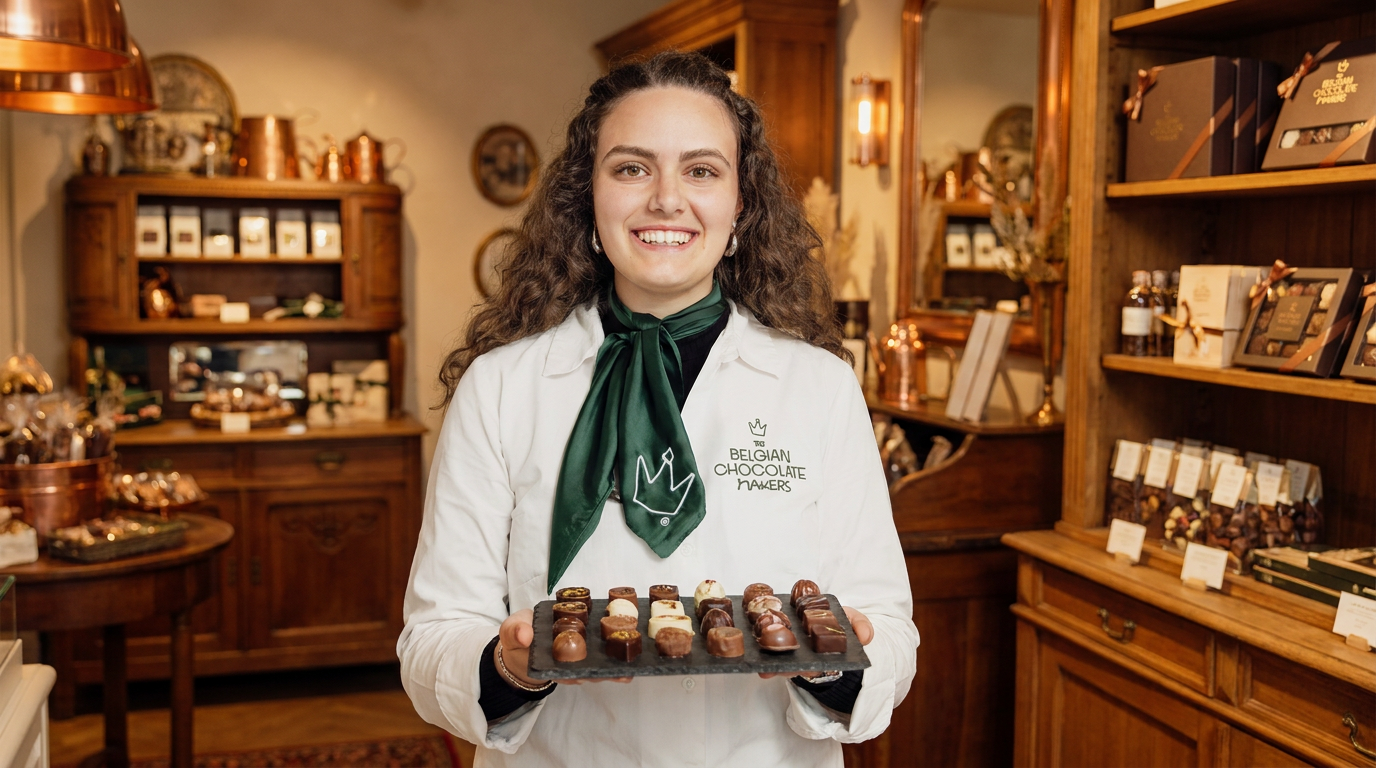
At The Belgian Chocolate Makers, chocolate is made in a central Brussels workshop from carefully sourced cacao beans, then shaped into bars, pralines, truffles, mendiants, spreads, and gifts. That bean-to-bar approach gives each creation a foundation of genuine chocolate flavor before the finishing touches begin.
The most rewarding choice is often the one that fits the moment: familiar chocolate for easy comfort, or handmade chocolate when origin, craftsmanship, and the pleasure of giving something distinctive deserve a place at the table. Let the first square be an invitation to slow down and taste what care can create.